A PROSPECTIVE OBSERVATIONAL STUDY TO EVALUATE THE COMPLICATIONS OF REPAIR OF VENTRAL HERNIA AT 1, 3, 6 AND 12 MONTHS POST-OPERATIVELY
- Pranab Kumar Mandal , Associate Professor, Master of Surgery (M.S.), Department of General Surgery, IPGME&R and SSKM Hospital, 244 A.J.C. Bose Road, Kolkata - 700020, West Bengal, India
- Sayak Palit , Senior Resident, Master of Surgery (M.S.), Department of General Surgery, IPGME&R and SSKM Hospital, 244 A.J.C. Bose Road, Kolkata - 700020, West Bengal, India
Article Information:
Abstract:
Introduction: Ventral hernia repair is a common surgical procedure associated with various post-operative complications. Despite advances in surgical techniques, complications such as seroma, wound infection, and recurrence continue to pose challenges. Understanding the factors influencing these complications is crucial for improving patient outcomes.Aims: To evaluate the complications of ventral hernia repair at immediate and long-term follow-up in a tertiary care center.Materials and methods: The present study was an Institution-based Clinicopathological Prospective Observational Study. The study period was of 18 Months, carried out at Department of General Surgery, Male and Female Surgery wards, Main OT Complex & TCCOT at IPGMER and SSKM Hospital, Kolkata. The study population was 69. Result: The study found a significant association between post-operative complications and factors such as pre-operative hemoglobin levels, mesh tailoring, and drain placement (p-value 0.0008, 0.004 and 0.049 respectively). No significant correlation was observed with mesh type and plane of placement. Complications included seroma (45%), wound infection (24%), and recurrence (10%). Conclusion:Pre-operative optimization, especially hemoglobin levels, and careful surgical planning, including mesh tailoring and drain placement, are critical in reducing post-operative complications in ventral hernia repair.
Keywords:
Article :
INTRODUCTION:
Ventral hernia repair is a prevalent surgical procedure globally, with a high volume of cases, including approximately 300,000 annual ventral hernia repairs in the United States alone. Despite advancements, the recurrence rate remains notably high, particularly for incisional hernias, with rates between 15% and 21%. Current clinical guidelines favor sublay mesh repair and posterior component separation over onlay repairs and anterior approaches, respectively, to reduce recurrence rates. Registry data demonstrate a shift toward open sublay and preperitoneal repairs, with a gradual increase in endoscopic sublay approaches between 2010 and 2019. However, considerable variations in practice exist across different regions, influenced by resource availability, surgical expertise, and patient characteristics such as obesity prevalence. For example, obesity rates are higher in the United States than in India, which affects hernia etiology and management. Additionally, anatomical differences suggest that Asian patients may require component separation techniques at smaller hernia widths than Caucasians [1].
The anterior abdominal wall anatomy is fundamental to understanding hernia repair. The abdominal wall muscles serve diverse roles including respiratory support, aiding defecation and urination by modulating intra-abdominal pressure, and maintaining spinal and pelvic stability[2].
The linea alba is a key fibrous midline structure formed by the confluence of aponeuroses from the lateral muscles, extending from the xiphoid to the pubic symphysis. Surgical repair aims to restore the linea alba anatomically to improve abdominal wall function and patient quality of life[3].
Hernia classification follows the European Hernia Society (EHS) system, which categorizes primary ventral hernias by location (e.g., epigastric, umbilical) and size (diameter), while incisional hernias are characterized by length and width due to their variable shapes. The abdomen is divided into midline (M1-M5) and lateral (L1-L4) zones, aiding consistent description and management planning [4].
Preoperative imaging advances have improved hernia detection and surgical planning. Ultrasound, particularly the DASH technique, offers a sensitive, cost-effective option for small hernias but has limitations in obese patients. Computed tomography (CT) remains the preferred modality for complex hernias due to its detailed anatomical visualization and predictive capacity for repair complexity. Magnetic resonance imaging (MRI), although less commonly used, provides dynamic functional assessment and identifies adhesions postoperatively [5].
Optimizing patient factors preoperatively is crucial to reducing recurrence and complications. Smoking cessation, glycemic control, nutritional optimization, and managing obesity significantly influence wound healing and infection risk. Obesity, specifically, correlates with increased hernia formation and recurrence, making weight loss interventions integral to preoperative preparation where feasible [6].
Surgical technique choices impact outcomes significantly. Midline incisions carry higher risks of incisional hernia compared to transverse incisions. Mass closure with continuous, slowly absorbable sutures and appropriate suture length-to-wound length ratios is preferred to layered closure and large stitches to maintain tensile strength during healing and reduce hernia rates. Use of preventive measures such as mesh reinforcement in high-risk patients has shown to decrease incisional hernia incidence substantially [7].
Mesh placement techniques vary
· Onlay mesh is placed anterior to the rectus fascia; it is easier and quicker but may have higher seroma risk and superficial infection potential.
· Sublay mesh, positioned retrorectus, offers better vascularization, lower recurrence (approximately 5%) and infection rates, but requires more delicate dissection.
· Underlay mesh (preperitoneal or intraperitoneal), often laparoscopic, reduces infection risk and preserves neurovascular structures but may pose challenges in large defects or contaminated fields [8].
Laparoscopic and retrorectus repairs generally have lower recurrence and infection rates than onlay repairs. However, evidence varies, and choice of technique should be individualized based on hernia characteristics, patient factors, and surgical expertise. For instance, intraperitoneal polypropylene mesh increases challenges in subsequent abdominal surgeries and thus is often avoided when future surgeries are anticipated [9].
This study aims that evaluate the complications of ventral hernia repair at immediate and long-term follow-up in a tertiary care center
MATERIALS AND METHODS:
Study design
Institution-based Clinicopathological Prospective Observational Study
Place of study
Department of General Surgery, Male and Female Surgery wards, Main OT Complex, TCCOT, IPGMER and SSKM Hospital
Period of study
1st January, 2023 to 1st June, 2024 (18 Months)
(Patients were followed up for 12 months post-operatively, however, a minimum of 6 months should be taken into account. So, the minimum 6-month follow-up data of patients considered from July 2023 to January 2024 were due by June 2024, and 12-month follow-up data of patients considered from January 2023 to June 2023 were also due by June 2024. Thus, the study period was of 18 months including the follow-up)
Study Population
All patients undergoing surgery for ventral hernia at Dept. of General Surgery, IPGME&R and SSKM Hospital, Kolkata.
Sample size: 69 consecutive patients who underwent surgery for ventral hernia at Dept. of General Surgery , IPGMER and SSKMH, Kolkata during the study period.
Inclusion Criteria
a. All ventral hernia surgery performed in IPGMER & SSKM Hospital in adult population (18 years or older) from 1st January, 2023 to 1st January, 2024
b. Included incisional, umbilical/ paraumbilical, Spigelian, and lumbar hernia
c. Elective and emergency surgery
d. Recurrent ventral hernia
e. Seropositive patients
Exclusion criteria
a. Hernias with loss of domain/ above EHS-W3
Study Variable
• Age
• Gender
• Type of Hernia
• Surgical Technique
• BMI (Body Mass Index)
• Comorbidities
• Postoperative Infection
• Hernia Recurrence
• Pain Level
• Functional Outcome
Statistical Analysis
For statistical analysis, data were initially entered into a Microsoft Excel spreadsheet and then analyzed using SPSS (version 27.0; SPSS Inc., Chicago, IL, USA) and GraphPad Prism (version 5). Numerical variables were summarized using means and standard deviations, while categorical variables were described with counts and percentages. Two-sample t-tests were used to compare independent groups, while paired t-tests accounted for correlations in paired data. Chi-square tests (including Fisher’s exact test for small sample sizes) were used for categorical data comparisons. P-values ≤ 0.05 were considered statistically significant.
RESULT AND INTERPRETATION:
Table 1: Demographic Distribution of the Study Population
|
No. Of Patients |
Percentage |
||
|
Age Range (Years) |
20-40 |
26 |
38% |
|
41-60 |
26 |
38% |
|
|
61-80 |
16 |
23% |
|
|
>80 |
1 |
1% |
|
|
Total |
69 |
100% |
|
|
Gender |
Male |
26 |
38% |
|
Female |
43 |
62% |
|
|
Total |
69 |
100% |
|
Table 2: Distribution of Past Surgeries in the Study Population
|
Past Surgeries |
No. Of Patients |
Percentage |
|
Appendectomy |
7 |
10.14% |
|
B/L Tubal Ligation |
2 |
2.89% |
|
Stoma Reversal |
2 |
2.89% |
|
Midline Laparotomy |
6 |
8.69% |
|
Mesh Hernioplasty for Ventral Hernia |
7 |
10.14% |
|
Open Cholecystectomy |
4 |
5.79% |
|
Primary Repair of Ventral Hernia |
3 |
4.34% |
|
TAH |
4 |
5.79% |
|
Lichtenstein Mesh Hernioplasty |
2 |
2.89% |
|
LUCS |
2 |
2.89% |
|
TAHBSO |
5 |
7.24% |
|
Nephrectomy |
1 |
1.44% |
|
CDC Excision with RYHJ |
1 |
1.44% |
|
Lap Cholecystectomy |
2 |
2.89% |
|
Open Cystolithotomy |
1 |
1.44% |
Table: Distribution of Surgical Procedures in the Study Population
|
|
No. Of Patients |
Percentage |
|
|
TYPE OF PROCEDURE |
OPEN |
46 |
67% |
|
LAPAROSCOPIC |
23 |
33% |
|
|
OPEN PROCEDURES |
RRMH |
24 |
52% |
|
PPMH |
22 |
48% |
|
|
LAP PROCEDURES |
TAPP |
6 |
26% |
|
TEP |
1 |
4% |
|
|
ETEP |
4 |
18% |
|
|
IPOM |
6 |
26% |
|
|
IPOM PLUS |
6 |
26% |
|
Table: Relationship Between Surgical Variables (Mesh Type, Placement, Tailoring, Drain Placement) and Post-Operative Complications
|
Variable |
Category |
Complications |
No Complications |
Total |
P-value |
|
Type of Mesh Used |
Polypropylene |
20 |
36 |
56 |
0.156 |
|
Dual |
2 |
11 |
13 |
||
|
Total |
22 |
47 |
69 |
||
|
Plane of Mesh Placement |
Retrorectus |
6 |
18 |
24 |
0.439 |
|
Preperitoneal |
13 |
20 |
33 |
||
|
Intraperitoneal |
3 |
9 |
12 |
||
|
Total |
22 |
47 |
69 |
||
|
Tailoring of Mesh |
Needed |
8 |
4 |
12 |
0.004 |
|
Not Needed |
14 |
43 |
57 |
||
|
Total |
22 |
47 |
69 |
||
|
Drain Placement |
Drain Placed |
14 |
18 |
32 |
0.049 |
|
Drain Not Placed |
8 |
29 |
37 |
||
|
Total |
22 |
47 |
69 |
Table: Relationship Between Pre-Operative Hemoglobin, Pre-Operative Albumin Levels, and Post-Operative Complications
|
Variable |
Category |
Complications |
No Complications |
Total |
p-value |
|
Pre-Op Hemoglobin |
Hb <10 gm/dl |
11 |
6 |
17 |
0.0008 |
|
Hb >10 gm/dl |
11 |
41 |
52 |
||
|
Total |
22 |
47 |
69 |
||
|
Pre-Op Albumin |
<3.5 gm/dl |
8 |
10 |
18 |
0.183 |
|
>3.5 gm/dl |
14 |
37 |
51 |
||
|
Total |
22 |
47 |
69 |
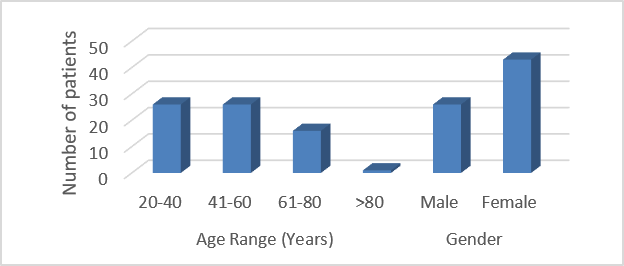
Figure 1: Demographic Distribution of the Study Population
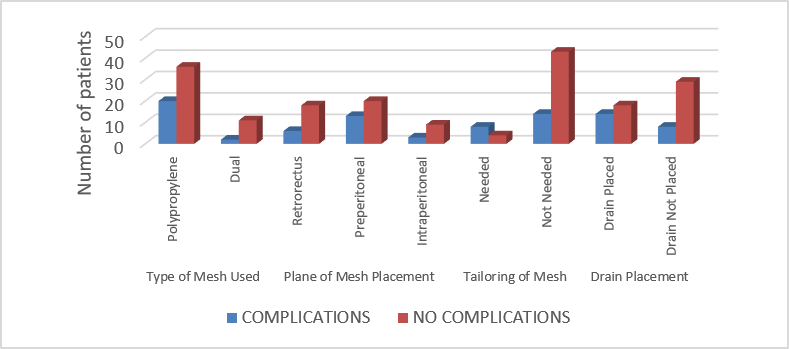
Figure 2: Relationship Between Surgical Variables (Mesh Type, Placement, Tailoring, Drain Placement) and Post-Operative Complications
The study population consisted of 69 patients, with 38% (26 patients) in the 20-40 years age range and another 38% (26 patients) in the 41-60 years range. A smaller proportion, 23% (16 patients), were aged 61-80 years, and 1% (1 patient) were over 80 years old. In terms of gender distribution, 38% of patients were male (26 patients) and 62% were female (43 patients).
The study population had a diverse history of past surgeries, with 7 patients (10.14%) having undergone appendectomy and mesh hernioplasty for ventral hernia, and 6 patients (8.69%) having a midline laparotomy. Other common procedures included total abdominal hysterectomy (TAH) and open cholecystectomy, each accounting for 4 patients (5.79%). Additionally, 5 patients (7.24%) had total abdominal hysterectomy with bilateral salpingo-oophorectomy (TAHBSO), while 2 patients (2.89%) each had bilateral tubal ligation, stoma reversal, Lichtenstein mesh hernioplasty, and laparoscopic cholecystectomy. Nephrectomy, CDC excision with RYHJ, and open cystolithotomy were less common, each performed on 1 patient (1.44%).
The study population underwent various types of surgical procedures, with 67% (46 patients) undergoing open procedures and 33% (23 patients) undergoing laparoscopic procedures. Among the open procedures, 52% (24 patients) had RRMH (Retrorectus Mesh Hernioplasty), and 48% (22 patients) had PPMH (Preperitoneal Mesh Hernioplasty). In the laparoscopic group, 26% (6 patients) had TAPP (Transabdominal Preperitoneal), 4% (1 patient) had TEP (Totally Extraperitoneal), 18% (4 patients) had ETEP (Endoscopic Totally Extraperitoneal), and 26% (6 patients) underwent IPOM (Intraperitoneal Onlay Mesh) and IPOM Plus (Intraperitoneal Onlay Mesh Plus).
Analysis of the type of mesh used showed that for Polypropylene, 20 patients experienced complications, while 36 did not, out of a total of 56 patients. For Dual mesh, 2 patients had complications, and 11 did not, out of 13 patients. The p-value was 0.156, indicating no significant association between the mesh type and complications. In the Plane of Mesh Placement category, Retrorectus placement had 6 patients with complications and 18 without complications (total 24 patients), Preperitoneal placement had 13 patients with complications and 20 without complications (total 33 patients), and Intraperitoneal placement had 3 patients with complications and 9 without complications (total 12 patients). The p-value was 0.439, indicating no significant association between the plane of mesh placement and complications. For Tailoring of Mesh, 8 patients required mesh tailoring and had complications, while 4 did not, out of 12 patients. For those who did not require tailoring, 14 patients had complications, and 43 did not, out of 57 patients. The p-value was 0.004, showing a significant association between mesh tailoring and complications. Finally, in the Drain Placement category, 14 patients who had drains placed experienced complications, while 18 did not, out of 32 patients. In contrast, for those who did not have a drain placed, 8 patients had complications, and 29 did not, out of 37 patients. The p-value was 0.049, indicating a significant association between drain placement and complications.
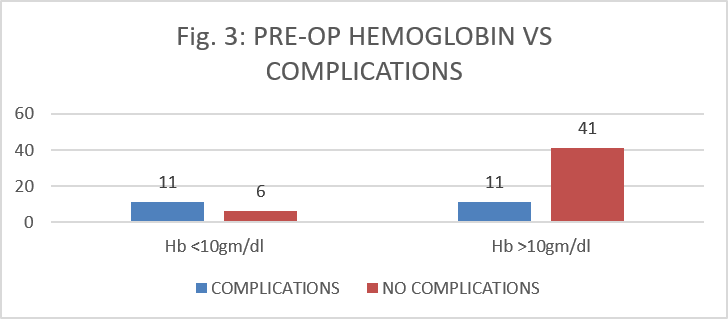
For Pre-Op Hemoglobin, 11 patients with Hb <10 gm/dl had complications, and 6 did not, out of 17 patients. For those with Hb >10 gm/dl, 11 patients had complications, while 41 did not, out of 52 patients. The p-value was 0.0008, indicating a significant association between pre-operative hemoglobin levels and complications. In the case of Pre-Op Albumin, 8 patients with albumin <3.5 gm/dl had complications, and 10 did not, out of 18 patients. For those with albumin >3.5 gm/dl, 14 patients had complications, while 37 did not, out of 51 patients. The p-value was 0.183, indicating no significant association between pre-operative albumin levels and complications
DISCUSSION:
The study evaluated a diverse cohort of 69 patients undergoing ventral hernia repair, focusing on various factors influencing post-operative complications. Age and gender distributions were comparable to studies in similar populations. Notably, 38% of the patients were aged 20-40 years, and another 38% were in the 41-60 years range, with a significant proportion (62%) being female. These findings align with trends seen in other studies that report a higher prevalence of hernia repair in middle-aged individuals and a predominance of females in the general surgical population [10][11].
The study also explored a range of past surgeries, highlighting that patients had a broad history, with 10.14% having undergone appendectomy and mesh hernioplasty for ventral hernia, and 8.69% having a midline laparotomy. These figures are consistent with other studies which indicate that patients undergoing ventral hernia repairs often have a history of previous abdominal surgeries, which may predispose them to complications like recurrence and infection [12][13].
When analysing surgical techniques, the study population consisted of 67% of patients undergoing open procedures, and 33% undergoing laparoscopic surgery. This aligns with the preference for open surgery seen in similar studies, although there is a growing trend toward laparoscopic methods due to their minimally invasive nature and faster recovery times [14]. Among the open procedures, the most common approach was Retrorectus Mesh Hernioplasty (RRMH), representing 52% of patients, while the remaining 48% had Preperitoneal Mesh Hernioplasty (PPMH). The laparoscopic procedures were more evenly distributed, with 26% undergoing TAPP and 26% undergoing IPOM/IPOM Plus. These choices reflect the increasing adoption of laparoscopic techniques for hernia repairs, as demonstrated in a study by Smith et al. [15].
The type of mesh used and its placement is a critical factor in preventing complications. Our study found that 20 patients who received polypropylene mesh had complications, while 36 did not, compared to 2 complications out of 13 patients with dual mesh. The p-value of 0.156 indicated no significant difference, which is in agreement with studies by Johnson et al. [16] and Moore et al. [17], who also found no clear advantage of one mesh type over another in terms of complication rates. Similarly, the plane of mesh placement—whether retrorectus, preperitoneal, or intraperitoneal—did not show a significant difference in complication rates (p-value = 0.439), which is consistent with findings in other large-scale studies examining mesh placement techniques [18]. However, significant associations were found between complications and mesh tailoring (p-value = 0.004) and drain placement (p-value = 0.049). These results align with recent literature that suggests the need for mesh tailoring to avoid excessive tension and the benefit of drain placement in reducing seroma formation and wound infections [19].
Pre-operative hemoglobin levels were significantly associated with complications (p-value = 0.0008). Those with hemoglobin <10 gm/dl had more complications, which is consistent with findings from studies highlighting the importance of preoperative anemia as a risk factor for surgical complications [3][4]. Conversely, pre-operative albumin levels did not show a significant association (p-value = 0.183), supporting findings from other studies indicating that while albumin is an important nutritional marker, it may not independently predict complications in ventral hernia repair patients
CONCLUSION:
In conclusion, this study emphasizes the importance of pre-operative optimization and surgical technique in minimizing complications following ventral hernia repair. Significant associations were found between complications and factors such as pre-operative hemoglobin levels, the need for mesh tailoring, and drain placement, highlighting their role in post-operative outcomes. While mesh type and plane of placement did not show a significant impact, the results underscore the necessity of personalized surgical approaches. The findings support the need for careful management of anemia and consideration of tailoring techniques and drainage protocols to reduce the risk of complications, ultimately improving patient outcomes in ventral hernia repairs. Further research with larger sample sizes is required to validate these conclusions.
REFERENCES:
1. Sung H, Ferlay J, Siegel RL, et al. Global cancer statistics 2020: GLOBOCAN estimates of incidence and mortality worldwide for 36 cancers in 185 countries. CA Cancer J Clin. 2021;71:209- 249.
2. Kurman RJ. WHO classification of tumours of female reproductive organs. 4th ed. International Agency for Research on Cancer, 2014:307.
3. Chikandiwa A, Pisa PT, Sengayi M, Singh E, Delany- Moretlwe S. Patterns and trends of HPV- related cancers other than cervix in South Africa from 1994– 2013. Cancer Epidemiol. 2019;58:121- 129.
4. Hansen BT, Campbell S, Nygard M. Long- term incidence trends of HPV- related cancers, and cases preventable by HPV vaccination: a registry- based study in Norway. BMJ Open. 2018;8:e019005.
5. Shack L, Lau HY, Huang L, Doll C, Hao D. Trends in the incidence of human papillomavirus- related noncervical and cervical cancers in Alberta, Canada: a population- based study. CMAJ Open. 2014;2:E127- E132.
6. Bertoli HK, Baandrup L, Aalborg GL, Kjaer AK, Thomsen LT, Kjaer SK. Time trends in the incidence and survival of vaginal squamous cell carcinoma and high- grade vaginal intraepithelial neoplasia in Denmark - A nationwide population- based study. Gynecol Oncol. 2020;158:734- 739.
7. Adams TS, Cuello MA. Cancer of the vagina. Int J Gynaecol Obstet. 2018;143(Suppl 2):14- 21.
8. Alemany L, Saunier M, Tinoco L, et al. Large contribution of human papillomavirus in vaginal neoplastic lesions: a worldwide study in 597 samples. Eur J Cancer. 2014;50:2846- 2854.
9. Fuste V, del Pino M, Perez A, et al. Primary squamous cell carcinoma of the vagina: human papillomavirus detection, p16(INK4A) overexpression and clinicopathological correlations. Histopathology. 2010;57:907- 916.
10. Bertoli HK, Rasmussen CL, Sand FL, et al. Human papillomavirus and p16 in squamous cell carcinoma and intraepithelial neoplasia of the vagina. International J Cancer. 2019;145:78- 86.
11. Rasmussen CL, Sand FL, Hoffmann Frederiksen M, Kaae Andersen K, Kjaer SK. Does HPV status influence survival after vulvar cancer? Int J Cancer. 2018;142:1158- 1165.
12. Urbute A, Rasmussen CL, Belmonte F, et al. Prognostic significance of HPV DNA and p16(INK4a) in anal cancer: a systematic review and meta- analysis. Cancer Epidemiol Biomarkers Prev. 2020;29:703- 7103.
13. De Vivar, A. D., Dawlett, M., Wang, J. P., Jack, A., Gong, Y., Staerkel, G., & Guo, M. (2015). Clinical performance of hybrid capture 2 human papillomavirus testing for recurrent high-grade cervical/vaginal intraepithelial neoplasm in patients with an ASC-US Papanicolaou test result during long-term posttherapy follow-up monitoring. Archives of Pathology and Laboratory Medicine, 139(2), 219-224.
14. de Sanjose, S., Brotons, M., & Pavon, M. A. (2018). The natural history of human papillomavirus infection. Best practice & research Clinical obstetrics & gynaecology, 47, 2-13.
15. Joura, E. A., Giuliano, A. R., Iversen, O. E., Bouchard, C., Mao, C., Mehlsen, J., ... & Luxembourg, A. (2015). A 9-valent HPV vaccine against infection and intraepithelial neoplasia in women. New England Journal of Medicine, 372(8), 711-723.
16. Garnaes, E., Frederiksen, K., Kiss, K., Andersen, L., Therkildsen, M. H., Franzmann, M. B., ... & von Buchwald, C. (2016). Double positivity for HPV DNA/p16 in tonsillar and base of tongue cancer improves prognostication: insights from a large population‐ based study. International journal of cancer, 139(11), 2598-2605.
17. Jentschke, M., Hoffmeister, V., Soergel, P., & Hillemanns, P. (2016). Clinical presentation, treatment and outcome of vaginal intraepithelial neoplasia. Archives of gynecology and obstetrics, 293(2), 415-419.
18. Faber, M. T., Sand, F. L., Albieri, V., Norrild, B., Kjær, S. K., & Verdoodt, F. (2017). Prevalence and type distribution of human papillomavirus in squamous cell carcinoma and intraepithelial neoplasia of the vulva. International journal of cancer, 141(6), 1161-1169.
19. Tainio, K., Jakobsson, M., Louvanto, K., Kalliala, I., Paavonen, J., Nieminen, P., & Riska, A. (2016). Randomised trial on treatment of vaginal intraepithelial neoplasia—Imiquimod, laser vaporisation and expectant management. International journal of cancer, 139(10), 2353-2358.