ROLE OF PROPHYLACTIC USE OF ORAL CALCIUM AND VITAMIN D IN CASES OF TOTAL THYROIDECTOMY
- Dr Soma Mandal , Associate Professor, MS (ENT), Department of ENT, IORL-HNS, IPGME&R-SSKM Hospital, 244, AJC Bose Road, Kolkata - 700020, West Bengal
- Dr Anindita Sengupta , Assistant Professor, MS (ENT), Department of ENT, IORL-HNS, IPGME&R-SSKM Hospital, 244, AJC Bose Road, Kolkata - 700020, West Bengal
- Dr Alok Ranjan Mondal , Assistant Professor, MS (ENT), Department of ENT, IORL-HNS, IPGME&R-SSKM Hospital, 244, AJC Bose Road, Kolkata - 700020, West Bengal
- Dr Kaustuv Das Biswas , Assistant Professor , MS ENT, (DLO), Department of ENT, IORL-HNS, IPGME&R-SSKM Hospital, 244, AJC Bose Road, Kolkata - 700020, West Bengal
- Dr Santosh Kumar Prasad , Junior Resident , MS ENT , Department of ENT, IORL-HNS, IPGME&R-SSKM Hospital, 244, AJC Bose Road, Kolkata - 700020, West Bengal
- Dr Bijan Basak , Professor, MS (ENT), Department of ENT, IORL-HNS, IPGME & R-SSKM Hospital, 244, AJC Bose Road, Kolkata - 700020, West Bengal
Article Information:
Abstract:
Introduction: Postoperative hypocalcaemia is one of the most common complications following total thyroidectomy, primarily due to inadvertent devascularisation or removal of the parathyroid glands. Prophylactic administration of oral calcium and vitamin D has been proposed to reduce the incidence and severity of hypocalcaemia and to improve postoperative outcomes. Aim: To evaluate the role of prophylactic oral calcium and vitamin D supplementation in preventing hypocalcaemia following total thyroidectomy. Materials and Methods : This study was designed as a prospective observational/interventional study to evaluate the role of prophylactic oral calcium and vitamin D supplementation in patients undergoing total thyroidectomy and its effectiveness in preventing postoperative hypocalcaemia. The study was conducted in the Department of General Surgery and/or ENT at a tertiary care teaching hospital over a period of 12–24 months, depending on feasibility and patient recruitment rate. All patients undergoing total thyroidectomy during the study period who met the inclusion criteria were included in the study population. A total of 50 patients were enrolled as the sample size for analysis. Results: The study included a total of 50 patients undergoing total thyroidectomy. The age distribution showed that the majority of patients belonged to the 20–40 years age group comprising 29 patients (58.0%), followed by 41–60 years age group with 19 patients (38.0%), while only 2 patients (4.0%) were above 60 years of age. Gender distribution demonstrated a marked female predominance with 42 females (84.0%) compared to 8 males (16.0%). In terms of religion, 31 patients (62.0%) were Hindu and 19 patients (38.0%) were Muslim .Conclusion: Prophylactic oral calcium and vitamin D supplementation following total thyroidectomy is an effective strategy to reduce the incidence and severity of postoperative hypocalcaemia. Its routine use may improve patient comfort, reduce complications, and shorten hospitalization.
Keywords:
Article :
INTRODUCTION:
Post-operative hypocalcaemia is considered the most frequently encountered complication following total thyroidectomy. Total thyroidectomy is a surgical treatment for many thyroid diseases when the pathologic process involves both lobes of the thyroid gland as in multinodular goitre, Grave's disease, cancer, and thyroiditis. Meticulous identification of parathyroid glands with complete preservation is a tough task during thyroid surgery. Sometimes, inadvertent removal or jeopardization of its blood supply is inevitable. As a result hyperparathyroidism especially after total thyroidectomy is more or less a common event. Calcium is the sedater of nerves and, its ionized portion in the body fluids is necessary for many physiological actions including nerve conduction, muscle contraction and blood coagulation. A decrease in extracellular Ca++ exerts an excitatory effect on nervous and muscle tissue. Hypocalcaemia may be asymptomatic when serum calcium (Ca) is mildly decreased. In symptomatic hypocalcaemia, the patient has pathognomonic Chvostek's and Trousseau's signs and muscle spasms. Hypocalcaemia tetany is a severe form of hypocalcaemia characterized by extensive spasm of skeletal muscle, mostly affecting the muscles of the extremity and larynx. Hypocalcaemia typically occurs from 24 to 48 h after the operation [1]. In addition to patient dissatisfaction after surgery, postoperative hypocalcaemia is a major factor of prolonged inpatient admission time which is mandatory in symptomatic patients for close observation and repeated laboratory evaluations.
There is no international agreement on the definition of postoperative hypocalcaemia, thus, many different definitions existed in the literature [2]. The British Association of Endocrine and Thyroid Surgeons (BAETS) set a definition of postoperative hypocalcaemia as calcium level of less than 2.1mmol/L in the first postoperative day. The need to take calcium and vitamin D supplement at ≥6 months following surgery to maintain normocalcaemia is considered late hypocalcaemia [3].
Various factors contribute to occurrence of post thyroidectomy hypocalcaemia such as operating on poorly controlled toxic goitre, hypothermia, significant Vitamin D deficiency, thyrotoxic osteodystrophy, surgery for recurrent goitre, prolonged operative duration, and ischemia of most parathyroid glands, devascularisation, or inadvertent removal of parathyroid. In addition to importance of quality of surgical
technique, there are a variety of practical methods that try to prevent symptomatic hypocalcaemia, including oral calcium and vitamin D supplementation which is based on postoperative parathyroid hormone levels, and the routine oral supplementation for all patients without evaluation of parathyroid hormone levels in the post-operative. Our search in the literature will be emphasized importance of such prophylactic practice and encourage me to conduct this study.
The aim of the study To stabilize role of oral calcium and vit.D after total thyroidectomy, Sign & symptoms of deficiencies of calcium and vit.D , Relation of Oral calcium & Vit.D in development of Hypocalcaemia Episodes , Indications of total thyroidectomies where post operative oral calcium & Vit.D is must
MATERIALS AND METHODS:
Study design
This study will be a prospective observational/interventional study designed to evaluate the role of prophylactic oral calcium and vitamin D supplementation in patients undergoing total thyroidectomy and its effect on prevention of postoperative hypocalcemia.
Study place
The study will be conducted in the Department of General Surgery and ENT, at a tertiary care teaching hospital.
Study duration : The study will be conducted over a period of 12–24 months (as per feasibility and patient recruitment rate).
Study population
All patients undergoing total thyroidectomy during the study period who fulfill the inclusion criteria will be included in the study.
Sample size
A total of 50 patients
Study variables
• Age, Sex, and Religion
• Clinical Diagnosis, Hypocalcaemia Characteristics, and Serum Calcium Levels Among the Study Participants
Inclusion criteria
Patients aged 18 years and above undergoing total thyroidectomy for benign or malignant thyroid diseases; patients who give informed written consent; and patients with normal preoperative serum calcium and vitamin D levels or mild deficiency corrected preoperatively.
Exclusion criteria
Patients undergoing partial thyroidectomy; patients with pre-existing hypocalcaemia or chronic hyperparathyroidism; patients with chronic kidney disease, severe vitamin D deficiency not corrected preoperatively, or metabolic bone disorders; and patients unwilling to participate or lost to follow-up.
Statistical Analysis:
For statistical analysis data were entered into a Microsoft excel spreadsheet and then analysed by SPSS (version 27.0; SPSS Inc., Chicago, IL, USA) and Graph Pad Prism version 5. Data had been summarized as mean and standard deviation for numerical variables and count and percentages for categorical variables. Two-sample t-tests for a difference in mean involved independent samples or unpaired samples. Paired t-tests were a form of blocking and had greater power than unpaired tests. A chi-squared test (χ2 test) was any statistical hypothesis test wherein the sampling distribution of the test statistic is a chi-squared distribution when the null hypothesis is true. Without other qualification, 'chi-squared test' often is used as short for Pearson's chi-squared test. Unpaired proportions were compared by Chi-square test or Fischer’s exact test, as appropriate.
Explicit expressions that can be used to carry out various t-tests are given below. In each case, the formula for a test statistic that either exactly follows or closely approximates a t-distribution under the null hypothesis is given. Also, the appropriate degrees of freedom are given in each case. Each of these statistics can be used to carry out either a one-tailed test or a two-tailed test.
Once a t value is determined, a p-value can be found using a table of values from Student's t-distribution .If the calculated p-value is below the threshold chosen for statistical significance (usually the 0.10, the 0.05, or 0.01 level), then the null hypothesis is rejected in favour of the alternative hypothesis.
P-value ≤ 0.05 was considered for statistically significant.
RESULTS:
Table 1: Distribution of Study Participants According to Age, Sex, and Religion (N = 50)
|
Variable |
Category |
N |
% |
|
Age |
20–40 years |
29 |
58.00% |
|
41–60 years |
19 |
38.00% |
|
|
>60 years |
2 |
4.00% |
|
|
Sex |
Male |
8 |
16.00% |
|
Female |
42 |
84.00% |
|
|
Religion |
Hindu |
31 |
62.00% |
|
Muslim |
19 |
38.00% |
Table 2: Distribution of Clinical Diagnosis, Hypocalcaemia Characteristics, and Serum Calcium Levels Among the Study Participants (N = 50)
|
Variable |
Category |
N |
% |
Mean ± SD |
P value |
|
Clinical Diagnosis |
Follicular carcinoma |
15 |
30.00% |
|
|
|
Papillary carcinoma |
22 |
44.00% |
|
|
|
|
Colloid goitre |
13 |
26.00% |
|
|
|
|
Signs and Symptoms of Hypocalcaemia |
No signs and symptoms |
6 |
12.00% |
|
|
|
Paresthesia to oral and perioral region |
12 |
24.00% |
|
|
|
|
Tingling sensation over hand |
6 |
12.00% |
|
|
|
|
Tingling sensation in hand and feet |
24 |
48.00% |
|
|
|
|
Tetany |
2 |
4.00% |
|
|
|
|
Sex of Patients Developing Hypocalcaemia (n=44) |
Male |
7 |
15.90% |
|
|
|
Female |
37 |
84.10% |
|
|
|
|
Serum Calcium Levels |
Pre-operative |
|
|
9.99 ± 0.15 |
<0.0001 |
|
Day 2 |
|
|
8.85 ± 0.18 |
||
|
Day 7 |
|
|
9.11 ± 0.23 |
||
|
1 Month |
|
|
9.93 ± 0.22 |
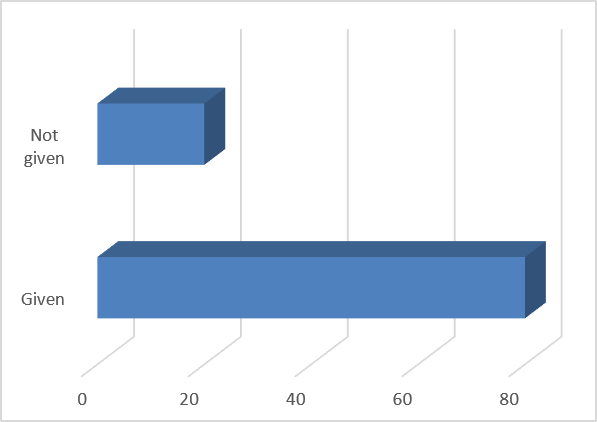
Figure 1 : Distribution of Post-Op Oral calcium & vitamin D status
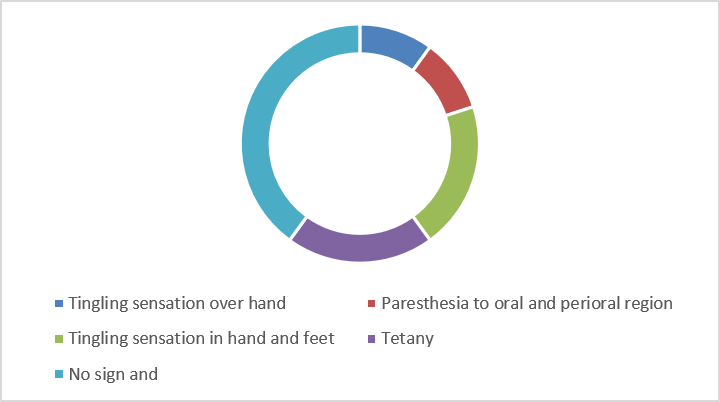
Figure 2 : Distribution of hypocalcaemia features among patients (10) who had not given Post-op oral calcium & vitamin D
The study included a total of 50 patients undergoing total thyroidectomy. The age distribution showed that the majority of patients belonged to the 20–40 years age group comprising 29 patients (58.0%), followed by 41–60 years age group with 19 patients (38.0%), while only 2 patients (4.0%) were above 60 years of age. Gender distribution demonstrated a marked female predominance with 42 females (84.0%) compared to 8 males (16.0%). In terms of religion, 31 patients (62.0%) were Hindu and 19 patients (38.0%) were Muslim.
The study showed that among the 50 patients undergoing total thyroidectomy, the most common clinical diagnosis was papillary carcinoma in 22 patients (44.0%), followed by follicular carcinoma in 15 patients (30.0%), and colloid goitre in 13 patients (26.0%).Postoperative hypocalcaemia-related symptoms were observed in a significant proportion of patients. The most common presentation was tingling sensation in hands and feet in 24 patients (48.0%), followed by perioral and oral paresthesia in 12 patients (24.0%). Tingling sensation in hands alone was seen in 6 patients (12.0%), while 2 patients (4.0%) developed tetany. Six patients (12.0%) remained asymptomatic. Among the 44 patients who developed hypocalcaemia, the majority were females (37 patients, 84.1%) compared to males (7 patients, 15.9%),.Serum calcium levels showed a statistically significant variation across different time points (p < 0.0001). The mean preoperative serum calcium level was 9.99 ± 0.15 mg/dL, which decreased to 8.85 ± 0.18 mg/dL on postoperative day 2, indicating early postoperative hypocalcaemia. A gradual improvement was observed by day 7 (9.11 ± 0.23 mg/dL), with near normalization at 1 month follow-up (9.93 ± 0.22 mg/dL).
DISCUSSION:
In the present study, a total of 50 patients undergoing total thyroidectomy were analyzed, showing a clear female predominance and higher incidence in the younger age group (20–40 years). Similar demographic patterns have been reported by Mishra et al. [4], who observed that thyroid disorders requiring surgical intervention are more common in females of reproductive age, likely due to hormonal and autoimmune influences. The predominance of papillary carcinoma (44%) in our study is also consistent with findings of Haugen et al. [5], who reported papillary thyroid carcinoma as the most common histological type of thyroid malignancy worldwide.
Postoperative hypocalcaemia-related symptoms were observed in a significant proportion of patients, with tingling sensation in hands and feet being the most frequent complaint. Sakr MF et al. [6] similarly reported that neuromuscular irritability, particularly perioral numbness and paraesthesia, is the earliest and most common manifestation of postoperative hypocalcaemia following thyroidectomy. In our study, 4% of patients developed tetany, which is comparable to findings Tongol MC et al. [7], who highlighted that severe symptomatic hypocalcaemia remains less common but clinically significant in post-thyroidectomy patients.
Among patients who developed hypocalcaemia, a strong female predominance was observed, which aligns with the findings of Kemi VE et al. [8], who reported higher susceptibility in females possibly due to lower baseline calcium reserves and hormonal factors affecting bone metabolism. The significant postoperative decline in serum calcium levels on day 2, followed by gradual recovery by day 7 and near normalization at 1 month, was statistically significant (p < 0.0001). This pattern is consistent with the study by Seo ST et al. [9], who demonstrated transient hypocalcaemia as the most common biochemical abnormality after total thyroidectomy, often resolving within weeks.
The role of prophylactic calcium and vitamin D supplementation in preventing or reducing severity of hypocalcaemia has been well documented. Sittitrai P et al. [10] reported that early postoperative administration significantly reduces symptomatic hypocalcaemia and hospital stay. Similarly, Xing T et al. [11] emphasized the synergistic role of vitamin D in enhancing calcium absorption and stabilizing postoperative serum calcium levels. Our findings also support this observation, as most patients showed recovery of calcium levels without persistent hypocalcaemia.
Furthermore, Cayo AK et al [12] highlighted that routine supplementation reduces the need for intravenous calcium therapy, which correlates with the reduced severity of symptoms observed in our cohort. Casey C et al [13] also concluded that prophylactic calcium and vitamin D administration is safe and effective in preventing clinically significant hypocalcaemia after thyroid surgery
CONCLUSION:
The present study demonstrates that total thyroidectomy is associated with a significant but usually transient reduction in serum calcium levels, with a notable proportion of patients developing clinical features of hypocalcaemia in the early postoperative period. Tingling sensations, perioral paraesthesia, and, in a few cases, tetany were the predominant manifestations, with females being more commonly affected. The findings indicate that serum calcium levels typically decline in the immediate postoperative period and gradually return toward normal within weeks, suggesting a reversible process in most cases. The study also highlights the strong association between postoperative hypocalcaemia symptoms and biochemical calcium decline. Prophylactic administration of oral calcium and vitamin D plays an important role in minimizing the severity and duration of hypocalcaemia episodes after total thyroidectomy. Early supplementation helps stabilize serum calcium levels, reduces symptomatic hypocalcaemia, and improves overall postoperative recovery. Thus, routine use of oral calcium and vitamin D in the postoperative period, especially in high-risk patients, is a safe, effective, and practical strategy to prevent clinically significant hypocalcaemia and reduce morbidity following total thyroidectomy
REFERENCES:
1. Muthukumaraswamy P. Clinical Study of Hypocalcemia following Thyroid Surgery (Doctoral dissertation, Tirunelveli Medical College, Tirunelveli).
2. Cooper MS, Gittoes NJ. Diagnosis and management of hypocalcaemia. Bmj. 2008 Jun 5;336(7656):1298-302.
3. Murphy E, Williams GR. Hypocalcaemia. Medicine. 2009 Sep 1;37(9):465-8.
4. Mishra A, Agarwal A, Agarwal G, Mishra SK. Total thyroidectomy for benign thyroid disorders in an endemic region. World journal of surgery. 2001 Mar;25(3):307-10.
5. Haugen BR, Alexander EK, Bible KC, Doherty GM, Mandel SJ, Nikiforov YE, Pacini F, Randolph GW, Sawka AM, Schlumberger M, Schuff KG. 2015 American Thyroid Association management guidelines for adult patients with thyroid nodules and differentiated thyroid cancer: the American Thyroid Association guidelines task force on thyroid nodules and differentiated thyroid cancer. thyroid. 2016 Jan;26(1):1-33.
6. Sakr MF. Post-thyroidectomy hypocalcemia: Incidence and risk factors. InParathyroid Gland Disorders: Controversies and Debates 2022 Aug 24 (pp. 251-271). Cham: Springer International Publishing.
7. Tongol MC, Mirasol R. Incidence and risk factors for post-thyroidectomy hypocalcemia. Journal of the ASEAN Federation of Endocrine Societies. 2016 May 19;31(1):30-.
8. Kemi VE, Kärkkäinen MU, Rita HJ, Laaksonen MM, Outila TA, Lamberg-Allardt CJ. Low calcium: phosphorus ratio in habitual diets affects serum parathyroid hormone concentration and calcium metabolism in healthy women with adequate calcium intake. British journal of nutrition. 2010 Feb;103(4):561-8.
9. Seo ST, Chang JW, Jin J, Lim YC, Rha KS, Koo BS. Transient and permanent hypocalcemia after total thyroidectomy: early predictive factors and long-term follow-up results. Surgery. 2015 Dec 1;158(6):1492-9.
10. Sittitrai P, Ruenmarkkaew D, Klibngern H, Ariyanon T, Hanprasertpong N, Boonyaprapa S, Sreesawat M. Perioperative versus postoperative calcium and vitamin D supplementation to prevent symptomatic hypocalcemia after total thyroidectomy: a randomized placebo controlled trial. International Journal of Surgery. 2023 Jan 1;109(1):13-20.
11. Xing T, Hu Y, Wang B, Zhu J. Role of oral calcium supplementation alone or with vitamin D in preventing post-thyroidectomy hypocalcaemia: a meta-analysis. Medicine. 2019 Feb 1;98(8):e14455.
12. Cayo AK, Yen TW, Misustin SM, Wall K, Wilson SD, Evans DB, Wang TS. Predicting the need for calcium and calcitriol supplementation after total thyroidectomy: results of a prospective, randomized study. Surgery. 2012 Dec 1;152(6):1059-67.
13. Casey C, Hopkins D. The role of preoperative vitamin D and calcium in preventing post-thyroidectomy hypocalcaemia: a systematic review. European Archives of Oto-Rhino-Laryngology. 2023 Apr;280(4):1555-63.