ASSESSMENT OF POST-OPERATIVE SURGICAL SITE INFECTIONS FOLLOWING EMERGENCY ABDOMINAL SURGICAL PROCEDURE.
- Mantaj Ali Khan , 3rd Year PGT, MS General Surgery, MBBS, Department of General Surgery, Nilratan Sircar Medical College & Hospital, Kolkata, 138, A. J. C. Bose Road, Kolkata-700014.
- Arijit Mukherjee , Associate Professor, MBBS(CAL), MS ( CAL), MRCS ( Eng), FIAGES, Department of General Surgery, Nilratan Sircar Medical College &Hospital, Kolkata, 138,A.J.C. Bose Road, Kolkata-700014.
Article Information:
Abstract:
Introduction: Surgical Site Infections (SSI) are common complications after emergency abdominal surgeries, leading to increased morbidity, hospital stay, and costs. Higher risk is due to contamination, poor patient condition, limited preoperative preparation, and longer operative time. This study assesses SSI incidence, wound changes, microbiological patterns, and associated risk factors in patients. Aims: The aim of the study was to assess postoperative surgical site infections (SSIs) following emergency abdominal surgical procedures. The objectives were to determine the incidence of SSIs, evaluate associated clinical wound characteristics, identify the microbiological profile of infected cases, and analyze the relationship between SSIs and various risk factors such as age, gender, comorbidities, and wound classification. Materials and methods: A prospective observational study was conducted over 18 months at NRS Medical College and Hospital, Kolkata, involving 50 adults undergoing emergency abdominal surgery. Data on demographics, comorbidities, and wound status were recorded. Patients were followed on postoperative days 3, 5, and 7, with microbiological analysis and SPSS-based statistical evaluation. Result: The mean age of patients was 53.58 years, with most in the 51–60 year group (40%). Female’s comprised 60%, and 70% had comorbidities, mainly hypertension and diabetes. Clean-contaminated wounds were most common. SSI signs included serous discharge, purulent discharge, erythema, and dehiscence. Microbial growth was seen in 34%, mainly Klebsiella pneumoniae, with age significantly associated. Conclusion: Surgical site infections after emergency abdominal surgery are common, especially in elderly patients with comorbidities and contaminated wounds. Gram-negative organisms, mainly Klebsiella pneumoniae, predominate. Early risk detection, asepsis, antibiotics, and wound care improve outcomes and reduce complications.
Keywords:
Article :
INTRODUCTION:
Surgical site infection (SSI) is defined as the invasion of microorganisms into a wound following a breakdown of local and systemic host defenses, commonly presenting with pus discharge, delayed healing, and sometimes systemic signs of infection [1].
According to the Centers for Disease Control and Prevention (CDC), SSI refers to an infection occurring within 30 days of surgery or within one year if an implant is present and the infection is related to the procedure [2]. SSIs remain one of the most common healthcare-associated infections, occurring in approximately 1%–3% of surgical procedures, with significantly higher rates in abdominal surgeries, ranging from 15%–25% depending on wound contamination level [3].
Despite improvements in surgical techniques, antimicrobial prophylaxis, and infection control practices, SSIs continue to pose a major challenge, particularly due to early discharge and limited surveillance [4]. Abdominal surgeries, including appendectomies, cholecystectomies, colectomies, and gastric bypass procedures, vary in complexity but share a common risk of postoperative infection. [5]
SSIs are classified into superficial incisional, deep incisional, and organ/space infections [6], and may present early or in a delayed manner, leading to prolonged hospitalization, increased healthcare costs, and poorer patient outcomes. The development of SSIs is multifactorial, involving patient-related factors such as advanced age, diabetes, obesity, and immunosuppression, along with procedural factors like surgical technique, duration of surgery, and use of antibiotics. Environmental factors such as hospital hygiene and microbial contamination also play a crucial role [7].
Prevention of SSIs requires a multidisciplinary approach, including preoperative patient optimization, appropriate antimicrobial prophylaxis, strict aseptic surgical techniques, and meticulous postoperative wound care. Enhanced recovery protocols and standardized infection control measures further contribute to reducing SSI incidence [8].
Management of established SSIs involves timely diagnosis, surgical debridement, when necessary, culture-directed antibiotic therapy, and supportive care.
MATERIALS AND METHODS:
Study design: Observational study conducted on adult patients undergoing Emergency Surgery.
Place of study: Nilratan Sircar Medical College & Hospital, 138, A. J. C. Bose Road, Kolkata-700014
Period of study: The study was span over 1.5 years (18 months).
Study Population: Adult patients in the age group 18 to 75 years undergoing Emergency Abdominal Surgery in General Surgery OT, NRS Medical College & Hospital, Kolkata during the study period who fulfiled the inclusion &exclusion criteria and are willing to give consent for the study.
Sample size: 50 patients
Inclusion Criteria:
• Patients in age group 18 t075 years planned undergoing Emergency Surgery
• Patients those who are willing to participate the study.
Exclusion criteria:
• Patients who need surgery in Emergency setting
• Previous major surgery history
• Patients who refuse to give informed written consent
Study Variable:
• Age in completed years
• Sex
• Addiction status and presence of comorbidities
• Clinical findings: surgical wound classification, serous discharge, purulent discharge, erythema, and wound dehiscence
• Laboratory findings: presence of microbial growth and identification of isolated microorganisms
Statistical Analysis: For statistical analysis, data were initially entered into a Microsoft Excel spreadsheet and then analysed using SPSS (version 27.0; SPSS Inc., Chicago, IL, USA) and GraphPad Prism (version 5). Numerical variables were summarized using means and standard deviations.
while Data were entered into Excel and analyzed using SPSS and GraphPad Prism. Numerical variables were summarized using means and standard deviations, while categorical variables were described with counts and percentages. Two-sample t-tests were used to compare independent groups, while paired t-tests accounted for correlations in paired data. Chi-square tests (including Fisher’s exact test for small sample sizes) were used for categorical data comparisons. P-values ≤ 0.05 were considered statistically significant.
RESULTS:
Table 1: Demographic Profile of Study Population (Age, Gender, Addiction, Comorbidity)
|
Variable |
Category |
Frequency (n=50) |
Percentage (%) |
|
Age (years) |
≤30 |
1 |
2 |
|
31–40 |
4 |
8 |
|
|
41–50 |
11 |
22 |
|
|
51–60 |
20 |
40 |
|
|
61–70 |
14 |
28 |
|
|
Gender |
Female |
30 |
60 |
|
Male |
20 |
40 |
|
|
Addiction |
None |
24 |
48 |
|
Smoking |
12 |
24 |
|
|
Tobacco |
4 |
8 |
|
|
Alcohol |
3 |
6 |
|
|
Paan |
5 |
10 |
|
|
Betel |
2 |
4 |
|
|
Comorbidities |
None |
15 |
30 |
|
Hypertension |
19 |
38 |
|
|
Diabetes mellitus |
6 |
12 |
|
|
COPD |
5 |
10 |
|
|
Hypothyroid |
3 |
6 |
|
|
CLD |
2 |
4 |
Table 2: Descriptive Statistics of Postoperative Clinical Features
|
Parameter |
n |
Mean |
SD |
Median |
Min |
Max |
|
Age (years) |
50 |
53.58 |
— |
55 |
— |
— |
|
Serous discharge (days) |
22 |
2.73 |
0.456 |
3 |
2 |
3 |
|
Erythema (days) |
7 |
1.86 |
0.378 |
2 |
1 |
2 |
|
Purulent discharge (days) |
13 |
5.85 |
0.689 |
6 |
5 |
7 |
|
Wound dehiscence (days) |
11 |
5.64 |
1.05 |
6 |
4 |
7 |
Table 3: Association of Variables with Microbiological Growth (Risk Factors)
|
Variable |
Category |
Growth (%) |
No Growth (%) |
χ² |
p-value |
|
Gender |
Female |
33.3 |
66.7 |
0.015 |
0.903 |
|
Male |
35.0 |
65.0 |
|||
|
Addiction |
All categories |
— |
— |
7.67 |
0.176 |
|
Comorbidity |
Present vs None |
— |
— |
13.17 |
0.022 |
|
Wound class |
Clean vs contaminated |
— |
— |
26.6 |
<0.001 |
|
Serous discharge |
Present vs absent |
42.9 vs 22.7 |
— |
2.23 |
0.136 |
Table 4: Association of Clinical Signs with Microbiological Growth
|
Variable |
Category |
Growth (%) |
No Growth (%) |
χ² |
p-value |
|
Erythema |
Present |
100 |
0 |
15.8 |
<0.001 |
|
Absent |
23.3 |
76.7 |
|||
|
Purulent discharge |
Present |
100 |
0 |
34.1 |
<0.001 |
|
Absent |
10.8 |
89.2 |
|||
|
Wound dehiscence |
Present |
100 |
0 |
27.38 |
<0.001 |
|
Absent |
15.4 |
84.6 |
|||
|
Age (mean comparison) |
Growth group |
60.76 ± 6.2 |
— |
4.162 |
<0.001 |
|
No growth group |
49.88 ± 9.8 |
— |
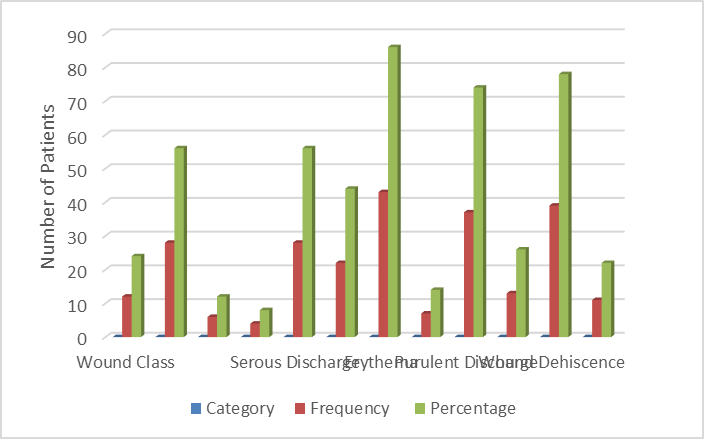
Figure 1: Surgical Wound Classification and Postoperative Wound Features
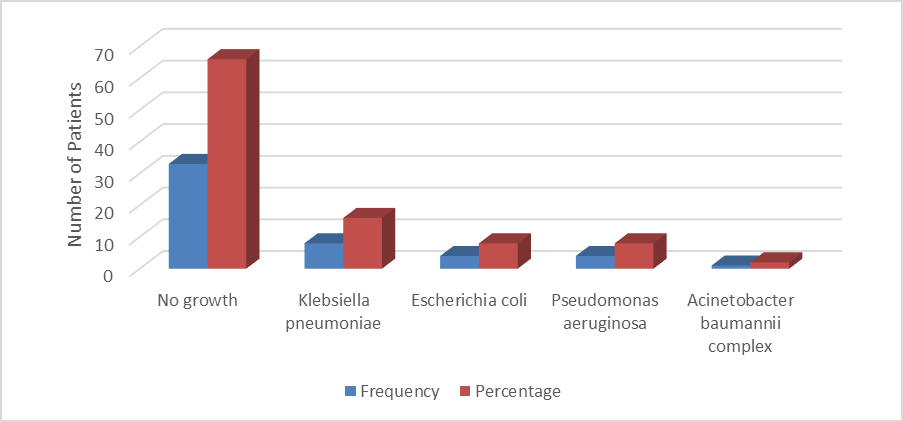
Figure 2: Microbiological Profile of Surgical Site Infections
The study included a total of 50 patients. The age distribution showed that 1 patient (2%) were ≤30 years, 4 patients (8%) were 31–40 years, 11 patients (22%) were 41–50 years, 20 patients (40%) were 51–60 years, and 14 patients (28%) were 61–70 years. Regarding gender distribution, 30 patients (60%) were female and 20 patients (40%) were male. In terms of addiction history, 24 patients (48%) had no addiction, while smoking was observed in 12 patients (24%), tobacco use in 4 patients (8%), alcohol consumption in 3 patients (6%), paan use in 5 patients (10%), and betel use in 2 patients (4%). Comorbidities were present in a majority of patients, with 15 patients (30%) having no comorbidity. Hypertension was seen in 19 patients (38%), diabetes mellitus in 6 patients (12%), COPD in 5 patients (10%), hypothyroidism in 3 patients (6%), and chronic liver disease (CLD) in 2 patients (4%).
[Table 1] The mean age of the study population was 53.58 years (median: 55 years). Among patients with serous discharge (n=22), the mean duration was 2.73 ± 0.456 days (median: 3 days), with a range of 2–3 days. In cases of erythema (n=7), the mean duration was 1.86 ± 0.378 days (median: 2 days), ranging from 1 to 2 days. For purulent discharge (n=13), the mean duration was 5.85 ± 0.689 days (median: 6 days), with a range of 5–7 days. In patients with wound dehiscence (n=11), the mean duration was 5.64 ± 1.05 days (median: 6 days), ranging from 4 to 7 days. [Table 2]
The association analysis between various risk factors and microbiological growth showed that gender was not significantly associated with infection, with females showing 33.3% growth and males 35.0% growth (χ²=0.015, p=0.903). Similarly, addiction status did not demonstrate a statistically significant association with microbial growth (χ²=7.67, p=0.176). However, comorbidities showed a significant association with microbiological growth (χ²=13.17, p=0.022), indicating higher infection rates among patients with underlying diseases compared to those without comorbidities. Surgical wound classification also showed a highly significant association with infection risk (χ²=26.6, p<0.001), with contaminated and dirty wounds demonstrating markedly higher growth rates compared to clean wounds.
Serous discharge was not significantly associated with microbial growth (χ²=2.23, p=0.136), although a higher proportion of infection was observed in patients with discharge (42.9%) compared to those without (22.7%). Overall, wound type and comorbid conditions were the most important predictors of postoperative microbial growth in this study. [Table 3] The association analysis demonstrated a strong and statistically significant relationship between clinical wound signs and microbiological growth. Erythema, purulent discharge, and wound dehiscence were all highly significant predictors of infection, with 100% of patients showing microbial growth when these signs were present (p<0.001 for all). In contrast, significantly lower infection rates were observed in patients without these clinical features. Age was also a significant factor influencing infection status, with the growth group showing a higher mean age (60.76 ± 6.2 years) compared to the no growth group (49.88 ± 9.8 years), and this difference was statistically significant (p<0.001). [Table 4]
The wound classification showed that 12 patients (24%) had clean wounds, 28 patients (56%) had clean-contaminated wounds, 6 patients (12%) had contaminated wounds, and 4 patients (8%) had dirty wounds. Serous discharge was present in 22 patients (44%), while 28 patients (56%) had no serous discharge. Erythema was observed in 7 patients (14%), whereas 43 patients (86%) showed no erythema. Purulent discharge was present in 13 patients (26%), while 37 patients (74%) had no purulent discharge. Wound dehiscence was noted in 11 patients (22%), whereas 39 patients (78%) had intact wounds without dehiscence. [Figure 1] Out of the total 50 samples, no bacterial growth was observed in 33 patients (66%), while microbial growth was detected in 17 patients (34%). Among the isolated organisms, Klebsiella pneumoniae was the most common, found in 8 patients (16%). Escherichia coli and Pseudomonas aeruginosa were each isolated in 4 patients (8% each), whereas Acinetobacter baumannii complex was identified in 1 patient (2%). [Figure 2]
DISCUSSION:
Surgical site infection (SSI) remains one of the most important postoperative complications, particularly in emergency abdominal surgeries where contamination, physiological instability, and limited preoperative optimization significantly increase infection risk. In the present study, microbiological growth was observed in 34% of cases, indicating a considerable burden of SSI in emergency settings. This finding is consistent with the observations of Centers for Disease Control and Prevention (CDC) et al. [9], who identified SSI as one of the leading healthcare-associated infections globally. The CDC further emphasized that SSI contributes substantially to postoperative morbidity, prolonged hospitalization, and increased healthcare costs, especially in high-risk surgical procedures. SSI classification and surveillance definitions play a critical role in standardizing diagnosis and reporting. Horan et al. [10]
developed the widely accepted CDC definitions for SSI, categorizing infections into superficial incisional, deep incisional, and organ/space infections. These definitions remain the cornerstone for surveillance systems worldwide and allow consistent comparison of infection rates across institutions. Their work highlights that accurate classification is essential for early identification, reporting, and prevention strategies in surgical practice. Age was found to be significantly associated with microbiological growth in the present study, with older patients showing higher infection rates. This observation aligns with findings reported by Bhattacharyya et al. [11], who demonstrated that elderly patients are more susceptible to SSI due to physiological immunosenescence, decreased tissue regeneration capacity, and a higher prevalence of comorbid conditions. Age-related decline in immune function and delayed wound healing significantly contribute to increased postoperative infection risk. Comorbidities such as diabetes mellitus, hypertension, COPD, and chronic liver disease showed a significant association with SSI in this study. This finding is strongly supported by Chua et al. [12],
who reported that systemic diseases, particularly diabetes mellitus, impair leukocyte function, reduce microvascular circulation, and delay collagen synthesis, thereby increasing susceptibility to infection. These physiological impairments create a favorable environment for bacterial colonization and wound breakdown. Surgical wound classification demonstrated a strong and statistically significant association with infection risk in the present study, with contaminated and dirty wounds showing markedly higher microbial growth. Ching et al. [13] emphasized that wound classification is one of the most reliable predictors of SSI, as it directly reflects the degree of microbial contamination during surgery. They further highlighted that proper categorization is essential for determining prophylactic antibiotic strategy and postoperative surveillance intensity. The persistence of SSI as a major postoperative complication despite advances in surgical care has been highlighted by Seidelman et al. [14],
who reported ongoing SSI incidence in both community and tertiary healthcare settings. Their study emphasized that emergency surgeries, particularly abdominal procedures, continue to demonstrate higher infection rates due to uncontrolled contamination, prolonged operative time, and limited preoperative preparation. Risk factors such as advanced age, comorbidities, and intraoperative contamination have been consistently associated with SSI. Uckay et al. [15] emphasized that SSI is a multifactorial condition influenced by patient-related, procedure-related, and environmental factors. They highlighted the importance of perioperative optimization, strict aseptic technique, and antimicrobial stewardship as key components in reducing infection risk. The World Health Organization (WHO) has established comprehensive global guidelines for SSI prevention.
WHO et al. [16] recommended evidence-based interventions including appropriate timing of antibiotic prophylaxis, surgical hand preparation, maintenance of normothermia, and sterile surgical technique. These measures have been shown to significantly reduce SSI incidence when implemented as a bundle approach. The global burden and regional variation in SSI incidence have been highlighted by Maleknejad et al. [17], who reported higher SSI rates in developing regions due to limited infection control infrastructure, inadequate surveillance systems, and inconsistent adherence to aseptic protocols. Their findings underscore the need for strengthening healthcare systems and infection prevention programs in resource-limited settings.
Preventive strategies in SSI management require a multidisciplinary and systematic approach. Andersen et al. [18] emphasized that preoperative optimization of patient health status, appropriate surgical technique, and meticulous intraoperative handling of tissues are critical in reducing infection rates. They also highlighted the importance of postoperative wound care and early detection of infection signs. The role of endogenous flora and microbiological factors in SSI pathogenesis has been extensively described by Wenzel et al. [19],
who reported that Gram-negative organisms from the gastrointestinal tract are the most common pathogens in abdominal SSIs. Their study also emphasized the importance of understanding the surgical microbiome in preventing postoperative infections. Comprehensive preventive strategies and updated knowledge on SSI management were reviewed by Kolasiński et al. [20], who concluded that strict adherence to infection control protocols, antimicrobial stewardship, and surgical best practices significantly reduce SSI incidence. They also emphasized that continuous surveillance, staff training, and implementation of care bundles are essential for sustained improvement in surgical outcomes.
CONCLUSION:
This study highlights that surgical site infections (SSI) remain a significant complication in emergency abdominal surgeries, with a microbiological growth rate of 34%. Elderly patients, particularly those aged 51–70 years, and those with comorbidities showed higher infection risk, while gender and addiction were not significant predictors. Clean-contaminated and contaminated wounds demonstrated higher infection rates, and Gram-negative organisms, especially Klebsiella pneumoniae, were most prevalent. The findings emphasize the importance of early risk identification, strict aseptic techniques, and targeted infection control strategies to reduce SSI incidence and improve surgical outcomes.
REFERENCES:
1. Ahmed M, Alam SN, Khan O, Manzar S. Postoperative wound infection: a surgeon’s dilemma. Pak J Surg. 2007 Jan;23(1):41-7.
2. Horan TC, Andrus M, Dudeck MA. CDC/NHSN surveillance definition of health care-associated infection and criteria for specific types of infections in the acute care setting. Am J Infect Control. 2008;36:309–32. doi:10.1016/j.ajic.2008.03.002.
3. Azoury S, Farrow N, Hu Q, et al. Postoperative abdominal wound infection—epidemiology, risk factors, identification, and management. Chron Wound Care Manage Res. 2015;2:137–48.
4. Rubin RH. Surgical wound infection: epidemiology, pathogenesis, diagnosis and management. BMC Infect Dis. 2006 Dec;6:1–2.
5. Alkaaki A, Al-Radi OO, Khoja A, et al. Surgical site infection following abdominal surgery: a prospective cohort study. Can J Surg. 2019;62(2):111–117. doi:10.1503/cjs.004818.
6. Young PY, Khadaroo RG. Surgical site infections. Surg Clin North Am. 2014;94(6):1245–1264.
7. Jahangir F, Haghdoost A, Moameri H, Okhovati M. Incidence and Risk Factors of Surgical Site Infection in Abdominal Surgeries: A Scoping Review of Cohort and Case-Control Studies. Iran J Med Sci. 2024;49(7):402–412. doi:10.30476/ijms.2024.100819.3338.
8. Calderwood MS, Anderson DJ, Bratzler DW, et al. Strategies to prevent surgical site infections in acute-care hospitals: 2022 Update. Infect Control Hosp Epidemiol. 2023;44(5):695–720. doi:10.1017/ice.2023.67.
9. Centers for Disease Control and Prevention (CDC). Surgical Site Infection Event (SSI). National Healthcare Safety Network 2025. Available at:
10. Horan TC, et al. CDC definitions of nosocomial surgical site infections, 1992. Am J Infect Control. 1992;20(5):271–274.
11. Bhattacharyya S, et al. Surgical site infections: A review. IP Int J Med Microbiol Trop Dis. 2021;7(3):124–128.
12. Chua RAHW, et al. Surgical site infection and development of antimicrobial sutures: a review. Eur Rev Med Pharmacol Sci. 2022;26(3):828–845.
13. Ching PR. Care bundles in surgical site infection prevention: a narrative review. Curr Infect Dis Rep. 2024;26:163–172.
14. Seidelman JL, et al. Surgical site infection trends in community hospitals. Infect Control Hosp Epidemiol. 2023;44(4):610–615.
15. Uckay I, et al. Preventing surgical site infections. Expert Rev Anti Infect Ther. 2010;8(6):657–670.
16. World Health Organization (WHO). Global guidelines for the prevention of surgical site infection. 2nd ed. 2018.
17. Maleknejad A, et al. Surgical site infections in Eastern Mediterranean region: systematic review and meta-analysis. Infect Dis. 2019;51(10):719–721.
18. Andersen BM. Prevention of postoperative wound infections. In: Prevention and Control of Infections in Hospitals. Springer Cham; 2019:377–437.
19. Wenzel RP. Surgical site infections and the microbiome: an updated review. Infect Control Hosp Epidemiol. 2019;40(5):590–596.
20. Kolasiński W. Surgical site infections—review of current knowledge, methods of prevention. Pol J Surg. 2018;91(4):41–47.