COMPARATIVE STUDY OF PROGNOSIS OF PATIENTS UNDERGOING MITRAL VALVE REPLACEMENT BY DIFFERENT SUTURE TECHNIQUES.
- Amitrajit Dasgupta , Consultant Cardiothoracic and Vascular Surgeon, MBBS, DNB, MCh (CTVS), Galaxy Superspeciality Hospital, Royal Park, Wireless More, Kalyani Expressway, Barrackpore, West Bengal – 700121.
- Ashis Halder , Associate Professor, MS, MCh (CTVS), Department of CTVS, Nil Ratan Sircar Medical College and Hospital, 138, A. J. C. Bose Road, Kolkata – 700014, West Bengal.
- Aditi Dasghara , Assistant Professor, MD, DM, DrNB (Cardiac Anaesthesia), Department of Cardiac Anaesthesia, Nil Ratan Sircar Medical College and Hospital, 138, A. J. C. Bose Road, Kolkata – 700014, West Bengal.
Article Information:
Abstract:
Introduction: For severe and irreversible mitral valve disease, mitral valve replacement (MVR) is still an essential surgical procedure, especially when repair is not practical due to substantial leaflet damage from endocarditis or excessive rheumatic calcification. The long-term patient prognosis is greatly impacted by the technical execution of the treatment, even though valve replacement entails higher operative risks than repair, including increased surgical mortality, stroke, and endocarditis. Aims: The aim of this study was to evaluate the differences in surgical outcomes among patients undergoing mitral valve replacement using continuous, semicontinuous, and interrupted suture techniques. Materials & Methods: This comparative study was conducted at NRS Medical College and Hospital, Kolkata, from April 2020 to October 2021, involving a total of 100 patients. Result: In our study, the semicontinuous suture technique was used in 71 cases (71%), making it the most commonly employed method. Continuous and interrupted techniques were used in 16 (16%) and 13 (13%) cases, respectively. It was statistically significant, with a p-value of < 0.0001. Conclusion: We concluded that this study evaluated and compared the surgical outcomes of mitral valve replacement performed using different suture techniques. Male patients were more prevalent, and the majority of patients were middle-aged. The majority were given moderately sized prosthetic valves, which suggests that the annular dimensions were standard. The result shows that surgeons clearly favour the semicontinuous approach, most likely because it strikes a balance between clinical outcomes and operative efficacy.
Keywords:
Article :
INTRODUCTION:
For severe and irreversible mitral valve disease, mitral valve replacement (MVR) is still an essential surgical procedure, especially when repair is not practical due to substantial rheumatic calcification or widespread leaflet damage from endocarditis [1]. The long-term patient prognosis is greatly impacted by the technical execution of the treatment, even though valve replacement entails higher operative risks than repair, including increased surgical mortality, stroke, and endocarditis. The suture technique used to secure the prosthetic valve is a critical factor in determining postoperative outcomes because it minimizes the risk of paravalvular leak (PVL), prosthetic dehiscence, and early prosthetic valve endocarditis.
Numerous suturing modalities, such as interrupted simple sutures, figure-of-eight sutures, horizontal mattress sutures (with or without pledgets), and continuous techniques, have been the subject of increasing experimental and clinical research. These studies have revealed significant variations in mechanical integrity, leak incidence, and procedural efficiency [2]. Investigations using animal models and biomechanical in vitro techniques offer fundamental understanding of suture line strength. In contrast to supra-annular pledgets, figure-of-eight, or interrupted simple methods, horizontal mattress sutures supplemented with subannular pledgets demonstrated the highest resistance to dehiscence in canine left ventricles, requiring a noticeably larger yield force. While pledgets increased holding strength in pig heart models, figure-of-eight and basic interrupted sutures unexpectedly outperformed pledgeted mattress sutures in some areas, indicating that alignment with respect to the fiber orientation of the tissue is a crucial element. Clinically speaking, suture method affects both long-term survival and paravalvular regurgitation. In mechanical MVR patients, the continuous suture (SC) and interrupted suture (IN) techniques were compared in a retrospective, prospective analysis conducted over a 10-year follow-up. Although there were no differences in long-term survival or more redo procedures, the SC group showed a noticeably greater frequency of mild to severe paraprosthetic regurgitation (PPR) [3].
According to the study, continuous techniques may increase the risk of leaks and necessitate meticulous surgical precision, even though they may provide faster cross-clamp times, which are particularly advantageous in patients with impaired left ventricular function [3]. On the other hand, in certain patient demographics, certain facilities have achieved positive results when employing the continuous suture approach. For instance, continuous suture MVR was found to be safe, cost-effective, and linked to shorter cardiopulmonary bypass (CPB) and aortic cross-clamp times, shorter intensive care unit stays, and a low incidence of paravalvular leak (2.2%) and valve dehiscence during short-term follow-up (up to 6 months) in a study conducted at King George's Medical University (India) involving 422 patients with primarily rheumatic pathology.
There have also been other creative methods developed to address particular anatomical problems. Double-layer horizontal cross sutures (DL) during intra-atrial MVR showed similar risk profiles and demographics to single-layer techniques in patients with significant mitral annular calcification, offering a practical option for difficult anatomy without sacrificing early results [4]. The aim of this study was to evaluate the differences in surgical outcomes among patients undergoing mitral valve replacement using continuous, semicontinuous, and interrupted suture techniques.
MATERIALS AND METHODS:
Type of study: Comparative study
Place of study: NRS medical college and hospital, kolkata
Study duration: April 2020 to October 2021
Sample size: 100 patients
Inclusion Criteria:
• Patients with mitral valve stenosis and regurgitation.
• Patients in the age group of 15 to 50.
Exclusion Criteria:
• Patients with coronary artery disease
• Patients with past history of mitral valve surgery.
Study Variables:
• Age
• Sex
• Indication for mitral valve replacement
• Preoperative ECG findings
• Type of suture technique used
Statistical Analysis:
Data were entered into Excel and analyzed using SPSS and GraphPad Prism. Numerical variables were summarized using means and standard deviations, while categorical variables were described with counts and percentages.
Two-sample t-tests were used to compare independent groups, while paired t-tests accounted for correlations in paired data. Chi-square tests (including Fisher’s exact test for small sample sizes) were used for categorical data comparisons. P-values ≤ 0.05 were considered statistically significant.
RESULTS:
Table 1: Age Distribution of Patients Undergoing Mitral Valve Replacement
|
Age in Years |
Number of Patients (n) |
Percentage (%) |
p value |
|
20–29 |
5 |
5.00% |
< .0001 |
|
30–39 |
12 |
12.00% |
|
|
40–49 |
25 |
25.00% |
|
|
50–59 |
30 |
30.00% |
|
|
60–69 |
20 |
20.00% |
|
|
≥70 |
8 |
8.00% |
|
|
Total |
100 |
100% |
Table 2: Sex Distribution of Patients Undergoing Mitral Valve Replacement
|
Sex |
Number of Patients (n) |
Percentage (%) |
p value |
|
Male |
60 |
60.00% |
0.00466 |
|
Female |
40 |
40.00% |
|
|
Total |
100 |
100% |
Table 3: Distribution of Prosthetic Mitral Valve Sizes Used During Surgery
|
Valve Size |
Number of Patients |
Percentage (%) |
p value |
|
25 / 27 / 29 |
80 |
80% |
< .0001 |
|
31 |
20 |
20% |
|
|
Total |
100 |
100% |
Table 4: Distribution of Suture Techniques Used by Surgeons
|
Suture Technique |
Number of Patients |
Percentage (%) |
p value |
|
Semicontinuous |
71 |
71% |
< .0001 |
|
Continuous |
16 |
16% |
|
|
Interrupted |
13 |
13% |
|
|
Total |
100 |
100% |
Table 5: Distribution of Aortic Cross-Clamp Times and Associated Intraoperative
Outcomes
|
Cross-Clamp Time (minutes) |
Number of Patients |
Percentage (%) |
p value |
|
< 80 |
4 |
4% |
< .0001 |
|
80–110 |
59 |
59% |
|
|
> 110 |
37 |
37% |
|
|
Total |
100 |
100% |
Table 6: ECG Abnormalities Observed in Patients
|
ECG Finding |
Number of Patients |
Percentage (%) |
p value |
|
Atrial Fibrillation (AF) |
14 |
14% |
< .0001 |
|
Paroxysmal Supraventricular Tachycardia (PSVT) |
2 |
2% |
|
|
Total with Abnormalities |
16 |
16% |
|
|
No Abnormalities |
84 |
84% |
|
|
Total |
100 |
100% |
Table 7: Distribution of Suture Techniques in DVR Patients
|
Suture Technique |
Number of Patients |
Percentage (%) |
p value |
|
Semicontinuous |
79 |
79% |
< .0001 |
|
Continuous |
11 |
11% |
|
|
Interrupted |
10 |
10% |
|
|
Total |
100 |
100% |
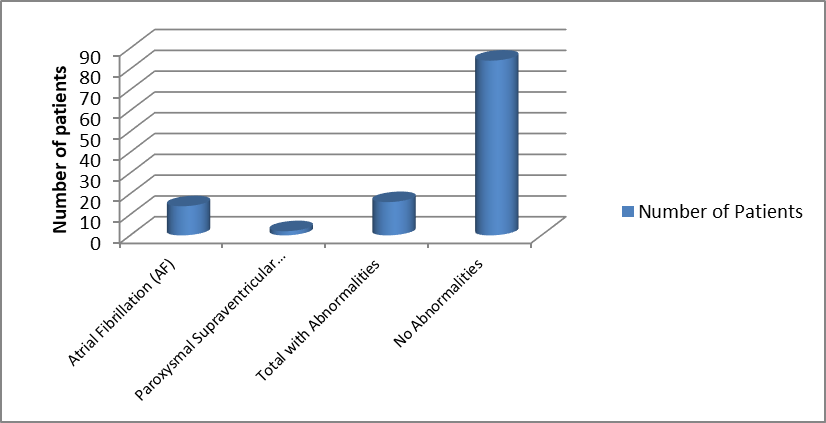
Figure 1: ECG Abnormalities Observed in Patients
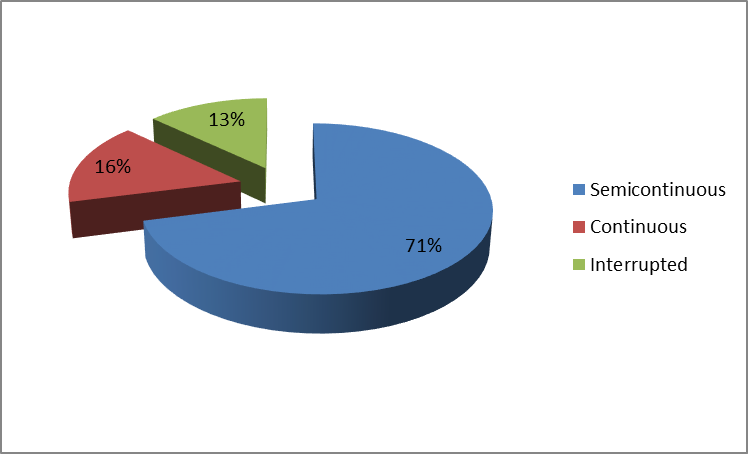
Figure 2: Distribution of Suture Techniques Used by Surgeons
In our study of 100 patients, the majority were middle-aged, with 30 patients (30%) aged 50–59 years, 25 patients (25%) aged 40–49, and 20 patients (20%) aged 60–69. Younger age groups included 5 patients (5%) aged 20–29 and 12 patients (12%) aged 30–39, while 8 patients (8%) were aged 70 and above. Overall, 80 patients were between 40 and 69 years, indicating a predominance of this age range. It was statistically significant (p < 0.0001). In our study, out of 100 patients, 60 were male (60%) and 40 were female (40%). It was statistically significant with a p-value of 0.00466. In our study, valve sizes 25, 27, and 29 were used in 80 patients (80%), while size 31 was used in 20 patients (20%). It was statistically significant, with a p-value of < 0.00001.
In our study, the semicontinuous suture technique was used in 71 cases (71%), making it the most commonly employed method. Continuous and interrupted techniques were used in 16 (16%) and 13 (13%) cases, respectively. It was statistically significant, with a p-value of < 0.0001. In our study, cross-clamp time was between 80–110 minutes in the majority of patients (59 cases, 59%). A prolonged cross-clamp time (>110 minutes) was observed in 37 patients (37%), while only 4 patients (4%) had a duration of less than 80 minutes.
It was statistically significant, with a p-value of < 0.0001. ECG abnormalities were observed in 16 out of 100 patients (16%), with atrial fibrillation (AF) being the most common, seen in 14 patients (14%), followed by paroxysmal supraventricular tachycardia (PSVT) in 2 patients (2%). The remaining 84 patients (84%) had no ECG abnormalities. This distribution was statistically significant, with a p-value of < 0.0001. Among DVR patients, the semicontinuous suture technique was the most commonly used, employed in 79 patients (79%), followed by the continuous technique in 11 patients (11%) and the interrupted technique in 10 patients (10%). This distribution was statistically significant, with a p-value of < 0.0001.
DISCUSSION:
In our study, out of 100 patients most of the patients were 50–59 years old [30 (30.0%)] which was statistically significant (p< .0001).In similar study by Chikwe J et al [5] (2015) observed that patients aged 50–69 years comprised a significant portion of those undergoing mitral valve replacement, highlighting the prevalence of this age group in such procedures.
We found that, male population was higher [60(60.0%)] than the female population [40(40.0%)]. Male: Female ratio was 1.5:1 but this was statistically significant (p=0.00466).In others study by Lee S et al [6] (2015) observed the similar findings. We showed that, higher number of patients—80 out of 100 (80%)—received prosthetic mitral valves sized 25, 27, or 29 It was statistical significance (p < 0.0001).In other study by Bauser-Heaton H et al [7] (2019) found that a predominance of mid-sized prosthetic valves in their cohort, reflecting common annular dimensions encountered in mitral valve replacement surgeries. In our study, a higher number of patients—71 patients (71%)—underwent mitral valve replacement using the semicontinuous suture technique. This was significant preference (p < 0.0001). We found that a lower number of patients, only 4 (4%), experienced a cross-clamp time of less than 80 minutes, which was statistically significant (p < 0.0001).In similar study by Naito N et al [8] (2017) found that shorter cross-clamp times were less common but associated with improved postoperative outcomes in mitral valve surgery.
We observed that a lower number of patients, only 2 (2%), exhibited Paroxysmal Supraventricular Tachycardia (PSVT), with this finding being statistically significant (p < 0.0001).In others study Tisdale JE et al [9] (2019) observed that low incidence of PSVT following mitral valve surgery, emphasizing its relative rarity but clinical importance in the postoperative period. We observed that a higher number of DVR patients, 79 (79%), underwent mitral valve replacement using the semicontinuous suture technique, which was statistically significant (p < 0.0001).
REFERENCES:
1. Newton Jr JR, Glower DD, Davis JW, Rankin JS. Evaluation of suture techniques for mitral valve replacement. The Journal of thoracic and cardiovascular surgery. 1984 Aug 1;88(2):248-52.
2. Stiles GM, Kernen JA, Stiles QR. Suture technique in preventing dehiscence of prosthetic mitral valves. Archives of Surgery. 1986 Oct 1;121(10):1136-40.
3. Nair SK, Bhatnagar G, Valencia O, Chandrasekaran V. Effect of valve suture technique on incidence of paraprosthetic regurgitation and 10-year survival. The Annals of thoracic surgery. 2010 Apr 1;89(4):1171-9.
4. Pan Y, Zhou Y, Liu Y, Peng Z, Liu L, Yang Y, Hua K, Yang X. Double-layer horizontal cross sutures for intra-atrial mitral valve implantation: An effective surgical method for severe mitral annular calcification. JTCVS techniques. 2023 Dec 1;22:28-38.
5. Chikwe J, Chiang YP, Egorova NN, Itagaki S, Adams DH. Survival and outcomes following bioprosthetic vs mechanical mitral valve replacement in patients aged 50 to 69 years. Jama. 2015 Apr 14;313(14):1435-42.
6. Lee S, Chee HK, Kim JS, Song MG, Park JB, Shin JK. Postoperative outcomes of mitral valve repair for mitral Restenosis after Percutaneous balloon mitral Valvotomy. The Korean Journal of Thoracic and Cardiovascular Surgery. 2015 Oct 5;48(5):328.
7. Bauser-Heaton H, Ma M, McElhinney DB, Goodyer WR, Zhang Y, Chan FP, Asija R, Shek J, Wise-Faberowski L, Hanley FL. Outcomes after aortopulmonary window for hypoplastic pulmonary arteries and dual-supply collaterals. The Annals of Thoracic Surgery. 2019 Sep 1;108(3):820-7.
8. Naito N, Nishimura T, Iizuka K, Fujii Y, Takewa Y, Umeki A, Ando M, Ono M, Tatsumi E. Novel rotational speed modulation system used with venoarterial extracorporeal membrane oxygenation. The Annals of Thoracic Surgery. 2017 Nov 1;104(5):1488-95.
9. Tisdale JE, Jaynes HA, Overholser BR, Sowinski KM, Kovacs RJ. Progesterone pretreatment reduces the incidence of drug‐induced torsades de pointes in atrioventricular node‐ablated isolated perfused rabbit hearts. Journal of cardiovascular electrophysiology. 2019 Jun;30(6):941-9.