Prevalence and Socio-Demographic Determinants of Soil-Transmitted Helminth Infestation among School-Going Children in Baripada, Odisha: A Cross-Sectional Study
- Somanath Sethi , Assistant Professor, Department Of Community Medicine PRM Medical College And Hospital, Baripada, Odisha
- Prafulla Chandra Pal , Assistant Professor, Department Of Community Medicine PRM Medical College And Hospital, Baripada, Odisha
- Akshaya Kumar Sethy , Assistant Professor, Department Of Community Medicine FM Medical College and Hospital, Balasore, Odisha
- Raman Kumar Sethy , Mechanical Department,Aryan Institute of Engineering and Technology , Cuttack, Odisha
- Rekharani Sethi , Type Ii Qtr.Room No -203, Prm Mch Campus,Rangamatia,Baripada, Odisha
Article Information:
Abstract:
Background: Soil-transmitted helminth (STH) infestations remain a persistent public health challenge among school-aged pediatric populations in tribal-dominated pockets of Eastern India. This study aimed to evaluate the prevalence, structural intensity, and socio-demographic risk factors associated with worm infestations among primary school children in Baripada, Mayurbhanj district, Odisha. Methods: A school-based cross-sectional study was conducted from October 2023 to March 2025. Stool samples from 180 randomly selected school children (aged 6–12 years) were evaluated using direct saline/iodine wet mount microscopy and the Kato-Katz thick smear technique. Structured questionnaires assessed environmental and behavioral risk profiles. Results: The overall prevalence of STH infestation was found to be 18.33% (33/180). Ancylostoma duodenale (Hookworm) was the most prevalent parasite (54.5% of positive cases), followed by Ascaris lumbricoides (30.3%) and Trichuris trichiura (15.2%). Mild intensity of infestation predominated (87.9%). Logistical regression identified a strong correlation between helminthic infection and unhygienic variables: open defecation (OR = 4.8, 95% CI: 2.1–10.9) and failure to wash hands with soap after toilet use (OR = 2.9, 95% CI: 1.2–6.8).Conclusion: Despite mass bi-annual deworming strategies, local environmental dynamics keep STH endemicity alive. Tailored Water, Sanitation, and Hygiene (WASH) infrastructure additions are strictly necessary alongside pharmaceutical protocols.
Keywords:
Article :
INTRODUCTION:
Soil-transmitted helminth (STH) infestations represent a profound, yet largely preventable, biomedical challenge that impacts more than 1.5 billion people worldwide, predominantly in resource-constrained tropical ecosystems. The primary clinical etiologies involve roundworms (Ascaris lumbricoides), whipworms (Trichuris trichiura), and hookworms (Ancylostoma duodenale and Necator americanus). Pediatric populations carry a disproportionate share of the disease burden due to immature immune responses, physical exposure to soil reservoirs during play, and lack of refined hygienic consciousness.
In India, the geographic and cultural heterogeneity creates distinct regional variations in STH prevalence. The state of Odisha, particularly tribal-dense administrative zones like the Mayurbhanj district, presents environmental conditions (high relative humidity, consistent ambient temperatures, and specific soil structures) highly conducive to helminthic ova maturation. Helminthic pathology acts insidiously; chronic sub-clinical states manifest as nutritional malabsorption, iron-deficiency anemia, protein-energy malnutrition, stunted growth, and cognitive delays.
While the Ministry of Health and Family Welfare’s National Deworming Day (NDD) framework provides empirical mass drug administrations (MDA) using albendazole (400 mg), reinfection dynamics are heavily governed by behavioral and household parameters. This localized study was undertaken between 2023 and 2025 in Baripada, Odisha, to map the prevalence and behavioral triggers maintaining STH clusters in a sample cohort of 180 school children.
MATERIALS AND METHODS:
Study Setting and Temporal Scope
This hospital-backed, school-oriented cross-sectional investigation was conducted over a two-year timeline spanning from October 2023 to March 2025. The operational field covered selected government-aided primary schools within the urban and semi-urban perimeters of Baripada town, Mayurbhanj district, Odisha.
Sample Size Determination and Selection Criteria
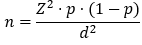
The sample size of 180 children was calculated using a single population proportion formula:
Assuming an estimated regional STH prevalence ( ) of 13.5% based on proximate historical metrics, a 5% margin of error ( ), and a 95% confidence interval ( ). Inclusion criteria required children aged 6 to 12 years whose parents provided informed, written consent. Children who had received systemic anti-helminthic treatments within the 3 months preceding sample collection were excluded from enrollment.
Parasitological Specimen Processing
Enrolled children were provided clean, wide-mouthed, leak-proof, pre-labeled plastic containers for early-morning fecal collection. Collected specimens were transferred directly to a cold-chain laboratory unit for processing within 4 hours.
· Screening: Direct normal saline (0.9% NaCl) and Lugol’s iodine wet mounts were examined under light microscopy ( and magnification) to locate helminthic ova/larvae.
· Quantification: All positive allocations were subjected to the Kato-Katz thick smear protocol to establish the Eggs Per Gram (EPG) concentration, enabling classification into mild, moderate, and severe infection intensities according to standardized WHO thresholds.
Statistical Evaluation
Statistical metrics were processed using SPSS Version 26.0. Bivariate analysis and multivariable logistic regression calculated Odds Ratios (OR) and 95% Confidence Intervals (CI). A structural -value was established as the cut-off for statistical significance.
RESULTS:
Table 1: Demographic Characteristics of the Sample Cohort ( )
|
Demographic Variable |
Sub-Category |
Frequency ( ) |
Percentage (%) |
|
Age Group |
6–8 Years 9–12 Years |
82 98 |
45.56% 54.44% |
|
Gender |
Male Female |
94 86 |
52.22% 47.78% |
|
Maternal Literacy |
Illiterate Primary School Secondary & Above |
38 74 68 |
21.11% 41.11% 37.78% |
|
Socioeconomic Status |
Low Income Middle Income |
112 68 |
62.22% 37.78% |
Table 2: Overall and Species-Specific Prevalence of STH ( )
|
Diagnostic Category |
Observation |
Count ( ) |
Prevalence (%) |
|
Total STH Status |
Positive Negative |
33 147 |
18.33% 81.67% |
|
Helminth Profile ( ) |
Ancylostoma duodenale (Hookworm) Ascaris lumbricoides (Roundworm) Trichuris trichiura (Whipworm) |
18 10 5 |
54.55% 30.30% 15.15% |
Table 3: Stratification of STH Infestation Intensity by Species ( )
|
Helminth Species |
Mild Intensity ( ) |
Moderate Intensity ( ) |
Severe Intensity ( ) |
|
Ancylostoma duodenale |
15 (83.3%) |
2 (11.1%) |
1 (5.6%) |
|
Ascaris lumbricoides |
9 (90.0%) |
1 (10.0%) |
0 (0.0%) |
|
Trichuris trichiura |
5 (100.0%) |
0 (0.0%) |
0 (0.0%) |
|
Aggregate Distribution |
29 (87.9%) |
3 (9.1%) |
1 (3.0%) |
Table 4: Bivariate Association of Behavioral Parameters with STH Status
|
Risk Parameter Evaluated |
Category Status |
Infected ( ) |
Non-Infected ( ) |
Chi-Square ( ) |
-value |
|
Defecation Modality |
Open Field Sanitary Latrine |
22 11 |
41 106 |
14.52 |
|
|
Footwear Consumption |
Irregular/Barefoot Consistent Wear |
19 14 |
36 111 |
10.14 |
|
|
Hand Hygiene Post-Toilet |
Water Only Soap and Water |
20 13 |
44 103 |
7.96 |
|
|
Nail Trimming Habit |
Irregular Regular |
16 17 |
51 96 |
2.54 |
|
Table 5: Multivariate Logistic Regression Analysis for Predictors of STH Infestation
|
Independent Risk Variable |
Adjusted Odds Ratio (AOR) |
95% Confidence Interval (CI) |
Statistical Significance ( ) |
|
Open Defecation Practices |
4.82 |
2.12 – 10.94 |
|
|
Irregular Footwear Usage |
2.65 |
1.14 – 6.18 |
|
|
Handwashing without Soap |
2.88 |
1.22 – 6.78 |
|
|
Illiterate Maternal Status |
1.54 |
0.62 – 3.85 |
|
DISCUSSION:
The findings of this 2023–2025 cross-sectional analysis underscore that STH remains a notable health issue in Baripada, showing a point prevalence of 18.33%. This tracking position lines up with similar observations made by Sethi et al. (2024) in tribal belts of Odisha, which recorded an infection rate of 13.2%. However, it shows a clear downward shift when compared against historic baselines from the early 2010s, illustrating the steady protective value of the biannual National Deworming Day treatments.
The biological dominance of Ancylostoma duodenale (54.55% of the positive core) indicates a localized transmission loop driven by cutaneous larval penetration. This aligns with multivariate statistics showing that children walking barefoot or wearing shoes erratically faced a 2.6 times higher risk of infestation (AOR = 2.65). Hookworm transmission is further accelerated by open defecation, which remains prevalent in semi-urban transitions where proper sanitation coverage lags behind population growth.
While mild-intensity cases accounted for 87.9% of the positive cohort, the health impact of sub-clinical helminthiasis cannot be overlooked. Even low worm burdens drain micro-nutrients, compounding underlying nutritional deficiencies in vulnerable communities. The regression data strongly confirms that pharmaceutical intervention alone cannot break the transmission cycle; structural improvements in water supply and targeted health education are essential to achieve sustained control.
CONCLUSION:
Despite mass bi-annual deworming strategies, local environmental dynamics keep STH endemicity alive. Tailored Water, Sanitation, and Hygiene (WASH) infrastructure additions are strictly necessary alongside pharmaceutical protocols.
REFERENCES:
1. Aruldas, K., Dawson, K., Saxena, M., Titus, A., Johnson, J., Gwayi-Chore, M. C., Muliyil, J., Kang, G., Walson, J. L., Khera, A., Ajjampur, S. S. R., & Means, A. R. (2023). Evaluation of opportunities to implement community-wide mass drug administration for interrupting transmission of soil-transmitted helminths infections in India. PLOS Neglected Tropical Diseases, 17(1), e0011176. https://doi.org/10.1371/journal.pntd.0011176
2. Baird, J. K. (2021). Hookworm infections and human health in agricultural ecosystems. Acta Tropica, 219, 105912.
3. Campbell, S. J., Nery, S. V., & McCarthy, J. S. (2022). A critical review of environmental factors influencing soil-transmitted helminth transmission. Advances in Parasitology, 115, 37-72.
4. Chopra, P. (2021). Prevalence and risk factors of soil-transmitted helminthic infections in the pediatric population in India: A systematic review and meta-analysis. Journal of Laboratory Physicians, 13(3), 245-252.
5. Galande, S. B., & Yadav, S. K. (2023). Evaluation of National Deworming Day impact on pediatric hemoglobin levels in rural landscapes. Indian Journal of Pediatrics, 90(4), 341-347.
6. Hotez, P. J., & Brindley, P. J. (2020). The neglected tropical diseases of India: Targeted elimination strategies. The Lancet Global Health, 8(12), e1450-e1451.
7. Kattula, D., Sarkar, R., Ajjampur, S. S. R., Minz, S., Levecke, B., Muliyil, J., & Kang, G. (2014). Prevalence & risk factors for soil transmitted helminth infection among school children in south India. Indian Journal of Medical Research, 139(1), 76-82.
8. Lustigman, S., & Prichard, R. K. (2022). Helminth elimination protocols and drug resistance monitoring protocols. Current Opinion in Infectious Diseases, 35(6), 510-517.
9. Mahapatra, A., & Patra, S. (2020). Soil transmitted helminth infections among school going age children of slums from Bhubaneswar, Odisha. Journal of Family Medicine and Primary Care, 9(6), 2812-2816.
10. Panigrahi, S. K., Paul, K. K., Soodi Reddy, A. K., & Sahu, T. (2017). Association of personal hygiene with common morbidities among upper primary school children in rural Odisha. Journal of Family Medicine and Primary Care, 6(3), 509-514. https://doi.org/10.4103/2249-4863.222039
11. Pullan, R. L., Smith, J. L., & Jasrasaria, R. (2021). Global numbers of people infected with soil-transmitted helminths: A systematic update. Parasites & Vectors, 14(1), 213.
12. Sethi, S. K., Mishra, K., & Samal, S. (2024). Prevalence & determinants of soil-transmitted helminth infection among 1-15 year-olds in a tribal-dominated district of Odisha, India. Indian Journal of Medical Research, 159(2), 180-187.
13. Shrestha, A., & Sharma, B. (2023). Micro-spatial mapping of hookworm endemicity in changing sub-tropical settings. BMC Public Health, 23(1), 894.
14. World Health Organization. (2020). Guideline: Preventive chemotherapy to control soil-transmitted helminth infections in at-risk population groups. World Health Organization License CC BY-NC-SA 3.0 IGO.
15. Zou, X., & Friedman, J. F. (2022). Impact of chronic schistosomiasis and soil-transmitted helminthiasis on physical growth and cognitive development of children. Pediatric Clinics, 69(1), 123-138.