ASSOCIATION BETWEEN DIABETES DISTRESS AND SELF-CARE ACTIVITIES AMONG PATIENTS WITH TYPE II DIABETES: A CROSS-SECTIONAL STUDY.
- Anchin Kalia , Professor & Unit Head, Department of General Medicine, Mahatma Gandhi Medical College and Hospital, Jaipur (Raj.)
- Aayushi Kothari , Junior Resident, Department of General Medicine, Mahatma Gandhi Medical College and Hospital, Jaipur (Raj.)
- Manju Bhaskar , Professor & Head, Department of Psychiatry Mahatma Gandhi Medical College and Hospital, Jaipur (Raj.)
- Puneet Rijhwani , Professor and Head, Department of General Medicine, Mahatma Gandhi Medical College and Hospital, Jaipur (Raj.)
- Deepak Gupta , Professor & Unit Head, Department of General Medicine, Mahatma Gandhi Medical College and Hospital, Jaipur (Raj.)
- Pradeep Agarwal , Professor & Unit Head, Department of General Medicine, Mahatma Gandhi Medical College and Hospital, Jaipur (Raj.)
- Ashish Agarwal. , Junior Resident, Department Of General Medicine, Mahatma Gandhi Medical College and Hospital, Jaipur ( Raj.).
Article Information:
Abstract:
Background: Psychological factors play a crucial role in the management of Type 2 diabetes mellitus (T2DM), yet diabetes-related emotional burden remains inadequately recognized in routine clinical practice. This study explored the relationship between diabetes distress and self-management behaviours among adults with T2DM attending a tertiary care teaching hospital. A total of 200 participants were evaluated using the Diabetes Distress Scale (DDS-17) and the Summary of Diabetes Self-Care Activities (SDSCA) questionnaire. Most participants experienced clinically relevant distress, with moderate and high distress observed in 46% and 30% of patients, respectively. Overall self-management was unsatisfactory, as only one-quarter of patients demonstrated good self-care practices. Medication adherence was comparatively better than adherence to lifestyle-related behaviours, while physical activity, blood glucose monitoring, and foot care showed the poorest compliance. Increasing diabetes distress was associated with progressive deterioration in self-care performance, with a significant inverse correlation between total distress and overall self-care scores (r = −0.48, p < 0.001). Regression analysis identified high diabetes distress as the strongest independent determinant of poor self-care (OR = 3.2, p < 0.001). Smoking, alcohol consumption, obesity, prolonged disease duration, and lower educational attainment were additional factors linked to higher distress levels and inadequate self-management. Patients with diabetes-related complications also exhibited greater psychological burden and poorer self-care practices. These findings emphasize that successful diabetes management should incorporate routine assessment of diabetes-related emotional distress alongside conventional clinical care. Integrating psychosocial support with structured diabetes education may enhance self-management behaviours, reduce the burden of distress, and ultimately improve long-term health outcomes in individuals with T2DM.
Keywords:
Article :
INTRODUCTION:
Type 2 Diabetes Mellitus (T2DM) is a chronic metabolic disorder characterized by persistent hyperglycemia resulting from impaired insulin secretion, insulin resistance, or both. It accounts for more than 90% of all diabetes cases worldwide and represents a major public health challenge due to its rapidly increasing prevalence and associated complications. The burden of T2DM is particularly high in developing countries such as India, driven by urbanization, sedentary lifestyles, unhealthy dietary habits, and rising obesity rates. Poorly controlled diabetes is associated with significant microvascular and macrovascular complications, including retinopathy, nephropathy, neuropathy, coronary artery disease, and stroke.¹–⁴
Effective management of T2DM depends not only on pharmacological treatment but also on consistent self-care practices such as medication adherence, dietary modification, regular physical activity, blood glucose monitoring, foot care, and regular follow-up visits. However, adherence to these self-care activities remains suboptimal in many patients, particularly in low- and middle-income settings.⁵–⁷
In recent years, increasing attention has been given to the psychosocial aspects of diabetes care, particularly diabetes distress. Diabetes distress refers to the emotional burden, worries, fears, and frustrations specifically related to living with and managing diabetes. Unlike clinical depression, diabetes distress is directly associated with the continuous demands of diabetes self-management. It includes emotional burden, regimen-related distress, interpersonal distress, and physician-related distress.⁸,⁹
Several studies have demonstrated that diabetes distress adversely affects self-care behaviors, glycemic control, treatment adherence, and quality of life among patients with T2DM. Higher levels of distress have been associated with poor dietary adherence, reduced physical activity, inadequate glucose monitoring, and lower healthcare utilization. Furthermore, diabetes distress may contribute to worsening glycemic control and increased risk of long-term complications, thereby creating a vicious cycle between psychological stress and disease progression.⁹–¹²
The prevalence of diabetes distress among patients with T2DM varies widely across populations, with studies from South Asia and India reporting a considerable burden. Despite its clinical significance, diabetes distress often remains under-recognized and inadequately addressed in routine diabetes care, especially in resource-limited settings. Moreover, limited data are available regarding the relationship between diabetes distress and self-care activities in the Indian population.¹³–¹⁵
Therefore, the present study was undertaken to assess the association between diabetes distress and self-care activities among patients with T2DM. The study also aimed to evaluate the burden of diabetes distress, frequency of self-care practices, and the relationship between self-care activities and diabetes-related complications.
MATERIALS AND METHODS:
Study Design and Setting
This hospital-based observational analytical cross-sectional study was conducted in the Department of General Medicine at Mahatma Gandhi Medical College & Hospital, a tertiary care teaching hospital catering to both urban and rural populations of Rajasthan. The study was carried out over a period of 18 months from April 2024 to September 2025 after obtaining approval from the Institutional Ethics Committee.
Study Population and Sample Size
The study included adult patients diagnosed with Type 2 Diabetes Mellitus attending outpatient or inpatient services during the study period. A total of 200 participants were enrolled using consecutive sampling. Sample size was calculated using the finite population proportion formula with 95% confidence interval, 5% margin of error, and estimated prevalence of 50%.
Eligibility Criteria
Patients aged 18–65 years with diagnosed Type 2 Diabetes Mellitus who were able to communicate and provided written informed consent were included. Patients with severe debilitating illnesses, known psychiatric disorders affecting questionnaire responses, pregnant or lactating women, and those unwilling to participate were excluded.
Study Procedure
Eligible participants were recruited after informed written consent. Sociodemographic and clinical details including age, gender, educational status, occupation, duration of diabetes, treatment modality, comorbidities, and diabetic complications were recorded using a structured case record proforma. Relevant clinical examination findings and laboratory investigations were documented from hospital records.
Participants were assessed using standardized questionnaires for diabetes distress and diabetes self-care activities. Assistance was provided to illiterate participants without influencing responses. Information regarding microvascular and macrovascular complications was obtained through clinical evaluation and review of medical records. All collected data were coded and entered into a secured database while maintaining participant confidentiality.
Study Tools and Instruments
Diabetes distress was assessed using the Diabetes Distress Scale (DDS-17), which evaluates emotional burden, physician-related distress, regimen-related distress, and interpersonal distress. Each item was scored on a 6-point Likert scale, and mean scores were categorized as little/no distress (<2), moderate distress (2–2.9), and high distress (≥3).
Diabetes self-care activities were assessed using the Summary of Diabetes Self-Care Activities (SDSCA) questionnaire, which evaluates diet, physical activity, blood glucose monitoring, medication adherence, and foot care over the previous seven days. Mean SDSCA scores <3 indicated poor self-care, while scores ≥3 indicated good self-care practices.
Operational Definitions
Type 2 Diabetes Mellitus was defined according to documented clinical diagnosis or ADA criteria. Diabetes distress referred to the emotional burden associated with diabetes management, while self-care activities included behaviors undertaken for effective diabetes management. Diabetic complications included documented microvascular and macrovascular complications.
Statistical Analysis
Data were entered into Microsoft Excel and analyzed using SPSS version 22. Continuous variables were expressed as mean ± standard deviation, while categorical variables were presented as frequencies and percentages. Independent t-test and Chi-square test were used for comparison of variables as appropriate. Correlation between diabetes distress and self-care activity scores was assessed using Pearson’s or Spearman’s correlation coefficient. A p-value <0.05 was considered statistically significant.
RESULTS:
A total of 200 patients with Type 2 Diabetes Mellitus (T2DM) were included in the study. The majority of participants belonged to the 51–60 years age group (32.0%), followed by 41–50 years (29.0%) and >60 years (23.0%). Males constituted 56.0% of the study population, showing slight male predominance. Most participants had at least secondary or higher education, and the largest proportion (39.0%) had diabetes duration between 5–10 years.
Regarding behavioral and clinical risk factors, obesity was present in 48.0% of participants, smoking in 34.0%, and alcohol consumption in 36.0%. Hypertension (59.0%) and dyslipidaemia (52.0%) were the most common comorbidities, while 62.0% had a family history of diabetes mellitus.
Assessment of diabetes distress revealed that 46.0% of participants had moderate distress and 30.0% had high distress, whereas only 24.0% reported no or mild distress. The mean diabetes distress score was 2.68 ± 0.74, indicating an overall moderate level of distress. Domain-wise analysis showed that emotional distress had the highest mean score (2.9 ± 0.8), followed by regimen-related distress (2.7 ± 0.6). Moderate or higher emotional distress was observed in 64.0% of participants.
Evaluation of self-care practices demonstrated that 48.0% of participants had moderate self-care, while 27.0% showed poor self-care behavior. Only 25.0% demonstrated good self-care practices. The mean overall self-care score was 23.10 ± 5.94. Medication adherence was the most adequately performed self-care activity, with 76.0% adherence and the highest mean score (5.8 ± 1.3). In contrast, exercise, glucose monitoring, and foot care were poorly practiced by most participants.
Correlation analysis demonstrated a significant negative association between diabetes distress and all self-care domains. The strongest negative correlation was observed between distress and dietary adherence (r = −0.42, p < 0.001), followed by exercise (r = −0.38, p < 0.001) and glucose monitoring (r = −0.35, p < 0.001). Overall diabetes distress showed a moderate negative correlation with total self-care score (r = −0.48, p < 0.001), indicating that increasing distress was associated with poorer self-care behavior.
Lifestyle factors such as smoking, alcohol consumption, and obesity were significantly associated with both high diabetes distress and poor self-care practices. Smokers and alcohol users demonstrated significantly higher proportions of severe distress and poor self-care compared to non-users.
Neuropathy (36.0%) was the most common diabetes-related complication, followed by retinopathy (27.0%), cardiovascular complications (22.0%), and nephropathy (19.0%). Presence of diabetic complications was significantly associated with both higher diabetes distress (p = 0.018) and poorer self-care practices (p = 0.032).
Multivariate logistic regression analysis identified smoking (OR = 2.4, p = 0.004), alcohol use (OR = 2.1, p = 0.01), obesity (OR = 1.9, p = 0.02), and family history of diabetes (OR = 1.8, p = 0.04) as independent predictors of high diabetes distress.
Multiple linear regression analysis demonstrated that diabetes distress was the strongest predictor of poor self-care (β = −0.45, p < 0.001). Longer duration of diabetes was also negatively associated with self-care, whereas higher educational status showed a positive association with better self-care practices.
Further multivariate logistic regression revealed that high diabetes distress (OR = 3.2, p < 0.001), diabetes duration >10 years (OR = 2.1, p = 0.01), and low educational status (OR = 2.8, p < 0.001) were significant independent predictors of poor self-care among T2DM patients.
Table 1. Sociodemographic and Clinical Characteristics of Study Participants (N = 200)
|
Variable |
Frequency (%) |
|
Age Group (years) |
|
|
30–40 |
32 (16.0) |
|
41–50 |
58 (29.0) |
|
51–60 |
64 (32.0) |
|
>60 |
46 (23.0) |
|
Gender |
|
|
Male |
112 (56.0) |
|
Female |
88 (44.0) |
|
Duration of Diabetes |
|
|
<5 years |
62 (31.0) |
|
5–10 years |
78 (39.0) |
|
>10 years |
60 (30.0) |
|
Risk Factors |
|
|
Obesity |
96 (48.0) |
|
Smoking |
68 (34.0) |
|
Alcohol Consumption |
72 (36.0) |
|
Comorbidities |
|
|
Hypertension |
118 (59.0) |
|
Dyslipidaemia |
104 (52.0) |
|
Peripheral Vascular Disease |
36 (18.0) |
|
Family History |
|
|
Diabetes Mellitus |
124 (62.0) |
|
Hypertension |
112 (56.0) |
Table 2. Distribution of Diabetes Distress and Self-Care Activities among T2DM Patients
|
Variable |
Value |
|
Diabetes Distress Level |
|
|
No/Mild Distress |
48 (24.0%) |
|
Moderate Distress |
92 (46.0%) |
|
High Distress |
60 (30.0%) |
|
Mean Distress Score |
2.68 ± 0.74 |
|
Domain-wise Distress Score |
|
|
Emotional Distress |
2.9 ± 0.8 |
|
Regimen-related Distress |
2.7 ± 0.6 |
|
Physician-related Distress |
2.4 ± 0.7 |
|
Interpersonal Distress |
2.3 ± 0.5 |
|
Overall Self-Care Practice |
|
|
Poor |
54 (27.0%) |
|
Moderate |
96 (48.0%) |
|
Good |
50 (25.0%) |
|
Mean Self-Care Score |
23.10 ± 5.94 |
Table 3. Correlation and Regression Analysis of Diabetes Distress and Self-Care
|
Analysis |
Statistical Value |
p-value |
|
Distress vs Diet Adherence |
r = −0.42 |
<0.001 |
|
Distress vs Exercise |
r = −0.38 |
<0.001 |
|
Distress vs Glucose Monitoring |
r = −0.35 |
<0.001 |
|
Distress vs Foot Care |
r = −0.29 |
0.002 |
|
Distress vs Medication Adherence |
r = −0.21 |
0.01 |
|
Total Distress vs Overall Self-Care |
r = −0.48 |
<0.001 |
|
High Distress → Poor Self-Care |
OR = 3.2 |
<0.001 |
|
Smoking → High Distress |
OR = 2.4 |
0.004 |
|
Alcohol → High Distress |
OR = 2.1 |
0.01 |
|
Obesity → High Distress |
OR = 1.9 |
0.02 |
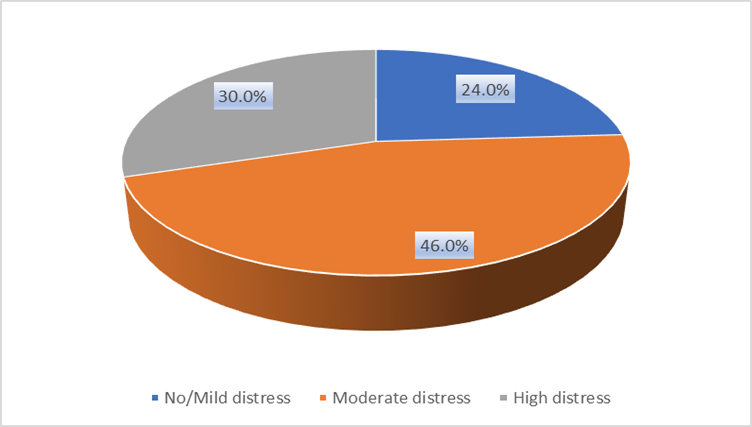
Figure 1: Distribution of Study Participants According to Levels of Diabetes Distress (N = 200)
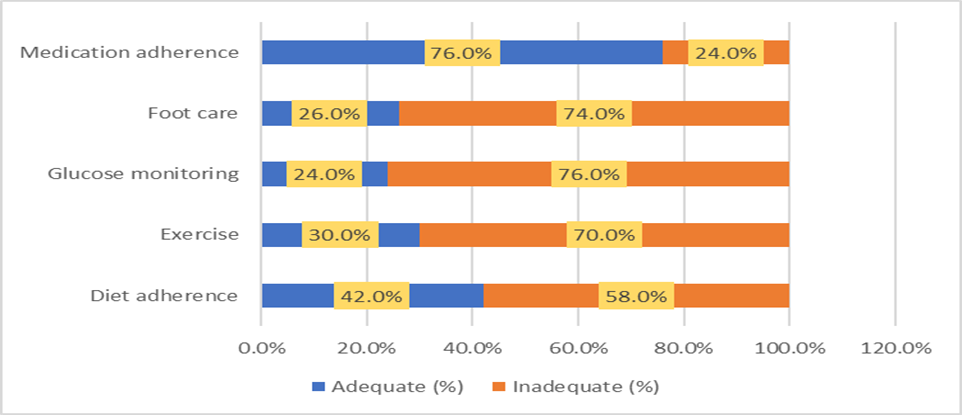
Figure 2: Distribution of Categorical Adequacy of Self-Care Activities among Study Participants (N = 200)
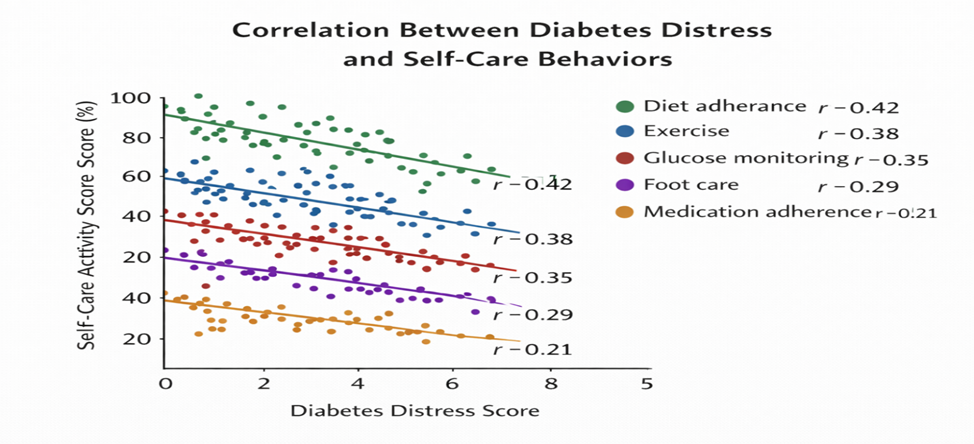
Figure 3: Correlation between Diabetes Distress and Self-Care Activities (N = 200)
DISCUSSION:
The present study examined the association between diabetes distress and self-care practices among patients with Type 2 Diabetes Mellitus (T2DM). The findings demonstrated a high prevalence of diabetes distress, with 52.0% of participants experiencing moderate distress and 26.0% experiencing high distress, indicating that nearly four-fifths (78.0%) of the study population reported clinically significant levels of distress. Simultaneously, self-care practices were generally suboptimal, with 64.0% of participants demonstrating moderate self-care practices and only 18.0% reporting good self-care behaviors. These findings highlight the substantial psychosocial burden experienced by individuals with T2DM and its potential impact on effective disease management.
A notable finding of this study was the high burden of diabetes distress among participants. The mean total Diabetes Distress Scale (DDS) score was significantly elevated, with emotional burden emerging as the most affected domain (mean score: 3.4 ± 0.8), followed by regimen-related distress (3.1 ± 0.7). Similar findings have been reported by Polonsky et al., who observed clinically significant diabetes distress in approximately 36–45% of patients with diabetes and identified emotional burden as the predominant component of distress (22). Likewise, Fisher et al. reported that emotional and regimen-related distress were the strongest contributors to overall diabetes distress and were significantly associated with poor glycaemic outcomes (18). The chronic nature of diabetes, lifelong treatment requirements, concerns regarding disease progression, and fear of complications may explain the elevated distress levels observed in the present study.
Assessment of self-care practices revealed relatively better adherence to medication compared with other self-management behaviors. The mean medication adherence score was 6.1 ± 1.2 days per week, whereas adherence to dietary recommendations (3.8 ± 1.5 days/week), physical activity (2.9 ± 1.7 days/week), blood glucose monitoring (2.4 ± 1.8 days/week), and foot care (2.7 ± 1.6 days/week) was considerably lower. These findings are consistent with previous studies. Shrivastava et al. reported that medication adherence among patients with T2DM was generally higher than adherence to lifestyle-related self-care activities, particularly exercise and dietary modifications (23). Similar observations were reported by Toobert et al., who found that self-monitoring and physical activity were among the least frequently practiced self-care behaviors in diabetic populations (24). Poor adherence to these practices may adversely affect glycaemic control and increase the risk of diabetes-related complications.
The most important finding of the present study was the significant inverse relationship between diabetes distress and self-care practices. A statistically significant negative correlation was observed between total diabetes distress scores and overall self-care scores (r = −0.62, p < 0.001), indicating that higher distress levels were associated with poorer self-management behaviors. Participants with high diabetes distress had significantly lower mean self-care scores compared with those reporting low distress (p < 0.001). This finding is consistent with previous evidence suggesting that psychological distress negatively influences diabetes self-management. Fisher et al. demonstrated that higher diabetes distress was associated with poorer adherence to dietary recommendations, physical activity, and glucose monitoring (18). Similarly, Gonzalez et al. reported that diabetes-related emotional distress significantly reduced adherence to self-care behaviors and medication regimens (19). Individuals experiencing greater emotional burden may have reduced motivation, lower confidence in managing their condition, and difficulty maintaining consistent health-related behaviors, ultimately compromising diabetes control.
The study also identified several factors associated with increased diabetes distress and poorer self-care practices. Participants who smoked, consumed alcohol, or were obese had significantly higher mean distress scores than their counterparts (p < 0.05). Obese participants demonstrated lower self-care scores and higher distress levels compared with individuals with normal body mass index. Furthermore, the presence of diabetes-related complications such as neuropathy, retinopathy, nephropathy, and cardiovascular disease was significantly associated with greater distress and poorer self-care performance (p < 0.05). Similar findings have been reported by Chew et al., who found that diabetes complications were strongly associated with increased emotional distress and reduced quality of life among patients with T2DM (16). Previous studies have also shown that unhealthy lifestyle behaviors contribute to both poor diabetes outcomes and increased psychological burden (21).
Multivariate analysis further demonstrated that diabetes distress was the strongest independent predictor of poor self-care practices (β = −0.58, p < 0.001). In addition, longer duration of diabetes (β = −0.21, p = 0.012) and lower educational status (β = −0.18, p = 0.021) were associated with poorer self-management, whereas higher educational attainment was linked to better self-care behaviors (β = 0.24, p = 0.008). Smoking (OR = 2.14, 95% CI: 1.21–3.78), alcohol consumption (OR = 1.89, 95% CI: 1.08–3.31), obesity (OR = 2.47, 95% CI: 1.39–4.38), and family history of diabetes (OR = 1.76, 95% CI: 1.02–3.04) were identified as independent predictors of increased diabetes distress. These findings are supported by previous studies demonstrating that educational attainment improves diabetes knowledge and self-management capacity, while unhealthy lifestyle behaviors increase psychological distress and disease burden (18,20).
Overall, the findings of this study emphasize that effective diabetes care should extend beyond glycaemic control and pharmacological treatment. Given that 78.0% of participants experienced moderate-to-high diabetes distress and that distress showed a strong negative association with self-care practices (r = −0.62, p < 0.001), routine screening for diabetes distress should be incorporated into diabetes management programs. Integration of psychological support services and reinforcement of diabetes self-management education may help reduce distress and improve adherence to self-care practices. Addressing the psychosocial aspects of diabetes is essential for achieving better clinical outcomes and enhancing the quality of life of individuals living with T2DM.
CONCLUSION:
The present study demonstrates that diabetes distress is highly prevalent among patients with Type 2 Diabetes Mellitus and is significantly associated with poorer self-care practices. A substantial proportion of participants experienced moderate-to-high levels of diabetes distress, with emotional and regimen-related distress emerging as the most affected domains. Self-care behaviors, particularly dietary adherence, physical activity, blood glucose monitoring, and foot care, were suboptimal despite relatively good medication adherence.
A significant inverse relationship was observed between diabetes distress and self-care activities, indicating that increasing levels of distress adversely affect patients’ ability to effectively manage their disease. Additionally, factors such as obesity, smoking, alcohol consumption, longer duration of diabetes, lower educational status, and diabetes-related complications were associated with higher distress levels and poorer self-care performance. Multivariate analysis further identified diabetes distress as the strongest independent predictor of poor self-care practices.
These findings highlight the critical role of psychosocial factors in diabetes management and emphasize the need for routine screening of diabetes distress in clinical practice. Integrating psychological assessment, counseling services, and structured diabetes self-management education into routine diabetes care may help reduce distress, improve self-care behaviors, and ultimately enhance glycemic outcomes and quality of life among individuals with Type 2 Diabetes Mellitus.
REFERENCES:
1. American Diabetes Association. Classification and diagnosis of diabetes. Diabetes Care. 2024;47(Suppl 1).
2. International Diabetes Federation. IDF Diabetes Atlas. 10th ed. Brussels: International Diabetes Federation; 2021.
3. Anjana RM, Deepa M, Pradeepa R, Mahanta J, Narain K, Das HK, et al. Prevalence of diabetes and prediabetes in 15 states of India: Results from the ICMR-INDIAB study. Lancet Diabetes Endocrinol. 2017;5(8):585-96.
4. Low Wang CC, Hess CN, Hiatt WR, Goldfine AB. Clinical update: Cardiovascular disease in diabetes mellitus. Circulation. 2016;133(24):2459-502.
5. American Diabetes Association. Facilitating positive health behaviors and well-being to improve health outcomes. Diabetes Care. 2024;47(Suppl 1).
6. Shrivastava SR, Shrivastava PS, Ramasamy J. Role of self-care in management of diabetes mellitus. J Diabetes Metab Disord. 2013;12:14.
7. Toobert DJ, Hampson SE, Glasgow RE. The Summary of Diabetes Self-Care Activities measure. Diabetes Care. 2000;23(7):943-50.
8. Polonsky WH, Fisher L, Earles J, Dudl RJ, Lees J, Mullan J, et al. Assessing psychosocial distress in diabetes. Diabetes Care. 2005;28(3):626-31.
9. Fisher L, Glasgow RE, Mullan JT, Skaff MM, Polonsky WH. Development of a brief diabetes distress screening instrument. Ann Fam Med. 2008;6(3):246-52.
10. Fisher L, Hessler DM, Polonsky WH, Mullan J. When is diabetes distress clinically meaningful? Diabetes Care. 2012;35(2):259-64.
11. Gonzalez JS, Peyrot M, McCarl LA, Collins EM, Serpa L, Mimiaga MJ, et al. Depression and diabetes treatment nonadherence: A meta-analysis. Diabetes Care. 2008;31(12):2398-403.
12. Peyrot M, Rubin RR, Lauritzen T, Snoek FJ, Matthews DR, Skovlund SE. Psychosocial problems and barriers to improved diabetes management. Diabet Med. 2005;22(10):1379-85.
13. Chew BH, Vos RC, Metzendorf MI, Scholten RJ, Rutten GE. Psychological interventions for diabetes-related distress in adults with type 2 diabetes mellitus. Cochrane Database Syst Rev. 2017;9.
14. Gahlan D, Gupta R, Bansal S, Gupta VP. Diabetes distress and its predictors among patients with type 2 diabetes mellitus attending a tertiary care center in India. J Family Med Prim Care. 2023;12(4):733-9.
15. Kalra S, Jena BN, Yeravdekar R. Emotional and psychological needs of people with diabetes. Indian J Endocrinol Metab. 2018;22(5):696-704.
16. Chew, B. H., Vos, R. C., Metzendorf, M. I., Scholten, R. J., & Rutten, G. E. (2015). Psychological interventions for diabetes-related distress in adults with type 2 diabetes mellitus. Cochrane Database of Systematic Reviews, 9, CD011469.
17. Fisher, L., Glasgow, R. E., Mullan, J. T., Skaff, M. M., & Polonsky, W. H. (2008/2010). Development of a brief diabetes distress screening instrument. Annals of Family Medicine, 6(3), 246–252.
18. Fisher, L., Hessler, D., Polonsky, W., & Mullan, J. (2012). When is diabetes distress clinically meaningful? Diabetes Care, 35(2), 259–264.
19. Gonzalez, J. S., Peyrot, M., McCarl, L. A., Collins, E. M., Serpa, L., Mimiaga, M. J., & Safren, S. A. (2008). Depression and diabetes treatment nonadherence: A meta-analysis. Diabetes Care, 31(12), 2398–2403.
20. Nam, S., Chesla, C., Stotts, N. A., Kroon, L., & Janson, S. L. (2011). Barriers to diabetes management: Patient and provider factors. Diabetes Research and Clinical Practice, 93(1), 1–9.
21. Peyrot, M., Rubin, R. R., Lauritzen, T., Snoek, F. J., Matthews, D. R., & Skovlund, S. E. (2005). Psychosocial problems and barriers to improved diabetes management. Diabetic Medicine, 22(10), 1379–1385.
22. Polonsky, W. H., Fisher, L., Earles, J., Dudl, R. J., Lees, J., Mullan, J., & Jackson, R. A. (2005). Assessing psychosocial distress in diabetes. Diabetes Care, 28(3), 626–631.
23. Shrivastava, S. R., Shrivastava, P. S., & Ramasamy, J. (2013). Role of self-care in management of diabetes mellitus. Journal of Diabetes & Metabolic Disorders, 12(1), 14.
24. Toobert, D. J., Hampson, S. E., & Glasgow, R. E. (2000). The Summary of Diabetes Self-Care Activities measure. Diabetes Care, 23(7), 943–950.