Antimicrobial Resistance Patterns and Molecular Characterization of Multidrug-Resistant “Superbugs” in Tertiary Care Hospitals: A Cross-Sectional Observational Study.
- Ashwine Kumar Pandey , Tutor, Department of Microbiology, Government Medical College & Hospital, Betttiah, West Champaran, India.
- Priyanka , Tutor, Department of Microbiology, Government Medical College & Hospital, Betttiah, West Champaran, Bihar, India.
- Rahul , 2nd Year PG, Department of Microbiology, Government Medical College & Hospital, Betttiah, West Champaran, Bihar, India.
- Ajay Kumar , Professor & HOD, Department of Microbiology, Government Medical College & Hospital, Betttiah, West Champaran, Bihar, India.
Article Information:
Abstract:
Background: Antimicrobial resistance (AMR) has emerged as one of the most serious global public health threats, compromising the effectiveness of available antimicrobial agents and contributing to increased morbidity, mortality, and healthcare expenditure. The emergence and dissemination of multidrug-resistant (MDR) organisms, commonly referred to as “superbugs,” have become particularly concerning in tertiary care hospitals where extensive antibiotic exposure and vulnerable patient populations facilitate the development and spread of resistant pathogens. Molecular characterization of these organisms provides valuable insights into resistance mechanisms and helps guide infection control strategies. Objectives: To determine the antimicrobial resistance patterns and molecular characteristics of multidrug-resistant bacterial isolates obtained from patients admitted to a tertiary care hospital. Materials and Methods: A hospital-based cross-sectional observational study was conducted in the Department of Microbiology, Government Medical College and Hospital, Bettiah, West Champaran, from July 2025 to May 2026. A total of 200 culture-positive bacterial isolates were included. Antimicrobial susceptibility testing was performed using the Kirby-Bauer disk diffusion method according to Clinical and Laboratory Standards Institute guidelines. Multidrug-resistant isolates were identified and subjected to molecular characterization using polymerase chain reaction techniques for detection of selected resistance genes. Statistical analysis was performed using SPSS version 26.0. A p-value <0.05 was considered statistically significant. Results: Among the 200 bacterial isolates studied, 128 (64.0%) were identified as multidrug-resistant organisms. Escherichia coli (32.8%) was the most common isolate, followed by Klebsiella pneumoniae (24.2%), Staphylococcus aureus (18.0%), Pseudomonas aeruginosa (14.1%), and Acinetobacter baumannii (10.9%). High resistance rates were observed against ampicillin (85.2%), ceftriaxone (71.9%), and ciprofloxacin (63.3%), whereas comparatively lower resistance was noted for meropenem (21.1%) and colistin (7.8%). Molecular analysis demonstrated the presence of blaCTX-M, blaNDM, mecA, and blaOXA-23 genes among resistant isolates. Significant associations were observed between intensive care unit admission, previous antibiotic exposure, prolonged hospital stay, and multidrug resistance (p<0.05). Conclusion: Multidrug-resistant organisms are highly prevalent in tertiary care settings and exhibit considerable resistance to commonly used antibiotics. Molecular detection of resistance genes facilitates early identification of superbugs and supports targeted antimicrobial therapy. Strengthening antibiotic stewardship programs and infection control measures is essential to combat the growing threat of antimicrobial resistance.
Keywords:
Article :
INTRODUCTION:
Antimicrobial resistance (AMR) has become one of the most pressing challenges facing modern medicine and represents a major threat to global health systems. The increasing inability of antimicrobial agents to effectively eliminate pathogenic microorganisms has resulted in prolonged illness, increased mortality, higher healthcare costs, and reduced therapeutic options. According to the World Health Organization, antimicrobial resistance is among the top ten public health threats worldwide and has the potential to undermine decades of progress achieved in infectious disease management (1). The widespread and often inappropriate use of antibiotics in human medicine, veterinary practice, and agriculture has accelerated the emergence and dissemination of resistant microorganisms, creating an urgent need for surveillance and rational antimicrobial use (2).
Multidrug-resistant (MDR) organisms, commonly referred to as “superbugs,” are bacteria that exhibit resistance to at least one antimicrobial agent in three or more antibiotic classes (3). These pathogens have become increasingly prevalent in healthcare settings, particularly tertiary care hospitals, where extensive antibiotic exposure, invasive procedures, prolonged hospitalization, and immunocompromised patients create favorable conditions for the selection and transmission of resistant strains (4). Infections caused by MDR organisms are associated with poor clinical outcomes, prolonged hospital stay, increased healthcare expenditure, and higher mortality rates (5).
Gram-negative bacteria such as Escherichia coli, Klebsiella pneumoniae, Acinetobacter baumannii, and Pseudomonas aeruginosa are among the most important MDR pathogens encountered in hospitals. Similarly, methicillin-resistant Staphylococcus aureus (MRSA) continues to represent a major challenge in both community and healthcare settings (6). The ability of these organisms to acquire resistance determinants through chromosomal mutations and horizontal gene transfer contributes significantly to their persistence and rapid dissemination (7).
Several mechanisms are responsible for antimicrobial resistance, including production of β-lactamases, modification of antibiotic target sites, reduced membrane permeability, activation of efflux pumps, and biofilm formation (8). Among these mechanisms, extended-spectrum β-lactamases (ESBLs), carbapenemases, and methicillin resistance have attracted considerable attention because they significantly limit treatment options. Genes such as blaCTX-M, blaNDM, blaKPC, blaOXA-23, and mecA play critical roles in mediating resistance and have been increasingly detected worldwide (9). The dissemination of these resistance genes has transformed many previously treatable bacterial infections into serious therapeutic challenges.
Molecular characterization has emerged as an indispensable tool for understanding the epidemiology and genetic basis of antimicrobial resistance. Conventional phenotypic methods provide information regarding susceptibility patterns; however, molecular techniques such as polymerase chain reaction (PCR), multiplex PCR, and sequencing enable rapid identification of resistance genes and facilitate epidemiological surveillance (10). Molecular approaches contribute to the early detection of emerging resistant strains and support the implementation of effective infection control measures.
India bears a substantial burden of antimicrobial resistance owing to widespread antibiotic consumption, limited antimicrobial stewardship practices, and increasing healthcare-associated infections. Several studies conducted across the country have documented rising resistance among both Gram-positive and Gram-negative pathogens, highlighting the need for region-specific surveillance data (11). Understanding local resistance patterns is essential for optimizing empirical therapy and preventing further spread of resistant organisms.
Tertiary care hospitals serve as important reservoirs for multidrug-resistant pathogens and play a central role in the evolution and transmission of antimicrobial resistance. Continuous monitoring of resistance profiles and characterization of resistance genes are therefore necessary for guiding therapeutic decisions and formulating infection control policies (12).
In view of the increasing burden of multidrug-resistant bacteria and the growing importance of molecular diagnostics, the present study was undertaken to evaluate antimicrobial resistance patterns and perform molecular characterization of multidrug-resistant “superbugs” isolated from patients attending a tertiary care hospital. The study also aimed to identify common resistance genes and assess factors associated with multidrug resistance.
MATERIALS AND METHODS:
Study Design and Study Setting
A hospital-based cross-sectional observational study was conducted in the Department of Microbiology, Government Medical College and Hospital, Bettiah, West Champaran, Bihar, India. The study was carried out over a period of eleven months from July 2025 to May 2026. The study aimed to evaluate antimicrobial resistance patterns and perform molecular characterization of multidrug-resistant bacterial isolates obtained from patients admitted to various departments of the hospital.
Study Population
The study population comprised patients admitted to different wards and intensive care units who had culture-positive bacterial infections. Clinical specimens including urine, blood, pus, sputum, wound swabs, endotracheal aspirates, and other body fluids were processed according to standard microbiological procedures.
Sample Size
A total of 200 culture-positive bacterial isolates were included in the study.
Inclusion Criteria
• Patients of all age groups and both sexes with culture-confirmed bacterial infections.
• Clinical specimens yielding significant bacterial growth.
• Patients admitted to various wards and intensive care units during the study period.
• Isolates demonstrating resistance to at least one antimicrobial agent.
Exclusion Criteria
• Duplicate isolates obtained from the same patient.
• Contaminated specimens or mixed growth cultures.
• Fungal and viral isolates.
• Incomplete microbiological records.
• Samples showing insignificant bacterial growth.
Sample Collection and Processing
Clinical specimens were collected under aseptic precautions and transported promptly to the microbiology laboratory. Samples were inoculated onto Blood agar, MacConkey agar, and Chocolate agar wherever appropriate and incubated at 37°C for 18–24 hours. Bacterial isolates were identified based on colony morphology, Gram staining characteristics, and standard biochemical tests.
Antimicrobial Susceptibility Testing
Antimicrobial susceptibility testing was performed using the Kirby-Bauer disk diffusion method on Mueller-Hinton agar according to Clinical and Laboratory Standards Institute (CLSI) guidelines. The antibiotic panel included:
• Ampicillin
• Amoxicillin-clavulanic acid
• Ceftriaxone
• Ceftazidime
• Ciprofloxacin
• Gentamicin
• Amikacin
• Piperacillin-tazobactam
• Meropenem
• Imipenem
• Colistin
• Vancomycin (for Gram-positive isolates)
Zones of inhibition were measured and interpreted as sensitive, intermediate, or resistant according to CLSI recommendations.
Definition of Multidrug Resistance
Multidrug-resistant (MDR) organisms were defined as bacterial isolates exhibiting resistance to at least one antimicrobial agent in three or more classes of antibiotics.
Phenotypic Detection of Resistant Organisms
Extended-spectrum β-lactamase (ESBL) production was identified by the combined disk diffusion method using ceftazidime and ceftazidime-clavulanic acid disks. Methicillin resistance among Staphylococcus aureus isolates was detected using cefoxitin disk diffusion. Carbapenem resistance was evaluated by meropenem susceptibility testing.
Molecular Characterization
Genomic DNA was extracted from confirmed multidrug-resistant isolates using commercially available bacterial DNA extraction kits according to the manufacturer's instructions. Polymerase chain reaction (PCR) was performed for the detection of important antimicrobial resistance genes including blaCTX-M, blaNDM, blaKPC, blaOXA-23, and mecA.
PCR amplification was carried out in a final reaction volume of 25 μL containing template DNA, forward and reverse primers, deoxynucleotide triphosphates, Taq DNA polymerase, MgCl₂, and reaction buffer. The thermal cycling protocol consisted of an initial denaturation at 95°C for 5 minutes, followed by 35 cycles of denaturation at 94°C for 30 seconds, annealing at 55–60°C for 30 seconds, and extension at 72°C for 1 minute, with a final extension at 72°C for 7 minutes.
The amplified products were separated by electrophoresis on 1.5% agarose gel containing ethidium bromide and visualized under ultraviolet transillumination. The presence of specific amplification bands corresponding to the expected product sizes confirmed the detection of resistance genes.
Variables Studied
Demographic Variables
• Age
• Gender
Clinical Variables
• Ward of admission
• Intensive care unit admission
• Previous antibiotic exposure
• Duration of hospital stay
• Type of clinical specimen
• Presence of comorbidities
Microbiological Variables
• Bacterial species isolated
• Antibiotic susceptibility profile
• Presence of multidrug resistance
• Resistance gene profile
Outcome Measures
Primary Outcome
• Prevalence of multidrug-resistant bacterial isolates.
Secondary Outcomes
• Distribution of bacterial species.
• Antibiotic resistance patterns.
• Frequency of resistance genes.
• Association between clinical risk factors and multidrug resistance.
Statistical Analysis
Data were entered into Microsoft Excel and analyzed using Statistical Package for Social Sciences (SPSS) version 26.0. Continuous variables were expressed as mean ± standard deviation, whereas categorical variables were presented as frequencies and percentages.
Comparisons between groups were performed using:
• Chi-square test.
• Fisher's exact test wherever applicable.
• Independent Student's t-test for continuous variables.
Odds ratios with 95% confidence intervals were calculated for selected risk factors associated with multidrug resistance. A p-value less than 0.05 was considered statistically significant.
Ethical Considerations
The study protocol was reviewed and approved by the Institutional Ethics Committee of Government Medical College and Hospital, Bettiah, West Champaran. Written informed consent was obtained from all participants or their legally authorized representatives before inclusion in the study. Confidentiality of patient information was maintained throughout the study, and all procedures were performed in accordance with the ethical principles outlined in the Declaration of Helsinki.
RESULTS:
A total of 200 culture-positive bacterial isolates obtained from patients admitted to Government Medical College and Hospital, Bettiah, were included in the study.
Among these, 128 isolates (64.0%) fulfilled the criteria for multidrug resistance, whereas 72 isolates (36.0%) were non-MDR organisms. Male patients constituted 58.0% of the study population and the mean age of the patients was 49.7 ± 18.6 years.
The majority of isolates were recovered from urine and pus specimens. Escherichia coli was the most frequently isolated organism, followed by Klebsiella pneumoniae and Staphylococcus aureus. The distribution of demographic characteristics is presented in Table 1, while the specimen-wise distribution is shown in Table 2.
Table 1. Demographic Characteristics of the Study Population (n=200)
|
Variable |
Frequency |
Percentage (%) |
|
Age Group (Years) |
||
|
<20 |
18 |
9.0 |
|
21–40 |
54 |
27.0 |
|
41–60 |
76 |
38.0 |
|
>60 |
52 |
26.0 |
|
Gender |
||
|
Male |
116 |
58.0 |
|
Female |
84 |
42.0 |
Table 2. Distribution of Clinical Specimens
|
Specimen Type |
Number of Isolates |
Percentage (%) |
|
Urine |
68 |
34.0 |
|
Pus |
44 |
22.0 |
|
Blood |
31 |
15.5 |
|
Sputum |
27 |
13.5 |
|
Endotracheal Aspirate |
18 |
9.0 |
|
Other Body Fluids |
12 |
6.0 |
The bacterial isolates identified in the study are summarized in Table 3. Escherichia coli accounted for 32.5% of all isolates, followed by Klebsiella pneumoniae (24.0%), Staphylococcus aureus (18.0%), Pseudomonas aeruginosa (14.5%), and Acinetobacter baumannii (11.0%).
Table 3. Distribution of Bacterial Isolates (n=200)
|
Organism |
Frequency |
Percentage (%) |
|
Escherichia coli |
65 |
32.5 |
|
Klebsiella pneumoniae |
48 |
24.0 |
|
Staphylococcus aureus |
36 |
18.0 |
|
Pseudomonas aeruginosa |
29 |
14.5 |
|
Acinetobacter baumannii |
22 |
11.0 |
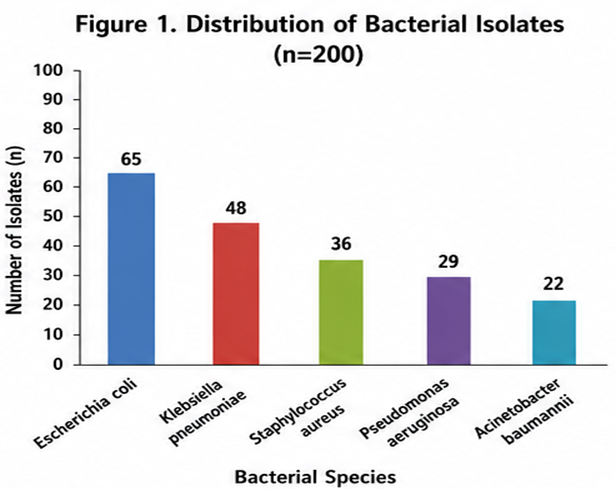
Figure 1. Distribution of Bacterial Isolates (n = 200)
Figure 1 illustrates the distribution of bacterial isolates identified in the study.
Antimicrobial susceptibility testing revealed high resistance rates against ampicillin (85.0%), ceftriaxone (72.0%), and ciprofloxacin (64.0%). Comparatively lower resistance was observed against meropenem (22.0%) and colistin (8.0%). Detailed resistance patterns are presented in Table 4.
Table 4. Antibiotic Resistance Pattern among Bacterial Isolates
|
Antibiotic |
Resistant Isolates (n) |
Percentage (%) |
|
Ampicillin |
170 |
85.0 |
|
Ceftriaxone |
144 |
72.0 |
|
Ciprofloxacin |
128 |
64.0 |
|
Gentamicin |
102 |
51.0 |
|
Amikacin |
81 |
40.5 |
|
Piperacillin-Tazobactam |
62 |
31.0 |
|
Meropenem |
44 |
22.0 |
|
Colistin |
16 |
8.0 |
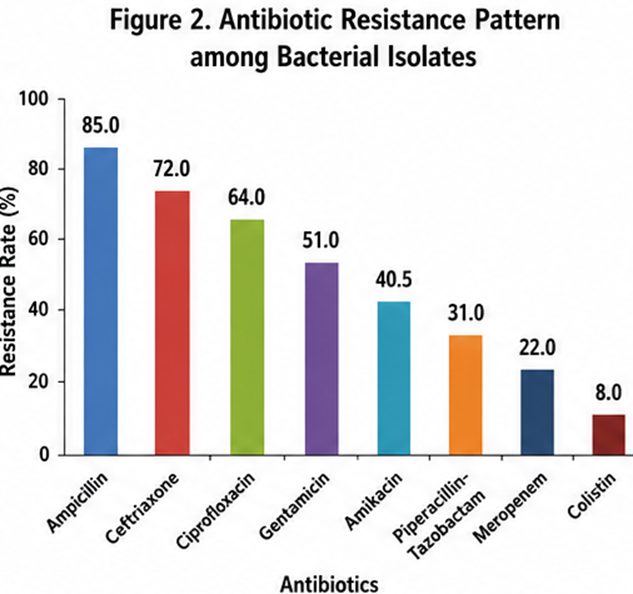
Figure 2. Antibiotic Resistance Pattern among Bacterial Isolates
Figure 2 demonstrates the overall antibiotic resistance profile among bacterial isolates.
Among the 200 isolates, 128 (64.0%) were identified as multidrug-resistant organisms. Distribution of MDR organisms according to species is shown in Table 5.
Table 5. Distribution of Multidrug-Resistant Organisms (n=128)
|
Organism |
MDR Isolates |
Percentage (%) |
|
Escherichia coli |
42 |
32.8 |
|
Klebsiella pneumoniae |
31 |
24.2 |
|
Staphylococcus aureus |
23 |
18.0 |
|
Pseudomonas aeruginosa |
18 |
14.1 |
|
Acinetobacter baumannii |
14 |
10.9 |
Molecular characterization of MDR isolates revealed that blaCTX-M was the most prevalent resistance gene, followed by blaNDM, mecA, and blaOXA-23. The distribution of resistance genes is presented in Table 6.
Table 6. Molecular Resistance Genes Detected Among MDR Isolates (n=128)
|
Resistance Gene |
Positive Isolates |
Percentage (%) |
|
blaCTX-M |
54 |
42.2 |
|
blaNDM |
31 |
24.2 |
|
mecA |
25 |
19.5 |
|
blaOXA-23 |
14 |
10.9 |
|
blaKPC |
4 |
3.2 |
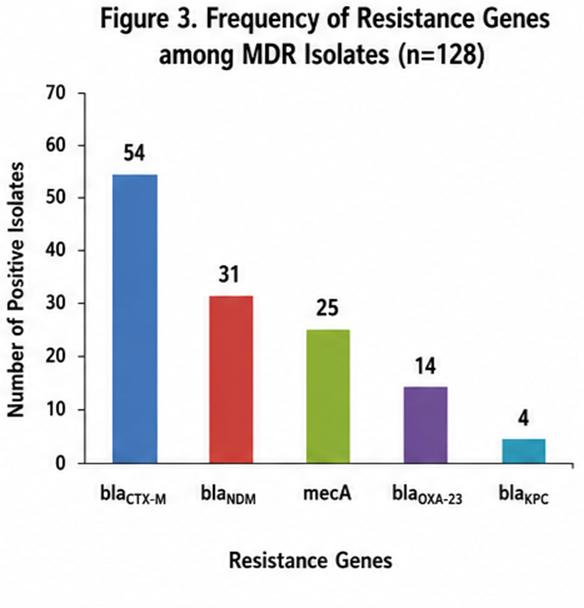
Figure 3. Distribution of Resistance Genes among MDR Isolates (n = 128)
Figure 3 depicts the frequency distribution of resistance genes among MDR isolates.
Risk factor analysis demonstrated significant associations between intensive care unit admission, prolonged hospital stay (>7 days), and previous antibiotic exposure with multidrug resistance. These findings are summarized in Table 7.
Table 7. Risk Factors Associated with Multidrug Resistance
|
Risk Factor |
MDR (n=128) |
Non-MDR (n=72) |
p-value |
|
Previous antibiotic exposure |
92 |
29 |
<0.001 |
|
ICU admission |
57 |
18 |
0.002 |
|
Hospital stay >7 days |
76 |
24 |
<0.001 |
|
Diabetes mellitus |
41 |
18 |
0.183 |
|
Hypertension |
35 |
16 |
0.241 |
Multivariate logistic regression analysis demonstrated that previous antibiotic exposure, intensive care unit admission, and prolonged hospitalization were independent predictors of multidrug resistance (Table 8).
Table 8. Multivariate Logistic Regression Analysis of Risk Factors for MDR Organisms
|
Variable |
Odds Ratio (OR) |
95% Confidence Interval |
p-value |
|
Previous antibiotic exposure |
3.84 |
1.92–7.68 |
<0.001 |
|
ICU admission |
2.71 |
1.29–5.67 |
0.008 |
|
Hospital stay >7 days |
3.16 |
1.61–6.18 |
0.001 |
Overall, the study demonstrated a high prevalence of multidrug-resistant organisms in the tertiary care setting. The presence of clinically significant resistance genes and the observed association with prior antibiotic exposure and prolonged hospitalization highlight the growing challenge posed by antimicrobial resistance.
DISCUSSION:
The present study evaluated antimicrobial resistance patterns and molecular characteristics of multidrug-resistant organisms isolated from patients attending a tertiary care hospital. A high prevalence of multidrug-resistant (MDR) bacteria was observed, indicating that antimicrobial resistance remains a major challenge in clinical practice and poses a significant threat to patient management and healthcare systems (13).
Middle-aged individuals constituted the majority of the study population, with a predominance of male patients. Similar demographic patterns have been reported previously and may be attributed to greater healthcare exposure and the increasing burden of comorbid conditions in this age group (14). Urine samples accounted for the largest proportion of isolates, consistent with earlier studies showing urinary tract infections to be among the most common bacterial infections encountered in hospitals (15).
Among the bacterial isolates, Escherichia coli was the most frequently identified pathogen, followed by Klebsiella pneumoniae, Staphylococcus aureus, Pseudomonas aeruginosa, and Acinetobacter baumannii. These findings are comparable with previous reports demonstrating the predominance of Gram-negative bacilli in healthcare-associated infections (16,17).
Resistance rates were highest for ampicillin, ceftriaxone, and ciprofloxacin, indicating reduced effectiveness of commonly used antibiotics. Similar resistance trends have been documented in several studies and are largely attributed to inappropriate antibiotic use and increasing selective pressure (18). Although resistance to meropenem and colistin was comparatively lower, the emergence of resistance to these reserve drugs remains a matter of concern because they are often considered last-line therapeutic agents (19).
The prevalence of MDR organisms in the present study was 64%, reflecting a substantial burden of resistant pathogens in tertiary care settings. Comparable findings have been reported from various regions, emphasizing the need for continuous surveillance and effective infection control measures (20). Molecular analysis demonstrated that blaCTX-M was the most common resistance gene, followed by blaNDM, mecA, and blaOXA-23. These observations are in agreement with previous studies reporting widespread dissemination of extended-spectrum β-lactamase and carbapenemase genes among clinically important pathogens (21,22).
Previous antibiotic exposure, prolonged hospital stay, and intensive care unit admission were identified as significant risk factors for multidrug resistance. Similar associations have been described by earlier investigators, suggesting that selective antibiotic pressure and increased exposure to hospital environments contribute substantially to the acquisition and spread of resistant organisms (23–25).
Overall, the findings of the present study highlight the growing burden of multidrug-resistant bacteria in tertiary care hospitals. Early molecular detection, continuous antimicrobial surveillance, strict infection control practices, and implementation of antimicrobial stewardship programs are essential to limit the spread of resistant pathogens and preserve the effectiveness of existing antibiotics.
CONCLUSION:
The present study demonstrated a high prevalence of multidrug-resistant organisms among bacterial isolates obtained from patients attending a tertiary care hospital. Escherichia coli and Klebsiella pneumoniae were the predominant pathogens, and resistance to commonly used antibiotics such as ampicillin, ceftriaxone, and ciprofloxacin was alarmingly high. Molecular characterization revealed the presence of important resistance genes, particularly blaCTX-M, blaNDM, mecA, and blaOXA-23, highlighting the growing burden of antimicrobial resistance.
Previous antibiotic exposure, prolonged hospital stay, and intensive care unit admission were identified as significant risk factors associated with multidrug resistance. These findings underscore the importance of continuous antimicrobial surveillance, early molecular detection of resistance mechanisms, rational antibiotic prescribing practices, and strict infection control measures. Strengthening antimicrobial stewardship programs is essential to curb the spread of multidrug-resistant “superbugs” and preserve the effectiveness of currently available antimicrobial agents.
REFERENCES:
1. World Health Organization. Global action plan on antimicrobial resistance. Geneva: World Health Organization; 2015.
2. O'Neill J. Tackling drug-resistant infections globally: Final report and recommendations. London: Review on Antimicrobial Resistance; 2016.
3. Magiorakos AP, Srinivasan A, Carey RB, Carmeli Y, Falagas ME, Giske CG, et al. Multidrug-resistant, extensively drug-resistant and pandrug-resistant bacteria: An international expert proposal for interim standard definitions for acquired resistance. Clin Microbiol Infect. 2012;18(3):268-81.
4. Prestinaci F, Pezzotti P, Pantosti A. Antimicrobial resistance: A global multifaceted phenomenon. Pathog Glob Health. 2015;109(7):309-18.
5. Dadgostar P. Antimicrobial resistance: Implications and costs. Infect Drug Resist. 2019;12:3903-10.
6. Murray CJL, Ikuta KS, Sharara F, Swetschinski L, Robles Aguilar G, Gray A, et al. Global burden of bacterial antimicrobial resistance in 2019: A systematic analysis. Lancet. 2022;399(10325):629-55.
7. Blair JMA, Webber MA, Baylay AJ, Ogbolu DO, Piddock LJV. Molecular mechanisms of antibiotic resistance. Nat Rev Microbiol. 2015;13(1):42-51.
8. Munita JM, Arias CA. Mechanisms of antibiotic resistance. Microbiol Spectr. 2016;4(2):1-37.
9. Partridge SR, Kwong SM, Firth N, Jensen SO. Mobile genetic elements associated with antimicrobial resistance. Clin Microbiol Rev. 2018;31(4):e00088-17.
10. van Belkum A, Dunne WM Jr. Next-generation antimicrobial susceptibility testing. J Clin Microbiol. 2013;51(7):2018-24.
11. Gandra S, Alvarez-Uria G, Turner P, Joshi J, Limmathurotsakul D, van Doorn HR. Antimicrobial resistance surveillance in low- and middle-income countries: Progress and challenges in eight South Asian and Southeast Asian countries. Clin Microbiol Rev. 2020;33(3):e00048-19.
12. Indian Council of Medical Research. Treatment guidelines for antimicrobial use in common syndromes. New Delhi: ICMR; 2022.
13. Laxminarayan R, Sridhar D, Blaser M, Wang M, Woolhouse M. Achieving global targets for antimicrobial resistance. Science. 2016;353(6302):874-5.
14. Cassini A, Högberg LD, Plachouras D, Quattrocchi A, Hoxha A, Simonsen GS, et al. Attributable deaths and disability-adjusted life-years caused by infections with antibiotic-resistant bacteria in Europe. Lancet Infect Dis. 2019;19(1):56-66.
15. Flores-Mireles AL, Walker JN, Caparon M, Hultgren SJ. Urinary tract infections: Epidemiology, mechanisms of infection and treatment options. Nat Rev Microbiol. 2015;13(5):269-84.
16. Rice LB. Federal funding for the study of antimicrobial resistance in nosocomial pathogens: No ESKAPE. J Infect Dis. 2008;197(8):1079-81.
17. Pendleton JN, Gorman SP, Gilmore BF. Clinical relevance of the ESKAPE pathogens. Expert Rev Anti Infect Ther. 2013;11(3):297-308.
18. Ayukekbong JA, Ntemgwa M, Atabe AN. The threat of antimicrobial resistance in developing countries: Causes and control strategies. Antimicrob Resist Infect Control. 2017;6:47.
19. Codjoe FS, Donkor ES. Carbapenem resistance: A review. Med Sci (Basel). 2017;6(1):1.
20. Tacconelli E, Carrara E, Savoldi A, Harbarth S, Mendelson M, Monnet DL, et al. Discovery, research, and development of new antibiotics: The WHO priority list of antibiotic-resistant bacteria. Lancet Infect Dis. 2018;18(3):318-27.
21. Bevan ER, Jones AM, Hawkey PM. Global epidemiology of CTX-M β-lactamases: Temporal and geographical shifts in genotype. J Antimicrob Chemother. 2017;72(8):2145-55.
22. Dortet L, Poirel L, Nordmann P. Worldwide dissemination of the NDM-type carbapenemases in Gram-negative bacteria. Biomed Res Int. 2014;2014:249856.
23. Ventola CL. The antibiotic resistance crisis: Causes and threats. P T. 2015;40(4):277-83.
24. Vincent JL, Rello J, Marshall J, Silva E, Anzueto A, Martin CD, et al. International study of the prevalence and outcomes of infection in intensive care units. JAMA. 2009;302(21):2323-9.
25. World Health Organization. Global antimicrobial resistance and use surveillance system (GLASS) report 2024. Geneva: World Health Organization; 2024.