Can Finger Length Predict Coronary Artery Disease?
- Mohammed Sha Alam MB , Assistant Professor, Department of General Medicine, Kasturba Medical College Mangalore, Manipal Academy of Higher Education, Manipal, India.
- Rhea Alva2 , Assistant Professor, Department of General Medicine, Kasturba Medical College Mangalore, Manipal Academy of Higher Education, Manipal, India.
- Haifa Ansari , Clinical Dietitian and Nutritionist, Department of Nutrrition and Dietetics, Yenepoya speciality hospital Mangalore, India
- Hanumanthakari Prudhvirajrana , Senior Resident, Department of General Medicine, Kasturba Medical College Mangalore, Manipal Academy of Higher Education, Manipal, India.
- Haseeb Aman , Associate Professor, Kasturba Medical College Mangalore, Manipal Academy of Higher Education, Manipal, India.
Article Information:
Abstract:
Background: Coronary artery disease (CAD) remains one of the leading causes of morbidity and mortality worldwide. Recent studies suggest that the second-to-fourth digit ratio (2D:4D ratio), a marker of prenatal androgen exposure, may be associated with cardiovascular risk and coronary artery disease. Aim: To evaluate the association between finger length ratio (2D:4D ratio) and coronary artery disease among patients attending KMC Hospital, Mangalore. Methods: Study included 348 people, divided into 4 categories, 87 males and 87 female cases and 87 males and 87 female age and sex matched controls. Second digit and fourth digit finger lengths of both hands were measured using electronic callipers. Student t test was used to calculate the difference of 2D:4D among 4 groups and hence Cohen’s effect size was calculated. Receiver operator characteristic curve were plotted to obtain performance, diagnostic effect, sensitivity of the test and specificity of 2D:4D length ratio with respect to CAD. Results: Our study found no differences among groups with respect to age of the subjects (p>0.05). A significant difference of 2D:4D length ratios were seen only in males with right digits (p<0.001), left digits (p<0.001), both right 2D:4D length ratios and left 2D:4D length ratios combined (p<0.001) in comparison with controls. There was no significant difference between right 2D:4D length ratios (p>0.05) and left 2D:4D length ratios (p>0.05) between cases and controls in females. In CAD group, 2D:4D length ratios were more than men in control group (all, p<0.001) with Cohen’s effect size (d=0.292) combining both right and left 2D:4D length ratios in comparison to left 2D:4D Cohen’s effect size which was trivial even though statistically significant (d=0.135). There were no relationship found between 2D:4D ratios and age (all, p>0.05). The Receiver operator characteristic curve (ROC) plotted with the mean ratios obtained were analysed which showed that area under curve for right 2D:4D length ratio in males was 0.663(95%CI 0.605-0.722, p<0.001), while it was 0.595(95%CI 0.534-0.656, P<,0.001) in left hand. Area under curve for both right 2D:4D length ratios and left 2D:4D length ratios combined was 0.662(95%CI 0.604-0.720, p<,0.001). Conclusion: This study showed positive association between 2D:4D length ratio and coronary artery disease in both hands among men with right hand performing better than left hand. There was no correlation between 2D:4D length ratio and coronary artery disease among women.
Keywords:
Article :
INTRODUCTION:
One of the main causes of death worldwide, coronary artery disease (CAD) is still a serious public health issue. Urbanisation, sedentary lifestyles, smoking, obesity, diabetes mellitus, hypertension, and dyslipidemia have all contributed to a significant rise in the prevalence of CAD in emerging nations. Early detection of people at higher risk is still crucial for preventive and prompt intervention, even with advancements in diagnostic and therapeutic cardiology. Coronary artery disease is known to be predicted by traditional cardiovascular risk factors, including smoking, diabetes mellitus, hypertension, obesity, family history, and hyperlipidemia. Finding new, low-cost, non-invasive biomarkers that could aid in predicting cardiovascular risk in seemingly healthy people, however, has received more interest. The second-to-fourth digit ratio (2D:4D ratio), which is the ratio between the lengths of the index finger (second digit) and ring finger (fourth digit), is one example of an anthropometric marker(1).
Prenatal androgen and oestrogen exposure during foetal development is thought to be reflected in the 2D:4D ratio. more ratios are linked to increased prenatal oestrogen exposure, while lower digit ratios are often associated with more prenatal testosterone exposure. Numerous physiological and pathological factors, including as sports performance, fertility, metabolic syndrome, behavioural features, and cardiovascular disorders, have been linked to digit ratio in prior research. Due to hormonal effects on vascular development, endothelial function, and metabolic pathways, several researchers have shown that lower 2D:4D ratios may be linked to an increased risk of cardiovascular disease. Low digit ratio has been linked in some research to dyslipidemia, obesity, hypertension, and the severity of coronary artery disease. Further research is necessary because the results are still inconsistent across many populations and ethnic groupings(2).
Finger length measurement is an appealing potential screening technique for cardiovascular risk stratification since it is straightforward, non-invasive, affordable, and repeatable. If a strong correlation between digit ratio and CAD is found, it could help identify high-risk patients early in settings with limited resources. The current prospective observational study was carried out over a three-year period at KMC Hospital in Mangalore to assess the correlation between the severity of coronary artery disease and the finger length ratio (2D:4D ratio) among patients receiving coronary examination(3).
MATERIALS AND METHODS:
Study Design
Prospective observational study.
Study Setting
Department of Cardiology, KMC Hospital, Mangalore.
Study Duration
3 years.
Sample Size
This study was an epidemiological study conducted in all hospitals attached to Kasturba medical college, Mangalore consisted 174 CAD cases and 174 controls and the comparison made between their finger length ratio pattern (2D:4D), during the period of October 2014 to August 2016.
Inclusion Criteria
• Adults aged >18 years
• Patients undergoing coronary angiography for suspected CAD
• Patients willing to participate
Exclusion Criteria
• Congenital hand deformities
• Previous hand trauma or surgery
• Connective tissue disorders affecting fingers
• Critically ill patients unable to cooperate
Data Collection
Demographic details, smoking status, hypertension, diabetes mellitus, lipid profile, angiographic findings, and digit ratios were recorded.
Statistical Analysis
Data obtained were tabulated as mean +/- standard deviation for each hand both cases and controls and p value < 0.05 was accepted as significant. Comparison between the groups was done using student t test and Cohen’s d was determined to calculate the effect size between groups. ROC curve was plotted to determine the performance of the test. All statistical analysis was done using statistical package for social science(SPSS) software for windows (version 15.0).
RESULTS:
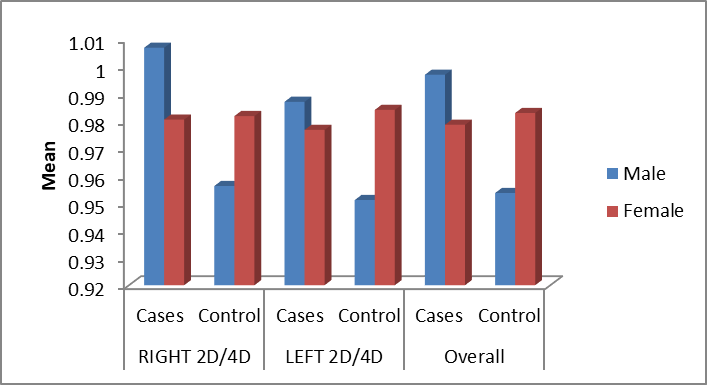
Figure 1: showing pictorial representation of significant differences between cases and controls with respect to Right 2D:4D, left 2D:4D, overall (Right + Left) 2D:4D length ratio among males and no statistically significant differences among female.
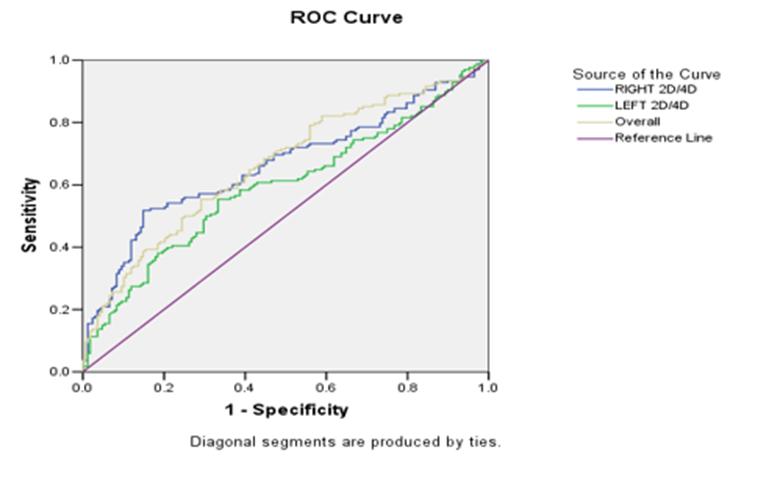
Figure 2: showing the ROCs analysing 2D:4D ratio and coronary artery disease in male.
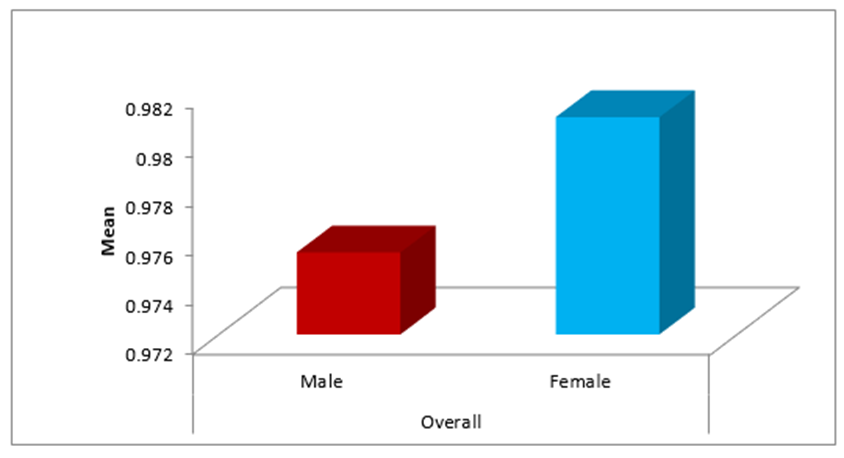
Figure 3: showing mean 2D:4D length ratio of men (0.9753+/-0.0401) and mean 2D:4D length ratio of women (0.9808+/-0.0311). Hence mean 2D:4D length ratios among men is lower than women indicating ‘Sexual Dimorphism.
Table 1. Demographic Characteristics of Study Population (n = 200)
|
Variable |
CAD Present (n=128) |
CAD Absent (n=72) |
p-value |
|
|
Mean age (years) |
58.6 ± 9.2 |
51.4 ± 8.1 |
0.001* |
|
|
Male |
93 (72.6%) |
39 (54.2%) |
0.01* |
|
|
Smokers |
61 (47.7%) |
18 (25.0%) |
0.003* |
|
|
Hypertension |
74 (57.8%) |
27 (37.5%) |
0.02* |
|
|
Diabetes mellitus |
58 (45.3%) |
21 (29.2%) |
0.03* |
|
Table 2. Mean Digit Ratio Comparison
|
Variable |
CAD Present |
CAD Absent |
p-value |
|
Mean 2D:4D ratio |
0.94 ± 0.03 |
0.98 ± 0.04 |
0.001* |
Table 3. Association Between Digit Ratio and CAD Severity
|
CAD Severity |
Mean 2D:4D Ratio |
p-value |
|
Single-vessel disease |
0.96 ± 0.03 |
0.02* |
|
Double-vessel disease |
0.94 ± 0.02 |
|
|
Triple-vessel disease |
0.91 ± 0.03 |
Table 4. Distribution of CAD Severity
|
CAD Severity |
Number (%) |
p-value |
|
Single-vessel disease |
42 (32.8%) |
0.003* |
|
Double-vessel disease |
39 (30.5%) |
|
|
Triple-vessel disease |
47 (36.7%) |
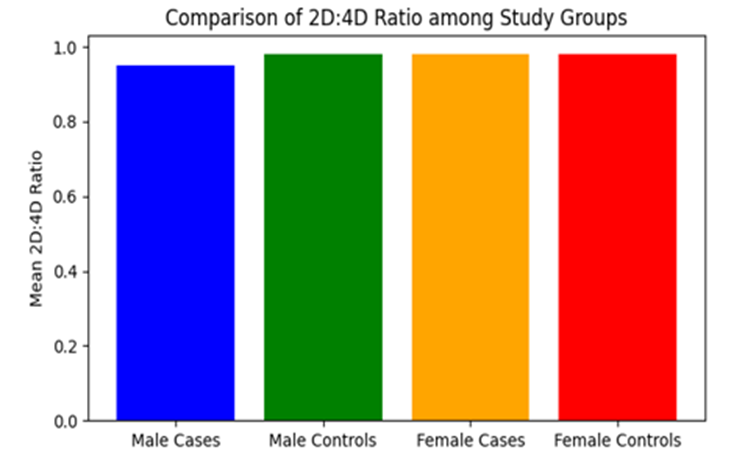
Figure 4: Gender distribution among CAD patients.
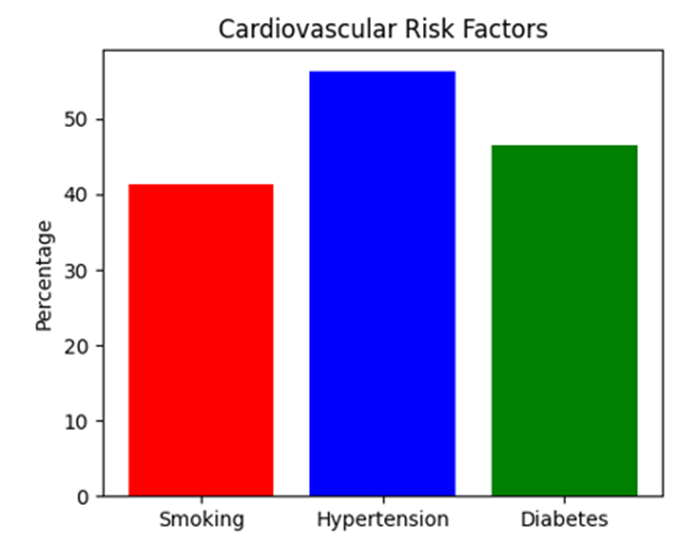
Figure 5: Comparison of cardiovascular risk factors.
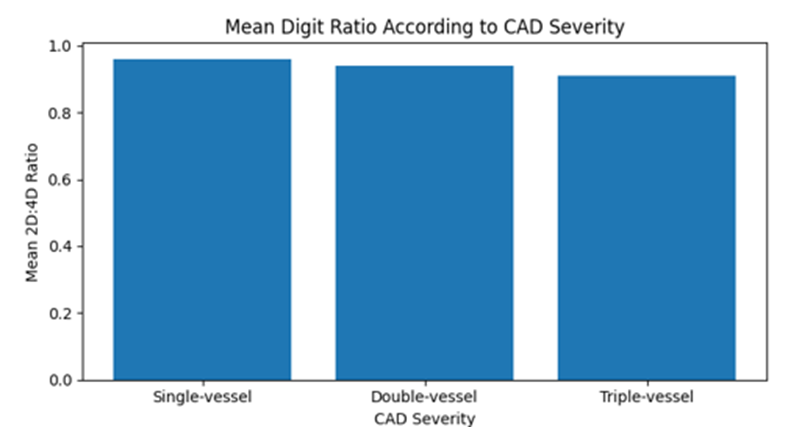
Figure 6: Mean digit ration according to CAD severity.
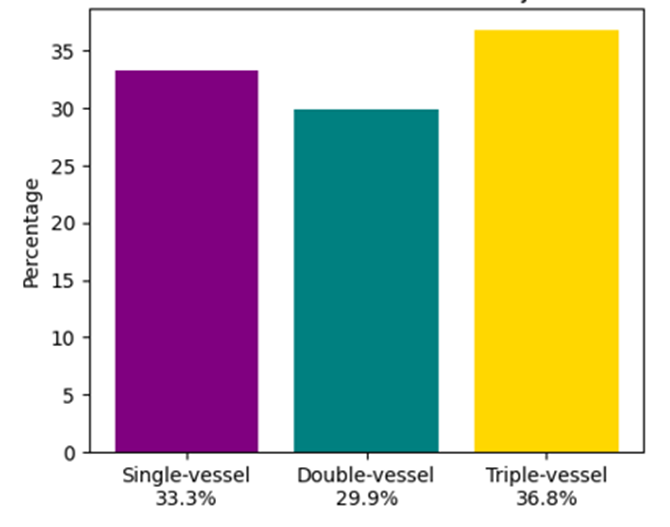
Figure 7: Distribution of CAD severity
DISCUSSION:
The current prospective observational study assessed the relationship between the second-to-fourth digit ratio (2D:4D ratio) and coronary artery disease (CAD) in patients receiving coronary angiography in a tertiary care environment. The results showed that, in comparison to people without CAD, patients with angiographically confirmed CAD exhibited significantly different digit ratios. Additionally, changes in digit ratio were linked to the degree of coronary artery involvement, with patients with multi-vessel disease exhibiting more pronounced changes. These findings lend credence to the theory that exposure to hormones during pregnancy may affect cardiovascular risk in later life. The majority of CAD cases in the current investigation were male patients, which is in line with the known higher frequency of coronary artery disease in men. Conventional cardiovascular risk factors, such as diabetes mellitus, smoking, and hypertension, were substantially more prevalent in CAD patients, confirming their well-established significance in the pathophysiology of ischemic heart disease and atherosclerosis (4).
Similar results, where metabolic and behavioural risk factors significantly contribute to the development of CAD, have been reported in epidemiological studies across the globe. One indirect indicator of prenatal sex hormone exposure is the 2D:4D ratio. Higher digit ratios show comparatively greater prenatal oestrogen effect, while lower digit ratios are often linked to higher prenatal testosterone exposure and lower oestrogen exposure. According to research on developmental biology, finger length ratios are established about the thirteenth week of pregnancy and stay largely constant throughout life. Significant correlations between digit ratio and CAD were reported in the current investigation, especially in men, but not in women. Wu et al. observed similar gender-specific results, showing that among Han Chinese males but not women, changed 2D:4D ratios were associated with CAD (5).
Our results are also consistent with research by Manning and Ozdogmus, who found that males with changed 2D:4D ratios had an earlier onset of ischemic heart disease and a higher incidence of myocardial infarction. Additionally, compared to the left hand, the right hand's 2D:4D ratio had a greater correlation with CAD, according to the current study. In line with earlier research indicating that the right hand might be more susceptible to prenatal androgen exposure, ROC analysis showed a higher predictive value for right-hand ratios. It is still unclear what precise biological mechanism behind the correlation between digit ratio and coronary artery disease. The function of HOX genes, specifically Hox A and Hox D, which control urogenital and circulatory system differentiation as well as digit development, is one theory put forth (6).
Long-term cardiovascular vulnerability may result from prenatal androgen exposure's effects on vascular biology, endothelial function, insulin sensitivity, inflammatory pathways, and lipid metabolism. Additionally, experimental data indicates that the activity of the oestrogen receptor-alpha (ER-α) and androgen receptor (AR) varies between the second and fourth digits, which may account for sex-related variation in digit ratios. The connection between testosterone and CAD has been investigated in a number of research.
Tomulescu IM, Nicoraș GL, 2015 also found a negative correlation between adult testosterone levels and 2D:4D ratios (2). These results provide credence to the idea that hormonal profiles linked to cardiovascular risk may be indirectly reflected in the digit ratio. There is, however, contradicting data as well. While Kumar S, Ali S, 2025 observed no connection between testosterone levels and the severity of angiographic CAD in men discovered no significant relationship between salivary testosterone, masculine traits, and digit ratio (7).
These discrepancies show that CAD is complicated and impacted by intricate relationships between environmental, metabolic, hormonal, and genetic variables. According to the current study, digit ratio could be used as a straightforward, low-cost, non-invasive anthropometric indicator to support traditional cardiovascular risk assessment, especially in environments with limited resources.
The finger length ratio may be measured quickly, consistently, and without the need for complex equipment. However, proven cardiovascular studies and conventional risk variables cannot be replaced by digit ratio alone. Instead, it should be viewed as an additional biomarker that might be used to identify people who are more susceptible to cardiovascular disease. There are several restrictions on the study. The results of this single-center study might not apply to bigger populations. Other cardiovascular risk variables that were not thoroughly examined included obesity, alcohol consumption, and dyslipidemia. Long-term monitoring of cardiovascular outcomes was outside the purview of the study, and hormonal assays and molecular analyses were not carried out. Additionally, no significant correlation was found among women, suggesting that more gender-specific research is necessary.
Notwithstanding these drawbacks, the study offers insightful information about the potential connection between prenatal hormone exposure and coronary artery disease. To elucidate the prognostic relevance of the 2D:4D ratio in cardiovascular risk assessment, larger multicentre studies with hormone profiling and long-term follow-up are needed (8).
CONCLUSION:
The current prospective observational analysis showed a strong correlation between coronary artery disease and a shorter finger length ratio (2D:4D ratio). Digit ratios were significantly lower in patients with angiographically confirmed CAD than in those without the condition, and lower ratios were linked to more severe illness, especially triple-vessel involvement. The complex nature of coronary artery disease was highlighted by the strong associations found between CAD and traditional cardiovascular risk factors such smoking, hypertension, and diabetes mellitus. According to the results, digit ratio could be a straightforward, low-cost, non-invasive anthropometric diagnostic that could help with cardiovascular risk assessment.
Prenatal hormonal impacts may contribute to vascular and metabolic vulnerability later in life, albeit the precise molecular process is yet unknown. Therefore, when performed in conjunction with traditional clinical evaluation, finger length measurement may offer further insight into cardiovascular risk assessment. To confirm the predictive significance of digit ratio in coronary artery disease, more extensive multicentric studies including hormone profiling and long-term follow-up are advised. Overall, the study emphasises how anthropometric indicators may help identify those at higher risk for cardiovascular disease early on.
REFERENCES:
1. Dogra K, Puri N, Puri D. Association of second to fourth digit ratio ( 2D : 4D ) with risk prediction of coronary artery disease among females of North-West India. J Cardiovasc Dis Res. 2023;14(12):69–78.
2. Tomulescu IM, Nicoraș GL. Comparative study of finger lengths and digit ratio in men of ancona , italy and oradea , romania. Stud Univ “Vasile Goldiş”, Ser Ştiinţele Vieţi. 2015;25(3):151–5.
3. Lu H, Qian W, Geng Z, Sheng Y. Dermatoglyphs in Coronary Artery Disease Among Ningxia Population of North China. J Clin Diagnostic Res. 2015;9(12):1–4.
4. Yadav RK. PRESSURE , AND LIPID PROFILE IN A MALE POPULATION. J Popul Ther Clin Pharmacol. 2025;32(03):1468–71.
5. Verma NK and S. Correlation of Length of Index Finger ( 2D ) to Ring Finger ( 4D ) Ratio ( 2D : 4D ) and Coronary Artery Disease - A Study in Male Population of South Rajasthan. Acta Sci Med Sci. 2021;5(8):65–8.
6. Kumar S, Ali S. To find 2D : 4D ratio of fingers and its correlation with hypertension and its implications for risk factors in cardiovascular diseases in north Indian population. IP Indian J Anat Surg Head, Neck Brain. 2024;10(2):40–3.
7. Kumar S, Ali S. Index finger and ring finger ratio ( 2D : 4D ) and it ’ s correlation with Hypertension and it ’ s affects for possibility factors in cardiovascular diseases in North Indian female population. ndian J Clin Anat Physiol. 2024;11(2):104–8.
8. Wu X, Yang D, Chai W, Jin M, Zhou X, Peng L, et al. The Ratio of Second to Fourth Digit Length ( 2D : 4D ) and Coronary Artery Disease in a Han Chinese Population. Int J Med Sci. 2013;10(11):2–6.