Knowledge, Attitude, and Practice Regarding Biomedical Waste Management Among Healthcare Workers: A Narrative Review.
- Ikshit Singh , Department of Community Medicine, Pt. Jawaharlal Nehru Memorial (J.N.M.) Medical College, Raipur, Chhattisgarh, India.
- Gajendra Singh , Health Specialist, UNICEF Chhattisgarh, India.
- Anil Kumar Ramteke , Department of Zoology, Government J. Yoganandam Chhattisgarh College, Raipur, Chhattisgarh, India.
- Kamlesh Jain , Department of Community Medicine, Maa Padmavati Institute of Medical Sciences, Raipur, Chhattisgarh, India.
Article Information:
Abstract:
Background: Biomedical waste management (BMWM) is a fundamental component of infection prevention, occupational safety, environmental protection, and quality healthcare delivery. Inappropriate handling and disposal of biomedical waste increase the risk of healthcare-associated infections, needle-stick injuries, environmental contamination, and transmission of blood-borne pathogens. Healthcare workers (HCWs) play a pivotal role in ensuring effective BMWM; therefore, their knowledge, attitudes, and practices (KAP) directly influence compliance with national and international waste management guidelines. Despite strengthening of biomedical waste regulations in many countries, variability in KAP among different categories of healthcare workers continues to pose significant challenges. Objective: To critically review the available literature on the knowledge, attitudes, and practices regarding biomedical waste management among healthcare workers, identify factors influencing compliance, summarize educational interventions that improve biomedical waste management, and discuss future directions with special emphasis on primary healthcare and family medicine. Methods: A narrative review of published literature was conducted using electronic databases, including PubMed/MEDLINE, Scopus, Web of Science, Google Scholar, and ScienceDirect. Peer-reviewed articles published primarily between 2014 and 2025 were considered. Studies evaluating knowledge, attitudes, practices, educational interventions, institutional compliance, occupational safety, and biomedical waste management policies among healthcare workers were included. Relevant guidelines from the World Health Organization and the Biomedical Waste Management Rules, 2016 (India), including subsequent amendments, were also reviewed. Evidence was synthesized narratively to identify common findings, research gaps, and practical recommendations. Results: The reviewed literature indicates that healthcare workers generally possess satisfactory knowledge regarding biomedical waste management, particularly physicians, nurses, and laboratory professionals. However, substantial variations exist across professional groups, with housekeeping personnel, waste handlers, and newly recruited staff demonstrating comparatively lower knowledge and inconsistent compliance. Although attitudes toward biomedical waste management are predominantly positive, organizational barriers—including inadequate infrastructure, heavy workload, limited supervision, and insufficient training—often hinder translation of knowledge into routine practice. Regular educational programs, competency-based training, simulation exercises, audit and feedback mechanisms, supportive leadership, and strong institutional safety culture consistently improve compliance with biomedical waste management guidelines. Primary healthcare facilities continue to face unique challenges related to infrastructure, resource availability, and access to biomedical waste treatment services. Conclusion: Biomedical waste management requires a comprehensive approach that integrates continuous education, supportive institutional leadership, adequate infrastructure, regulatory compliance, and continuous quality improvement. Strengthening healthcare workers' knowledge, attitudes, and practices through competency-based training and evidence-based institutional strategies will enhance occupational safety, infection prevention, environmental sustainability, and overall quality of healthcare delivery. Family physicians and primary healthcare teams have a crucial role in promoting safe biomedical waste management and strengthening implementation at the community level.
Keywords:
Article :
INTRODUCTION:
Biomedical waste (BMW) is an unavoidable by-product of healthcare delivery and includes materials generated during the diagnosis, treatment, immunization, and research involving humans or animals [1,2]. Although only a fraction of healthcare waste is classified as hazardous, inappropriate handling, segregation, transportation, treatment, and disposal can result in substantial risks to patients, healthcare workers (HCWs), waste handlers, the community, and the environment [1,2,5–8]. The rapid expansion of healthcare infrastructure, increasing use of disposable medical products, advances in diagnostic technologies, and the growing burden of infectious diseases have contributed to a significant rise in biomedical waste generation worldwide [2,7,23–30]. These challenges were further intensified during the coronavirus disease 2019 (COVID-19) pandemic, when unprecedented quantities of personal protective equipment (PPE), testing materials, and infectious waste placed additional strain on healthcare waste management systems [2,29–33].
Improper biomedical waste management remains an important public health issue, particularly in low- and middle-income countries where limitations in infrastructure, financial resources, training, and regulatory enforcement may hinder effective waste disposal practices [5–8,23–30]. Inadequate segregation of infectious and non-infectious waste, unsafe disposal of sharps, open burning, indiscriminate dumping, and poor compliance with waste management protocols increase the likelihood of occupational injuries, transmission of blood-borne pathogens such as hepatitis B virus, hepatitis C virus, and human immunodeficiency virus, as well as environmental contamination of soil, air, and water [1,2,5–8]. Consequently, biomedical waste management is recognized as an essential component of infection prevention and control, hospital quality assurance, occupational safety, and environmental sustainability [1–8].
India has established a comprehensive regulatory framework for biomedical waste management through the Biomedical Waste Management Rules, 2016, followed by subsequent amendments [3,4,10]. These regulations emphasize waste minimization, segregation at the point of generation using color-coded containers, safe collection, storage, transportation, treatment, and final disposal [3,4]. They also mandate regular training of healthcare personnel, occupational safety measures, immunization of waste handlers, maintenance of records, and periodic monitoring to ensure compliance [3,4,10]. Despite the existence of these guidelines, several studies conducted across different healthcare settings in India have reported inconsistent adherence to recommended biomedical waste management practices, indicating that implementation remains a major challenge [5,6,11–22].
Healthcare workers occupy a central position in the biomedical waste management process because they are responsible for generating, segregating, transporting, and documenting healthcare waste as part of routine clinical practice [1,5,6]. This diverse workforce includes physicians, nurses, laboratory professionals, pharmacists, dentists, housekeeping personnel, waste handlers, and allied health professionals, each of whom contributes to safe waste management at different stages [11–22]. The effectiveness of biomedical waste management largely depends on the knowledge of healthcare workers regarding regulatory guidelines, their attitudes toward occupational and environmental safety, and their day-to-day practices within healthcare facilities [11–22]. Deficiencies in any of these domains may compromise infection control measures and increase the risk of healthcare-associated infections and environmental hazards [5–8,11–22].
The Knowledge–Attitude–Practice (KAP) framework provides a useful model for understanding healthcare workers' behavior toward biomedical waste management [11–13,21,22]. Knowledge reflects awareness and understanding of waste categories, segregation procedures, color coding, legal requirements, and potential health hazards [3–6]. Attitude encompasses beliefs, perceptions, motivation, and willingness to comply with established waste management protocols, while practice represents the actual implementation of recommended procedures in routine clinical settings [11–22]. These three components are interrelated, as adequate knowledge often influences positive attitudes, which in turn facilitate appropriate practices. Nevertheless, several investigations have demonstrated that knowledge alone does not always translate into correct practice because organizational support, workload, availability of resources, supervision, and institutional safety culture also play important roles [5,6,21–24].
Over the past decade, numerous cross-sectional studies have evaluated the knowledge, attitude, and practices related to biomedical waste management among healthcare workers in tertiary hospitals, teaching institutions, primary healthcare centers, and private healthcare facilities across different countries [9,11–22,29–33]. While many reports have demonstrated satisfactory awareness among doctors and nurses, gaps remain among housekeeping personnel, sanitation workers, and newly recruited staff [17–22]. Furthermore, considerable variability exists between healthcare settings regarding training coverage, compliance with biomedical waste regulations, and implementation of standard operating procedures [11–22]. These inconsistencies highlight the need for continuous professional education, institutional commitment, and regular monitoring to strengthen biomedical waste management systems [9–13,21–24].
Although systematic reviews have examined selected aspects of biomedical waste management, narrative synthesis focusing specifically on the knowledge, attitude, and practice of healthcare workers remains limited, particularly in the context of primary healthcare services and multidisciplinary healthcare teams [7,8,14,24]. Family physicians and primary care professionals frequently serve as the first point of contact for patients and are actively involved in preventive healthcare, immunization, minor surgical procedures, diagnostic services, and community-based health programs, all of which generate biomedical waste requiring safe management [3,9,10]. Strengthening biomedical waste management practices at the primary healthcare level is therefore essential for protecting healthcare personnel, patients, and the surrounding community while supporting national initiatives for infection prevention and environmental protection [3,4,9].
The present narrative review aims to comprehensively synthesize the available evidence on the knowledge, attitude, and practice regarding biomedical waste management among healthcare workers. It critically examines current levels of awareness and compliance, identifies factors influencing biomedical waste management practices, summarizes educational interventions that have improved performance, and highlights existing research gaps. The review also discusses practical implications for family medicine and primary healthcare, with the objective of supporting evidence-based strategies that enhance occupational safety, environmental sustainability, and the overall quality of healthcare delivery [1–10,31–33].
2 Literature Search Strategy
The present review was conducted using a structured narrative approach to synthesize the current evidence regarding the knowledge, attitude, and practice (KAP) of healthcare workers toward biomedical waste management (BMWM). Although the methodology did not follow the formal requirements of a systematic review or meta-analysis, efforts were made to ensure that the literature search was comprehensive, transparent, and reproducible. The review focused on identifying studies that evaluated healthcare workers' awareness, perceptions, compliance, and implementation of biomedical waste management practices across different healthcare settings.
A comprehensive electronic literature search was performed using multiple biomedical and multidisciplinary databases, including PubMed/MEDLINE, Scopus, Web of Science, Google Scholar, and ScienceDirect. These databases were selected because of their extensive coverage of peer-reviewed medical, public health, environmental health, and healthcare management literature. In addition, the reference lists of relevant review articles and original research papers were manually screened to identify additional eligible studies.
The search strategy incorporated combinations of Medical Subject Headings (MeSH) and free-text keywords related to biomedical waste management and healthcare workers. The principal search terms included "Biomedical Waste Management," "Medical Waste Management," "Healthcare Waste," "Hospital Waste," "Knowledge," "Attitude," "Practice," "KAP," "Healthcare Workers," "Healthcare Personnel," "Doctors," "Nurses," "Laboratory Personnel," "Waste Handlers," "Primary Healthcare," "Family Medicine," and "Infection Control." Boolean operators (AND, OR) were used to combine search terms and improve retrieval efficiency.
An example of the search strategy was:
("Biomedical Waste Management" OR "Healthcare Waste") AND ("Knowledge" OR "Attitude" OR "Practice" OR "KAP") AND ("Healthcare Workers" OR "Healthcare Personnel" OR "Doctors" OR "Nurses")
The review primarily included studies published between January 2015 and June 2026 to provide an updated overview of biomedical waste management practices. Earlier landmark publications and international guidance documents were included where necessary to provide historical context and explain the evolution of biomedical waste management policies and regulations (1–4,45).
Studies were eligible if they evaluated one or more components of knowledge, attitude, or practice regarding biomedical waste management among healthcare workers. Eligible participants included physicians, resident doctors, nurses, nursing students, laboratory personnel, dentists, pharmacists, housekeeping staff, waste handlers, allied health professionals, and other healthcare employees working in hospitals, medical colleges, primary health centres, community health centres, or diagnostic laboratories. Observational studies, cross-sectional surveys, multicentre studies, educational intervention studies, and relevant review articles were considered. International guidelines and policy documents published by recognized organizations were also included to provide regulatory and technical perspectives (1–4,45).
Studies were excluded if they focused exclusively on municipal solid waste, industrial waste, or environmental pollution without addressing biomedical waste management in healthcare settings. Editorials, conference abstracts lacking sufficient methodological details, duplicate publications, opinion articles, and studies evaluating only waste treatment technologies without assessing healthcare workers' knowledge, attitudes, or practices were excluded.
The titles and abstracts of retrieved articles were initially screened to determine relevance. Full-text articles were subsequently assessed according to predefined inclusion and exclusion criteria. Data extracted from eligible studies included publication year, country, study design, healthcare setting, study population, sample size, assessment tools, principal findings related to knowledge, attitude, and practice, and key recommendations. Because of the heterogeneity of study designs and outcome measures, findings were synthesized narratively rather than through quantitative meta-analysis.
Special emphasis was placed on studies conducted in India, where biomedical waste management is governed by the Biomedical Waste Management Rules, 2016 and subsequent amendments (3,4,10). Evidence from other countries was also included to facilitate international comparison and identify globally applicable best practices. Recommendations from the World Health Organization (WHO) and other recognized agencies were considered while interpreting the findings (1,2,45).
Although a structured search strategy was adopted, this narrative review has certain limitations. The included studies differed with respect to study design, participant characteristics, assessment tools, and outcome measures, limiting direct comparison across investigations. Differences in institutional infrastructure, healthcare systems, and regulatory environments may also have influenced the reported findings. Nevertheless, the review provides a comprehensive synthesis of the available evidence regarding biomedical waste management among healthcare workers and highlights important implications for clinical practice, education, and future research.
3. Biomedical Waste Management: Concepts, Classification, Sources, and Regulatory Framework
3.1 Concept and Definition of Biomedical Waste
Biomedical waste (BMW), also referred to as healthcare waste or medical waste, comprises all waste generated during the diagnosis, treatment, immunization, or research activities involving humans or animals, as well as waste produced during the manufacture or testing of biological products (1–4). Healthcare facilities, irrespective of their size or level of care, generate a wide spectrum of waste materials ranging from non-hazardous general refuse to highly infectious, toxic, radioactive, and chemical waste. Although approximately 75–85% of healthcare waste is considered non-hazardous and comparable to domestic waste, the remaining 15–25% is potentially hazardous and requires specialized handling, treatment, and disposal to prevent adverse effects on human health and the environment (1,2,7,30,45).
Biomedical waste management encompasses a systematic process involving waste minimization, segregation, collection, storage, transportation, treatment, and final disposal in accordance with established regulatory guidelines (1,3,4,6). The primary objective is to interrupt the transmission of infectious agents, minimize occupational exposure, reduce environmental pollution, and ensure compliance with legal and ethical standards. Effective biomedical waste management is now recognized as an integral component of infection prevention and control, occupational health, environmental sustainability, and patient safety (1,2,5–7).
With increasing healthcare utilization, rapid technological advancements, expansion of diagnostic services, and widespread use of disposable medical products, the volume of biomedical waste has risen substantially over the past two decades (7,24,25,30). The COVID-19 pandemic further accelerated biomedical waste generation due to the extensive use of personal protective equipment (PPE), disposable syringes, testing kits, face masks, gloves, and vaccination-related materials (31–35). These developments have highlighted the necessity of strengthening biomedical waste management systems, particularly in resource-constrained healthcare settings (29,35, 36).
3.2 Sources of Biomedical Waste
Biomedical waste is generated across virtually every level of healthcare delivery (1–4). Although tertiary care hospitals account for the largest proportion of waste because of their high patient turnover and complex clinical services, substantial quantities are also produced by primary healthcare facilities, community health centres, diagnostic laboratories, dental clinics, veterinary hospitals, blood banks, research laboratories, and home-based healthcare services (5–7,24,25).
Major sources of biomedical waste include:
· Government and private hospitals
· Primary Health Centres (PHCs)
· Community Health Centres (CHCs)
· Medical colleges and teaching hospitals
· Nursing homes
· Dental clinics
· Diagnostic and pathology laboratories
· Blood banks
· Vaccination centres
· Dialysis units
· Intensive Care Units (ICUs)
· Operation theatres
· Mortuaries
· Veterinary hospitals
· Biomedical research laboratories
· Pharmaceutical manufacturing units involved in biological products
Among these, hospitals and medical colleges contribute the highest quantity of biomedical waste because of continuous inpatient care, surgical procedures, laboratory investigations, emergency services, and intensive care facilities (5,7,24,29,30). Conversely, primary healthcare centres generate comparatively smaller quantities of waste; however, inadequate segregation and disposal practices at these facilities may still pose significant public health risks, particularly in rural and underserved regions where waste treatment infrastructure is limited (9,35).
3.3 Classification of Biomedical Waste
Appropriate classification of biomedical waste forms the basis of safe waste management. Segregation at the point of generation facilitates efficient treatment, minimizes cross-contamination, reduces disposal costs, and enhances occupational safety (1,3,4,6,10).
Biomedical waste can broadly be classified into the following categories (Figure 1):
Infectious Waste
This category includes waste contaminated with blood, body fluids, microbial cultures, laboratory specimens, and materials capable of transmitting infectious diseases. Examples include contaminated dressings, cotton swabs, surgical gauze, laboratory cultures, and disposable materials used during patient care (1,2,7).
Pathological Waste
Pathological waste consists of human tissues, organs, body parts, placenta, fetuses, and animal carcasses generated during surgical procedures, autopsies, and biomedical research. Owing to its high biological risk, this category requires specialized treatment and disposal (1,3,45).
Sharps
Sharps include needles, scalpels, surgical blades, lancets, broken glass, intravenous stylets, and other objects capable of causing puncture injuries. Sharps are particularly hazardous because they may transmit blood-borne pathogens, including hepatitis B virus (HBV), hepatitis C virus (HCV), and human immunodeficiency virus (HIV), following accidental needle-stick injuries (1,2,6,15).
Pharmaceutical Waste
Expired medicines, contaminated drugs, vaccines, antibiotics, discarded pharmaceutical preparations, and cytotoxic medications constitute pharmaceutical waste. Improper disposal may contribute to antimicrobial resistance and environmental contamination (6,7,25).
Chemical Waste
Chemical waste includes disinfectants, laboratory reagents, solvents, formalin, heavy metals, cleaning agents, and other hazardous chemicals used in healthcare facilities. Some chemicals possess corrosive, toxic, carcinogenic, or mutagenic properties requiring specialized disposal procedures (1,6,25).
Plastic Waste
Disposable syringes (without needles), intravenous tubing, urine bags, catheters, gloves, masks, specimen containers, and other plastic medical devices constitute an increasing proportion of biomedical waste. Appropriate recycling following disinfection significantly reduces environmental burden (7,29,35).
Glass Waste
Broken medicine vials, ampoules, laboratory glassware, microscope slides, and uncontaminated glass containers require separate collection to minimize injuries and facilitate recycling where appropriate (3,4,6).
Radioactive Waste
Healthcare facilities utilizing nuclear medicine, radiotherapy, and radioisotope-based diagnostic procedures generate radioactive waste. Such waste requires handling in accordance with national radiation safety regulations (1,45).
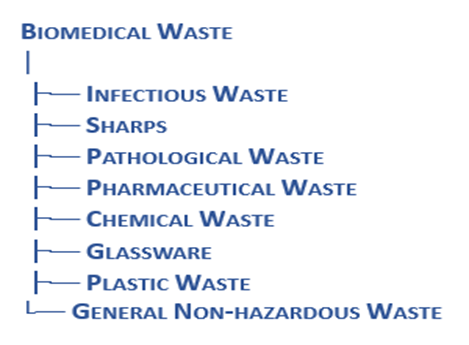
Figure 1. Classification of Biomedical Waste
3.4 Color-Coding System for Biomedical Waste Segregation
Segregation at the point of waste generation is considered the most critical step in biomedical waste management. The Biomedical Waste Management Rules, 2016 introduced a simplified color-coded segregation system that promotes uniformity across healthcare facilities and facilitates safe treatment and disposal.
The four-color segregation system includes:
|
Color |
Type of Waste |
Common Treatment Method |
|
Yellow |
Human anatomical waste, soiled waste, microbiological waste, expired medicines, chemical waste |
Incineration, plasma pyrolysis, or deep burial (where permitted) |
|
Red |
Contaminated recyclable plastic items such as IV sets, catheters, syringes without needles, tubing, gloves |
Autoclaving, microwaving, hydroclaving, followed by recycling |
|
White (Translucent) |
Sharps including needles, scalpels, blades, and metal sharps |
Autoclaving or dry heat sterilization followed by shredding or encapsulation |
|
Blue |
Glassware, broken ampoules, medicine vials, metallic implants |
Disinfection followed by recycling |
Correct segregation immediately after waste generation substantially reduces treatment costs and prevents contamination of general waste. Several studies have demonstrated that segregation errors remain one of the most common deficiencies in healthcare facilities despite repeated training programs [5,6,8,26].
Failure to manage biomedical waste appropriately has serious consequences extending beyond healthcare facilities. Improper segregation, storage, transportation, and disposal expose healthcare workers, patients, waste handlers, rag pickers, and the general public to biological, chemical, and physical hazards [1,2,7,23].
Occupational exposure to contaminated sharps remains one of the most significant risks for healthcare workers. Needle-stick injuries can transmit HBV, HCV, and HIV, leading to substantial morbidity and psychological distress. In addition, exposure to infectious waste increases the likelihood of healthcare-associated infections and outbreaks within healthcare facilities [1,2,11,35].
Environmental consequences include contamination of surface water, groundwater, and soil due to indiscriminate dumping of untreated waste. Open burning of biomedical waste releases particulate matter, dioxins, furans, and other toxic pollutants that adversely affect air quality and contribute to respiratory diseases. Inadequate disposal of pharmaceutical waste may also facilitate the development of antimicrobial resistance, an emerging global public health concern [1,7,23,28].
Poor biomedical waste management additionally results in adverse economic consequences through increased treatment costs, legal liabilities, regulatory penalties, reputational damage, and reduced public confidence in healthcare institutions [7,14,26,27].
3.6 Regulatory Framework and International Guidelines
Recognizing the public health importance of healthcare waste management, several international and national organizations have established comprehensive regulatory frameworks. The World Health Organization (WHO) recommends a waste management hierarchy emphasizing waste minimization, segregation at source, safe collection, treatment using environmentally sound technologies, and final disposal with minimal ecological impact. The WHO also advocates regular staff training, occupational safety measures, vaccination of healthcare workers against hepatitis B, use of personal protective equipment, and continuous monitoring of compliance [1,2,34].
In India, biomedical waste management is governed by the Biomedical Waste Management Rules, 2016, notified under the Environment (Protection) Act, 1986, with subsequent amendments issued to strengthen implementation and improve environmental safeguards. These regulations mandate source segregation using standardized color-coded containers, barcoding of waste bags, pretreatment of selected laboratory waste, annual reporting, authorization of healthcare facilities, and disposal through authorized Common Biomedical Waste Treatment Facilities (CBWTFs). The rules further emphasize periodic training of healthcare personnel, immunization of waste handlers, occupational safety, maintenance of records, and regular inspections by regulatory authorities [3,4,6,10].
Despite these comprehensive legal provisions, compliance remains heterogeneous across healthcare facilities. Multiple studies have identified deficiencies in waste segregation, inadequate infrastructure, insufficient availability of color-coded bins, irregular staff training, limited supervision, and poor awareness among newly recruited healthcare workers and housekeeping personnel. These observations underscore the need for sustained educational interventions, institutional leadership, continuous quality improvement, and supportive policy implementation to ensure safe biomedical waste management [5,8–10,21,29,30].
4. Knowledge Regarding Biomedical Waste Management Among Healthcare Workers
4.1 Importance of Knowledge in Biomedical Waste Management
Knowledge forms the foundation of effective biomedical waste management (BMWM). Healthcare workers (HCWs) are directly involved in waste generation, segregation, transportation, storage, and disposal during routine clinical activities. Adequate understanding of BMW categories, color-coded segregation, legal requirements, occupational hazards, post-exposure management, and infection prevention practices is essential for minimizing risks associated with healthcare waste. Inadequate knowledge not only compromises patient and worker safety but also increases environmental contamination and healthcare costs [1,3,4,8,34].
Biomedical waste management is a multidisciplinary responsibility extending beyond physicians and nurses to include laboratory personnel, pharmacists, dentists, operation theatre technicians, housekeeping staff, waste handlers, and administrative personnel. Since each category of healthcare worker performs different functions within the waste management chain, their educational needs and training requirements also vary. Consequently, improving knowledge among all cadres of healthcare personnel remains one of the most effective strategies for strengthening institutional compliance with biomedical waste regulations [8,10,22,28,33].
Numerous studies conducted over the past decade have consistently demonstrated that healthcare workers who possess better knowledge regarding waste segregation, color coding, occupational safety, and biomedical waste legislation are more likely to follow recommended waste management practices. However, evidence also suggests that knowledge alone is insufficient to ensure compliance, emphasizing the importance of organizational support, supervision, and positive workplace attitudes (Fig. 2) [9,11–13,17–22,29,30].
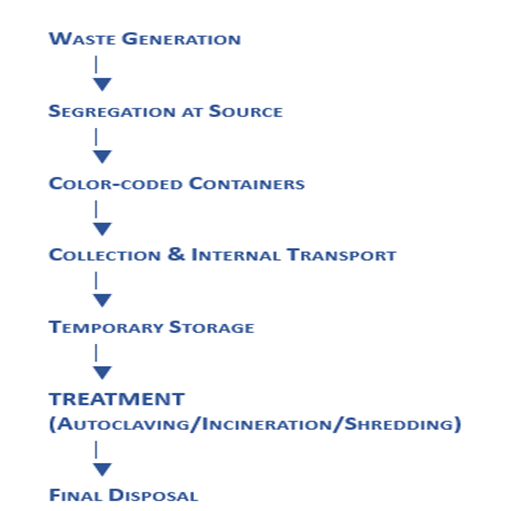
Figure 2 (a). Biomedical Waste Management Process (Flow Diagram)
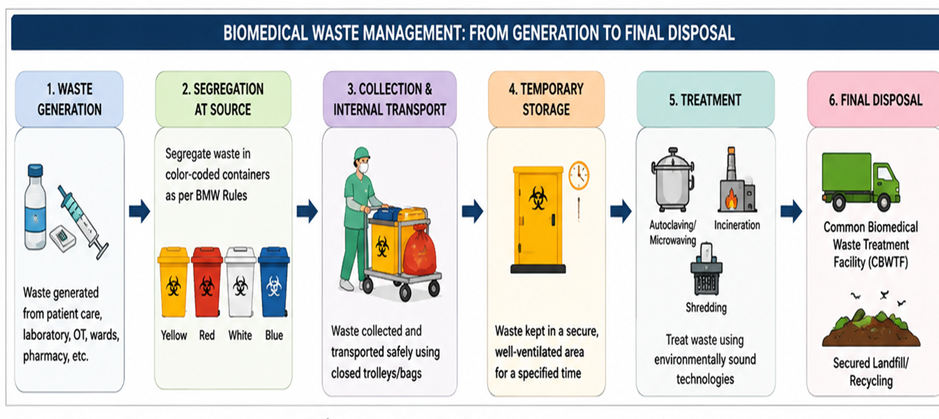
Figure 2 (b): Biomedical waste management process from waste generation to final disposal in healthcare facilities (Adapted from WHO and Biomedical Waste Management Rules, 2016).
4.2 Current Level of Knowledge Among Healthcare Workers
The available literature indicates considerable variation in the level of biomedical waste management knowledge among healthcare workers across different countries, healthcare settings, and professional categories. Most studies report relatively higher knowledge levels among physicians and nursing professionals compared with housekeeping staff, waste handlers, and newly recruited employees. These differences are largely attributable to disparities in educational background, professional responsibilities, exposure to infection control programs, and opportunities for continuing professional education [8,9,11–13,17–22].
Studies conducted in tertiary care hospitals generally report better awareness of biomedical waste management guidelines than those performed in primary healthcare centers or smaller private healthcare facilities. Large teaching hospitals often have established infection control committees, biomedical waste management officers, regular staff training programs, and institutional quality assurance mechanisms that facilitate knowledge dissemination. Conversely, healthcare workers employed in rural facilities frequently report limited access to structured training, educational materials, and supervisory support [9,10,21,22,29,30].
Several Indian studies have shown that doctors and postgraduate residents generally possess satisfactory knowledge regarding biomedical waste segregation, color-coded containers, and infection prevention measures. Nevertheless, deficiencies remain in understanding specific waste categories, treatment methods, legal requirements, documentation procedures, and management of accidental exposure incidents [11–13,18–22].
Among nursing personnel, knowledge levels are generally favorable but vary according to years of experience, educational qualifications, and participation in in-service training programs [11,17,18,20,21].
Laboratory professionals usually demonstrate adequate knowledge regarding infectious waste handling because of their routine exposure to biological specimens and microbiological cultures. However, gaps have been observed regarding disposal of chemical waste, expired reagents, and contaminated laboratory plastics. Similarly, housekeeping personnel, who constitute a critical component of biomedical waste management systems, often exhibit significantly lower knowledge scores despite having the greatest direct contact with waste during collection and transportation [9,13,18,21,22].
These findings highlight an important paradox within healthcare institutions. While professionals responsible for generating biomedical waste may possess adequate theoretical knowledge, those primarily responsible for handling and transporting waste frequently receive limited formal education and insufficient training. This discrepancy represents a significant occupational health concern because housekeeping personnel experience a disproportionately higher risk of needle-stick injuries and exposure to infectious materials [1,11,17,19,22,35].
4.3 Knowledge of Biomedical Waste Categories and Segregation
Correct segregation of biomedical waste at the point of generation is universally recognized as the cornerstone of effective waste management. Consequently, most KAP studies assess healthcare workers' knowledge regarding waste classification and color-coded segregation [1,3,4,6,34].
The literature indicates that awareness of the four-color segregation system has improved substantially following implementation of the Biomedical Waste Management Rules, 2016. Most doctors and nurses correctly identify the purpose of yellow, red, white, and blue containers. Nevertheless, several studies continue to report confusion regarding disposal of contaminated plastics, expired pharmaceuticals, microbiological waste, and glassware. Misclassification of these waste categories remains one of the leading causes of segregation errors observed during institutional waste audits [3,4,5,6,10,11,13,21].
Incorrect segregation has important clinical and economic implications. Mixing infectious waste with general waste increases treatment costs because larger quantities require specialized disposal. Conversely, disposal of infectious waste as general waste exposes waste handlers, rag pickers, and the community to avoidable health hazards. Therefore, knowledge regarding waste segregation should not merely be viewed as a regulatory requirement but rather as a critical patient safety intervention [1,5–8,23,26,28,34].
Interestingly, observational studies have demonstrated that healthcare workers often perform better when directly observed than when evaluated through anonymous questionnaires. This discrepancy suggests that although healthcare workers may understand correct segregation practices theoretically, routine implementation is frequently influenced by workload, staffing shortages, and workplace culture [11–13,21,22,29,30].
4.4 Knowledge of Occupational Hazards
Understanding occupational hazards associated with biomedical waste constitutes another essential component of healthcare workers' knowledge. Most published studies indicate that physicians and nurses recognize needle-stick injuries as the principal occupational risk associated with biomedical waste. Awareness regarding transmission of hepatitis B virus, hepatitis C virus, and human immunodeficiency virus following sharps injuries is generally satisfactory among clinical staff [1,2,11,17,20,35].
However, awareness of non-infectious hazards is comparatively limited. Chemical exposure from disinfectants, laboratory reagents, cytotoxic medications, and heavy metals receives considerably less attention during routine training programs. Likewise, environmental hazards associated with improper incineration, open burning, and indiscriminate dumping are inadequately understood by many healthcare workers despite increasing emphasis on sustainable healthcare practices [7,14,23–28,33].
Knowledge regarding post-exposure prophylaxis (PEP), incident reporting mechanisms, hepatitis B vaccination, and occupational health surveillance also varies considerably. Although most physicians are familiar with post-exposure protocols, several studies have documented inadequate awareness among housekeeping personnel and waste handlers, who often experience delayed reporting following accidental injuries. Such delays may reduce the effectiveness of prophylactic interventions and increase occupational health risks [1,2,11,17,18,22,35].
4.5 Factors Influencing Knowledge
The literature consistently identifies multiple demographic, educational, and organizational factors associated with biomedical waste management knowledge. Educational attainment remains one of the strongest predictors, with healthcare workers possessing professional degrees generally demonstrating higher knowledge scores than support staff. Professional experience also contributes significantly, although findings regarding years of service remain inconsistent across studies. Some investigations suggest that experienced healthcare workers acquire greater practical knowledge through repeated exposure, whereas others report declining adherence to updated guidelines among senior employees who have not received recent refresher training [9,11–13,17,18,21,22,29,30].
Regular participation in structured training programs represents one of the most influential determinants of knowledge. Healthcare workers who attend periodic workshops, continuing medical education sessions, or infection control training consistently demonstrate superior understanding of waste segregation, regulatory requirements, and occupational safety practices compared with those lacking formal education [5,8–13,21,22,29–33].
Similarly, institutions with active infection prevention committees, biomedical waste management officers, and routine internal audits generally report higher knowledge levels among employees [3–6,10,21,28,33].
Availability of institutional resources also influences knowledge acquisition. Display of color-coded segregation charts, standard operating procedures, multilingual educational materials, and visual reminders within clinical areas reinforces learning and promotes retention of key concepts. In contrast, healthcare facilities lacking educational infrastructure frequently exhibit inconsistent understanding of biomedical waste management principles among staff members [3,4,8,10,21,22,31–33].
4.6 Common Knowledge Gaps Identified in the Literature
Despite overall improvements in biomedical waste management awareness during recent years, several recurring knowledge gaps continue to be reported across healthcare settings [5,8–13,21,22,29–33].
Common deficiencies include:
· Incorrect identification of waste categories requiring yellow and red containers [3,4,10,11,13,21].
· Limited understanding of biomedical waste treatment technologies [6–8,14,23,24].
· Poor awareness of amendments to the Biomedical Waste Management Rules [3,5,6,10,31,32].
· Inadequate knowledge regarding chemical and pharmaceutical waste disposal [6,7,15,23,25].
· Uncertainty regarding management of accidental needle-stick injuries [1,2,11,17,20,35].
· Limited awareness of documentation, barcoding, and record-keeping requirements [3,4,10,31,32].
· Poor understanding of environmental consequences associated with improper waste disposal [7,14,23–28,33].
· Inadequate familiarity with waste management responsibilities among housekeeping personnel and contract workers [9,17–22,29,30].
These deficiencies indicate that biomedical waste management education should extend beyond simple memorization of color codes. Effective training should emphasize the scientific rationale underlying waste segregation, infection prevention, occupational safety, environmental protection, and regulatory compliance [1,3–6,8,10,33,34].
4.7 Implications for Primary Care Practice
Family physicians and primary healthcare professionals play a crucial role in ensuring safe biomedical waste management because primary healthcare facilities generate diverse categories of infectious waste through immunization services, wound care, minor surgical procedures, antenatal care, diagnostic testing, and community outreach programs. In rural and resource-limited settings, inappropriate waste management may have broader public health consequences because treatment facilities and waste disposal infrastructure are often limited [1–4,8,23,24,33,34].
Improving biomedical waste management knowledge among primary healthcare workers can substantially reduce occupational injuries, improve infection prevention practices, enhance patient confidence, and strengthen environmental stewardship. Integrating biomedical waste management into undergraduate medical education, nursing curricula, induction programs, and continuing professional development should therefore remain a priority for healthcare institutions and regulatory authorities [3,4,8–13,21,22,29–33].
5. Attitude Regarding Biomedical Waste Management Among Healthcare Workers
5.1 Significance of Attitude in Biomedical Waste Management
Attitude is a key determinant of healthcare workers' compliance with biomedical waste management (BMWM) practices. While knowledge provides the theoretical foundation, attitude reflects an individual's willingness, motivation, and commitment to apply waste management principles in routine clinical practice. Positive attitudes encourage adherence to institutional protocols, strengthen patient safety, and reduce occupational and environmental risks, whereas negative attitudes may lead to poor compliance and unsafe disposal practices [8,11–13,17–22,29,30].
Biomedical waste management is both a regulatory requirement and a professional responsibility. Healthcare workers who perceive BMWM as an integral component of infection prevention and quality healthcare are more likely to follow recommended practices consistently. Therefore, educational initiatives should focus not only on improving knowledge but also on fostering positive attitudes and professional accountability [3,4,8,10,33,34].
5.2 Overall Attitudes of Healthcare Workers
Most studies report that healthcare workers exhibit generally positive attitudes toward biomedical waste management. Physicians, nurses, laboratory personnel, and allied health professionals recognize that proper waste segregation prevents healthcare-associated infections, occupational injuries, and environmental contamination [9,11–13,17–22,29,30].
However, positive attitudes do not always translate into appropriate practices. Heavy workload, inadequate infrastructure, staff shortages, and insufficient supervision often contribute to inconsistent compliance despite favorable perceptions. Professional differences have also been observed, with doctors and nurses generally demonstrating stronger commitment than housekeeping staff. Nevertheless, structured training and institutional support significantly improve attitudes across all professional groups [8,9,11–13,17–22,29,30].
5.3 Perception of Occupational and Environmental Risks
Perceived occupational risk strongly influences healthcare workers' attitudes toward biomedical waste management. Awareness of needle-stick injuries, blood-borne infections, and exposure to hazardous waste encourages greater compliance with recommended waste handling procedures [1,2,11,17,20,35].
Environmental concerns have also become increasingly important. Healthcare workers now recognize that improper disposal of biomedical waste contributes to environmental pollution and public health hazards. The COVID-19 pandemic further strengthened awareness regarding infection control and safe disposal of infectious waste, resulting in increased institutional emphasis on biomedical waste management training [2,7,23,28–33].
5.4 Institutional Culture and Organizational Support
Institutional culture plays a significant role in shaping healthcare workers' attitudes. Organizations with strong leadership, active infection control programs, regular supervision, and adequate waste management infrastructure generally report more favorable attitudes and better compliance [5,8–13,21,22,29,30].
Availability of color-coded bins, standard operating procedures, personal protective equipment, and supportive supervision encourages staff participation in safe waste management. Conversely, inadequate infrastructure, limited administrative support, and inconsistent enforcement of policies may reduce motivation and negatively affect attitudes [3–6,10,21,22,31–33].
5.5 Influence of Education and Training
Education and training are among the most effective strategies for improving attitudes toward biomedical waste management. Healthcare workers who receive regular training demonstrate greater confidence, stronger professional commitment, and improved compliance with recommended practices [5,8–13,21,22,29–33].
Interactive educational approaches, including practical demonstrations, simulation exercises, and refresher training, are particularly effective in reinforcing positive attitudes. Continuous education also enhances self-efficacy, enabling healthcare workers to perform waste management tasks confidently and consistently [8–13,21,22,29–33].
5.6 Barriers Affecting Positive Attitudes
Despite generally favorable attitudes, several barriers hinder effective biomedical waste management. Common challenges include excessive workload, staff shortages, inadequate availability of waste disposal materials, and limited administrative support [5,8,9,21,22,28–30].
Lack of regular monitoring, feedback, and reinforcement may also reduce staff motivation. Furthermore, healthcare workers who underestimate the importance of biomedical waste management are less likely to adhere consistently to recommended practices, emphasizing the need for continuous awareness and institutional support [10,11–13,21,22,29–33].
5.7 Attitude in Primary Healthcare Settings
Primary healthcare facilities generate a variety of biomedical waste through immunization, laboratory services, wound care, and outpatient procedures. Positive attitudes among primary healthcare workers are therefore essential for safe waste handling and community protection [1–4,8,23,24,33,34].
Although resource limitations are common in primary care settings, studies indicate that regular training, supportive supervision, and adequate infrastructure significantly improve healthcare workers' attitudes and compliance with biomedical waste management guidelines. Strengthening positive attitudes at the primary healthcare level is critical for ensuring safe and sustainable waste management practices [8–13,21,22,29–33].
6. Practice Regarding Biomedical Waste Management Among Healthcare Workers
6.1 Importance of Biomedical Waste Management Practices
Biomedical waste management (BMWM) practices represent the practical implementation of knowledge and attitudes in healthcare settings. Appropriate practices include segregation of waste at the point of generation, use of color-coded containers, safe handling of sharps, appropriate storage and transportation, use of personal protective equipment (PPE), reporting of occupational injuries, and adherence to institutional and national guidelines [1–8]. These practices are essential for preventing healthcare-associated infections, minimizing occupational hazards, protecting the environment, and ensuring public safety [1,3–8, 36].
Although healthcare institutions establish BMWM policies, their success ultimately depends on the daily practices of healthcare workers. Every clinical procedure generates biomedical waste requiring safe disposal; therefore, routine compliance remains the cornerstone of effective biomedical waste management [5–10].
6.2 Current Practices Among Healthcare Workers
Published evidence demonstrates considerable variation in BMWM practices among healthcare workers across healthcare settings and professional groups [11–22]. Overall compliance has improved following implementation of national regulations and regular training programs, although deficiencies continue to be reported [3,5,10].
Doctors and nurses generally demonstrate better compliance with waste segregation protocols than housekeeping staff because of greater awareness, routine infection control activities, and professional accountability [11–13,18–22]. Several studies have also reported that nurses consistently achieve higher practice scores than physicians regarding waste segregation, sharps disposal, and use of color-coded bins [11,13,20–22]. However, housekeeping personnel often demonstrate lower compliance because of inadequate training, limited supervision, and lower educational background [18–22].
6.3 Waste Segregation Practices
Segregation of biomedical waste at the point of generation is considered the most important component of effective waste management [1,3–8]. Proper segregation reduces contamination, facilitates recycling of non-infectious waste, decreases treatment costs, and minimizes occupational exposure [5–8,23–28].
Despite widespread awareness, inappropriate segregation remains common in many healthcare facilities. Frequent errors include mixing infectious and general waste, improper disposal of plastics, and incorrect segregation of pharmaceutical waste [5,6,23–28]. Studies have reported better segregation practices in intensive care units, operation theatres, and laboratories than in outpatient departments, largely because of stricter supervision and better infection control measures [13,21–24, 36].
Several investigators have also observed discrepancies between self-reported and directly observed practices, indicating that actual compliance is often lower than reported in questionnaire-based surveys [11–13,21,22].
6.4 Use of Personal Protective Equipment
Appropriate use of PPE is fundamental to safe biomedical waste handling. Gloves, masks, gowns, eye protection, and protective footwear significantly reduce occupational exposure to infectious materials and sharps injuries [1,3,5–8].
Although glove use is generally satisfactory among nurses and laboratory personnel, compliance with other protective measures remains inconsistent, particularly among housekeeping staff [11–13,18–22]. Limited PPE availability, discomfort during prolonged use, excessive workload, and inadequate supervision have been identified as major barriers [21–24]. During the COVID-19 pandemic, PPE compliance improved considerably because of enhanced infection prevention awareness and strengthened institutional policies [29].
6.5 Sharps Management and Occupational Safety
Safe management of sharps is a critical aspect of BMWM because needle-stick injuries remain a major occupational hazard [1,3,5–8]. Recommended practices include immediate disposal of used needles into puncture-proof containers without recapping and prompt reporting of accidental exposures [3,5,10].
Despite improved awareness, unsafe practices such as needle recapping, delayed disposal, and overfilled sharps containers continue to be reported [11–13,18–22]. Housekeeping personnel remain particularly vulnerable because they frequently encounter improperly discarded sharps during waste collection [18–22].
Underreporting of needle-stick injuries also remains a concern owing to fear, lack of awareness, and uncertainty regarding reporting mechanisms [11–13,21]. Healthcare institutions with active occupational health services and vaccination programs consistently report lower rates of occupational injuries [1,5,10].
6.6 Compliance with Biomedical Waste Management Guidelines
Compliance with BMWM guidelines depends on individual competence, institutional infrastructure, administrative commitment, and regulatory oversight [1–6]. Studies generally report moderate to high compliance in tertiary care hospitals; however, adherence varies across departments [11–22].
Operation theatres, intensive care units, and microbiology laboratories typically demonstrate better compliance because of regular monitoring and greater infection control emphasis [13,21–24]. In contrast, outpatient clinics and peripheral health facilities often report inconsistent implementation due to limited infrastructure and supervisory support [9,12,21].
Regular audits, continuous monitoring, and accreditation programs have consistently been associated with improved compliance and sustained quality improvement [10,21–24].
6.7 Factors Affecting Biomedical Waste Management Practices
Multiple factors influence BMWM practices. Individual characteristics such as educational level, work experience, previous training, and awareness significantly affect compliance [11–22]. Organizational factors—including availability of color-coded bins, PPE, standard operating procedures, supervision, and administrative support—have an even greater influence on routine practice [5–10,23–28].
Heavy workload, staff shortages, inadequate infrastructure, and financial constraints are frequently associated with poor compliance [21–24]. Several intervention studies have shown that structured training combined with regular monitoring significantly improves biomedical waste management practices, highlighting the importance of continuous quality improvement rather than one-time educational sessions [9–13,29–33].
6.8 Implications for Primary Healthcare
Biomedical waste management is equally important in primary healthcare settings, where immunization, wound care, antenatal services, laboratory investigations, and minor procedures generate infectious waste [1–4,9]. Although waste volume is lower than in tertiary hospitals, improper disposal may expose healthcare workers, patients, sanitation staff, and the community to preventable health risks [1,3,5].
Strengthening BMWM in primary healthcare requires regular staff training, simplified segregation protocols, reliable waste collection systems, and collaboration with authorized biomedical waste treatment facilities [3,4,9,31–33]. Family physicians play an important role by promoting infection prevention, supervising waste segregation, educating healthcare workers, and supporting institutional quality improvement initiatives [9,10].
7. Factors Influencing Knowledge, Attitude, and Practice (KAP) Regarding Biomedical Waste Management
7.1 Overview
Knowledge, attitude, and practice (KAP) regarding biomedical waste management (BMWM) are influenced by multiple individual and organizational factors. Although healthcare workers may possess adequate knowledge, effective implementation depends on institutional infrastructure, availability of resources, leadership, regular training, and workplace safety culture [1–10]. Studies consistently demonstrate that healthcare facilities with strong infection prevention programs, supportive supervision, and continuous professional education achieve better compliance with BMWM guidelines [5–10,23–28].
7.2 Sociodemographic Factors
Educational qualification is one of the strongest predictors of BMWM knowledge and compliance. Healthcare professionals with higher educational levels generally demonstrate better understanding of waste segregation, occupational safety, and regulatory requirements [11–22]. Professional category also influences KAP, with physicians, nurses, and laboratory personnel usually reporting higher scores than housekeeping staff because of greater clinical exposure and training [11–13,18–22].
The influence of age and work experience remains inconsistent, as experienced workers benefit from practical exposure while recently trained professionals are often more familiar with updated BMWM guidelines [9,11–13]. Gender has not been identified as an independent determinant of BMWM practices [11–22].
7.3 Education and Training
Education and regular training are the most effective strategies for improving KAP regarding biomedical waste management [9–13,21,22]. Healthcare workers receiving structured training demonstrate significantly better knowledge of waste segregation, color coding, occupational safety, and legal responsibilities [9–13].
Interactive training methods, including practical demonstrations, simulation exercises, and periodic refresher programs, are more effective than classroom lectures alone [8,14,31–33]. Regular education combined with supportive supervision and feedback promotes sustained behavioral change and long-term compliance [9–13,21].
7.4 Institutional Infrastructure and Resource Availability
Adequate infrastructure is essential for translating knowledge into safe practice. Availability of color-coded containers, puncture-proof sharps boxes, PPE, standard operating procedures, and designated waste storage areas significantly improves compliance [1–6].
Conversely, inadequate resources, irregular waste collection, overcrowded facilities, and poor access to common biomedical waste treatment facilities remain major barriers, particularly in resource-limited settings [5–8,23–29]. Visual reminders such as posters and segregation charts further reinforce correct waste disposal practices [3–6].
7.5 Organizational Leadership and Safety Culture
Institutional leadership plays a crucial role in promoting effective BMWM practices. Active infection control committees, supportive supervision, regular audits, and administrative commitment foster a positive safety culture and improve compliance [5,6,10,21–24].
Healthcare institutions that recognize good performance, encourage reporting of occupational incidents, and integrate BMWM into quality assurance programs generally achieve better long-term outcomes than organizations with limited managerial support [21–24].
7.6 Workload and Human Resource Constraints
Heavy workload and staff shortages remain important barriers to proper BMWM practices. During busy clinical schedules, healthcare workers may prioritize patient care over waste segregation, increasing the likelihood of disposal errors [11–13,21,22].
Frequent staff rotation, contractual employment, and inadequate orientation also contribute to inconsistent compliance. Integrating BMWM into routine clinical workflows and ensuring continuous staff training can help overcome these challenges [9,12,21].
7.7 Policy Implementation and Regulatory Oversight
Effective implementation of BMWM depends on both regulatory frameworks and institutional commitment. In India, the Biomedical Waste Management Rules, 2016 have standardized waste segregation, color coding, barcoding, and waste treatment practices, significantly strengthening compliance [3,4,10].
Regular inspections, accreditation programs, and internal audits improve adherence by identifying deficiencies and promoting corrective actions. Educational support combined with regulatory monitoring has proven more effective than enforcement alone [3–6,10].
7.8 Technological Innovations and Digital Monitoring
Technological innovations such as barcode-based waste tracking, electronic documentation, digital audits, and online learning platforms have enhanced BMWM compliance and accountability [3,5,25,33]. These systems improve waste traceability, reduce documentation errors, and facilitate continuous monitoring and quality improvement. Digital education platforms also support regular competency development among healthcare workers [31–33].
7.9 Implications for Primary Healthcare
Primary healthcare facilities often face challenges such as limited infrastructure, workforce shortages, and restricted access to waste treatment facilities [3,4,9]. Regular staff training, supportive supervision, simplified waste segregation protocols, and collaboration with authorized treatment facilities are essential for improving BMWM practices [3,4,9,31–33].
Family physicians play a key role by promoting infection prevention, supervising waste segregation, educating healthcare workers, and strengthening institutional quality improvement initiatives [9,10]. Figure 3 summarizes this section.
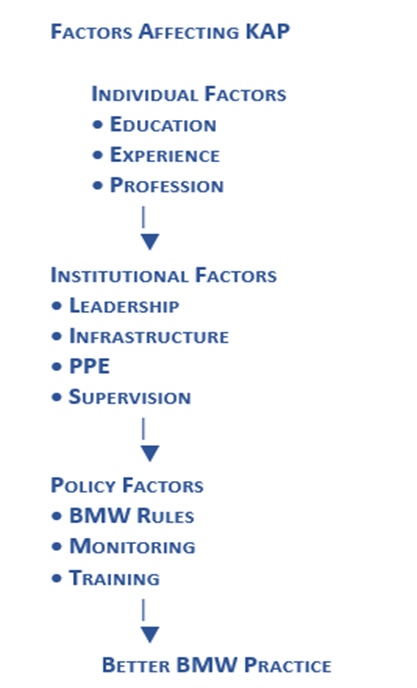
Figure 4 (a). Factors Affecting KAP
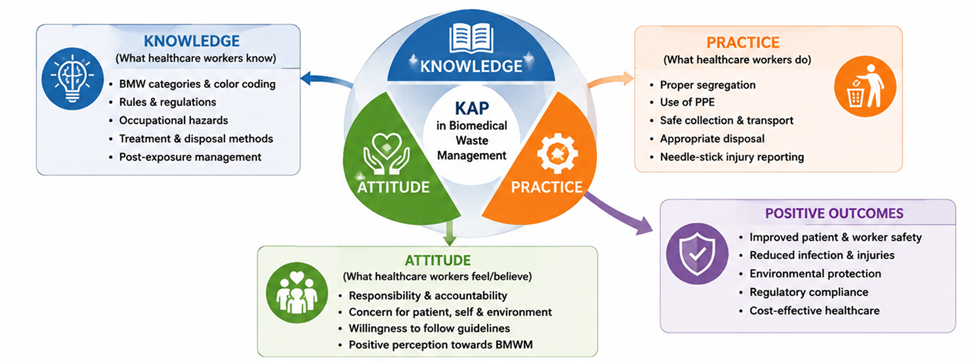
Figure 4 (b). Conceptual framework demonstrating the relationship between knowledge, attitude, and practice in biomedical waste management among healthcare workers.
8. Educational Interventions and Strategies for Improving Biomedical Waste Management
8.1 Importance of Educational Interventions
Education is the foundation of effective biomedical waste management (BMWM). While national regulations provide the legal framework, successful implementation depends on the knowledge, skills, and commitment of healthcare workers [1–6]. Continuous education improves awareness of BMWM guidelines, strengthens safe waste-handling practices, and promotes long-term behavioral change [9–13,21,22]. Healthcare institutions that conduct regular training programs consistently report higher compliance than those relying only on regulatory enforcement [5–10].
8.2 Orientation and Continuing Education
All newly recruited healthcare workers should receive induction training before beginning clinical duties. Training should include waste segregation, color coding, PPE use, sharps management, occupational safety, and institutional BMWM policies [3–6,9]. Periodic refresher programs are equally important because knowledge and compliance decline over time without reinforcement [9–13].
Interactive approaches such as demonstrations, case discussions, simulation exercises, and competency assessments are more effective than lecture-based teaching alone in improving knowledge retention and clinical practice [14,31–33].
8.3 Audit, Feedback, and Quality Improvement
Education should be complemented by regular audits, supportive supervision, and constructive feedback. Routine monitoring of waste segregation, sharps disposal, and documentation helps identify deficiencies and promotes corrective actions [10,21–24]. Continuous Quality Improvement (CQI) initiatives further enhance compliance by integrating BMWM into institutional quality assurance programs [21–24].
8.4 Leadership and Curriculum Integration
Institutional leadership plays a key role by ensuring adequate infrastructure, PPE availability, staff training, and effective supervision [5,6,10]. Incorporating BMWM into undergraduate and postgraduate medical, nursing, dental, and allied health curricula helps establish safe waste management practices early in professional training [9–13].
8.5 Digital Learning and Future Educational Strategies
Digital learning platforms, mobile applications, barcode-based waste tracking, and simulation-based training have improved accessibility, standardization, and monitoring of BMWM education [3,25,31–33]. Combining digital learning with practical demonstrations provides an effective approach for continuous professional development.
Key recommendations include mandatory induction training, regular refresher courses, competency-based assessments, periodic audits, uninterrupted availability of waste management infrastructure, multidisciplinary participation, and integration of digital educational tools to strengthen compliance with BMWM guidelines [3–10,21–33].
9. Challenges, Research Gaps, Future Directions, and the Role of Family Physicians in Biomedical Waste Management
9.1 Current Challenges
Despite improved regulations, biomedical waste management remains challenging, particularly in low- and middle-income countries [1–8]. A major concern is the gap between policy and practice, as many healthcare facilities possess written guidelines but continue to report poor waste segregation and inconsistent compliance [5,6,11–22].
Limited infrastructure, shortage of trained personnel, inadequate supervision, and restricted access to Common Biomedical Waste Treatment Facilities (CBWTFs) remain significant barriers, especially in rural and primary healthcare settings [3–6,23–29].
The COVID-19 pandemic substantially increased the volume of infectious waste, exposing deficiencies in existing waste management systems while emphasizing the importance of preparedness, occupational safety, and sustainable waste disposal practices [2,29–33].
Occupational hazards, including needle-stick injuries, inconsistent use of PPE, and underreporting of accidental exposures, continue to affect healthcare workers, particularly housekeeping staff and waste handlers [11–22]. Additionally, increasing dependence on single-use medical products has raised concerns regarding environmental sustainability and plastic waste management [7,24–30].
9.2 Research Gaps in Existing Literature
Although numerous cross-sectional studies have evaluated biomedical waste management (BMWM) knowledge, attitudes, and practices among healthcare workers, important methodological limitations remain [11–22]. Most studies rely on questionnaire-based cross-sectional designs that cannot establish causal relationships and are susceptible to self-reporting and social desirability bias [11–13,21,22].
Considerable heterogeneity exists in study populations, assessment tools, and outcome measures, making comparison between studies difficult [14,23–25]. Housekeeping personnel, sanitation workers, waste handlers, ambulance staff, and community health workers remain underrepresented despite their high occupational exposure [17–22]. Likewise, evidence from primary healthcare settings is limited, with most studies conducted in tertiary care hospitals [9,11–13].
Long-term evaluations of educational interventions and economic analyses of BMWM programs are scarce. Future research should include multicentre longitudinal studies using standardized assessment tools to evaluate sustained behavioral change and cost-effectiveness [14,24,25,31–33].
9.3 Future Directions
Future BMWM strategies should integrate regulatory compliance with sustainability, innovation, and continuous quality improvement [1–8]. Digital technologies such as barcode-based waste tracking, electronic documentation, and mobile reporting systems can improve traceability and institutional accountability [3,25,31–33].
Simulation-based education and competency-oriented assessment should complement conventional training to improve long-term compliance [14,31–33]. Future research should adopt multicentre prospective designs, standardized KAP assessment tools, and implementation science approaches to better understand organizational behavior and safety culture [14,24,25]. Greater emphasis should also be placed on environmentally sustainable waste reduction, recycling, and eco-friendly treatment technologies [7,24–30,33].
9.4 Role of Family Physicians and Primary Healthcare Teams
Family physicians play a pivotal role in promoting safe BMWM within primary healthcare settings, where immunization, wound care, laboratory services, and minor procedures generate infectious waste (Fig 3) [3,4,9]. They contribute through clinical leadership, supervision of waste segregation, staff education, infection prevention, and occupational safety promotion [9,10].
Family physicians can also increase community awareness regarding the safe disposal of home-generated medical waste, participate in quality improvement initiatives, and collaborate with local authorities to strengthen waste management systems [3,4,9,10]. Their leadership is particularly important in rural and resource-limited settings where healthcare infrastructure is often inadequate [3,9].
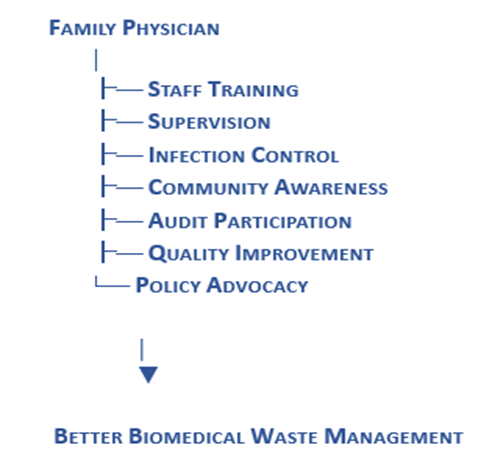
Figure 7. Role of Family Physicians
9.5 Practical Recommendations
Based on the available evidence, the following recommendations may strengthen BMWM across healthcare settings [3–10,21–33]:
· Implement mandatory competency-based BMWM training for all healthcare workers.
· Conduct regular audits with constructive feedback and corrective actions.
· Strengthen occupational health services, including hepatitis B vaccination and post-exposure management.
· Ensure continuous availability of color-coded containers, PPE, and waste transportation systems.
· Promote leadership involvement through institutional BMWM committees.
· Integrate BMWM into undergraduate and postgraduate curricula.
· Encourage multicentre research using standardized assessment tools.
· Adopt environmentally sustainable waste management strategies.
· Strengthen BMWM systems in primary healthcare through improved infrastructure and collaboration with authorized treatment facilities.
10. Conclusion
Biomedical waste management (BMWM) is an essential component of safe, high-quality, and environmentally responsible healthcare delivery [1–8]. This review indicates that although healthcare workers generally possess satisfactory knowledge of BMWM, compliance varies across professional groups and healthcare settings, with housekeeping personnel and newly recruited staff demonstrating comparatively lower adherence to recommended practices [11–22].
Knowledge alone is insufficient to ensure appropriate BMWM practices. Effective implementation requires positive attitudes, adequate infrastructure, supportive leadership, regular supervision, continuous education, and a strong institutional safety culture [5–10,21–24]. Structured induction programs, periodic refresher training, competency-based learning, and continuous quality improvement initiatives have consistently been shown to improve compliance with BMWM guidelines [9–14,21–24,31–33].
Despite substantial progress, challenges such as limited infrastructure, staff shortages, inconsistent implementation of regulations, and inadequate evidence from primary healthcare settings continue to hinder effective waste management [3–8,23–30]. Increasing emphasis on environmental sustainability further highlights the need for innovative and resource-efficient waste management strategies [7,24–30,33].
Family physicians and primary healthcare teams play a crucial role in strengthening BMWM through leadership, staff education, supervision, community engagement, and quality improvement initiatives [9,10]. Future research should focus on multicentre longitudinal studies, standardized assessment tools, digital monitoring systems, and sustainable waste management approaches to strengthen the evidence base [14,24,25,31–33].
In conclusion, BMWM is a shared responsibility requiring coordinated efforts from healthcare workers, administrators, educators, and policymakers. Continuous education, strong institutional leadership, adequate infrastructure, regular monitoring, and evidence-based policy implementation are essential to improve knowledge, attitudes, and practices while ensuring occupational safety, environmental protection, and sustainable healthcare delivery [1–10,31–33].
CONCLUSION:
Biomedical waste management is an indispensable component of safe, high-quality, and environmentally responsible healthcare delivery. Effective management of biomedical waste extends beyond regulatory compliance and represents a fundamental aspect of infection prevention, occupational safety, environmental protection, and patient-centered care. As healthcare systems continue to expand and generate increasing quantities of medical waste, particularly following global public health emergencies such as the COVID-19 pandemic, the importance of appropriate biomedical waste management has become more evident than ever before.
This narrative review demonstrates that healthcare workers generally possess satisfactory awareness regarding the principles of biomedical waste management, especially among physicians, nurses, and laboratory personnel. However, considerable variability persists across professional categories and healthcare settings. Housekeeping personnel, waste handlers, contractual employees, and newly recruited staff continue to exhibit comparatively lower levels of knowledge and inconsistent compliance with recommended waste management practices. These disparities highlight the need for inclusive educational strategies that involve all categories of healthcare workers rather than focusing exclusively on clinical professionals.
The review further indicates that knowledge alone does not necessarily translate into appropriate biomedical waste management practices. Positive attitudes toward occupational safety and environmental responsibility are essential but remain insufficient without supportive institutional infrastructure, continuous supervision, effective leadership, and a strong organizational culture that prioritizes patient safety. Availability of color-coded segregation systems, adequate personal protective equipment, regular audits, constructive feedback, and competency-based training collectively influence healthcare workers' ability to implement recommended biomedical waste management practices consistently.
Educational interventions remain the most consistently effective strategy for improving biomedical waste management among healthcare workers. Evidence from multiple studies demonstrates that structured induction programs, periodic refresher training, simulation-based learning, competency assessments, and continuous quality improvement initiatives significantly enhance knowledge retention and promote sustained behavioral change. Institutions that integrate biomedical waste management into routine professional development and quality assurance programs consistently achieve higher levels of compliance than those relying solely on regulatory enforcement.
Despite significant progress in biomedical waste management during the past decade, several challenges remain unresolved. Resource limitations, inconsistent implementation of regulations, inadequate infrastructure in rural healthcare facilities, staff shortages, heavy clinical workloads, and limited research involving primary healthcare settings continue to hinder effective waste management. Furthermore, the growing emphasis on environmental sustainability requires healthcare organizations to balance infection prevention priorities with responsible waste reduction, recycling, and environmentally sound treatment technologies.
Family physicians and primary healthcare teams occupy a strategic position in strengthening biomedical waste management because they provide comprehensive healthcare services that generate diverse categories of biomedical waste while maintaining close interaction with patients and communities. Through clinical leadership, staff education, supervision, community engagement, and participation in quality improvement activities, family physicians can substantially improve biomedical waste management practices within primary healthcare settings. Their involvement is particularly important in rural and resource-limited areas where healthcare infrastructure and waste treatment facilities remain inadequate.
Future research should move beyond descriptive cross-sectional surveys and focus on implementation science, multicentre longitudinal studies, standardized assessment tools, digital monitoring technologies, and evaluation of sustainable waste management strategies. Greater attention should also be directed toward underrepresented healthcare workers, including sanitation staff, community health workers, and personnel employed in primary healthcare facilities. Such research will strengthen the evidence base required for developing targeted interventions that improve both occupational safety and environmental health.
In conclusion, biomedical waste management should be regarded as a shared professional responsibility requiring coordinated action from healthcare workers, hospital administrators, educators, policymakers, and regulatory authorities. Continuous education, strong institutional leadership, adequate infrastructure, regular monitoring, and evidence-based policy implementation are essential for improving knowledge, attitudes, and practices among healthcare workers. Strengthening biomedical waste management across all levels of healthcare will not only reduce occupational and environmental risks but also contribute to safer healthcare systems, enhanced public confidence, and the achievement of sustainable healthcare goals.
REFERENCES:
1. World Health Organization. Safe management of wastes from health-care activities. 2nd ed. Geneva: World Health Organization; 2014.
2. World Health Organization. Health-care waste. Geneva: World Health Organization; 2024.
3. Ministry of Environment, Forest and Climate Change. Biomedical Waste Management Rules, 2016. New Delhi: Government of India; 2016.
4. Central Pollution Control Board. Guidelines for Management of Biomedical Waste. New Delhi: CPCB.
5. Datta P, Mohi GK, Chander J. Biomedical waste management in India: Critical appraisal. J Lab Physicians. 2018;10(1):6-14.
6. Capoor MR, Bhowmik KT. Current perspectives on biomedical waste management: Rules, conventions and treatment technologies. Indian J Med Microbiol. 2017;35(2):157-164.
7. Windfeld ES, Brooks MSL. Medical waste management—A review. J Environ Manage. 2015;163:98-108.
8. Bansod HS, Deshmukh P. Biomedical Waste Management and Its Importance: A Systematic Review. Cureus. 2023;15(2):e34589.
9. Thapa S, Laskar NB. Biomedical waste management among healthcare workers in a Primary Health Centre in Sikkim, India: A KAP study. J Educ Health Promot. 2024;13:378.
10. Bhalla GS, Bandyopadhyay K, Sahai K. Keeping in pace with the new Biomedical Waste Management Rules: What we need to know! Med J Armed Forces India. 2019;75(3):240-245.
11. Mathur V, Dwivedi S, Hassan MA, Misra RP. Knowledge, attitude, and practices about biomedical waste management among healthcare personnel. Indian J Community Med. 2011;36(2):143-145.
12. Soyam GC, Hiwarkar PA, Kawalkar UG, Soyam VC, Gupta VK. KAP study of biomedical waste management among health care workers in Delhi. Int J Community Med Public Health. 2017;4:3332-3337.
13. Rao D, Dhakshaini MR, Kurthukoti A, Doddawad VG. Biomedical waste management: Assessment of knowledge, attitude and practices among health care professionals in a tertiary care teaching hospital. Biomed Pharmacol J. 2018;11:1737-1743.
14. Thakur V, Ramesh A. Healthcare waste management research: A structured analysis and review (2005–2014). Waste Manag Res. 2015;33(10):855-870.
15. Mathur P, Patan S, Shobhawat AS. Need of biomedical waste management system in hospitals—An emerging issue: A review. Curr World Environ. 2012;7(1):117-124.
16. Patil GV, Pokhrel K. Biomedical solid waste management in an Indian hospital: A case study. Waste Manag. 2005;25(6):592-599.
17. Saini S, Nagarajan SS, Sarma RK. Knowledge, attitude and practices of biomedical waste management amongst staff of a tertiary level hospital in India. J Acad Hosp Adm. 2005;17(2):1-12.
18. Madhukumar S, Ramesh G. Study about awareness and practices regarding biomedical waste management among hospital staff in a tertiary care hospital. Int J Basic Med Sci. 2012;3(1):7-11.
19. Pandit NB, Mehta HK, Kartha GP, Choudhary SK. Management of biomedical waste: Awareness and practices in a district of Gujarat. Indian J Public Health. 2005;49(4):245-247.
20. Joseph J, Krishnan CG, Rajan R. Biomedical waste management awareness among nurses in a tertiary care hospital. Nurs J India. 2013;104(6):252-255.
21. Sharma M, Gupta S, Singh T. Assessment of biomedical waste management practices among healthcare workers in teaching hospitals. Int J Health Sci Res. 2018;8(5):160-167.
22. Kumar R, Samrongthong R, Shaikh BT. Knowledge, attitude and practices of healthcare workers regarding biomedical waste management: A cross-sectional study. Int J Environ Res Public Health. 2015;12(11):14659-14671.
23. Tudor TL, Noonan CL, Jenkin LET. Healthcare waste management: A review of current practices and future directions. Waste Manag. 2005;25(6):606-615.
24. Caniato M, Tudor T, Vaccari M. International governance structures for healthcare waste management: A systematic review of scientific literature. J Environ Manage. 2015;153:93-107.
25. Diaz LF, Eggerth LL, Enkhtsetseg S, Savage GM. Characteristics of healthcare wastes. Waste Manag. 2008;28(7):1219-1226.
26. Lee BK, Ellenbecker MJ, Moure-Eraso R. Alternatives for treatment and disposal cost reduction of regulated medical wastes. Waste Manag. 2004;24(2):143-151.
27. Silva CE, Hoppe AE, Ravanello MM, Mello N. Medical waste management in the south of Brazil. Waste Manag. 2005;25(6):600-605.
28. Ali M, Wang W, Chaudhry N, Geng Y. Hospital waste management in developing countries: A mini review. Waste Manag Res. 2017;35(6):581-592.
29. Singh S, Tom V, Verma R, Malik I, Vashist MG, Dahiya P. To study the knowledge about the handling of biomedical waste among healthcare workers in a COVID-19 hospital setting. J Educ Health Promot. 2022;11:193.
30. Agarwal A, Yadav A, Yadav C, Mahore R, Singh A. A study of awareness about biomedical waste management among health care personnel. Asian J Manag. 2022;13(3):171-175.
31. Kanyal D, Kanyal Butola L, Ambad R. Biomedical waste management in India—A review. Indian J Forensic Med Toxicol. 2021;15(2):108-113.
32. Harsh T. Biomedical waste management in India—A review. J Popul Ther Clin Pharmacol. 2024;31(1):e1-e10.
33. Singh H, Kamal YT, Mishra AK, Singh M, Mohanto S, Ghumra S. Harnessing the foundation of biomedical waste management for fostering public health: Strategies and policies for a clean and safer environment. Discov Appl Sci. 2024;6:89.
34. Chartier Y, Emmanuel J, Pieper U, Prüss A, Rushbrook P, Stringer R, editors. Safe management of wastes from health-care activities. 2nd ed. Geneva: World Health Organization; 2014.
35. Centers for Disease Control and Prevention. Guidelines for Environmental Infection Control in Health-Care Facilities. Atlanta: CDC.
36. T Diwan, K Jain, N Singh, N Verma, V Jain. Biomedical Waste Management: An Assessment of Knowledge, Attitude and Practice among Healthcare Workers in Tertiary Care Hospital, Chhattisgarh. J Pure Appl Microbiol. 2023;17(1):211-221. doi: 10.22207/JPAM.17.1.10.