ASSOCIATION BETWEEN NON-ALCOHOLIC FATTY LIVER DISEASE AND ADVERSE PREGNANCY OUTCOMES: A CROSS-SECTIONAL STUDY IN A TERTIARY CARE CENTER.
- Deepak Lalharia , Assistant Professor, Department of Internal Medicine, Saraswathi Institute of Medical Science, Hapur, Uttar Pradesh.
- Renu Lalharia , Consultant, Obstetrics and Gynaecologist, Arsh hospital, New Delhi.
- Jaishree Noor , Professor, Department of Dermatology and Venereology, Saraswathi Institute of Medical Science, Hapur, Uttar Pradesh.
- Sundiep Kumar , Professor, Department of Dermatology and Venereology, Saraswathi Institute of Medical Science, Hapur, Uttar Pradesh.
Article Information:
Abstract:
Background: Non-alcoholic fatty liver disease (NAFLD) is an increasingly prevalent metabolic liver disorder among women of reproductive age. Owing to its close association with obesity, insulin resistance, and metabolic syndrome, NAFLD has emerged as a potential contributor to adverse pregnancy outcomes. Nevertheless, evidence from tertiary care centers in developing countries remains limited. Objective: To evaluate the association between maternal non-alcoholic fatty liver disease and adverse pregnancy outcomes among pregnant women attending a tertiary care center. Methods: A hospital-based cross-sectional study was conducted among 240 pregnant women attending the Department of Obstetrics and Gynecology of a tertiary care teaching hospital over an 18-month period. Liver ultrasonography was performed to diagnose NAFLD, and demographic, clinical, laboratory, and obstetric data were collected using a structured proforma. Maternal and neonatal outcomes were compared between women with and without NAFLD. Statistical analysis was performed using IBM SPSS Statistics version 25.0, with a p-value <0.05 considered statistically significant. Results: Among the 240 participants, 46 (19.2%) were diagnosed with NAFLD. Women with NAFLD had significantly higher rates of gestational diabetes mellitus (34.8% vs. 11.3%), hypertensive disorders of pregnancy (28.3% vs. 10.8%), cesarean delivery (58.7% vs. 36.6%), and preterm birth (23.9% vs. 9.8%) than women without NAFLD (p<0.05). Neonates born to mothers with NAFLD also had higher frequencies of low birth weight and neonatal intensive care unit admission. Conclusion: Maternal NAFLD was significantly associated with adverse maternal and neonatal outcomes. Early identification of NAFLD during antenatal care may facilitate timely risk assessment, closer maternal and fetal surveillance, and appropriate interventions to improve pregnancy outcomes.
Keywords:
Article :
INTRODUCTION:
Non-alcoholic fatty liver disease (NAFLD) has become one of the leading causes of chronic liver disease worldwide and is increasingly encountered among women of reproductive age. Closely linked to obesity, insulin resistance, metabolic syndrome, and type 2 diabetes mellitus, NAFLD is now recognized as an important metabolic disorder rather than a condition confined to the liver. The disease ranges from simple hepatic steatosis to non-alcoholic steatohepatitis, progressive fibrosis, cirrhosis, and, in a small proportion of patients, hepatocellular carcinoma. The growing prevalence of metabolic risk factors has contributed to a parallel rise in the burden of NAFLD, making it an important concern in maternal health [1,2].
Pregnancy is accompanied by marked physiological and metabolic adaptations that influence glucose and lipid metabolism. These changes may predispose susceptible women to hepatic fat accumulation or aggravate pre-existing NAFLD. Increasing evidence indicates that maternal NAFLD is associated with systemic inflammation, endothelial dysfunction, and altered placental function, all of which may adversely affect pregnancy outcomes. Consequently, NAFLD is increasingly regarded as a clinically relevant condition requiring greater attention during antenatal care [3,4]. Several recent studies have reported that women with NAFLD are at increased risk of developing gestational diabetes mellitus, hypertensive disorders of pregnancy, preeclampsia, cesarean delivery, preterm birth, and unfavorable neonatal outcomes. Although the exact mechanisms have not been fully elucidated, insulin resistance, oxidative stress, chronic inflammation, and metabolic dysregulation are believed to contribute substantially to these complications [5,6].
Despite growing recognition of the clinical importance of NAFLD in pregnancy, routine screening has not yet been incorporated into standard antenatal practice in many healthcare settings. Furthermore, evidence from tertiary care centers in developing countries remains relatively limited. Better understanding of the relationship between NAFLD and pregnancy outcomes may help identify women at higher risk and facilitate timely preventive and therapeutic interventions. Therefore, the present study was undertaken to evaluate the association between non-alcoholic fatty liver disease and adverse pregnancy outcomes among pregnant women attending a tertiary care center.
MATERIALS AND METHODS:
This hospital-based cross-sectional study was conducted in the Department of Obstetrics and Gynecology of a tertiary care teaching hospital over a period of 18 months (January 2024 to June 2025). The study was designed to evaluate the association between non-alcoholic fatty liver disease (NAFLD) and adverse pregnancy outcomes among pregnant women receiving antenatal care and delivering at the study center. A total of 240 pregnant women fulfilling the eligibility criteria were enrolled using consecutive sampling after obtaining written informed consent. Participants were evaluated during the second or third trimester and were followed until delivery to document maternal and neonatal outcomes.
The sample size was calculated based on the expected prevalence of NAFLD during pregnancy reported in previous literature, assuming a 95% confidence level, 5% absolute precision, and allowing for incomplete data. Accordingly, a final sample size of 240 participants was considered adequate for statistical analysis.
Inclusion Criteria
• Pregnant women aged 18–40 years.
• Singleton pregnancy.
• Gestational age ≥20 weeks at the time of enrollment.
• Willingness to participate and provide written informed consent.
• Availability of liver ultrasonography during pregnancy.
• Complete maternal and neonatal outcome records.
Exclusion Criteria
• History of alcohol consumption.
• Known chronic liver disease, including viral hepatitis (hepatitis B or C), autoimmune liver disease, or inherited metabolic liver disorders.
• Multiple gestation.
• Pre-existing chronic hypertension or diabetes mellitus diagnosed before pregnancy.
• Use of hepatotoxic medications or conditions causing secondary hepatic steatosis.
• Incomplete clinical, laboratory, ultrasonographic, or pregnancy outcome records.
Data Collection
Baseline demographic and clinical information, including maternal age, parity, body mass index (BMI), gestational age, medical history, and obstetric characteristics, was recorded using a predesigned case record form. Routine laboratory investigations, including liver function tests and blood glucose measurements, were obtained from hospital records.
Liver ultrasonography was performed by experienced radiologists using standardized diagnostic criteria. NAFLD was diagnosed based on ultrasonographic evidence of hepatic steatosis after excluding secondary causes of fatty liver disease.
Maternal outcomes assessed included:
• Gestational diabetes mellitus (GDM)
• Gestational hypertension
• Preeclampsia
• Mode of delivery
• Preterm delivery (<37 completed weeks)
Neonatal outcomes included:
• Birth weight
• Low birth weight (<2500 g)
• Apgar score at 5 minutes
• Neonatal intensive care unit (NICU) admission
Outcome Measures
Primary Outcome
• Association between maternal NAFLD and adverse pregnancy outcomes.
Secondary Outcomes
• Frequency of gestational diabetes mellitus.
• Hypertensive disorders of pregnancy.
• Cesarean section.
• Preterm birth.
• Low birth weight.
• NICU admission.
Ethical Considerations
The study protocol was reviewed and approved by the Institutional Ethics Committee before commencement of the study. Written informed consent was obtained from all participants before enrollment. Confidentiality of patient information was maintained throughout the study, and all procedures were conducted in accordance with the ethical principles outlined in the Declaration of Helsinki.
Statistical Analysis
Data were entered into Microsoft Excel and analyzed using IBM SPSS Statistics version 25.0 (IBM Corp., Armonk, NY, USA). Continuous variables were expressed as mean ± standard deviation (SD), while categorical variables were presented as frequencies and percentages. The independent Student's t-test was used to compare continuous variables, whereas the Chi-square test or Fisher's exact test was applied for categorical variables, as appropriate. Binary logistic regression analysis was performed to assess the independent association between NAFLD and adverse pregnancy outcomes after adjustment for potential confounders. Adjusted odds ratios (AORs) with 95% confidence intervals (CIs) were calculated, and a p-value <0.05 was considered statistically significant.
RESULTS:
A total of 240 pregnant women were included in the study. Among them, 46 (19.2%) were diagnosed with non-alcoholic fatty liver disease (NAFLD), while 194 (80.8%) had no ultrasonographic evidence of NAFLD.
Table 1: Baseline demographic and clinical characteristics of the study participants according to NAFLD status
|
Characteristic |
NAFLD (n=46) |
Non-NAFLD (n=194) |
p-value |
|
Mean age (years) |
29.8 ± 4.6 |
26.9 ± 4.2 |
0.001 |
|
BMI (kg/m²) |
29.1 ± 3.7 |
25.4 ± 3.1 |
<0.001 |
|
Primigravida |
16 (34.8%) |
88 (45.4%) |
0.20 |
|
Multigravida |
30 (65.2%) |
106 (54.6%) |
0.20 |
|
Family history of diabetes |
18 (39.1%) |
37 (19.1%) |
0.006 |
Women with NAFLD were significantly older, had a higher mean BMI, and more frequently reported a family history of diabetes than those without NAFLD. Gravidity distribution was comparable between the two groups.
Table 2: Association between NAFLD and adverse maternal pregnancy outcomes
|
Maternal outcome |
NAFLD (n=46) |
Non-NAFLD (n=194) |
p-value |
|
Gestational diabetes mellitus |
16 (34.8%) |
22 (11.3%) |
<0.001 |
|
Gestational hypertension |
8 (17.4%) |
16 (8.2%) |
0.048 |
|
Preeclampsia |
5 (10.9%) |
5 (2.6%) |
0.018 |
|
Cesarean section |
27 (58.7%) |
71 (36.6%) |
0.008 |
|
Preterm delivery |
11 (23.9%) |
19 (9.8%) |
0.012 |
Maternal complications were significantly more common among women with NAFLD. Gestational diabetes, hypertensive disorders, cesarean delivery, and preterm birth showed statistically significant associations with NAFLD.
Table 3: Neonatal outcomes among study participants
|
Neonatal outcome |
NAFLD (n=46) |
Non-NAFLD (n=194) |
p-value |
|
Mean birth weight (kg) |
2.71 ± 0.49 |
2.96 ± 0.41 |
0.003 |
|
Low birth weight |
12 (26.1%) |
20 (10.3%) |
0.006 |
|
Apgar score <7 at 5 minutes |
4 (8.7%) |
7 (3.6%) |
0.13 |
|
NICU admission |
10 (21.7%) |
19 (9.8%) |
0.027 |
Infants born to mothers with NAFLD had significantly lower mean birth weight and higher rates of low birth weight and NICU admission. Although low Apgar scores were more frequent in the NAFLD group, the difference was not statistically significant.
Table 4: Multivariable logistic regression analysis for predictors of adverse pregnancy outcomes
|
Variable |
Adjusted Odds Ratio (AOR) |
95% Confidence Interval |
p-value |
|
NAFLD |
2.84 |
1.43–5.65 |
0.003 |
|
BMI ≥28 kg/m² |
2.18 |
1.19–3.99 |
0.011 |
|
Maternal age ≥30 years |
1.69 |
0.89–3.21 |
0.109 |
|
Family history of diabetes |
1.81 |
1.02–3.24 |
0.041 |
After adjustment for potential confounding variables, NAFLD remained an independent predictor of adverse pregnancy outcomes. Higher BMI and a family history of diabetes were also significantly associated with an increased risk.
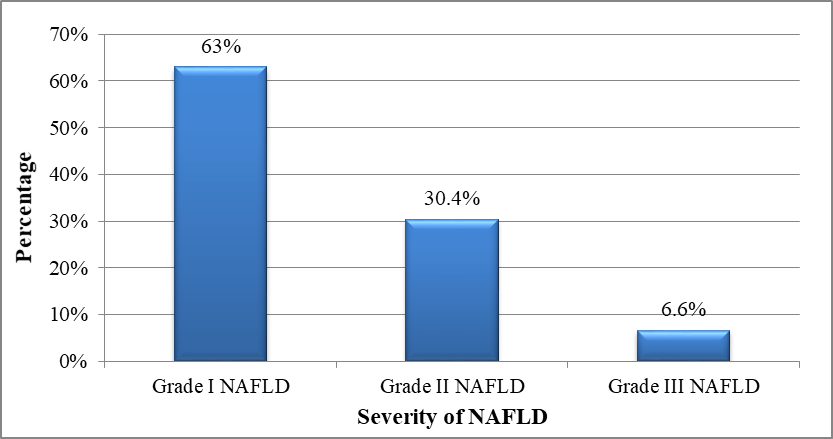
Figure 1: Distribution of the severity of NAFLD among pregnant women with NAFLD (n=46)
Most women diagnosed with NAFLD had Grade I hepatic steatosis, while advanced disease was relatively uncommon.
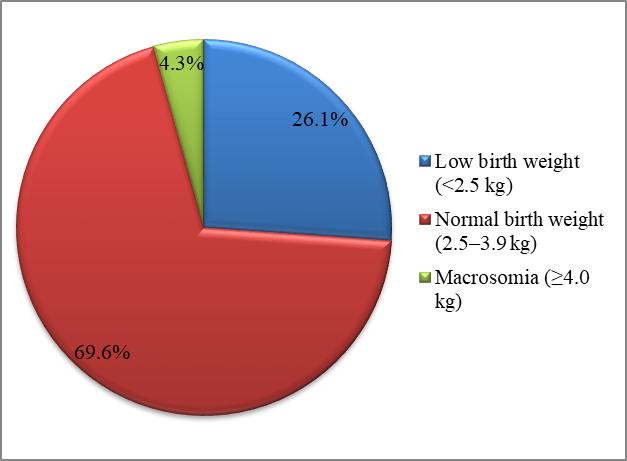
Figure 2: Distribution of birth weight categories among neonates born to mothers with NAFLD (n=46)
The majority of neonates (69.6%) born to mothers with NAFLD had a normal birth weight. However, 26.1% had low birth weight, while macrosomia was observed in only 4.3% of neonates.
DISCUSSION:
The findings of the present study indicate that maternal non-alcoholic fatty liver disease (NAFLD) is significantly associated with unfavorable pregnancy outcomes. Women diagnosed with NAFLD showed a higher frequency of gestational diabetes mellitus, hypertensive disorders of pregnancy, cesarean delivery, preterm birth, low birth weight, and neonatal intensive care unit (NICU) admission than women without NAFLD. These observations support the growing evidence that NAFLD is an important metabolic condition during pregnancy and should be considered a marker of increased obstetric risk [7,8].
The prevalence of NAFLD observed in the present study was 19.2%, which is comparable with findings reported in several hospital-based studies involving pregnant women. Differences in prevalence across various studies may be attributed to variations in study populations, maternal body mass index, ethnic background, diagnostic methods, and the increasing prevalence of obesity and metabolic disorders in different regions [9,10]. In the present study, gestational diabetes mellitus was observed more frequently among women with NAFLD than among those without the disease. This association is biologically plausible because hepatic fat accumulation is closely linked to insulin resistance and chronic low-grade inflammation, both of which contribute to impaired glucose metabolism during pregnancy. Similar findings have been reported in previous observational studies and systematic reviews evaluating the relationship between NAFLD and gestational diabetes [7,11].
Hypertensive disorders of pregnancy, including gestational hypertension and preeclampsia, were also more common among women with NAFLD in the present study. This relationship may be explained by endothelial dysfunction, oxidative stress, persistent inflammation, and impaired placental vascular function associated with hepatic steatosis. Similar associations have been reported in previous studies, suggesting that NAFLD may increase the risk of hypertensive complications during pregnancy [7,12]. Women with NAFLD in the present study also had higher rates of cesarean delivery and preterm birth. These findings may reflect the increased frequency of pregnancy-related complications requiring closer obstetric monitoring and, in some cases, earlier delivery. Similar observations have been reported in previous studies and meta-analyses, which have shown that NAFLD is associated with an increased likelihood of preterm birth and cesarean section [8,11].
Neonatal outcomes were also less favorable among mothers with NAFLD. Compared with the non-NAFLD group, these women had a higher proportion of low birth weight infants and NICU admissions. Maternal metabolic disturbances and impaired placental function associated with NAFLD may contribute to these adverse neonatal outcomes. Similar findings have been reported in previous studies evaluating the impact of maternal NAFLD on perinatal health [10,12]. Binary logistic regression analysis showed that NAFLD remained an independent predictor of adverse pregnancy outcomes even after adjustment for potential confounding factors. This finding suggests that the increased risk associated with NAFLD cannot be explained solely by maternal age, body mass index, or family history of diabetes. Therefore, identifying NAFLD during routine antenatal evaluation may help recognize women who require closer maternal and fetal surveillance [7,8].
Overall, the findings of the present study add to the growing evidence that NAFLD is an important metabolic disorder associated with adverse pregnancy outcomes. Rather than being considered an incidental ultrasonographic finding, NAFLD should be recognized as a marker of increased maternal and fetal risk. Early diagnosis, appropriate metabolic assessment, and closer antenatal follow-up may help improve pregnancy outcomes and reduce pregnancy-related complications [11,12].
Limitations: The present study was conducted at a single tertiary care center with a cross-sectional design, which limits the generalizability of the findings and precludes causal inference. In addition, NAFLD was diagnosed using ultrasonography rather than histopathological confirmation.
CONCLUSION:
The present study demonstrated a significant association between maternal non-alcoholic fatty liver disease (NAFLD) and adverse pregnancy outcomes. Women with NAFLD were at increased risk of gestational diabetes mellitus, hypertensive disorders of pregnancy, cesarean delivery, preterm birth, low birth weight, and NICU admission. Binary logistic regression analysis further identified NAFLD as an independent predictor of adverse pregnancy outcomes. These findings highlight the importance of early identification of NAFLD during antenatal care to facilitate timely risk assessment, appropriate obstetric surveillance, and improved maternal and neonatal outcomes. Further multicenter prospective studies involving larger populations are needed to validate these findings and strengthen the available evidence.
Declarations
Funding: None.
Conflict of Interest: The authors declare no conflict of interest.
Ethical Approval: The study was approved by the Institutional Ethics Committee, and written informed consent was obtained from all participants before enrollment.
REFERENCES:
1. Younossi ZM, Golabi P, Paik JM, Henry A, Van Dongen C, Henry L. The global epidemiology of nonalcoholic fatty liver disease (NAFLD) and nonalcoholic steatohepatitis (NASH): a systematic review. Hepatology. 2023 Apr 1;77(4):1335-1347. doi: 10.1097/HEP.0000000000000004.
2. Rinella ME, Neuschwander-Tetri BA, Siddiqui MS, Abdelmalek MF, Caldwell S, Barb D, Kleiner DE, Loomba R. AASLD Practice Guidance on the clinical assessment and management of nonalcoholic fatty liver disease. Hepatology. 2023 May 1;77(5):1797-1835. doi: 10.1097/HEP.0000000000000323.
3. Hershman M, Mei R, Kushner T. Implications of Nonalcoholic Fatty Liver Disease on Pregnancy and Maternal and Child Outcomes. Gastroenterol Hepatol (N Y). 2019 Apr;15(4):221-228.
4. Sarkar M, Grab J, Dodge JL, Gunderson EP, Rubin J, Irani RA, Cedars M, Terrault N. Non-alcoholic fatty liver disease in pregnancy is associated with adverse maternal and perinatal outcomes. J Hepatol. 2020 Sep;73(3):516-522. doi: 10.1016/j.jhep.2020.03.049.
5. European Association for the Study of the Liver. EASL Clinical Practice Guidelines on non-invasive tests for evaluation of liver disease severity and prognosis - 2021 update. J Hepatol. 2021 Sep;75(3):659-689. doi: 10.1016/j.jhep.2021.05.025.
6. El Jamaly H, Eslick GD, Weltman M. Systematic review with meta-analysis: Non-alcoholic fatty liver disease and the association with pregnancy outcomes. Clin Mol Hepatol. 2022 Jan;28(1):52-66. doi: 10.3350/cmh.2021.0205.
7. Herath RP, Siriwardana SR, Ekanayake CD, Abeysekara V, Kodithuwakku SUA, Herath HP. Non-alcoholic fatty liver disease and pregnancy complications among Sri Lankan women: A cross sectional analytical study. PLoS One. 2019 Apr 12;14(4):e0215326. doi: 10.1371/journal.pone.0215326.
8. Lee SM, Kim BJ, Koo JN, Norwitz ER, Oh IH, Kim SM, Kim SY, Kim GM, Kwak SH, Kim W, Joo SK, Shin S, Vixa C, Park CW, Jun JK, Park JS. Nonalcoholic fatty liver disease is a risk factor for large-for-gestational-age birthweight. PLoS One. 2019 Aug 26;14(8):e0221400. doi: 10.1371/journal.pone.0221400.
9. Jung YM, Lee SM, Hong S, Koo JN, Oh IH, Kim BJ, Kim SM, Kim SY, Kim GM, Kyung Joo S, Shin S, Norwitz ER, Park CW, Jun JK, Kim W, Park JS. The risk of pregnancy-associated hypertension in women with nonalcoholic fatty liver disease. Liver Int. 2020 Oct;40(10):2417-2426. doi: 10.1111/liv.14563.
10. Qian Y, Zhang Y, Fan X, Yan H, Li X, Fan Y, Song Y, Ma S, Hu Z, Gao X, Yang J. Nonalcoholic Fatty Liver Disease and Adverse Pregnancy Outcomes in Women With Normal Prepregnant Weight. J Clin Endocrinol Metab. 2023 Jan 17;108(2):463-471. doi: 10.1210/clinem/dgac567.
11. Mohammad Jafari R, Karimi Moghaddam E, Ahmadzadeh A, Bahrami S, Alavinejad P, Manouchehri Zanjani S. Pregnancy outcome in patients with non-alcoholic fatty liver disease: a prospective cohort study. Gastroenterol Hepatol Bed Bench. 2024;17(2):180-186. doi: 10.22037/ghfbb.v17i2.2896.
12. Mandato C, Panera N, Alisi A. Pregnancy and Metabolic-Associated Fatty Liver Disease. Endocrinol Metab Clin North Am. 2023 Sep;52(3):521-531. doi: 10.1016/j.ecl.2023.02.005.