SERUM URIC ACID LEVELS AS AN EARLY PREDICTOR OF PREECLAMPSIA AND ASSOCIATED MATERNAL-FETAL OUTCOMES: A PROSPECTIVE STUDY.
- Deepak Lalharia , Assistant Professor, Department of Internal Medicine, Saraswathi Institute of Medical Science, Hapur, Uttar Pradesh.
- Renu Lalharia , Consultant Obstetrics and Gynaecologist, Arsh hospital, New Delhi.
- Sundiep Kumar , Professor, Department of Dermatology and Venereology, Saraswathi Institute of Medical Science, Hapur, Uttar Pradesh.
- Jaishree Noor , Professor, Department of Dermatology and Venereology, Saraswathi Institute of Medical Science, Hapur, Uttar Pradesh.
Article Information:
Abstract:
Background: Preeclampsia remains a major cause of maternal and neonatal complications despite advances in antenatal care. As clinical features usually become evident only after the disease has progressed, there is growing interest in identifying simple laboratory markers that can predict its development at an earlier stage. Maternal serum uric acid has attracted attention as a potential marker because its elevation is closely associated with endothelial dysfunction, oxidative stress, and impaired renal function during pregnancy. Methods: A prospective observational study was undertaken in the Department of Obstetrics and Gynecology of a tertiary care teaching hospital over 18 months. One hundred and fifty pregnant women with singleton pregnancies were enrolled between 20 and 24 weeks of gestation and followed until delivery. Maternal serum uric acid concentrations were estimated at recruitment, and participants were subsequently evaluated for the occurrence of preeclampsia and related maternal and neonatal outcomes. Statistical analysis was performed using SPSS version 26.0, and a p-value below 0.05 was considered statistically significant. Results: Pregnant women who subsequently developed preeclampsia had significantly higher serum uric acid levels during mid-gestation than those who remained normotensive (p<0.001). Elevated uric acid concentrations were associated with a greater likelihood of severe preeclampsia, preterm birth, cesarean delivery, low birth weight, fetal growth restriction, and neonatal intensive care unit admission. Increasing serum uric acid levels also showed a positive relationship with the severity of maternal disease. Conclusion: Maternal serum uric acid estimation during mid-pregnancy may serve as a useful adjunctive marker for identifying women at increased risk of developing preeclampsia. Its association with adverse maternal and neonatal outcomes suggests that this inexpensive and widely available investigation could support routine antenatal risk assessment, particularly in resource-constrained healthcare settings.
Keywords:
Article :
INTRODUCTION:
Preeclampsia is a pregnancy-specific hypertensive disorder that usually develops after 20 weeks of gestation and is characterized by newly detected hypertension accompanied by proteinuria or evidence of maternal organ dysfunction. Despite considerable improvements in antenatal care, it continues to be a major contributor to maternal and perinatal morbidity and mortality worldwide. The burden is particularly high in low- and middle-income countries, where delayed diagnosis and limited healthcare resources often worsen pregnancy outcomes. Since clinical manifestations may appear only after significant disease progression, identifying women at increased risk before the onset of symptoms remains an important objective in obstetric practice.[1,2]
Although the precise cause of preeclampsia remains uncertain, increasing evidence suggests that abnormal placental development plays a central role in its pathogenesis. Defective trophoblastic invasion, impaired remodeling of spiral arteries, oxidative stress, endothelial dysfunction, and disturbances in angiogenic balance collectively reduce uteroplacental perfusion and contribute to maternal vascular injury. These mechanisms have prompted continuous research into biochemical markers that may facilitate earlier recognition of women at risk before clinical manifestations become apparent.[3,4]
Serum uric acid has emerged as one of the most extensively studied biochemical markers in preeclampsia. During uncomplicated pregnancies, its concentration generally decreases in early gestation because of increased renal clearance and physiological changes in maternal circulation, followed by a gradual rise near term. In contrast, women who later develop preeclampsia often exhibit an earlier increase in serum uric acid, possibly resulting from reduced renal excretion, placental ischemia, oxidative stress, and enhanced xanthine oxidase activity.[5]
Evidence from recent prospective studies and systematic reviews indicates that elevated maternal serum uric acid is associated with both the occurrence and severity of preeclampsia. Increased concentrations have also been linked with adverse pregnancy outcomes such as preterm birth, fetal growth restriction, low birth weight, placental insufficiency, and neonatal intensive care unit admission. However, differences in study populations and timing of assessment have produced variable results, highlighting the need for further prospective research to clarify its predictive value across diverse clinical settings.[6,7]
Because estimation of serum uric acid is inexpensive, widely available, and routinely performed in most clinical laboratories, it has the potential to become a practical adjunct for antenatal risk assessment, particularly in resource-limited healthcare settings where access to advanced biomarkers may be restricted.
AIM: To evaluate the role of maternal serum uric acid levels as an early predictor of preeclampsia and to determine their association with adverse maternal and fetal outcomes.
MATERIALS AND METHODS:
The present prospective observational study was conducted in the Department of Obstetrics and Gynecology of a tertiary care teaching hospital over a period of 18 months. A total of 150 pregnant women attending the antenatal outpatient department were enrolled consecutively after fulfilling the eligibility criteria and providing written informed consent. Women with singleton pregnancies between 20 and 24 weeks of gestation were included and followed until delivery. Maternal serum uric acid levels were measured at the time of enrollment, and participants were prospectively observed for the subsequent development of preeclampsia and its associated maternal and fetal outcomes.
Inclusion Criteria
• Pregnant women aged 18–40 years.
• Singleton pregnancy.
• Gestational age between 20 and 24 weeks at enrollment.
• Willingness to participate and provide written informed consent.
• Regular antenatal follow-up until delivery.
Exclusion Criteria
• Chronic hypertension diagnosed before pregnancy.
• Pre-existing systemic disorders, including chronic kidney disease, diabetes mellitus, autoimmune disorders, or chronic liver disease.
• Multiple pregnancy.
• History of gout, hyperuricemia, or use of medications known to affect serum uric acid levels (e.g., allopurinol or diuretics).
• Major fetal congenital anomalies.
• Incomplete follow-up or missing laboratory data.
Study Procedure
After obtaining written informed consent, demographic details, obstetric history, medical history, and findings of the clinical examination were recorded in a structured case record form. Baseline parameters including maternal age, body mass index, gestational age, blood pressure, and routine laboratory investigations were documented. Venous blood samples were collected between 20 and 24 weeks of gestation under aseptic precautions, and serum uric acid levels were estimated using the enzymatic colorimetric method in the hospital biochemistry laboratory following standard quality-control procedures.
All participants were followed through routine antenatal visits until delivery. Preeclampsia was diagnosed according to standard obstetric guidelines based on new-onset hypertension after 20 weeks of gestation with proteinuria and/or maternal organ dysfunction. Maternal outcomes (severity of preeclampsia, gestational age at delivery, mode of delivery, maternal complications, and ICU admission) and neonatal outcomes (birth weight, fetal growth restriction, Apgar score, NICU admission, and perinatal mortality) were recorded.
Outcome Measures
Primary Outcome
• Development of preeclampsia.
Secondary Outcomes
• Severity of preeclampsia.
• Gestational age and mode of delivery.
• Maternal complications, including preterm birth and ICU admission.
• Neonatal outcomes, including birth weight, fetal growth restriction, NICU admission, Apgar score at 5 minutes, and perinatal mortality.
Ethical Considerations
The study protocol was approved by the Institutional Ethics Committee before commencement of the study. Written informed consent was obtained from all participants, and confidentiality of patient information was maintained throughout the study.
Statistical Analysis
The collected data were analyzed using SPSS version 26.0. Continuous variables were expressed as mean ± standard deviation (SD), while categorical variables were presented as frequencies and percentages. Group comparisons were performed using the Independent Student's t-test and the Chi-square test or Fisher's exact test, as appropriate. Pearson's correlation and ROC curve analysis were used to evaluate the association and predictive performance of serum uric acid. A p-value <0.05 was considered statistically significant.
RESULTS:
A total of 150 pregnant women were enrolled and followed until delivery. Of these, 45 (30.0%) developed preeclampsia, while 105 (70.0%) remained normotensive throughout pregnancy.
Table 1: Baseline Demographic and Clinical Characteristics of the Study Participants
|
Variable |
Normotensive (n=105) |
Preeclampsia (n=45) |
p-value |
|
Age (years) |
25.8 ± 3.7 |
27.2 ± 4.2 |
0.061 |
|
BMI (kg/m²) |
23.9 ± 2.8 |
26.1 ± 3.2 |
0.001 |
|
Primigravida, n (%) |
48 (45.7) |
29 (64.4) |
0.032 |
|
Gestational age at enrollment (weeks) |
21.7 ± 1.3 |
21.9 ± 1.4 |
0.478 |
|
Systolic BP (mmHg) |
112.8 ± 8.6 |
118.2 ± 9.1 |
0.003 |
|
Diastolic BP (mmHg) |
71.6 ± 5.8 |
75.3 ± 6.4 |
0.002 |
Women who later developed preeclampsia had significantly higher BMI and baseline blood pressure. Primigravidity was also significantly more frequent in the preeclampsia group.
Table 2: Comparison of Serum Uric Acid Levels between the Two Groups
|
Gestational Period |
Normotensive (mg/dL) |
Preeclampsia (mg/dL) |
p-value |
|
20–24 weeks |
3.72 ± 0.52 |
5.08 ± 0.69 |
<0.001 |
|
At delivery |
4.51 ± 0.60 |
6.74 ± 0.82 |
<0.001 |
Mean serum uric acid levels were significantly higher both during mid-pregnancy and at delivery among women who developed preeclampsia.
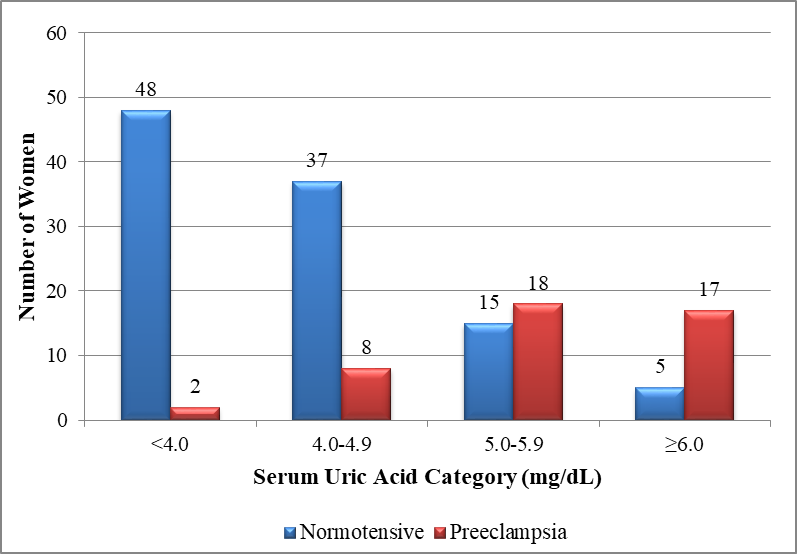
Figure 1: Distribution of Preeclampsia According to Maternal Serum Uric Acid Levels
Distribution of study participants according to maternal serum uric acid categories. The frequency of preeclampsia increased progressively with rising serum uric acid levels.
Table 3: Maternal Outcomes According to Development of Preeclampsia
|
Maternal Outcome |
Normotensive (n=105) |
Preeclampsia (n=45) |
p-value |
|
Cesarean delivery |
38 (36.2%) |
28 (62.2%) |
0.003 |
|
Preterm delivery |
10 (9.5%) |
19 (42.2%) |
<0.001 |
|
Severe preeclampsia |
0 |
18 (40.0%) |
- |
|
ICU admission |
2 (1.9%) |
6 (13.3%) |
0.004 |
|
Postpartum hemorrhage |
3 (2.9%) |
5 (11.1%) |
0.041 |
Women with preeclampsia experienced significantly higher rates of cesarean section, preterm delivery, ICU admission, and postpartum hemorrhage.
Table 4: Neonatal Outcomes in the Two Study Groups
|
Neonatal Outcome |
Normotensive (n=105) |
Preeclampsia (n=45) |
p-value |
|
Birth weight (kg) |
2.93 ± 0.38 |
2.34 ± 0.46 |
<0.001 |
|
Low birth weight |
14 (13.3%) |
22 (48.9%) |
<0.001 |
|
Fetal growth restriction |
8 (7.6%) |
16 (35.6%) |
<0.001 |
|
NICU admission |
9 (8.6%) |
18 (40.0%) |
<0.001 |
|
Apgar score <7 at 5 min |
6 (5.7%) |
12 (26.7%) |
<0.001 |
Neonates born to mothers with preeclampsia had significantly lower birth weight and higher frequencies of fetal growth restriction, NICU admission, and low Apgar scores.
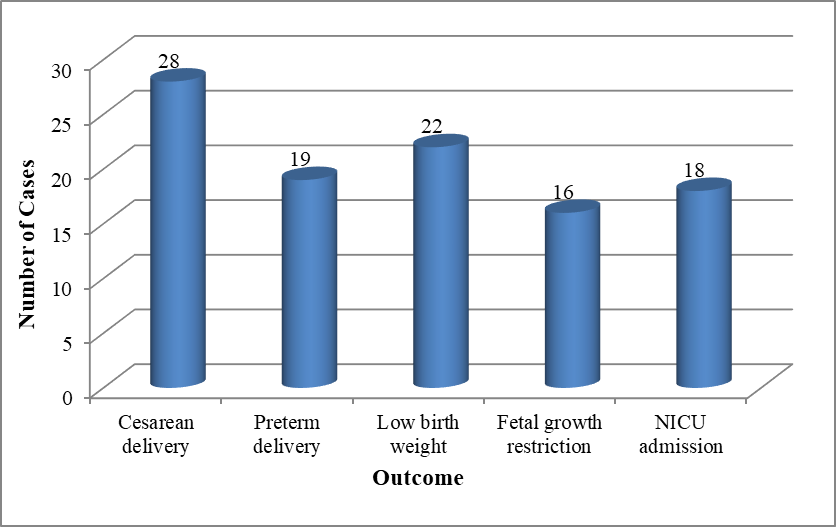
Figure 2: Maternal and Neonatal Adverse Outcomes in Women with Preeclampsia (n=45)
Distribution of major adverse maternal and neonatal outcomes among women with preeclampsia.
DISCUSSION:
The present study demonstrated a significant association between elevated maternal serum uric acid levels and the later development of preeclampsia. Women who developed the disorder had higher serum uric acid concentrations during mid-pregnancy and experienced a greater frequency of adverse maternal and neonatal outcomes. These findings support the potential role of serum uric acid as a simple adjunctive biomarker for identifying pregnancies that may benefit from closer monitoring during antenatal care.[8,9]
In our study, women who developed preeclampsia had a higher body mass index and were more frequently primigravidae than normotensive women. Both obesity and first pregnancy are recognized risk factors for preeclampsia because they are associated with endothelial dysfunction, altered placental development, and systemic inflammation. Similar relationships have been reported in recent reviews evaluating maternal risk factors for hypertensive disorders of pregnancy.[10]
In the present study, serum uric acid levels measured between 20 and 24 weeks of gestation were significantly higher among women who subsequently developed preeclampsia. This observation suggests that hyperuricemia may precede the clinical onset of the disease and reflect early placental dysfunction and impaired renal urate clearance. Similar findings have been reported in recent systematic reviews, supporting the usefulness of serum uric acid as an adjunctive predictor of preeclampsia in clinical practice.[11,12]
Women with higher serum uric acid levels experienced adverse maternal outcomes more frequently, including severe preeclampsia, cesarean delivery, preterm birth, postpartum complications, and intensive care unit admission. These findings suggest that increasing serum uric acid concentrations may reflect progressive endothelial dysfunction and greater disease severity. Similar observations have also been reported in recent international guidelines and observational studies.[13]
Neonatal outcomes were also significantly poorer among women with preeclampsia. Infants born to these mothers had lower mean birth weight and higher rates of fetal growth restriction, low Apgar scores, and NICU admission. These adverse outcomes are likely related to placental insufficiency and reduced uteroplacental perfusion, which compromise fetal growth and well-being. Comparable findings have been consistently reported in recent literature on hypertensive disorders of pregnancy.[14]
This study has several strengths, including its prospective design, standardized estimation of serum uric acid during mid-pregnancy, and complete follow-up until delivery. Nevertheless, certain limitations should be acknowledged. Being a single-center study with a relatively small sample size, the findings may not be directly applicable to all populations. In addition, angiogenic biomarkers such as placental growth factor (PlGF) and soluble fms-like tyrosine kinase-1 (sFlt-1) were not assessed. Future multicenter studies involving larger cohorts are required to validate these findings and determine the additional value of combining serum uric acid with other established biomarkers.
CONCLUSION:
Maternal serum uric acid measured during mid-pregnancy was significantly associated with the subsequent development of preeclampsia and adverse maternal and neonatal outcomes. Women with elevated serum uric acid levels had a higher risk of severe preeclampsia, preterm delivery, cesarean section, low birth weight, fetal growth restriction, and NICU admission.
As an inexpensive and widely available investigation, serum uric acid may serve as a useful adjunctive marker for early risk stratification during routine antenatal care, particularly in resource-limited settings. Further multicenter studies involving larger populations are required to confirm these findings and strengthen the clinical utility of serum uric acid as an early predictive marker.
REFERENCES:
1. Brown MA, Magee LA, Kenny LC, Karumanchi SA, McCarthy FP, Saito S, Hall DR, Warren CE, Adoyi G, Ishaku S; International Society for the Study of Hypertension in Pregnancy (ISSHP). Hypertensive Disorders of Pregnancy: ISSHP Classification, Diagnosis, and Management Recommendations for International Practice. Hypertension. 2018 Jul;72(1):24-43. doi: 10.1161/HYPERTENSIONAHA.117.10803.
2. Poon LC, Shennan A, Hyett JA, Kapur A, Hadar E, Divakar H, McAuliffe F, da Silva Costa F, von Dadelszen P, McIntyre HD, Kihara AB, Di Renzo GC, Romero R, D'Alton M, Berghella V, Nicolaides KH, Hod M. The International Federation of Gynecology and Obstetrics (FIGO) initiative on pre-eclampsia: A pragmatic guide for first-trimester screening and prevention. Int J Gynaecol Obstet. 2019 May;145 Suppl 1(Suppl 1):1-33. doi: 10.1002/ijgo.12802. Erratum in: Int J Gynaecol Obstet. 2019 Sep;146(3):390-391. doi: 10.1002/ijgo.12892.
3. Pecoraro V, Trenti T. Predictive value of serum uric acid levels for adverse maternal and perinatal outcomes in pregnant women with high blood pressure. A systematic review and meta-analysis. Eur J Obstet Gynecol Reprod Biol. 2020 Sep;252:447-454. doi: 10.1016/j.ejogrb.2020.07.042.
4. Chappell LC, Cluver CA, Kingdom J, Tong S. Pre-eclampsia. Lancet. 2021 Jul 24;398(10297):341-354. doi: 10.1016/S0140-6736(20)32335-7.
5. Bellos I, Pergialiotis V, Loutradis D, Daskalakis G. The prognostic role of serum uric acid levels in preeclampsia: A meta-analysis. J Clin Hypertens (Greenwich). 2020 May;22(5):826-834. doi: 10.1111/jch.13865.
6. Magee LA, Brown MA, Hall DR, Gupte S, Hennessy A, Karumanchi SA, Kenny LC, McCarthy F, Myers J, Poon LC, Rana S, Saito S, Staff AC, Tsigas E, von Dadelszen P. The 2021 International Society for the Study of Hypertension in Pregnancy classification, diagnosis & management recommendations for international practice. Pregnancy Hypertens. 2022 Mar;27:148-169. doi: 10.1016/j.preghy.2021.09.008.
7. Docheva N, Arenas G, Nieman KM, Lopes-Perdigao J, Yeo KJ, Rana S. Angiogenic Biomarkers for Risk Stratification in Women with Preeclampsia. Clin Chem. 2022 Jun 1;68(6):771-781. doi: 10.1093/clinchem/hvab281.
8. Khedagi AM, Bello NA. Hypertensive Disorders of Pregnancy. Cardiol Clin. 2021 Feb;39(1):77-90. doi: 10.1016/j.ccl.2020.09.005.
9. Gestational Hypertension and Preeclampsia: ACOG Practice Bulletin, Number 222. Obstet Gynecol. 2020 Jun;135(6):e237-e260. doi: 10.1097/AOG.0000000000003891.
10. Dimitriadis E, Rolnik DL, Zhou W, Estrada-Gutierrez G, Koga K, Francisco RPV, Whitehead C, Hyett J, da Silva Costa F, Nicolaides K, Menkhorst E. Pre-eclampsia. Nat Rev Dis Primers. 2023 Feb 16;9(1):8. doi: 10.1038/s41572-023-00417-6.
11. Wu P, Green M, Myers JE. Hypertensive disorders of pregnancy. BMJ. 2023 Jun 30;381:e071653. doi: 10.1136/bmj-2022-071653.
12. Chang KJ, Seow KM, Chen KH. Preeclampsia: Recent Advances in Predicting, Preventing, and Managing the Maternal and Fetal Life-Threatening Condition. Int J Environ Res Public Health. 2023 Feb 8;20(4):2994. doi: 10.3390/ijerph20042994.
13. Shanmugalingam R, Barrett HL, Beech A, Bowyer L, Crozier T, Davidson A, Dekker Nitert M, Doyle K, Grzeskowiak L, Hall N, Cheikh Hassan HI, Hennessy A, Henry A, Langsford D, Lee VW, Munn Z, Peek MJ, Said JM, Tanner H, Taylor R, Ward M, Waugh J, Yen LL, Medcalf E, Bell KJ, Ackermann D, Turner R, Makris A. A summary of the 2023 Society of Obstetric Medicine of Australia and New Zealand (SOMANZ) hypertension in pregnancy guideline. Med J Aust. 2024 Jun 17;220(11):582-591. doi: 10.5694/mja2.52312.
14. Yagel S, Cohen SM, Admati I, Skarbianskis N, Solt I, Zeisel A, Beharier O, Goldman-Wohl D. Expert review: preeclampsia Type I and Type II. Am J Obstet Gynecol MFM. 2023 Dec;5(12):101203. doi: 10.1016/j.ajogmf.2023.101203.