ASSOCIATION OF SERUM LIPID PROFILE WITH GALLSTONE DISEASE AND BILIARY TRACT CARCINOMA: A HOSPITAL-BASED OBSERVATIONAL STUDY.
- Sanjeev Kumar , Past Resident, Department of General Surgery, B. J. Medical College, Ahmedabad, Gujarat, India.
- Hiral C. Chauhan , Assistant Professor, Department of General Surgery, B. J. Medical College, Ahmedabad, Gujarat, India.
- Nina M. Shah , Professor, Department of General Surgery, B. J. Medical College, Ahmedabad, Gujarat, India.
- Hardik B. Bhatt , Assistant Professor, Department of General Surgery, B. J. Medical College, Ahmedabad, Gujarat, India.
- Jignasa Rathva , Assistant Professor, Department of General Surgery, B. J. Medical College, Ahmedabad, Gujarat, India.
- Gouravkumar Govindbhai Patel , Past Resident, Department of General Surgery, B. J. Medical College, Ahmedabad, Gujarat, India.
- Mayank Mohit , Past Resident, Department of General Surgery, B. J. Medical College, Ahmedabad, Gujarat, India.
Article Information:
Abstract:
Background: Gallstone disease and biliary tract carcinoma are important hepatobiliary disorders associated with considerable morbidity and mortality. Increasing evidence suggests that abnormalities in serum lipid profile may contribute to gallstone formation and may also influence the development of biliary tract malignancies. Objective: To evaluate the association of serum lipid profile with gallstone disease and biliary tract carcinoma in a tertiary care hospital. Materials and Methods: A hospital-based prospective observational study was conducted in the Department of General Surgery, Civil Hospital, Ahmedabad, over a period of 2½ years. Eighty patients aged ≥18 years diagnosed with gallstone disease or biliary tract carcinoma were enrolled. Demographic details, clinical findings, fasting serum lipid profile, and radiological investigations were recorded. Serum triglycerides, total cholesterol, HDL, LDL, and VLDL levels were analysed and compared between disease groups. Statistical analysis was performed using appropriate descriptive and inferential tests, with a p-value <0.05 considered statistically significant. Results: Among the 80 enrolled patients, 70 (87.5%) had gallstone disease and 10 (12.5%) had biliary tract carcinoma. Female patients constituted 85% of the study population. Elevated total cholesterol and reduced HDL levels demonstrated significant associations with biliary tract stone and biliary tract carcinoma (p<0.05), highlighting the potential role of lipid metabolism in its pathogenesis. Serum triglycerides, LDL, and VLDL also elevated in biliary tract stone and biliary tract carcinoma, but did not show statistically significant associations (p>0.05). Elevated total cholesterol was also significantly associated with acute cholecystitis. Conclusion: Serum lipid abnormalities, particularly elevated total cholesterol and reduced HDL cholesterol, were significantly associated with biliary stone disease and biliary tract carcinoma and may serve as useful adjunctive biomarkers in patients with biliary disease. Although triglycerides, LDL, and VLDL levels were found elevated in a number of cases, their association with disease type was not statistically significant.
Keywords:
Article :
INTRODUCTION:
Gallstone disease is one of the most common disorders affecting the hepatobiliary system and represents a major cause of hospital admissions for gastrointestinal diseases worldwide. Although many patients remain asymptomatic, gallstones may lead to acute cholecystitis, choledocholithiasis, biliary pancreatitis, recurrent biliary colic, and other complications that substantially increase healthcare burden. The prevalence of gallstone disease has been rising in parallel with increasing rates of obesity, diabetes mellitus, metabolic syndrome, and sedentary lifestyle, suggesting an important contribution of metabolic factors to its pathogenesis. [1]
Biliary tract carcinoma, comprising gallbladder carcinoma and cholangiocarcinoma, is a relatively uncommon but highly aggressive malignancy with poor long-term survival. Delayed clinical presentation, nonspecific symptoms, and advanced disease at diagnosis contribute to its unfavourable prognosis. Chronic inflammation secondary to gallstones has long been recognised as an important risk factor for malignant transformation of the biliary epithelium. Nevertheless, additional metabolic mechanisms involved in carcinogenesis continue to be explored. [2,3]
Alterations in serum lipid metabolism have attracted increasing attention because cholesterol supersaturation of bile plays a central role in cholesterol gallstone formation. Elevated serum triglycerides, increased total cholesterol, reduced high-density lipoprotein (HDL), and abnormalities in low-density lipoprotein (LDL) metabolism may influence biliary cholesterol secretion, bile composition, and chronic inflammatory responses. These metabolic disturbances have also been implicated in oxidative stress, cellular proliferation, and tumour progression within the biliary tract. [4, 5]
Despite growing evidence linking dyslipidaemia with hepatobiliary disorders, published findings remain inconsistent, particularly among Indian populations. Furthermore, limited studies have simultaneously evaluated serum lipid abnormalities in both gallstone disease and biliary tract carcinoma within a single clinical cohort. Therefore, the present hospital-based observational study was undertaken to evaluate the association of serum lipid profile with gallstone disease and biliary tract carcinoma, and to determine whether specific lipid abnormalities are associated with acute cholecystitis. The findings may provide additional insight into the role of lipid metabolism in biliary diseases and help identify clinically useful biomarkers for risk assessment and patient management. [6]
Aim of the Study: The present study aimed to evaluate the association of serum lipid profile with gallstone disease and biliary tract carcinoma. Additionally, it aimed to assess the association between serum lipid profile abnormalities and acute cholecystitis.
MATERIALS AND METHODS:
This hospital-based prospective observational study was conducted in the Department of General Surgery, Civil Hospital, Ahmedabad, Gujarat, India, over a period of 2½ years (January 2023 to June 2025) after obtaining approval from the Institutional Ethics Committee. A total of 80 consecutive patients, including 70 with gallstone disease and 10 patients with biliary tract carcinoma, who fulfilled the eligibility criteria were enrolled in the study.
Inclusion Criteria
• Patients aged 18 years or above.
• Patients diagnosed with gallstone disease (single or multiple gallstones).
• Patients with radiologically or histopathologically confirmed biliary tract carcinoma.
• Patients willing to participate and provide written informed consent.
Exclusion Criteria
• Patients receiving lipid-lowering therapy.
• Patients with chronic liver or chronic kidney disease.
• Patients with uncontrolled diabetes mellitus or hypothyroidism.
• Pregnant or lactating women.
• Patients unwilling to participate in the study.
Data Collection: Demographic details, clinical history, body mass index (BMI), and laboratory findings were recorded using a predesigned case record form. Following an overnight fast of 10–12 hours, blood samples were collected for estimation of serum total cholesterol, triglycerides, HDL, LDL, and VLDL using standard enzymatic methods. The diagnosis of gallstone disease, biliary tract carcinoma, and acute cholecystitis was established based on clinical, laboratory, radiological, and histopathological findings, wherever applicable.
Outcome Measures: The primary outcome was to evaluate the association of serum lipid profile abnormalities with gallstone disease and biliary tract carcinoma. The secondary outcome was to determine the association between serum lipid profile abnormalities and acute cholecystitis.
Statistical Analysis: Statistical analysis was performed using IBM SPSS Statistics version 26.0 (IBM Corp., Armonk, NY, USA). Continuous variables were expressed as mean ± standard deviation (SD), whereas categorical variables were presented as frequencies and percentages. The Chi-square test or Fisher's exact test was used to compare categorical variables, as appropriate. A p-value <0.05 was considered statistically significant.
RESULTS:
A total of 80 patients with biliary disease were enrolled in this hospital-based observational study. The demographic characteristics, body mass index (BMI), disease distribution, serum lipid profile, and the association between lipid parameters and acute cholecystitis were evaluated.
Table 1: Age and gender distribution of the study population (N = 80)
|
Variable |
No. of Patients |
Percentage |
|
|
Age Group (Years) |
<20 |
0 |
0% |
|
21-30 |
12 |
15% |
|
|
31-40 |
18 |
22.5% |
|
|
41-50 |
11 |
13.7% |
|
|
51-60 |
16 |
20% |
|
|
61-70 |
17 |
21.3% |
|
|
71-80 |
4 |
5% |
|
|
>80 |
2 |
2.5% |
|
|
Gender |
Female |
68 |
85% |
|
Male |
12 |
15% |
|
The majority of patients belonged to the 31–40 years age group (22.5%), with marked female predominance constituted 85% of the study population.
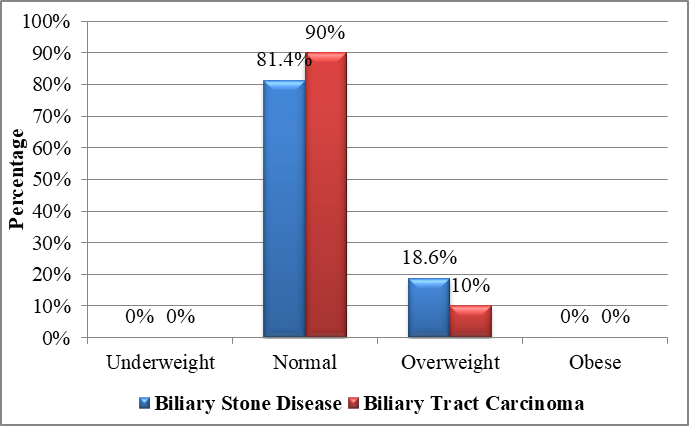
Figure 1: Distribution of BMI among patients with Gallstone Disease and Biliary Tract Carcinoma
Most patients in both disease groups had a normal BMI. Overweight individuals accounted for 18.6% and 10%, respectively, while no patient was classified as underweight or obese.
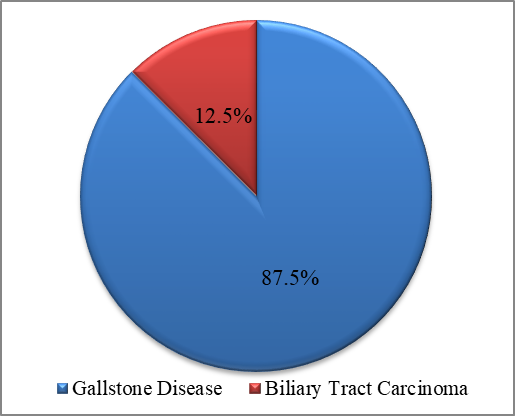
Figure 2: Distribution of Study Population According to Disease Category
Among the 80 enrolled patients, 70 (87.5%) were diagnosed with gallstone disease, whereas 10 (12.5%) had biliary tract carcinoma, demonstrating that gallstone disease constituted the majority of cases in the present study.
Table 2: Serum Lipid Profile in Patients with Gallstone Disease and Biliary Tract Carcinoma
|
Serum Lipid Profile |
Gallstone Disease |
Biliary Tract Carcinoma |
p-value |
|
|
Triglyceride Category |
>150 mg/dL |
45 (64.3%) |
9 (90%) |
0.104 |
|
≤150 mg/dL |
25 (35.7%) |
1 (10%) |
||
|
Total Cholesterol Category |
>200 mg/dL |
18 (25.7%) |
8 (80%) |
0.0006 |
|
≤200 mg/dL |
52 (74.3%) |
2 (20%) |
||
|
HDL Category |
≤30 mg/dL |
27 (38.6%) |
8 (80%) |
0.0135 |
|
>30 mg/dL |
43 (61.4%) |
2 (20%) |
||
|
LDL category (mg/dl) |
≤ 130 |
47 (67.1%) |
5 (50%) |
0.287 |
|
>130 |
23 (32.9%) |
5 (50%) |
||
|
VLDL category (mg/dl) |
≤30 mg/dL |
35 (50%) |
3 (30%) |
0.236 |
|
>30 mg/dL |
35 (50%) |
7 (70%) |
||
Elevated serum triglyceride levels were observed in both gallstone disease and biliary tract carcinoma patients; however, the association was not statistically significant (p = 0.104). High total cholesterol levels and low HDL cholesterol were significantly associated with the biliary tract carcinoma than those with gallstone disease (p<0.05). No statistically significant associations were observed for LDL (p = 0.287) or VLDL (p = 0.236) levels.
Table 3: Association between Serum Lipid Profile and Acute Cholecystitis
|
Lipid Profile Level |
Total No. of Patient |
Acute Cholecystitis |
|
|
Triglyceride Category |
>150 mg/dL |
54 |
2 |
|
≤150 mg/dL |
26 |
1 |
|
|
Total Cholesterol Category |
>200 mg/dL |
26 |
3 |
|
≤200 mg/dL |
54 |
0 |
|
|
HDL Category |
≤30 mg/dL |
35 |
2 |
|
>30 mg/dL |
45 |
1 |
|
|
LDL category (mg/dl) |
≤ 130 |
52 |
3 |
|
>130 |
28 |
0 |
|
|
VLDL category (mg/dl) |
≤30 mg/dL |
38 |
2 |
|
>30 mg/dL |
42 |
1 |
|
Elevated total cholesterol, Serum triglyceride, HDL, LDL, and VLDL levels showed no significant association with acute cholecystitis.
DISCUSSION:
The present hospital-based observational study evaluated the association of serum lipid profile with gallstone disease and biliary tract carcinoma. The findings demonstrated that abnormalities in serum lipid parameters, particularly elevated total cholesterol and reduced HDL cholesterol, were more common among patients with biliary tract carcinoma than in those with gallstone disease. These observations suggest that alterations in lipid metabolism may contribute not only to gallstone formation but also to the progression of biliary tract malignancies. [7]
Gallstone disease predominantly affected female patients, with women accounting for 85% of the study population. The highest disease burden was observed among individuals aged 31–40 years and 61–70 years. Female predominance has consistently been reported in previous epidemiological studies and is attributed to hormonal influences, increased biliary cholesterol saturation, and metabolic changes associated with estrogen exposure. [8]
The present study observed that elevated serum triglyceride levels were more frequent among patients with biliary tract carcinoma than those with gallstone disease; however, the difference did not reach statistical significance. Similar findings have been reported in several recent studies, suggesting that although hypertriglyceridemia may coexist with biliary disorders, its independent contribution to disease development remains uncertain. Variations in sample size, ethnicity, dietary habits, and metabolic characteristics may explain these inconsistent observations. [9]
A significant association was identified between serum lipid abnormalities and biliary tract carcinoma in the present study. Patients with biliary tract carcinoma exhibited significantly lower HDL cholesterol levels together with a higher prevalence of hypercholesterolemia than those with gallstone disease. Similar alterations in serum lipid parameters, particularly reduced HDL cholesterol and elevated triglyceride levels, have also been reported in recent studies on gallbladder malignancy, supporting the role of dysregulated lipid metabolism in biliary carcinogenesis. [10]
Reduced HDL cholesterol was also significantly associated with biliary tract carcinoma in the present study. HDL possesses anti-inflammatory and antioxidant properties that may protect against epithelial injury and carcinogenesis. Reduced HDL concentrations may therefore diminish these protective mechanisms, thereby promoting persistent inflammation and tumour progression. Although previous reports have demonstrated similar trends, additional large-scale prospective studies are required to clarify this relationship. [11] In contrast, LDL and VLDL levels did not show statistically significant differences between gallstone disease and biliary tract carcinoma. Likewise, no significant association was observed between these lipid parameters and acute cholecystitis in the present study. Although elevated total cholesterol was significantly associated with acute cholecystitis in the present study, previous Mendelian randomization analysis did not support a causal relationship between serum lipid levels and cholecystitis, highlighting the need for further prospective clinical studies.[12] Overall, the present study supports the hypothesis that abnormalities in serum lipid metabolism, particularly elevated total cholesterol and reduced HDL cholesterol, are associated with biliary tract carcinoma and may represent useful adjunctive markers during the evaluation of patients with biliary diseases.
CONCLUSION:
The present study demonstrated that abnormalities in serum lipid profile, particularly elevated total cholesterol and reduced HDL cholesterol, were significantly associated with biliary tract carcinoma. Elevated total cholesterol also showed a significant association with acute cholecystitis. These findings suggest that routine assessment of serum lipid profile may aid in the early identification and risk stratification of patients with biliary diseases. Further large-scale multicentre studies are warranted to validate these observations and establish their clinical significance.
REFERENCES:
1. Lammert F, Wittenburg H. Gallstones: Prevention, Diagnosis, and Treatment. Semin Liver Dis. 2024 Aug;44(3):394-404. doi: 10.1055/a-2378-9025.
2. Søreide K, Dopazo C, Berrevoet F, Carrion-Alvarez L, Diaz-Nieto R, Andersson B, Stättner S; joint ESSO-EAHPBA-UEMS core curriculum working group. Biliary tract cancer. Eur J Surg Oncol. 2025 Jun;51(6):108489. doi: 10.1016/j.ejso.2024.108489.
3. Waller GC, Sarpel U. Gallbladder Cancer. Surg Clin North Am. 2024 Dec;104(6):1263-1280. doi: 10.1016/j.suc.2024.03.006.
4. Zhang C, Dai W, Yang S, Wu S, Kong J. Resistance to Cholesterol Gallstone Disease: Hepatic Cholesterol Metabolism. J Clin Endocrinol Metab. 2024 Mar 15;109(4):912-923. doi: 10.1210/clinem/dgad528.
5. Parra-Landazury NM, Cordova-Gallardo J, Méndez-Sánchez N. Obesity and Gallstones. Visc Med. 2021 Oct;37(5):394-402. doi: 10.1159/000515545.
6. Pęczuła A, Czaplicki A, Przybyłkowski A. Genetics of Gallstones. Genes (Basel). 2025 Feb 22;16(3):256. doi: 10.3390/genes16030256.
7. Hayat S, Hassan Z, Changazi SH, Zahra A, Noman M, Zain Ul Abdin M, Javed H, Ans AH. Comparative analysis of serum lipid profiles in patients with and without gallstones: A prospective cross-sectional study. Ann Med Surg (Lond). 2019 Apr 24;42:11-13. doi: 10.1016/j.amsu.2019.04.003.
8. Wang J, Shen S, Wang B, Ni X, Liu H, Ni X, Yu R, Suo T, Liu H. Serum lipid levels are the risk factors of gallbladder stones: a population-based study in China. Lipids Health Dis. 2020 Mar 19;19(1):50. doi: 10.1186/s12944-019-1184-3.
9. Nagappa V, Bhandarkar A. Interplay between lipid profiles, thyroid function, and gallstone disease: A clinical perspective. J Family Med Prim Care. 2025 Apr;14(4):1416-1419. doi: 10.4103/jfmpc.jfmpc_1772_24.
10. Singh L, Fiza Mustaqueem S, Singh P, Jaiswal P, Mohd T, Alam R, Gupta A, Keshav R. Serum Lipid Abnormalities in Pre-malignant and Malignant Lesions of the Gall Bladder. Cureus. 2025 Aug 16;17(8):e90229. doi: 10.7759/cureus.90229.
11. Prem Sai Reddy G, Ramalakshmi V, Antony AM, Raghupathy T, Guru G. Role of Cholecystectomy on Serum Lipid Profile in Patients With Gallstone Disease at Tertiary Care. Cureus. 2025 Apr 21;17(4):e82691. doi: 10.7759/cureus.82691.
12. Yang H, Chen L, Liu K, Li C, Li H, Xiong K, Li Z, Lu C, Chen W, Liu Y. Mendelian randomization rules out the causal relationship between serum lipids and cholecystitis. BMC Med Genomics. 2021 Sep 17;14(1):224. doi: 10.1186/s12920-021-01082-y.