EVALUATION OF THROMBOCYTOPENIA AS AN EARLY PREDICTOR OF COMPLICATED ENTERIC FEVER IN CHILDREN.
- Karthikeyan S , Assistant Professor, Department of Paediatrics, A C S MEDICAL COLLEGE AND HOSPITAL, Poonamallee High Rd, Velappanchavadi, Chennai, Tamil Nadu – 600077.
- Ashvini Anbalagan , Assistant Professor, Department of Paediatrics, A C S MEDICAL COLLEGE AND HOSPITAL, Poonamallee High Rd, Velappanchavadi, Chennai, Tamil Nadu – 600077.
- Geethanjali S. , 3rd year Post Graduate, Department of Paediatrics, A C S MEDICAL COLLEGE AND HOSPITAL, Poonamallee High Rd, Velappanchavadi, Chennai, Tamil Nadu - 600077.
Article Information:
Abstract:
Background: Enteric fever remains an important cause of morbidity among children, particularly in developing countries. Early identification of children at risk of complications is essential for timely intervention. Thrombocytopenia is a common hematological abnormality in enteric fever and may reflect disease severity. Aim of the study was to evaluate thrombocytopenia as an early predictor of complicated enteric fever in children. Materials and Methods: This hospital-based observational study was conducted over one year in the Department of Pediatrics, ACS Medical College and Hospital, Chennai. A total of 75 children with laboratory-confirmed enteric fever were included. Diagnosis was based on blood culture alone or blood culture supported by Widal test and/or TyphiDot test. Clinical features, laboratory parameters, platelet count, complications, duration of hospital stay, and outcome were recorded. Data were analyzed using IBM SPSS Statistics Version 23.0. A p value <0.05 was considered statistically significant. Results: Thrombocytopenia was observed in 44 children (58.7%). Complications occurred in 24 children (32.0%). Complicated enteric fever was significantly more common among children with thrombocytopenia than those without thrombocytopenia (45.5% vs. 12.9%; p=0.006). Moderate to severe thrombocytopenia showed stronger association with complications. Conclusion: Thrombocytopenia is a simple, minimal cost, and useful early predictor of complicated enteric fever in children.
Keywords:
Article :
INTRODUCTION:
Enteric fever is a systemic infectious disease caused by Salmonella enterica serovars Typhi and Paratyphi and continues to be a major public health concern among children in developing countries. Despite improvements in sanitation and the introduction of effective antimicrobial therapy, enteric fever remains associated with significant morbidity due to delayed diagnosis, increasing antimicrobial resistance, and the occurrence of severe complications.
Children commonly present with prolonged fever, vomiting, abdominal pain, diarrhea or constipation, headache, anorexia, hepatosplenomegaly, and generalized malaise. Although most patients recover with appropriate treatment, a substantial proportion develop complications such as gastrointestinal bleeding, intestinal perforation, hepatitis, encephalopathy, myocarditis, pneumonia, septic shock, disseminated intravascular coagulation, and multiorgan dysfunction, which are associated with prolonged hospitalization and increased mortality.
Recent epidemiological studies continue to demonstrate a considerable burden of pediatric enteric fever in endemic countries, emphasizing the need for early recognition of children at risk for developing severe disease and complications [1,2].
Among the various hematological abnormalities observed in enteric fever, thrombocytopenia has attracted increasing clinical attention because of its potential association with disease severity. Thrombocytopenia, defined as a platelet count below 150,000/mm³, may result from bone marrow suppression caused by Salmonella infection, immune-mediated platelet destruction, increased peripheral platelet consumption, endotoxin-induced activation of coagulation pathways, hypersplenism, or disseminated intravascular coagulation in severe cases. Since platelet estimation is minimal cost effective, routinely available, and rapidly performed as part of a complete blood count, it may serve as a practical laboratory marker for identifying children at increased risk of complications.
Unlike sophisticated inflammatory biomarkers that may not be available in resource-limited settings, platelet count is universally accessible and can be repeated during the course of illness to monitor disease progression [3,4].
Several recent studies have evaluated the clinical and laboratory profile of pediatric enteric fever and reported thrombocytopenia as one of the common hematological abnormalities. Behera et al. demonstrated that thrombocytopenia was frequently observed among hospitalized children with enteric fever and was associated with severe clinical manifestations including hepatitis, bronchitis, bronchopneumonia, encephalopathy, and shock [5].
Nusrat et al. also described thrombocytopenia as an important laboratory abnormality in children with enteric fever while highlighting the growing challenge of multidrug-resistant Salmonella infections and the continued burden of hospitalization among pediatric patients [6]. Sharma and colleagues similarly documented hematological abnormalities, including thrombocytopenia, in culture-confirmed pediatric enteric fever and emphasized their importance during initial evaluation and treatment planning [7].
Recent research has increasingly focused on identifying early predictors of enteric fever using readily available clinical and laboratory parameters. Kala et al. demonstrated that duration of fever, coated tongue, splenomegaly, elevated C-reactive protein, raised serum transaminases, and eosinopenia were useful predictors of enteric fever before blood culture confirmation, highlighting the value of simple laboratory investigations in resource-constrained settings [8].
Nevertheless, platelet count was not evaluated as an independent predictor of complicated disease despite its frequent occurrence in hospitalized patients. Furthermore, recent reports describing severe manifestations of enteric fever, including septic shock, disseminated intravascular coagulation, and isolated thrombocytopenia, suggest that platelet abnormalities may reflect systemic inflammatory response and worsening disease severity [9]. Increasing antimicrobial resistance and persistent disease burden in endemic regions further reinforce the need for reliable prognostic markers that can be identified early during hospitalization to facilitate timely intervention and improve clinical outcomes [2,10].
Although thrombocytopenia has been described in several studies as a laboratory finding in pediatric enteric fever, its usefulness as an early predictor of complicated enteric fever remains inadequately investigated. Most published studies have primarily focused on describing the clinical spectrum, antimicrobial susceptibility, or overall hematological profile of enteric fever rather than establishing the prognostic significance of platelet count at presentation. Few studies have specifically evaluated whether thrombocytopenia independently predicts complications such as encephalopathy, hepatitis, gastrointestinal bleeding, intestinal perforation, shock, or prolonged hospital stay in children.
Consequently, there remains a significant knowledge gap regarding the predictive value of thrombocytopenia for early risk stratification in pediatric enteric fever, particularly in resource-limited healthcare settings where advanced biomarkers are unavailable. Identifying thrombocytopenia as an early prognostic indicator could enable clinicians to recognize high-risk patients promptly, intensify monitoring, initiate timely therapeutic interventions, and potentially reduce morbidity and mortality.
Therefore, the present study aims to evaluate thrombocytopenia as an early predictor of complicated enteric fever in children and to determine its usefulness as a simple, minimal cost, and readily available prognostic marker during the initial assessment of pediatric patients.
MATERIALS AND METHODS:
This hospital-based observational study was conducted over a period of one year in the Department of Pediatrics, ACS Medical College and Hospital, Chennai. The study included children diagnosed with enteric fever who fulfilled the predefined eligibility criteria. Prior approval was obtained from the Institutional Ethics Committee before the commencement of the study, and written informed consent was obtained from the parents or legal guardians of all enrolled children.
Study Population and Sample Size
Children admitted with suspected enteric fever during the study period were screened for eligibility. A total of 75 children who met the inclusion criteria were enrolled in the study.
Diagnostic Criteria
Enteric fever was diagnosed based on compatible clinical features along with laboratory confirmation. Laboratory confirmation included either a positive blood culture for Salmonella enterica serovar Typhi or Paratyphi, or blood culture positivity supported by Widal test and/or TyphiDot test, as per institutional protocol.
Inclusion Criteria
• Children aged 1–18 years.
• Children admitted with clinically suspected enteric fever.
• Children with laboratory-confirmed enteric fever by blood culture only, or blood culture along with Widal test and/or TyphiDot test.
• Parents or legal guardians willing to provide written informed consent.
Exclusion Criteria
• Children with pre-existing hematological disorders affecting platelet count.
• Children with concurrent infections known to cause thrombocytopenia, such as dengue, malaria, leptospirosis, or viral hemorrhagic fever.
• Children receiving chemotherapy, immunosuppressive therapy, or drugs known to affect platelet count.
• Children with chronic liver disease, chronic kidney disease, autoimmune disorders, or malignancy.
• Children with incomplete clinical or laboratory data.
Study Tools
Data were collected using a predesigned structured case record proforma. The following parameters were recorded:
• Demographic details including age and sex.
• Clinical features including duration of fever, vomiting, abdominal pain, diarrhea or constipation, cough, headache, anorexia, hepatomegaly, splenomegaly, and altered sensorium.
• Complete physical examination findings at admission.
• Laboratory investigations including complete blood count with platelet count, hemoglobin, total leukocyte count, differential leukocyte count, liver function tests, C-reactive protein, blood culture, Widal test, and/or TyphiDot test.
• Platelet count at admission and severity of thrombocytopenia.
• Details of antimicrobial therapy and supportive treatment.
• Presence of complications such as hepatitis, gastrointestinal bleeding, intestinal perforation, encephalopathy, pneumonia, shock, myocarditis, disseminated intravascular coagulation, or other systemic complications.
• Duration of hospital stay and final clinical outcome.
Data Collection
• Eligible children were enrolled consecutively during the one-year study period.
• Detailed history was obtained from the parents or legal guardians.
• Clinical examination findings were recorded at the time of admission.
• Baseline laboratory investigations were performed according to institutional protocol.
• Platelet count at admission was documented and categorized according to the severity of thrombocytopenia.
• Blood culture was performed for microbiological confirmation of enteric fever.
• Widal test and/or TyphiDot test were performed where applicable, as supportive diagnostic tests.
• All enrolled children were monitored during hospitalization for the development of complications.
• Clinical course, treatment details, complications, duration of hospital stay, and outcome were recorded in the structured case record proforma.
Outcome Measure
The primary outcome was to evaluate thrombocytopenia as an early predictor of complicated enteric fever in children. Complicated enteric fever was defined as the occurrence of one or more complications during hospitalization, including hepatitis, gastrointestinal bleeding, intestinal perforation, encephalopathy, pneumonia, shock, myocarditis, disseminated intravascular coagulation, or other systemic complications.
Statistical Analysis
Data were entered into Microsoft Excel and analyzed using IBM SPSS Statistics for Windows, Version 23.0. Continuous variables were expressed as mean ± standard deviation or median with interquartile range, depending on data distribution. Categorical variables were expressed as frequencies and percentages. The association between thrombocytopenia and complicated enteric fever was assessed using the Chi-square test or Fisher’s exact test. A p value of <0.05 was considered statistically significant.
RESULTS:
Table 1. Demographic Profile of Children with Enteric Fever
|
Variable |
Frequency / Mean |
Percentage (%) |
|
Age group |
||
|
1–5 years |
18 |
24.0 |
|
6–10 years |
29 |
38.7 |
|
11–18 years |
28 |
37.3 |
|
Sex |
||
|
Male |
43 |
57.3 |
|
Female |
32 |
42.7 |
|
Mean age ± SD |
9.6 ± 4.2 years |
— |
Most children belonged to the 6–10 years age group, followed closely by the 11–18 years group. Male children were slightly more commonly affected than females. The mean age of presentation was 9.6 ± 4.2 years. This distribution suggests that school-going children formed the major affected group, probably due to increased exposure to contaminated food and water outside the home.
Table 2. Clinical Presentation of Children with Enteric Fever
|
Clinical Feature |
Frequency (n=75) |
Percentage (%) |
|
Fever |
75 |
100.0 |
|
Vomiting |
38 |
50.7 |
|
Abdominal pain |
34 |
45.3 |
|
Diarrhea |
21 |
28.0 |
|
Constipation |
16 |
21.3 |
|
Cough |
19 |
25.3 |
|
Headache |
27 |
36.0 |
|
Anorexia |
41 |
54.7 |
|
Hepatomegaly |
22 |
29.3 |
|
Splenomegaly |
18 |
24.0 |
|
Altered sensorium |
6 |
8.0 |
Fever was present in all children, making it the most consistent presenting symptom. Anorexia, vomiting, and abdominal pain were also frequent clinical features. Hepatomegaly and splenomegaly were observed in nearly one-fourth to one-third of cases. Altered sensorium was uncommon but clinically important, as it may indicate complicated disease.
Table 3. Laboratory Parameters of the Study Population
|
Laboratory Parameter |
Mean ± SD / Median (IQR) |
Minimum |
Maximum |
|
Hemoglobin (g/dL) |
10.8 ± 1.4 |
7.8 |
13.6 |
|
Total leukocyte count (/mm³) |
6,420 ± 2,180 |
2,900 |
13,600 |
|
Platelet count (/mm³) |
1.38 ± 0.62 lakh |
38,000 |
3.10 lakh |
|
C-reactive protein (mg/L) |
42.6 ± 26.4 |
6 |
126 |
|
Total bilirubin (mg/dL) |
1.2 ± 0.7 |
0.4 |
4.1 |
|
SGOT/AST (U/L) |
86.4 ± 54.8 |
24 |
286 |
|
SGPT/ALT (U/L) |
72.8 ± 46.5 |
18 |
248 |
The mean platelet count was lower than the normal range, indicating that thrombocytopenia was a frequent hematological abnormality. Raised CRP and elevated liver enzymes were commonly observed, suggesting systemic inflammation and hepatic involvement. Total leukocyte count showed wide variation, with some children showing leukopenia. These laboratory findings support the systemic nature of enteric fever in children.
Table 4. Distribution of Thrombocytopenia Among Children with Enteric Fever
|
Platelet Count Category |
Frequency (n=75) |
Percentage (%) |
|
Normal platelet count ≥150,000/mm³ |
31 |
41.3 |
|
Mild thrombocytopenia: 100,000–149,999/mm³ |
24 |
32.0 |
|
Moderate thrombocytopenia: 50,000–99,999/mm³ |
15 |
20.0 |
|
Severe thrombocytopenia: <50,000/mm³ |
5 |
6.7 |
|
Total thrombocytopenia |
44 |
58.7 |
Thrombocytopenia was observed in 58.7% of children with enteric fever. Mild thrombocytopenia was the most common category, followed by moderate thrombocytopenia. Severe thrombocytopenia was less frequent but clinically significant. The high proportion of thrombocytopenia suggests that platelet count may be a useful marker during early assessment.
Table 5. Complications Observed in Children with Enteric Fever
|
Complication |
Frequency (n=75) |
Percentage (%) |
|
Hepatitis |
16 |
21.3 |
|
Pneumonia |
8 |
10.7 |
|
Shock |
7 |
9.3 |
|
Encephalopathy |
6 |
8.0 |
|
Gastrointestinal bleeding |
4 |
5.3 |
|
Myocarditis |
3 |
4.0 |
|
Disseminated intravascular coagulation |
2 |
2.7 |
|
Intestinal perforation |
1 |
1.3 |
|
Any complication present |
24 |
32.0 |
|
No complication |
51 |
68.0 |
Complications were observed in 32.0% of children. Hepatitis was the most common complication, followed by pneumonia, shock, and encephalopathy. Gastrointestinal bleeding, myocarditis, disseminated intravascular coagulation, and intestinal perforation were less frequent. The presence of complications highlights the importance of early identification of high-risk children.
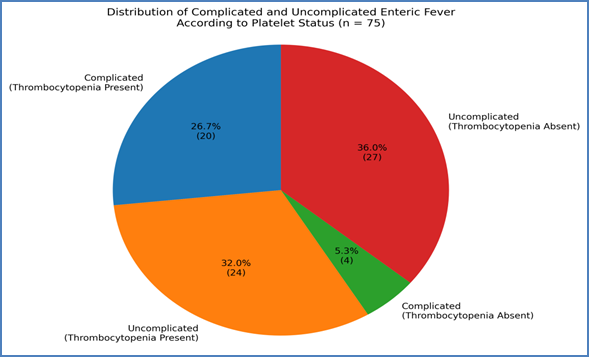
Figure 1. Association Between Thrombocytopenia and Complicated Enteric Fever
Thrombocytopenia was significantly more common among children with complicated enteric fever compared with uncomplicated cases. Among children with thrombocytopenia, 45.5% developed complications, whereas only 12.9% without thrombocytopenia had complications. This association was statistically significant with a p value of 0.006. These findings suggest that thrombocytopenia may serve as an early marker of complicated disease.
Table 7. Comparison of Clinical and Laboratory Parameters Between Complicated and Uncomplicated Enteric Fever
|
Parameter |
Complicated Enteric Fever (n=24) |
Uncomplicated Enteric Fever (n=51) |
p value |
|
Age, years |
10.2 ± 4.1 |
9.3 ± 4.3 |
0.392 |
|
Duration of fever, days |
7.8 ± 2.4 |
5.9 ± 2.1 |
0.001 |
|
Hemoglobin, g/dL |
10.4 ± 1.5 |
11.0 ± 1.3 |
0.079 |
|
Total leukocyte count/mm³ |
7,120 ± 2,460 |
6,090 ± 1,980 |
0.054 |
|
Platelet count/lakh/mm³ |
0.96 ± 0.42 |
1.58 ± 0.60 |
<0.001 |
|
CRP, mg/L |
61.8 ± 29.5 |
33.5 ± 20.7 |
<0.001 |
|
SGOT/AST, U/L |
126.4 ± 66.2 |
67.5 ± 34.8 |
<0.001 |
|
SGPT/ALT, U/L |
108.6 ± 58.4 |
56.0 ± 29.6 |
<0.001 |
|
Duration of hospital stay, days |
8.4 ± 2.6 |
5.6 ± 1.8 |
<0.001 |
Children with complicated enteric fever had longer fever duration, lower platelet counts, higher CRP levels, raised liver enzymes, and longer hospital stay compared with uncomplicated cases. Platelet count was significantly lower in complicated cases. CRP and transaminases were significantly higher, indicating greater systemic inflammation and hepatic involvement. These findings support the role of thrombocytopenia along with inflammatory markers in predicting complications.
Table 8. Correlation Between Platelet Count and Clinical/Laboratory Parameters
|
Parameter Correlated with Platelet Count |
Correlation Coefficient (r / rho) |
p value |
|
Duration of fever |
-0.38 |
0.001 |
|
C-reactive protein |
-0.46 |
<0.001 |
|
SGOT/AST |
-0.42 |
<0.001 |
|
SGPT/ALT |
-0.39 |
0.001 |
|
Duration of hospital stay |
-0.51 |
<0.001 |
|
Total leukocyte count |
-0.18 |
0.124 |
Platelet count showed a significant negative correlation with duration of fever, CRP, liver enzymes, and duration of hospital stay. This means that lower platelet counts were associated with more severe inflammation, hepatic involvement, and prolonged hospitalization. The strongest correlation was observed between platelet count and duration of hospital stay. Total leukocyte count did not show a statistically significant correlation with platelet count.
Table 9. Predictive Value of Thrombocytopenia for Complicated Enteric Fever
|
Predictor |
Odds Ratio |
95% Confidence Interval |
p value |
|
Thrombocytopenia present |
5.63 |
1.66–19.08 |
0.006 |
|
Moderate/severe thrombocytopenia |
7.24 |
2.18–24.05 |
0.001 |
|
Fever duration >5 days |
3.46 |
1.21–9.87 |
0.020 |
|
Raised CRP |
4.82 |
1.58–14.73 |
0.006 |
|
Raised liver enzymes |
4.15 |
1.39–12.36 |
0.011 |
On logistic regression analysis, thrombocytopenia was found to be a significant predictor of complicated enteric fever. Children with thrombocytopenia had approximately 5.6 times higher odds of developing complications. Moderate to severe thrombocytopenia showed an even stronger association with complicated disease. Raised CRP, elevated liver enzymes, and fever duration greater than five days were also significant predictors.
DISCUSSION:
The present study evaluated thrombocytopenia as an early predictor of complicated enteric fever in children. In this study of 75 children, the majority belonged to the school-going age group, with a slight male predominance. This pattern is consistent with the epidemiology of enteric fever, where children and adolescents remain highly vulnerable because of frequent exposure to contaminated food and water outside the household. Similar observations have been reported in recent clinical reviews and surveillance studies, which emphasize that enteric fever continues to be a major pediatric infection in endemic regions despite advances in diagnosis, treatment, and vaccination [11–13].
Fever was present in all children in the present study, while anorexia, vomiting, abdominal pain, headache, hepatomegaly, and splenomegaly were common associated features. These findings are in agreement with earlier studies, where prolonged fever with gastrointestinal symptoms was the dominant clinical presentation. Manesh et al. described enteric fever as a multisystem febrile illness with nonspecific manifestations, making early diagnosis difficult in children [11]. In the present study, altered sensorium was observed in 8.0% of cases, suggesting neurological involvement in a small but clinically important proportion. This is relevant because neurological manifestations, shock, hepatitis, and gastrointestinal bleeding usually indicate complicated disease and require close monitoring.
Thrombocytopenia was observed in 58.7% of children in the present study, with mild thrombocytopenia being the most common category, followed by moderate and severe thrombocytopenia. This proportion appears higher than some earlier pediatric series but is clinically plausible in a hospital-based cohort, where more symptomatic and admitted children are usually included. Shahid et al. reported significant clinical severity among children with extensively drug-resistant Salmonella Typhi, highlighting that severe pediatric enteric fever may be associated with greater systemic involvement and abnormal laboratory parameters [12]. The relatively high frequency of thrombocytopenia in the present study may therefore reflect the admitted nature of the cohort, delayed presentation, inflammatory burden, and possible disease severity.
Complications were observed in 32.0% of children in the present study. Hepatitis was the most frequent complication, followed by pneumonia, shock, encephalopathy, gastrointestinal bleeding, myocarditis, disseminated intravascular coagulation, and intestinal perforation. Similar complications have been described in recent literature, especially among hospitalized children and patients with resistant strains. Memon et al. observed that extensively drug-resistant enteric fever in children was associated with prolonged illness and greater clinical concern [14]. The findings of the present study also support the view that enteric fever is not merely an uncomplicated febrile illness but may progress to serious systemic disease if not recognized early.
A key finding of this study was the significant association between thrombocytopenia and complicated enteric fever. Among children with thrombocytopenia, 45.5% developed complications, compared with only 12.9% among those without thrombocytopenia, and this association was statistically significant. This suggests that platelet count at admission may serve as a simple and useful marker for early risk stratification. The biological plausibility of this association can be explained by bone marrow suppression, peripheral platelet destruction, endotoxin-mediated platelet consumption, splenic sequestration, and coagulation pathway activation during severe Salmonella infection. Therefore, thrombocytopenia may reflect the intensity of systemic inflammation and disease severity.
Children with complicated enteric fever had significantly lower platelet counts, longer fever duration, higher CRP levels, elevated liver enzymes, and longer hospital stay compared with uncomplicated cases. These findings indicate that thrombocytopenia does not occur in isolation but is part of a broader inflammatory and systemic response. The significant rise in AST and ALT among complicated cases supports hepatic involvement, which was also the most common complication in this study. Recent burden studies from India and global systematic analyses have emphasized the continuing clinical and public health relevance of enteric fever, particularly in regions where delayed diagnosis and antimicrobial resistance remain important challenges [15,16].
Correlation analysis showed a significant negative correlation between platelet count and duration of fever, CRP, liver enzymes, and duration of hospital stay. This means that lower platelet counts were associated with more prolonged fever, stronger inflammatory response, hepatic dysfunction, and longer hospitalization. The strongest negative correlation was observed between platelet count and duration of hospital stay, suggesting that thrombocytopenia may also indicate prolonged clinical course. Kim et al., in a systematic review and meta-analysis, reported that antibiotic-resistant Salmonella infections were associated with increased hospital stay and treatment burden, supporting the importance of early severity markers in enteric fever [17].
On logistic regression analysis, thrombocytopenia was a significant predictor of complicated enteric fever, with children having thrombocytopenia showing 5.63 times higher odds of developing complications. Moderate to severe thrombocytopenia showed an even stronger association, with an odds ratio of 7.24. Raised CRP, elevated liver enzymes, and fever duration more than five days were also significant predictors. These findings suggest that platelet count, especially when interpreted along with CRP and liver enzymes, may help clinicians identify high-risk children at admission. Recent clinical reviews also emphasize the need for early recognition of severe enteric fever, particularly in endemic settings where culture confirmation may be delayed or unavailable [18].
The present study has important clinical implications. Platelet count is minimal cost, routinely available, and can be repeated easily during hospitalization. In resource-limited settings, where advanced biomarkers may not be accessible, thrombocytopenia may serve as a practical warning sign for complicated enteric fever. However, this study is limited by its relatively small sample size and single-center design. Larger multicentric studies are required to validate platelet count cut-off values and to determine whether thrombocytopenia independently predicts complications after adjusting for antimicrobial resistance, duration of illness, prior antibiotic use, and nutritional status.
CONCLUSION:
Thrombocytopenia was common among children with enteric fever and showed a significant association with complicated disease. Children with thrombocytopenia had higher rates of complications, lower mean platelet counts, higher inflammatory markers, elevated liver enzymes, and longer hospital stay. Moderate to severe thrombocytopenia was a stronger predictor of complicated enteric fever. Platelet count may therefore be used as a simple, minimal cost, and early prognostic marker for identifying children at risk of complications. Early recognition of thrombocytopenia can help guide closer monitoring, timely intervention, and referral when required.
REFERENCES:
1. Sinha B, Rongsen-Chandola T, Goyal N, Arya A, Kumar CM, Chakravarty A, et al. Incidence of enteric fever in a pediatric cohort in North India: comparison with estimates from 20 years earlier. J Infect Dis. 2021;224(Suppl 5):S558-S567.
2. Nusrat N, Islam MR, Paul N, Rahman N, Krishnapillai A, Haq MA, Haque M. Clinical and laboratory features of enteric fever in children and antibiotic sensitivity pattern in a tertiary care hospital of a low- and middle-income country. Cureus. 2022;14(10):e30784.
3. Crump JA, Mintz ED. Global trends in typhoid and paratyphoid fever. Clin Infect Dis. 2021;72(Suppl 3):S102-S111.
4. Mandell, Douglas, and Bennett's Principles and Practice of Infectious Diseases. Philadelphia: Elsevier; 2021. (Chapter on Typhoid and Paratyphoid Fever.)
5. Behera JR, Rup AR, Dash AK, Sahu SK, Gaurav A, Gupta A. Clinical and laboratory profile of enteric fever in children from a tertiary care centre in Odisha, Eastern India. Cureus. 2021;13(1):e12826.
6. Nusrat N, Islam MR, Paul N, Rahman N, Krishnapillai A, Haq MA, Haque M. Clinical and laboratory features of enteric fever in children and antibiotic sensitivity pattern in a tertiary care hospital of a low- and middle-income country. Cureus. 2022;14:e30784.
7. Sharma PK, Vinayak N, Aggarwal GK, Srivastava RD, Aggarwal PK. Clinical profile, laboratory findings, antimicrobial resistance and antibiotic usage in children with culture-positive enteric fever. Indian J Pediatr. 2021;88:180-181.
8. Kala P, Mittal R, Kukreja S, Taneja LN, Kala S. Early Predictors of Enteric Fever in Children Presenting With Fever Without Focus: A Prospective Study. Cureus. 2025;17(5):e83907.
9. Nurnaningsih, William V, Rusmawatiningtyas D, Makrufardi F, Kumara IF. Sepsis and disseminated intravascular coagulation are rare complications of typhoid fever: A case report. Ann Med Surg (Lond). 2022;73:103226.
10. Khatal SJ, Koithara B, Khatri A. The Many Faces of Enteric Fever: A Case Report on Septic Shock With Tachyarrhythmias, Icterus With Isolated Thrombocytopenia, and Enterocolitis With Leukopenia. Cureus. 2025;17(9):e92543.
11. Manesh A, Meltzer E, Jin C, Britto C, Deodhar D, Radha S, et al. Typhoid and paratyphoid fever: a clinical seminar. J Travel Med. 2021;28(3):taab012. doi:10.1093/jtm/taab012.
12. Shahid S, Mahesar M, Ghouri N, Noreen S. A review of clinical profile, complications and antibiotic susceptibility pattern of extensively drug-resistant (XDR) Salmonella Typhi isolates in children in Karachi. BMC Infect Dis. 2021;21:900. doi:10.1186/s12879-021-06599-2.
13. Garrett DO, Longley AT, Aiemjoy K, Yousafzai MT, Hemlock C, Yu AT, et al. Incidence of typhoid and paratyphoid fever in Bangladesh, Nepal, and Pakistan: results of the Surveillance for Enteric Fever in Asia Project. Lancet Glob Health. 2022;10(7):e978-e988. doi:10.1016/S2214-109X(22)00119-X.
14. Memon H, Saeed F, Iqbal M, Saboohi E, Hanif S, Mallick AHH. Association of extensively drug resistant salmonella infection in children with typhoid fever. Pak J Med Sci. 2022;38(7):1864-1869. doi:10.12669/pjms.38.7.5868.
15. John J, Bavdekar A, Rongsen-Chandola T, Dutta S, Kang G, Gupte MD, et al. Burden of typhoid and paratyphoid fever in India. N Engl J Med. 2023;388:1491-1500. doi:10.1056/NEJMoa2209449.
16. Piovani D, Figlioli G, Nikolopoulos GK, Bonovas S. The global burden of enteric fever, 2017–2021: a systematic analysis from the Global Burden of Disease Study 2021. EClinicalMedicine. 2024;77:102883. doi:10.1016/j.eclinm.2024.102883.
17. Kim C, Frost I, Naylor NR, Au H, Kim Y, Lee Y, et al. Length of hospital stay and associated treatment costs for patients with susceptible and antibiotic-resistant Salmonella infections: a systematic review and meta-analysis. BMJ Open. 2025;15:e092494. doi:10.1136/bmjopen-2024-092494.
18. Kuehn R, Stanaway JD, Britto C, Pollard AJ, Qamar FN, Andrews JR. Enteric (typhoid and paratyphoid) fever. Lancet. 2025;406(10509):1283-1294. doi:10.1016/S0140-6736(25)01335-2.