THE PROGNOSTIC AND DIAGNOSTIC ROLE OF ABSOLUTE EOSINOPHIL COUNT IN RELATION TO SOFA/ QSOFA SCORES AS MARKER OF SEPSIS.
- Lakshmikant R. Pradhan , Post Graduate 3rd Year, Department of General Medicine, K.D. Medical College, Hospital and Research Center, Mathura, Uttar Pradesh.
- Kushal Jain , Assistant Professor, Department of General Medicine, SKS Hospital Medical College and Research Centre, Mathura, Uttar Pradesh.
- Nagesh Kaushal , Assistant Professor, Department of General Medicine, K.D. Medical College, Hospital and Research Center, Mathura, Uttar Pradesh.
- Manju Pandey , Professor & Head, Department of General Medicine, K.D. Medical College, Hospital and Research Center, Mathura, Uttar Pradesh.
- Sanya Bhardwaj , Post Graduate 3rd Year, Department of Pediatrics, MGM Medical Hospital, Kamothe, Navi Mumbai.
Article Information:
Abstract:
Background: Sepsis is a life-threatening condition characterized by organ dysfunction resulting from a dysregulated response to infection. Early diagnosis remains challenging due to the lack of a definitive biomarker. Absolute eosinophil count (AEC) has emerged as a potential inflammatory marker. This study evaluated the diagnostic and prognostic significance of AEC in relation to SOFA and qSOFA scores among patients with sepsis. Aim: To study the Prognostic and Diagnostic role of Absolute Eosinophil Count in relation to SOFA/ qSOFA scores as marker of Sepsis. Method: This cross-sectional study included 126 adult patients admitted to a tertiary care hospital over 18 months. Sepsis was diagnosed using Sepsis-3 criteria. Absolute eosinophil count, SOFA, and qSOFA scores were evaluated, and data were analyzed using SPSS 26.0 with p<0.05 considered statistically significant. Result: Among 126 participants (63 cases and 63 controls), sepsis cases demonstrated significantly lower AEC (26.41±10.79 vs 77.43±8.93 cells/mm³) and higher qSOFA (2.62±0.49 vs 0.06±0.25) and SOFA scores (18.54±2.86 vs 1.75±1.30) (p<0.001). Cases showed higher mortality (90.5%), universal eosinopenia, and greater ICU admissions. Lower AEC strongly correlated with increased disease severity and poorer outcomes across all diagnostic categories. Conclusion: Absolute eosinophil count was significantly reduced in sepsis and showed a strong inverse association with SOFA and qSOFA scores. Eosinopenia correlated with increased disease severity, ICU admission, and mortality. Combined with SOFA and qSOFA, AEC may serve as a simple, cost-effective, and reliable marker for early diagnosis and prognostic assessment of sepsis.
Keywords:
Article :
INTRODUCTION:
Sepsis is a life-threatening condition caused by a dysregulated host response to infection, resulting in organ dysfunction.1The exaggerated immune response damages the body’s own tissues and organs and can progress to septic shock, multiple organ failure, and death if not diagnosed and treated promptly. Older adults, neonates, pregnant women, and individuals with underlying medical conditions are at increased risk. Diagnosis remains challenging because blood cultures are positive in only about one-third of cases and no gold-standard diagnostic test exists. Clinical assessment relies on scoring systems such as SIRS, SOFA, qSOFA, and NEWS. Common manifestations include fever, tachycardia, tachypnea, confusion, hypotension, oliguria, and generalized body pain.2
For clinical operationalization, organ dysfunction is defined by an increase of 2 or more points in the Sequential Organ Failure Assessment (SOFA) score, which is associated with an in-hospital mortality exceeding 10%. Septic shock is a subset of sepsis characterized by profound circulatory, cellular, and metabolic abnormalities. It is identified by the requirement for vasopressors to maintain a mean arterial pressure of ≥65 mmHg and a serum lactate level >2 mmol/L in the absence of hypovolemia.
White blood cells (WBCs) are immune cells derived from hematopoietic stem cells in the bone marrow and protect the body against infections. The myeloid lineage produces neutrophils, eosinophils, basophils, and monocytes, while the lymphoid lineage forms lymphocytes. Normal WBC counts range from 4,000–11,000/µL. Eosinophils, regulated mainly by IL-5, normally range from 50–500 cells/mm³. In sepsis, decreased IL-5 levels and increased cortisol release suppress eosinophil production, resulting in eosinopenia.3
The SOFA score evaluates six organ systems, assigning 0–4 points to each, with a maximum score of 24.4-6 The qSOFA score includes systolic blood pressure ≤100 mmHg, respiratory rate >22/min, and altered mental status, each scoring one point. A qSOFA score ≥2 indicates a high risk of sepsis and poor outcomes.4
This study Aim’s to eva;uate the Prognostic and Diagnostic role of Absolute Eosinophil Count in relation to SOFA (Sequential Organ Failure Assessment)/ qSOFA (quick Sequential Organ Failure Assessment) scores as marker of Sepsis.
MATERIALS AND METHODS:
This cross-sectional study was conducted in the Department of General Medicine, KD Medical College Hospital and Research Centre (KDMCHRC), Mathura, Uttar Pradesh, over a period of 18 months after obtaining approval from the Institutional Ethics Committee. The study included 126 adult patients of both sexes who were diagnosed with sepsis according to the Sepsis-3 criteria and admitted to the emergency department, general wards, or intensive care units of the hospital. Written informed consent was obtained from all eligible participants before enrolment.
Study Design: A cross-sectional study was conducted to assess clinical and laboratory parameters among patients diagnosed with sepsis.
Sample Size: A total of 126 patients meeting the eligibility criteria were enrolled and included in the study analysis.
Study Duration: The study was conducted over a period of 18 months.
Study Area: KD Medical College Hospital and Research Centre (KDMCHRC), a tertiary care hospital located in Mathura district, Uttar Pradesh.
Inclusion Criteria: The study included adult male and female patients aged above 18 years who were diagnosed with sepsis according to the Sepsis-3 criteria. Only individuals who provided valid informed consent and were willing to participate in the study were enrolled. These criteria ensured the inclusion of eligible patients for accurate clinical evaluation and analysis.
Exclusion Criteria: Patients younger than 18 years, those with hematological malignancies, tropical infections such as malaria, dengue, leptospirosis, or rickettsial diseases, and individuals with acute or chronic inflammatory, autoimmune, connective tissue disorders, or myocardial infarction were excluded. Patients receiving corticosteroid therapy and those unwilling or unable to provide valid informed consent were also excluded from the study.
Statistical Analysis: Data were entered and analyzed using Statistical Package for the Social Sciences (SPSS) version 26.0 (SPSS Inc., Chicago, IL, USA). Descriptive and inferential statistical analyses were performed as appropriate. Quantitative variables were expressed as mean ± standard deviation, while categorical variables were presented as frequencies and percentages. A p-value of less than 0.05 was considered statistically significant.
RESULTS:
Among 126 participants (63 cases and 63 controls), cases showed universal eosinopenia, significantly higher qSOFA and SOFA scores, greater ICU admissions, and higher mortality (p<0.001). Lower AEC was strongly associated with increased sepsis severity and mortality, showing strong negative correlations with qSOFA and SOFA scores. Logistic regression identified AEC <50 cells/mm³, qSOFA ≥2, SOFA ≥10, and ICU admission as significant predictors of sepsis, whereas age and sex were not significant predictors.
Table 1: Distribution of Diagnosis between Cases and Controls.
|
Diagnosis |
Cases (n = 63) n (%) |
Controls (n = 63) n (%) |
Total (n = 126) n (%) |
|
GIT infection |
12 (19.0) |
4 (6.3) |
16 (12.7) |
|
Meningitis |
4 (6.3) |
7 (11.1) |
11 (8.7) |
|
Pneumonia |
36 (57.1) |
37 (58.7) |
73 (57.9) |
|
Post LSCS |
1 (1.6) |
1 (1.6) |
2 (1.6) |
|
UTI |
8 (12.7) |
10 (15.9) |
18 (14.3) |
|
Wound infection |
2 (3.2) |
4 (6.3) |
6 (4.8) |
|
Total |
63 (100.0) |
63 (100.0) |
126 (100.0) |
Pneumonia was the predominant diagnosis in both cases (57.1%) and controls (58.7%), followed by urinary tract infection. Gastrointestinal infections were more frequent among cases (19.0% vs 6.3%), while meningitis and wound infections were slightly higher in controls. Post-LSCS cases were rare (1.6% each). The distribution was not statistically significant (χ²=5.72, p=0.334).
Table 2: Comparison of AEC, qSOFA, and SOFA Scores between Cases and Controls
|
Variable |
Cases (n = 63) Mean ± SD |
Controls (n = 63) Mean ± SD |
p-value |
|
AEC |
26.41 ± 10.79 |
77.43 ± 8.93 |
<0.001 |
|
qSOFA |
2.62 ± 0.49 |
0.06 ± 0.25 |
<0.001 |
|
SOFA |
18.54 ± 2.86 |
1.75 ± 1.30 |
<0.001 |
Cases had significantly lower Absolute Eosinophil Counts than controls (26.41 ± 10.79 vs 77.43 ± 8.93 cells/mm³; p<0.001). Conversely, mean qSOFA (2.62 ± 0.49 vs 0.06 ± 0.25) and SOFA scores (18.54 ± 2.86 vs 1.75 ± 1.30) were markedly higher among cases, indicating greater disease severity (p<0.001 for both).
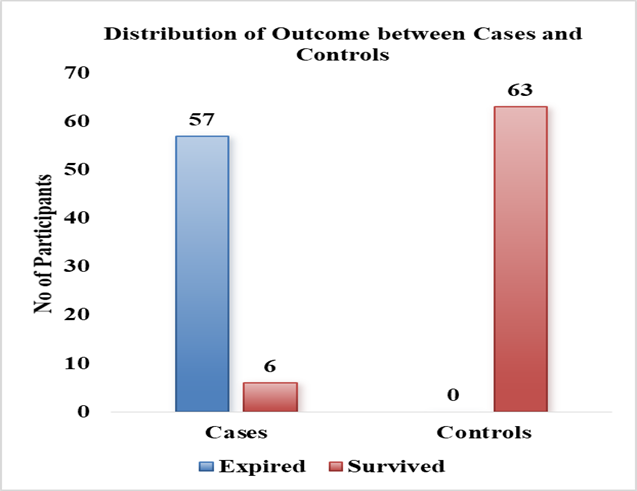
Figure 1: Distribution of Outcome between Cases and Controls.
Clinical outcomes showed a marked difference between groups. Among cases, 90.5% expired and only 9.5% survived, whereas all controls survived with no recorded deaths. Overall, 45.2% of participants died and 54.8% survived. The association between case status and mortality was highly statistically significant (p<0.001), indicating poorer outcomes among sepsis cases.
Table 3: Distribution of Age Group according to Outcome in Cases and Controls
|
|
Expired |
Survived |
|
||||
|
Age group (years) |
Cases (n = 57) n (%) |
Controls (n = 0) n (%) |
Total (n = 57) n (%) |
Cases (n = 6) n (%) |
Controls (n = 63) n (%) |
Total (n = 69) n (%) |
Overall total (N = 126) n (%) |
|
18–30 |
6 (10.5) |
0 (0.0) |
6 (10.5) |
1 (16.7) |
9 (14.3) |
10 (14.5) |
16 (12.7) |
|
31–40 |
10 (17.5) |
0 (0.0) |
10 (17.5) |
1 (16.7) |
9 (14.3) |
10 (14.5) |
20 (15.9) |
|
41–50 |
9 (15.8) |
0 (0.0) |
9 (15.8) |
2 (33.3) |
9 (14.3) |
11 (15.9) |
20 (15.9) |
|
51–60 |
6 (10.5) |
0 (0.0) |
6 (10.5) |
0 (0.0) |
12 (19.0) |
12 (17.4) |
18 (14.3) |
|
61–70 |
8 (14.0) |
0 (0.0) |
8 (14.0) |
1 (16.7) |
12 (19.0) |
13 (18.8) |
21 (16.7) |
|
71–80 |
16 (28.1) |
0 (0.0) |
16 (28.1) |
0 (0.0) |
5 (7.9) |
5 (7.2) |
21 (16.7) |
|
>80 |
2 (3.5) |
0 (0.0) |
2 (3.5) |
1 (16.7) |
7 (11.1) |
8 (11.6) |
10 (7.9) |
|
Total |
57 (100.0) |
0 (0.0) |
57(100) |
6 (100.0) |
63 (100.0) |
69 (100.0) |
126(100.0) |
Among expired cases, the largest proportion belonged to the 71–80 years age group (28.1%), followed by 31–40 years (17.5%) and 41–50 years (15.8%). Survivors showed a broader age distribution, with higher proportions in the 61–70 and 51–60 years groups. However, age-group distribution was not significantly associated with outcomes (χ²=10.44, p=0.107).
Table 4: Correlation Matrix of AEC with qSOFA and SOFA Scores (n = 126)
|
Variable |
AEC |
qSOFA |
SOFA |
|
AEC |
— |
-0.930* |
-0.949* |
|
qSOFA |
-0.930* |
— |
0.972* |
|
SOFA |
-0.949* |
0.972* |
— |
Pearson correlation test; for all comparisons; *p < 0.001
A very strong negative correlation of Absolute Eosinophil Count with both qSOFA and SOFA scores. AEC showed a strong inverse correlation with qSOFA (r = -0.930, p < 0.001) and an even stronger inverse correlation with SOFA (r = -0.949, p < 0.001). In contrast, qSOFA and SOFA were very strongly positively correlated with each other (r = 0.972, p < 0.001). These findings indicate that lower AEC values were associated with higher sepsis severity scores.
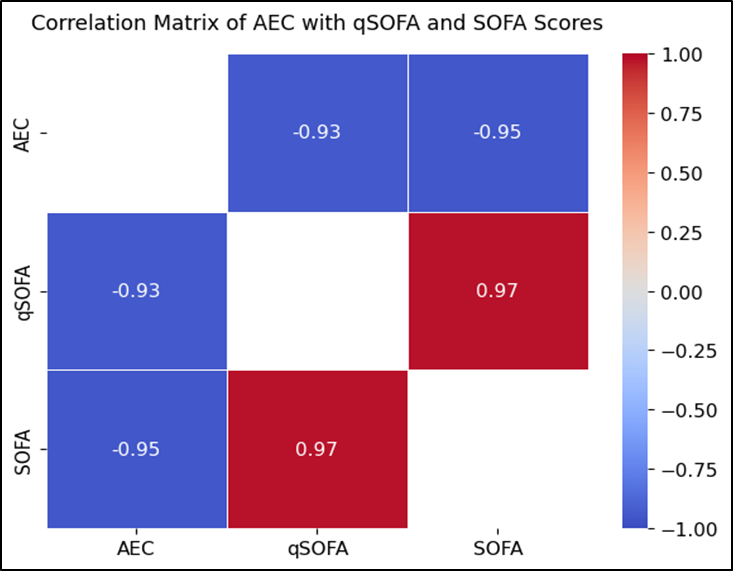
Table 5: Comparison of AEC, qSOFA, and SOFA between Cases and Controls within each Diagnosis
|
Diagnosis |
AEC, Case Mean ± SD |
AEC, Control Mean ± SD |
p-value |
qSOFA, Case Mean ± SD |
qSOFA, Control Mean ± SD |
p-value |
SOFA, Case Mean ± SD |
SOFA, Control Mean ± SD |
p-value |
|
GIT infection |
31.83 ±10.60 |
76.50 ± 7.00 |
<0.001 |
2.67± 0.49 |
0.25 ± 0.50 |
<0.001 |
18.17 ±3.01 |
1.50 ± 1.00 |
<0.001 |
|
Meningitis |
30.00 ±14.14 |
76.29 ±11.16 |
0.002 |
2.50 ± 0.58 |
0.29 ± 0.49 |
<0.001 |
17.50 ± 4.12 |
2.14 ± 1.46 |
0.003 |
|
Pneumonia |
25.33 ±10.77 |
78.73 ± 9.26 |
<0.001 |
2.64 ± 0.49 |
0.03 ± 0.16 |
<0.001 |
18.78 ± 2.84 |
1.54 ± 117 |
<0.001 |
|
Post LSCS |
34.00 |
70.00 |
NA |
3.00 |
0.00 |
NA |
20.00 |
4.00 |
NA |
|
UTI |
19.25 ± 7.25 |
76.80 ± 7.61 |
<0.001 |
2.50 ± 0.54 |
0.00 ± 0.00 |
<0.001 |
18.75 ± 2.8 |
2.00 ± 1.56 |
<0.001 |
|
Wound infection |
31.00 ± 1.41 |
71.75 ± 7.68 |
<0.001 |
2.50 ± 0.71 |
0.00 ± 0.00 |
<0.126 |
17.00 ± 1.41 |
2.00 ± 1.63 |
<0.004 |
Across all diagnostic categories, sepsis cases demonstrated significantly lower Absolute Eosinophil Counts and markedly higher qSOFA and SOFA scores compared with controls. In pneumonia, GIT infections, meningitis, and urinary tract infections, these differences remained statistically significant (p<0.05). Overall, lower AEC and elevated severity scores were consistently associated with sepsis, indicating greater disease severity and poorer clinical status.
DISCUSSION:
The present cross-sectional study evaluated the diagnostic and prognostic role of Absolute Eosinophil Count (AEC) in relation to SOFA and qSOFA scores among 126 adult patients. The findings demonstrated a strong association between eosinopenia, higher severity scores, and adverse clinical outcomes, highlighting AEC as a simple, reliable, and clinically useful biomarker in sepsis. Pneumonia was the most common diagnosis among both cases (57.1%) and controls (58.7%), followed by urinary tract infections. Similar findings were reported by Sharma et al.,5 where respiratory infections predominated among sepsis patients.
Tinoco-Sánchez et al.6 also identified pneumonia as the leading source of infection, particularly among critically ill patients with sepsis. Demonstrated significantly lower AEC and markedly higher qSOFA and SOFA scores among cases compared to controls, indicating greater disease severity. Similar findings were reported by Sharma et al, 5 who observed that lower eosinophil counts were associated with higher severity scores and poorer outcomes. Likewise, Tinoco-Sánchez et al6 reported a significant inverse relationship between AEC and sepsis severity, supporting the diagnostic and prognostic value of eosinopenia in sepsis.
Demonstrated significantly lower AEC and markedly higher qSOFA and SOFA scores among cases compared to controls, indicating greater disease severity. Similar findings were reported by Sharma et al,5 who observed that lower eosinophil counts were associated with higher severity scores and poorer outcomes. Likewise, Tinoco-Sánchez et al.6 reported a significant inverse relationship between AEC and sepsis severity, supporting the diagnostic and prognostic value of eosinopenia in sepsis.
The highest proportion of expired cases belonged to the 71–80 years age group, indicating increased mortality among elderly patients. Similar observations were reported by Sharma et al.,5 who found a greater burden of severe sepsis in older adults. Likewise, Tinoco-Sánchez et al.6 reported that advancing age was associated with increased susceptibility to severe infection and poorer clinical outcomes, although age-group differences were not statistically significant in the present study. Pneumonia accounted for the majority of deaths among cases, reflecting its association with severe sepsis and organ dysfunction. Similar findings were reported by Vincent et al,7 who demonstrated that severe infection with higher SOFA scores was strongly associated with mortality.
Likewise, Loud et al8 reported increased mortality among patients with severe sepsis and advanced organ dysfunction, emphasizing the prognostic significance of disease severity irrespective of the primary diagnosis. Across all diagnostic categories, cases exhibited significantly lower AEC and higher qSOFA and SOFA scores than controls, indicating greater disease severity. Similar findings were reported by Abidi et al, 9 who demonstrated the diagnostic value of eosinopenia in sepsis. Likewise, Lin et al.10 reported that reduced eosinophil counts were consistently associated with severe infection and poorer clinical outcomes across different infectious conditions.
CONCLUSION:
Sepsis severity was strongly associated with eosinopenia, elevated SOFA and qSOFA scores, and increased mortality. Lower AEC values correlated with greater organ dysfunction and adverse outcomes. AEC <50 cells/mm³ was a significant diagnostic marker of sepsis. Integrating AEC with SOFA and qSOFA may improve early diagnosis, prognostic assessment, and clinical decision-making in sepsis management.
REFERENCES:
1. Singer M, Deutschman CS, Seymour CW, Shankar-Hari M, Annane D, Bauer M, Bellomo R, Bernard GR, Chiche JD, Coopersmith CM, Hotchkiss RS, Levy MM, Marshall JC, Martin GS, Opal SM, Rubenfeld GD, van der Poll T, Vincent JL, Angus DC. The Third International Consensus Definitions for Sepsis and Septic Shock (Sepsis-3). JAMA. 2016 Feb 23; 315(8):801-10. doi: 10.1001/jama.2016.0287.
2. World Health Organization. Improving the prevention, diagnosis and clinical management of sepsis. Geneva: World Health Organization; 2023. Available from: https://www.who.int/publications/i/item/9789240074304
3. Bass DA, Gonwa TA, Szejda P, et al. Eosinopenia of acute infection: production of eosinopenia by chemotactic factors of acute inflammation. J Clin Invest 1980; 65(6):1265–1271.
4. Singer M, Deutschman CS, Seymour CW, et al. The Third International Consensus Definitions for Sepsis and Septic Shock (Sepsis-3). JAMA 2016; 315(8): 801–810.
5. Deepti Sharma, Sony Joseph, NarendraFageria, SreedevAravind, Gordhanlal Nagar. The Role of Absolute Eosinophil Count as a Diagnostic and Prognostic Marker for Sepsis and Its Relation with Sequential Organ Failure Assessment/ Quick Sequential Organ Failure Assessment Score. PMID: 38736049, DOI: 10.59556/japi.71.0367
6. Tinoco-Sánchez M, Suárez-Cuenca JA, Rubio-Guerra AF. Usefulness of eosinopenia as prognostic marker of severity in sepsis. Med Int Mex 2017;33(5):572–579
7. Vincent JL, de Mendonça A, Cantraine F, Moreno R, Takala J, Suter PM, Sprung CL, Colardyn F, Blecher S. Use of the SOFA score to assess the incidence of organ dysfunction/failure in intensive care units: results of a multicenter, prospective study. Working group on "sepsis-related problems" of the European Society of Intensive Care Medicine. Crit Care Med. 1998 Nov; 26(11):1793-800.
8. Mohamed Laimoud, Mosleh Alanazi. PMID: 32963830. The Validity of SOFA Score to Predict Mortality in Adult Patients with Cardiogenic Shock on Venoarterial Extracorporeal Membrane Oxygenation. PMCID: PMC7495164. DOI: 10.1155/2020/3129864.
9. Khalid Abidi, IbtissamKhoudri, JihaneBelayachi, NaoufelMadani, AichaZekraoui, Amine Ali Zeggwagh, Redouane Abouqal. Eosinopenia is a reliable marker of sepsis on admission to medical intensive care units. PMID: 18435836. PMCID: PMC2447615
10. Yao Lin, JiabingRong, Zhaocai Zhang Silent existence of eosinopenia in sepsis: a systematic review and meta-analysis. PMCID: PMC8142617. PMID: 34030641.