HEALTH-RELATED QUALITY OF LIFE AND ITS ASSOCIATION WITH DEPRESSION, ANXIETY, AND STRESS AMONG PATIENTS WITH DIABETES ATTENDING A DIABETIC CLINIC IN KOLKATA, WEST BENGAL.
- KATHIKA PATTANAYAK , PHD SCHOLAR, LNCT UNIVERSITY, PROFESSOR, COLLEGE AND SCHOOL OF NURSING, R.N.TAGORE HOSPITAL, A UNIT OF ASIA HEART FOUNDATION, UKILA2, PAIKPARA, NARENDRAPUR, KOLKATA 700103, WB.
- T JAYAKUMAR2. , M.SC N PH.D PRINCIPAL ,LN NURSING SCHOOL, LNCT UNIVERSITY, JK HOSPITAL CAMPUS, SARVADHARMA C SECTOR, KOLAR ROAD, BHOPAL.
Article Information:
Abstract:
Background: Diabetes mellitus is a chronic metabolic disorder that significantly affects physical health, psychological well-being, and overall quality of life. Besides the burden of glycaemic control and diabetes-related complications, patients with diabetes frequently experience psychological distress, including depression, anxiety, and stress, which may further impair their health-related quality of life (HRQoL QOLID). Understanding the relationship between psychological factors and HRQoL is essential for comprehensive diabetes management. Aims: To assess health-related quality of life (QOLID) among patients with diabetes mellitus and evaluate its association with depression, anxiety, and stress. Materials and Methods: The present hospital-based observational cross-sectional study was conducted among 450 patients diagnosed with diabetes mellitus attending the diabetic clinics of selected hospitals in Kolkata, West Bengal. The study was carried out over a period of 24 months, with the objective of assessing health-related quality of life and evaluating its association with depression, anxiety, and stress among diabetic patients. Results: Among the participants with normal depression, 2 patients (2.0%) had poor quality of life, 10 patients (6.5%) had moderate quality of life, and 32 patients (16.5%) had good quality of life. Among the participants with mild depression, 20 patients (19.6%) had poor quality of life, 38 patients (24.7%) had moderate quality of life, and 32 patients (16.5%) had good quality of life. Among the participants with moderate depression, 66 patients (64.7%) had poor quality of life, 87 patients (56.5%) had moderate quality of life, and 103 patients (53.1%) had good quality of life. Among the participants with severe depression, 13 patients (12.7%) had poor quality of life, 16 patients (10.4%) had moderate quality of life, and 24 patients (12.4%) had good quality of life. Among the participants with extremely severe depression, 1 patient (1.0%) had poor quality of life, 3 patients (1.9%) had moderate quality of life, and 3 patients (1.5%) had good quality of life. There was a statistically significant association between depression level and quality of life (p = 0.004). Conclusion: Depression, anxiety, and stress represent important determinants of health-related quality of life among individuals with diabetes mellitus. Early identification and management of psychological distress should be integrated into routine diabetes care to improve patient outcomes and overall well-being.
Keywords:
Article :
INTRODUCTION:
Diabetes mellitus (DM) is one of the most prevalent chronic metabolic disorders worldwide and represents a major public health challenge due to its increasing incidence, long-term complications, and impact on patient well-being. It is characterized by persistent hyperglycaemia resulting from impaired insulin secretion, insulin resistance, or a combination of both mechanisms.
According to the International Diabetes Federation (IDF), the global burden of diabetes has continued to rise, with millions of individuals affected across different age groups and socioeconomic backgrounds.
The increasing prevalence of diabetes is associated not only with medical complications but also with significant social, psychological, and economic consequences. Diabetes management requires lifelong adherence to medication, dietary modifications, lifestyle changes, and regular monitoring, which may influence the overall quality of life of affected individuals [1].
Health-related quality of life (HRQoL QOLID) has emerged as an important patient-centred outcome in the evaluation of chronic diseases, including diabetes mellitus. Unlike traditional clinical indicators such as blood glucose levels and HbA1c, HRQoL provides a broader assessment of the physical, psychological, and social effects of disease on daily functioning.
Diabetes may negatively affect multiple domains of quality of life through symptoms of hyperglycaemia, treatment-related burden, fear of complications, and limitations in physical activities. The presence of chronic complications such as diabetic neuropathy, retinopathy, nephropathy, and cardiovascular disease further contributes to deterioration in HRQoL.
The World Health Organization emphasizes that health should be evaluated not merely by the absence of disease but by the overall physical, mental, and social well-being of an individual [2].
Psychological distress is increasingly recognized as a significant component of diabetes care. Patients with diabetes frequently experience emotional challenges related to the continuous demands of disease management, uncertainty regarding future complications, and lifestyle restrictions. Depression is one of the most commonly reported psychiatric comorbidities among individuals with diabetes.
The coexistence of depression and diabetes is associated with poorer glycaemic control, reduced adherence to treatment, increased risk of complications, and impaired quality of life. A meta-analysis by Anderson et al. demonstrated that depression is substantially more common among patients with diabetes compared with individuals without diabetes, highlighting the need for routine psychological assessment in diabetic care settings [3].
Anxiety is another important psychological factor affecting individuals with diabetes. Patients may experience anxiety related to blood glucose fluctuations, insulin injections, hypoglycaemic episodes, and fear of long-term complications.
Persistent anxiety can negatively influence self-care behaviours and contribute to reduced treatment compliance. Similarly, stress associated with the daily challenges of diabetes management may result in emotional exhaustion, reduced motivation, and difficulty maintaining recommended lifestyle modifications. Chronic psychological stress may also influence metabolic control through neuroendocrine pathways, thereby worsening diabetes outcomes [4].
The relationship between psychological distress and HRQoL (QOLID) in diabetes is complex and bidirectional. Poor glycaemic control and diabetes-related complications may increase psychological distress, while depression, anxiety, and stress may negatively affect self-management practices and worsen disease progression.
Therefore, assessing psychological factors alongside clinical parameters is essential for understanding the overall burden of diabetes. Studies have demonstrated that higher levels of depression, anxiety, and stress are associated with lower HRQoL scores among patients with diabetes, emphasizing the importance of integrated biopsychosocial approaches in diabetes management [5].
Several instruments have been developed to assess HRQoL and psychological symptoms among patients with chronic diseases. Generic HRQoL tools such as the Short Form-36 (SF-36) and WHO Quality of Life-BREF (WHOQOL-BREF) evaluate physical, psychological, and social domains of health.
The Depression Anxiety Stress Scale-21 (DASS-21) is a widely used validated instrument for measuring symptoms of depression, anxiety, and stress. The combined assessment of HRQoL and psychological distress using standardized tools provides valuable information regarding the overall impact of diabetes on patients’ lives and helps identify individuals requiring psychological intervention [6].
With the growing burden of diabetes mellitus, improving patient-centred outcomes has become an essential component of comprehensive diabetes care. Early recognition of depression, anxiety, and stress may allow timely psychological support, counselling, and behavioural interventions, which can potentially improve treatment adherence and quality of life.
Healthcare providers should consider psychological screening as part of routine diabetes management, particularly among patients with poor glycaemic control, long disease duration, or diabetes-related complications [7].
Therefore, the present study aims to assess health-related quality of life among patients with diabetes mellitus and evaluate its association with depression, anxiety, and stress. Understanding these relationships may contribute to the development of effective multidisciplinary strategies focusing not only on metabolic control but also on improving psychological health and overall quality of life among individuals living with diabetes [8].
The aim of the present study is to assess health-related quality of life among patients with diabetes mellitus and to evaluate its association with depression, anxiety, and stress. The objectives are to determine the extent of impairment in health-related quality of life, assess the levels of depression, anxiety, and stress among diabetic patients, and analyze the relationship between psychological distress and quality of life outcomes.
MATERIALS AND METHODS:
Study Design: A hospital-based observational cross-sectional study.
Study Place: Diabetic clinic of selected hospitals in Kolkata, West Bengal.
Study Duration: The study was conducted over a period of 24 months.
Study Population: Patients diagnosed with diabetes mellitus attending the diabetic clinic of selected hospitals in Kolkata, West Bengal.
Sample Size: 450 patients
Study variables:
• Sociodemographic Characteristics of Study Participants
• Distribution of Residence
• Association between Tool 3 (DASS-21)Stress Group * Tool- 2 Total Quality of life (QoL) Group
• Association between Tool3 (DASS-21) Anxiety Group * Tool- 2 Total Quality of life (QoL) Group
• Association between Tool3 (DASS-21) Depression Group * Tool- 2 Total Quality of life (QoL) Group
Inclusion Criteria:
Patients aged ≥18 years with a confirmed diagnosis of diabetes mellitus, attending the diabetic clinic during the study period, and willing to participate by providing written informed consent was included.
Exclusion Criteria:
Patients with severe psychiatric illness diagnosed before diabetes, cognitive impairment affecting the ability to respond to questionnaires, critically ill patients, patients with severe acute complications requiring emergency care, and those unwilling to participate was excluded.
Statistical Analysis:
For statistical analysis data were entered into a Microsoft excel spreadsheet and then analyzed by SPSS (version 27.0; SPSS Inc., Chicago, IL, USA) and GraphPad Prism version 5. Data had been summarized as mean and standard deviation for numerical variables and count and percentages for categorical variables.
Two-sample t-tests for a difference in mean involved independent samples or unpaired samples. Paired t-tests were a form of blocking and had greater power than unpaired tests. A chi-squared test (χ2 test) was any statistical hypothesis test wherein the sampling distribution of the test statistic is a chi-squared distribution when the null hypothesis is true. Without other qualification, 'chi-squared test' often is used as short for Pearson's chi-squared test. Unpaired proportions were compared by Chi-square test or Fischer’s exact test, as appropriate.
Explicit expressions that can be used to carry out various t-tests are given below. In each case, the formula for a test statistic that either exactly follows or closely approximates a t-distribution under the null hypothesis is given. Also, the appropriate degrees of freedom are given in each case. Each of these statistics can be used to carry out either a one-tailed test or a two-tailed test.
Once a t value is determined, a p-value can be found using a table of values from Student's t-distribution .If the calculated p-value is below the threshold chosen for statistical significance (usually the 0.10, the 0.05, or 0.01 level), then the null hypothesis is rejected in favour of the alternative hypothesis.
P-value ≤ 0.05 was considered for statistically significant.
RESULTS:
Table1: Sociodemographic Characteristics of Study Participants (N=450)
|
Variable |
Category |
Frequency |
Percent |
|
Age group (years) |
≤20 |
3 |
0.7 |
|
21–30 |
9 |
2 |
|
|
31–40 |
20 |
4.4 |
|
|
41–50 |
102 |
22.7 |
|
|
51–60 |
121 |
26.9 |
|
|
61–70 |
118 |
26.2 |
|
|
71–80 |
58 |
12.9 |
|
|
81–90 |
19 |
4.2 |
|
|
Total |
450 |
100 |
|
|
Sex |
Female |
213 |
47.3 |
|
Male |
237 |
52.7 |
|
|
Total |
450 |
100 |
|
|
Marital status |
Divorced |
11 |
2.4 |
|
Married |
382 |
84.9 |
|
|
Unmarried |
23 |
5.1 |
|
|
Widow |
34 |
7.6 |
|
|
Total |
450 |
100 |
Table 2: Distribution of Residence
|
|
Frequency |
Percent |
|
|
Residence |
Rural |
106 |
23.6 |
|
Urban |
344 |
76.4 |
|
|
Total |
450 |
100.0 |
|
Table 3: Association between Tool 3 (DASS-21)Stress Group * Tool- 2 Total Quality of life (QoL, QOLID) Group
|
Stress Level (DASS-21) |
Poor QoL n (%) |
Moderate QoL n (%) |
Good QoL n (%) |
Total n (%) |
p-value |
|
Normal |
11 (10.8) |
10 (6.5) |
63 (32.5) |
84 (18.7) |
<0.0001 |
|
Mild |
45 (44.1) |
70 (45.5) |
61 (31.4) |
176 (39.1) |
|
|
Moderate |
40 (39.2) |
57 (37.0) |
62 (32.0) |
159 (35.3) |
|
|
Severe |
5 (4.9) |
17 (11.0) |
8 (4.1) |
30 (6.7) |
|
|
Extremely severe |
1 (1.0) |
0 (0.0) |
0 (0.0) |
1 (0.2) |
|
|
Total |
102 (100.0) |
154 (100.0) |
194 (100.0) |
450 (100.0) |
Table 4: Association between Tool3 (DASS-21) Anxiety Group * Tool- 2 Total Quality of life (QoL, QOLID) Group
|
Anxiety Level (DASS-21) |
Poor QoL n (%) |
Moderate QoL n (%) |
Good QoL n (%) |
Total n (%) |
p-value |
|
Normal |
0 (0.0) |
3 (1.9) |
10 (5.2) |
13 (2.9) |
<0.0001 |
|
Mild |
0 (0.0) |
0 (0.0) |
8 (4.1) |
8 (1.8) |
|
|
Moderate |
16 (15.7) |
42 (27.3) |
52 (26.8) |
110 (24.4) |
|
|
Severe |
36 (35.3) |
61 (39.6) |
54 (27.8) |
151 (33.6) |
|
|
Extremely severe |
50 (49.0) |
48 (31.2) |
70 (36.1) |
168 (37.3) |
|
|
Total |
102 (100.0) |
154 (100.0) |
194 (100.0) |
450 (100.0) |
Table 5 : Association between Tool3 (DASS-21) Depression Group * Tool- 2 Total Quality of life (QoL, QOLID) Group
|
Depression Level (DASS-21) |
Poor QoL n (%) |
Moderate QoL n (%) |
Good QoL n (%) |
Total n (%) |
p-value |
|
Normal |
2 (2.0) |
10 (6.5) |
32 (16.5) |
44 (9.8) |
0.004 |
|
Mild |
20 (19.6) |
38 (24.7) |
32 (16.5) |
90 (20.0) |
|
|
Moderate |
66 (64.7) |
87 (56.5) |
103 (53.1) |
256 (56.9) |
|
|
Severe |
13 (12.7) |
16 (10.4) |
24 (12.4) |
53 (11.8) |
|
|
Extremely severe |
1 (1.0) |
3 (1.9) |
3 (1.5) |
7 (1.6) |
|
|
Total |
102 (100.0) |
154 (100.0) |
194 (100.0) |
450 (100.0) |
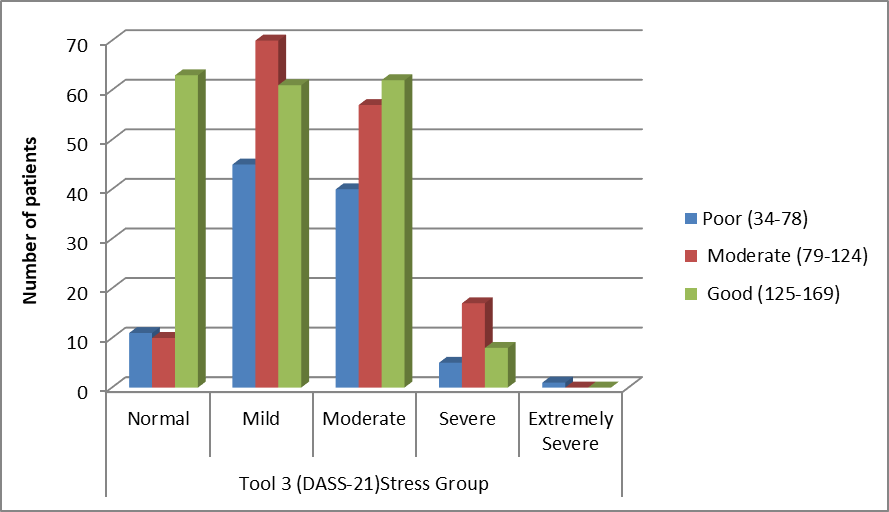
Figure 1: Association between Tool 3 (DASS-21)Stress Group * Tool- 2 Total Quality of life (QoL, QOLID) Group
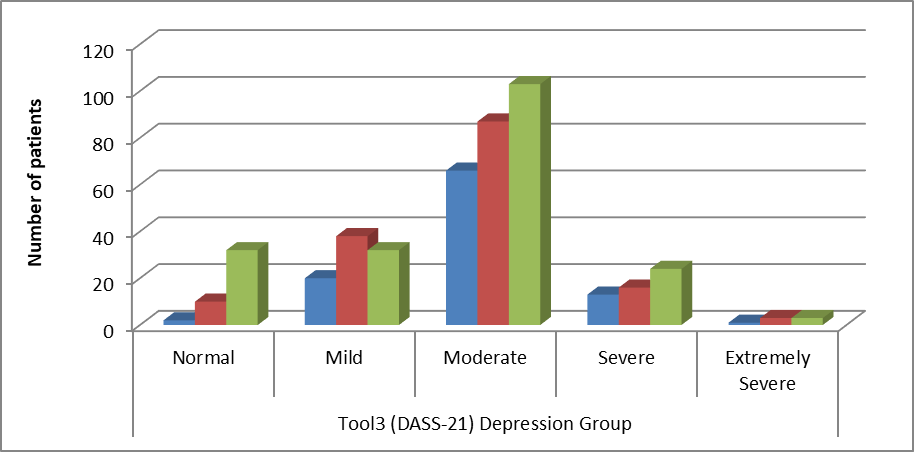
Figure 2: Association between Tool3 (DASS-21) Depression Group * Tool- 2 Total Quality of life (QoL) Group
A total of 450 diabetic patients were included in the study. The age-wise distribution showed that the highest proportion of participants belonged to the 51–60 years age group (26.9%, n=121), closely followed by the 61–70 years age group (26.2%, n=118). The 41–50 years age group accounted for 22.7% (n=102) of the study population. Participants aged 71–80 years constituted 12.9% (n=58), while 4.2% (n=19) were in the 81–90 years age group. A smaller proportion of patients were in younger age groups, with 4.4% (n=20) in 31–40 years, 2.0% (n=9) in 21–30 years, and only 0.7% (n=3) in ≤20 years. It was statistically significant (p < 0.001). A total of 450 diabetic patients were included in the study. The sex distribution showed a slight male predominance. Males accounted for 52.7% (n=237) of the study population, while females constituted 47.3% (n=213). It was statistically significant (p = 0.110). A total of 450 diabetic patients were included in the study. The majority of participants were married, accounting for 84.9% (n=382) of the study population. Widowed participants constituted 7.6% (n=34), while 5.1% (n=23) were unmarried. A small proportion of patients were divorced, representing 2.4% (n=11). It was statistically significant (p < 0.001).
A total of 450 diabetic patients were included in the study. The majority of participants were from urban areas, accounting for 76.4% (n=344) of the study population, while 23.6% (n=106) were from rural areas. It was statistically significant (p < 0.001).
Among the participants with normal stress, 11 patients (10.8%) had poor quality of life, 10 patients (6.5%) had moderate quality of life, and 63 patients (32.5%) had good quality of life. Among the participants with mild stress, 45 patients (44.1%) had poor quality of life, 70 patients (45.5%) had moderate quality of life, and 61 patients (31.4%) had good quality of life. Among the participants with moderate stress, 40 patients (39.2%) had poor quality of life, 57 patients (37.0%) had moderate quality of life, and 62 patients (32.0%) had good quality of life. Among the participants with severe stress, 5 patients (4.9%) had poor quality of life, 17 patients (11.0%) had moderate quality of life, and 8 patients (4.1%) had good quality of life. Among the participants with extremely severe stress, 1 patient (1.0%) had poor quality of life, while none had moderate or good quality of life. There was a statistically significant association between stress level and quality of life (p < 0.0001).
Among the participants with normal anxiety, 3 patients (1.9%) had moderate quality of life, and 10 patients (5.2%) had good quality of life. Among the participants with mild anxiety, 8 patients (4.1%) had good quality of life. Among the participants with moderate anxiety, 16 patients (15.7%) had poor quality of life, 42 patients (27.3%) had moderate quality of life, and 52 patients (26.8%) had good quality of life. Among the participants with severe anxiety, 36 patients (35.3%) had poor quality of life, 61 patients (39.6%) had moderate quality of life, and 54 patients (27.8%) had good quality of life. Among the participants with extremely severe anxiety, 50 patients (49.0%) had poor quality of life, 48 patients (31.2%) had moderate quality of life, and 70 patients (36.1%) had good quality of life. There was a statistically significant association between anxiety level and quality of life (p < 0.0001).
Among the participants with normal depression, 2 patients (2.0%) had poor quality of life, 10 patients (6.5%) had moderate quality of life, and 32 patients (16.5%) had good quality of life. Among the participants with mild depression, 20 patients (19.6%) had poor quality of life, 38 patients (24.7%) had moderate quality of life, and 32 patients (16.5%) had good quality of life. Among the participants with moderate depression, 66 patients (64.7%) had poor quality of life, 87 patients (56.5%) had moderate quality of life, and 103 patients (53.1%) had good quality of life. Among the participants with severe depression, 13 patients (12.7%) had poor quality of life, 16 patients (10.4%) had moderate quality of life, and 24 patients (12.4%) had good quality of life. Among the participants with extremely severe depression, 1 patient (1.0%) had poor quality of life, 3 patients (1.9%) had moderate quality of life, and 3 patients (1.5%) had good quality of life. There was a statistically significant association between depression level and quality of life (p = 0.004).
DISCUSSION:
The present hospital-based observational cross-sectional study evaluated health-related quality of life (HRQoL) and its association with depression, anxiety, and stress among 450 patients with diabetes mellitus attending diabetic clinics of selected hospitals in Kolkata, West Bengal. Diabetes mellitus is a chronic metabolic disorder that affects not only physical health but also psychological well-being and social functioning. The present study highlights the significant influence of psychological distress on quality of life among diabetic patients, emphasizing the importance of integrating mental health assessment into routine diabetes care.
In the present study, the majority of participants belonged to the older age groups, with the highest proportion observed in the 51–60 years age group (26.9%), followed by 61–70 years (26.2%) and 41–50 years (22.7%). The predominance of middle-aged and elderly individuals reflects the increased prevalence of diabetes with advancing age. Similar findings were reported by Asrie AB et al [9] .
who observed that diabetes was more common among older adults and that increasing age was associated with reduced physical functioning and poorer quality of life due to longer disease duration and higher prevalence of complications Similarly, DALY AM et al [10] reported that age, duration of diabetes, and diabetes-related complications significantly influence quality of life among individuals with diabetes mellitus [2].
The present study showed a slight male predominance, with males comprising 52.7% of participants and females 47.3%. Similar gender distribution was reported by Setiyaningrum A et al [11] who found a higher proportion of male participants in diabetic populations and demonstrated that gender differences may influence diabetes-related quality of life through variations in social roles, healthcare-seeking behaviour, and psychological responses to disease burden [3]. However, some studies have reported poorer quality of life among females, possibly due to increased psychological vulnerability and greater perceived disease burden.
Regarding marital status, the majority of participants in the present study were married (84.9%). Marriage and family support may play an important role in improving medication adherence, lifestyle modification, and emotional coping among diabetic patients. Fadli F et al. [12]. reported that social support and family involvement were associated with better diabetes self-management and improved quality of life The present study also observed a higher proportion of participants from urban areas (76.4%), which may reflect better accessibility to healthcare facilities and diabetic clinics in urban settings.
The present study demonstrated a statistically significant association between stress level assessed by DASS-21 and quality of life (p < 0.0001). Patients with higher stress levels showed poorer quality of life, indicating that psychological stress significantly affects diabetes-related well-being. Similar findings were reported by Sant’Andrea AO et al., [13]. who demonstrated that diabetes-related emotional distress was strongly associated with impaired quality of life and poorer metabolic outcomes Chronic stress among diabetic patients may interfere with self-care behaviours, dietary adherence, physical activity, and glycaemic control, thereby contributing to reduced quality of life.
A significant association was also observed between anxiety levels and quality of life in the present study (p < 0.0001). Participants with severe and extremely severe anxiety demonstrated a greater proportion of poor quality of life. These findings are consistent with the study by Farokhi R et al., [14]. who reported a high prevalence of anxiety symptoms among patients with diabetes and found that anxiety negatively affected daily functioning and overall quality of life Anxiety related to hypoglycaemia, insulin therapy, diabetes complications, and disease progression may contribute to emotional burden and reduced participation in normal activities.
The present study also identified a significant association between depression and quality of life among diabetic patients (p = 0.004). Patients with moderate to severe depression showed a greater proportion of poor quality of life. Similar observations were reported by Brooks BM et al., [15]. who demonstrated that depression is approximately twice as common among patients with diabetes compared with the general population and is associated with impaired diabetes management and reduced quality of life Depression may negatively influence motivation, treatment adherence, self-care practices, and perception of health status, thereby worsening overall outcomes.
The findings of the present study are further supported by Derese A et al [16]. who conducted a systematic review and meta-analysis and reported that depression among patients with type 2 diabetes was associated with poorer quality of life and increased disease burden The authors emphasized the need for routine screening and management of psychological disorders as part of comprehensive diabetes care.
CONCLUSION:
The present study demonstrated that diabetes mellitus significantly affects the overall health-related quality of life of patients, with psychological factors such as depression, anxiety, and stress playing an important role in determining patient well-being. A significant association was observed between levels of stress, anxiety, and depression with quality of life, indicating that increased psychological distress is associated with poorer quality of life outcomes among diabetic patients.
The findings highlight the importance of adopting a comprehensive diabetes management approach that includes not only glycaemic control and prevention of complications but also regular psychological assessment and appropriate mental health interventions. Early identification and management of depression, anxiety, and stress may improve self-care practices, treatment adherence, and overall quality of life among individuals living with diabetes mellitus.
REFERENCES:
1. Rooney MR, He JH, Salpea P, Genitsaridi I, Magliano DJ, Boyko EJ, Wallace AS, Fang M, Selvin E. Global and regional prediabetes prevalence: Updates for 2024 and projections for 2050. Diabetes Care. 2025 Nov 1;48(11):e142-4.
2. Tajani BB, Maka VV, Nair AS. The significance of WHOQOL-BREF for patient who admitted in the Medical Oncology Ward. African Journal of Biomedical Research. 2025 May 2;28.
3. Yoshimura R, Watanabe C. Comorbidity of major depression and type 2 diabetes mellitus: Epidemiology, pathophysiology, and treatment approaches. Journal of UOEH. 2025 Jun 1;47(2):95-103.
4. Iman A, Bashir M, Zareen SJ. Unraveling the Link Between Diabetes Distress and Generalized Anxiety Disorder: A Prospective Study on Psychological and Metabolic Outcome. The Critical Review of Social Sciences Studies. 2025 Jun 25;3(2):3072-85.
5. Erika E, Agussamad I, Tahan T. The Effect of Mindfulness-Based Stress Reduction (MBSR) on Emotion Regulation among Older Adults with Type 2 Diabetes Mellitus in Bangun Rejo Village, 2025. Oshada. 2025 Dec 31;2(6):215-9.
6. Bruce P, Balan S, Chavada VK, Boratne AV, Bobhate P. Assessment of reliability and validity of the depression anxiety stress scale questionnaire among 6th, 7th, and 8th standard selected school students in selected schools at Kanyakumari district. Journal of Family Medicine and Primary Care. 2025 Oct 1;14(10):4396-9.
7. Fisher L, Guzman S, Polonsky WH, Strycker L, Greenberg K, Hessler DM. How does addressing diabetes distress lead to positive glycemic change? Results from the EMBARK trial. Patient Education and Counseling. 2025 Jun 23:108748.
8. Wulandari N, Lamuri A, van Hasselt F, Feenstra T, Taxis K. The burden of depression among patients with type 2 diabetes: an umbrella review of systematic reviews. Journal of Diabetes and its Complications. 2025 May 1;39(5):109004.
9. Asrie AB, Belete TM, Misker MF, Beyna AT, Ayele HS, Tekle KG, Milikit YZ, Andargie EA, Afework HT, Lenjiso YG, Legese GL. Assessment of glycemic control, health-related quality of life, and associated factors in type 2 diabetic patients attending a comprehensive specialized hospital in Northwest Ethiopia. Plos one. 2025 Sep 18;20(9):e0332628.
10. DALY AM, BROWN-MYRIE EU, RUSSELL MG, WATSON E. The Impact of Diabetes mellitus on Quality of Life. Journal of Arts Science and Technology. 2025 Sep 1:147.
11. Setiyaningrum A, Solikhah S. Psychometric Evaluation of the EQ-5D-5L in Indonesia Patients with Type 2 Diabetes Mellitus. Media Publikasi Promosi Kesehatan Indonesia (MPPKI). 2025 Nov 4;8(11):1450-63.
12. Fadli F, Nursalam N, Sjattar EL, Uly N. Improving self-care, HbA1c control, and quality of life in type 2 diabetes: a self-regulation intervention based on the individual and family self-management theory. Frontiers in Clinical Diabetes and Healthcare. 2025;6:1712334.
13. Sant’Andrea AO. Emotional Dynamics of Persons with Type 2 Diabetes and Their Potential Role in Treatment Adherence: Insights from a Clinical Psychodynamic Perspective.
14. Farokhi R, Rezaei F, Afrashteh S, Adham D, Matin S, Abbasgholizadeh N, Abbasi-Ghahramanloo A. Latent class analysis for quality of life status, sleep quality and anxiety in patients with type 2 diabetes. BMC Endocrine Disorders. 2025 Jun 9;25(1):146.
15. Brooks BM, Nettles AM, Brooks BM. Diabetes psychiatry: the missing piece of the puzzle to prevent complications of the diabetes pandemic. Psychoactives. 2025 May 14;4(2):13.
16. Derese A, Sirgu S, Gebreegziabhere Y, Hanlon C. Mechanisms and Pathways Linking Depression and Type 2 Diabetes Outcomes: A Scoping Review. Journal of diabetes research. 2025;2025(1):5590413.