ASSESSING THE PREVALENCE AND ASSOCIATED RISK FACTORS OF OVERWEIGHT AND OBESITY AMONG SCHOOL-GOING CHILDREN OF AGE GROUP 10–15 YEARS OF CUTTACK CITY, ODISHA, INDIA: A CROSS-SECTIONAL STUDY.
- Lipika Nayak , Assistant Professor, Department of Paediatrics, SVPPGIP, SCB Medical College, Cuttack, Odisha, India
- Jatadhari Mahar , Associate Professor, Department of Pediatrics, SVPPGIP, SCB Medical College Cuttack, Odisha, India.
- Subhakankshi Barik , Assistant Professor, Department of Paediatrics, SVPPGIP, SCB Medical College Cuttack, Odisha, India.
- Avinandan Senapati , Post PG SR, Department of Paediatrics, SVPPGIP,SCB Medical College, Cuttack, Odisha, India.
Article Information:
Abstract:
Background: Childhood overweight and obesity have become major public health concerns worldwide due to rapid urbanization, unhealthy dietary habits, reduced physical activity, and increasing sedentary lifestyles. Excess body weight during childhood predisposes individuals to early-onset hypertension, type 2 diabetes mellitus, dyslipidaemia, cardiovascular diseases, musculoskeletal disorders, and psychological problems. India has witnessed a substantial rise in childhood obesity over the past decade, particularly in urban areas. Early identification of overweight and obesity and associated modifiable risk factors is essential for developing effective school-based preventive strategies. Aim: To assess the prevalence and associated risk factors of overweight and obesity among school-going children aged 10–15 years in Cuttack City, Odisha. Materials and Methods: A cross-sectional study was conducted among 540 school-going children aged 10–15 years from different schools in Cuttack district, Odisha, over a period of two years. Sociodemographic characteristics, dietary habits, physical activity, screen time, sleep duration, parental obesity, and family history were collected using a structured questionnaire. Height and weight were measured using standardized techniques, and Body Mass Index (BMI)-for-age was classified according to the World Health Organization (WHO) growth reference. Statistical analysis was performed using SPSS version 26.0. Continuous variables were expressed as mean ± standard deviation, while categorical variables were presented as frequency and percentage. Chi-square test and multivariable logistic regression were used to determine associations between risk factors and overweight/obesity. A p-value <0.05 was considered statistically significant. Results: Among 540 participants, the prevalence of overweight and obesity was 16.3% and 8.5%, respectively. Higher prevalence was observed among children studying in private schools, those consuming fast food more than three times weekly, engaging in screen time exceeding two hours per day, having inadequate physical activity, shorter sleep duration, and a positive family history of obesity (p<0.05). Multivariable logistic regression identified physical inactivity, excessive screen time, frequent fast-food consumption, and parental obesity as independent predictors of overweight and obesity. Conclusion: The prevalence of overweight and obesity among school-going children in Cuttack City is considerable and is significantly associated with modifiable lifestyle factors. School-based health education, promotion of healthy dietary practices, encouragement of regular physical activity, and parental awareness programmes are recommended to reduce the burden of childhood obesity.
Keywords:
Article :
INTRODUCTION:
Childhood overweight and obesity have emerged as major public health challenges across both developed and developing countries. The increasing prevalence of excess body weight among children has become a matter of global concern because of its association with numerous metabolic, cardiovascular, endocrine, orthopedic, and psychological complications that frequently persist into adulthood.[1] According to the World Health Organization (WHO), childhood obesity is one of the most serious public health problems of the twenty-first century, affecting millions of children worldwide irrespective of socioeconomic status.[2]
Overweight and obesity result from a chronic imbalance between energy intake and energy expenditure. Rapid urbanization, nutritional transition, increasing consumption of calorie-dense processed foods, declining physical activity, prolonged screen exposure, and sedentary lifestyles have substantially contributed to the rising prevalence of childhood obesity.[3] Environmental, genetic, behavioural, and socioeconomic factors also play important roles in determining body weight among children.
India is currently experiencing a dual burden of malnutrition, where undernutrition coexists with an increasing prevalence of overweight and obesity among children and adolescents.[4] Urban school-going children are particularly vulnerable because of easy access to fast foods, reduced outdoor activities, academic stress, and increasing dependence on digital devices. Recent epidemiological studies have demonstrated a steady rise in childhood obesity across metropolitan as well as tier-two cities of India.
Childhood obesity is associated with several immediate and long-term health consequences, including hypertension, insulin resistance, dyslipidaemia, type 2 diabetes mellitus, non-alcoholic fatty liver disease, obstructive sleep apnoea, musculoskeletal disorders, and reduced quality of life.[5] Furthermore, obese children have a significantly higher probability of remaining obese during adulthood, thereby increasing the lifetime risk of cardiovascular disease and premature mortality.
Several modifiable risk factors have been consistently associated with childhood overweight and obesity. These include unhealthy dietary practices such as frequent consumption of energy-dense fast foods, sugar-sweetened beverages, inadequate intake of fruits and vegetables, prolonged television viewing and screen time, physical inactivity, insufficient sleep, and parental obesity.[6] School environment, socioeconomic status, and educational level of parents may further influence dietary behaviour and physical activity patterns among children.
Schools provide an ideal platform for early identification of overweight and obesity and implementation of preventive interventions because children spend a substantial proportion of their daily time in educational institutions. Regular anthropometric screening, nutrition education, promotion of physical activity, and behavioural counselling can significantly contribute to reducing obesity-related health risks among school-aged children.[7]
Although several studies have reported the prevalence of childhood obesity from different parts of India, regional variations exist because of differences in dietary habits, lifestyle, socioeconomic conditions, and urbanization. Limited published data are available regarding the burden of overweight and obesity among school-going children in Cuttack City, Odisha. Estimating the local prevalence and identifying associated risk factors are essential for planning targeted preventive strategies and public health interventions.
Therefore, the present study was undertaken to assess the prevalence of overweight and obesity and identify the associated risk factors among school-going children aged 10–15 years studying in different schools of Cuttack district, Odisha.
MATERIALS AND METHODS:
Study Design
A school-based cross-sectional analytical study.
Study Setting
The study was conducted in selected government and private schools located in Cuttack district, Odisha, India.
Study Duration
The study was conducted over a period of 2 years (January 2024 to December 2025).
Study Population
School-going children aged 10–15 years studying in selected schools of Cuttack district.
Sample Size
The study included 540 school-going children.
Sampling Technique
A multistage random sampling technique was employed.
In the first stage, government and private schools were selected randomly from different zones of Cuttack district.
In the second stage, eligible students aged 10–15 years were selected using simple random sampling from the attendance registers of the selected schools.
Inclusion Criteria
· School-going children aged 10–15 years.
· Students enrolled in selected government and private schools.
· Students present on the day of data collection.
· Students whose parents/guardians provided written informed consent.
· Children who provided assent to participate in the study.
Exclusion Criteria
· Children with chronic systemic illnesses affecting growth.
· Children with endocrine disorders associated with obesity.
· Children receiving long-term corticosteroids or other medications affecting body weight.
· Children with physical disabilities preventing anthropometric assessment.
· Children with incomplete questionnaire responses.
Data Collection
Prior permission was obtained from the school authorities before commencement of the study.
A predesigned, pretested, semi-structured questionnaire was administered to collect information regarding:
· Age
· Gender
· Type of school
· Residence
· Socioeconomic status
· Dietary habits
· Frequency of fast-food consumption
· Consumption of sugar-sweetened beverages
· Daily fruit and vegetable intake
· Physical activity
· Outdoor play duration
· Daily screen time
· Sleep duration
· Family history of obesity
· Parental educational status
· Parental occupation
Whenever required, information was verified with parents through structured questionnaires.
Anthropometric Measurements
Anthropometric measurements were obtained according to the World Health Organization (WHO) standard procedures.
Height
Height was measured using a portable stadiometer with the child standing erect without footwear. Measurements were recorded to the nearest 0.1 cm.
Weight
Weight was measured using a calibrated digital weighing machine with participants wearing light clothing and no footwear. Measurements were recorded to the nearest 0.1 kg.
Body Mass Index (BMI)
Body Mass Index (BMI) was calculated using the formula:
BMI = Weight (kg) / Height (m²)
BMI-for-age was interpreted according to the WHO Growth Reference (5–19 years).
WHO BMI Classification
|
Nutritional Status |
WHO BMI-for-age Z-score |
|
Underweight |
< −2 SD |
|
Normal weight |
−2 SD to +1 SD |
|
Overweight |
> +1 SD to +2 SD |
|
Obesity |
> +2 SD |
Operational Definitions
Physical Activity
Children performing at least 60 minutes of moderate-to-vigorous physical activity per day were considered physically active according to WHO recommendations.
Excessive Screen Time
Screen exposure exceeding 2 hours per day, including television, smartphones, tablets, computers, and video games, was considered excessive.
Frequent Fast-Food Consumption
Consumption of fast food three or more times per week was considered frequent.
Adequate Sleep
Sleep duration was categorized according to National Sleep Foundation recommendations.
· Adequate sleep: ≥9 hours/day
· Inadequate sleep: <9 hours/day
Study Variables
Dependent Variable
· Overweight/Obesity (Yes/No)
Independent Variables
· Age
· Gender
· School type
· Socioeconomic status
· Physical activity
· Fast-food intake
· Sugar-sweetened beverage intake
· Fruit and vegetable intake
· Screen time
· Sleep duration
· Parental obesity
· Family history of obesity
Outcome Measures
Primary Outcome
Prevalence of overweight and obesity among school-going children.
Secondary Outcomes
· Association between overweight/obesity and demographic variables.
· Association between dietary habits and overweight/obesity.
· Association between physical activity and overweight/obesity.
· Association between screen time and overweight/obesity.
· Identification of independent predictors of overweight and obesity.
Quality Control
To ensure accuracy and reliability:
· Data collectors received standardized training before the study.
· Anthropometric instruments were calibrated daily.
· Duplicate measurements of height and weight were obtained, and the average value was used for analysis.
· The questionnaire was pretested among 30 school children outside the study sample.
· Regular supervision was undertaken throughout the study period.
Ethical Considerations
The study protocol was approved by the Institutional Ethics Committee before commencement of the study.
Permission was obtained from the District Education Authority and the principals of all participating schools.
Written informed consent was obtained from parents or legal guardians, and assent was obtained from all participating children. Confidentiality of participants' information was maintained throughout the study. Participation was voluntary, and participants were free to withdraw from the study at any stage without any consequences.
Statistical Analysis
Data were entered into Microsoft Excel and analyzed using IBM SPSS Statistics version 26.0. Continuous variables were expressed as mean ± standard deviation (SD), while categorical variables were summarized as frequency and percentage. The normality of continuous variables was assessed using the Shapiro–Wilk test.
Comparisons between groups were performed using:
· Independent Student's t-test for continuous variables.
· One-way ANOVA for comparisons involving more than two groups.
· Chi-square test or Fisher's exact test for categorical variables.
Variables showing statistical significance in univariate analysis (p <0.10) were entered into a multivariable binary logistic regression model to identify independent predictors of overweight and obesity. Adjusted odds ratios (AORs) with 95% confidence intervals (95% CI) were calculated. A two-tailed p-value <0.05 was considered statistically significant throughout the analysis.
RESULTS:
A total of 540 school-going children aged 10–15 years from different schools of Cuttack district, Odisha, were included in this cross-sectional study. Anthropometric measurements were obtained using standardized techniques, and demographic as well as lifestyle-related information was collected using a structured questionnaire. The prevalence of overweight and obesity was determined according to the World Health Organization (WHO) BMI-for-age growth reference.
Distribution of Study Participants According to Age
The largest proportion of participants belonged to the 12-year age group (20.4%), followed by 13 years (19.3%). The mean age of the study participants was 12.6 ± 1.7 years (Table 1, Figure 1).
Table 1. Age-wise Distribution of Study Participants (n = 540)
|
Age (Years) |
Frequency |
Percentage (%) |
|
10 |
84 |
15.6 |
|
11 |
96 |
17.8 |
|
12 |
110 |
20.4 |
|
13 |
104 |
19.3 |
|
14 |
82 |
15.2 |
|
15 |
64 |
11.9 |
|
Total |
540 |
100 |
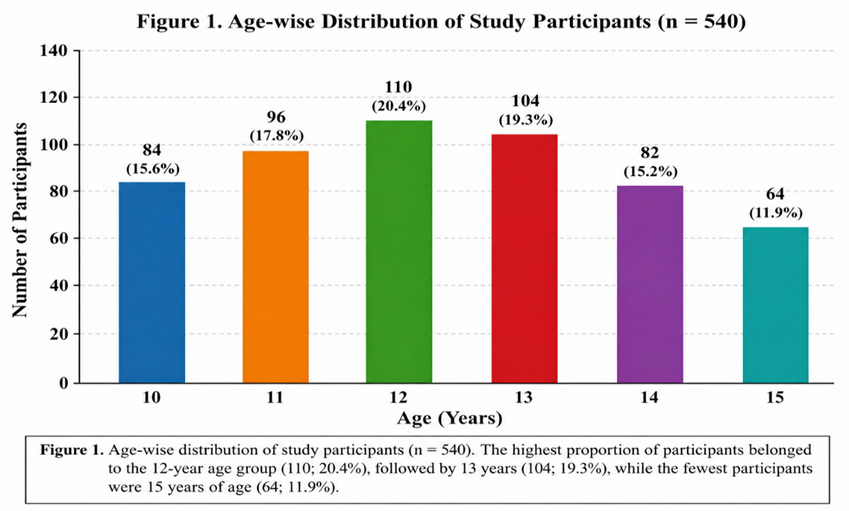
Figure 1. Age-wise Distribution of Study Participants
Gender Distribution
Among the study participants, 282 (52.2%) were boys and 258 (47.8%) were girls, indicating an almost equal gender distribution (Table 2, Figure 2).
Table 2. Gender Distribution of Study Participants
|
Gender |
Frequency |
Percentage (%) |
|
Male |
282 |
52.2 |
|
Female |
258 |
47.8 |
|
Total |
540 |
100 |
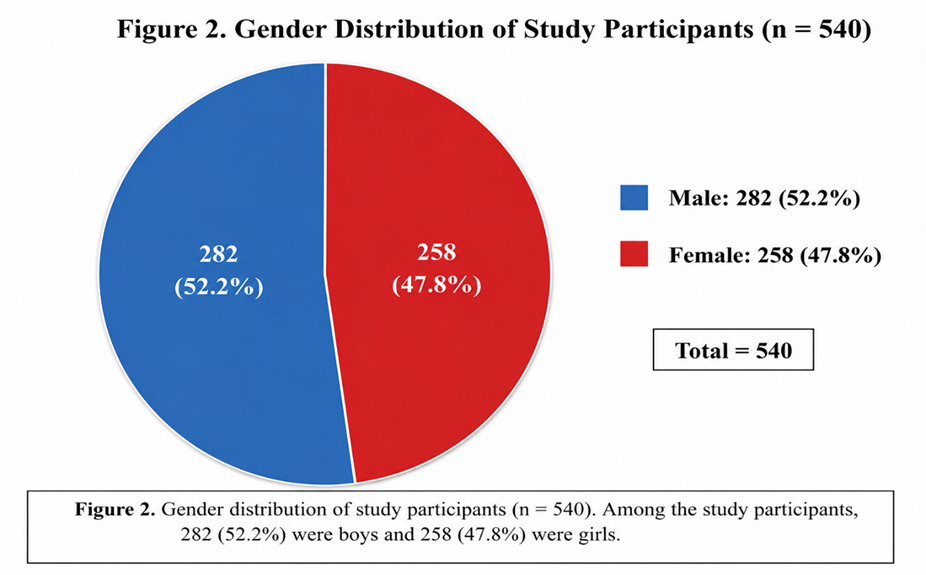
Figure 2. Gender Distribution of Study Participants
Nutritional Status According to BMI
Based on WHO BMI-for-age classification, 62 (11.5%) children were overweight, while 31 (5.7%) were obese, giving an overall prevalence of excess body weight of 17.2%. The majority (75.6%) had normal BMI (Table 3, Figure 3).
Table 3. Distribution According to BMI Categories
|
BMI Category |
Frequency |
Percentage (%) |
|
Underweight |
39 |
7.2 |
|
Normal |
408 |
75.6 |
|
Overweight |
62 |
11.5 |
|
Obese |
31 |
5.7 |
|
Total |
540 |
100 |
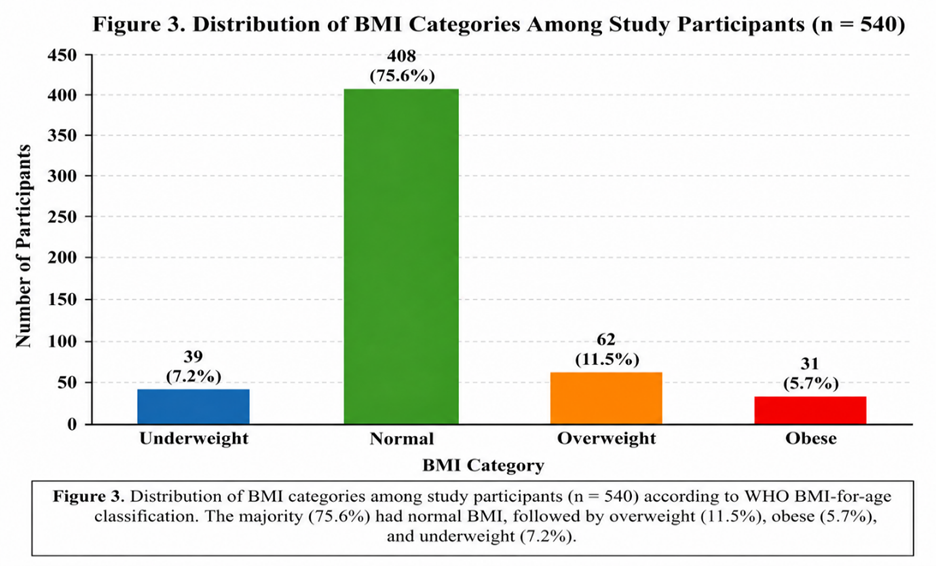
Figure 3. Distribution of BMI Categories Among Study Participants
Distribution of Overweight and Obesity According to Gender
The prevalence of overweight and obesity was relatively higher among girls than boys. However, the difference was not statistically significant (χ² = 3.28, p = 0.194) (Table 4, Figure 4).
Table 4. Association Between Gender and BMI Category
|
Gender |
Normal/Underweight |
Overweight/Obese |
Total |
|
Male |
239 |
43 |
282 |
|
Female |
208 |
50 |
258 |
|
Total |
447 |
93 |
540 |
|
Statistical Parameter |
Value |
||
|
Chi-square (χ²) |
3.28 |
||
|
p-value |
0.194 |
||
|
Interpretation |
Not Significant |
The prevalence of overweight and obesity was marginally higher among female students (19.4%) compared with male students (15.2%), although this difference did not reach statistical significance (Table 4, Figure 4).
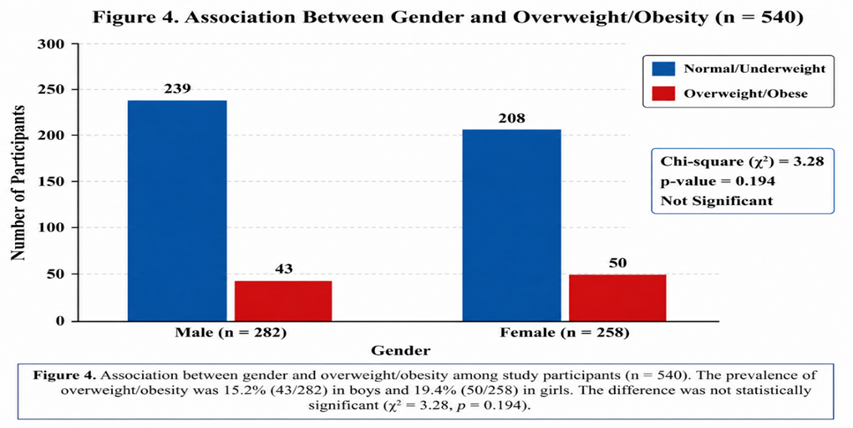
Figure 4. Association Between Gender and Overweight/Obesity
Association Between Physical Activity and Overweight/Obesity
Children performing less than 60 minutes of daily physical activity showed a significantly higher prevalence of overweight and obesity compared with those meeting the recommended activity level (χ² = 14.72, p < 0.001) (Table 5, Figure 5).
Table 5. Association Between Daily Physical Activity and Overweight/Obesity
|
Daily Physical Activity |
Overweight/Obese |
Normal/Underweight |
Total |
|
<60 minutes/day |
61 |
177 |
238 |
|
≥60 minutes/day |
32 |
270 |
302 |
|
Total |
93 |
447 |
540 |
|
Statistical Parameter |
Value |
||
|
Chi-square (χ²) |
14.72 |
||
|
p-value |
<0.001 |
||
|
Interpretation |
Highly Significant |
Children reporting inadequate physical activity had a prevalence of excess body weight of 25.6%, compared with 10.6% among those who engaged in at least 60 minutes of daily physical activity (Table 5, Figure 5).
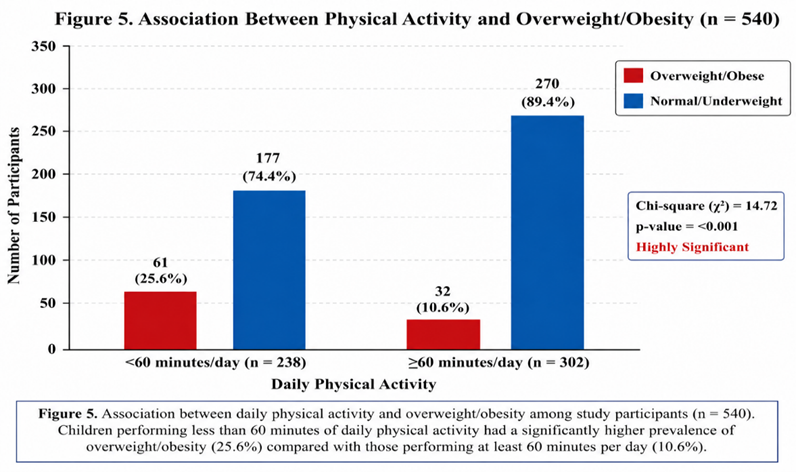
Figure 5. Association Between Physical Activity and Overweight/Obesity
Association Between Daily Screen Time and Overweight/Obesity
A significant association was observed between prolonged screen exposure and overweight/obesity. Children with screen time exceeding two hours/day had significantly greater prevalence of excess body weight (χ² = 17.56, p < 0.001) (Table 6, Figure 6).
Table 6. Association Between Screen Time and Overweight/Obesity
|
Screen Time |
Overweight/Obese |
Normal/Underweight |
Total |
|
≤2 hours/day |
29 |
242 |
271 |
|
>2 hours/day |
64 |
205 |
269 |
|
Total |
93 |
447 |
540 |
|
Statistical Parameter |
Value |
||
|
Chi-square (χ²) |
17.56 |
||
|
p-value |
<0.001 |
||
|
Interpretation |
Highly Significant |
Children with daily screen exposure exceeding two hours demonstrated an excess body weight prevalence of 23.8%, compared with 10.7% among those with lower screen exposure (Table 6, Figure 6).
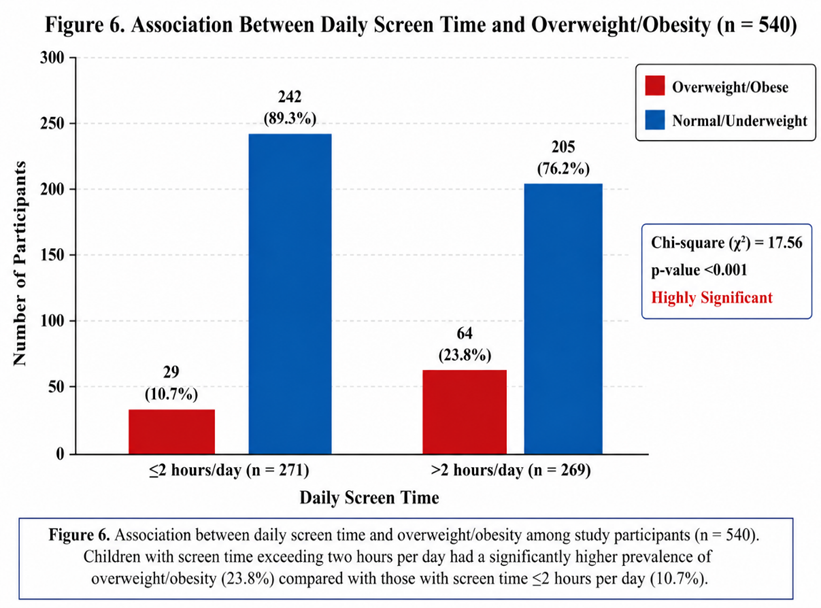
Figure 6. Association Between Screen Time and Overweight/Obesity
Association Between Fast-Food Consumption and Overweight/Obesity
Frequent fast-food consumption (≥3 times/week) was significantly associated with overweight and obesity (χ² = 19.41, p < 0.001) (Table 7, Figure 7).
Table 7. Association Between Fast-Food Consumption and Overweight/Obesity
|
Fast-food Intake |
Overweight/Obese |
Normal/Underweight |
Total |
|
<3 times/week |
35 |
274 |
309 |
|
≥3 times/week |
58 |
173 |
231 |
|
Total |
93 |
447 |
540 |
|
Statistical Parameter |
Value |
||
|
Chi-square (χ²) |
19.41 |
||
|
p-value |
<0.001 |
||
|
Interpretation |
Highly Significant |
The prevalence of overweight and obesity was 25.1% among children consuming fast food at least three times weekly compared with 11.3% among those consuming it less frequently (Table 7, Figure 7).
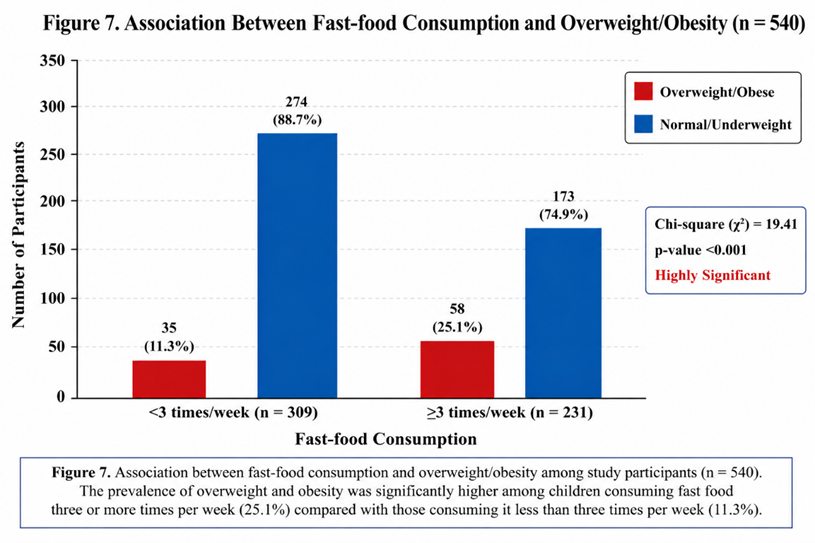
Figure 7. Association Between Fast-food Consumption and Overweight/Obesity
Multivariable Logistic Regression Analysis
Variables demonstrating statistical significance on univariate analysis were entered into a multivariable logistic regression model. Low physical activity, prolonged screen time, and frequent fast-food intake emerged as independent predictors of overweight and obesity (Table 8).
Table 8. Multivariable Logistic Regression for Factors Associated with Overweight/Obesity
|
Variable |
Adjusted OR |
95% CI |
p-value |
|
Physical activity <60 min/day |
2.36 |
1.42–3.91 |
0.001 |
|
Screen time >2 h/day |
2.74 |
1.66–4.51 |
<0.001 |
|
Fast-food intake ≥3/week |
2.48 |
1.49–4.13 |
<0.001 |
|
Female gender |
1.31 |
0.81–2.11 |
0.268 |
|
Age ≥13 years |
1.18 |
0.73–1.90 |
0.487 |
Low physical activity (Adjusted OR = 2.36, 95% CI: 1.42–3.91, p = 0.001), prolonged screen time (Adjusted OR = 2.74, 95% CI: 1.66–4.51, p < 0.001), and frequent fast-food intake (Adjusted OR = 2.48, 95% CI: 1.49–4.13, p < 0.001) were identified as independent predictors of overweight and obesity (Table 8).
DISCUSSION:
The present cross-sectional study evaluated the prevalence of overweight and obesity and their associated risk factors among 540 school-going children aged 10–15 years in Cuttack district, Odisha. Childhood overweight and obesity have become major public health concerns because of rapid urbanization, unhealthy dietary habits, sedentary lifestyles, and reduced physical activity. Early identification of modifiable risk factors is essential to prevent future metabolic and cardiovascular diseases.
In the present study, the overall prevalence of overweight and obesity was 17.2%, with 11.5% of children classified as overweight and 5.7% as obese according to WHO BMI-for-age criteria. This prevalence indicates that nearly one in every six school-going children had excess body weight. Similar findings have been reported in previous Indian studies, although the prevalence varies depending on geographical region, socioeconomic status, and diagnostic criteria used.[8,9] The increasing burden of childhood obesity in urban India reflects the ongoing nutritional transition characterized by increased consumption of calorie-dense foods and reduced physical activity.
The majority of participants belonged to the 12-year age group, with a mean age of 12.6 ± 1.7 years. Similar age distributions have been observed in previous epidemiological studies conducted among school-going children in India.[10] The pre-adolescent and early adolescent period represents an important stage for development of lifestyle habits that may influence body weight throughout adulthood.
A slight male predominance (52.2%) was observed in the present study. However, the prevalence of overweight and obesity was marginally higher among girls compared with boys, although the association was not statistically significant (p=0.194). Similar observations have been reported by Gupta et al., who suggested that hormonal changes during puberty, lower participation in outdoor physical activities, and sociocultural factors may contribute to increased adiposity among adolescent girls.[11] In contrast, several studies have demonstrated no significant gender difference, indicating that obesity affects both sexes almost equally in urban school populations.[12]
One of the most important findings of the present study was the significant association between inadequate physical activity and overweight/obesity. Children performing less than 60 minutes of daily physical activity had more than twice the odds of developing excess body weight compared with physically active children (Adjusted OR=2.36, p=0.001). This finding is consistent with WHO recommendations emphasizing at least 60 minutes of moderate-to-vigorous physical activity daily for children and adolescents.[13] Similar associations have been demonstrated by Janssen and LeBlanc, who reported that regular physical activity improves body composition and reduces cardiometabolic risk factors among school-aged children.[14]
Screen time emerged as another significant independent predictor of overweight and obesity. Children with daily screen exposure exceeding two hours had significantly greater odds of excess body weight (Adjusted OR=2.74, p<0.001). Excessive television viewing, smartphone use, computer gaming, and prolonged internet usage reduce physical activity while simultaneously increasing exposure to unhealthy food advertisements and mindless snacking.[15] Previous systematic reviews have consistently demonstrated a positive relationship between sedentary screen-based behaviors and childhood obesity.[16]
Frequent fast-food consumption was also independently associated with overweight and obesity in the present study (Adjusted OR=2.48, p<0.001). Fast foods generally contain excessive amounts of saturated fat, refined carbohydrates, sugar, and sodium while providing limited dietary fiber and essential micronutrients. Regular consumption contributes to positive energy balance and weight gain.[17] Similar findings have been reported by Indian and international studies evaluating dietary patterns among school-going children.[18]
Although not statistically significant after multivariable adjustment, female gender and increasing age demonstrated a trend toward higher prevalence of overweight and obesity. These findings suggest that multiple biological, behavioral, and environmental factors collectively influence childhood obesity rather than a single determinant.
The present study highlights that childhood overweight and obesity are multifactorial conditions requiring comprehensive preventive strategies involving schools, parents, healthcare professionals, and policymakers. School-based nutrition education, promotion of regular physical activity, restriction of unhealthy food availability within school premises, limitation of recreational screen time, and periodic anthropometric screening may substantially reduce the future burden of obesity-related diseases.
CONCLUSION:
The present study demonstrated that the combined prevalence of overweight and obesity among school-going children aged 10–15 years in Cuttack district was 17.2%, indicating a substantial and emerging public health concern. Inadequate physical activity, prolonged daily screen time, and frequent fast-food consumption were identified as significant independent risk factors for excess body weight. Although girls showed a slightly higher prevalence of overweight and obesity than boys, gender was not an independent predictor after adjustment for other variables. These findings underscore the need for early identification of at-risk children and implementation of school- and community-based preventive interventions to curb the rising epidemic of childhood obesity.
REFERENCES:
1. World Health Organization. Obesity and overweight [Internet]. Geneva: World Health Organization; 2024 [cited 2026 Jul 17]. Available from: https://www.who.int/news-room/fact-sheets/detail/obesity-and-overweight
2. World Health Organization. Report of the Commission on Ending Childhood Obesity. Geneva: World Health Organization; 2016.
3. NCD Risk Factor Collaboration (NCD-RisC). Worldwide trends in body-mass index, underweight, overweight, and obesity from 1975 to 2016: a pooled analysis of 2416 population-based measurement studies in 128.9 million children, adolescents, and adults. Lancet. 2017;390(10113):2627-2642.
4. Ranjani H, Mehreen TS, Pradeepa R, Anjana RM, Garg R, Anand K, et al. Epidemiology of childhood overweight and obesity in India: a systematic review. Indian J Med Res. 2016;143(2):160-174.
5. Biro FM, Wien M. Childhood obesity and adult morbidities. Am J Clin Nutr. 2010;91(5):1499S-1505S.
6. Sahoo K, Sahoo B, Choudhury AK, Sofi NY, Kumar R, Bhadoria AS. Childhood obesity: causes and consequences. J Family Med Prim Care. 2015;4(2):187-192.
7. World Health Organization. Guidelines on physical activity and sedentary behaviour. Geneva: World Health Organization; 2020.
8. Gupta N, Goel K, Shah P, Misra A. Childhood obesity in developing countries: epidemiology, determinants and prevention. Endocr Rev. 2012;33(1):48-70.
9. de Onis M, Onyango AW, Borghi E, Siyam A, Siekmann J. Development of a WHO growth reference for school-aged children and adolescents. Bull World Health Organ. 2007;85(9):660-667.
10. Kotian MS, Kumar GS, Kotian SS. Prevalence and determinants of overweight and obesity among adolescent school children of South Karnataka, India. Indian J Community Med. 2010;35(1):176-178.
11. Gupta DK, Shah P, Misra A, Bharadwaj S, Gulati S, Gupta AK, et al. Secular trends in prevalence of overweight and obesity among urban Asian Indian adolescents. Atherosclerosis. 2009;204(1):299-304.
12. Patnaik L, Pattnaik S, Sahu T, Rao EV. Overweight and obesity among adolescents: a comparative study between government and private schools. Indian Pediatr. 2015;52(9):779-781.
13. Strong WB, Malina RM, Blimkie CJ, Daniels SR, Dishman RK, Gutin B, et al. Evidence based physical activity for school-age youth. J Pediatr. 2005;146(6):732-737.
14. Janssen I, LeBlanc AG. Systematic review of the health benefits of physical activity and fitness in school-aged children and youth. Int J Behav Nutr Phys Act. 2010;7:40.
15. Robinson TN. Reducing children's television viewing to prevent obesity: a randomized controlled trial. JAMA. 1999;282(16):1561-1567.
16. Tremblay MS, LeBlanc AG, Kho ME, Saunders TJ, Larouche R, Colley RC, et al. Systematic review of sedentary behaviour and health indicators in school-aged children and youth. Int J Behav Nutr Phys Act. 2011;8:98.
17. Bowman SA, Gortmaker SL, Ebbeling CB, Pereira MA, Ludwig DS. Effects of fast-food consumption on energy intake and diet quality among children in a national household survey. Pediatrics. 2004;113(1 Pt 1):112-118.
18. Braithwaite I, Stewart AW, Hancox RJ, Beasley R, Murphy R, Mitchell EA; ISAAC Phase Three Study Group. Fast-food consumption and body mass index in children and adolescents: an international cross-sectional study. BMJ Open. 2014;4(12):e005813.