PREDICTORS OF MORTALITY AND INTENSIVE CARE UNIT ADMISSION AMONG PATIENTS WITH SEPSIS PRESENTING TO THE EMERGENCY DEPARTMENT: A PROSPECTIVE OBSERVATIONAL STUDY.
- Chanchal Shree Verma , Post Graduate Resident, Department of Emergency Medicine, KD Medical College Hospital and Research Center, Mathura, Uttar Pradesh
- Neelesh Damani , Professor, Department of Emergency Medicine, KD Medical College Hospital and Research Center, Mathura, Uttar Pradesh
- R K Garg , Professor and Hod, Department of Emergency Medicine, KD Medical College Hospital and Research Center, Mathura, Uttar Pradesh
- Naziya Hamid , Assistant Professor, Department of Emergency Medicine, KD Medical College Hospital and Research Center, Mathura, Uttar Pradesh
- Shivam Kumar Saini , Post Graduate Resident, Department of Emergency Medicine, KD Medical College Hospital and Research Center, Mathura, Uttar Pradesh
- Tejas Visani , Post Graduate Resident, Department of Emergency Medicine, KD Medical College Hospital and Research Center, Mathura, Uttar Pradesh.
Article Information:
Abstract:
Background: Sepsis is a life-threatening condition caused by a dysregulated host response to infection and is associated with high rates of intensive care unit (ICU) admission and mortality. Early identification of high-risk patients is essential for improving outcomes. Objective: To identify the clinical and laboratory predictors of ICU admission and in-hospital mortality among patients presenting with sepsis to the emergency department. Materials and Methods: This hospital-based prospective observational study included 200 adult patients with sepsis admitted to the emergency department over 18 months. Demographic characteristics, comorbidities, vital signs, laboratory parameters, SOFA score, qSOFA score, and serum lactate levels were recorded at presentation. Patients were followed until discharge or death. Statistical analysis was performed using SPSS version 26.0. Results: Among the 200 patients, 78 (39.0%) required ICU admission and 36 (18.0%) died during hospitalization. Higher SOFA score, elevated serum lactate, persistent hypotension, altered mental status, and acute kidney injury were significantly associated with both ICU admission and mortality (p<0.05). Conclusion: Severity of organ dysfunction, elevated lactate, and hemodynamic instability at presentation were significant predictors of adverse outcomes. Early recognition of these factors may improve triage, timely intervention, and survival in patients with sepsis.
Keywords:
Article :
INTRODUCTION:
Sepsis is a life-threatening organ dysfunction resulting from a dysregulated host response to infection and continues to be a major public health challenge worldwide. Despite substantial advances in critical care and antimicrobial therapy, sepsis remains one of the leading causes of hospital admission, intensive care utilization, and preventable mortality. Prompt identification of patients at high risk of clinical deterioration is essential because delayed recognition and treatment are associated with significantly poorer outcomes [1,2]. Patients presenting to the emergency department with sepsis exhibit a wide spectrum of clinical severity, ranging from mild organ dysfunction to septic shock with multiorgan failure. Early risk stratification helps clinicians prioritize resuscitation, determine the need for intensive monitoring, and optimize resource utilization. Several clinical scoring systems, including the Sequential Organ Failure Assessment (SOFA) score and quick SOFA (qSOFA), along with laboratory markers such as serum lactate, have been recommended for predicting disease severity and prognosis. However, their predictive performance may vary across different patient populations and healthcare settings [3,4].
In addition to illness severity scores, demographic characteristics, underlying comorbidities, hemodynamic instability, and biochemical abnormalities have also been associated with adverse outcomes in sepsis. Identifying reliable predictors of mortality and ICU admission at the time of emergency department presentation can facilitate early intervention, improve triage decisions, and potentially reduce morbidity and mortality. However, data from prospective observational studies conducted in tertiary care hospitals in developing countries remain relatively limited [5]. Therefore, the present study was undertaken to evaluate the clinical and laboratory factors associated with in-hospital mortality and ICU admission among adult patients presenting with sepsis to the emergency department. The findings may assist emergency physicians in recognizing high-risk patients early and support evidence-based clinical decision-making to improve patient outcomes [6].
MATERIALS AND METHODS:
A hospital-based prospective observational study was conducted in the Department of Emergency Medicine at a tertiary care teaching hospital over a period of 18 months from January 2024 to June 2025. The study included 200 consecutive adult patients (≥18 years) presenting to the emergency department with clinically suspected or confirmed sepsis according to the Sepsis-3 criteria. Eligible patients were enrolled after initial evaluation and followed throughout their hospital stay to assess the primary outcomes of intensive care unit (ICU) admission and in-hospital mortality. Demographic details, comorbidities, clinical findings, laboratory investigations, SOFA score, qSOFA score, serum lactate levels, treatment interventions, and final outcomes were prospectively recorded using a structured data collection proforma.
Inclusion Criteria
• Adult patients aged ≥18 years.
• Patients diagnosed with sepsis according to the Sepsis-3 criteria.
• Patients admitted through the emergency department.
• Patients or legally authorized representatives who provided informed consent.
Exclusion Criteria
• Patients younger than 18 years.
• Pregnant women.
• Patients referred after prolonged ICU treatment at another hospital.
• Patients with incomplete clinical or laboratory data.
• Patients who declined to participate in the study.
Statistical Analysis
Data were analyzed using SPSS version 26.0. Continuous variables were expressed as mean ± standard deviation, while categorical variables were presented as frequencies and percentages. Comparisons between groups were performed using the independent t-test or Chi-square test, as appropriate. Variables showing statistical significance in univariate analysis were entered into multivariable logistic regression to identify independent predictors of ICU admission and in-hospital mortality. A p-value <0.05 was considered statistically significant.
RESULTS:
A total of 200 patients with sepsis presenting to the emergency department were included in the study. The mean age was 56.8 ± 16.2 years, and 123 (61.5%) were males. Hypertension and diabetes mellitus were the most common comorbidities. The respiratory tract was the commonest source of infection, followed by the urinary tract. Overall, 78 (39.0%) patients required ICU admission, while 36 (18.0%) died during hospitalization.
Table 1: Baseline demographic and clinical characteristics of the study population (N = 200)
|
Variable |
Category |
Number (n) |
Percentage (%) |
|
Age (years) |
18–40 |
42 |
21.0 |
|
41–60 |
71 |
35.5 |
|
|
>60 |
87 |
43.5 |
|
|
Mean Age (years) |
56.8 ± 16.2 |
— |
|
|
Gender |
Male |
123 |
61.5 |
|
Female |
77 |
38.5 |
|
|
Common Comorbidities |
Hypertension |
86 |
43.0 |
|
Diabetes mellitus |
72 |
36.0 |
|
|
Chronic kidney disease |
28 |
14.0 |
|
|
Chronic liver disease |
16 |
8.0 |
|
|
Primary Source of Infection |
Respiratory tract |
74 |
37.0 |
|
Urinary tract |
52 |
26.0 |
|
|
Intra-abdominal |
34 |
17.0 |
|
|
Skin/Soft tissue |
22 |
11.0 |
|
|
Others |
18 |
9.0 |
Most patients were older than 60 years, with a male predominance. Hypertension and diabetes mellitus were the most frequent comorbidities, while respiratory tract infection was the leading source of sepsis among patients presenting to the emergency department.
Table 2: Comparison of clinical and laboratory characteristics between survivors and non-survivors
|
Variable |
Survivors (n=164) |
Non-survivors (n=36) |
p-value |
|
Mean age (years) |
54.7 ± 15.8 |
66.2 ± 14.3 |
0.001 |
|
Male gender, n (%) |
98 (59.8) |
25 (69.4) |
0.291 |
|
Mean SOFA score |
5.1 ± 2.0 |
9.3 ± 2.5 |
<0.001 |
|
qSOFA score ≥2, n (%) |
52 (31.7) |
28 (77.8) |
<0.001 |
|
Serum lactate >2 mmol/L, n (%) |
61 (37.2) |
31 (86.1) |
<0.001 |
|
Persistent hypotension, n (%) |
39 (23.8) |
24 (66.7) |
<0.001 |
|
Acute kidney injury, n (%) |
35 (21.3) |
19 (52.8) |
<0.001 |
|
Vasopressor requirement, n (%) |
28 (17.1) |
26 (72.2) |
<0.001 |
Non-survivors had significantly higher SOFA and qSOFA scores, elevated serum lactate levels, persistent hypotension, acute kidney injury, and greater vasopressor requirement compared with survivors. Age was also significantly higher among non-survivors, whereas gender distribution was not significantly different between the two groups.
Table 3: Factors associated with intensive care unit (ICU) admission
|
Variable |
ICU Admission (n=78) |
Ward Admission (n=122) |
p-value |
|
Mean age (years) |
61.4 ± 15.3 |
53.8 ± 16.1 |
0.002 |
|
SOFA score ≥8, n (%) |
49 (62.8) |
18 (14.8) |
<0.001 |
|
qSOFA score ≥2, n (%) |
47 (60.3) |
33 (27) |
<0.001 |
|
Serum lactate >2 mmol/L, n (%) |
56 (71.8) |
36 (29.5) |
<0.001 |
|
Persistent hypotension, n (%) |
42 (53.8) |
21 (17.2) |
<0.001 |
|
Acute kidney injury, n (%) |
34 (43.6) |
20 (16.4) |
<0.001 |
|
Vasopressor requirement, n (%) |
39 (50) |
15 (12.3) |
<0.001 |
Patients requiring ICU admission were significantly older and had higher illness severity, reflected by elevated SOFA and qSOFA scores. Elevated serum lactate, persistent hypotension, acute kidney injury, and vasopressor requirement were all significantly associated with ICU admission, indicating that these variables are important early markers of severe sepsis requiring intensive care.
Table 4: Multivariable logistic regression analysis of independent predictors of in-hospital mortality
|
Variable |
Adjusted Odds Ratio (AOR) |
95% Confidence Interval |
p-value |
|
Age >60 years |
1.84 |
1.02-3.78 |
0.041 |
|
SOFA score ≥8 |
4.92 |
2.18-11.09 |
<0.001 |
|
Serum lactate >2 mmol/L |
3.68 |
1.71-7.94 |
0.001 |
|
Persistent hypotension |
2.87 |
1.34-6.16 |
0.007 |
|
Acute kidney injury |
2.41 |
1.13-5.15 |
0.023 |
|
Vasopressor requirement |
3.95 |
1.82-8.58 |
<0.001 |
Multivariable logistic regression identified SOFA score ≥8 as the strongest independent predictor of in-hospital mortality. Elevated serum lactate, vasopressor requirement, persistent hypotension, acute kidney injury, and age greater than 60 years were also independently associated with an increased risk of death after adjustment for potential confounding variables.
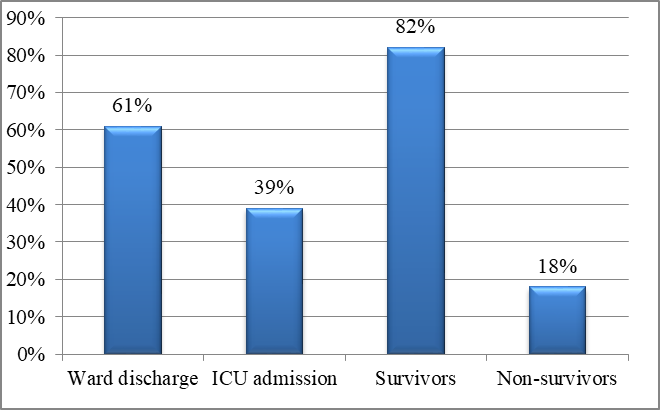
Figure 1: Clinical outcomes of patients with sepsis
The majority of patients were managed without ICU admission and survived to hospital discharge, whereas nearly two-fifths required ICU care and 18% experienced in-hospital mortality.
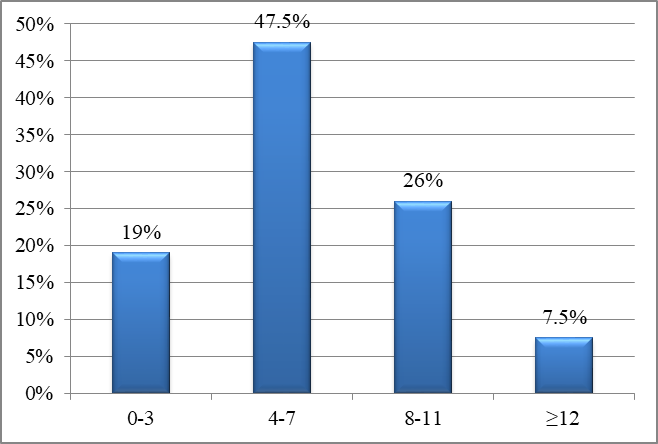
Figure 2: Distribution of SOFA score categories among study participants
Nearly one-third of patients had a SOFA score ≥8, indicating substantial organ dysfunction and a higher risk of adverse clinical outcomes.
DISCUSSION:
The present prospective observational study identified several important clinical and laboratory variables associated with ICU admission and in-hospital mortality among patients presenting with sepsis to the emergency department. A higher SOFA score, elevated serum lactate, persistent hypotension, acute kidney injury, and vasopressor requirement emerged as significant predictors of adverse outcomes. These findings emphasize the importance of early risk stratification and prompt intervention in patients with sepsis [7,8]. In the present study, the SOFA score was the strongest independent predictor of mortality. Patients with a SOFA score ≥8 had a significantly higher risk of death than those with lower scores. This observation is consistent with previous studies demonstrating that increasing organ dysfunction is closely associated with poor clinical outcomes and remains a reliable indicator of disease severity in sepsis [9]. The in-hospital mortality rate of 18% observed in this study is comparable with that reported in previous studies evaluating patients with sepsis. Differences in mortality across studies may reflect variations in disease severity, patient demographics, and institutional management practices [10].
Serum lactate was another significant predictor of both ICU admission and mortality. Elevated lactate reflects tissue hypoperfusion and impaired cellular metabolism, even in the absence of overt hypotension. Early lactate assessment therefore provides valuable prognostic information and supports timely initiation of aggressive resuscitative measures in the emergency department [11]. Persistent hypotension, acute kidney injury, and the need for vasopressor support were independently associated with increased mortality in our study. These findings suggest that hemodynamic instability and early organ dysfunction represent advanced disease and require close monitoring and intensive management. Similar observations have been reported in recent multicenter studies evaluating predictors of poor outcomes among septic patients [12]. The present study has certain limitations. It was conducted at a single tertiary care center with a relatively modest sample size, which may limit the generalizability of the findings. In addition, long-term follow-up after hospital discharge was not performed. Nevertheless, the prospective design, standardized data collection, and evaluation of readily available clinical parameters strengthen the applicability of the findings in routine emergency practice [12].
CONCLUSION:
Early identification of patients with sepsis who are at high risk of clinical deterioration is crucial for improving outcomes in the emergency department. In the present study, a higher SOFA score, elevated serum lactate level, persistent hypotension, acute kidney injury, and vasopressor requirement were identified as significant predictors of ICU admission and in-hospital mortality. These readily available clinical and laboratory parameters can assist clinicians in early risk stratification, prompt initiation of appropriate treatment, and timely referral for intensive care. Incorporating these predictors into routine emergency assessment may facilitate better clinical decision-making and contribute to improved patient survival.
REFERENCES:
1. Singer M, Deutschman CS, Seymour CW, Shankar-Hari M, Annane D, Bauer M, et al. The Third International Consensus Definitions for Sepsis and Septic Shock (Sepsis-3). JAMA. 2016 Feb 23;315(8):801-10. doi: 10.1001/jama.2016.0287.
2. Evans L, Rhodes A, Alhazzani W, Antonelli M, Coopersmith CM, French C, et al. Surviving sepsis campaign: international guidelines for management of sepsis and septic shock 2021. Intensive Care Med. 2021 Nov;47(11):1181-1247. doi: 10.1007/s00134-021-06506-y.
3. Seymour CW, Kennedy JN, Wang S, Chang CH, Elliott CF, Xu Z, et al. Derivation, Validation, and Potential Treatment Implications of Novel Clinical Phenotypes for Sepsis. JAMA. 2019 May 28;321(20):2003-2017. doi: 10.1001/jama.2019.5791.
4. Shetty A, Macdonald SP, Keijzers G, Williams JM, Tang B, de Groot B, et al. Review article: Sepsis in the emergency department - Part 2: Investigations and monitoring. Emerg Med Australas. 2018 Feb;30(1):4-12. doi: 10.1111/1742-6723.12924.
5. Rudd KE, Johnson SC, Agesa KM, Shackelford KA, Tsoi D, Kievlan DR, et al. Global, regional, and national sepsis incidence and mortality, 1990-2017: analysis for the Global Burden of Disease Study. Lancet. 2020 Jan 18;395(10219):200-211. doi: 10.1016/S0140-6736(19)32989-7.
6. Cecconi M, Evans L, Levy M, Rhodes A. Sepsis and septic shock. Lancet. 2018 Jul 7;392(10141):75-87. doi: 10.1016/S0140-6736(18)30696-2.
7. Shankar-Hari M, Phillips GS, Levy ML, Liu VX, Deutschman CS, Angus DC, et al. Developing a New Definition and Assessing New Clinical Criteria for Septic Shock: For the Third International Consensus Definitions for Sepsis and Septic Shock (Sepsis-3). JAMA. 2016 Feb 23;315(8):775-87. doi: 10.1001/jama.2016.0289.
8. Qiu X, Lei YP, Zhou RX. SIRS, SOFA, qSOFA, and NEWS in the diagnosis of sepsis and prediction of adverse outcomes: a systematic review and meta-analysis. Expert Rev Anti Infect Ther. 2023 Jul-Dec;21(8):891-900. doi: 10.1080/14787210.2023.2237192.
9. Raith EP, Udy AA, Bailey M, McGloughlin S, MacIsaac C, Bellomo R, et al. Prognostic Accuracy of the SOFA Score, SIRS Criteria, and qSOFA Score for In-Hospital Mortality Among Adults With Suspected Infection Admitted to the Intensive Care Unit. JAMA. 2017 Jan 17;317(3):290-300. doi: 10.1001/jama.2016.20328.
10. Ryoo SM, Lee J, Lee YS, Lee JH, Lim KS, Huh JW, et al. Lactate Level Versus Lactate Clearance for Predicting Mortality in Patients With Septic Shock Defined by Sepsis-3. Crit Care Med. 2018 Jun;46(6):e489-e495. doi: 10.1097/CCM.0000000000003030.
11. Peerapornratana S, Manrique-Caballero CL, Gómez H, Kellum JA. Acute kidney injury from sepsis: current concepts, epidemiology, pathophysiology, prevention and treatment. Kidney Int. 2019 Nov;96(5):1083-1099. doi: 10.1016/j.kint.2019.05.026.
12. Lat I, Coopersmith CM, De Backer D, et al. The surviving sepsis campaign: fluid resuscitation and vasopressor therapy research priorities in adult patients. Intensive Care Med Exp. 2021 Mar 1;9(1):10. doi: 10.1186/s40635-021-00369-9.