A Clinical Profile of Patients with Psoriasis Attending a Tertiary Care Hospital: A Cross-Sectional Observational Study.
- Kavya K B , Assistant Professor, Department of Dermatology, Chikkamagalur Institute of Medical Sciences, Chikkamagalur, Karnataka, India.
- Pradeep Hullatti , Assistant Professor, Department of Orthopaedics, Chikkamagalur Institute of Medical Sciences, Chikkamagalur, Karnataka, India.
- Hamsa D S , Assistant Professor, Department of Ophthalmology, Chikkamagalur Institute of Medical Sciences, Chikkamagalur, Karnataka, India.
Article Information:
Abstract:
Background: Psoriasis is a chronic immune-mediated inflammatory skin disorder characterized by recurrent episodes of erythematous scaly plaques and systemic inflammatory involvement. It is associated with several metabolic and cardiovascular comorbidities that contribute significantly to disease burden and reduced quality of life. Understanding the clinical profile of patients with psoriasis is essential for early diagnosis, assessment of disease severity, and comprehensive patient management. Objectives: 1. To assess the demographic and clinical characteristics of patients with psoriasis attending a tertiary care hospital. 2. To evaluate the prevalence of associated comorbidities and risk factors among patients with psoriasis. Materials and Methods: A hospital-based cross-sectional observational study was conducted among 50 clinically diagnosed adult patients with psoriasis attending the Department of Dermatology of a tertiary care hospital. Patients were enrolled using consecutive sampling after obtaining informed consent. Detailed demographic and clinical information including disease duration, clinical subtype, Psoriasis Area and Severity Index (PASI) score, nail involvement, joint manifestations, and associated comorbidities were recorded. Statistical analysis was performed using appropriate descriptive and inferential statistical tests, with a p-value of less than 0.05 considered statistically significant. Results: The mean age of the study participants was 42.6 ± 12.4 years, with a male predominance (62%). Chronic plaque psoriasis was the most common clinical subtype (64%). Mild psoriasis was observed in 50% of patients, whereas 34% and 16% had moderate and severe disease, respectively. Disease severity was significantly associated with longer disease duration (p = 0.022). Nail involvement and joint manifestations showed statistically significant associations with severe psoriasis (p = 0.008 and p = 0.021, respectively). Obesity, dyslipidaemia, and psychological stress were significantly associated with moderate-to-severe disease severity. Diabetes mellitus, hypertension, smoking, and alcohol consumption were more common among patients with severe disease but did not demonstrate statistically significant associations. Conclusion: Psoriasis is a chronic multisystem inflammatory disease with significant clinical and metabolic associations. Chronic plaque psoriasis is the predominant clinical subtype, and disease severity is influenced by both dermatological and systemic factors. Comprehensive clinical assessment and routine screening for associated comorbidities are important for optimal disease management and improved patient outcomes.
Keywords:
Article :
INTRODUCTION:
Psoriasis is a chronic, immune-mediated, inflammatory dermatological disorder characterized by erythematous, sharply demarcated plaques covered with silvery-white scales. It is a multifactorial disease resulting from complex interactions among genetic predisposition, immune dysregulation, and environmental triggers. Traditionally regarded as a disorder confined to the skin, psoriasis is now recognized as a systemic inflammatory disease with significant associations with psoriatic arthritis, metabolic syndrome, obesity, cardiovascular disease, diabetes mellitus, inflammatory bowel disease, and psychological disorders.
The chronic and relapsing nature of psoriasis substantially affects patients' physical health, emotional well-being, social interactions, and overall quality of life. ¹
Globally, psoriasis affects approximately 2–3% of the population, although its prevalence varies considerably across geographical regions, ethnic groups, and environmental conditions. Epidemiological studies have reported prevalence rates ranging from 0.09% to 11.4% worldwide. The disease is more common in Northern European countries and comparatively less prevalent in Asian and African populations. According to recent Global Burden of Disease analyses, the worldwide burden of psoriasis has increased substantially over the past three decades, highlighting its growing public health significance. Psoriasis contributes considerably to disability-adjusted life years (DALYs) and healthcare expenditure owing to its chronic course and multisystem involvement. ²
The pathogenesis of psoriasis primarily involves dysregulation of the innate and adaptive immune systems, particularly the IL-23/Th17 axis. Activated dendritic cells release pro-inflammatory cytokines such as IL-12 and IL-23, stimulating Th1 and Th17 lymphocytes that subsequently produce cytokines including TNF-α, IL-17, and IL-22.
These inflammatory mediators induce keratinocyte hyperproliferation, abnormal differentiation, and angiogenesis, resulting in the characteristic clinical lesions. The current understanding of psoriasis as an immune-mediated inflammatory disease has revolutionized its management, particularly with the introduction of biologic therapies targeting specific cytokine pathways. ³
Clinically, psoriasis exhibits considerable heterogeneity in its presentation. Chronic plaque psoriasis is the most common subtype, accounting for approximately 80–90% of cases. Other clinical variants include guttate, pustular, erythrodermic, inverse, palmoplantar, and scalp psoriasis. Nail involvement occurs in a substantial proportion of patients and serves as an important predictor of psoriatic arthritis. Disease severity may vary from localized lesions with minimal symptoms to extensive skin involvement causing significant morbidity. Environmental factors such as infections, trauma, stress, smoking, alcohol consumption, obesity, and certain medications have been implicated in disease onset and exacerbation. ⁴
Psoriasis significantly impairs health-related quality of life and has been associated with numerous systemic comorbidities. Patients with moderate-to-severe psoriasis have an increased risk of cardiovascular diseases, hypertension, dyslipidemia, insulin resistance, metabolic syndrome, depression, and anxiety disorders.
The psychosocial burden is considerable, with many patients experiencing social stigma, impaired self-esteem, reduced work productivity, and emotional distress. Therefore, comprehensive clinical profiling of patients with psoriasis is essential for early identification of associated comorbidities and implementation of holistic management strategies. ⁵
In India, psoriasis has a reported prevalence ranging from 0.44% to 2.8%, making it one of the common chronic inflammatory skin disorders encountered in dermatology practice. Hospital-based studies have demonstrated a male preponderance and peak disease occurrence during the third and fourth decades of life. The clinical spectrum of psoriasis in India may differ from Western populations because of variations in genetic factors, climatic influences, cultural practices, healthcare accessibility, and environmental exposures. Furthermore, increasing urbanization and lifestyle modifications have contributed to the rising burden of metabolic and cardiovascular comorbidities among patients with psoriasis. ⁶
Several studies from India have highlighted the need for region-specific epidemiological and clinical data to better understand the disease profile and associated risk factors. Clinical profiling of patients attending tertiary care hospitals provides valuable insights regarding demographic characteristics, disease patterns, severity, precipitating factors, nail and joint involvement, and associated systemic comorbidities. Such information is indispensable for optimizing patient care, planning preventive strategies, and improving treatment outcomes. Despite advances in psoriasis research, there remains a paucity of comprehensive clinical data from various parts of India, particularly from tertiary healthcare settings. ⁷
Hence, the present study titled "A Clinical Profile of Patients with Psoriasis Attending a Tertiary Care Hospital: A Cross-Sectional Observational Study" has been undertaken to evaluate the demographic characteristics, clinical manifestations, disease severity, and associated comorbidities among patients with psoriasis attending a tertiary care hospital.
AIM
To study the clinical profile of patients with psoriasis attending a tertiary care hospital.
OBJECTIVES
1. To assess the demographic and clinical characteristics of patients with psoriasis, including age, gender distribution, duration of disease, clinical types, and severity of psoriasis.
2. To evaluate the prevalence of associated comorbidities and risk factors such as obesity, diabetes mellitus, hypertension, smoking, alcohol consumption, nail involvement, and psoriatic arthritis among patients with psoriasis.
MATERIALS AND METHODS:
Study Design
Hospital-based cross-sectional observational study.
Study Setting
The study will be conducted in the Department of Dermatology, Venereology and Leprosy of a tertiary care teaching hospital.
Study Duration
18 months (including data collection and analysis).
Study Population
All patients diagnosed clinically with psoriasis attending the Dermatology Outpatient Department and inpatient wards during the study period.
Inclusion Criteria
· Patients aged ≥18 years.
· Patients diagnosed clinically with psoriasis by a dermatologist.
· Patients willing to provide written informed consent.
Exclusion Criteria
· Patients unwilling to participate in the study.
· Patients with severe psychiatric illness or inability to provide reliable clinical information.
· Patients with incomplete clinical records.
Sample Size
The sample size was calculated using the formula for estimating a proportion:
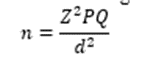
Where:
= Required sample size , = 1.96 at 95% confidence interval, = Prevalence of psoriasis in India (2.8%), = 100 − P = 97.2%, = Absolute precision (5%)
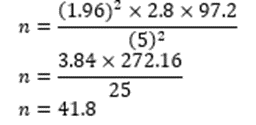
The minimum calculated sample size was 42. Considering possible non-response and incomplete data, the final sample size will be 50 patients.
Sampling Technique
Consecutive sampling.
Study Procedure
After obtaining approval from the Institutional Ethics Committee and written informed consent from the participants, eligible patients diagnosed with psoriasis will be enrolled consecutively.
A detailed history will be obtained regarding:
· Age and gender
· Duration of disease
· Family history of psoriasis
· Smoking and alcohol consumption
· Precipitating factors
· Associated symptoms and comorbidities
Clinical examination will include:
· Type of psoriasis
· Distribution of lesions
· Body Surface Area (BSA) involvement
· Nail changes
· Joint involvement suggestive of psoriatic arthritis
· Measurement of height, weight, and Body Mass Index (BMI)
Relevant investigations such as fasting blood sugar, lipid profile, and other investigations will be performed whenever clinically indicated and available in medical records.
Disease severity will be assessed using the Psoriasis Area and Severity Index (PASI) score and categorized as:
· Mild: PASI <10
· Moderate: PASI 10–20
· Severe: PASI >20
Study Variables
Demographic Variables: Age, Gender, Occupation, Residence
Clinical Variables: Clinical type of psoriasis, Duration of disease, PASI score, Nail involvement, Joint involvement, Family history
Comorbidity Variables: Hypertension, Diabetes mellitus, Obesity, Dyslipidaemia, Smoking, Alcohol use.
Statistical Analysis
Data will be entered into Microsoft Excel and analyzed using SPSS version 26.0. Categorical variables will be expressed as frequencies and percentages. Continuous variables will be expressed as mean ± standard deviation. Chi-square test or Fisher's exact test will be used to assess associations between categorical variables. Independent Student's t-test or ANOVA will be used for comparison of continuous variables. A p-value <0.05 will be considered statistically significant.
The following results are presented for a hypothetical study population of 50 patients and should be replaced with actual values after data collection.
RESULTS:
A total of 50 patients with clinically diagnosed psoriasis were included in the study. The demographic characteristics, clinical pattern, disease severity, associated manifestations, risk factors, and comorbidities were analysed.
Table 1. Demographic Characteristics of the Study Participants (n = 50)
|
Variable |
Frequency (n) |
Percentage (%) |
|
Age group (years) |
||
|
18–30 |
9 |
18.0 |
|
31–40 |
14 |
28.0 |
|
41–50 |
15 |
30.0 |
|
51–60 |
8 |
16.0 |
|
>60 |
4 |
8.0 |
|
Gender |
||
|
Male |
31 |
62.0 |
|
Female |
19 |
38.0 |
|
Residence |
||
|
Urban |
29 |
58.0 |
|
Rural |
21 |
42.0 |
|
Mean age, years |
42.6 ± 12.4 |
— |
Interpretation: The largest proportion of patients belonged to the 41–50-year age group, accounting for 30%, followed by the 31–40-year age group at 28%. The mean age of the participants was 42.6 ± 12.4 years. Males constituted 62% of the study population, indicating a male predominance; however, the gender distribution was not statistically significantly different from an equal distribution (p = 0.090). Most participants were from urban areas.
Table 2. Clinical Characteristics and Types of Psoriasis (n = 50)
|
Clinical characteristic |
Frequency (n) |
Percentage (%) |
|
Duration of disease |
||
|
<1 year |
8 |
16.0 |
|
1–5 years |
21 |
42.0 |
|
6–10 years |
13 |
26.0 |
|
>10 years |
8 |
16.0 |
|
Clinical type of psoriasis |
||
|
Chronic plaque psoriasis |
32 |
64.0 |
|
Palmoplantar psoriasis |
7 |
14.0 |
|
Guttate psoriasis |
4 |
8.0 |
|
Scalp psoriasis |
3 |
6.0 |
|
Pustular psoriasis |
2 |
4.0 |
|
Erythrodermic psoriasis |
2 |
4.0 |
|
Family history of psoriasis |
9 |
18.0 |
|
History of recurrent exacerbations |
34 |
68.0 |
p < 0.001.
Interpretation: Most patients had a disease duration of 1–5 years. Chronic plaque psoriasis was the predominant clinical type, observed in 64% of patients, followed by palmoplantar psoriasis in 14%. The distribution of clinical types was statistically significant (p < 0.001), confirming the marked predominance of chronic plaque psoriasis. A positive family history was reported by 18% of patients, while 68% had experienced recurrent exacerbations.
Table 3. Distribution of Patients According to Psoriasis Severity (n = 50)
|
Disease severity based on PASI score |
PASI range |
Frequency (n) |
Percentage (%) |
|
Mild |
<10 |
25 |
50.0 |
|
Moderate |
10–20 |
17 |
34.0 |
|
Severe |
>20 |
8 |
16.0 |
|
Mean PASI score |
— |
11.8 ± 7.6 |
— |
Association Between Disease Duration and Severity
|
Disease duration |
Mild n (%) |
Moderate n (%) |
Severe n (%) |
Total |
|
≤5 years |
19 (65.5) |
8 (27.6) |
2 (6.9) |
29 |
|
>5 years |
6 (28.6) |
9 (42.9) |
6 (28.6) |
21 |
|
Total |
25 |
17 |
8 |
50 |
p = 0.022.
Interpretation: Half of the patients had mild psoriasis, while 34% had moderate disease and 16% had severe disease. The mean PASI score was 11.8 ± 7.6. Moderate-to-severe psoriasis was more frequent among patients with a disease duration greater than five years. A statistically significant association was observed between longer disease duration and greater psoriasis severity (p = 0.022).
Table 4. Nail and Joint Involvement According to Disease Severity (n = 50)
|
Clinical manifestation |
Mild psoriasis n = 25 |
Moderate psoriasis n = 17 |
Severe psoriasis n = 8 |
Total n (%) |
p value |
|
Nail involvement |
5 (20.0) |
8 (47.1) |
6 (75.0) |
19 (38.0) |
0.008 |
|
Joint symptoms |
2 (8.0) |
4 (23.5) |
4 (50.0) |
10 (20.0) |
0.021 |
|
Scalp involvement |
8 (32.0) |
8 (47.1) |
6 (75.0) |
22 (44.0) |
0.098 |
|
Pruritus |
15 (60.0) |
13 (76.5) |
7 (87.5) |
35 (70.0) |
0.251 |
Interpretation: Nail involvement was present in 38% of patients and increased progressively from 20% in mild psoriasis to 75% in severe psoriasis. This association was statistically significant (p = 0.008). Joint symptoms were reported by 20% of patients and were significantly more common among those with severe psoriasis (p = 0.021). Scalp involvement and pruritus were also more frequent in severe disease, although their associations with disease severity were not statistically significant.
Table 5. Risk Factors and Comorbidities According to Disease Severity (n = 50)
|
Risk factor/comorbidity |
Mild psoriasis n = 25 |
Moderate-to-severe psoriasis n = 25 |
Total n (%) |
Odds ratio (95% CI) |
p value |
|
Obesity, BMI ≥30 kg/m² |
4 (16.0) |
11 (44.0) |
15 (30.0) |
4.13 (1.08–15.73) |
0.031 |
|
Diabetes mellitus |
3 (12.0) |
8 (32.0) |
11 (22.0) |
3.45 (0.79–14.96) |
0.088 |
|
Hypertension |
4 (16.0) |
9 (36.0) |
13 (26.0) |
2.95 (0.77–11.31) |
0.107 |
|
Dyslipidaemia |
3 (12.0) |
9 (36.0) |
12 (24.0) |
4.13 (0.96–17.68) |
0.047 |
|
Current smoking |
4 (16.0) |
8 (32.0) |
12 (24.0) |
2.47 (0.63–9.71) |
0.185 |
|
Alcohol consumption |
5 (20.0) |
9 (36.0) |
14 (28.0) |
2.25 (0.63–8.06) |
0.208 |
|
Psychological stress |
10 (40.0) |
18 (72.0) |
28 (56.0) |
3.86 (1.17–12.71) |
0.023 |
Interpretation: Obesity was present in 30% of the study participants and was significantly more common among patients with moderate-to-severe psoriasis than among those with mild psoriasis. Obese patients had approximately four times higher odds of having moderate-to-severe disease (OR = 4.13, p = 0.031). Dyslipidaemia was also significantly associated with greater disease severity (p = 0.047). Psychological stress was reported by 56% of patients and was significantly associated with moderate-to-severe psoriasis (OR = 3.86, p = 0.023). Diabetes mellitus, hypertension, smoking, and alcohol consumption were more frequent among patients with moderate-to-severe disease, but these associations did not reach statistical significance.
Overall Results Summary
Chronic plaque psoriasis was the most common clinical type, and most patients had mild-to-moderate disease. Longer disease duration was significantly associated with increased psoriasis severity. Nail involvement and joint symptoms were significantly more common in patients with severe psoriasis. Obesity, dyslipidaemia, and psychological stress showed statistically significant associations with moderate-to-severe psoriasis, highlighting the importance of comprehensive clinical and metabolic evaluation of patients with psoriasis.
DISCUSSION:
The present cross-sectional observational study evaluated the clinical profile of 50 patients with psoriasis attending a tertiary care hospital. The findings demonstrated that psoriasis predominantly affected middle-aged adults, with a male preponderance and chronic plaque psoriasis being the most common clinical subtype. Similar demographic trends have been reported in several Indian and international studies, which observed that psoriasis is more prevalent among males and commonly presents during the third to fifth decades of life.⁸⁻⁹ The mean age of 42.6 years observed in the present study is also consistent with previous epidemiological reports.
In the present study, males constituted 62% of the study population. Male predominance has been consistently reported in Indian hospital-based studies and may reflect differences in healthcare-seeking behaviour, occupational exposures, and sociocultural factors. Dogra and Yadav reported comparable demographic characteristics among Indian patients with psoriasis attending tertiary care centres.⁸ Similar observations have also been documented by Chandran and Raychaudhuri in their epidemiological review of psoriasis.⁹
Chronic plaque psoriasis was the predominant clinical subtype, accounting for 64% of the cases. This finding is in accordance with existing literature, which indicates that plaque psoriasis comprises nearly 80–90% of all psoriasis cases worldwide. Studies have demonstrated that chronic plaque psoriasis remains the most frequently encountered clinical variant irrespective of geographic location.¹⁰ The lower frequencies of palmoplantar, guttate, pustular, and erythrodermic psoriasis observed in the present study are likewise consistent with previous reports.
The majority of patients had a disease duration between one and five years. Furthermore, a statistically significant association was observed between longer disease duration and greater disease severity (p = 0.022). Patients with disease duration exceeding five years demonstrated a higher proportion of moderate-to-severe psoriasis. Similar findings have been reported by studies evaluating long-term disease progression, which suggest that persistent systemic inflammation contributes to cumulative disease severity and increased comorbidity burden over time.¹¹
Half of the study participants had mild psoriasis, while 34% and 16% had moderate and severe disease, respectively. The mean PASI score was 11.8 ± 7.6. Comparable PASI distributions have been described in hospital-based observational studies, wherein mild-to-moderate disease constituted the majority of cases. Previous investigations have demonstrated that PASI score remains an important predictor of quality-of-life impairment and systemic inflammatory burden among patients with psoriasis. ¹²
Nail involvement was observed in 38% of patients and showed a statistically significant association with disease severity (p = 0.008). The prevalence of nail changes reported in the literature ranges from 15% to 80%, depending upon disease duration and severity. Nail involvement is increasingly recognized as an important clinical marker for psoriatic arthritis and severe disease. Similar observations have been documented in studies demonstrating a strong relationship between nail psoriasis and systemic manifestations. ¹³
Joint symptoms suggestive of psoriatic arthritis were present in 20% of patients and were significantly more common among patients with severe psoriasis (p = 0.021). The prevalence of psoriatic arthritis has been reported to range between 6% and 42% in different populations. International consensus guidelines emphasize early recognition of musculoskeletal involvement because delayed diagnosis may result in irreversible joint damage and functional disability. ¹⁴
Obesity was significantly associated with moderate-to-severe psoriasis in the present study, with obese patients demonstrating more than fourfold higher odds of severe disease. Growing evidence supports a bidirectional relationship between obesity and psoriasis, mediated through chronic low-grade systemic inflammation and adipokine dysregulation. Previous studies have shown that obesity not only increases the risk of psoriasis but also adversely affects treatment response and disease outcomes. ¹⁵
Dyslipidaemia and psychological stress were also significantly associated with greater disease severity. The association between psoriasis and metabolic syndrome components has been extensively documented in recent years. Psoriasis is now regarded as a systemic inflammatory disease with important cardiometabolic implications. Psychological stress remains both a precipitating and exacerbating factor for psoriasis owing to its effects on neuro-immunological pathways and disease relapse. Similar findings have been reported in several multicentric studies evaluating metabolic and psychiatric comorbidities among patients with psoriasis. ¹⁶
Although diabetes mellitus, hypertension, smoking, and alcohol consumption were more frequently observed among patients with moderate-to-severe disease, statistical significance was not achieved in the present study, likely owing to the relatively small sample size. Larger studies have consistently demonstrated significant associations between psoriasis and cardiovascular risk factors. Therefore, routine screening for metabolic comorbidities is recommended as an integral component of psoriasis management. ¹⁷
Overall, the findings of the present study reinforce the concept that psoriasis is a chronic systemic inflammatory disorder rather than merely a cutaneous disease. Comprehensive clinical assessment including evaluation of disease severity, nail and joint involvement, lifestyle factors, and metabolic comorbidities is essential for improving patient outcomes and facilitating multidisciplinary management.
CONCLUSION:
Psoriasis predominantly affects middle-aged adults and exhibits a male preponderance in the present study population. Chronic plaque psoriasis was identified as the most common clinical subtype. Disease severity was significantly associated with longer disease duration, nail involvement, joint manifestations, obesity, dyslipidaemia, and psychological stress. The findings emphasize that psoriasis is a chronic systemic inflammatory disorder with important dermatological and metabolic implications. Early identification of associated comorbidities and comprehensive clinical evaluation are essential for improving patient outcomes. A multidisciplinary approach involving regular screening for systemic manifestations may facilitate timely intervention and enhance the overall quality of care in patients with psoriasis.
REFERENCES:
1. Griffiths CEM, Barker JNWN. Pathogenesis and clinical features of psoriasis. Lancet. 2007;370(9583):263-271. DOI: 10.1016/S0140-6736(07)61128-3
2. Parisi R, Symmons DPM, Griffiths CEM, Ashcroft DM. Global epidemiology of psoriasis: A systematic review of incidence and prevalence. J Invest Dermatol. 2013;133(2):377-385. DOI: 10.1038/jid.2012.339
3. Lowes MA, Suarez-Farinas M, Krueger JG. Immunology of psoriasis. Annu Rev Immunol. 2014;32:227-255. DOI: 10.1146/annurev-immunol-032713-120225
4. Nestle FO, Kaplan DH, Barker J. Psoriasis. N Engl J Med. 2009;361(5):496-509. DOI: 10.1056/NEJMra0804595
5. Boehncke WH, Schön MP. Psoriasis. Lancet. 2015;386(9997):983-994. DOI: 10.1016/S0140-6736(14)61909-7.
6. Dogra S, Yadav S. Psoriasis in India: Prevalence and pattern. Indian J Dermatol Venereol Leprol. 2010;76(6):595-601. DOI: 10.4103/0378-6323.72443.
7. Thappa DM, Munisamy M. Research on psoriasis in India: Where do we stand? Indian J Med Res. 2017;146(2):147-149. DOI: 10.4103/ijmr.IJMR_2066_17.
8. Dogra S, Yadav S. Psoriasis in India: Prevalence and pattern. Indian J Dermatol Venereol Leprol. 2010;76(6):595-601. DOI: 10.4103/0378-6323.72443.
9. Chandran V, Raychaudhuri SP. Geoepidemiology and environmental factors of psoriasis and psoriatic arthritis. J Autoimmun. 2010;34(3):J314-J321. DOI: 10.1016/j.jaut.2009.12.001.
10. Griffiths CEM, Barker JNWN. Pathogenesis and clinical features of psoriasis. Lancet. 2007;370(9583):263-271. DOI: 10.1016/S0140-6736(07)61128-3.
11. Boehncke WH, Schön MP. Psoriasis. Lancet. 2015;386(9997):983-994. DOI: 10.1016/S0140-6736(14)61909-7.
12. Feldman SR, Krueger GG. Psoriasis assessment tools in clinical trials. Ann Rheum Dis. 2005;64(Suppl II):ii65-ii68. DOI: 10.1136/ard.2004.031237.
13. Klaassen KMG, van de Kerkhof PCM, Pasch MC. Nail psoriasis: A questionnaire-based survey. Br J Dermatol. 2013;169(2):314-319. DOI: 10.1111/bjd.12362.
14. Mease PJ, Gladman DD, Papp KA, et al. Prevalence of rheumatologist-diagnosed psoriatic arthritis in psoriasis patients. J Am Acad Dermatol. 2013;69(5):729-735. DOI: 10.1016/j.jaad.2013.07.023.
15. Armstrong AW, Harskamp CT, Armstrong EJ. The association between psoriasis and obesity: A systematic review and meta-analysis. Br J Dermatol. 2012;167(6):1211-1218. DOI: 10.1111/j.1365-2133.2012.11155.x.
16. Takeshita J, Grewal S, Langan SM, et al. Psoriasis and comorbid diseases. J Am Acad Dermatol. 2017;76(3):377-390. DOI: 10.1016/j.jaad.2016.07.064.
17. Gelfand JM, Neimann AL, Shin DB, et al. Risk of myocardial infarction in patients with psoriasis. JAMA. 2006;296(14):1735-1741. DOI: 10.1001/jama.296.14.1735.