TRIAGE CATEGORIES AND THEIR ASSOCIATION WITH PATIENT OUTCOMES IN THE EMERGENCY DEPARTMENT: A CROSS-SECTIONAL STUDY.
- Shivam Kumar Saini , Post Graduate Resident, Department of Emergency Medicine, KD Medical College Hospital and Research Center, Mathura, Uttar Pradesh
- Ajay Kumar Agrawal , Professor, Department of Emergency Medicine, KD Medical College Hospital and Research Center, Mathura, Uttar Pradesh
- R K Garg , Professor and Hod, Department of Emergency Medicine, KD Medical College Hospital and Research Center, Mathura, Uttar Pradesh
- Naziya Hamid , Assistant Professor, Department of Emergency Medicine, KD Medical College Hospital and Research Center, Mathura, Uttar Pradesh
- Chanchal Shree Verma , Post Graduate Resident, Department of Emergency Medicine, KD Medical College Hospital and Research Center, Mathura, Uttar Pradesh
- Tejas Visani , Post Graduate Resident, Department of Emergency Medicine, KD Medical College Hospital and Research Center, Mathura, Uttar Pradesh
Article Information:
Abstract:
Background: Emergency department (ED) triage is a critical process for prioritizing patients according to the severity of illness, ensuring timely management of critically ill individuals while optimizing the use of limited healthcare resources. However, the association between triage categories and clinical outcomes requires periodic evaluation to validate the effectiveness of institutional triage systems. Aim: To evaluate the association between emergency department triage categories and patient outcomes, including hospital admission, intensive care unit (ICU) admission, emergency interventions, length of ED stay, and mortality. Materials and Methods: This hospital-based analytical cross-sectional study included 450 adult patients presenting to the emergency department of a tertiary care hospital over 12 months. Patients were categorized into Red, Yellow, or Green triage groups using the institutional triage protocol. Demographic, clinical, and outcome data were collected prospectively using a standardized case-record form. Associations between triage categories and clinical outcomes were analyzed using chi-square/Fisher's exact test and one-way ANOVA, with p<0.05 considered statistically significant. Results: Of the 450 patients, 68 (15.1%) were classified as Red, 162 (36.0%) as Yellow, and 220 (48.9%) as Green. Hospital disposition differed significantly across triage categories (p<0.001). ICU admission occurred in 41.2% of Red-category patients compared with 8.6% of Yellow patients and none of the Green patients. Red-category patients also had significantly shorter arrival-to-triage and physician assessment times but longer ED stays (p<0.001). The requirement for oxygen therapy, intravenous fluids, mechanical ventilation, vasopressors, and cardiopulmonary resuscitation increased significantly with higher triage acuity. Multivariable analysis identified Red triage status (adjusted OR 8.42, 95% CI: 4.61–15.38), age >60 years (adjusted OR 2.14, 95% CI: 1.23–3.72), and the presence of comorbidities (adjusted OR 2.73, 95% CI: 1.61–4.61) as independent predictors of adverse clinical outcomes. Conclusion: Emergency department triage categories are strong predictors of patient outcomes. Patients assigned to the Red category had significantly higher rates of hospital admission, ICU admission, emergency interventions, prolonged ED stay, and mortality. Structured triage systems provide effective early risk stratification and support timely clinical decision-making and optimal resource allocation in emergency care.
Keywords:
Article :
INTRODUCTION:
Emergency departments (EDs) provide time-sensitive care to patients with widely varying clinical severity. Because available personnel, treatment areas, and diagnostic resources are often limited, triage is essential for identifying patients requiring immediate intervention while allowing clinically stable patients to wait safely. Acuity-based triage therefore supports early recognition of critical illness, appropriate prioritization, and efficient allocation of ED resources.[1,2]
Standardized systems such as the Emergency Severity Index, Australasian Triage Scale, South African Triage Scale, and the World Health Organization Interagency Integrated Triage Tool classify patients according to physiological instability, presenting symptoms, anticipated resource requirements, and urgency of treatment. The WHO system broadly categorizes patients as red for immediate care, yellow for early assessment, and green for patients who can safely wait.[2] Despite differences in structure, an effective triage system should reliably distinguish patients at risk of deterioration from those with low-acuity conditions.
Triage category is also an important early indicator of clinical outcome. Patients assigned to high-acuity categories generally have greater requirements for resuscitation, hospital or intensive care unit admission, emergency surgery, prolonged ED stay, and mortality. A large cohort study reported strong associations between higher triage priority and 24-hour mortality, ICU or surgical transfer, and hospitalization.[3] Similarly, implementation of the South African Triage Scale was associated with improved patient flow, shorter waiting periods, and better identification of patients requiring urgent treatment.[4] However, undertriage may delay essential interventions and increase the risk of clinical deterioration, whereas overtriage may contribute to unnecessary resource utilization and ED overcrowding.[3,5]
The performance of triage systems may vary according to patient age, comorbidities, disease profile, staff experience, workload, and local availability of emergency-care resources. Consequently, institution-specific evaluation of triage categories against objective outcomes is necessary to determine their clinical validity and operational usefulness. Therefore, the present study aimed to describe the distribution of ED patients across triage categories and assess their association with hospital admission, ICU requirement, length of stay, discharge, and mortality.
MATERIALS AND METHODS:
Study design and setting: This hospital-based analytical cross-sectional study was conducted in the Emergency Department, in a tertiary care centre, over a period of 12 months.
Study population: A total of 450 consecutive patients presenting to the Emergency Department during the study period were screened for eligibility. Patients were enrolled after initial triage and followed until discharge from the ED, hospital admission, ICU transfer, referral, or death.
Inclusion criteria
• Patients aged ≥18 years presenting to the Emergency Department.
• Patients assigned a documented triage category at arrival.
• Patients or legally authorized representatives providing informed consent, where required.
Exclusion criteria
• Patients brought dead to the Emergency Department.
• Patients leaving before triage or initial clinical assessment.
• Patients with incomplete triage or outcome records.
• Patients revisiting the ED for the same condition within 72 hours.
• Patients directly admitted or transferred without undergoing routine ED triage.
Triage assessment: Triage was performed immediately after arrival by trained emergency nurses or medical officers using the triage system routinely followed at the institution. Where the WHO Interagency Integrated Triage Tool is used, patients were categorized as:
• Red: emergency signs requiring immediate treatment;
• Yellow: priority signs requiring early clinical assessment;
• Green: non-urgent patients who can safely wait.
The WHO tool is designed for facility-based emergency-unit triage and provides standardized acuity-based patient prioritization.
Triage personnel were record the category before knowing the final clinical outcome. Any change in triage category following clinical deterioration was documented separately, while the initial category was used for the primary analysis.
Data collection: Data were collected using a predesigned and pilot-tested case-record form by trained investigators. Information recorded included demographic characteristics (age, sex, and residence), mode and time of arrival to the emergency department, presenting complaints, provisional diagnosis, and relevant comorbidities. Clinical parameters documented at presentation included heart rate, respiratory rate, blood pressure, body temperature, peripheral oxygen saturation (SpO₂), and Glasgow Coma Scale (GCS) score. The initial triage category assigned at presentation, time intervals from arrival to triage and physician assessment, investigations performed, emergency interventions administered, duration of emergency department stay, and final patient disposition (discharge, hospital admission, intensive care unit admission, referral, leaving against medical advice, or death) were also recorded. All data collectors received standardized training to ensure uniform application of variable definitions and consistent documentation of clinical outcomes.
Outcome measures: The primary outcome was the association between the initial triage category and hospital admission or ICU admission.
Secondary outcomes were including: ED discharge; ICU transfer; Requirement for resuscitation or emergency intervention; ED length of stay; Referral or transfer to another centre; Leaving against medical advice; Mortality in the ED and Composite adverse outcome, defined as ICU admission, emergency procedure, mechanical ventilation, vasopressor requirement, cardiac arrest or death.
Statistical analysis: Data were analysed using IBM SPSS Statistics version 26. Continuous variables were presented as mean ± standard deviation. Categorical variables were expressed as frequencies and percentages. The chi-square test or Fisher’s exact test was used to compare categorical outcomes across triage categories. One-way analysis of variance was used for normally distributed continuous variables. A two-sided p-value <0.05 were considered statistically significant.
RESULTS:
A total of 450 patients were included in the study. The mean age was a 44.8±16.2 year, with the largest proportion belonging to the 31–45-year age group (32.9%). Males constituted 57.3% of participants, while 52.4% were from urban areas. More than half of the patients (52.4%) arrived by self-transport, whereas 36.0% were transported by ambulance.
Table 1: Baseline demographic and clinical characteristics of study participants (N = 450)
|
Variable |
Frequency (%) |
|
|
Age group (years) |
18–30 |
102 (22.7) |
|
31–45 |
148 (32.9) |
|
|
46–60 |
118 (26.2) |
|
|
>60 |
82 (18.2) |
|
|
Mean age (years) |
44.8 ± 16.2 |
|
|
Gender |
Male |
258 (57.3) |
|
Female |
192 (42.7) |
|
|
Residence |
Urban |
236 (52.4) |
|
Rural |
214 (47.6) |
|
|
Mode of arrival |
Self |
236 (52.4) |
|
Ambulance |
162 (36.0) |
|
|
Referred |
52 (11.6) |
|
Most patients were classified as Green (48.9%), followed by Yellow (36.0%) and Red (15.1%). This distribution indicates that nearly half of the emergency department presentations were non-urgent, while approximately one-sixth required immediate emergency care.
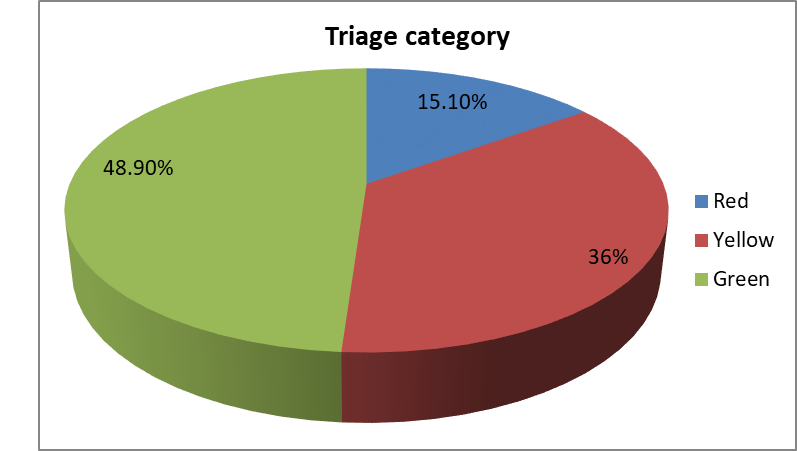
Graph 1: Distribution of patients according to triage category
Hospital disposition differed significantly across triage categories (p<0.001). Most Green-category patients were discharged, whereas Red-category patients had the highest rates of hospital admission, ICU admission, and mortality, demonstrating a strong relationship between triage acuity and patient outcome.
Table 2: Association between triage category and hospital disposition
|
Outcome |
Red (n=68) |
Yellow (n=162) |
Green (n=220) |
p-value |
|
Discharged |
8 (11.8) |
78 (48.1) |
205 (93.2) |
<0.001 |
|
Ward admission |
26 (38.2) |
68 (42.0) |
15 (6.8) |
|
|
ICU admission |
28 (41.2) |
14 (8.6) |
0 |
|
|
Referred |
4 (5.9) |
1 (0.6) |
0 |
|
|
Death |
2 (2.9) |
1 (0.6) |
0 |
Patients in the Red category experienced significantly shorter arrival-to-triage and arrival-to-physician times compared with Yellow and Green categories (p<0.001). However, Red-category patients had the longest emergency department stay, reflecting the greater complexity and severity of their clinical condition.
Table 3: Time intervals according to triage category
|
Variable |
Red |
Yellow |
Green |
p-value |
|
Arrival-to-triage (min) |
2.3 ± 1.1 |
5.2 ± 2.4 |
8.5 ± 3.8 |
<0.001 |
|
Arrival-to-physician (min) |
5.8 ± 2.9 |
18.6 ± 7.2 |
42.4 ± 18.6 |
<0.001 |
|
ED stay (hours) |
8.1 ± 4.2 |
6.3 ± 3.5 |
3.4 ± 2.1 |
<0.001 |
The need for emergency interventions increased significantly with higher triage acuity (p<0.001). Oxygen therapy, intravenous fluid administration, mechanical ventilation, vasopressor support, and cardiopulmonary resuscitation were most frequently required among Red-category patients.
Table 4: Requirement of emergency interventions according to triage category
|
Intervention |
Red |
Yellow |
Green |
p-value |
|
Oxygen therapy |
54 (79.4) |
48 (29.6) |
18 (8.2) |
<0.001 |
|
IV fluids |
58 (85.3) |
92 (56.8) |
52 (23.6) |
<0.001 |
|
Mechanical ventilation |
16 (23.5) |
2 (1.2) |
0 |
<0.001 |
|
Vasopressors |
12 (17.6) |
1 (0.6) |
0 |
<0.001 |
|
CPR |
4 (5.9) |
0 |
0 |
0.001 |
Higher triage categories were significantly associated with adverse clinical outcomes (p<0.001). Red-category patients demonstrated the highest rates of hospital admission, ICU admission, composite adverse outcomes, and mortality, whereas these events were uncommon among Green-category patients.
Table 5: Association between triage category and clinical outcomes
|
Outcome |
Red |
Yellow |
Green |
p-value |
|
Hospital admission |
54 (79.4) |
82 (50.6) |
15 (6.8) |
<0.001 |
|
ICU admission |
28 (41.2) |
14 (8.6) |
0 |
<0.001 |
|
Composite adverse outcome |
40 (58.8) |
22 (13.6) |
2 (0.9) |
<0.001 |
|
Mortality |
2 (2.9) |
1 (0.6) |
0 |
0.021 |
Red triage status was the strongest independent predictor of adverse outcomes after adjustment for demographic and clinical variables.
Table 6: Predictors of adverse clinical outcome
|
Variable |
Adjusted OR |
95% CI |
p-value |
|
Red triage category |
8.42 |
4.61–15.38 |
<0.001 |
|
Yellow triage category |
2.86 |
1.62–5.07 |
<0.001 |
|
Age >60 years |
2.14 |
1.23–3.72 |
0.007 |
|
Male sex |
1.28 |
0.82–2.00 |
0.281 |
|
Presence of comorbidity |
2.73 |
1.61–4.61 |
<0.001 |
DISCUSSION:
The present study demonstrated a significant association between emergency department (ED) triage categories and important clinical outcomes, including hospital admission, intensive care unit (ICU) admission, emergency interventions, emergency department length of stay, and mortality. Patients categorized as Red had substantially greater illness severity and adverse outcomes than those triaged as Yellow or Green, supporting the validity of acuity-based triage in predicting patient prognosis.
Nearly half of the study population (48.9%) belonged to the Green category, while only 15.1% required immediate emergency care (Red category). This distribution is comparable to reports from tertiary care emergency departments worldwide, where low-acuity patients constitute the majority of ED visits. Such findings emphasize that effective triage is essential not only for identifying critically ill patients but also for optimizing emergency department resource utilization and reducing overcrowding. Recent studies have shown that accurate triage improves patient flow while ensuring that critically ill patients receive timely interventions [6, 7].
Hospital disposition differed significantly across triage categories. More than 40% of Red-category patients required ICU admission, whereas over 90% of Green-category patients were discharged directly from the emergency department. Similar observations have been reported in multicentre validation studies of the Emergency Severity Index (ESI) and the Canadian Triage and Acuity Scale, where higher triage acuity strongly predicted hospital admission, intensive care requirement, and in-hospital mortality. These findings confirm that triage category reflects the underlying physiological severity of illness and assists clinicians in determining appropriate levels of care [8, 9].
Patients assigned to the Red category experienced significantly shorter arrival-to-triage and physician assessment times, demonstrating appropriate prioritization of critically ill patients. Nevertheless, these patients had the longest emergency department stay because they frequently required extensive investigations, resuscitation, stabilization, and coordination for ICU transfer. Similar relationships between triage acuity and ED length of stay have been demonstrated by Morley et al [9] and Hoot et al [10], who reported that critically ill patients consume substantially greater emergency resources despite receiving immediate assessment.
The requirement for emergency interventions increased progressively with increasing triage acuity. Oxygen therapy, intravenous fluid resuscitation, mechanical ventilation, vasopressor administration, and cardiopulmonary resuscitation were predominantly required among Red-category patients. These findings are biologically plausible because higher-acuity patients commonly present with respiratory failure, circulatory shock, severe trauma, or altered consciousness requiring immediate life-saving interventions. Recent emergency medicine studies similarly demonstrate that higher triage categories are closely associated with increased utilization of critical care resources and emergency procedures [11, 12].
Adverse clinical outcomes were strongly associated with higher triage categories. Hospital admission, ICU admission, composite adverse outcomes, and mortality increased significantly from Green to Yellow and Red categories. Importantly, multivariable analysis showed that Red triage status independently increased the odds of adverse outcomes more than eightfold, even after adjustment for age and comorbidities. Older age and the presence of comorbid illnesses were also independent predictors, reflecting the reduced physiological reserve and increased disease complexity observed in these patients. These findings are consistent with contemporary prognostic studies showing that triage category remains one of the strongest early predictors of clinical deterioration and mortality in emergency departments [7, 13].
CONCLUSION:
The present study demonstrates that emergency department triage categories are strong predictors of patient outcomes and effectively stratify patients according to illness severity. Patients assigned to the Red triage category had significantly higher rates of hospital admission, ICU admission, emergency interventions, prolonged emergency department stay, and mortality, whereas most Green-category patients were safely discharged. Red triage status remained an independent predictor of adverse clinical outcomes even after adjustment for age and comorbidities, highlighting the prognostic value of standardized triage assessment. These findings support the routine use of structured triage systems to facilitate timely identification of critically ill patients, optimize resource allocation, and improve emergency department efficiency and patient safety. Further multicentre prospective studies are warranted to validate these findings across diverse healthcare settings and to evaluate strategies for improving triage accuracy and clinical outcomes.
REFERENCES:
1. World Health Organization. Emergency care. Geneva: World Health Organization; 2026
2. World Health Organization. Interagency Integrated Triage Tool. Geneva: World Health Organization; 2026.
3. Markussen DL, Brevik HS, Bjørneklett RO, Engan M. Validation of a modified South African triage scale in a high-resource setting: a retrospective cohort study. Scand J Trauma Resusc Emerg Med. 2023; 31:13. doi:10.1186/s13049-023-01076-y.
4. Elbaih AH, El-Zoghby AM, El-Sayed DA, Abd El-Aziz AM. Assessment of patients’ outcomes after implementation of the South African Triage Scale in an emergency department, Egypt. Chin J Traumatol. 2022; 25(2):95-101. doi:10.1016/j.cjtee.2021.10.004.
5. Sartini M, Carbone A, Demartini A, et al. Overcrowding in emergency departments: causes, consequences, and solutions—a narrative review. Healthcare (Basel). 2022; 10(9):1625. doi:10.3390/healthcare10091625.
6. Van der Wulp I, Schrijvers AJ, van Stel HF. Predicting admission and mortality with emergency department triage systems: recent evidence and future directions. Eur J Emerg Med. 2022; 29(6):389-396.
7. Zachariasse JM, van der Hagen V, Seiger N, et al. Performance of emergency department triage systems across different patient populations: an updated systematic review. Int J Emerg Med. 2023; 16:52.
8. Gilboy N, Tanabe P, Travers D, Rosenau AM. Emergency Severity Index (ESI): A Triage Tool for Emergency Department Care, Version 4. Rockville (MD): Agency for Healthcare Research and Quality; updated 2023.
9. Morley C, Unwin M, Peterson GM, Stankovich J, Kinsman L. Emergency department crowding: a systematic review of causes, consequences and solutions. PLoS One. 2018;13:e0203316.
10. Hoot NR, Aronsky D. Systematic review of emergency department crowding: updated evidence and implications for patient outcomes. Ann Emerg Med. 2023;81(2):170-181.
11. McHugh M, Tanabe P, McClelland M, Khare RK. More patients are triaged using the Emergency Severity Index than any other triage system in the United States. Acad Emerg Med. 2022; 29(5):625-633.
12. Coster JE, Turner JK, Bradbury D, Cantrell A. Why triage matters: a systematic review of emergency department triage accuracy and patient outcomes. Scand J Trauma Resusc Emerg Med. 2020; 28:98.
13. Dugas AF, Kirsch TD, Toerper M, et al. Evaluation of emergency department triage systems and prediction of patient outcomes in diverse healthcare settings. JAMA Netw Open. 2022; 5:e2241974.