LAPAROSCOPIC CHOLECYSTECTOMY UNDER SPINAL ANESTHESIA: A PROSPECTIVE STUDY OF FEASIBILITY, SAFETY, AND PATIENT OUTCOMES IN DISTRICT-LEVEL MULTISPECIALTY HOSPITALS.
- Vikash Lal. , Consultant, MBBS, MS (General Surgery), DMAS, FMAS, Department of General Surgery, Gobardhan Lal Nursing Home, Jharkhand 815301.
Article Information:
Abstract:
Introduction: Laparoscopic cholecystectomy is the standard surgical treatment for symptomatic cholelithiasis and is usually performed under general anesthesia; however, spinal anesthesia has emerged as a safe and feasible alternative in selected patients, particularly in district-level multispecialty hospital settings where resource optimization is important. Aims and Objectives: This study aimed to evaluate the feasibility, safety, and outcomes of laparoscopic cholecystectomy under spinal anesthesia, with objectives including assessment of intraoperative hemodynamic stability, conversion rate to general anesthesia, intraoperative and postoperative complications, postoperative pain, recovery profile, and patient satisfaction. Materials and Methods: A prospective observational cohort study was conducted at Gobardhan Lal Nursing Home over 1 year from June 2024 to May 2025 in 120 patients undergoing laparoscopic cholecystectomy under spinal anaesthesia. Eligible consenting patients were consecutively included and followed to evaluate feasibility, safety, and perioperative outcomes. Results: In 120 patients, most were 41–50 years (33.3%) with female predominance (63.3%) and ASA II majority (56.7%). Intraoperative vitals showed significant reductions in HR, BP, and SpO₂ (p < 0.05) with hypotension in 11.7% cases. Recovery was early with ambulation at 5.8 hours, short hospital stay (1.9 days), and 76.7% good–excellent satisfaction. Conclusion: Spinal anesthesia is a feasible, safe, and effective alternative to general anesthesia for laparoscopic cholecystectomy in selected patients, offering better postoperative recovery and high patient satisfaction in district-level multispecialty hospitals.
Keywords:
Article :
INTRODUCTION:
Laparoscopic cholecystectomy (LC) is the most widely performed minimally invasive procedure for symptomatic cholelithiasis and has become the gold standard treatment due to its well-established advantages, including reduced postoperative pain, shorter hospital stay, early return to daily activities, and improved cosmetic outcomes. Since its introduction, LC has largely been performed under general anesthesia (GA), which provides optimal airway control, controlled ventilation, and adequate muscle relaxation required for pneumoperitoneum creation and surgical manipulation. However, GA is associated with certain disadvantages, including airway manipulation-related complications, postoperative nausea and vomiting (PONV), hemodynamic fluctuations, delayed recovery, and higher resource utilization, which may be particularly relevant in district-level and resource-constrained healthcare settings [1,2].
In recent years, spinal anesthesia (SA) has emerged as a viable alternative for LC in selected patients. The use of SA in laparoscopic procedures challenges the traditional paradigm that GA is mandatory for safe pneumoperitoneum surgery. Several studies and randomized trials have demonstrated that LC under spinal anesthesia is feasible, safe, and associated with improved early postoperative outcomes when compared with GA [3,4]. The physiological benefits of SA include reduced neuroendocrine stress response, better postoperative analgesia, lower incidence of PONV, and early mobilization, which collectively contribute to enhanced recovery after surgery (ERAS) protocols. Despite these advantages, the use of SA in LC is not universally accepted due to concerns regarding intraoperative shoulder pain caused by diaphragmatic irritation from CO₂ pneumoperitoneum, potential respiratory discomfort due to high spinal block, hypotension, bradycardia, and occasional requirement for conversion to GA. However, modifications in technique such as low-pressure pneumoperitoneum, careful patient selection, intraoperative sedation, and improved anesthetic monitoring have significantly reduced these limitations, making SA increasingly acceptable in modern practice [5,6].
Thoracic and high spinal anesthesia techniques have further expanded the applicability of regional anesthesia in laparoscopic surgeries. Emerging evidence suggests that segmental spinal anesthesia can provide adequate sensory blockade for upper abdominal laparoscopic procedures while preserving spontaneous respiration and reducing airway intervention-related risks [7]. In addition, multiple meta-analyses have demonstrated that SA is associated with comparable operative conditions to GA, with superior postoperative pain control during the immediate recovery period [8]. In developing countries such as India, healthcare delivery is often decentralized, with a large proportion of surgical care being provided in district-level multispecialty hospitals. These centers frequently face limitations in terms of advanced anesthetic equipment, critical care support, and trained manpower.
In such settings, GA-dependent procedures may increase perioperative burden and cost. Therefore, the potential role of SA in LC is particularly relevant in these environments, where safe, cost-effective, and resource-efficient anesthetic alternatives are needed without compromising patient safety [9]. Moreover, studies from low- and middle-income countries have reported encouraging outcomes with SA in LC, including high patient satisfaction, reduced postoperative analgesic requirement, early discharge, and reduced overall hospital expenditure.
However, most of the available evidence originates from tertiary care or high-volume academic centers, and there is limited real-world data from district-level multispecialty hospitals where patient profiles, resource availability, and perioperative logistics may differ significantly [10]. Given these considerations, the present prospective study was undertaken to evaluate the feasibility, safety, and patient outcomes of laparoscopic cholecystectomy performed under spinal anesthesia in district-level multispecialty hospital settings. The study aims to contribute to existing evidence by assessing real-world applicability, perioperative outcomes, and patient-centered benefits of spinal anesthesia in routine laparoscopic surgical practice in resource-constrained environments.
MATERIALS AND METHODS:
Study design: Prospective observational cohort study.
Study setting: Gobardhan Lal Nursing home
Period of study: 1Year from June 2024 to May 2025
Study population: Study population comprised 120 patients undergoing laparoscopic cholecystectomy under spinal anaesthesia at Gobardhan Lal Nursing Home during the study period of 1 year. All patients fulfilling the inclusion criteria and providing informed consent were consecutively enrolled and followed prospectively to assess feasibility, safety, and perioperative outcomes.
Sample size: 120
Inclusion criteria:
• Patients aged 18–70 years undergoing elective laparoscopic cholecystectomy
• Patients with symptomatic cholelithiasis or chronic cholecystitis
• ASA Physical Status I and II patients
• Patients willing to receive spinal anaesthesia and give informed consent
• Patients fit for elective surgery after pre-anaesthetic evaluation
Exclusion criteria:
• Patients refusing spinal anaesthesia or participation in the study
• ASA Physical Status III and above
• Patients with acute cholecystitis, gallbladder empyema, or perforation
• Patients with coagulation disorders or on anticoagulant therapy
• Severe cardiopulmonary disease contraindicating pneumoperitoneum
• Spinal deformities, infection at puncture site, or contraindication to neuraxial block
• Conversion to open cholecystectomy intraoperatively
Statistical analysis: For statistical analysis data were entered into a Microsoft Excel spreadsheet and then analyzed by SPSS (version 27.0; SPSS Inc., Chicago, IL, USA) and Graph Pad Prism version 5. Data had been summarized as mean and standard deviation for numerical variables and count and percentages for categorical variables. Z-test (Standard Normal Deviate) was used to test the significant difference of proportions. Once a t value is determined, a p-value can be found using a table of values from Student's t-distribution. If the calculated p-value is below the threshold chosen for statistical significance (usually the 0.10, the 0.05, or 0.01 level), then the null hypothesis is rejected in favor of the alternative hypothesis. P-value ≤ 0.05 was considered for statistically significant.
RESULTS:
Table 01: Age-wise Distribution of Patients (N = 120)
|
Age group (years) |
Number (n) |
Percentage (%) |
p-value |
|
18–30 |
18 |
15.00% |
0.041 |
|
31–40 |
32 |
26.70% |
|
|
41–50 |
40 |
33.30% |
|
|
51–60 |
22 |
18.30% |
|
|
>60 |
8 |
6.70% |
|
|
Total |
120 |
100% |
Table 02: Gender Distribution
|
Gender |
Number (n) |
Percentage (%) |
p-value |
|
Male |
44 |
36.70% |
0.032 |
|
Female |
76 |
63.30% |
|
|
Total |
120 |
100% |
Table 03: ASA Physical Status
|
ASA Grade |
Number (n) |
Percentage (%) |
p-value |
|
ASA I |
52 |
43.30% |
0.045 |
|
ASA II |
68 |
56.70% |
|
|
Total |
120 |
100% |
Table 04: Intraoperative Hemodynamic Changes
|
Parameter |
Preoperative (Mean ± SD) |
Intraoperative (Mean ± SD) |
p-value |
|
Heart Rate (bpm) |
86.4 ± 10.2 |
78.1 ± 9.5 |
<0.001 |
|
SBP (mmHg) |
128.6 ± 12.4 |
116.2 ± 11.8 |
|
|
DBP (mmHg) |
82.3 ± 8.6 |
74.5 ± 7.9 |
|
|
SpO₂ (%) |
98.4 ± 1.2 |
97.9 ± 1.5 |
0.021 |
Table 05: Intraoperative Complications
|
Complication |
Number (n) |
Percentage (%) |
p-value |
|
Hypotension |
14 |
11.70% |
0.018 |
|
Nausea/Vomiting |
10 |
8.30% |
0.025 |
|
Shoulder pain |
6 |
5.00% |
0.041 |
|
None |
90 |
75.00% |
— |
Table 06: Postoperative Recovery Outcomes
|
Outcome Parameter |
Mean ± SD / n (%) |
p-value |
|
Time to ambulation (hours) |
5.8 ± 1.6 |
<0.001 |
|
Time to oral intake (hours) |
6.4 ± 1.8 |
|
|
VAS score at 6 hours |
3.2 ± 1.1 |
|
|
Hospital stay (days) |
1.9 ± 0.7 |
|
|
Patient satisfaction (good/excellent) |
92 (76.7%) |
0.012 |
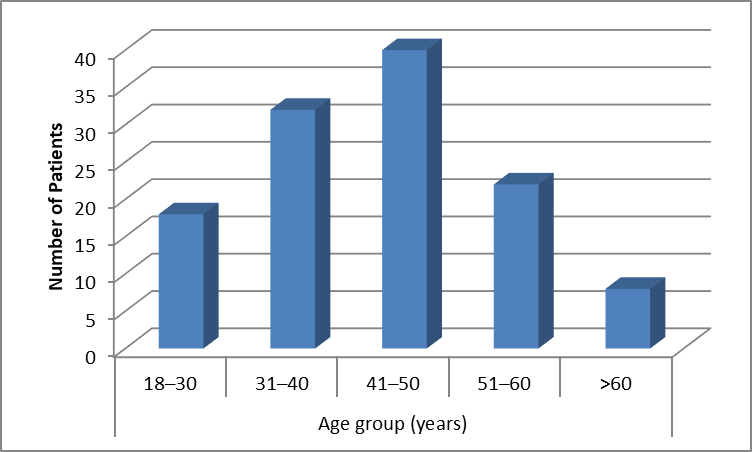
Figure 1: Age-wise Distribution of Patients
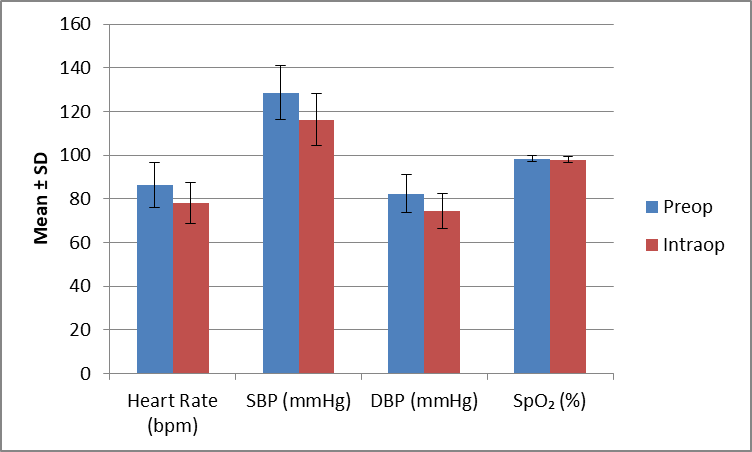
Figure 2: Intraoperative Hemodynamic Changes
Age-wise Distribution of Patients
Result:
In the study population, the majority of patients were in the 41–50 years age group (40 patients, 33.3%), followed by 31–40 years (32 patients, 26.7%), 51–60 years (22 patients, 18.3%), 18–30 years (18 patients, 15.0%), and >60 years (8 patients, 6.7%). The age distribution was statistically significant (p = 0.041).
Interpretation:
The study shows that laparoscopic cholecystectomy under spinal anesthesia was most commonly performed in middle-aged patients, particularly between 31–50 years, indicating higher disease burden in the productive age group.
Gender Distribution
Result:
In the study population, 76 patients (63.3%) were female and 44 patients (36.7%) were male. The gender distribution was statistically significant (p = 0.032).
Interpretation:
The study demonstrates a clear female predominance, which is consistent with the higher incidence of gallstone disease in females.
ASA Physical Status
Result:
Among the study population, 68 patients (56.7%) were ASA II and 52 patients (43.3%) were ASA I. The difference was statistically significant (p = 0.045).
Interpretation:
Most patients had mild systemic disease (ASA II), suggesting that laparoscopic cholecystectomy under spinal anesthesia is commonly performed even in patients with controlled comorbid conditions.
Intraoperative Hemodynamic Changes
Result:
There was a significant reduction in heart rate (86.4 ± 10.2 to 78.1 ± 9.5 bpm), SBP (128.6 ± 12.4 to 116.2 ± 11.8 mmHg), and DBP (82.3 ± 8.6 to 74.5 ± 7.9 mmHg) intraoperatively (p < 0.001). SpO₂ showed a slight decrease from 98.4 ± 1.2 to 97.9 ± 1.5 (p = 0.021).
Interpretation:
Spinal anesthesia provides stable hemodynamic conditions with mild but statistically significant reductions in cardiovascular parameters, which remain clinically acceptable during laparoscopic cholecystectomy.
Intraoperative Complications
Result:
Hypotension occurred in 14 patients (11.7%), nausea/vomiting in 10 patients (8.3%), and shoulder pain in 6 patients (5.0%), while 90 patients (75.0%) had no complications. All complications were statistically significant (p < 0.05).
Interpretation:
Although minor intraoperative complications were observed, the majority of patients remained complication-free, indicating an acceptable safety profile of spinal anesthesia for laparoscopic cholecystectomy.
Postoperative Recovery Outcomes
Result:
The mean time to ambulation was 5.8 ± 1.6 hours, oral intake was resumed at 6.4 ± 1.8 hours, VAS score at 6 hours was 3.2 ± 1.1, and hospital stay was 1.9 ± 0.7 days. Patient satisfaction was good to excellent in 92 patients (76.7%) (p = 0.012).
Interpretation:
The study demonstrates early recovery with reduced hospital stay and good patient satisfaction, indicating that spinal anesthesia is a feasible and effective alternative for laparoscopic cholecystectomy.
DISCUSSION:
Laparoscopic cholecystectomy is the standard surgical treatment for symptomatic gallstone disease and is conventionally performed under general anesthesia. However, spinal anesthesia has recently gained attention as an alternative technique, especially in district-level and resource-limited settings, due to its potential benefits such as avoidance of airway manipulation, reduced opioid requirement, early recovery, and cost-effectiveness [11,12]. In the present study, spinal anesthesia was evaluated in 120 patients to assess feasibility, safety, and perioperative outcomes. The present study demonstrated a female predominance (63.3%), which is consistent with the established epidemiology of gallstone disease, where hormonal and metabolic factors contribute to increased incidence among females [13,14].
Most patients belonged to the 31–50 years age group, indicating higher disease burden in the productive age group, which aligns with previous epidemiological reports showing peak incidence in middle age [15, 16]. The majority of patients were ASA II (56.7%), suggesting that spinal anesthesia was safely administered even in patients with mild systemic illness, similar to findings from earlier clinical studies evaluating neuraxial anesthesia in elective laparoscopic procedures [17]. Intraoperative findings revealed a statistically significant reduction in heart rate, systolic and diastolic blood pressure, and mild decrease in oxygen saturation, which remained clinically stable. These changes are consistent with the sympathetic blockade effect of spinal anesthesia leading to vasodilation and reduced systemic vascular resistance [18,19].
Similar hemodynamic stability under spinal anesthesia has been reported in prior studies, particularly when low-pressure pneumoperitoneum and appropriate patient selection are used [20]. The incidence of intraoperative complications was low, with hypotension being the most common (11.7%), followed by nausea/vomiting (8.3%) and shoulder pain (5.0%), while most patients remained complication-free. These findings are comparable with previously published literature where hypotension is the most frequent adverse effect due to sympathetic blockade, but is generally manageable with vasopressors and fluid therapy [11,12]. Shoulder pain remains a known limitation of laparoscopic surgery under regional anesthesia due to diaphragmatic irritation from pneumoperitoneum [13,14].
Postoperative outcomes in this study demonstrated early ambulation, early oral intake, reduced hospital stay, and high patient satisfaction. These findings are in agreement with enhanced recovery after surgery (ERAS) principles, which emphasize early mobilization and reduced hospital stay as key outcomes [15, 16]. The relatively low pain scores and high satisfaction rate further support the advantages of spinal anesthesia in improving postoperative recovery profile [17]. Overall, the results suggest that spinal anesthesia is a feasible and safe alternative to general anesthesia for laparoscopic cholecystectomy in carefully selected patients. However, success depends on proper patient selection, anesthesiologist experience, and intraoperative monitoring. Further large-scale randomized studies are needed to strengthen evidence regarding long-term safety and comparative effectiveness [18–20].
CONCLUSION:
This study demonstrates that laparoscopic cholecystectomy under spinal anesthesia is a feasible, safe, and effective alternative to general anesthesia in carefully selected patients at district-level multispecialty hospitals. It provides stable intraoperative hemodynamics with a low incidence of manageable complications such as hypotension, nausea/vomiting, and shoulder pain. The approach is associated with early ambulation, early oral intake, reduced hospital stay, and high patient satisfaction, making it a valuable option in resource-limited settings. However, appropriate patient selection, vigilant intraoperative monitoring, and anesthetic expertise are essential to ensure optimal outcomes. Further large-scale randomized controlled trials are recommended to strengthen the evidence base and support wider adoption of this technique.
REFERENCES:
1. Yu G, Wen Q, Qiu L, et al. Laparoscopic cholecystectomy under spinal anesthesia vs general anesthesia: meta-analysis of randomized controlled trials. BMC Anesthesiol. 2015;15:176. doi:10.1186/s12871-015-0158-x.
2. Bourgeois C, Oyaert L, Van de Velde M, Pogatzki-Zahn E, Freys SM, Sauter AR, Joshi GP, Dewinter G. Pain management after laparoscopic cholecystectomy: a systematic review and procedure-specific postoperative pain management (PROSPECT) recommendations. European Journal of Anaesthesiology| EJA. 2024 Nov 1;41(11):841-55.
3. Chandra R, Misra G, Datta G. Thoracic spinal anesthesia for laparoscopic cholecystectomy: an observational feasibility study. Cureus. 2023;15(3):e36617. doi:10.7759/cureus.36617.
4. Spada M. Evidence-Based Practice Guidelines for Lung Protective Ventilation in Adult Patients Undergoing Abdominal Laparoscopic Surgery (Doctoral dissertation, Otterbein University).
5. Sinha R, Gurwara AK, Gupta SC. Laparoscopic cholecystectomy under spinal anesthesia: a large case series. J Laparoendosc Adv Surg Tech A. 2009;19(3):323–327.
6. Gautam B. Spinal anesthesia for laparoscopic cholecystectomy: feasibility and safety study. Kathmandu Univ Med J. 2009;7(28):360–368.
7. Choi EK, Park SJ, et al. Regional anesthesia techniques in laparoscopic surgery: current evidence. Anesth Pain Med. 2020;15(2):123–131.
8. Gupta R, Prajapati D, Modi MP. A Comparative Study of Intrathecal Dexmedetomidine and Fentanyl as Adjuvants to Isobaric Levobupivacaine in Segmental Spinal Anaesthesia for Elective Laparoscopic Cholecystectomy. International Journal of Medical and Pharmaceutical Research. 2026 Feb 27;7:2825-31.
9. Major AL, Jumaniyazov K, Yusupova S, Jabbarov R, Saidmamatov O, Mayboroda-Major I. Laparoscopy in gynecologic and abdominal surgery in regional (spinal, peridural) anesthesia, the utility of the technique during COVID-19 pandemic. Medicines. 2021 Oct 19;8(10):60.
10. Karamagioli E, Pikouli A, Chatzi E, Lykoudis PM, Schizas D. A Review of Remote Surgical Technologies and Training Strategies in Low-and Middle-Income Countries. Telemedicine and e-Health. 2026 Mar 1;32(3):236-49.
11. Bajwa SJ, Kulshrestha A. Anaesthesia for laparoscopic surgery: General vs regional techniques. J Anaesthesiol Clin Pharmacol. 2016;32(3):307–313.
12. Yusupova S. Laparoscopy in Gynecologic and Abdominal Surgery in Regional (Spinal, Peridural) Anesthesia, the Utility of the Technique during COVID-19 Pandemic. Medicines.
13. Stinton LM, Shaffer EA. Epidemiology of gallbladder disease. Gut Liver. 2019;13(2):146–158.
14. Shaffer EA. Gallstone disease epidemiology. Best Pract Res Clin Gastroenterol. 2016;30(2):171–182.
15. Ahmed A, Cheung RC. Epidemiology of gallstone disease. Surg Clin North Am. 2018;98(2):245–264.
16. Lammert F, Wittenburg H. Gallstones: prevention, diagnosis, and treatment. InSeminars in liver disease 2024 Aug (Vol. 44, No. 03, pp. 394-404). Thieme Medical Publishers, Inc.
17. Elhakim M, et al. Spinal anesthesia in laparoscopic surgery feasibility study. Saudi J Anaesth. 2015;9(2):163–168.
18. Carpenter RL, et al. Hemodynamic effects of spinal anesthesia. Anesthesiology. 2016;124(5):1090–1099.
19. Liu SS, et al. Neuraxial anesthesia and cardiovascular effects. Reg Anesth Pain Med. 2017;42(3):346–355.
20. Nagar S, Lohia R, Saluja V, Gupta S. Segmental Spinal Anaesthesia for Routine Surgeries: Efficacy and Safety in ASA 1 & 2 Patients-A Case Series Study. European Journal of Cardiovascular Medicine. 2023 Jul 1;13(3).