A cross sectional comparative study between Waist-Hip Ratio and Body Mass Index as a sensitive indicator for central obesity among Adults (18–65 years) field practice area of Osmania medical college, Hyderabad, Telangana.
- Vankunavath Deepika , Senior resident, Anaesthesia, Government medical college, Maheshwaram.
- Vakati Shruthi , Assistant Professor, Paediatrics, GMC-Rajanna sircilla. TELANGANA.
- Katravath Suresh , Assistant Professor, Neurology, Nijam Institute of Medical Sciences, Hyderabad, TELANGANA
- Venkatesh , Assistant-Professor, Community-Medicine, OSMANIA MEDICAL COLLEGE, HYDERABAD, TELANGANA.
Article Information:
Abstract:
Background: Obesity is a major public health concern associated with increased risk of cardiovascular diseases, diabetes, and metabolic syndrome. While Body Mass Index (BMI) is commonly used, it does not account for fat distribution. Both obesity and abdominal obesity are associated with increased risk of morbidities such as systematic inflammation, insulin resistance, and lipid abnormalities, leading to various non-communicable diseases, including cerebro-vascular and cardiovascular (CVD) diseases and cancer as well as mortality. This studyaims to evaluate whether WHR correlates well with obesity risk among adults in a community setting, making it useful for field-level screening by health workers.The results as follows, majority of participants were in the obese category (56.1%), followed by normal (23.6%) and overweight (15.8%), while only a small proportion were underweight (4.5%). This indicates a high burden of generalised obesity in the study population.A higher proportion of participants (61.8%) had increased WHR, indicating a high prevalence of central obesity, which is more clinically significant for cardiometabolic risk.Very weak positive correlation is seen between BMI and WHR in the present study, which is not statistically significant and indicates that BMI is NOT a reliable indicator of central obesity.These findings are in agreement with WHO recommendations and other studies, which emphasise the importance of using WHR along with BMI for better assessment of obesity-related health risks. WHR detected a higher proportion of obesity compared to BMI, reinforcing that WHR is a more sensitive indicator of central obesity.WHR is a simple, cost-effective tool for assessing central obesity.It should be used along with BMI in community screening programs. This study helps in identifying high-risk individuals who may be missed by BMI alone.
Keywords:
Article :
INTRODUCTION:
Obesity is a major public health concern associated with increased risk of cardiovascular diseases, diabetes, and metabolic-syndrome. [1]While Body Mass Index (BMI) is commonly used, it does not account for fat distribution.[2]
When the distribution of adipose tissue is abnormally high surrounding the internal viscera of the abdomen, it is referred to as abdominal or central obesity.[2] Both obesity and abdominal obesity are associated with increased risk of morbidities such as systematic inflammation, insulin resistance, and lipid abnormalities, leading to various noncommunicable diseases, including cerebro-vascular and cardiovascular (CVD) diseases and cancer.[3,4,5,6,7] as well as mortality. Additionally, abdominal obesity has a heightened risk of lifetime disability and poor long-term survival, regardless of BMI category, compared to people with no abdominal obesity.[8].
Overweight and obesity are defined as abnormal or excessive fat accumulation that may impair health. Most of the world’s population lives in countries where overweight and obesity kill more people than underweight.[9]Globally, elevated BMI accounted for 148 million disability-adjusted life years along with 4.7 million deaths, which increased by 70% since 1990, and was the 4th highest cause of death, in 2017.[10] The National Family Health Survey-5 reported 24% of women as obese (according to BMI), accounting for 33.2% in urban and 19.7% in rural areas, whereas 22.9% of men were found to be obese, accounting for 29.8% of urban and 19.3% rural men in India.
According to the WHR, 56.7% of women were obese, of which 59.9% were from urban and 55.2% were from rural, whereas 47.7% of men were obese of which 50.1% were from urban and 46.4% were from rural India.[11] Waist circumference (WC) and WHR, two central obesity measures, are now considered to be superior to BMI as indicators of the risk of comorbidities in obese individuals. WHR is an easy, practical, and low-cost technique to determine visceral fat and is a more accurate measure of body fat distribution (abdominal fat) although it is less commonly used.[12] Waist-Hip Ratio (WHR) is a better indicator of central (abdominal) obesity, which has a stronger association with cardiometabolic risk
Aim& Objectives
Aim: To compare between Waist Hip Ratio and Body Mass Index as indicator for central obesity.
Primary Objective
To determine the correlation between the Waist-Hip Ratio and Central Obesity risk among adults.
Secondary Objectives
To determine the correlation between the Body Mass Index and Central Obesity risk among adults.
To determine the sensitive indicator for central obesity and it’s associated factors.
MATERIALS AND METHODS:
Study Design
• Type: Cross-sectional analytical study
• Setting: RHC Patancheruvu, Sub-centres(Ghanpur,Chitkul), Government Fever Hospital.
Study Population
• Adults aged 18–65 years residing in the selected area
Inclusion Criteria
• Adults (18–65 years)
• Resident of study area for ≥6 months
• Willing to give consent
Exclusion Criteria
• Pregnant women
• Patients with abdominal masses/ascites
• Severely ill individuals
• Those unable to stand for measurements
Sample Size
• In India, central obesity prevalence ≈ 30%
• N=4PQ/L2
Where:
• Z = 1.96 (95% confidence)
• p = 0.3
• q = 0.7
• L = allowable error = 5
• Sample size= N =322 participants , added 3% non response rate
• Final sample size = 330
• (165 males,165 females)
Sampling Method
• Simple random sampling
Study Variables
Independent Variable
• Waist-Hip Ratio (WHR)
Dependent Variable
• Obesity risk (based on BMI and WHR classification)
Other Variables
• Age
• Gender
• Occupation
• Physical activity
Operational Definitions
Waist-Hip Ratio (WHR)
Waist Circumference
=
Hip Circumference
Cut-off values as per WHO
Men:
Normal: < 0.90 High risk: ≥ 0.90
• Women:
Normal: <0.85 High risk: ≥ 0.85
BMI Classification (Asian cut-offs)
• Underweight: <18.5
• Normal: 18.5–22.9
• Overweight: 23–24.9
• Obese: ≥25
Data Collection Method
Tools
• Questionnaire was formed to collect data such as height, weight, Age, gender, waist, and hip circumference
• Measuring tape
• Weighing scale
Procedure
Informed consent was taken from all the participating individuals.
Details such as Height, Weight, Age, were taken and waist-hip ratio and body mass index were taken
Calculate:
o WHR
o BMI
Data Analysis Plan
• Data entry was done in Excel. Statistical tests:
• Pearson correlation coefficient (r) → WHR vs BMI
• Chi-square test → Association between WHR risk and Gender Differences
Expected Outcomes
• To determine a positive correlation between WHR and central obesity risk
• WHR may identify hidden central obesity even in normal BMI individuals [2,8]
Ethical Considerations
• Informed written consent is taken from all willing participants
• Confidentiality of the individuals is maintained by addressing them with unique IDs instead of names during data collection
• No invasive procedures were done throughout the time of data collection
Limitations
• Cross-sectional design (no causality of obesity or central obesity is taken )
• Measurement errors are possible.
RESULTS:
A total of 330 participants were included in the study, comprising 165 males and 165 females aged 18–65 years.
BMI DISTRIBUTION (Percentage)
• Underweight: 4.5%
• Normal: 23.6%
• Overweight: 15.8%
• Obese: 56.1%
Interpretation
The majority of participants were in the obese category (56.1%), followed by normal (23.6%) and overweight (15.8%), while only a small proportion were underweight (4.5%). This indicates a high burden of generalised obesity in the study population.
WHR Risk Distribution
• High Risk: 61.8%
• Normal: 38.2%
Interpretation
A higher proportion of participants (61.8%) had increased WHR, indicating a high prevalence of central obesity, which is more clinically significant for cardio-metabolic risk.
Normal BMI but Increased WHR
• Number of individuals: 46
Interpretation:
46 individuals with normal BMI had increased WHR, indicating the presence of hidden central obesity. These individuals would be missed if BMI alone is used.
Gender Differences in WHR (Chi-square Test)
• χ² value = 1.04
• p-value = 0.308
Interpretation:
• No statistically significant association between gender and WHR was seen (p > 0.05)
• However, variation exists, suggesting biological differences in fat distribution among both genders.
Correlation between BMI and WHR (Pearson coefficient)
• Correlation coefficient (r) = 0.068
• p-value = 0.219
Interpretation:
• Very weak positive correlation is seen between BMI and WHR in the present study, which is not statistically significant and indicates that BMI is NOT a reliable indicator of central obesity
KEY COMPARISON:
Although 56.1% were obese by BMI, 61.8% had central obesity by WHR, showing that WHR identifies a greater number of at-risk individuals.
DISCUSSION:
The present study was conducted to assess the correlation between Waist-Hip Ratio (WHR) and obesity risk among adults in a community setting.
The present study demonstrated a high prevalence of central obesity (61.8%) among adults, indicating a substantial burden of cardio-metabolic risk in the community, which is consistent with the rising trend of obesity in India.
The Pearson correlation between BMI and WHR was very weak (r = 0.068) and not statistically significant, suggesting that BMI does not adequately reflect fat distribution. This finding highlights a major limitation of BMI, as it fails to distinguish between generalised and abdominal obesity.
A crucial observation was that 46 individuals with normal BMI had elevated WHR, indicating hidden central obesity. These individuals would be misclassified as healthy if BMI alone were used, despite having an increased risk for cardiovascular diseases and metabolic disorders.[4,8]
The Chi-square test did not show a statistically significant association between gender and WHR, suggesting that central obesity affects both males and females.
The prevalence of high WHR risk suggests that central obesity is highly prevalent in the community. Central obesity is a known risk factor for cardiovascular diseases, type 2 diabetes, and metabolic syndrome, and is considered more harmful than generalised obesity.
This highlights an important limitation of BMI, as it does not account for fat distribution,[2] whereas WHR specifically reflects abdominal fat accumulation, which is more closely associated with metabolic risk.
These findings are in agreement with WHO recommendations and other studies, which emphasise the importance of using WHR along with BMI for better assessment of obesity-related health risks.
WHR detected a higher proportion of obesity compared to BMI, reinforcing that WHR is a more sensitive indicator of central obesity.
Implications of the Study
• WHR is a simple, cost-effective tool for assessing central obesity
• It should be used along with BMI in community screening programs
• Helps in identifying high-risk individuals who may be missed by BMI alone.
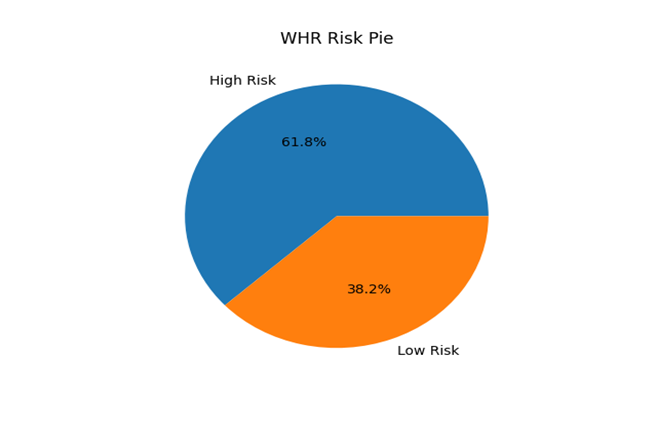
Figure 1: Distribution of WHR (Pie Chart)
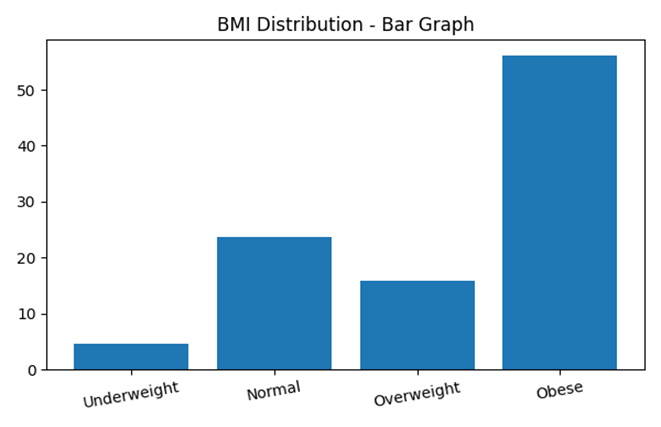
Figure 2: BMI Distribution (Bar Graph)
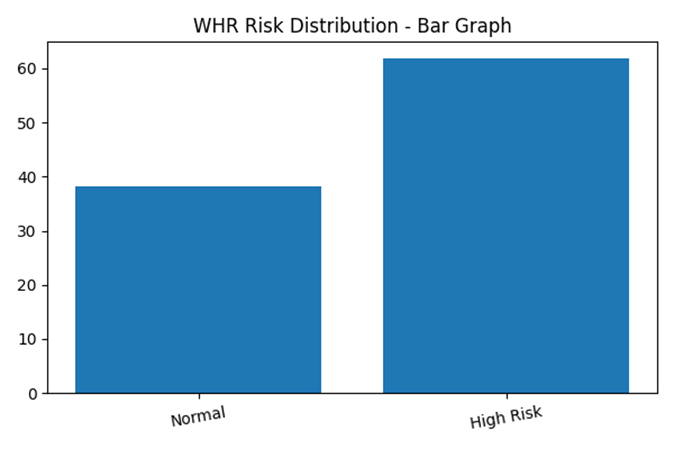
Figure 3: WHR Risk Distribution (Bar Graph)
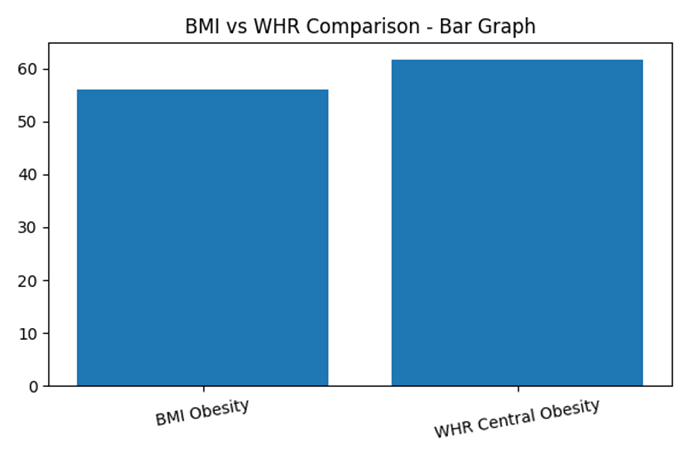
Figure 4: WHR Risk Distribution (Pie Chart)
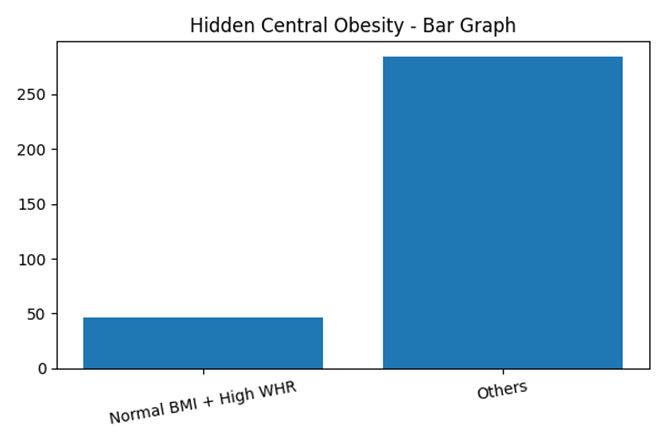
Figure 5: Hidden Central Obesity (Bar Graph)
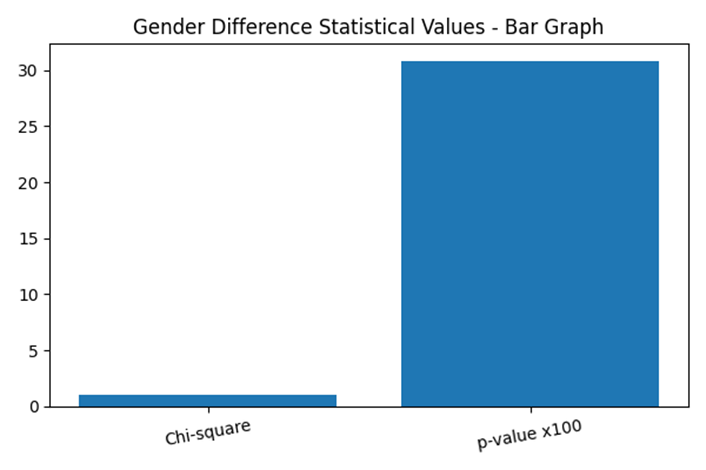
Figure 6: Gender Difference Statistical Values (Bar Graph)
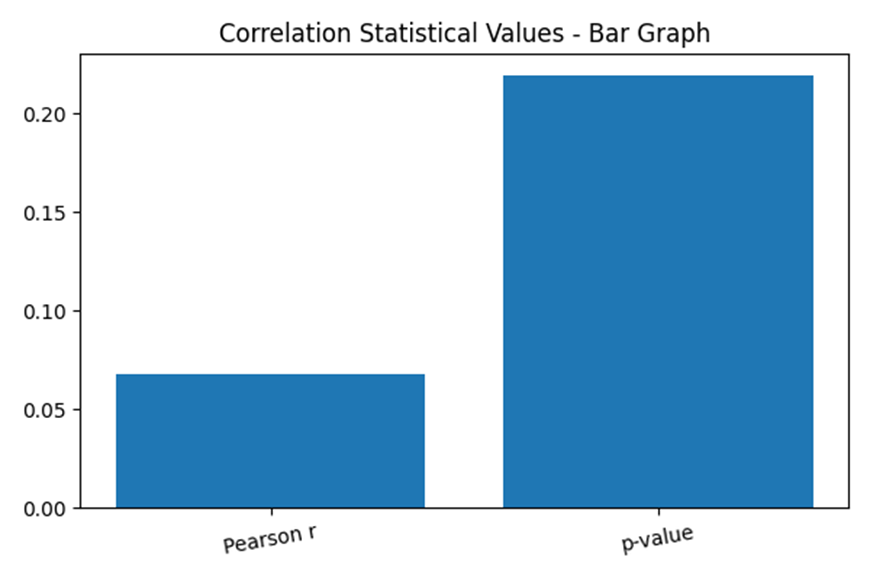
Figure 7: Correlation Statistical Values (Bar Graph)
REFERENCES:
- World Health Organization. Obesity and overweight. Geneva: WHO; 2023.
- World Health Organization. Waist circumference and waist–hip ratio: report of a WHO expert consultation. Geneva: WHO; 2008.
- Park K. Park’s textbook of preventive and social medicine. 27th ed. Jabalpur: Banarsidas Bhanot; 2021.
- Yusuf S, Hawken S, Ounpuu S, et al. Effect of potentially modifiable risk factors associated with myocardial infarction in 52 countries. Lancet. 2004;364(9438):937–52.
- Snehalatha C, Viswanathan V, Ramachandran A. Cutoff values for normal anthropometric variables in Asian Indian adults. J Assoc Physicians India. 2003;51:701–6.
- International Diabetes Federation. The IDF consensus worldwide definition of the metabolic syndrome. Brussels: IDF; 2006.
- GBD 2019 Risk Factors Collaborators. Global burden of 87 risk factors in 204 countries. Lancet. 2020;396:1223–49.
- Després JP. Body fat distribution and risk of cardiovascular disease. Circulation. 2012;126(10):1301–13.
- Obesity and Overweight Available from:https://www.who.int/news-room/fact-sheets/detail/obesity-and-overweight [cited on 2022 Dec 08].
- Golia N, Krishan K, Kashyap JR. Assessment of obesity by using various anthropometric measurements among patients with coronary heart disease residing in North India. Cureus 2020;12:e7948.
- National Family Health Survey (NFHS-5) Available from:http://rchiips.org/nfhs/factsheet_NFHS-5.shtml [cited on 2023 Jan 03].
- Bhardwaj S, Misra A, Misra R, Goel K, Bhatt SP, Rastogi K, et al. High prevalence of abdominal, intra-abdominal and subcutaneous adiposity and clustering of risk factors among urban Asian Indians in North India. PLoS One 2011;6:e24362.