Impact of HPV Vaccination on Cervical Cancer Incidence and Mortality: Global Evidence Update.
- Ghazala Andleeb , FCPS (Obstetrics & Gynaecology), MRCOG Part 2, CHPE Nishtar Medical University, Multan, Pakistan.
- Sadia Amin , MBBS (KEMU), FCPS, MRCOG King Edward Medical University (KEMU), Lahore, Pakistan.
- Kainat Akram , University of Lahore MCPS (OBG)
- Amber Shams , MBBS – Liaquat University of Medical & Health Sciences (LUMHS), Jamshoro, Pakistan. Professional Diploma in Obstetrics & Gynaecology – Royal College of Physicians of Ireland (RCPI), Ireland.
Article Information:
Abstract:
Background: Objective: To update global evidence on the impact of prophylactic human papillomavirus vaccination on invasive cervical cancer incidence and mortality and to identify age, schedule and equity factors affecting population benefit. Study design: Systematic review of population-based cohorts, registry studies, trials and evidence syntheses. Place and duration of the study: Global evidence indexed to 30 April 2026 was reviewed between 1 January and 30 April 2026. Methodology: MEDLINE/PubMed was searched for HPV vaccination combined with invasive cervical cancer, incidence, mortality and CIN3. Direct cancer and mortality outcomes were prioritized. Published rate reductions, incidence ratios, event counts and confidence intervals were retained without recalculation. Results: The search identified 8,817 records and 35 focused publications informed the update. In the routinely vaccinated English cohort cervical cancer incidence was 83.9% lower (95% CI 63.8-92.8) and CIN3 incidence was 94.3% lower (95% CI 92.6-95.7). Scotland reported no invasive cancers among women vaccinated at age 12-13 years. Before the evidence cutoff mortality effects were principally model based. A dynamic transmission model for China projected approximately 345,000 to 1.9 million cervical cancer deaths averted over 100 years across vaccine-coverage scenarios. Conclusion: HPV vaccination has population-level evidence for reducing cervical cancer incidence and model-based evidence for substantial mortality prevention. Early-adolescent vaccination, high and equitable coverage and continued HPV-based screening are required to convert vaccine efficacy into global elimination.
Keywords:
Article :
INTRODUCTION:
Persistent infection with oncogenic human papillomavirus is the necessary cause of almost all cervical cancers. Prophylactic vaccination interrupts infection before malignant transformation and is therefore the central primary-prevention tool. By April 2026 the evidence base had progressed from immunogenicity and precursor lesions to invasive cervical cancer incidence. Direct population-based mortality evidence was not yet mature at the review cutoff so mortality impact was evaluated through transmission and elimination models. A China model projected large reductions in cervical cancer deaths across sustained vaccination scenarios [1].
Incidence effects were already established through linked national registries. Updated English follow-up showed large reductions in invasive cancer and grade 3 cervical intraepithelial neoplasia among cohorts offered vaccination at age 12-13 years [2]. Scotland reported no invasive cancers in women immunized at the routine age [3]. Scandinavian registry analyses and systematic reviews confirm that the greatest effect occurs when vaccination precedes sexual exposure [4,5]. These endpoints transform HPV vaccination from a projected cancer-control strategy into an observed population intervention.
Global translation remains unequal. Vaccine supply, financing, school attendance, consent, misinformation and health-system capacity determine whether biological protection reaches populations with the highest mortality. A 2025 systematic review found large reductions in oncogenic infection, high-grade lesions and cervical cancer in settings with routine high coverage [6]. Scotland demonstrates the value of linked immunization and screening records [7]. Long-term nonavalent follow-up supports durable protection [8] and national programmes increasingly consider one-dose schedules to improve reach [9-12].
Pakistan has a high prevention need but limited national linkage between vaccination, screening and cancer registration. Programme communication must address vaccine confidence and frame immunization as cancer prevention. A local evidence update is timely because longer-term incidence, single-dose evidence and newer programme evaluations have appeared since earlier reviews. This systematic review assessed cervical cancer incidence, modelled mortality, duration of protection, dose strategy and equity-related implementation factors [13].
MATERIALS AND METHODS:
A systematic review was conducted according to PRISMA 2020 principles. The population included girls and women eligible for prophylactic HPV vaccination and vaccine-era populations evaluated through national programmes. The intervention was receipt or programme offer of a licensed bivalent, quadrivalent or nonavalent vaccine. Comparators were unvaccinated cohorts, historical birth cohorts or counterfactual trends. Primary outcomes were invasive cervical cancer incidence and cervical cancer mortality. Secondary outcomes were CIN3, persistent vaccine-type infection, durability, dose strategy and equity.
MEDLINE/PubMed was searched from inception to 30 April 2026 using HPV or human papillomavirus, vaccin*, cervical cancer, invasive cancer, incidence, mortality, death and CIN3. Terms for registry, cohort, effectiveness, programme impact, single dose and deprivation were applied during focused screening. The reproducible electronic search identified 8,817 indexed records. Reference tracking was undertaken for major national registry reports, systematic reviews and position statements. The retrieval count does not imply that all records received full-text assessment.
Eligible evidence comprised population cohorts, registry-linked observational studies, randomized vaccine trials with long-term outcomes, systematic reviews and programme evaluations. Reports limited to knowledge, intention or acceptance were excluded from effectiveness synthesis. Therapeutic vaccines, non-cervical outcomes without programme relevance, modelling without observed vaccine-era data and molecular studies were excluded from the principal outcome tables. When national cohorts overlapped, the most recent report was used for the relevant endpoint and earlier reports were retained only for distinct age, schedule or duration findings.
A structured form recorded country, vaccine, eligible age, coverage, study design, sample size, observation period, projected cancer deaths, invasive cancers, CIN3, effect measure, confidence interval, dose schedule, deprivation and adjustment. Mortality impact was extracted as projected deaths averted or model-adjusted relative reduction. Incidence impact was accepted as a reported incidence rate ratio or percentage reduction. Effect measures were not converted because estimands and comparator periods differed.
Risk of bias was evaluated for exposure classification, registry completeness, migration, screening participation, calendar effects, confounding and counterfactual assumptions. Mortality models were examined for vaccine coverage, time horizon, natural-history assumptions and uncertainty. Systematic reviews were evaluated for database coverage and overlap. New meta-analysis was not undertaken. Evidence was synthesized by modelled mortality, invasive cancer, CIN3, age, dose and implementation. Ethical approval was not required for published aggregate data and confidentiality was not applicable. Statistical significance was accepted at p<0.05 when used by source studies [14].
RESULTS:
The search identified 8,817 records. Focused screening retained 35 publications addressing modelled mortality, invasive cancer, high-grade precancer, vaccine durability, dosing or programme delivery. Direct invasive-cancer evidence came principally from England, Scotland and Scandinavian populations. Mortality evidence available by the cutoff was model based rather than an observed national registry comparison. Global syntheses supported consistency across programmes although direct endpoints remained concentrated in high-income settings. Figure 1 summarizes the research flow.
Mortality estimates were principally derived from transmission models. A China model evaluated bivalent, quadrivalent and nonavalent strategies over a 100-year horizon. Depending on primary and catch-up coverage, vaccination was projected to avert approximately 345,000 to 1.9 million cervical cancer deaths. The nonavalent strategy produced the largest projected impact across outcomes. These estimates represent modelled lifetime effects and should not be interpreted as observed mortality counts.
A South Korean decision model included more than 51 million residents and projected cervical cancer outcomes to 2100. In an ideal scenario combining 90% vaccination coverage with 70% screening coverage, an additional 7% of cervical cancer deaths were projected to be prevented compared with existing strategies. The model also showed that mortality benefit depended on the screening technology and interval. This finding reinforces that vaccination and screening act across different birth cohorts and timescales.
Incidence follow-up in England included 29,968 cervical cancers and 335,228 CIN3 diagnoses from 2006 to mid-2020. In women offered routine vaccination at age 12-13 years, age-standardized cervical cancer incidence was 83.9% lower (95% CI 63.8-92.8) and CIN3 incidence was 94.3% lower (95% CI 92.6-95.7) than in the reference cohort never offered vaccination. By mid-2020 an estimated 687 cervical cancers (95% CI 556-819) and 23,192 CIN3 cases (95% CI 22,163-24,220) had been prevented.
Scotland provided dose and age evidence. No invasive cervical cancer was recorded among women vaccinated at age 12-13 years regardless of whether one, two or three doses were documented. Among women vaccinated at age 14-22 years with three doses, incidence was 3.2 per 100,000 person-years (95% CI 2.1-4.6) compared with 8.4 (95% CI 7.2-9.6) among unvaccinated women. Registry reviews also documented herd protection in unvaccinated women when programme coverage was high.
Age at vaccination was the most consistent modifier. A systematic review of 21 studies reported vaccine effectiveness of approximately 74%-93% for vaccination at age 9-14 years and 12%-90% at age 15-18 years. A 54-study review retrieved from 1,136 records found substantial reductions in oncogenic HPV infection, high-grade lesions and cervical cancer across licensed products and settings. Twelve-year Scandinavian follow-up of the nonavalent vaccine and 17-year programme evaluations supported sustained protection.
Single-dose evidence strengthened. A meta-analysis included 902,368 vaccinated women and evaluated clinical effectiveness after one dose. Randomized African evidence showed efficacy against persistent oncogenic infection and later non-inferiority studies supported immune and clinical endpoints. Programme benefit still depended on high coverage, accurate recording and screening. English data found large incidence reductions in every deprivation group although absolute rates remained highest in the most deprived population. Tables 1-3 summarize direct outcomes and implementation modifiers.
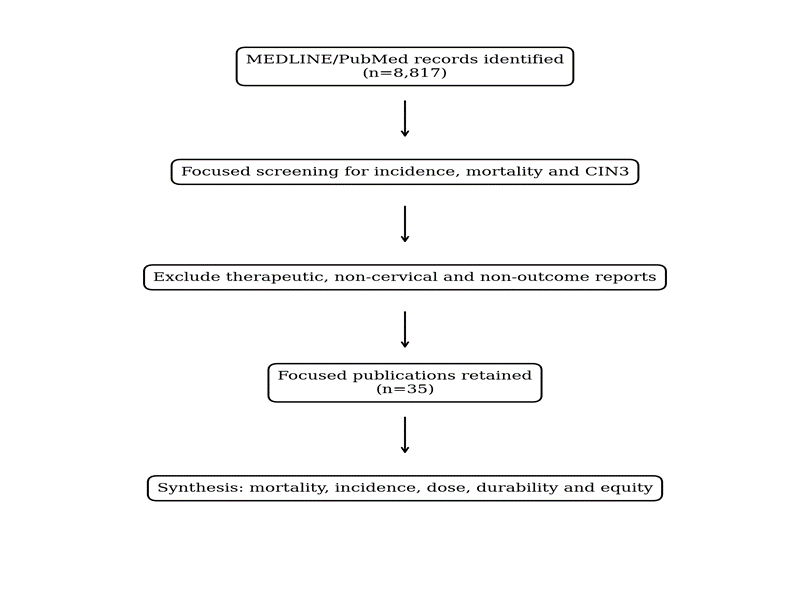
Figure 1. Study selection and evidence-synthesis flow.
Table 1. Principal direct population evidence
|
Setting/evidence |
Population/period |
Exposure |
Primary endpoint |
|
China mortality model |
National population; 100-year horizon |
Alternative vaccine and coverage scenarios |
Projected cervical cancer deaths |
|
England incidence |
29,968 cancers; 335,228 CIN3 |
Programme offer by birth cohort |
Cancer and CIN3 incidence |
|
Scotland registry |
National linked records |
Vaccination at 12-22 years |
Invasive cervical cancer |
|
Age-effect review |
21 studies |
Vaccination at 9-18 years |
Vaccine effectiveness |
|
Licensed-vaccine review |
54 studies from 1,136 records |
Four licensed vaccines |
Infection, lesions and cancer |
Table 2. Main incidence and mortality outcomes
|
Outcome |
Vaccinated cohort |
Effect |
Precision |
|
Modelled deaths averted |
China primary and catch-up scenarios |
Approximately 345,000 to 1.9 million |
100-year horizon |
|
Modelled mortality reduction |
South Korea; 90% vaccination plus 70% screening |
7% additional deaths prevented |
Projected to 2100 |
|
Cervical cancer incidence |
Routine offer age 12-13 |
83.9% lower |
95% CI 63.8-92.8 |
|
CIN3 incidence |
Routine offer age 12-13 |
94.3% lower |
95% CI 92.6-95.7 |
|
Scottish invasive cancer |
Vaccinated age 12-13 |
No cancers recorded |
One-, two- or three-dose records |
Table 3. Programme factors associated with population impact
|
Factor |
Evidence |
Implication |
|
Age at vaccination |
VE 74%-93% at 9-14 vs 12%-90% at 15-18 |
Prioritize early adolescence |
|
Coverage |
High-coverage programmes show herd protection |
Use school and catch-up delivery |
|
Dose schedule |
Single-dose effectiveness in large syntheses |
Can simplify delivery |
|
Deprivation |
Large relative benefit but higher absolute incidence persists |
Measure equitable uptake |
|
Screening |
Residual risk remains after vaccination |
Continue HPV-based screening |
DISCUSSION:
This update found that HPV vaccination reduces persistent oncogenic infection, high-grade precancer and invasive cervical cancer incidence. Global genotype attribution indicates that types covered by current vaccines cause most invasive cervical cancers [15]. Mortality evidence available before 30 April 2026 was principally model based. It consistently projected substantial prevention but remained dependent on coverage, screening, time horizon and natural-history assumptions.
Global genotype attribution supports the biological reach of current vaccines. HPV16 and HPV18 cause most invasive cervical cancers and the seven oncogenic types in the nonavalent vaccine cover a large majority of causal infections [16]. Regional genotype differences remain relevant [17]. Vaccination cannot prevent disease from infections acquired before immunization or types outside vaccine coverage. Screening must therefore continue during the transition to vaccinated cohorts.
The English incidence reductions were substantial across deprivation levels [18]. Elimination requires equity because absolute incidence can remain high in disadvantaged groups even when relative effectiveness is strong. County-level evidence from the United States demonstrates how low vaccination and high HPV-related cancer rates can cluster geographically [19]. Programmes need microplanning, school and community delivery and catch-up routes for adolescents who are not in school.
Evidence from sub-Saharan Africa identifies limited health-system capacity, cost, misinformation, stigma and consent barriers [20]. Kenya reported 33% first-dose uptake and 16% second-dose return in 2020 [21]. Single-dose schedules can reduce missed completion and delivery cost but they do not solve low demand or inaccessible services. Engagement with parents, teachers, religious leaders and clinicians remains necessary.
Low- and middle-income country reviews emphasize that vaccination must be combined with screening and treatment [22]. Global programme analyses show that supply gains and single-dose evidence create a practical opportunity for faster introduction [23]. A Pakistan perspective emphasized advocacy, community mobilization, stakeholder engagement, integration with immunization and parallel strengthening of cervical screening [24]. Direct national cancer-effectiveness data were not available by the review cutoff.
Local acceptability evidence shows a gap between willingness and completed vaccination. In a Pakistan survey 320 (66.7%) participants were willing to receive HPV vaccine although only 15 (3.1%) had previously been vaccinated [25]. Younger age and healthcare employment were associated with acceptance. The cross-sectional and online design limits generalizability but the findings support mass communication, clinician recommendation and affordable access rather than assuming that low uptake reflects universal refusal.
The prevention pathway extends across the life course. Contemporary elimination reviews recommend vaccination of young adolescents, HPV-based screening and timely treatment of precancer [26]. Screening intervals and triage may eventually be risk-stratified for vaccinated cohorts [27]. Premature reduction of screening could allow cancers caused by non-vaccine types or previous exposure to emerge. Integrated records can prevent both overscreening and missed follow-up.
Single-dose policy is supported by converging evidence. Updated reviews describe clinical and immunological durability after one dose [28] and a dedicated evidence synthesis supports its use for programme expansion [29]. The Tanzanian DoRIS trial found one-dose immune responses non-inferior to historical multidose comparators under specified criteria [30]. Country decisions should still follow current national and WHO guidance for age and immune status.
Economic evidence favours simplified schedules. Comparative modelling in India found that one-dose introduction can accelerate protection when programme resources are constrained [31]. Delivery-cost reviews show that financing extends beyond vaccine price to cold chain, training, outreach, consent and data systems [32]. These costs should be compared with avoided screening abnormalities, cancer treatment and premature mortality.
China and other populous middle-income countries illustrate the scale challenge. Reviews describe regional supply, pricing and uptake barriers despite increasing domestic evidence [33]. A 2025 community-level evidence synthesis consolidated programme effects on HPV-related disease and assessed reported harms [34]. A global systematic review available by the April cutoff further supported population impact but showed heterogeneity in methods and endpoints [35]. National evaluation protocols should be designed before rollout.
Pakistan requires a staged but measurable strategy. Initial priorities are routine vaccination before sexual exposure, reliable denominators and catch-up for missed cohorts. Communication should avoid linking vaccination to presumed sexual behaviour and emphasize cancer prevention. Sentinel HPV prevalence, CIN3 and cancer registries can provide early and intermediate outcomes before mortality effects become measurable. Equity indicators should include province, school attendance, urban-rural residence and socioeconomic status.
Mortality is the final outcome in a long causal chain. Vaccination first reduces persistent vaccine-type infection, followed by fewer high-grade lesions, invasive cancers and deaths. Each step occurs on a different timescale. Countries introducing vaccination now should not wait decades for mortality evidence before evaluating performance. Coverage, dose validity, type-specific HPV prevalence and CIN3 can function as sequential programme indicators.
Cancer-incidence studies need careful counterfactual design. Screening changes can increase or reduce detection independently of vaccination and pandemic disruption can alter both attendance and diagnosis. Birth-cohort comparisons, age-period models and linked individual vaccination records improve inference. Analyses should report migration, missing vaccination data and screening exposure. Mortality studies should distinguish underlying from contributing cause and pre-specify how expected deaths are calculated.
The absence of observed cancer in a vaccinated cohort is powerful but not a guarantee of zero future risk. As cohorts age, infections acquired before catch-up vaccination and non-vaccine oncogenic types may contribute cases. Confidence intervals remain important when event numbers are small. Public communication should describe very large risk reduction rather than absolute invulnerability so that vaccinated women continue recommended screening.
Gender-neutral vaccination adds prevention of other HPV-related cancers and strengthens herd protection. Where resources are constrained, achieving high coverage among girls before sexual exposure remains the immediate cervical-cancer priority. Expansion to boys should be planned without diverting supply from under-immunized girls. Programme evaluation should present sex-specific initiation and completion because overall averages can conceal gaps.
Immunocompromised populations require particular attention. Women living with HIV have higher persistent HPV risk and may need multidose schedules and closer screening according to guidance. Single-dose population evidence should not be generalized beyond recommended groups. Trials and registries should report immune status so that apparent schedule effectiveness is not driven solely by immunocompetent adolescents.
Safety surveillance supports confidence. Licensed prophylactic vaccines have extensive post-licensure experience and major reviews have not identified a serious safety pattern that outweighs cancer prevention. Systems should distinguish temporally associated events from causal signals and publish findings rapidly. Transparent investigation is more effective than dismissing concerns because rumours can reduce coverage across entire cohorts.
Catch-up vaccination has value but lower average cancer prevention than routine early-adolescent delivery because prior exposure increases with age. Programmes should define age ceilings using burden, feasibility and cost-effectiveness. Opportunistic vaccination during health visits can recover missed adolescents. Electronic reminders and school registers can identify children who received no dose rather than focusing only on completion among initiators.
Screening programmes will need to evolve as vaccinated cohorts mature. Lower disease prevalence reduces the positive predictive value of some triage pathways and may permit longer intervals after a negative high-risk HPV test. Changes should be evidence-based and linked to verified vaccination history. Risk-based screening can conserve resources while protecting unvaccinated and immunocompromised women.
Elimination is a threshold rather than eradication. A country can reach a low population incidence while disadvantaged groups continue to experience preventable disease. National averages should therefore be accompanied by subnational incidence, mortality, vaccination and screening measures. Reaching mobile, displaced and out-of-school populations is central to ethical implementation and to sustaining herd protection.
Mortality modelling also informs economic evaluation. Available models depended on assumed progression from infection to cancer and death. Direct observation of prevented deaths would provide a stronger endpoint for ministries deciding between vaccine schedules and catch-up strategies. Models should use local treatment access and survival because the same incidence reduction prevents more deaths where cervical cancer is diagnosed late. Transparent uncertainty ranges are essential.
Surveillance for type replacement should continue although current evidence has not shown a clinically important offset to vaccine benefit. Genotyping of high-grade lesions and cancers can distinguish declining vaccine types from stable or changing non-vaccine types. Laboratory methods and attribution rules should remain consistent over time. Apparent increases in a rare genotype may reflect proportional redistribution after HPV16 decline rather than a rise in absolute disease.
Cross-protection adds benefit beyond the exact vaccine types but should not be assumed indefinitely. Product, schedule and population can influence its magnitude. Programme records should capture vaccine brand when possible. Countries changing from bivalent or quadrivalent to nonavalent products need analyses by birth cohort so that outcome differences are not misclassified as waning or regional variation.
Communication should present both individual and community benefit. Vaccinated adolescents gain direct protection and high coverage reduces circulation of oncogenic types. Herd effects can protect people who missed vaccination although they are not a reason to remain unvaccinated. Clear statements about what the vaccine prevents, what it does not treat and why screening remains necessary can reduce confusion.
Research priorities now include direct mortality measurement, effectiveness in immunocompromised populations, long-term single-dose protection and optimal screening of vaccinated cohorts. Low- and middle-income countries should be funded to lead implementation research rather than only supply coverage data. Standardized reporting of dose, age, product, socioeconomic status, screening and cancer stage would make future global comparisons more credible.
Vaccine confidence can change quickly after misinformation or a poorly explained adverse event. Routine communication should begin before campaign launch and use clinicians, teachers and community representatives who can answer questions in local languages. Monitoring refusal reasons allows programmes to distinguish access failure from hesitancy. Corrective communication should be factual and respectful because coercive messaging can deepen distrust.
Data quality is part of intervention effectiveness. Paper registers that cannot link doses across schools and clinics may underestimate completion or produce unnecessary repeat doses. Unique identifiers, denominator reconciliation and periodic coverage surveys can improve accuracy. Cancer registries need complete morphology, stage and residence data. Linkage should protect confidentiality and be governed by transparent public-health rules.
Mortality reduction also depends on treatment for cancers that still occur. Vaccination will not immediately protect older unvaccinated women and screening gaps can continue to produce advanced disease. Elimination plans should therefore strengthen diagnostic referral, pathology, surgery, radiotherapy and palliative care alongside vaccination. A programme that achieves adolescent coverage but neglects current patients will delay the full mortality benefit.
A global evidence update should distinguish observed effects from projections. Registry reductions in invasive cancer are direct evidence. Mortality estimates available by the cutoff came from transmission and cost-effectiveness models whose assumptions should be explicit. Policy is strongest when trial efficacy, infection surveillance, precancer trends, invasive-cancer registries and future mortality analyses form a coherent sequence rather than when one endpoint is used in isolation.
Sustained political commitment is required across electoral and funding cycles because the benefit appears years after vaccination. Procurement interruptions can leave entire birth cohorts unprotected. Multi-year financing, buffer stock and routine integration are more reliable than short campaigns. Public dashboards can show coverage and screening progress without disclosing personal data and can support accountability.
The evidence available by the cutoff provides a clear communication sequence: vaccination prevents oncogenic infection, prevents high-grade precancer, prevents invasive cervical cancer and models project fewer deaths. Each claim is supported by a different study design. Presenting this sequence accurately can improve public understanding without overstating that vaccination alone eliminates every cervical cancer risk.
This review had limitations. Mortality findings were model based and depended on assumptions about coverage, screening, natural history and long-term follow-up. Registry studies of cancer incidence were observational and susceptible to screening, migration, cohort and calendar effects. Countries with linked data and high coverage were overrepresented. Included systematic reviews overlapped and single-dose evidence combined immunogenicity, infection and clinical endpoints. The focused MEDLINE/PubMed strategy may have missed programme reports outside indexed journals. No new pooled estimate was calculated.
CONCLUSION:
HPV vaccination has direct population evidence for substantial reductions in cervical cancer incidence and model-based evidence for major mortality prevention. Benefit is greatest when vaccination occurs in early adolescence and reaches high, equitable coverage. One-dose strategies can improve feasibility while long-term follow-up supports durable protection. Vaccination must remain integrated with HPV-based screening and treatment. Pakistan should pair national rollout with trustworthy communication, registries and prospective measurement of HPV infection, CIN3, invasive cancer and mortality.
REFERENCES:
1. Diakite I, Kyle J, Situ S, Bai P, Zhang X, Wang W, et al. Public health impact of 2-, 4- and 9-valent HPV vaccination in females on cervical and noncervical diseases in men and women under different coverage scenarios in China: A simulation study. Hum Vaccin Immunother 2023;19(2):2258569. doi: https://doi.org/10.1080/21645515.2023.2258569. PMID: 37787054; https://pubmed.ncbi.nlm.nih.gov/37787054/
2. Falcaro M, Soldan K, Ndlela B, Sasieni P. Effect of the HPV vaccination programme on incidence of cervical cancer and grade 3 cervical intraepithelial neoplasia by socioeconomic deprivation in England: population based observational study. BMJ 2024;385:e077341. doi: https://doi.org/10.1136/bmj-2023-077341. PMID: 38749552; https://pubmed.ncbi.nlm.nih.gov/38749552/
3. Palmer TJ, Kavanagh K, Cuschieri K, Cameron R, Graham C, Wilson A, et al. Invasive cervical cancer incidence following bivalent human papillomavirus vaccination: a population-based observational study of age at immunization, dose and deprivation. J Natl Cancer Inst 2024;116(6):857-865. doi: https://doi.org/10.1093/jnci/djad263. PMID: 38247547; https://pubmed.ncbi.nlm.nih.gov/38247547/
4. Rahangdale L, Mungo C, O'Connor S, Chibwesha CJ, Brewer NT. Human papillomavirus vaccination and cervical cancer risk. BMJ 2022;379:e070115. doi: https://doi.org/10.1136/bmj-2022-070115. PMID: 36521855; https://pubmed.ncbi.nlm.nih.gov/36521855/
5. Ellingson MK, Sheikha H, Nyhan K, Oliveira CR, Niccolai LM. Human papillomavirus vaccine effectiveness by age at vaccination: A systematic review. Hum Vaccin Immunother 2023;19(2):2239085. doi: https://doi.org/10.1080/21645515.2023.2239085. PMID: 37529935; https://pubmed.ncbi.nlm.nih.gov/37529935/
6. Harper DM, Navarro-Alonso JA, Bosch FX, Paavonen J, Stanley M, Sasieni P, et al. Impact of human papillomavirus vaccines in the reduction of infection, precursor lesions and cervical cancer: A systematic literature review. Hum Vaccin Immunother 2025;21(1):2497608. doi: https://doi.org/10.1080/21645515.2025.2497608. PMID: 40485552; https://pubmed.ncbi.nlm.nih.gov/40485552/
7. Cameron RL, Palmer TJ, Cuschieri K, Kavanagh K, Roy K. Assessing real world vaccine effectiveness: A review of Scotland's approach to monitoring human papillomavirus (HPV) vaccine impact on HPV infection and cervical disease. Vaccine 2024;42(21):126177. doi: https://doi.org/10.1016/j.vaccine.2024.126177. PMID: 39128198; https://pubmed.ncbi.nlm.nih.gov/39128198/
8. Kjaer SK, Falkenthal TEH, Sundström K, Munk C, Sture T, Bautista O, et al. Long-term effectiveness of the nine-valent human papillomavirus vaccine: Interim results after 12 years of follow-up in Scandinavian women. Hum Vaccin Immunother 2024;20(1):2377903. doi: https://doi.org/10.1080/21645515.2024.2377903. PMID: 39373579; https://pubmed.ncbi.nlm.nih.gov/39373579/
9. DeSieghardt A, Ding L, Ermel A, Franco EL, Dagnall C, Brown DR, et al. Population-Level Effectiveness and Herd Protection 17 Years After HPV Vaccine Introduction. JAMA Pediatr 2025;179(12):1326-1334. doi: https://doi.org/10.1001/jamapediatrics.2025.3568. PMID: 41021257; https://pubmed.ncbi.nlm.nih.gov/41021257/
10. Kreimer AR, Porras C, Liu D, Hildesheim A, Carvajal LJ, Ocampo R, et al. Noninferiority of One HPV Vaccine Dose to Two Doses. N Engl J Med 2025;393(24):2421-2433. doi: https://doi.org/10.1056/NEJMoa2506765. PMID: 41337735; https://pubmed.ncbi.nlm.nih.gov/41337735/
11. Setiawan D, Nurulita NA, Khoirunnisa SM, Postma MJ. The clinical effectiveness of one-dose vaccination with an HPV vaccine: A meta-analysis of 902,368 vaccinated women. PLoS One 2024;19(1):e0290808. doi: https://doi.org/10.1371/journal.pone.0290808. PMID: 38180991; https://pubmed.ncbi.nlm.nih.gov/38180991/
12. Barnabas RV, Brown ER, Onono MA, Bukusi EA, Njoroge B, Winer RL, et al. Efficacy of single-dose HPV vaccination among young African women. NEJM Evid 2022;1(5):EVIDoa2100056. doi: https://doi.org/10.1056/EVIDoa2100056. PMID: 35693874; https://pubmed.ncbi.nlm.nih.gov/35693874/
13. Marshall A, Pareja R, Ruzindana K, Bhatla N, Wilailak S, FIGO Committee on Women's Cancer. FIGO position statement on the effectiveness and safety of the HPV vaccine. Int J Gynaecol Obstet 2025;171(2):545-549. doi: https://doi.org/10.1002/ijgo.70506. PMID: 40900298; https://pubmed.ncbi.nlm.nih.gov/40900298/
14. Page MJ, McKenzie JE, Bossuyt PM, Boutron I, Hoffmann TC, Mulrow CD, et al. The PRISMA 2020 statement: an updated guideline for reporting systematic reviews. BMJ 2021;372:n71. doi: https://doi.org/10.1136/bmj.n71. PMID: 33782057; https://pubmed.ncbi.nlm.nih.gov/33782057/
15. Wei F, Georges D, Man I, Baussano I, Clifford GM. Causal attribution of human papillomavirus genotypes to invasive cervical cancer worldwide: a systematic analysis of the global literature. Lancet 2024;404(10451):435-444. doi: https://doi.org/10.1016/S0140-6736(24)01097-3. PMID: 39097395; https://pubmed.ncbi.nlm.nih.gov/39097395/
16. Malagón T, Franco EL, Tejada R, Vaccarella S. Epidemiology of HPV-associated cancers past, present and future: towards prevention and elimination. Nat Rev Clin Oncol 2024;21(7):522-538. doi: https://doi.org/10.1038/s41571-024-00904-z. PMID: 38760499; https://pubmed.ncbi.nlm.nih.gov/38760499/
17. Zhang J, Ke Y, Chen C, Jiang Z, Liu H, Liu Y, et al. HPV cancer burden by anatomical site, country and region in 2022. Sci Rep 2025;15(1):21048. doi: https://doi.org/10.1038/s41598-025-06700-8. PMID: 40593150; https://pubmed.ncbi.nlm.nih.gov/40593150/
18. Arroyo Mühr LS, Gini A, Yilmaz E, Hassan SS, Lagheden C, Hultin E, et al. Concomitant human papillomavirus (HPV) vaccination and screening for elimination of HPV and cervical cancer. Nat Commun 2024;15(1):3679. doi: https://doi.org/10.1038/s41467-024-47909-x. PMID: 38693149; https://pubmed.ncbi.nlm.nih.gov/38693149/
19. Adekanmbi V, Sokale I, Guo F, Ngo J, Hoang TN, Hsu CD, et al. Human Papillomavirus Vaccination and Human Papillomavirus-Related Cancer Rates. JAMA Netw Open 2024;7(9):e2431807. doi: https://doi.org/10.1001/jamanetworkopen.2024.31807. PMID: 39235811; https://pubmed.ncbi.nlm.nih.gov/39235811/
20. Kutz JM, Rausche P, Gheit T, Puradiredja DI, Fusco D. Barriers and facilitators of HPV vaccination in sub-saharan Africa: a systematic review. BMC Public Health 2023;23(1):974. doi: https://doi.org/10.1186/s12889-023-15842-1. PMID: 37237329; https://pubmed.ncbi.nlm.nih.gov/37237329/
21. Karanja-Chege CM. HPV Vaccination in Kenya: The Challenges Faced and Strategies to Increase Uptake. Front Public Health 2022;10:802947. doi: https://doi.org/10.3389/fpubh.2022.802947. PMID: 35387182; https://pubmed.ncbi.nlm.nih.gov/35387182/
22. Borda H, Bloem P, Akaba H, Guillaume D, Willens V, Jurgensmeyer M, et al. Status of HPV disease and vaccination programmes in LMICs: Introduction to special issue. Vaccine 2024;42 Suppl 2:S1-S8. doi: https://doi.org/10.1016/j.vaccine.2023.10.062. PMID: 39521565; https://pubmed.ncbi.nlm.nih.gov/39521565/
23. Giannone G, Giuliano AR, Bandini M, Marandino L, Raggi D, Earle W, et al. HPV vaccination and HPV-related malignancies: impact, strategies and optimizations toward global immunization coverage. Cancer Treat Rev 2022;111:102467. doi: https://doi.org/10.1016/j.ctrv.2022.102467. PMID: 36265336; https://pubmed.ncbi.nlm.nih.gov/36265336/
24. Batool R. Contemplating the Human Papillomavirus (HPV) Vaccine Introduction in Pakistan: Is Now the Time? Am J Trop Med Hyg 2024;110(4):631-632. doi: https://doi.org/10.4269/ajtmh.23-0790. PMID: 38471175; https://pubmed.ncbi.nlm.nih.gov/38471175/
25. Shamsi U, Zahid F, Abdul Jabbar AB, Musharraf MD, Gauhar F, Akbar I, et al. Human Papillomavirus Vaccine Awareness and Acceptability for Primary Prevention of Cervical Cancer in Pakistan: A Cross-Sectional Study. Asian Pac J Cancer Prev 2024;25(3):813-820. doi: https://doi.org/10.31557/APJCP.2024.25.3.813. PMID: 38546064; https://pubmed.ncbi.nlm.nih.gov/38546064/
26. Luu XQ, Jun JK, Suh M, Oh JK, Yu SY, Choi KS. Cervical Cancer Screening, HPV Vaccination and Cervical Cancer Elimination. JAMA Netw Open 2025;8(8):e2526683. doi: https://doi.org/10.1001/jamanetworkopen.2025.26683. PMID: 40794406; https://pubmed.ncbi.nlm.nih.gov/40794406/
27. Hampson IN, Oliver AW. Update on Effects of the Prophylactic HPV Vaccines on HPV Type Prevalence and Cervical Pathology. Viruses 2024;16(8):1245. doi: https://doi.org/10.3390/v16081245. PMID: 39205218; https://pubmed.ncbi.nlm.nih.gov/39205218/
28. Kreimer AR, Watson-Jones D, Kim JJ, Dull P. Single-dose human papillomavirus vaccination: an update. J Natl Cancer Inst Monogr 2024;2024(67):313-316. doi: https://doi.org/10.1093/jncimonographs/lgae030. PMID: 39529520; https://pubmed.ncbi.nlm.nih.gov/39529520/
29. Stanley M, Schuind A, Muralidharan KK, Guillaume D, Willens V, Borda H, et al. Evidence for an HPV one-dose schedule. Vaccine 2024;42 Suppl 2:S16-S21. doi: https://doi.org/10.1016/j.vaccine.2024.01.046. PMID: 39521566; https://pubmed.ncbi.nlm.nih.gov/39521566/
30. Watson-Jones D, Changalucha J, Whitworth H, Pinto L, Mutani P, Indangasi J, et al. Immunogenicity and safety of one-dose human papillomavirus vaccine compared with two or three doses in Tanzanian girls (DoRIS): an open-label, randomised, non-inferiority trial. Lancet Glob Health 2022;10(10):e1473-e1484. doi: https://doi.org/10.1016/S2214-109X(22)00309-6. PMID: 36113531; https://pubmed.ncbi.nlm.nih.gov/36113531/
31. M de Carvalho T, Man I, Georges D, Saraswati LR, Bhandari P, Kataria I, et al. Health and economic effects of introducing single-dose or two-dose human papillomavirus vaccination in India. BMJ Glob Health 2023;8(11):e012580. doi: https://doi.org/10.1136/bmjgh-2023-012580. PMID: 37931940; https://pubmed.ncbi.nlm.nih.gov/37931940/
32. Slavkovsky R, Callen E, Pecenka C, Mvundura M. Costs of human papillomavirus vaccine delivery in low- and middle-income countries: A systematic review. Vaccine 2024;42(6):1200-1210. doi: https://doi.org/10.1016/j.vaccine.2024.01.094. PMID: 38302338; https://pubmed.ncbi.nlm.nih.gov/38302338/
33. Zhao C, Zhao Y, Li J, Li M, Shi Y, Wei L. Opportunities and challenges for human papillomavirus vaccination in China. Hum Vaccin Immunother 2024;20(1):2329450. doi: https://doi.org/10.1080/21645515.2024.2329450. PMID: 38575524; https://pubmed.ncbi.nlm.nih.gov/38575524/
34. Henschke N, Bergman H, Buckley BS, Crosbie EJ, Dwan K, Golder SP, et al. Effects of human papillomavirus (HPV) vaccination programmes on community rates of HPV-related disease and harms from vaccination. Cochrane Database Syst Rev 2025;11(11):CD015363. doi: https://doi.org/10.1002/14651858.CD015363.pub2. PMID: 41276264; https://pubmed.ncbi.nlm.nih.gov/41276264/
35. Zeleke AJ, Reifferscheid L, Yunusa U, Gandhi K, Kennedy M, Sadarangani M, et al. Population-level impact of HPV vaccination: a global systematic review of ecological, cross-sectional and cohort studies. Expert Rev Vaccines 2026;25(1):2667734. doi: https://doi.org/10.1080/14760584.2026.2667734. PMID: 42053091; https://pubmed.ncbi.nlm.nih.gov/42053091/.