ASSESSMENT OF POST OPERATIVE ANALGESIA FOR SHOULDER ARTHROSCOPIC SURGERY USING INTERSCALENE BLOCK OR SHOULDER BLOCK TECHNIQUES: A PROSPECTIVE OBSERVATIONAL STUDY.
- Thirumurthy V , Consultant Anaesthetist Mangrol, CHC.
- Shweta A Patel , Assistant Professor, Government Medical College, Surat
- Ami P. Patel , Assistant Professor, Terna Medical College, Nerul, Navi Mumbai.
Article Information:
Abstract:
Background: Shoulder arthroscopic surgery is frequently associated with moderate to severe postoperative pain, which may delay rehabilitation and prolong hospital stay if not adequately managed. The interscalene brachial plexus block (ISB) is considered the gold standard for postoperative analgesia in shoulder surgery; however, it is associated with complications such as phrenic nerve palsy, diaphragmatic paralysis, and upper limb motor weakness. The combined shoulder block (SB), consisting of suprascapular and axillary nerve blocks, has emerged as a diaphragm-sparing alternative with fewer respiratory complications. The present study was undertaken to compare the analgesic efficacy and safety of these two regional anaesthetic techniques in patients undergoing arthroscopic shoulder surgery. Objectives: To compare postoperative analgesia provided by interscalene brachial plexus block and shoulder block following arthroscopic shoulder surgery by evaluating postoperative pain scores, duration of analgesia, rescue analgesic requirement, haemodynamic parameters, block characteristics, and adverse events. Materials and Methods: A prospective observational study was conducted in the Department of Anaesthesiology after Institutional Ethics Committee approval. Sixty adult patients (ASA physical status I–III) undergoing elective arthroscopic shoulder surgery were included and allocated into two groups of 30 patients each. Group IS received an interscalene brachial plexus block, whereas Group SB received a combined suprascapular and axillary nerve block. Both blocks were performed using 0.5% bupivacaine with dexamethasone before induction of general anaesthesia. Postoperative pain was assessed using the Visual Analogue Scale (VAS) at 0, 1, 4, 6, 12, and 24 hours. The onset of sensory and motor blockade, duration of analgesia, rescue analgesic requirement, haemodynamic parameters, and adverse events were recorded. Statistical analysis was performed using appropriate parametric and non-parametric tests, with a p-value <0.05 considered statistically significant. Results: The demographic characteristics of both groups were comparable. The interscalene block required significantly less time to perform (8.83 ± 2.44 minutes) than the shoulder block (15.70 ± 3.58 minutes) and demonstrated a faster onset of sensory and motor blockade. Postoperative VAS scores were comparable between the groups at all observation intervals (p >0.05). The duration of postoperative analgesia was 18.35 ± 0.60 hours in Group IS and 17.05 ± 0.47 hours in Group SB, without a statistically significant difference. All patients required intravenous paracetamol as rescue analgesia, whereas additional tramadol was required by 43.3% of patients in Group IS compared with 90.0% in Group SB. Haemodynamic parameters remained stable in both groups, and no major block-related complications were observed. Conclusion: Both interscalene brachial plexus block and shoulder block provided effective and safe postoperative analgesia following arthroscopic shoulder surgery. The interscalene block offered the advantages of faster block onset, shorter performance time, and reduced postoperative opioid requirement, while the shoulder block produced comparable postoperative pain relief with the added potential benefit of being a diaphragm-sparing regional anaesthetic technique. Therefore, the interscalene block remains the preferred choice for routine shoulder arthroscopy, whereas the shoulder block is an effective alternative in patients with contraindications to interscalene block or those at increased risk of respiratory complications.
Keywords:
Article :
INTRODUCTION:
Shoulder arthroscopy is widely used for the diagnosis and treatment of rotator cuff tears, recurrent shoulder instability, labral injuries, subacromial impingement, adhesive capsulitis and other shoulder disorders. Compared with open surgery, the arthroscopic approach causes less tissue trauma, requires smaller incisions and generally permits earlier mobilization and rehabilitation. Nevertheless, shoulder arthroscopy, particularly arthroscopic rotator cuff repair, may produce considerable postoperative pain during the first 24–48 hours. A prospective study by Stiglitz et al. observed a postoperative pain rebound during the first and second postoperative days, with rotator cuff repair being the most painful arthroscopic shoulder procedure evaluated (1).
Inadequately controlled postoperative pain may delay mobilization and physiotherapy, interfere with sleep, prolong recovery-room or hospital stay and increase the requirement for systemic analgesics. Opioid-based analgesia may be associated with nausea, vomiting, sedation, pruritus, respiratory depression and delayed discharge. Effective postoperative pain control is therefore an important component of enhanced recovery after shoulder surgery. Multimodal analgesia, combining non-opioid drugs, rescue opioids and regional nerve blocks, is commonly used to improve analgesia while reducing opioid-related adverse effects (2).
Regional anaesthesia provides targeted analgesia and may decrease perioperative opioid consumption. Among the available techniques, the interscalene brachial plexus block has traditionally been regarded as the standard regional analgesic technique for shoulder surgery. It predominantly blocks the C5 and C6 nerve roots or the upper trunk of the brachial plexus, thereby providing dense sensory and motor blockade of the shoulder and upper arm. An earlier clinical study reported that interscalene block provided a mean block duration of approximately eight hours and reduced the need for postoperative analgesic medication (3). Another study found that 39% of patients receiving an interscalene block first experienced postoperative pain more than 12 hours after surgery, whereas 95% of patients who received general anaesthesia alone complained of pain in the recovery room (4).
Despite its analgesic efficacy, interscalene block is associated with several clinically important adverse effects. Because the phrenic nerve lies close to the brachial plexus in the interscalene region, local anaesthetic may spread to the phrenic nerve and cause ipsilateral hemidiaphragmatic paresis. Urmey et al. demonstrated a 100% incidence of hemidiaphragmatic paresis following traditional interscalene block performed with volumes sufficient for shoulder surgery (5). Even with lower volumes and ultrasound guidance, diaphragmatic dysfunction may not be completely avoided. This complication may be well tolerated by healthy individuals but can be clinically significant in patients with obesity, chronic obstructive pulmonary disease, obstructive sleep apnoea or limited respiratory reserve. Other possible adverse effects include dyspnoea, Horner’s syndrome, hoarseness of voice due to recurrent laryngeal nerve blockade, vascular puncture, local anaesthetic systemic toxicity and neurological injury.
The need to preserve respiratory function has led to increasing interest in more selective, diaphragm-sparing regional techniques. One such technique is the shoulder block, which combines suprascapular nerve block with axillary nerve block. The suprascapular nerve supplies a major portion of the sensory innervation of the posterior and superior shoulder joint, while the axillary nerve contributes to the innervation of the inferior and lateral aspects of the joint. Blocking both nerves can therefore provide extensive shoulder analgesia without producing the broad brachial plexus blockade associated with interscalene block.
Combined suprascapular and axillary nerve block has several potential advantages. It is performed away from the phrenic nerve, generally preserves diaphragmatic function and may cause less extensive upper-limb motor weakness. Dhir et al. found that combined suprascapular and axillary nerve block produced fewer adverse effects and better pain relief at rest at 24 hours, although interscalene block provided superior analgesia during the immediate postoperative period (6). The authors concluded that the combined block represented a clinically acceptable alternative with a different analgesic profile.
Evidence comparing the two techniques has not been entirely uniform. In a randomized controlled trial, Lim et al. reported that interscalene block produced greater reductions in pulmonary function, whereas suprascapular nerve block preserved respiratory function more effectively in patients undergoing arthroscopic shoulder surgery (7). A meta-analysis of randomized controlled trials by Sun et al. concluded that combined suprascapular and axillary nerve block was an effective and safe alternative to interscalene block, particularly for patients at increased risk of respiratory complications. The combined block was associated with a lower incidence of subjective dyspnoea, arm weakness, Horner’s syndrome and other block-related adverse effects, although interscalene block provided better analgesia during the early postoperative hours (8).
Another meta-analysis evaluating suprascapular and axillary nerve blocks found that their combination provided better pain relief and patient satisfaction than suprascapular nerve block alone. When compared with interscalene block, the combined technique showed similar overall postoperative analgesia and patient satisfaction but a lower incidence of dyspnoea (9). These findings suggest that shoulder block may offer an appropriate balance between analgesic efficacy and safety, especially in patients in whom phrenic nerve involvement is undesirable.
The choice of regional analgesic technique should therefore consider not only pain scores but also onset of sensory and motor block, time required to perform the block, duration of effective analgesia, rescue analgesic requirement, haemodynamic stability and incidence of adverse effects. Interscalene block may provide a faster and denser block, whereas shoulder block may preserve respiratory and motor function more effectively. The relative clinical importance of these differences may vary according to patient characteristics, the surgical procedure and available expertise.
Although several international studies have assessed these techniques, comparative evidence from Indian tertiary-care settings remains limited. Differences in patient profiles, anaesthetic practices, block techniques, drug combinations and perioperative monitoring may affect their analgesic efficacy and safety. Therefore, the present prospective observational study was conducted among adult patients undergoing elective shoulder arthroscopy to assess postoperative analgesia following interscalene block or shoulder block. The techniques were evaluated using postoperative visual analogue scale scores during the first 24 hours, time to first rescue analgesia, total rescue analgesic requirement, haemodynamic parameters and the occurrence of adverse events. This comparison may help determine whether the more selective shoulder block provides analgesia comparable to interscalene block while reducing block-related adverse effects in routine clinical practice (10). The study framework and outcomes were aligned with the submitted protocol and observational methodology.
Shoulder arthroscopy is frequently associated with significant postoperative pain, which may delay rehabilitation, increase opioid consumption, and reduce patient satisfaction if not managed effectively. Although the interscalene brachial plexus block is considered the standard regional analgesic technique for shoulder surgery, it is associated with complications such as phrenic nerve palsy, diaphragmatic dysfunction, Horner's syndrome, and upper limb motor weakness. The combined shoulder block, consisting of suprascapular and axillary nerve blocks, has emerged as a potential diaphragm-sparing alternative with fewer adverse effects while providing satisfactory analgesia. However, limited evidence is available from the Indian population comparing these two techniques in patients undergoing shoulder arthroscopic surgery. Therefore, the present prospective observational study was undertaken to compare the postoperative analgesic efficacy of interscalene block and shoulder block by evaluating postoperative pain using the Visual Analogue Scale (VAS), time to first rescue analgesia, total rescue analgesic requirement, haemodynamic parameters, and the incidence of procedure-related adverse events during the first 24 hours after surgery. The findings of this study are expected to provide evidence regarding the comparative effectiveness and safety of these regional analgesic techniques, facilitate evidence-based selection of the most appropriate postoperative analgesic strategy, promote opioid-sparing multimodal analgesia, improve patient comfort and early rehabilitation, and contribute to the development of safer, individualized perioperative pain management protocols for shoulder arthroscopic surgery in routine clinical practice.
METHODOLOGY :
The present prospective observational study was conducted in the Department of Anaesthesiology at a tertiary care teaching hospital after obtaining approval from the Institutional Ethics Committee (IEC No. GMCS/ONLINE EC ID–Protocol No. 927/23 dated 07/09/2023) and written informed consent from all participants. The study included 60 adult patients of either sex, aged 18–60 years, belonging to the American Society of Anesthesiologists (ASA) physical status I, II, or III, who were scheduled for elective shoulder arthroscopic surgery. Patients with obesity (BMI >35 kg/m²), those receiving long-term analgesic therapy for chronic pain, or those not fulfilling the inclusion criteria were excluded from the study. Pre-anaesthetic evaluation was performed one day before surgery, during which a detailed medical history, physical examination, and baseline vital parameters were recorded.
On the day of surgery, all patients were kept nil per oral for six hours according to institutional protocol. Intravenous access was established, standard premedication was administered, and routine monitoring including pulse rate, blood pressure, and peripheral oxygen saturation (SpO₂) was instituted before induction of anaesthesia. Depending on the regional analgesic technique selected by the attending consultant anaesthesiologist, patients received either an interscalene brachial plexus block or a shoulder block approximately 30 minutes before induction of general anaesthesia. The interscalene block was administered using the classical Winnie technique with a nerve stimulator, while the shoulder block consisted of suprascapular and axillary nerve blocks performed using the Rovenstine and posterior approaches, respectively. All nerve blocks were performed using a nerve stimulator with appropriate motor responses before administration of 0.5% bupivacaine combined with dexamethasone.
Following confirmation of successful block placement, general anaesthesia was induced according to the departmental protocol and surgery was performed. Patients receiving the interscalene block were assigned to Group IS, whereas those receiving the combined shoulder block were assigned to Group SB. Sensory block was assessed using the pin-prick method, while motor block was evaluated by assessing restriction of shoulder movements. The onset and success of sensory and motor blockade were recorded at regular intervals up to 30 minutes using a three-point grading scale. A block was considered unsuccessful if complete sensory blockade was not achieved within 30 minutes after local anaesthetic administration.
Following completion of surgery and successful extubation, patients were transferred to the post-anaesthesia care unit. Postoperative pain intensity was assessed using the Visual Analogue Scale (VAS) at 0 hour (immediately after transfer to the recovery room), 1, 4, 6, 12, and 24 hours after surgery. Haemodynamic parameters including pulse rate and blood pressure were recorded at the same time intervals. The duration of effective postoperative analgesia, defined as the interval between completion of local anaesthetic injection and the requirement for the first rescue analgesic, was documented. Rescue analgesia consisted of intravenous paracetamol (1 g) when the VAS score exceeded 4, followed by intravenous tramadol (75 mg) if adequate pain relief was not achieved within six hours. The time to first rescue analgesia and the total rescue analgesic requirement during the first 24 postoperative hours were recorded. Any adverse events including vascular puncture, paraesthesia, pain during injection, subjective dyspnoea, hoarseness of voice, weakness of the upper limb, Horner's syndrome, postoperative nausea and vomiting, or other block-related complications were also documented.
The collected data were entered into a Microsoft Excel database and analysed using appropriate statistical methods. Quantitative variables were expressed as mean ± standard deviation (SD), while qualitative variables were expressed as frequencies and percentages. Continuous variables were compared using paired and unpaired Student's t-tests, whereas categorical variables were analysed using the Chi-square test. A p-value of <0.05 was considered statistically significant, while a p-value of <0.001 was considered highly statistically significant. This methodology was based on the approved study protocol and reported procedures.
RESULTS:
A total of 60 patients undergoing elective shoulder arthroscopic surgery were included in the study, with 30 patients receiving an interscalene brachial plexus block (Group IS) and 30 patients receiving a shoulder block (Group SB). The demographic characteristics and baseline clinical variables were comparable between the two groups. The interscalene block required significantly less time to perform (8.83 ± 2.44 minutes) compared with the shoulder block (15.70 ± 3.58 minutes) and demonstrated a faster onset of both sensory and motor blockade. However, postoperative pain assessment using the Visual Analogue Scale (VAS) at 0, 1, 4, 6, 12, and 24 hours revealed no statistically significant differences between the two groups (p > 0.05), indicating that both techniques provided comparable postoperative analgesia. The mean duration of postoperative analgesia was slightly longer in the interscalene block group (18.35 ± 0.60 hours) than in the shoulder block group (17.05 ± 0.47 hours), although this difference was not statistically significant. All patients required intravenous paracetamol as the first rescue analgesic, whereas the requirement for additional tramadol was lower in the interscalene block group (43.3%) compared with the shoulder block group (90.0%). Postoperative haemodynamic parameters remained stable and comparable between the groups throughout the observation period. No major block-related complications or serious adverse events were observed in either group. Overall, both regional anaesthetic techniques provided effective and safe postoperative analgesia following shoulder arthroscopic surgery, while the interscalene block offered the advantages of faster block onset, shorter performance time, and reduced requirement for opioid rescue analgesia.
Table 1. Comparison of Postoperative Pain Scores (Primary Objective)
Primary Objective: To assess the quality of postoperative analgesia using the Visual Analogue Scale (VAS).
|
Time after Surgery |
Shoulder Block (SB) Mean ± SD |
Interscalene Block (IS) Mean ± SD |
p-value |
|
0 hour |
1.57 ± 0.50 |
1.20 ± 0.41 |
0.2909 |
|
1 hour |
1.73 ± 0.45 |
1.57 ± 0.50 |
0.5741 |
|
4 hours |
2.43 ± 0.47 |
2.17 ± 0.38 |
0.2582 |
|
6 hours |
2.60 ± 0.56 |
2.40 ± 0.50 |
0.5456 |
|
12 hours |
3.23 ± 0.43 |
3.13 ± 0.35 |
0.2734 |
|
24 hours |
1.87 ± 0.63 |
1.37 ± 0.49 |
0.1819 |
Key Finding:
Postoperative VAS scores were comparable between the two groups at all postoperative time intervals, with no statistically significant difference (p>0.05).
Table 2. Comparison of Rescue Analgesic Requirement (Secondary Objective)
Secondary Objective: To compare the time to first rescue analgesia and total analgesic requirement.
|
Parameter |
Shoulder Block (SB) |
Interscalene Block (IS) |
p-value |
|
Time to first rescue analgesia (hours) |
17.05 ± 0.47 |
18.35 ± 0.60 |
0.1945 |
|
Patients requiring Paracetamol |
30 (100%) |
30 (100%) |
Comparable |
|
Patients requiring Tramadol |
27 (90.0%) |
13 (43.3%) |
Lower in IS |
Key Finding:
Although the duration of postoperative analgesia was similar between groups, fewer patients in the interscalene block group required tramadol rescue analgesia.
Table 3. Comparison of Hemodynamic Parameters (Secondary Objective)
Secondary Objective: To compare postoperative haemodynamic stability.
|
Parameter |
Shoulder Block |
Interscalene Block |
Overall Result |
|
Pulse Rate |
Comparable |
Comparable |
p>0.05 |
|
Systolic Blood Pressure |
Comparable |
Comparable |
p>0.05 |
|
Diastolic Blood Pressure |
Comparable |
Comparable |
p>0.05 |
Key Finding:
Both regional analgesic techniques maintained stable postoperative haemodynamic parameters throughout the 24-hour observation period without statistically significant differences.
Table 4. Comparison of Block Characteristics and Adverse Outcomes (Secondary Objective)
Secondary Objective: To compare block characteristics and document adverse events.
|
Parameter |
Shoulder Block (SB) |
Interscalene Block (IS) |
Observation |
|
Block performance time (minutes) |
15.7 ± 3.58 |
8.83 ± 2.44 |
Significantly shorter in IS (p<0.05) |
|
Sensory block onset at 5 min |
63.3% |
93.3% |
Faster in IS |
|
Motor block onset at 10 min |
40.0% |
56.7% |
Faster in IS |
|
Complete motor block |
0% |
80.0% |
More common in IS |
|
Major adverse events |
None significant |
None significant |
Comparable safety |
Key Finding:
The interscalene block was associated with significantly shorter block performance time and a faster onset of sensory and motor blockade than the shoulder block, while both techniques demonstrated acceptable safety profiles.
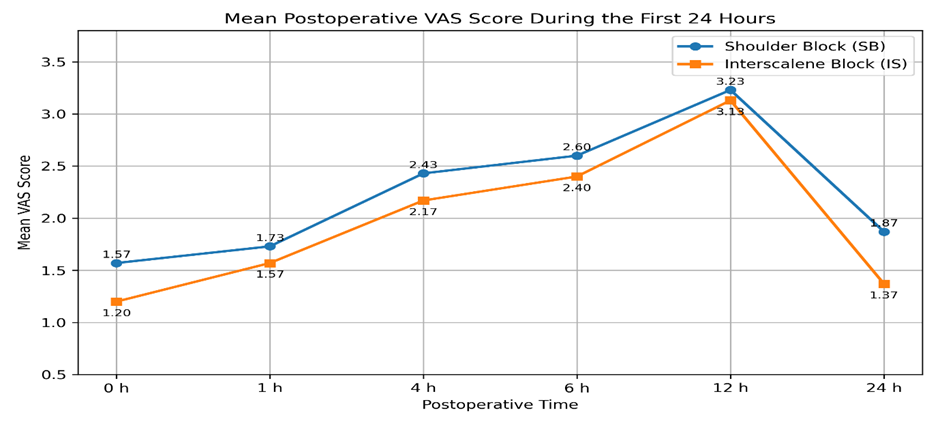
Figure 1: Mean Post-Operative VAS Score During First 24 Hours
DISCUSSION:
The present study compared the efficacy of interscalene brachial plexus block (ISB) and shoulder block (SB) for postoperative analgesia following arthroscopic shoulder surgery. Both techniques provided satisfactory postoperative analgesia and stable haemodynamic parameters. However, the interscalene block demonstrated a significantly shorter block performance time (8.83 ± 2.44 minutes vs. 15.70 ± 3.58 minutes), faster onset of sensory and motor blockade, and a lower requirement for rescue opioid analgesia.
In the present study, the mean block performance time was significantly shorter with the interscalene block (8.83 ± 2.44 minutes) than with the shoulder block (15.70 ± 3.58 minutes). Pehlivan et al. (11) similarly reported that the interscalene block required a significantly shorter procedure time (approximately 8–10 minutes) compared with combined interscalene–suprascapular techniques (approximately 12–15 minutes), attributing this to the requirement for multiple injections in combined nerve blocks. Thus, the findings of the present study are in agreement with those reported by Pehlivan et al.
The present study demonstrated a faster onset of sensory blockade with the interscalene block, with 93.3% of patients achieving sensory blockade within 5 minutes compared with 63.3% in the shoulder block group. Complete motor blockade was also observed more frequently in the interscalene group (80.0% vs. 0%). Similarly, the meta-analysis by Sun et al. (12), which included 10 randomized controlled trials involving more than 600 patients, reported that the interscalene block consistently produced a faster onset and denser motor blockade than suprascapular plus axillary nerve blocks, although both techniques provided comparable postoperative analgesia.
Postoperative pain scores remained low and comparable between the two groups in the present study. The mean duration of postoperative analgesia was 18.35 ± 0.60 hours in the interscalene group and 17.05 ± 0.47 hours in the shoulder block group, with no statistically significant difference. Waleed (13) similarly reported postoperative VAS scores below 3 throughout the first 24 hours in both groups, with no significant difference in analgesic duration (approximately 18.5 hours in the interscalene group versus 17.3 hours in the suprascapular–axillary block group), closely resembling the findings of the present study.
In the present study, all patients received intravenous paracetamol as rescue analgesia; however, additional tramadol was required in only 43.3% of patients receiving the interscalene block compared with 90.0% in the shoulder block group. Likewise, Checcucci et al. (14) reported significantly lower postoperative opioid consumption following interscalene block than suprascapular–axillary nerve block, although both techniques achieved satisfactory pain control. Their findings support the superior opioid-sparing effect observed in the present study.
No major complications were observed in either study group, and haemodynamic parameters remained stable throughout the postoperative period. Similar findings were reported by Saravanan et al. (15) in their case series of selective suprascapular and axillary nerve block, where effective postoperative analgesia was achieved without respiratory compromise or major neurological complications. They concluded that the shoulder block represents a safe diaphragm-sparing alternative, particularly in patients at increased risk of pulmonary complications.
All patients in the present study received 0.5% bupivacaine with dexamethasone, resulting in prolonged postoperative analgesia. The Cochrane systematic review by Pehora et al. (16), which analysed 35 randomized controlled trials involving over 2,700 participants, demonstrated that perineural dexamethasone prolonged the duration of sensory block by approximately 6–8 hours and significantly delayed the need for first rescue analgesia without increasing adverse events. These findings support the prolonged analgesic duration observed in the present study.
The effectiveness of the shoulder block observed in the present study can be explained by the anatomical distribution of the suprascapular and axillary nerves. Vorster et al. (17) demonstrated that the suprascapular nerve contributes nearly 70% of the sensory innervation of the shoulder joint, while the axillary nerve supplies most of the remaining posterior and lateral capsule, providing the anatomical basis for combining these two nerve blocks for shoulder surgery.
The present findings are also consistent with those of Barber (18), who reported excellent postoperative pain relief following suprascapular nerve block for shoulder arthroscopy with reduced opioid consumption and improved patient comfort. However, similar to the present study, Barber also noted that although suprascapular nerve block provides effective analgesia, the interscalene block generally offers a faster onset of blockade and more complete perioperative analgesia. Therefore, while both techniques are clinically effective, the interscalene block remains the preferred option for routine shoulder arthroscopy, whereas the shoulder block serves as an excellent diaphragm-sparing alternative in selected patients.
CONCLUSION:
The present prospective observational study demonstrated that both the interscalene brachial plexus block and the combined shoulder block (suprascapular and axillary nerve block) provided effective and safe postoperative analgesia following arthroscopic shoulder surgery. Although postoperative pain scores and the duration of analgesia were comparable between the two groups, the interscalene block showed significant advantages, including a shorter block performance time, faster onset of sensory and motor blockade, and a lower requirement for rescue opioid analgesia. Haemodynamic parameters remained stable throughout the postoperative period, and no major block-related complications were observed in either group. Therefore, the interscalene block remains the preferred regional analgesic technique for routine arthroscopic shoulder surgery, while the shoulder block represents an effective diaphragm-sparing alternative, particularly for patients in whom interscalene block is contraindicated or associated with increased respiratory risk.
Limitations of the Study
The present study had certain limitations that should be considered while interpreting the findings. It was conducted at a single tertiary care centre with a relatively small sample size of 60 patients, which may limit the generalizability of the results and reduce the ability to detect uncommon complications. As a non-randomized prospective observational study, it was susceptible to selection bias and potential confounding factors. Postoperative outcomes were assessed only during the first 24 hours; therefore, long-term analgesic efficacy, functional recovery, rehabilitation outcomes, and the development of chronic shoulder pain could not be evaluated. Furthermore, ultrasound guidance was not assessed as a separate variable, making it difficult to determine its independent influence on block success and clinical outcomes. Patient satisfaction, quality-of-recovery scores, and functional outcome measures were also not evaluated. In addition, diaphragmatic excursion and pulmonary function were not objectively assessed; consequently, the diaphragm-sparing advantage of the shoulder block could not be quantified despite its proposed clinical benefits.
Recommendations
Based on the findings of the present study, larger multicentre randomized controlled trials with adequate sample sizes are recommended to validate the results and improve their generalizability. Future studies should incorporate long-term follow-up to evaluate functional recovery, rehabilitation, chronic postoperative pain, patient satisfaction, and quality-of-recovery outcomes. Comparative research using ultrasound-guided regional anaesthetic techniques should also be undertaken to determine their impact on block success, analgesic efficacy, and complication rates. Objective assessment of diaphragmatic function and pulmonary parameters should be included to better establish the diaphragm-sparing advantages of the shoulder block. Further studies evaluating the cost-effectiveness of interscalene and shoulder blocks, as well as the role of newer local anaesthetic adjuvants and different drug concentrations, are warranted to optimize postoperative analgesia. Based on the present findings, the interscalene brachial plexus block may continue to be considered the preferred regional analgesic technique for routine arthroscopic shoulder surgery, while the combined shoulder block may be recommended as an effective diaphragm-sparing alternative for patients with respiratory disease, obesity, or contraindications to interscalene block.
REFERENCES:
1. Brown AR, Weiss R, Greenberg C, Flatow EL, Bigliani LU. Interscalene block for shoulder surgery. Anesth Analg. 1993;76(3):680–4.
2. Borgeat A, Ekatodramis G. Anaesthesia for shoulder surgery. Best Pract Res Clin Anaesthesiol. 2002;16(2):211–25.
3. Winnie AP. Interscalene brachial plexus block. Anesth Analg. 1970;49(3):455–66.
4. Barber FA. Suprascapular nerve block for shoulder arthroscopy. Arthroscopy. 2005;21(8):1015.e1–1015.e4.
5. Feigl G, Anderhuber F, Dorn C, Pipam W, Rosmarin W, Likar R. Modified lateral block of the suprascapular nerve: A safe approach and how much to inject? A morphological study. Reg Anesth Pain Med. 2007;32(6):488–94.
6. Vorster W, Lange CPE, Briët RJP, Labuschagne BCJ, Du Toit DF, Muller CJF, et al. The sensory branch distribution of the suprascapular nerve: An anatomic study. J Shoulder Elbow Surg. 2008;17(3):500–2.
7. Checcucci G, Allegra A, Bigazzi P, Gianesello L, Ceruso M, Gritti G. A new technique for regional anesthesia for arthroscopic shoulder surgery based on a suprascapular nerve block and an axillary nerve block: An evaluation of the first results. Arthroscopy. 2008;24(6):689–96.
8. Pehora C, Pearson AM, Kaushal A, Crawford MW, Johnston B. Dexamethasone as an adjuvant to peripheral nerve block. Cochrane Database Syst Rev. 2017;11:CD011770.
9. Waleed A. Postoperative analgesia for arthroscopic shoulder surgery: Comparison between ultrasound-guided interscalene block and combined suprascapular and axillary nerve blocks. Ain-Shams J Anaesthesiol. 2016;9(4):536–42.
10. Saravanan R, Nivedita K, Karthik K. Selective suprascapular and axillary nerve (SSAX) block: A diaphragm-sparing regional anesthetic technique for shoulder surgeries: A case series. Saudi J Anaesth. 2022;16(4):457–9.
11. Pehlivan S, Gergin O, Aksu R, Guney A, Guler E, Yildiz K. A randomized comparison between interscalene and combined interscalene-suprascapular blocks for arthroscopic shoulder surgery: A prospective clinical study. J Pain Res. 2024;17:335–43.
12. Sun C, Zhang X, Ji X, Yu P, Cai X, Yang H. Suprascapular nerve block and axillary nerve block versus interscalene nerve block for arthroscopic shoulder surgery: A meta-analysis of randomized controlled trials. Medicine (Baltimore). 2021;100(44):e27661.
13. Waleed A. Postoperative analgesia for arthroscopic shoulder surgery: Comparison between ultrasound-guided interscalene block and combined suprascapular and axillary nerve blocks. Ain-Shams J Anaesthesiol. 2016;9(4):536–42.
14. Checcucci G, Allegra A, Bigazzi P, Gianesello L, Ceruso M, Gritti G. A new technique for regional anesthesia for arthroscopic shoulder surgery based on a suprascapular nerve block and an axillary nerve block: An evaluation of the first results. Arthroscopy. 2008;24(6):689–96.
15. Saravanan R, Nivedita K, Karthik K. Selective suprascapular and axillary nerve (SSAX) block: A diaphragm-sparing regional anesthetic technique for shoulder surgeries: A case series. Saudi J Anaesth. 2022;16(4):457–9.
16. Pehora C, Pearson AM, Kaushal A, Crawford MW, Johnston B. Dexamethasone as an adjuvant to peripheral nerve block. Cochrane Database Syst Rev. 2017;11:CD011770.
17. Vorster W, Lange CPE, Briët RJP, Labuschagne BCJ, Du Toit DF, Muller CJF, et al. The sensory branch distribution of the suprascapular nerve: An anatomic study. J Shoulder Elbow Surg. 2008;17(3):500–2.
18. Barber FA. Suprascapular nerve block for shoulder arthroscopy. Arthroscopy. 2005;21(8):1015.e1–1015.e4.