A PROSPECTIVE OBSERVATIONAL STUDY COMPARING CLINICAL OUTCOME IN LOCALLY ADVANCED RECTAL ADENOCARCINOMA TREATED WITH SHORT COURSE RADIOTHERAPY FOLLOWED BY CHEMOTHERAPY VERSUS PREOPERATIVE CONCOMITANT CHEMORADIATION FOLLOWED BY TOTAL MESORECTAL EXCISION IN BOTH ARMS.
- DEBAJYOTI CHOWDHURY , Senior Resident , MD ,Department of Radiation Oncology, Alipurduar District Hospital , Hospital Rd, Alipurduar, West Bengal 736121.
- SUVRA MONDAL , Senior Resident , MD ,Department of Radiation Oncology, Katwa Sub-Divisional Hospital, Katwa, Purba Bardhaman, West Bengal 713130.
- ANANYA MAHALANABISH , Senior Resident, MD ,Department of Radiation Oncology, Sagardighi Super Speciality Hospital, Murshidabad, West Bengal 742226
- PABITRA DAS , Associate professor, Department of Radiotherapy, Institute of Post-Graduate Medical Education and Research (IPGMER) and SSKM Hospital, Acharya Jagadish Chandra Bose Road, Kolkata, West Bengal 700020..
Article Information:
Abstract:
Introduction: Rectal cancer is a major cause of morbidity and mortality. Management of locally advanced cases involves neoadjuvant radiotherapy, chemotherapy, and surgery. Optimizing treatment while minimizing toxicity is crucial, and monitoring biomarkers like serum CEA alongside RECIST-based response assessment helps evaluate therapy effectiveness. Aims: To compare clinical outcomes—including locoregional control, and disease-free survival (defined as the period from treatment completion to disease progression or recurrence)—between the two treatment arms. Materials and methods: The present study was a prospective observational single institutional study. This Study was conducted February 2021 to August 2022. Department of Radiotherapy, Medical College and Hospital, Kolkata. Study population 48. Result: In Arm A, most patients were aged 51–60 years (50%), followed by >61 years (25%), while in Arm B, 45.8% were 51–60 years. Age and sex distribution were comparable between groups (p>0.5), with Arm A having 45.8% females and Arm B 37.5% (OR=1.41; 95% CI: 0.45–4.46; p=0.5581). Mean BSA (1.49 ± 0.14 vs 1.53 ± 0.13 m²) and ECOG PS (0.79 ± 0.41 vs 0.75 ± 0.44) were similar (p>0.3). Mean serum CEA at diagnosis and 3-month follow-up, as well as mean DFS duration (196.4 ± 91.17 vs 206.05 ± 87.77 days), did not differ significantly between groups (p>0.2). Overall, baseline characteristics, biochemical markers, and short-term outcomes were comparable between Arm A and Arm B. Conclusion: Both treatment groups demonstrated comparable efficacy and tolerability in locally advanced rectal cancer, with no significant differences in clinical, biochemical, or pathological outcomes.
Keywords:
Article :
INTRODUCTION:
Colorectal cancer (CRC) is a major global health challenge, ranking as the third most common cancer in men and second in women worldwide. In India, it is the fourth most common cancer in males and third in females, with an annual incidence of rectal cancer of 4.1 per 100,000. Globally, CRC accounted for 880,792 (9.2%) of 9,555,027 cancer-related deaths in 2018 [1,2]. The increasing incidence in developing countries is associated with obesity, sedentary lifestyle, red meat intake, alcohol, and tobacco use [3]. Despite rising incidence, improvements in early detection and treatment have reduced CRC mortality.
For locally advanced rectal adenocarcinoma, neoadjuvant therapy followed by total mesorectal excision (TME) is the standard of care. Unlike colon cancer, surgical margins in rectal cancer are constrained by pelvic anatomy, making local recurrence a critical concern [4]. Two main neoadjuvant approaches exist: short-course radiotherapy (SCRT, 25 Gy in 5 fractions) and long-course concomitant chemoradiotherapy (LCCRT, 50.4 Gy in 28 fractions with concurrent chemotherapy). While LCCRT is traditionally preferred for high-risk tumors, SCRT with delayed surgery combined with consolidation chemotherapy has shown comparable tumor downstaging and pathological complete response (PCR) rates [5,6,7].
Randomized and observational studies, including the Stockholm III trial, demonstrated that delaying surgery after SCRT allows tumor regression and provides a window to deliver preoperative systemic chemotherapy, which may improve compliance and reduce micrometastases [5,6]. Both SCRT and LCCRT decrease local recurrence and improve survival; however, distant metastases remain a significant challenge [4,8]. Current research emphasizes optimizing treatment schedules to balance oncological outcomes with quality of life, leading to interest in SCRT followed by chemotherapy as a potential alternative to conventional LCCRT.
Tumor response will be evaluated using contrast-enhanced computed tomography (CECT) alongside clinical examination, following standardized criteria. Responses will be classified as complete response (disappearance of all target lesions), partial response (≥30% reduction in the sum of target lesion diameters), stable disease (insufficient shrinkage for partial response and insufficient increase for progression), and progressive disease (≥20% increase in lesion size or new lesion appearance). This approach allows accurate assessment of locoregional tumor control and detection of residual or recurrent disease.
MATERIALS AND METHODS:
Study design: A prospective observational single institutional study.
Place of study: Department of Radiotherapy, Medical College and Hospital, Kolkata
Period of study: February 2021 to August 2022
Study Population: 48 Patients attending the Radiotherapy Department of Medical College and Hospital, Kolkata with biopsy proven carcinoma of rectum.
Inclusion Criteria:
1. Male and female patients aged ≥18 years with biopsy-confirmed, newly diagnosed primary, locally advanced rectal adenocarcinoma, with distal tumor border within 10 cm of the anal verge confirmed by colonoscopy.
2. High-risk features on pelvic MRI, including at least one of the following: clinical T4a/T4b stage, extramural vascular invasion, or clinical nodal stage N2.
3. No prior treatment for rectal cancer, including surgery (except biopsy), chemotherapy, or radiotherapy.
4. Adequate performance status (ECOG 0–1), life expectancy, and planned for curative bowel resection (abdominal or abdomino-perineal).
5. Normal hematological, renal, and hepatic function, with provision of informed consent.
Exclusion criteria:
1. Presence of distant metastases or locally advanced unresectable tumors.
2. Planned for local excision or previous treatment for rectal cancer (surgery, chemotherapy, or radiotherapy).
3. Prior radiotherapy to the abdominal or pelvic region or any contraindication to external beam radiotherapy (EBRT).
4. Severe comorbid conditions, including uncompensated cardiac, respiratory, hepatic, or renal disease, or signs of severe ischemic/arteriosclerotic disease.
5. Pregnancy or lactation.
Study Variable:
1. Demographic Variables: Age, sex, BMI, and performance status (ECOG).
2. Tumor Characteristics: Tumor location, size, clinical T and N stage, extramural vascular invasion, and MRI-based risk classification.
3. Treatment Variables: Type of neoadjuvant therapy (SCRT + chemotherapy vs long-course chemoradiotherapy), radiation dose/fractionation, chemotherapy regimen, and interval to surgery.
4. Surgical Outcomes: Type of resection (abdominal or abdomino-perineal), circumferential resection margin (CRM), sphincter preservation, and perioperative complications.
5. Oncological Outcomes: Tumor downstaging, pathological complete response (pCR), local recurrence, distant metastases, disease-free survival, overall survival, and treatment-related toxicity.
Statistical Analysis: For statistical analysis, data were initially entered into a Microsoft Excel spreadsheet and then analyzed using SPSS (version 27.0; SPSS Inc., Chicago, IL, USA) and GraphPad Prism (version 5). Numerical variables were summarized using means and standard deviations, while Data were entered into Excel and analyzed using SPSS and GraphPad Prism. Numerical variables were summarized using means and standard deviations, while categorical variables were described with counts and percentages. Two-sample t-tests were used to compare independent groups, while paired t-tests accounted for correlations in paired data. Chi-square tests (including Fisher’s exact test for small sample sizes) were used for categorical data comparisons. P-values ≤ 0.05 were considered statistically significant.
RESULTS:
Table 1: Demographic parameter
|
Variable |
Category |
Arm A (n=24) |
Arm B (n=24) |
Total (n=48) |
p-value |
|
Age (years) |
≤40 |
2 (8.3%) |
3 (12.5%) |
5 (10.4%) |
0.5597 |
|
41–50 |
4 (16.7%) |
7 (29.2%) |
11 (22.9%) |
||
|
51–60 |
12 (50.0%) |
11 (45.8%) |
23 (47.9%) |
||
|
>61 |
6 (25.0%) |
3 (12.5%) |
9 (18.8%) |
||
|
Sex |
Female |
11 (45.8%) |
9 (37.5%) |
20 (41.7%) |
0.5581 |
|
Male |
13 (54.2%) |
15 (62.5%) |
28 (58.3%) |
Table 2: Distribution of mean BSA and ECOG PS: GROUP
|
Variable |
Arm A (n=24) |
Arm B (n=24) |
p-value |
|
BSA (m²) |
1.49 ± 0.14 |
1.53 ± 0.13 |
0.344 |
|
ECOG PS |
0.79 ± 0.41 |
0.75 ± 0.44 |
0.738 |
Table3: Distribution of mean Serum CEA at diagnosis and 3-month post treatment follows up (microgram/litre): Group
|
|
|
Number |
Mean |
SD |
Minimum |
Maximum |
Median |
p-value |
|
Serum CEA at diagnosis(microgram/litre) |
Arm A |
24 |
9.0833 |
10.0012 |
3.1000 |
44.9000 |
5.2000 |
0.2920 |
|
Arm B |
24 |
12.9625 |
14.7562 |
3.4000 |
53.4000 |
6.1000 |
||
|
Serum CEA at 3-month post treatment follow up(microgram/litre) |
Arm A |
23 |
2.2261 |
2.2450 |
0.3000 |
8.1000 |
1.3000 |
0.9132 |
|
Arm B |
21 |
2.1524 |
2.2074 |
0.1000 |
9.3000 |
1.4000 |
Table 4: Distribution of mean DFS duration (in days): GROUP
|
|
|
Number |
Mean |
SD |
Minimum |
Maximum |
Median |
p-value |
|
DFS duration (in days) |
Arm A |
20 |
196.4000 |
91.1739 |
85.0000 |
275.0000 |
266.0000 |
0.7350 |
|
Arm B |
20 |
206.0500 |
87.7709 |
86.0000 |
278.0000 |
266.0000 |
Table 5: Association between Tumour response at 3 Months and 9 Months FU by CECT using RECIST 1.1: GROUP
|
|
Arm A |
Arm B |
Total |
p-value |
|
|
Tumour Response at 3 Months FU by CECT using RECIST 1.1 |
Complete Response (CR) |
20 (83.3) |
20 (83.3) |
40 (83.3) |
1.000 |
|
Not Assessed (NA) |
1 (4.2) |
1 (4.2) |
2 (4.2) |
||
|
Partial Response (PR) |
3 (12.5) |
3 (12.5) |
6 (12.5) |
||
|
Total |
24 (100.0) |
24 (100.0) |
48 (100.0) |
||
|
Tumour Response at 9 Months FU by CECT using RECIST 1.1 |
Complete Response (CR) |
12 (50.0) |
13 (54.2) |
25 (52.1) |
0.7508 |
|
Not Assessed (NA) |
11 (45.8) |
9 (37.5) |
20 (41.7) |
||
|
Partial Response (PR) |
1 (4.2) |
2 (8.3) |
3 (6.3) |
||
|
Total |
24 (100.0) |
24 (100.0) |
48 (100.0) |
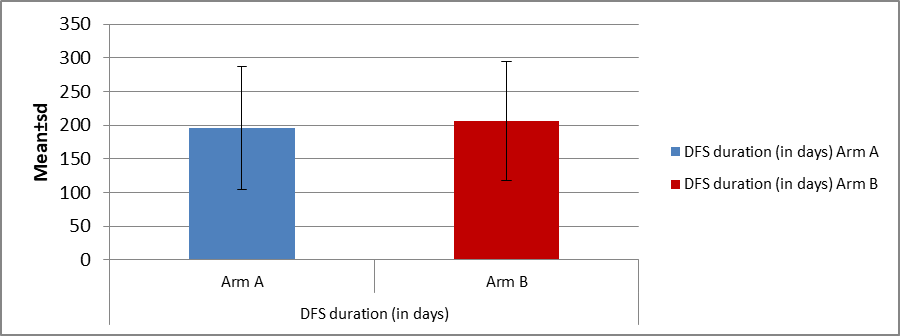
Figure 1: Distribution of mean DFS duration (in days)
In Arm A, most patients were aged 51–60 years (50%), followed by >61 years (25%). In Arm B, the majority were also 51–60 years (45.8%). Age distribution between groups was not statistically significant (χ²=2.0617, p=0.5597).The sex distribution was comparable between groups, with Arm A having 45.8% females and Arm B 37.5% females. The association of sex with group was not significant (OR=1.41; 95% CI: 0.45–4.46; p=0.5581). (Table 1)
Body Surface Area (BSA): Mean BSA was 1.49 ± 0.14 m² in Arm A and 1.53 ± 0.13 m² in Arm B, with no significant difference between groups (p=0.344). ECOG Performance Status (PS): The mean ECOG PS was 0.79 ± 0.41 in Arm A and 0.75 ± 0.44 in Arm B, showing no significant difference (p=0.738). (Table 2)
In Arm A, the mean Serum CEA at diagnosis (microgram/litre) (mean± SD) of patients was 9.0833± 10.0012. In Arm B, the mean Serum CEA at diagnosis (microgram/litre) (mean± SD) of patients was 12.9625± 14.7562.Distribution of mean Serum CEA at diagnosis (microgram/litre) with Group was not statistically significant (p=0.2920). In Arm A, the mean Serum CEA at 3-month post treatment follow up(microgram/litre) (mean± SD) of patients was 2.2261± 2.2450. In Arm B, the mean Serum CEA at 3-month post treatment follow up(microgram/litre) (mean± SD) of patients was 2.1524± 2.2074.Distribution of mean Serum CEA at 3-month post treatment follow up(microgram/litre) with group was not statistically significant (p=0.9132). (Table 3)
In Arm A, the mean DFS duration (in days) (mean± SD) of patients was 196.4000± 91.1739. In Arm B, the mean DFS duration (in days) (mean± SD) of patients was 206.0500± 87.7709. Distribution of mean DFS duration (in days) with group was not statistically significant (p=0.7350). (Table 4)
At 3 months follow-up, CECT-based tumour response assessment using RECIST 1.1 criteria showed complete response (CR) in 40 patients (83.3%), equally distributed between Arm A and Arm B (20 patients each). Partial response (PR) was observed in 6 patients (12.5%), while 2 patients (4.2%) were not assessed (NA). No significant difference was observed between the two groups (p = 1.000), indicating comparable early tumour response. At 9 months follow-up, CR was maintained in 25 patients (52.1%), with 12 patients (50.0%) in Arm A and 13 patients (54.2%) in Arm B. PR was noted in 3 patients (6.3%), while 20 patients (41.7%) were classified as NA. The difference in tumour response between the two groups was statistically non-significant (p = 0.7508), demonstrating similar long-term treatment response outcomes in both arms. (Table 5)
DISCUSSION:
The present study was a prospective observational single institutional study. This Study was conducted February 2021 to August 2022. Department of Radiotherapy, Medical College and Hospital, Kolkata. Study population 48.
The present prospective observational study evaluated the demographic, clinical, and biochemical profiles of patients with rectal cancer receiving treatment in two different arms (Arm A and Arm B). In our study, the majority of patients in both groups were aged 51–60 years, with no statistically significant difference in age distribution between groups (χ²=2.0617, p=0.5597). Similarly, sex distribution was comparable (Arm A: 45.8% females; Arm B: 37.5% females; OR=1.41, 95% CI: 0.45–4.46, p=0.5581). These findings suggest that baseline demographic characteristics were well-matched, reducing confounding effects on treatment outcomes. Comparable age and sex distribution align with other studies reporting median ages of 50–60 years in locally advanced rectal cancer cohorts (Trakarnsanga et al., 2012; Nilsson et al., 2013) [10,11].
The mean Body Surface Area (BSA) and ECOG Performance Status (PS) were also similar between groups, indicating comparable baseline functional status (p=0.344 and p=0.738, respectively). ECOG PS is a well-established predictor of treatment tolerance and survival, and our findings suggest both groups had good performance status, which may have contributed to favorable treatment compliance and outcomes (Krajcovicova et al., 2012) [9].
Serum carcinoembryonic antigen (CEA) levels, both at diagnosis and at 3-month post-treatment follow-up, did not differ significantly between groups. Baseline CEA is widely recognized as a prognostic biomarker in rectal cancer, with elevated levels correlating with tumor burden and potential for recurrence (Yoon et al., 2016; Eisterer et al., 2017) [13,14]. In our cohort, the mean CEA reduction post-treatment reflects effective tumor control in both arms, consistent with prior studies showing similar biochemical responses following neoadjuvant chemoradiotherapy or short-course radiotherapy regimens (Prasan, 2019; Khullar et al., 2020) [16,17].
Disease-free survival (DFS) duration was also comparable between groups (Arm A: 196.4±91.17 days; Arm B: 206.05±87.77 days; p=0.7350), indicating no significant difference in short-term oncologic outcomes. Previous trials, such as the RAPIDO trial and other neoadjuvant studies, have reported DFS benefits with both short-course radiotherapy followed by chemotherapy and conventional long-course chemoradiation, with differences often influenced by tumor stage, treatment compliance, and surgical quality (Nilsson et al., 2013; Kitz et al., 2018) [11,15]. Our findings support the notion that both treatment strategies are effective in achieving comparable early oncologic outcomes.
In the present study, tumour response assessment by CECT using RECIST 1.1 criteria showed comparable outcomes between Arm A and Arm B at both follow-up intervals. At 3 months, complete response (CR) was achieved in 83.3% of patients, with equal distribution in both groups, while partial response (PR) was observed in 12.5% of patients; the difference was statistically non-significant (p = 1.000), indicating similar early radiological response. At 9 months, CR was observed in 52.1% of patients, with comparable rates in Arm A (50.0%) and Arm B (54.2%), while PR was noted in 6.3% of patients. The difference in tumour response between the two groups remained statistically non-significant (p = 0.7508), both treatment approaches demonstrated similar long-term tumour response and efficacy.
Overall, the baseline characteristics, biochemical responses, tumor response, and disease-free survival outcomes were similar between the two treatment groups in this trial. There were no discernible changes, suggesting that both treatment modalities were equally effective. The use of customized neoadjuvant therapies with similar oncological results in locally advanced rectal cancer is supported by these data. (Krajcovicova et al., 2012; Trakarnsanga et al., 2012; Prasan, 2019) [9,10,16].
CONCLUSION:
We concluded that baseline demographic factors, clinical parameters, biochemical reaction, tumour response, and short-term oncological outcomes did not differ statistically significantly between Arm A and Arm B. The two groups had similar baseline characteristics in terms of age distribution, sex ratio, body surface area, ECOG performance status, blood CEA levels, and disease-free survival. At three and nine months, radiological tumour response assessment using CECT with RECIST 1.1 criteria revealed comparable percentages of full and partial response in both treatment arms, with no discernible variation in treatment efficacy. Overall, all therapy modalities produced equivalent clinical results and tumour control, indicating that both techniques were equally practical and successful in treating patients with locally advanced rectal cancer.
REFERENCES:
1. Ngan SY, Burmeister B, Fisher RJ, Solomon M, Goldstein D, Joseph D, et al. Randomized trial of short-course radiotherapy versus long-course chemoradiation comparing rates of local recurrence in patients with T3 rectal cancer: trans-Tasman Radiation Oncology Group trial 01.04. J Clin Oncol. 2012;30:3827–33.
2. Eitta MA, El-Wahidi GF, Fouda MA, El-Hak NG, Abo El-Naga EM. Preoperative radiotherapy in resectable rectal cancer: a prospective randomized study of two different approaches. J Egypt Natl Canc Inst. 2010;22:155–64.
3. Pach R, Kulig J, Richter P, Gach T, Szura M, Kowalska T. Randomized clinical trial on preoperative radiotherapy 25 Gy in rectal cancer–treatment results at 5-year follow-up. Langenbecks Arch Surg. 2012;397:801–7.
4. Erlandsson J, Holm T, Pettersson D, Berglund Å, Cedermark B, Radu C, et al. Optimal fractionation of preoperative radiotherapy and timing to surgery for rectal cancer (Stockholm III): a multicentre, randomised, non-blinded, phase 3, non-inferiority trial. Lancet Oncol. 2017;18:336–46.
5. Erlandsson J, Lörinc E, Ahlberg M, Pettersson D, Holm T, Glimelius B, et al. Tumour regression after radiotherapy for rectal cancer—results from the randomised Stockholm III trial. Radiother Oncol. 2019;135:178–86.
6. Bujko K, Partycki M, Pietrzak L. Neoadjuvant radiotherapy (5 × 5 Gy): immediate versus delayed surgery. Recent results in cancer research. Fortschritte der Krebsforschung Progres dans les recherches sur le cancer. 2014;203:171–87.
7. Bahadoer RR, Dijkstra EA, van Etten B, Marijnen CAM, Putter H, Kranenbarg EM, et al. Short-course radiotherapy followed by chemotherapy before total mesorectal excision (TME) versus preoperative chemoradiotherapy, TME, and optional adjuvant chemotherapy in locally advanced rectal cancer (RAPIDO): a randomised, open-label, phase 3 trial. Lancet Oncol. 2021;22:29–42.
8. Bosset JF, Collette L, Calais G, Mineur L, Maingon P, Radosevic-Jelic L, et al. Chemotherapy with preoperative radiotherapy in rectal cancer. N Engl J Med. 2006;355:1114–23.
9. Krajcovicova I, Boljesikova E, Sandorova M, Zavodska A, Zemanová M, Chorváth M, Ondrus D. Preoperative radiotherapy of locally advanced rectal cancer: clinical outcome of short-course and long-course treatment with or without concomitant chemotherapy. Klin Onkol. 2012 Jan 1;25(5):364-9.
10. Trakarnsanga A, Ithimakin S, Weiser MR. Treatment of locally advanced rectal cancer: controversies and questions. World journal of gastroenterology: WJG. 2012 Oct 10;18(39):5521.
11. Nilsson PJ, van Etten B, Hospers GA, Påhlman L, van de Velde CJ, Beets-Tan RG, Blomqvist L, Beukema JC, Kapiteijn E, Marijnen CA, Nagtegaal ID. Short-course radiotherapy followed by neo-adjuvant chemotherapy in locally advanced rectal cancer–the RAPIDO trial. BMC cancer. 2013 Dec;13(1):1-9.
12. Beitler JJ, Zhang Q, Fu KK, Trotti A, Spencer SA, Jones CU, Garden AS, Shenouda G, Harris J, Ang KK. Final results of local-regional control and late toxicity of RTOG 9003: a randomized trial of altered fractionation radiation for locally advanced head and neck cancer. International Journal of Radiation Oncology* Biology* Physics. 2014 May 1;89(1):13-20.
13. Yoon HI, Koom WS, Kim TH, Ahn JB, Jung M, Kim TI, Kim H, Shin SJ, Kim NK. Upfront systemic chemotherapy and short-course radiotherapy with delayed surgery for locally advanced rectal cancer with distant metastases: outcomes, compliance, and favorable prognostic factors. PLoS One. 2016 Aug 18;11(8):e0161475.
14. Eisterer W, Piringer G, De Vries A, Oefner D, Greil R, Tschmelitsch J, Samonigg H, Soelkner L, Gnant M, Thaler J, Austrian Breast and Colorectal Cancer Study Group. Neoadjuvant chemotherapy with capecitabine, oxaliplatin and bevacizumab followed by concomitant chemoradiation and surgical resection in locally advanced rectal cancer with high risk of recurrence–a phase II study. Anticancer Research. 2017 May 1;37(5):2683-91.
15. Kitz J, Fokas E, Beissbarth T, Ströbel P, Wittekind C, Hartmann A, Rüschoff J, Papadopoulos T, Rösler E, Ortloff-Kittredge P, Kania U. Association of plane of total mesorectal excision with prognosis of rectal cancer: secondary analysis of the CAO/ARO/AIO-04 phase 3 randomized clinical trial. JAMA surgery. 2018 Aug 1;153(8):e181607-.
16. Prasan D. Neoadjuvant Treatment In Locally Advanced Rectal Cancer: Evolving Treatment Paradigms. BMH Medical Journal-ISSN 2348–392X. 2019 Mar 28;6(2):65-70.
17. Khullar K, Patel NM, Anderson C, Chundury A, Carpizo D, Feingold D, Grandhi M, Hochster H, Jani K, Kennedy T, Langan R. The Evolving Role of Radiotherapy in Locally Advanced Rectal Cancer and the Potential for Nonoperative Management. Oncology & hematology review. 2020;16(1):43.