RED CELL CONCENTRATE USAGE IN BLOOD BANK AT TERTIARY CARE HOSPITAL IN WESTERN INDIA: A ONE-YEAR STUDY.
- Akshita Mamulkar , Second Year Resident, Department of Pathology, PDU Medical College & Hospital, Rajkot, India.
- Amit Agravat , Professor, Department of Pathology, PDU Medical College & Hospital, Rajkot, India.
- Gauravi Dhruva , Professor and Head, Department of Pathology, PDU Medical College & Hospital, Rajkot, India.
Article Information:
Abstract:
INTRODUCTION: Red cell concentrate (RCC) is one of the most frequently transfused blood components worldwide, thus it plays an indispensable role in modern healthcare. Judicious use of RCC minimizes unnecessary transfusions, maintains blood inventory and improves patient outcomes. AIM: To study pattern of RCC usage at tertiary care hospital over a one-year period. MATERIALS AND METHODS: This observational study was conducted at the Blood centre, Department of Pathology, PDU Government Medical College and Hospital, Rajkot, Gujarat, India. All patients who underwent red cell concentrate (RCC) transfusion during the study period (May 2025 to April 2026) were included in the analysis. Data regarding RCC utilization were retrieved from blood bank records and analysed to assess the demographic characteristics of recipients and the pattern of RCC utilization across different clinical departments. RESULT: Over the duration of the study of one year period, the blood bank supplied 25,501 units of red cell concentrate (RCC) for transfusion to patients from various departments of hospital. RCC transfusion was more common among male patients (58.2%) followed by females (41.8%) with the 18–40 years age group accounting for the highest proportion of recipients (33.5%). Among the clinical departments, the Thalassemia ward had the highest RCC utilization (26.69%), followed by the Department of Obstetrics and Gynaecology (22.21%) and Medicine (21.11%). Anaemia (31.0%) was the most common indication for transfusion, followed by acute blood loss (17.8%). B-positive (32.0%) was the most commonly transfused blood group, followed by O-positive (28.0%). Overall, the pattern of RCC utilization reflected the transfusion requirements associated with the disease burden managed at this tertiary care hospital. CONCLUSION: This study highlights the pattern of red cell concentrate (RCC) utilization in a tertiary care teaching hospital. RCC transfusions were most frequently administered to adult patients, particularly in the Thalassemia, Obstetrics and Gynaecology, and Medicine departments, with anaemia and acute blood loss being the major indications. Regular monitoring and periodic audits of RCC utilization can help ensure appropriate transfusion practices and optimize blood inventory management.
Keywords:
Article :
INTRODUCTION:
Blood transfusion is an integral part of modern medical practice, and red cell concentrate (RCC) is the most commonly transfused blood component. It is widely used to treat patients with symptomatic anemia, to recover from acute blood loss, trauma, major surgical procedures, as a part of management of hematological disorders, and various other clinical conditions. The introduction of blood component therapy has replaced whole blood transfusion in most clinical settings, allowing more effective and judicious use of donated blood while improving patient safety.
As blood is a valuable and limited resource, regular evaluation of RCC utilization is essential. It ensures appropriate transfusion practices, maintain adequate blood inventory thus supporting efficient patient blood management. Differences in patient populations, disease burden, and hospital specialties contribute to the variation in RCC utilization observed across healthcare institutions. However, information on RCC utilization from tertiary care hospitals in Western India is still limited.
Therefore, the present observational study was conducted to evaluate the utilization pattern of RCC in the blood bank of a tertiary care teaching hospital in Western India. The information generated provides a valuable foundation for improving the appropriate use of blood components and ensuring efficient blood inventory management.
AIM:
To evaluate the utilization pattern of red cell concentrate (RCC) in the blood bank of a tertiary care hospital in Western India.
OBJECTIVES:
The objective of the present study was to evaluate the utilization pattern of red cell concentrate (RCC) in the blood bank of a tertiary care teaching hospital in Western India. This study assessed the demographic characteristics of transfusion recipients and analyzed RCC utilization according to clinical departments and ABO blood groups. It also identified the primary indications for transfusion and generated baseline data to support evidence-based transfusion practices thus optimizing blood inventory management, and strengthen patient blood management strategies.
MATERIALS AND METHODS:
This observational study was conducted in Blood Centre, Department of Pathology, PDU Medical College and Hospital, Rajkot, Gujarat, from May 2025 to April, 2026 to evaluate the utilization pattern of red cell concentrate (RCC) in the blood bank of a tertiary care teaching hospital in Western India. The study was based on the analysis of routinely maintained blood bank records and aimed to assess transfusion practices over the selected study period.
Inclusion Criteria:
Indoor hospitalized patients from all age groups and both sexes who received red cell concentrate units issued during the study period.
Exclusion Criteria:
- Blood components other than red cell concentrate.
- Blood units that were discarded, expired, or returned without transfusion.
- Incomplete or improperly filled blood requisition forms.
Data Collection:
Data were collected from blood bank issue registers, transfusion requisition forms, and blood bank software.
Information collected included patient demographics (age and gender), ABO and Rh blood group, requesting clinical department, indication for transfusion, and the number of red cell concentrate (RCC) units transfused. The primary outcome was the pattern of RCC utilization, assessed according to patient demographics, blood group distribution, clinical indications, and departmental utilization. All data were anonymized prior to analysis to ensure confidentiality.
RESULTS:
During the study period of one year, a total of 25,501 units of red cell concentrate (RCC) were issued by the blood bank at PDU Medical College, Rajkot. The RCC units were distributed to patients in different clinical departments according to the transfusion requirements of each specialty.
The utilization of red cell concentrate was further analyzed according to recipient demographics, blood group distribution, requesting clinical departments, indications for transfusion, and temporal trends during the study period. Following tables and figures describe the findings.
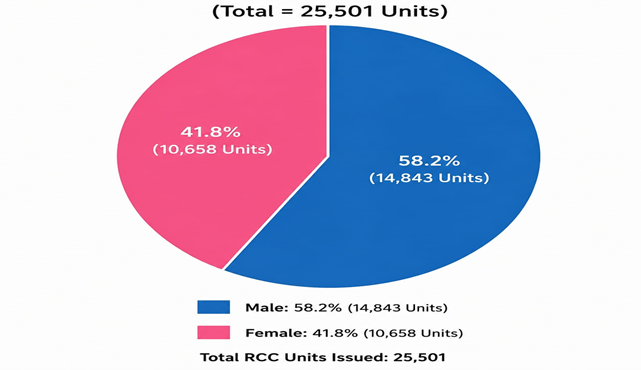
Figure 1: Gender- wise distribution of RCC units utilization
Figure 1 illustrates the gender-wise distribution of red cell concentrates (RCC) units issued during the study period. A total of 25,501 RCC units were issued, of which 14,843 units (58.2%) were transfused to male patients and 10,658 units (41.8%) to female patients. Although male recipients predominated, a substantial proportion of RCC units were also issued to female patients, reflecting the ongoing transfusion requirements associated with anemia, obstetric and gynecological conditions, surgical procedures, and other medical illnesses.
Table 1: Age and Gender wise distribution:
|
Age Group (Years) |
Male |
Female |
Total |
Percentage (%) |
|
<18 |
1705 |
1223 |
2928 |
11.50 |
|
18-40 |
4973 |
3567 |
8540 |
33.50 |
|
40-60 |
4587 |
3290 |
7877 |
30.90 |
|
>60 |
3578 |
2578 |
6156 |
24.10 |
|
Total |
14843 |
10658 |
25501 |
100 |
Table 1 shows the age- and gender-wise distribution of blood and blood component utilization among 25,501 recipients. The highest utilization was observed in the 18–40 years age group (8,540; 33.5%), followed by the 40–60 years age group (7,877; 30.9%). Patients aged >60 years accounted for 6,156 (24.1%), while the <18 years age group had the lowest utilization (2,928; 11.5%). Overall, males (14,843; 58.2%) outnumbered females (10,658; 41.8%) in all age groups.
X axis- Clinical wards
Y axis- Number of RCC units
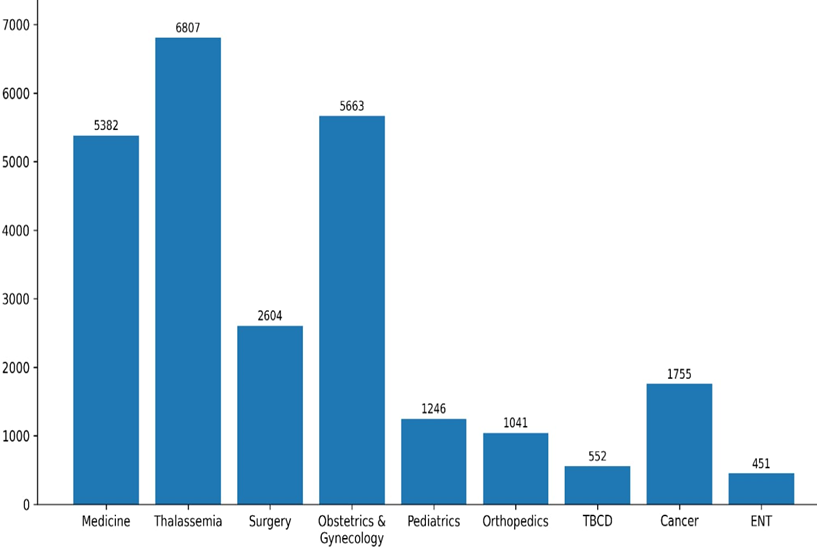
Figure 2: Clinical ward wise distribution of RCC
Figure 2 shows the clinical ward-wise distribution of Red Cell Concentrate (RCC) utilization among 25,501 units issued during the study period. The highest utilization was observed in the Thalassemia ward (6,807; 26.69%), followed by Obstetrics and Gynecology (5,663; 22.21%) and the Medicine department (5,382; 21.11%). The Surgery department accounted for 2,604 units (10.21%), while the Cancer ward utilized 1,755 units (6.88%). Lower utilization was observed in Pediatrics (1,246; 4.89%), Orthopedics (1,041; 4.08%), TBCD (Tuberculosis and Chest Disease) department (552; 2.16%), and ENT (Ear, Nose and Throat) department (451; 1.77%), with ENT recording the lowest RCC utilization. Overall, the Thalassemia, Obstetrics and Gynecology, and Medicine departments together accounted for approximately 70% of the total RCC units issued, indicating that these departments were the major consumers of red cell concentrate during the study period.
Table 2: Indication wise distribution of RCC
|
INDICATION |
FREQUENCY |
PERCENTAGE (%) |
|
Anemia |
7905 |
31.0 |
|
Abruptio placenta |
485 |
1.90 |
|
Acute blood loss |
4536 |
17.80 |
|
Blunt trauma |
1428 |
5.60 |
|
Burns |
638 |
2.50 |
|
Chronic Kidney Disease (CKD) |
1301 |
5.10 |
|
Chemotherapy |
944 |
3.70 |
|
Disseminated Intravascular Coagulation (DIC) |
383 |
1.50 |
|
Fracture |
1173 |
4.60 |
|
Hematemesis |
867 |
3.40 |
|
HELLP |
408 |
1.60 |
|
Head injury |
893 |
3.50 |
|
Leukemia |
740 |
2.90 |
|
Menorrhagia |
663 |
2.60 |
|
Pancytopenia |
918 |
3.60 |
|
Placenta previa |
459 |
1.80 |
|
Perforation |
383 |
1.50 |
|
Post Partum Hemorrhage (PPH) |
612 |
2.40 |
|
Sepsis |
765 |
3.00 |
|
TOTAL |
25501 |
100 |
Table 2 shows the indication-wise distribution of 25,501 RCC units transfused during the study period. Anemia was the leading indication (7,905; 31.0%), followed by acute blood loss (4,536; 17.8%). Other common indications were blunt trauma (5.6%), CKD (5.1%), fracture (4.6%), chemotherapy (3.7%), pancytopenia (3.6%), and head injury (3.5%). Obstetric conditions such as PPH, abruptio placentae, placenta previa, and HELLP syndrome also contributed to RCC utilization. These findings indicate that anemia and acute blood loss were the major indications for RCC transfusion in this tertiary care hospital.
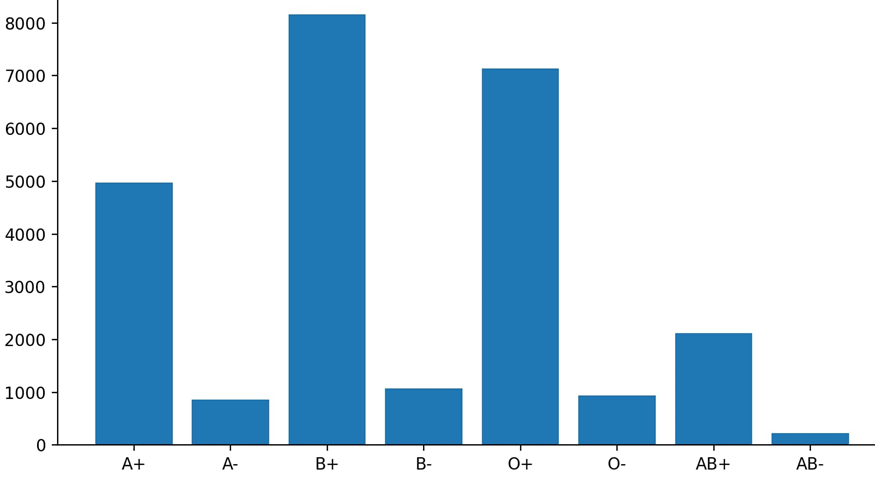
Figure 3: Blood group wise distribution of RCC.
Figure 3 shows the blood group-wise distribution of 25,501 RCC units transfused during the study period. B positive was the most commonly transfused blood group (8,160; 32.0%), followed by O positive (7,140; 28.0%) and A positive (4,973; 19.5%). Lower utilization was observed for AB positive (8.3%), B negative (4.2%), O negative (3.7%), and A negative (3.4%), while AB negative was the least utilized blood group (229; 0.9%). The predominance of Rh-positive blood groups reflects their higher prevalence in the population and greater demand for transfusion in the tertiary care hospital.
DISCUSSION:
The present retrospective study evaluated the utilization pattern of red cell concentrate (RCC) in the blood bank of a tertiary care teaching hospital in Western India over a one-year period. During the study period, a total of 25,501 RCC units were issued, indicating the high demand for blood transfusion services. The findings provide valuable insight into transfusion practices and highlight the importance of continuous monitoring to ensure the appropriate use of blood components.
Table 3: Gender-wise comparison of RCC utilization in various studies
|
Study |
Study year |
Place/ country |
Study duration |
Male (%) |
Female (%) |
|
Present study |
May 2025- April 2026 |
Rajkot, Gujarat, India |
One year |
58.20 |
41.80 |
|
Vaghela KV et al. |
2022 |
Dahod, Gujarat, India |
One year |
60.50 |
39.50 |
|
Kaur A et al. |
2024 |
Punjab, India |
One year |
59.80 |
40.20 |
|
Das I et al. |
2024 |
Odisha, India |
One year |
56.90 |
43.10 |
|
Tinegat H et al. |
2012 |
United Kingdom (UK) |
One year |
52.00 |
48.00 |
|
Bennett- Guerrero E et al. |
2010 |
United States of America (USA) |
Two years |
54.00 |
46.00 |
|
Yazer MH et al. |
2018 |
Canada |
One year |
53.00 |
47.00 |
In the present study, male patients accounted for 58.2% of all RCC recipients, whereas females comprised 41.8%. This pattern is consistent with findings reported by several studies conducted in Indian tertiary care hospitals, where male recipients generally constitute between 57% and 61% of all blood transfusion recipients. The higher utilization of RCC among males may be explained by the greater burden of trauma, major surgical procedures, chronic medical illnesses, and hematological disorders requiring transfusion support. Female recipients also represented a major proportion of RCC utilization, primarily due to anemia, obstetric emergencies and gynecological conditions. In comparison, studies from developed countries, including the United Kingdom, the United States, and Canada, have reported a relatively balanced gender distribution among transfusion recipients. These differences may be attributed to variations in disease patterns, healthcare infrastructure, transfusion practices, and patient demographics across regions. Overall, the gender-wise distribution observed in the present study is comparable with previously published Indian literature and reflects the clinical profile of patients receiving care in a tertiary care teaching hospital.
Table 4: Age-wise comparison of RCC utilization in various studies
|
Study |
Study year |
Place/ country |
Study duration |
Predominant age group (in years) |
|
Present study |
May 2025- April 2026 |
Rajkot, Gujarat, India |
One year |
18-40 |
|
Vaghela KV et al. |
2022 |
Dahod, Gujarat, India |
One year |
18-45 |
|
Kaur A et al. |
2024 |
Punjab, India |
One year |
21-40 |
|
Das I et al. |
2024 |
Odisha, India |
One year |
20-40 |
|
Murphy MF et al. |
2013 |
United Kingdom (UK) |
National audit |
>60 |
|
Ellingson KD et al. |
2017 |
United States of America (USA) |
National Surveillance |
>60 |
|
Yazer MH et al. |
2018 |
Canada |
One year |
>65 |
The present study showed that the highest utilization of RCC occurred in the 18–40 years age group (33.5%), followed by patients aged 40–60 years. Findings from several Indian studies also indicate that transfusion requirements are highest among young and middle-aged adults.
This pattern is mainly associated with the greater burden of trauma, surgical interventions, severe anemia, hematological conditions, and obstetric emergencies encountered in these age groups. In contrast, studies from developed countries such as the United Kingdom, United States, and Canada have reported that elderly patients (>60 years) account for the majority of RBC transfusions. This difference is likely attributable to the higher prevalence of chronic degenerative diseases, malignancies, cardiovascular disorders, and age-related surgical interventions in developed nations. The relatively younger age profile observed in the present study reflects the demographic characteristics and disease burden of patients attending tertiary care hospitals in India.
Table 5: Indication-wise comparison of RCC utilization in various studies
|
Study |
Study year |
Place/ country |
Study duration |
Most common indication |
Second most common indication |
|
Present study |
May 2025- April 2026 |
Rajkot, Gujarat, India |
One year |
Anemia |
Acute blood loss |
|
Vaghela KV et al. |
2022 |
Dahod, Gujarat, India |
One year |
Anemia |
Trauma or Acute hemorrhage |
|
Kaur A et al. |
2024 |
Punjab, India |
One year |
Anemia |
Surgical blood loss |
|
Murphy MF et al. |
2013 |
United Kingdom (UK) |
National audit |
Perioperative blood loss, Anemia |
Hematological disorders |
|
Ellingson KD et al. |
2017 |
United States of America (USA) |
National Surveillance |
Anemia |
Surgical blood loss |
|
Yazer MH et al. |
2018 |
Canada |
One year |
Chronic anemia |
Malignancy related anemia |
In the present study, anemia emerged as the most frequent indication for RCC transfusion, followed by acute blood loss.. Similar findings were reported by Vaghela KV et al., Kaur A et al., Ellingson KD et al., and Yazer MH et al., where anemia was the leading indication for transfusion.
Studies from the UK and Canada also identified perioperative blood loss, hematological disorders, and malignancy-related anemia as important indications. Overall, the findings suggest that anemia remains the primary reason for RCC transfusion worldwide, while acute blood loss and surgical hemorrhage are the next most common indications.
Department-wise analysis revealed that the Thalassemia ward had the highest RCC utilization (26.69%), followed by the Obstetrics and Gynecology (22.21%) and Medicine (21.11%) departments. The high demand is in the Thalassemia ward, as patients with transfusion-dependent thalassemia require lifelong, regular RCC transfusions to maintain adequate hemoglobin levels.
A considerable proportion of RCC utilization was observed in the Obstetrics and Gynecology department, primarily due to the management of severe anemia, postpartum hemorrhage, placenta previa, placental abruption, and other life-threatening obstetric conditions. The Medicine department also contributed significantly due to the management of chronic anemia, renal diseases, hematological disorders, and other medical conditions.
Table 6: Blood group-wise comparison of RCC utilization in various studies
|
Study |
Study year |
Place/ country |
Study duration |
Most common blood group transfused |
Second most common blood group transfused |
|
Present study |
May 2025- April 2026 |
Rajkot, Gujarat, India |
One year |
B Positive |
O Positive |
|
Vaghela KV et al. |
2022 |
Dahod, Gujarat, India |
One year |
B Positive |
O Positive |
|
Murphy MF et al. |
2013 |
United Kingdom (UK) |
National audit |
O Positive |
A Positive |
|
Ellingson KD et al. |
2017 |
United States of America (USA) |
National Surveillance |
O Positive |
A Positive |
|
Yazer MH et al. |
2018 |
Canada |
One year |
O Positive |
A Positive |
The present study found that B-positive and O-positive were the most commonly utilized blood groups for RCC transfusion. This finding is consistent with several Indian studies, including those by Vaghela KV et al. where B-positive blood group was also the most frequently transfused. In contrast, studies from the United States, United Kingdom, and Canada reported O-positive as the predominant blood group used for transfusion, followed by A-positive. These differences are likely due to variations in the distribution of ABO blood groups across different populations. Understanding these regional patterns is important for effective blood inventory management and helps ensure the timely availability of blood for patients requiring transfusion.
CONCLUSION:
This study provides a comprehensive overview of red cell concentrate (RCC) utilization in a tertiary care teaching hospital in Western India over a one-year period. A total of 25,501 RCC units were issued, highlighting the substantial demand for blood transfusion services.
The majority of transfusions were administered to male patients and adults aged 18–40 years. Heavy RCC transfusion requirements were associated with chronic transfusion-dependent disorders, obstetric emergencies and medical illnesses, which was reflected from highest utilization of RCC in Thalassemia, Obstetrics and Gynecology and Medicine departments. Anemia emerged as the leading indication for RCC transfusion, followed by acute blood loss, emphasizing the continued burden of these conditions on transfusion services.
B-positive blood group was the most frequently transfused, consistent with its higher prevalence in the regional population. Overall, the findings demonstrate that RCC utilization in the institution largely aligns with patient needs and disease burden. Regular evaluation of transfusion practices, as demonstrated in this study, is essential for optimizing blood inventory management, promoting the rational use of blood components, and strengthening patient blood management programs. The data generated can help improve the quality, efficiency, and sustainability of transfusion services in tertiary care hospitals.
REFERENCES:
1. World Health Organization. WHO guidelines on assessing donor suitability for blood donation. Geneva: World Health Organization; 2012.
2. Murphy MF, Waters JH, Wood EM, Yazer MH. Transfusing blood safely and appropriately. BMJ. 2013;347: f4303.
3. Ellingson KD, Sapiano MRP, Haass KA, Savinkina AA, Baker ML, Chung KW, et al. Continued decline in blood collection and transfusion in the United States. Transfusion. 2017;57(Suppl 2):1588-1598.
4. Yazer MH, Jackson B, Beckman N, et al. Changes in blood utilization in Canada. Transfusion. 2018;58(10):2305-2313.
5. Vaghela KV, Patel SV, Patel HD, et al. Pattern of blood component utilization in a tertiary care hospital of Gujarat: A retrospective study. Asian J Transfus Sci. 2022.
6. Kaur A, Singh H, Kaur P, et al. Utilization pattern of blood components in a tertiary care teaching hospital: A retrospective analysis. Asian J Transfus Sci. 2024.
7. Das I, Mishra S, Behera SK, et al. Analysis of blood component utilization in a tertiary care hospital in Eastern India. J Clin Diagn Res. 2024.
8. World Health Organization. The clinical use of blood: Handbook. Geneva: World Health Organization; 2001.