Impact of Tranexamic Acid on Blood Loss and Transfusion Rates in Spine Surgery: A Systematic Review and Meta-Analysis.
- Sachin N C , Senior Registar, Apollo Hospital, Bannerghatta Road , Bangalore -560076, Karnataka, India
- Tejal.VV , Resident, Indira Maternity and Skin Laser Center, Station Road, Tumkur- 572102 Karnataka, India
- Vedavathi H , Professor and Head, Department of Pharmacology, Shimoga Institute of Medical Sciences Shimoga 577201, Karnataka, India.
Article Information:
Abstract:
Background: Perioperative haemorrhage remains a major concern in complex spine surgery. Tranexamic acid (TXA) is widely used to limit fibrinolysis, yet variation in route, dose, timing, operative complexity, and transfusion practice complicates interpretation of the evidence. Methods: A structured evidence-verification exercise was undertaken using contemporary peer-reviewed systematic reviews, network meta-analyses, and randomized trials. This manuscript draft summarizes published aggregate estimates rather than claiming an independent meta-analysis. The main evidence anchors were a 2024 random-effects meta-analysis of 13 prospective studies involving 1,213 participants and a 2025 Bayesian network meta-analysis of 38 randomized controlled trials involving 3,886 participants. Outcomes included intraoperative and total blood loss, transfusion, haemoglobin decline, length of stay, and complications. Results: In the 2024 pairwise synthesis, TXA reduced intraoperative blood loss by 46.56 mL (95% confidence interval [CI], 19.26-73.85 mL less) and total blood loss by 210.17 mL (95% CI, 135.40-284.93 mL less). Transfusion exposure was lower with TXA (risk ratio, 0.68; 95% CI, 0.51-0.90). The 2025 network analysis found the clearest intraoperative reductions with low-dose intravenous TXA plus active temperature management, combined administration, and high-dose intravenous regimens. Oral, combined, multiple-dose intravenous, and low-dose topical strategies were associated with lower transfusion odds relative to placebo. Across 14 trials reporting complications, no regimen showed a statistically credible increase; however, event rarity and limited surveillance reduced certainty. Conclusions: The available randomized and prospective evidence supports a clinically meaningful blood-conservation effect of TXA in spine surgery. The optimum regimen cannot be considered settled, and the apparent safety signal should not be interpreted as proof of absence of thromboembolic or neurological harm. Independent study-level re-analysis, prespecified subgroup definitions, and standardized safety reporting are required before this draft can be submitted as an original systematic review.
Keywords:
Article :
INTRODUCTION:
Major spine operations can generate substantial visible and occult blood loss. Long exposures, broad paraspinal dissection, decortication of vascular cancellous bone, multilevel instrumentation, osteotomy, and deformity correction create a setting in which haemostasis is difficult to maintain. The clinical burden is not confined to dramatic intraoperative bleeding. Postoperative drain loss, concealed blood loss into tissue planes, dilution from crystalloid administration, and repeated blood sampling can contribute to a meaningful fall in haemoglobin after surgery. The consequences include delayed mobilization, prolonged hospitalization, cardiovascular stress, and exposure to allogeneic blood products. [12-15]
Transfusion can be lifesaving, yet it is not a neutral intervention. Compatibility reactions, transfusion-associated circulatory overload, lung injury, immunomodulation, infection, and resource constraints all reinforce the need for patient blood management. At the same time, an overly restrictive transfusion approach may be unsafe in selected patients with active bleeding, limited cardiopulmonary reserve, or symptomatic anaemia. Blood-conservation interventions should therefore reduce avoidable loss without replacing individualized physiological assessment. [13,14]
Tranexamic acid is a synthetic lysine analogue that occupies lysine-binding sites on plasminogen and interferes with its binding to fibrin. By attenuating fibrinolysis, TXA stabilizes formed clot rather than initiating coagulation de novo. Its low cost, broad availability, and established use in trauma, obstetrics, and major orthopaedic surgery have encouraged adoption in spinal practice. Nevertheless, spine surgery encompasses markedly different procedures, from short-segment decompression to extensive paediatric or adult deformity correction. A regimen that is adequate for a limited lumbar fusion may not be appropriate for a long reconstruction. [16,17]
The literature reflects this heterogeneity. Trials have evaluated fixed or weight-based intravenous boluses, continuous infusions, repeated perioperative doses, topical irrigation, paraspinal infiltration, oral administration, and combinations of routes. Transfusion thresholds, use of cell salvage, controlled hypotension, preoperative anaemia correction, and maintenance of normothermia also differ. These co-interventions can modify both measured blood loss and the decision to transfuse, thereby complicating direct comparison of nominal TXA doses. [6,9,10]
Safety remains a central concern. Antifibrinolytic therapy is often avoided in patients perceived to have a high thrombotic risk, while renal impairment may prolong TXA exposure because the drug is predominantly eliminated through the kidneys. Seizures have been described with high systemic concentrations in other surgical fields, particularly when cumulative dosing is large. Randomized spine trials, however, are typically designed around blood-loss outcomes and are rarely powered to detect uncommon pulmonary embolism, myocardial infarction, stroke, seizure, or mortality. A non-significant difference in complications must therefore be interpreted as limited evidence rather than definitive equivalence. [5,6]
Recent evidence syntheses have expanded beyond the earlier question of whether TXA works. A 2024 random-effects meta-analysis pooled randomized and prospective studies, while a 2025 network meta-analysis compared ten route- and dose-based strategies across 38 randomized trials. These analyses suggest a consistent blood-conservation effect but also reveal substantial clinical diversity and uncertainty around the best regimen. Several additional route-specific reviews and trials further demonstrate that the evidence base is evolving. [5,6]
The objective of this manuscript draft is to present a coherent, clinically focused account of the contemporary evidence on TXA in spine surgery, emphasizing blood loss, allogeneic transfusion, and adverse outcomes. Because no original extraction sheet or re-analysis dataset was supplied, the quantitative findings are explicitly attributed to published syntheses. The document is intended to accelerate a compliant author-led systematic review, not to substitute for independent review methods.
MATERIALS AND METHODS:
Design and reporting framework
This document was prepared as an evidence-verified systematic-review manuscript draft. PRISMA 2020 terminology, Cochrane methodological principles, RoB 2 domains, and GRADE concepts were used to organize the manuscript. It does not claim that an independent systematic search, duplicate selection, duplicate extraction, or de novo meta-analysis was completed. Those procedures must be undertaken by the named author team before journal submission. [1-4]
Review question and eligibility framework
|
Domain |
Prespecified framework |
|
Population |
Paediatric or adult patients undergoing cervical, thoracic, lumbar, deformity, trauma, tumour, decompression, fusion, or other spine surgery. |
|
Intervention |
Intravenous, topical, oral, infiltrative, repeated, or combined TXA regimens. |
|
Comparator |
Placebo, saline, no TXA, standard care, or another TXA route/dose when comparative. |
|
Primary outcomes |
Intraoperative, postoperative, and total blood loss; receipt of allogeneic transfusion; transfused units or volume. |
|
Secondary outcomes |
Haemoglobin/haematocrit decline, operative duration, length of stay, venous or arterial thrombosis, seizure, wound events, reoperation, and mortality. |
|
Study designs |
For an original review: randomized controlled trials, with prospective or comparative observational studies analyzed separately. Case reports, uncontrolled series, reviews, and non-human studies should be excluded. |
Information sources and evidence verification
The supplied material contained a methodological prompt but no study-level dataset. Publicly available records were therefore checked to verify contemporary evidence anchors. The 2024 pairwise meta-analysis searched MEDLINE, Embase, and CENTRAL from inception to 10 July 2023 and included randomized trials and prospective studies. The 2025 network meta-analysis searched PubMed, Cochrane, and Embase through the end of May 2024 and restricted inclusion to randomized trials. A 2024 oral-TXA randomized trial was also reviewed as a targeted update. These searches are those reported by the cited investigators; they are not presented as searches performed by the authors of this draft. [5,6,21]
Search strategy for the author-led update
Before submission, the author team should run a new search from database inception to the final search date. A reproducible PubMed strategy is provided below and should be translated for Embase, CENTRAL, Scopus, and Web of Science. Trial registries and reference lists should be examined for unpublished or ongoing studies.
|
Source |
Author-update strategy |
|
PubMed/MEDLINE |
("Tranexamic Acid"[Mesh] OR tranexamic acid[tiab] OR TXA[tiab] OR antifibrinolytic*[tiab]) AND ("Spine"[Mesh] OR spine surg*[tiab] OR spinal surg*[tiab] OR spinal fusion[tiab] OR scoliosis[tiab] OR cervical[tiab] OR thoracic[tiab] OR lumbar[tiab] OR vertebral[tiab]) AND (blood loss[tiab] OR hemorrhag*[tiab] OR haemorrhag*[tiab] OR transfus*[tiab]) |
|
Embase |
Translate the concept blocks using Emtree terms for tranexamic acid, spine surgery/spinal fusion, haemorrhage, and blood transfusion; retain free-text synonyms. |
|
CENTRAL |
Use the PubMed concept structure without observational-design restrictions. |
|
Scopus/Web of Science |
Search title, abstract, and keywords with the same three concept blocks; document exact syntax and result count. |
|
Registries |
ClinicalTrials.gov and WHO ICTRP: tranexamic acid AND spine/spinal/scoliosis/fusion. |
Study selection and data extraction required before submission
Two reviewers should independently screen deduplicated titles and abstracts, assess full texts, and record exclusion reasons. A third reviewer should resolve disagreements. Extraction should include study design, setting, sample size, age, procedure, number of levels, TXA route, loading and maintenance doses, timing, comparator, cell-salvage use, transfusion threshold, blood-loss definition, follow-up, efficacy outcomes, adverse events, funding, and conflicts of interest. Suspected overlapping cohorts or multiple publications must be linked before pooling.
Risk of bias and certainty of evidence
Randomized trials should be assessed with RoB 2 at the outcome level. Non-randomized studies, if retained, should be evaluated separately with ROBINS-I. The certainty of evidence should be rated with GRADE for each clinically important outcome. The ratings in this draft are provisional judgements based on published aggregate reports and must be replaced by author-completed assessments.
Statistical analysis required for an independent meta-analysis
Continuous outcomes reported in common units should be pooled as mean differences with 95% confidence intervals; standardized mean differences are appropriate only when measurement scales are not directly comparable. Dichotomous outcomes should be expressed as risk ratios or odds ratios with 95% confidence intervals, selected consistently within each analysis. A random-effects model is appropriate because procedures, doses, and perioperative practice differ across trials. Between-study heterogeneity should be reported with tau-squared and I-squared, with prediction intervals when the number of studies permits. Multi-arm trials require shared-control adjustment. Median-to-mean conversions, imputed standard deviations, and zero-event methods must be declared and examined in sensitivity analyses.
For a network meta-analysis, the author team should establish a clinically defensible treatment-node structure before viewing comparative results, examine transitivity, assess local and global inconsistency, and report rank probabilities together with absolute effects and uncertainty. Treatment rankings should not be used as a substitute for effect estimates. Analyses should be performed with versioned software and reproducible code, which should accompany the submission when permitted.
RESULTS:
Evidence base
The verified evidence base was dominated by randomized comparisons. The 2024 pairwise synthesis included 13 studies and 1,213 participants, spanning instrumentation/fusion and decompression procedures. The 2025 network meta-analysis included 38 randomized trials and 3,886 participants across ten treatment nodes, with adult and paediatric populations, degenerative disease, deformity surgery, trauma, cervical procedures, and thoracolumbar fusion. Twenty-seven trials were conducted in Asian settings and eleven in Western settings. The network review reported six outcomes: intraoperative blood loss, postoperative blood loss, haemoglobin decline, transfusion, complications, and length of hospital stay. [5,6]
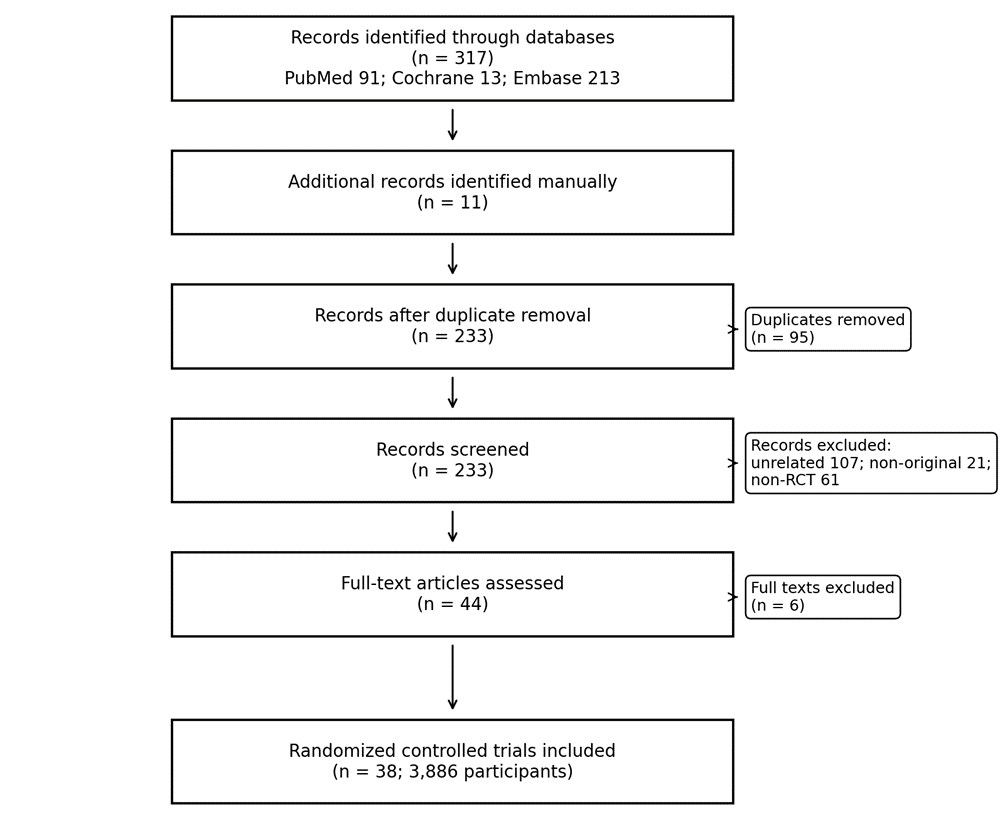
Figure 1. Published-study flow reconstructed from the 2025 network meta-analysis
Table No:1 Characteristics of the randomized evidence
|
Clinical category |
Representative procedures |
Regimens represented |
|
Lumbar degenerative fusion/decompression |
Single- or multilevel PLIF/TLIF, minimally invasive and open procedures |
IV bolus, infusion/repeated IV, topical, infiltration, combined routes, placebo |
|
Thoracolumbar fusion and deformity |
Instrumented fusion, complex reconstruction, adult deformity |
Low- and high-dose IV, repeated IV, oral, combined administration |
|
Paediatric/adolescent scoliosis |
Posterior instrumented fusion |
High- or low-dose IV, bolus plus infusion, placebo |
|
Trauma |
Thoracolumbar burst fracture and posterior fixation |
IV, topical, combined IV-topical |
|
Cervical surgery |
Cervical laminoplasty and related procedures |
Primarily IV TXA |
|
Mixed/major spine surgery |
Heterogeneous major spinal procedures |
Fixed-dose or weight-based IV TXA versus placebo |
Risk of bias
In the 2025 network review, the randomization domain was judged low risk across included trials. Nine trials were considered high risk for deviations from intended interventions, largely because blinding was absent or insufficient. Three trials raised some concern for missing outcome data, whereas outcome measurement and selective reporting domains were generally judged low risk. These published assessments support confidence in the direction of the blood-loss findings but also justify caution when comparing regimens that could not be blinded easily. [6]
Intraoperative and total blood loss
The 2024 pairwise meta-analysis found that TXA reduced intraoperative estimated blood loss by a mean of 46.56 mL compared with control (95% CI, 19.26-73.85 mL less; p<0.01). The corresponding reduction in total estimated blood loss was 210.17 mL (95% CI, 135.40-284.93 mL less; p<0.01). The larger effect for total loss is clinically plausible because it incorporates postoperative and concealed components that are not captured by the intraoperative field alone. [5]
In the 2025 network analysis, 36 studies contributed to intraoperative blood loss. Relative to placebo, statistically credible reductions were reported with low-dose IV TXA plus temperature intervention (MD, -112.0 mL; 95% credible interval [CrI], -211.0 to -14.9), combined administration (MD, -101.0 mL; 95% CrI, -161.0 to -44.1), and high-dose IV TXA (MD, -88.0 mL; 95% CrI, -145.0 to -34.9). The ranking probabilities favored the temperature-supported low-dose IV and combined strategies, but the overlapping uncertainty and variation in operative populations limit claims of definitive superiority. [6]
Postoperative blood loss and haemoglobin decline
Thirty-two trials contributed to the network analysis of postoperative blood loss. Combined administration was associated with a mean reduction of 177.0 mL (95% CrI, 92.4-275.0 mL less) relative to placebo, and multiple perioperative IV dosing produced a reduction of 153.0 mL (95% CrI, 66.8-251.0 mL less). For haemoglobin decline, oral TXA, multiple-dose IV therapy, low-dose IV TXA with temperature intervention, and combined administration all showed credible reductions relative to placebo. These findings suggest that maintaining antifibrinolytic coverage beyond a single intraoperative bolus may influence postoperative or concealed blood loss, although route comparisons remain indirect for several nodes. [6]
Allogeneic transfusion
The pairwise synthesis reported a lower probability of transfusion with TXA (RR, 0.68; 95% CI, 0.51-0.90; p<0.01). In the network analysis of 28 trials, lower transfusion odds were reported for oral TXA (OR, 0.10; 95% CrI, 0.03-0.35), combined administration (OR, 0.12; 95% CrI, 0.05-0.27), multiple-dose IV therapy (OR, 0.20; 95% CrI, 0.07-0.51), low-dose topical TXA (OR, 0.29; 95% CrI, 0.15-0.55), and low-dose IV TXA with temperature intervention (OR, 0.31; 95% CrI, 0.09-0.92), each relative to placebo. These relative estimates should be interpreted alongside baseline transfusion risk, which may differ greatly between limited decompression and major deformity correction. [5,6]
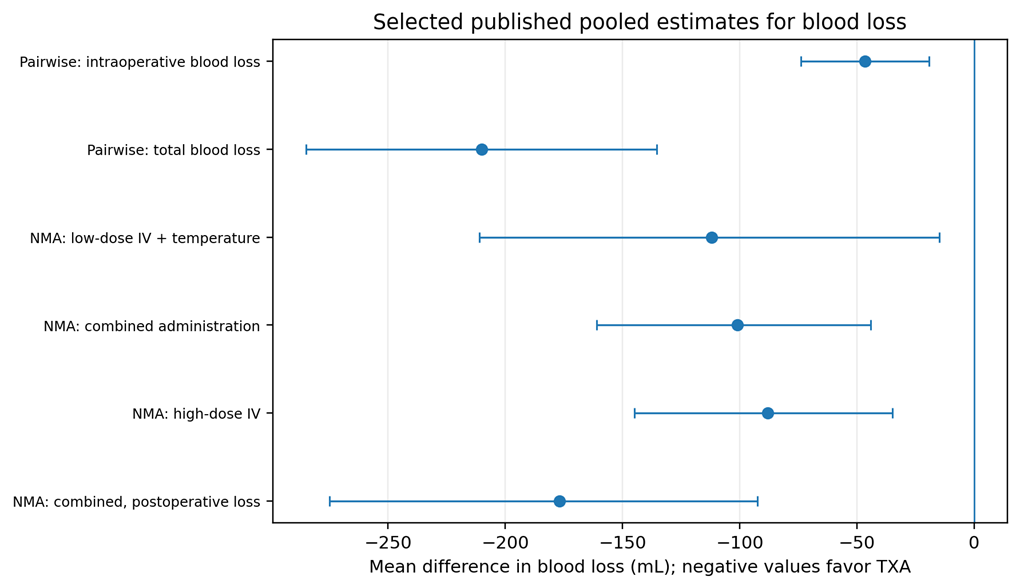
Figure 2. Selected published pooled estimates for blood-loss outcomes
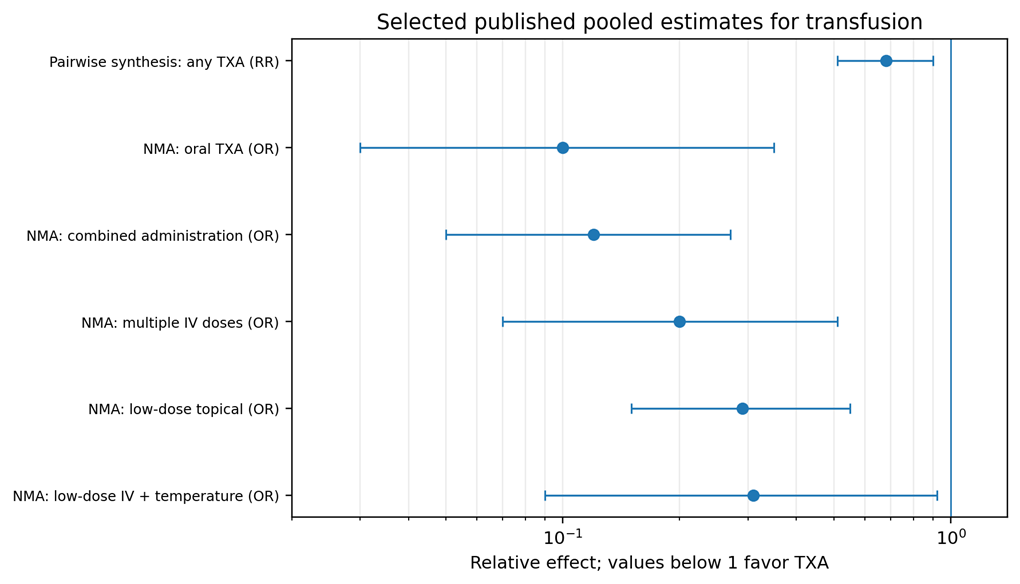
Figure 3. Selected published pooled estimates for transfusion outcomes
Length of stay
Nineteen trials informed the network analysis of hospital stay. Low-dose IV TXA combined with temperature management was associated with a mean stay 2.29 days shorter than placebo (95% CrI, 0.40-4.16 days shorter), while low-dose topical TXA was associated with a reduction of 1.94 days (95% CrI, 0.10-2.97 days shorter). Length of stay is strongly influenced by rehabilitation pathways, discharge criteria, complications, and health-system practice; these estimates therefore require cautious clinical interpretation. [6]
Thromboembolic and other complications
The 2024 pairwise synthesis found no statistically significant increase in thrombotic complications. In the 2025 network meta-analysis, 14 trials contributed to the overall complication outcome, and no TXA strategy differed credibly from placebo. This finding is reassuring but not conclusive. Deep-vein thrombosis, pulmonary embolism, myocardial infarction, stroke, and seizure were infrequent, screening methods varied, and the total sample was inadequate to exclude modest or procedure-specific risk. Safety assessment should therefore incorporate individual thrombotic history, renal function, cumulative dose, and institutional thromboprophylaxis. [5,6]
Targeted oral-TXA update
A 2024 randomized trial of 120 adults evaluated a single 1.5-g oral TXA dose administered two hours before spine surgery. The trial reported lower intraoperative and postoperative blood loss and a shorter hospital stay in the TXA group. Nausea and vomiting were more frequent, while the overall adverse-event comparison did not identify a major safety signal. Together with earlier randomized oral-versus-intravenous comparisons, this trial supports oral administration as a potentially practical option, but replication across high-risk and complex procedures is needed. [21]
Table 2. Quantitative Summary of Evidence on the Efficacy and Safety of Tranexamic Acid in Spine Surgery
Panel A. Findings from Pairwise Meta-analysis
|
Outcome |
Evidence source |
Measure |
Published estimate (95% interval) |
Interpretation |
|
Intraoperative blood loss |
13-study pairwise review (outcome subset) |
Mean difference |
-46.56 mL (-73.85 to -19.26) |
Favors TXA; modest absolute intraoperative effect |
|
Total blood loss |
13-study pairwise review (outcome subset) |
Mean difference |
-210.17 mL (-284.93 to -135.40) |
Favors TXA; larger perioperative effect |
|
Any allogeneic transfusion |
13-study pairwise review (outcome subset) |
Risk ratio |
0.68 (0.51 to 0.90) |
Approximately 32% relative reduction |
|
Thrombotic complications |
13-study pairwise review |
Risk ratio / event synthesis |
No significant difference reported |
Underpowered for rare harm |
Panel B. Findings from Network Meta-analysis According to TXA Regimen
|
Outcome |
Regimen |
Published estimate (95% CrI) |
Network contribution |
|
Intraoperative loss |
Low-dose IV + temperature |
MD -112.0 mL (-211.0 to -14.9) |
36 studies across network |
|
Intraoperative loss |
Combined administration |
MD -101.0 mL (-161.0 to -44.1) |
36 studies across network |
|
Intraoperative loss |
High-dose IV |
MD -88.0 mL (-145.0 to -34.9) |
36 studies across network |
|
Postoperative loss |
Combined administration |
MD -177.0 mL (-275.0 to -92.4) |
32 studies across network |
|
Postoperative loss |
Multiple IV doses |
MD -153.0 mL (-251.0 to -66.8) |
32 studies across network |
|
Transfusion |
Oral |
OR 0.10 (0.03 to 0.35) |
28 studies across network |
|
Transfusion |
Combined administration |
OR 0.12 (0.05 to 0.27) |
28 studies across network |
|
Transfusion |
Multiple IV doses |
OR 0.20 (0.07 to 0.51) |
28 studies across network |
|
Transfusion |
Low-dose topical |
OR 0.29 (0.15 to 0.55) |
28 studies across network |
|
Transfusion |
Low-dose IV + temperature |
OR 0.31 (0.09 to 0.92) |
28 studies across network |
|
Length of stay |
Low-dose IV + temperature |
MD -2.29 days (-4.16 to -0.40) |
19 studies across network |
|
Length of stay |
Low-dose topical |
MD -1.94 days (-2.97 to -0.10) |
19 studies across network |
DISCUSSION:
The contemporary evidence supports three broad conclusions. First, TXA reduces blood loss during spine surgery. The effect is present for intraoperative loss and is more pronounced when total perioperative loss is considered. Second, reduced bleeding translates into fewer patients receiving allogeneic transfusion. Third, route and dosing strategy may matter, but the current comparative hierarchy is not sufficiently stable to mandate a single universal regimen. The network evidence favors several repeated, combined, or temperature-supported approaches, yet much of the distinction between regimens relies on indirect comparison. [5,6]
The mean reduction in total blood loss reported in the pairwise synthesis is likely to be clinically relevant in procedures with moderate or high baseline bleeding. Its importance will be smaller in short operations where expected loss is low. This interaction between baseline risk and treatment benefit is central to implementation. A fixed relative reduction can prevent several transfusions in a complex deformity population while producing little observable difference in routine decompression. Future reports should therefore present baseline blood loss and absolute transfusion risk, not only pooled relative effects.
The transfusion result is particularly meaningful because it reflects a patient-centered and resource-relevant outcome. Nevertheless, transfusion is not determined by bleeding alone. Haemoglobin thresholds, symptoms, haemodynamic instability, clinician preference, cell-salvage availability, and institutional protocols influence the decision. Trials with liberal thresholds may show a larger number of preventable transfusions than trials embedded in mature patient-blood-management programs. Stratification by transfusion protocol should be prespecified in an updated review.
The apparent advantage of repeated or combined administration is biologically plausible. Fibrinolytic activity can persist into the postoperative period, and a single short exposure may not cover the entire period of clot vulnerability. Multiple dosing or a bolus-plus-infusion regimen may therefore reduce postoperative and concealed loss. Combined systemic and topical administration may provide both circulating and local antifibrinolytic effects. These hypotheses require direct head-to-head confirmation because network rankings can be influenced by differences in case complexity, control-event rates, and co-interventions.
Temperature management deserves special attention. Hypothermia impairs platelet function and enzymatic coagulation and can increase bleeding independently of TXA. A trial node combining low-dose IV TXA with temperature intervention is therefore not simply a pharmacological dose comparison; it represents a bundled haemostatic strategy. Its favorable ranking may partly reflect the physiological benefit of normothermia. An updated analysis should avoid attributing the full effect to TXA dose alone and should code active warming as a separate co-intervention.
Oral TXA is attractive because it is inexpensive, simple, and avoids the need for an infusion. The network analysis produced a strong relative effect on transfusion, and randomized trials suggest that oral dosing can perform similarly to intravenous administration in selected thoracolumbar procedures. However, oral absorption, timing, fasting status, gastrointestinal tolerance, and procedure duration require consideration. Evidence is insufficient to extrapolate a single oral regimen to paediatric deformity surgery, severe renal impairment, emergency trauma, or operations with anticipated massive blood loss. [6,20,21]
Topical administration offers theoretical local efficacy with lower systemic exposure. Route-specific analyses report reductions in drain output and other blood-loss measures, but topical concentration, volume, dwell time, wound irrigation, drain clamping, and contact with neural tissues vary. Some topical studies are small, and comparisons with systemic therapy are limited. The low ranking of topical nodes for intraoperative loss in the network analysis may reflect the timing of application, because topical treatment is often delivered near wound closure and is not expected to influence bleeding earlier in the operation. [6-8]
The safety findings require restraint. Across randomized spine trials, there was no clear increase in overall complications or thrombotic events. That statement is not equivalent to proving safety in every subgroup. Rare adverse events require far larger samples than those needed to demonstrate a reduction in blood loss. Furthermore, active screening for asymptomatic venous thrombosis was not uniform, and neurological events such as seizures may not have been prespecified or adjudicated. High-dose exposure, repeated administration, accidental intrathecal delivery, and reduced renal clearance are important contexts in which risk may differ. [5,6]
Clinical implementation should therefore be protocol-based rather than dose-maximizing. A perioperative pathway should identify procedure-specific bleeding risk, preoperative anaemia, renal function, prior venous or arterial thrombosis, seizure history, anticoagulant management, and contraindications. The selected route and dose should be integrated with normothermia, meticulous surgical haemostasis, cell salvage when appropriate, rational fluid management, and a defined transfusion algorithm. TXA should complement these measures, not be treated as a stand-alone solution.
This evidence also has implications for trial design. Future multicentre randomized trials should compare clearly defined regimens within homogeneous surgical strata and use a core outcome set. Total calculated blood loss, intraoperative measured loss, postoperative drain loss, haemoglobin change, red-cell units, proportion transfused, rescue haemostatic interventions, and patient-important recovery outcomes should be reported. Safety follow-up should extend beyond discharge, with systematic ascertainment of symptomatic thromboembolism, myocardial infarction, stroke, seizure, renal events, wound complications, and mortality.
An updated study-level meta-analysis should examine effect modification rather than relying only on broad subgroup labels. Candidate moderators include age group, deformity versus degenerative surgery, number of fused levels, osteotomy, operative duration, baseline haemoglobin, renal function, use of cell salvage, active warming, TXA loading dose, infusion rate, total dose, route, and postoperative continuation. Meta-regression should be prespecified and limited to outcomes with adequate numbers of studies to reduce false-positive inference.
The principal strength of the present draft is transparent use of verifiable contemporary evidence. It incorporates both conventional pooled effects and comparative network estimates, separates efficacy from rare-event safety, and avoids generating unsupported study numbers. Its key limitation is equally important: this is not a de novo systematic review. The numerical results originate from published syntheses with different eligibility criteria and analytic frameworks. Overlap among trials means that participant counts cannot be added across reviews, and the estimates should not be recombined without obtaining study-level data.
CONCLUSION:
Published randomized and prospective evidence indicates that tranexamic acid reduces perioperative blood loss and lowers allogeneic transfusion exposure in spine surgery. The benefit is observed across several systemic, topical, oral, repeated, and combined strategies, although the magnitude varies with procedure, baseline bleeding risk, and co-interventions. Network estimates suggest that extended or combined antifibrinolytic coverage and maintenance of normothermia may be advantageous, but the comparative evidence is not strong enough to establish a single universal regimen. No statistically clear increase in complications has been demonstrated, yet the available trials cannot exclude uncommon thromboembolic or neurological harm. Clinical use should be individualized and embedded in a comprehensive patient-blood-management protocol. Before submission as an original systematic review and meta-analysis, the author team must complete an independent search, duplicate screening and extraction, risk-of-bias assessment, de novo statistical analysis, GRADE evaluation, and protocol registration.
REFERENCES:
1. Page MJ, McKenzie JE, Bossuyt PM, Boutron I, Hoffmann TC, Mulrow CD, et al. The PRISMA 2020 statement: an updated guideline for reporting systematic reviews. BMJ. 2021;372:n71. doi:10.1136/bmj.n71.
2. Higgins JPT, Thomas J, Chandler J, Cumpston M, Li T, Page MJ, et al., editors. Cochrane Handbook for Systematic Reviews of Interventions version 6.5 (updated August 2024). Cochrane; 2024.
3. Sterne JAC, Savovic J, Page MJ, Elbers RG, Blencowe NS, Boutron I, et al. RoB 2: a revised tool for assessing risk of bias in randomised trials. BMJ. 2019;366:l4898. doi:10.1136/bmj.l4898.
4. Guyatt GH, Oxman AD, Vist GE, Kunz R, Falck-Ytter Y, Alonso-Coello P, et al. GRADE: an emerging consensus on rating quality of evidence and strength of recommendations. BMJ. 2008;336:924-926. doi:10.1136/bmj.39489.470347.AD.
5. Yamanouchi K, Funao H, Fujita N, Ebata S, Yagi M. Safety and efficacy of tranexamic acid in spinal surgery: a systematic review and meta-analysis. Spine Surg Relat Res. 2024;8(3):253-266. doi:10.22603/ssrr.2023-0244.
6. Shim SR, Han S, Jeong JH, Hwang I, Cha Y, Ihm C. Effect of tranexamic acid in spine surgeries: a systematic review and network meta-analysis. Front Surg. 2025;12:1550854. doi:10.3389/fsurg.2025.1550854.
7. Luo H, Zhang X, Xie C, Wu L, Cai G, Ren Y. Efficacy and safety of topical tranexamic acid in spinal surgery: a systematic review and meta-analysis. EFORT Open Rev. 2024;9(8):796-805. doi:10.1530/EOR-23-0199.
8. Deng B, Li X, Xie P, Luo X, Yan X. Intravenous versus topical tranexamic acid in spinal surgery: a systematic review and meta-analysis. J Orthop Surg Res. 2024;19:512. doi:10.1186/s13018-024-04989-1.
9. Rahmani R, Singleton A, Fulton Z, Pederson JM, Andreshak T. Tranexamic acid dosing strategies and blood loss reduction in multilevel spine surgery: a systematic review and network meta-analysis. N Am Spine Soc J. 2021;8:100086. doi:10.1016/j.xnsj.2021.100086.
10. Cao Z, Li Q, Guo J, Li Y, Wu J. Optimal administration strategies of tranexamic acid to minimize blood loss during spinal surgery: results of a Bayesian network meta-analysis. Ann Med. 2022;54(1):2053-2063. doi:10.1080/07853890.2022.2101687.
11. Cheriyan T, Maier SP 2nd, Bianco K, Slobodyanyuk K, Rattenni RN, Lafage V, et al. Efficacy of tranexamic acid on surgical bleeding in spine surgery: a meta-analysis. Spine J. 2015;15(4):752-761. doi:10.1016/j.spinee.2015.01.013.
12. Willner D, Spennati V, Stohl S, Tosti G, Aloisio S, Bilotta F. Spine surgery and blood loss: systematic review of clinical evidence. Anesth Analg. 2016;123(5):1307-1315. doi:10.1213/ANE.0000000000001485.
13. Bible JE, Mirza M, Knaub MA. Blood-loss management in spine surgery. J Am Acad Orthop Surg. 2018;26(2):35-44. doi:10.5435/JAAOS-D-16-00184.
14. Mikhail C, Pennington Z, Arnold PM, Brodke DS, Chapman JR, Chutkan N, et al. Minimizing blood loss in spine surgery. Global Spine J. 2020;10(1 Suppl):71S-83S. doi:10.1177/2192568219868475.
15. Elgafy H, Bransford RJ, McGuire RA, Dettori JR, Fischer D. Blood loss in major spine surgery: are there effective measures to decrease massive hemorrhage in major spine fusion surgery? Spine. 2010;35(9 Suppl):S47-S56. doi:10.1097/BRS.0b013e3181d833f6.
16. Dunn CJ, Goa KL. Tranexamic acid: a review of its use in surgery and other indications. Drugs. 1999;57(6):1005-1032. doi:10.2165/00003495-199957060-00017.
17. Ker K, Prieto-Merino D, Roberts I. Systematic review, meta-analysis and meta-regression of the effect of tranexamic acid on surgical blood loss. Br J Surg. 2013;100(10):1271-1279. doi:10.1002/bjs.9193.
18. Li F, Huang X, Huang Y, Liang B, Yin D. The efficacy of temperature intervention combined with tranexamic acid in reducing blood loss and accelerating recovery during spinal fusion. Medicine (Baltimore). 2023;102(47):e36407. doi:10.1097/MD.0000000000036407.
19. Dong W, Liang Y, Li D, Ma Z, Cheng M, Zhang X, et al. The effect of sequential perioperative intravenous tranexamic acid in reducing postoperative blood loss and hidden blood loss after posterior lumbar interbody fusion: a randomized controlled trial. Front Med (Lausanne). 2023;10:1192971. doi:10.3389/fmed.2023.1192971.
20. Yu CC, Fidai M, Washington T, Bartol S, Graziano G. Oral is as effective as intravenous tranexamic acid at reducing blood loss in thoracolumbar spinal fusions: a prospective randomized trial. Spine. 2022;47(2):91-98. doi:10.1097/BRS.0000000000004157.
21. Kargar-Soleimanabad S, Khormali A, Godazandeh F, Najafi S. Effect of oral tranexamic acid on postoperative bleeding in spinal surgery: a randomized controlled trial. Ann Med Surg (Lond). 2024;86(8):4483-4487. doi:10.1097/MS9.0000000000001820.
22. Arun-Kumar K, Naresh-Babu J. Is there a role for preoperative local infiltration of tranexamic acid in elective spine surgery? A prospective randomized controlled trial analyzing the efficacy of intravenous, local infiltration, and topical administration of tranexamic acid. Global Spine J. 2021;11(1):21-27. doi:10.1177/2192568219888446.
23. Zhu X, Shi Q, Li D, Wu J, Guo K, Zheng X, et al. Two doses of tranexamic acid reduce blood loss in primary posterior lumbar fusion surgery: a randomized-controlled trial. Clin Spine Surg. 2020;33(10):E593-E597. doi:10.1097/BSD.0000000000000999.
24. Colomina MJ, Koo M, Basora M, Pizones J, Mora L, Bago J. Intraoperative tranexamic acid use in major spine surgery in adults: a multicentre, randomized, placebo-controlled trial. Br J Anaesth. 2017;118(3):380-390. doi:10.1093/bja/aew434.
25. Shi H, Ou Y, Jiang D, Quan Z, Zhao Z, Zhu Y. Tranexamic acid reduces perioperative blood loss of posterior lumbar surgery for stenosis or spondylolisthesis: a randomized trial. Medicine (Baltimore). 2017;96:e5718. doi:10.1097/MD.0000000000005718.
26. Raksakietisak M, Sathitkarnmanee B, Srisaen P, Duangrat T, Chinachoti T, Rushatamukayanunt P, et al. Two doses of tranexamic acid reduce blood transfusion in complex spine surgery: a prospective randomized study. Spine. 2015;40:E1257-E1263. doi:10.1097/BRS.0000000000001063.
27. Wang Q, Liu J, Fan R, Chen Y, Yu H, Bi Y, et al. Tranexamic acid reduces postoperative blood loss of degenerative lumbar instability with stenosis in posterior approach lumbar surgery: a randomized controlled trial. Eur Spine J. 2013;22:2035-2038. doi:10.1007/s00586-013-2836-z.
28. Tsutsumimoto T, Shimogata M, Ohta H, Yui M, Yoda I, Misawa H. Tranexamic acid reduces perioperative blood loss in cervical laminoplasty: a prospective randomized study. Spine. 2011;36(23):1913-1918. doi:10.1097/BRS.0b013e3181fb3a42.
29. Farrokhi MR, Kazemi AP, Eftekharian HR, Akbari K. Efficacy of prophylactic low dose of tranexamic acid in spinal fixation surgery: a randomized clinical trial. J Neurosurg Anesthesiol. 2011;23(4):290-296. doi:10.1097/ANA.0b013e31822914a1.
30. Elwatidy S, Jamjoom Z, Elgamal E, Zakaria A, Turkistani A, El-Dawlatly A. Efficacy and safety of prophylactic large dose of tranexamic acid in spine surgery: a prospective, randomized, double-blind, placebo-controlled study. Spine. 2008;33(24):2577-2580. doi:10.1097/BRS.0b013e318188b9c5.
31. Wong J, El Beheiry H, Rampersaud YR, Lewis S, Ahn H, De Silva Y, et al. Tranexamic acid reduces perioperative blood loss in adult patients having spinal fusion surgery. Anesth Analg. 2008;107(5):1479-1486. doi:10.1213/ane.0b013e3181831e44.
32. Sethna NF, Zurakowski D, Brustowicz RM, Bacsik J, Sullivan LJ, Shapiro F. Tranexamic acid reduces intraoperative blood loss in pediatric patients undergoing scoliosis surgery. Anesthesiology. 2005;102(4):727-732. doi:10.1097/00000542-200504000-00006.
33. Neilipovitz DT, Murto K, Hall L, Barrowman NJ, Splinter WM. A randomized trial of tranexamic acid to reduce blood transfusion for scoliosis surgery. Anesth Analg. 2001;93(1):82-87. doi:10.1097/00000539-200107000-00018.