STUDY ON INCIDENCE OF STRESS INDUCED HYPERGLYCEMIA IN ACUTE ISCHEMIC STROKE AND IT’S CORRELATION WITH THE DISEASE OUTCOME.
- Arijit Biswas , Senior Resident, Department of General Medicine, Basirhat District & Super Speciality Hospital
- Swayang Prakas Chowdhury , Professor, Department of General Medicine, Calcutta National Medical College and Hospital.
Article Information:
Abstract:
Introduction: Stress-induced hyperglycemia is a common metabolic response following acute ischemic stroke, occurring even in individuals without previously diagnosed diabetes mellitus. It results from activation of the neuroendocrine stress response and has been associated with larger infarct size, greater neurological deficits, poorer functional recovery, and increased mortality. Early identification of stress-induced hyperglycemia may therefore provide valuable prognostic information in the acute management of ischemic stroke. Objectives: To determine the incidence of stress-induced hyperglycemia among non-diabetic patients with acute ischemic stroke and to evaluate its correlation with disease severity and clinical outcome. Methodology: This hospital-based prospective observational study was conducted in the Department of General Medicine, Calcutta National Medical College and Hospital, Kolkata, over an 18-month period (January 2021–June 2022). A total of 90 consecutive adult patients with acute ischemic stroke presenting within 48 hours of symptom onset were enrolled after fulfilling the eligibility criteria. Patients with known diabetes mellitus or HbA1c >6.5% were excluded. Stress-induced hyperglycemia was defined as an admission random blood glucose level >200 mg/dL with HbA1c <6.5%. Stroke severity was assessed using the National Institutes of Health Stroke Scale (NIHSS), and infarct size was evaluated using neuroimaging. Clinical, laboratory, and radiological data were analyzed using IBM SPSS version 26.0, with statistical significance considered at p<0.05. Results: The mean age of the study population was 60.67±13.24 years, and the majority of patients (61.1%) were older than 60 years. Stress-induced hyperglycemia was observed in 26 patients (28.9%). Patients with stress-induced hyperglycemia had a significantly higher frequency of large infarcts (59.3% vs. 15.9%, p<0.05), higher mean NIHSS scores at admission (33.62±6.05 vs. 29.61±9.72, p=0.021) and discharge (25.20±4.72 vs. 15.51±6.68, p=0.044), and higher in-hospital mortality (19.2% vs. 4.7%) compared with normoglycemic patients. Obese patients also demonstrated significantly higher NIHSS scores than non-obese patients. Conclusion: Stress-induced hyperglycemia is a frequent finding among non-diabetic patients with acute ischemic stroke and is significantly associated with larger infarct size, greater neurological impairment, poorer functional recovery, and increased in-hospital mortality. Routine assessment of blood glucose and HbA1c at admission may facilitate early identification of high-risk patients and improve prognostic stratification and clinical management during the acute phase of ischemic stroke.
Keywords:
Article :
INTRODUCTION:
Stroke is a major public health problem and remains one of the leading causes of mortality and long-term disability worldwide. A stroke, or cerebrovascular accident, is defined as the abrupt onset of a neurological deficit attributable to a focal vascular cause. Cerebral ischemia occurs due to a reduction in cerebral blood flow lasting longer than several seconds. Since neurons lack glycogen stores, interruption of blood flow rapidly leads to energy failure, resulting in neurological symptoms within seconds. If cerebral perfusion is not restored within a few minutes, irreversible cerebral infarction or neuronal death occurs. When neurological deficits persist beyond 24 hours due to cerebral ischemia, the condition is classified as ischemic stroke.¹˒²
Stroke ranks among the most common neurological disorders affecting adults and continues to be associated with considerable morbidity, mortality, and socioeconomic burden. The mortality during the acute phase may reach as high as 20%, and survivors often remain at increased risk of disability and recurrent vascular events for several years. Ischemic stroke accounts for more than 80% of all stroke events. Early identification of factors associated with disease severity and clinical outcome is therefore essential for implementing appropriate preventive and therapeutic strategies aimed at reducing mortality and improving functional recovery.³⁻⁵
The pathophysiology of ischemic stroke is characterized by interruption of cerebral blood flow, leading to deprivation of oxygen and glucose delivery to neuronal tissue. Reduction in cerebral blood flow below the critical threshold results in depletion of adenosine triphosphate (ATP), failure of membrane ion pumps, intracellular calcium accumulation, glutamate-mediated excitotoxicity, oxidative stress, and ultimately neuronal necrosis. Surrounding the infarct core lies the ischemic penumbra, a region of metabolically compromised but potentially salvageable brain tissue. Restoration of cerebral perfusion before irreversible injury develops within this penumbral region forms the basis of modern acute stroke management.¹˒²
Several modifiable and non-modifiable factors influence the occurrence of ischemic stroke. Increasing age, male sex, ethnicity, and family history are recognized non-modifiable risk factors. Among modifiable factors, hypertension remains the single most important determinant of stroke risk, while diabetes mellitus substantially increases the likelihood of cerebrovascular disease by accelerating atherosclerosis involving cerebral, coronary, and peripheral arteries. Cigarette smoking and hypercholesterolemia further contribute to vascular injury and increase the incidence of ischemic stroke.²
Diabetes mellitus is an established independent risk factor for stroke and coronary artery disease and is one of the most consistent predictors of recurrent stroke and stroke following transient ischemic attack. However, hyperglycemia encountered during the acute phase of stroke is not always attributable to previously diagnosed diabetes mellitus. A significant proportion of patients without known diabetes develop transient elevation of blood glucose during acute physiological stress such as ischemic stroke or myocardial infarction. Furthermore, approximately one-third of patients with diabetes remain undiagnosed and often present for the first time with vascular complications including stroke. Previous studies have estimated that 8–20% of patients with acute stroke have previously recognized diabetes mellitus, while an additional 6–42% are subsequently identified as having previously undiagnosed diabetes.¹˒⁴˒⁵
Elevation of blood glucose during acute stroke is common. Hyperglycemia has been observed in nearly two-thirds of patients with ischemic stroke at hospital admission, irrespective of stroke subtype. Although a proportion of these patients have pre-existing diabetes, many develop stress-induced hyperglycemia, which results from activation of the neuroendocrine stress response. Increased secretion of cortisol, catecholamines, and glucagon, together with relative insulin deficiency and insulin resistance, contributes to transient elevation of blood glucose concentrations during the acute phase of illness. In many patients, blood glucose levels subsequently normalize, whereas in others, previously unrecognized diabetes mellitus becomes evident during follow-up.⁶⁻⁸
Several mechanisms have been proposed to explain the adverse effects of hyperglycemia on ischemic brain tissue. Hyperglycemia promotes anaerobic metabolism within ischemic tissue, resulting in excessive lactate production, intracellular acidosis, oxidative stress, and free radical generation. Elevated glucose concentrations also aggravate mitochondrial dysfunction, impair vascular reactivity through liberation of circulating free fatty acids, increase endothelial dysfunction, and compromise the integrity of the blood-brain barrier. Furthermore, hyperglycemia has been shown to alter gene expression within metabolically challenged neurons, enhance cerebral edema, and accelerate injury within the ischemic penumbra, thereby worsening neurological damage and limiting recovery following acute ischemic stroke.⁶⁻⁸
Despite extensive research, no universally accepted definition of post-stroke hyperglycemia currently exists. Different studies have used varying fasting or random blood glucose thresholds measured at different intervals following stroke onset. Consequently, reported prevalence rates vary considerably across studies. Nevertheless, pooled analyses have consistently demonstrated that stress-induced hyperglycemia represents a substantial proportion of patients admitted with acute stroke, emphasizing its importance as a clinically relevant metabolic disturbance requiring early recognition.
Several investigators have reported a strong association between admission hyperglycemia and poor clinical outcomes following acute ischemic stroke. Experimental evidence suggests that hyperglycemia aggravates ischemic brain injury, while clinical studies have demonstrated associations with larger infarct size, greater neurological deficit, prolonged hospitalization, increased mortality, and poorer functional recovery. Parsons et al. demonstrated that acute hyperglycemia adversely affects tissue outcome in ischemic stroke using magnetic resonance imaging and spectroscopy.⁶ Capes et al. reported that stress hyperglycemia was associated with a significantly poorer prognosis in both diabetic and non-diabetic patients with acute stroke.16 Similarly, Weir et al. identified admission hyperglycemia as an independent predictor of poor long-term outcome after acute stroke.¹¹ Al-Himyari and Abbas also observed adverse outcomes among non-diabetic Iraqi patients presenting with acute stroke and stress-induced hyperglycemia.¹⁰ Sarkar et al. further demonstrated that glycemic status significantly influences stroke outcome, with poorer prognosis observed among patients with hyperglycemia.¹³
Although the relationship between stress-induced hyperglycemia and stroke outcome has been extensively investigated, data from India, particularly from Eastern India, remain limited. Both stroke and diabetes mellitus are increasing in prevalence throughout the Asian population, highlighting the need for region-specific data. Evaluation of stress-induced hyperglycemia in previously non-diabetic patients with acute ischemic stroke may improve risk stratification, facilitate early identification of patients at greater risk of poor outcome, and contribute to better clinical decision-making during the acute phase of stroke. Therefore, the present study was undertaken to determine the incidence of stress-induced hyperglycemia among non-diabetic patients admitted with acute ischemic stroke and to evaluate its correlation with disease outcome.
MATERIALS AND METHODS:
This hospital-based prospective observational study was conducted in the Department of General Medicine, Calcutta National Medical College and Hospital, Kolkata, over a period of 18 months from 1 January 2021 to 30 June 2022, after obtaining approval from the Institutional Ethics Committee. Adult patients admitted to the Department of General Medicine with acute ischemic stroke within 48 hours of onset of neurological symptoms were screened for eligibility. Written informed consent was obtained from all participants or their legally authorized representatives before enrolment into the study. The study aimed to determine the incidence of stress-induced hyperglycemia in non-diabetic patients with acute ischemic stroke and to evaluate its correlation with disease outcome.
A total of 90 consecutive patients fulfilling the eligibility criteria were included in the study. The sample size was determined based on the hospital admission records of the preceding three years, which showed approximately 60 eligible admissions annually. Considering the expected number of admissions during the 18-month study period, approximately 90 patients meeting the predefined inclusion criteria were enrolled. Adult patients admitted with clinical features suggestive of acute ischemic stroke and neuroimaging confirmation on non-contrast computed tomography (NCCT) of the brain were considered eligible, provided they fulfilled the criteria for non-diabetic status. Patients with known diabetes mellitus, those receiving oral hypoglycemic agents or insulin therapy, patients with glycated hemoglobin (HbA1c) levels >6.5%, hemorrhagic stroke, cerebral venous thrombosis, space-occupying lesions of the brain, or other conditions likely to interfere with assessment were excluded from the study.
A detailed clinical evaluation was performed for every participant using a predesigned case record form. Demographic information, socioeconomic status, educational status, occupation, residence, vascular risk factors, and relevant medical history were recorded. A comprehensive general physical examination and neurological examination were carried out at admission. Stroke severity was assessed using the National Institutes of Health Stroke Scale (NIHSS) immediately after admission and again at the time of hospital discharge. The NIHSS was used as the primary measure of neurological deficit and clinical outcome throughout the study. Anthropometric assessment included waist circumference for classification of obesity. Obesity was defined as a waist circumference >90 cm in men and >80 cm in women, whereas values below these thresholds were considered non-obese. Stroke size was categorized radiologically as large infarction when the infarct occupied more than one-third of the cerebral cortex and as small infarction when involvement was less than one-third of the cortex.
Laboratory and radiological investigations were performed according to the study protocol. Venous random blood glucose estimation was carried out immediately after admission in all eligible patients. Glycated hemoglobin (HbA1c) was measured using high-performance liquid chromatography (HPLC) from EDTA blood samples to exclude previously undiagnosed diabetes mellitus. Neuroimaging with NCCT brain was performed in all patients to confirm the diagnosis of acute ischemic stroke, while magnetic resonance imaging (MRI) was performed whenever clinically indicated. Patients with HbA1c values exceeding 6.5% were excluded from further analysis to ensure inclusion of only non-diabetic individuals.
There is no universally accepted diagnostic threshold for stress-induced hyperglycemia, and previous studies have used varying fasting and random blood glucose cut-off values. In the present study, stress-induced hyperglycemia was defined as an admission random blood glucose concentration >200 mg/dL in the absence of previously diagnosed diabetes mellitus and with an HbA1c level <6.5%. Based on this definition, participants were categorized into two groups: patients with stress-induced hyperglycemia and patients without stress-induced hyperglycemia. Clinical outcomes and stroke severity were subsequently compared between these two groups using standardized neurological assessment.
The primary outcome measure was the occurrence of stress-induced hyperglycemia among patients admitted with acute ischemic stroke. Secondary outcome measures included neurological severity at admission and discharge as assessed by NIHSS, association between stress-induced hyperglycemia and infarct size, relationship with obesity, and in-hospital clinical outcome. All clinical and laboratory observations were recorded systematically using the standardized proforma throughout the study period. Data collection was completed over the planned 18-month duration and subsequently compiled for statistical analysis.
All collected data were entered into Microsoft Excel and analyzed using IBM Statistical Package for the Social Sciences (SPSS) version 22. Continuous variables were expressed as mean ± standard deviation, whereas categorical variables were summarized as frequencies and percentages. Comparisons between groups were performed using the independent Student's t-test for continuous variables and Chi-square test for categorical variables. Pearson's correlation analysis was used to evaluate correlations between parametric variables wherever applicable. Statistical significance was determined using a two-tailed p-value ≤0.05, with an alpha error of 5%, beta error of 20%, and a 95% confidence interval. The objective of the statistical analysis was not to establish a causal relationship between stress-induced hyperglycemia and stroke outcome but to determine its occurrence and evaluate its association with disease severity and functional outcome among patients with acute ischemic stroke.
RESULTS:
A total of 90 non-diabetic patients with acute ischemic stroke were included in the study. The mean age of the study population was 60.67 ± 13.24 years (range: 19–81 years). Most patients (61.1%) were aged ≥60 years. Males constituted 66.7% of the study population. Hypertension was present in 77.8%, while 41.1% were smokers and 25.6% had a history of alcohol intake. Large infarcts were observed in 30.0% of patients. Stress-induced hyperglycemia (admission random blood glucose ≥200 mg/dL with HbA1c <6.5%) was observed in 26 (28.9%) patients.
Table 1. Baseline demographic and clinical characteristics of study participants (n = 90)
|
Variable |
n (%) |
|
Age group (years) |
|
|
<40 |
4 (4.4) |
|
40–60 |
31 (34.4) |
|
>60 |
55 (61.1) |
|
Gender |
|
|
Male |
60 (66.7) |
|
Female |
30 (33.3) |
|
Hypertension |
|
|
Yes |
70 (77.8) |
|
No |
20 (22.2) |
|
Smoking |
|
|
Yes |
37 (41.1) |
|
No |
53 (58.9) |
|
Alcohol intake |
|
|
Yes |
23 (25.6) |
|
No |
67 (74.4) |
|
Stroke size |
|
|
Large |
27 (30.0) |
|
Small |
63 (70.0) |
The mean age of the study population was 60.67 ± 13.24 years, with the majority of patients (61.1%) being older than 60 years. Males constituted two-thirds of the study population (66.7%). Hypertension was the most prevalent vascular risk factor, affecting 77.8% of patients, while 41.1% were smokers and 25.6% reported alcohol consumption. Large territorial infarcts were identified in 30.0% of patients, whereas 70.0% had small infarcts.
Table 2. Distribution of stress-induced hyperglycemia and its association with stroke size
|
Variable |
Stress hyperglycemia (n=26) |
Normoglycemia (n=64) |
Total |
p value |
|
Overall glycemic status |
||||
|
Stress hyperglycemia |
26 (28.9) |
— |
26 |
|
|
Normoglycemia |
— |
64 (71.1) |
64 |
|
|
Stroke size |
||||
|
Large infarct |
16 (59.3) |
11 (40.7) |
27 |
<0.05 |
|
Small infarct |
10 (15.9) |
53 (84.1) |
63 |
|
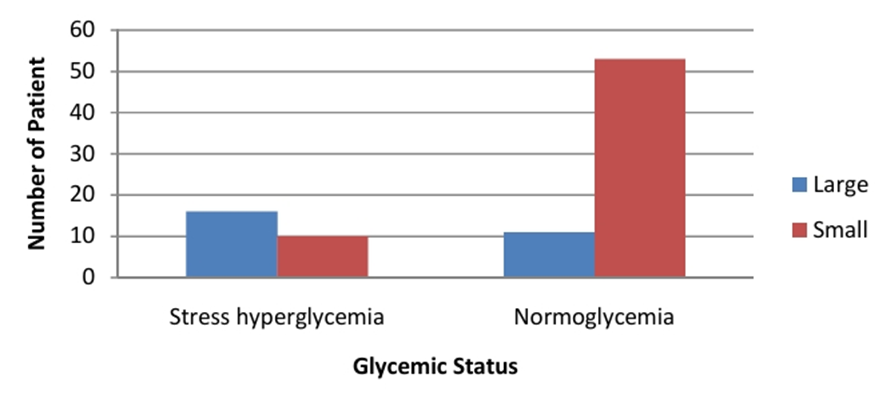
Fig 1: Comparison Of Glycemic Status with Stroke Size
Stress-induced hyperglycemia was observed in 26 (28.9%) patients, whereas 64 (71.1%) patients were normoglycemic at admission. A significant association was observed between glycemic status and infarct size. Among patients with large infarcts, 59.3% had stress-induced hyperglycemia compared with only 15.9% among patients with small infarcts (χ² = 17.31, p<0.05), suggesting that stress hyperglycemia was more frequently associated with larger ischemic lesions.
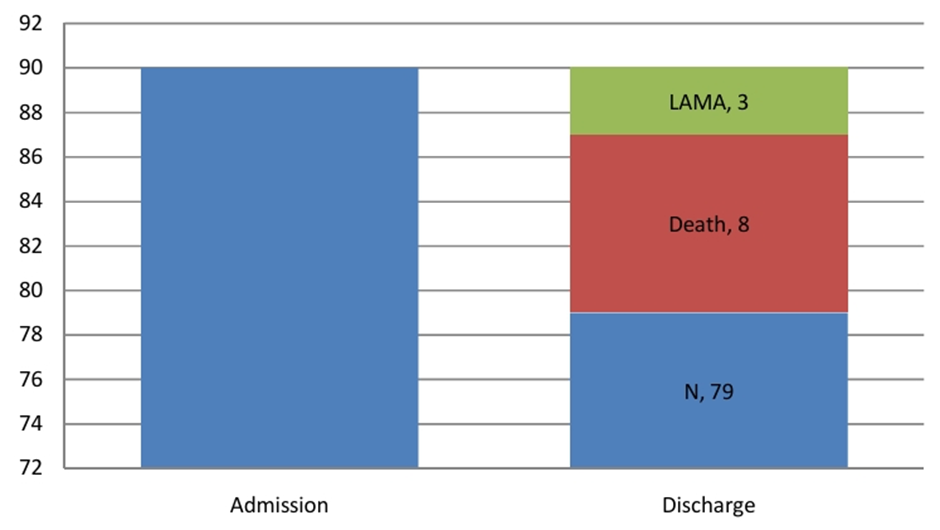
Fig 2: Comparison of Sample Size (N) between Admission and Discharge Time
During admission total number of sample was 90, and admission time NIHSS score among stresshyperglycemic (24) and normoglycemic (62) was compared among this population. But during the hospital stay, 8 patient died and 3 patient took LAMA, making the total number of sample 79, and NIHSS score at the time of discharge was compared among this population (Stresshyperglycemic = 18, Normoglycemic = 57)
Table 3. Comparison of NIHSS score according to glycemic status
|
NIHSS Score |
Stress hyperglycemia |
Normoglycemia |
p value |
|
Admission NIHSS (Mean ± SD) |
33.62 ± 6.05 |
29.61 ± 9.72 |
0.021 |
|
Discharge NIHSS (Mean ± SD) |
25.20 ± 4.72 |
15.51 ± 6.68 |
0.044 |
Patients with stress-induced hyperglycemia presented with significantly greater neurological deficit at admission compared with normoglycemic patients. The mean admission NIHSS score was 33.62 ± 6.05 in the stress hyperglycemia group versus 29.61 ± 9.72 in the normoglycemia group (p=0.021). Although neurological improvement was observed in both groups during hospitalization, discharge NIHSS scores remained significantly higher among stress hyperglycemic patients (25.20 ± 4.72 vs. 15.51 ± 6.68; p=0.044), indicating poorer functional recovery.
Table 4. In-hospital outcome according to glycemic status
|
Outcome |
Stress hyperglycemia (n=25) |
Normoglycemia (n=62) |
Total |
p value |
|
Death |
5 (20.0) |
3 (4.8) |
8 |
|
|
Survival |
20 (80.0) |
59 (95.2) |
79 |
|
|
Total |
25 |
62 |
87 |
0.027 |
During hospitalization, eight patients died and three patients left against medical advice. After excluding patients who took LAMA, mortality analysis was performed on 87 patients. Mortality was significantly higher among patients with stress-induced hyperglycemia than among normoglycemic patients (20.0% vs. 4.8%, p=0.027), indicating that admission stress hyperglycemia was associated with an adverse in-hospital outcome.
Table 5. Association of obesity with admission stroke severity (NIHSS)
|
Gender |
Obesity |
n |
Mean NIHSS ± SD |
p value |
|
Male |
Obese |
22 |
33.09 ± 7.13 |
|
|
Non-obese |
38 |
28.16 ± 9.21 |
0.365 |
|
|
Female |
Obese |
11 |
38.09 ± 3.65 |
|
|
Non-obese |
19 |
29.05 ± 10.01 |
0.004 |
The relationship between obesity and admission stroke severity was also evaluated. Among male patients, obese individuals had a higher mean NIHSS score than non-obese individuals; however, this difference did not reach statistical significance (p=0.365). In contrast, obese female patients demonstrated significantly higher admission NIHSS scores than their non-obese counterparts (38.09 ± 3.65 vs. 29.05 ± 10.01, p=0.004), suggesting a significant association between obesity and stroke severity among females.
DISCUSSION:
Stress-induced hyperglycemia is a common metabolic response to acute illness and has been consistently associated with adverse clinical outcomes across various medical conditions. Elevated blood glucose levels in patients without previously diagnosed diabetes have been reported to increase the risk of in-hospital mortality, intensive care unit admission, prolonged hospitalization, and poor functional recovery following acute illnesses including myocardial infarction, stroke, pneumonia, and acute exacerbations of chronic obstructive pulmonary disease.¹⁴
In the present study, the majority of patients (61.1%) were aged more than 60 years, with a mean age of 60.67 ± 13.24 years. This finding reflects the well-established observation that ischemic stroke predominantly affects the elderly population and is consistent with the findings reported by Singh et al., who also observed a higher incidence of stroke among individuals older than 60 years.¹⁵ Increasing age remains one of the most important non-modifiable risk factors for cerebrovascular disease owing to progressive vascular changes and accumulation of cardiovascular risk factors.
Stress-induced hyperglycemia was defined in the present study as an admission random blood glucose level >200 mg/dL in the absence of previously diagnosed diabetes mellitus and with an HbA1c level <6.5%. Using this definition, stress-induced hyperglycemia was observed in 26 of the 90 patients (28.9%). This incidence is comparable with previous studies conducted by Capes et al. and Levetan, both of whom reported that stress hyperglycemia is frequently encountered among patients presenting with acute ischemic stroke despite the absence of pre-existing diabetes.¹⁶˒¹⁷
Stroke severity was assessed using the National Institutes of Health Stroke Scale (NIHSS). In the present study, stress-induced hyperglycemia was significantly associated with larger infarct size. Among patients with large infarcts, 59.3% had stress-induced hyperglycemia, whereas only 15.9% of patients with small infarcts demonstrated stress hyperglycemia (p<0.05). Similar observations have been reported by Mankovsky et al. who demonstrated that worsening glycemic status is associated with increasing infarct size and more severe ischemic brain injury.¹⁸ The association between stress hyperglycemia and larger infarct size may be explained by a greater neuroendocrine stress response in patients with extensive cerebral infarction. Larger infarcts are likely to stimulate increased secretion of cortisol, catecholamines, and other counter-regulatory hormones, resulting in greater elevation of blood glucose concentrations during the acute phase of stroke.
Obesity was also evaluated in relation to stroke severity. In the present study, obese patients demonstrated higher NIHSS scores than non-obese patients, suggesting poorer neurological status among obese individuals. However, the relationship between obesity and stroke outcome remains controversial. Liu et al. described the "obesity paradox," reporting improved survival among patients with higher body mass index despite a non-linear relationship between adiposity and functional recovery following ischemic stroke.¹⁹ Although obesity appeared to be associated with greater neurological impairment in our study, larger studies are required to clarify its independent influence on stroke outcome.
An important finding of the present study was the significantly higher in-hospital mortality among patients with stress-induced hyperglycemia. Mortality occurred in 20.0% of patients with stress hyperglycemia compared with only 4.8% among normoglycemic patients, indicating more than a threefold increase in mortality risk. These findings are in agreement with the systematic review by Capes et al., who demonstrated that hyperglycemia is associated with approximately three times greater short-term mortality, increased hemorrhagic transformation, and poorer functional recovery following stroke.16 Similarly, Sarkar et al. reported significantly higher mortality among both ischemic and hemorrhagic stroke patients with hyperglycemia compared with normoglycemic individuals.20 More recently, Green et al. and Zhu et al. also demonstrated that stress-induced hyperglycemia is associated with poorer neurological recovery, increased stroke recurrence, and higher mortality among non-diabetic patients with acute ischemic stroke.21,²²
Neurological recovery assessed using NIHSS further supported the adverse prognostic significance of stress-induced hyperglycemia. The mean admission NIHSS score was significantly higher among patients with stress hyperglycemia compared with normoglycemic patients (33.62 ± 6.05 vs. 29.61 ± 9.72; p=0.021). Although neurological improvement occurred during hospitalization in both groups, discharge NIHSS scores remained significantly higher among stress hyperglycemic patients (25.20 ± 4.72 vs. 15.51 ± 6.68; p=0.044). These findings indicate poorer neurological recovery among patients with stress-induced hyperglycemia. Similar observations were reported by Yadav et al., who demonstrated a significant association between deranged glucose metabolism, larger infarct size, greater stroke severity, and poor clinical outcome.23
Several mechanisms have been proposed to explain the relationship between stress-induced hyperglycemia and poor outcome following acute ischemic stroke. First, hyperglycemia may directly aggravate ischemic neuronal injury through enhanced anaerobic glycolysis, resulting in intracellular lactic acidosis, oxidative stress, free radical generation, membrane lipid peroxidation, and neuronal cell death.24 Furthermore, elevated blood glucose has been shown to worsen mitochondrial dysfunction within the ischemic penumbra, thereby accelerating irreversible neuronal injury.
Second, hyperglycemia may impair the integrity of the blood-brain barrier and increase the likelihood of hemorrhagic transformation following cerebral infarction. Experimental studies have demonstrated that hyperglycemia exacerbates blood-brain barrier disruption and promotes hemorrhagic conversion after cerebral ischemia.25,26 Consistent with these observations, Demchuk et al. reported that elevated admission blood glucose levels independently increased the risk of tissue plasminogen activator-related intracerebral hemorrhage in patients with acute ischemic stroke.27
Finally, stress-induced hyperglycemia may represent a marker of the severity of cerebral injury rather than merely a causal factor. Severe ischemic strokes produce greater activation of the hypothalamic-pituitary-adrenal axis and sympathetic nervous system, leading to increased release of cortisol, catecholamines, and other stress hormones. Consequently, higher blood glucose concentrations may reflect a more pronounced physiological stress response secondary to extensive cerebral damage, thereby explaining their close association with poor clinical outcome.
Overall, the findings of the present study demonstrate that stress-induced hyperglycemia is common among non-diabetic patients with acute ischemic stroke and is significantly associated with larger infarct size, greater neurological deficit, poorer functional recovery, and increased in-hospital mortality. These observations emphasize the prognostic importance of early assessment of blood glucose levels in patients presenting with acute ischemic stroke and support the role of stress-induced hyperglycemia as an important marker of disease severity and adverse clinical outcome.
CONCLUSION:
The present study demonstrated that stress-induced hyperglycemia is a common metabolic abnormality among non-diabetic patients presenting with acute ischemic stroke, with an incidence of 28.9% in the study population. Patients with stress-induced hyperglycemia had significantly larger infarct size, higher NIHSS scores at both admission and discharge, and poorer neurological recovery compared with normoglycemic patients. In addition, in-hospital mortality was substantially higher among patients with stress-induced hyperglycemia, indicating its strong association with adverse clinical outcomes. The findings suggest that admission hyperglycemia in non-diabetic patients is not merely a transient biochemical abnormality but an important marker of stroke severity and poor prognosis. Routine estimation of blood glucose and HbA1c at admission facilitates early identification of stress-induced hyperglycemia while excluding previously undiagnosed diabetes mellitus. Early recognition of this high-risk group may improve prognostic stratification and enable closer clinical monitoring during the acute phase of ischemic stroke. Overall, the present study supports the role of stress-induced hyperglycemia as a simple, readily available, and clinically useful prognostic indicator in patients with acute ischemic stroke.
RECOMMENDATIONS
Routine screening for blood glucose and HbA1c should be incorporated into the initial evaluation of all patients presenting with acute ischemic stroke to identify stress-induced hyperglycemia at an early stage. Patients with stress hyperglycemia should be considered a high-risk group requiring intensive neurological monitoring and appropriate glycemic management. Larger multicentric prospective studies with longer follow-up are recommended to further establish the prognostic significance of stress-induced hyperglycemia and to evaluate whether early therapeutic control of hyperglycemia can improve functional recovery and reduce mortality following acute ischemic stroke. Future studies should also explore the underlying pathophysiological mechanisms and determine optimal glycemic targets during the acute phase of ischemic stroke.
REFERENCES:
1. Kasper DL, Fauci AS, Longo DL, Hauser SL, Jameson JL, Loscalzo J, editors. Harrison's Principles of Internal Medicine. 19th ed. New York: McGraw-Hill Education; 2015. p. 2559-69.
2. Ropper AH, Samuels MA. Adams and Victor's Principles of Neurology. 9th ed. New York: McGraw-Hill Education; 2009. p. 746-845.
3. Harklia VD, Apostolos H, Haralambos K. The role of uric acid in stroke: the issue remains unresolved. Neurologist. 2008;14:238-42.
4. Bonita R. Epidemiology of stroke. Lancet. 1992;339:342-4.
5. Squadrito GL, Cueto R, Splenser AE, Valavanidis A, Zhang H, Uppu RM, et al. Reaction of uric acid with peroxynitrite and implications for the mechanism of neuroprotection by uric acid. Arch Biochem Biophys. 2000;376:333-7.
6. Harris MI, Flegal KM, Cowie CC, Eberhardt MS, Goldstein DE, Little RR, et al. Prevalence of diabetes, impaired fasting glucose, and impaired glucose tolerance in U.S. adults: the Third National Health and Nutrition Examination Survey, 1988-1994. Diabetes Care. 1998;21:518-24.
7. Parsons MW, Barber PA, Desmond PM, et al. Acute hyperglycemia adversely affects stroke outcome: a magnetic resonance imaging and spectroscopy study. Ann Neurol. 2002;52:20-8.
8. Shao B, Bayraktutan U. Hyperglycaemia promotes cerebral barrier dysfunction through activation of protein kinase C-β. Diabetes Obes Metab. 2013;15:993-9.
9. Lindsberg PJ. Hyperglycaemia in acute stroke. Stroke. 2004;35:363-4.
10. Christopher SG, Janice EOC, Hilary L. Diabetes, hyperglycemia and recovery from stroke. Geriatr Gerontol Int. 2001;1:2-7.
11. Al-Himyari FA, Abbas FN. Stress hyperglycemia in nondiabetic Iraqi patients presenting with acute stroke. Endocr Pract. 2007;13(6):691.
12. Weir CJ, Murray GD, Dyker AG, Lees KR. Is hyperglycemia an independent predictor of poor outcome after acute stroke? Results of a long-term follow-up study. BMJ. 1997;314:1303.
13. Sarkar RN, Banerjee S, Basu A. Comparative evaluation of diabetic and non-diabetic stroke: effect of glycemia on outcome. J Indian Med Assoc. 2004;102(10):551-3.
14. Kosiborod M, Rathore SS, Inzucchi SE, Masoudi FA, Wang Y, Havranek EP, et al. Admission glucose and mortality in elderly patients hospitalized with acute myocardial infarction: implications for patients with and without recognized diabetes. Circulation. 2005;111(23):3078-86.
15. Singh KG, Singh NB, Singh W, Devi BI. A study on the clinical profile of stroke in relation to glycemic status of patients. J Indian Acad Clin Med. 2014;15(3-4):177-81.
16. Capes SE, Hunt D, Malmberg K, Pathak P, Gerstein HC. Stress hyperglycemia and prognosis of stroke in nondiabetic and diabetic patients. Stroke. 2001;32(10):2426-32.
17. Levetan CS. Effect of hyperglycemia on stroke outcomes. Endocr Pract. 2004;10(Suppl 2):34-9.
18. Mankovsky BN, Ziegler D. Cerebrovascular disorders in patients with diabetes mellitus. J Diabetes Complications. 1996;10(4):228-42.
19. Liu Z, Sanossian N, Starkman S, Avila-Rincon G, Eckstein M, Sharma LK, et al. Adiposity and outcome after ischemic stroke: obesity paradox for mortality and obesity parabola for favorable functional outcomes. Stroke. 2021;52(1):144-51.
20. Sarkar RN, Banerjee S, Basu A. Comparative evaluation of diabetic and non-diabetic stroke: effect of glycemia on outcome. J Indian Med Assoc. 2004;102(10):551-3.
21. Green SR, Lokesh S, Kadavanu TM, Jayasingh K, Ragupathy S. A study of stress hyperglycemia and its relationship with the neurological outcome in patients presenting with acute ischemic stroke. Int J Adv Med. 2016;3:546-51.
22. Zhu B, Pan Y, Jing J, Meng X, Zhao X, Liu L, et al. Stress hyperglycemia and outcome of non-diabetic patients after acute ischemic stroke. Front Neurol. 2019;10:1003.
23. Yadav KK, Chaudhary HR, Gupta RC, Jain R, Yadav RS, Sharma S, et al. Clinical profile and outcome of stroke in relation to glycemic status of patients. J Indian Med Assoc. 2004;102(3):138-40.
24. Levine SR, Welch KM, Helpern JA, Chopp M, Bruce R, Selwa J, et al. Prolonged deterioration of ischemic brain energy metabolism and acidosis associated with hyperglycemia: human cerebral infarction studied by serial 31P NMR spectroscopy. Ann Neurol. 1988;23(4):416-8.
25. Dietrich WD, Alonso O, Busto R. Moderate hyperglycemia worsens acute blood-brain barrier injury after forebrain ischemia in rats. Stroke. 1993;24(1):111-6.
26. DeCourten-Myers GM, Kleinholz M, Holm P, DeVoe G, Schmitt G, Wagner KR, et al. Hemorrhagic infarct conversion in experimental stroke. Ann Emerg Med. 1992;21(2):121-6.
27. Demchuk AM, Morgenstern LB, Krieger DW, Chi TL, Hu W, Wein TH, et al. Serum glucose level and diabetes predict tissue plasminogen activator-related intracerebral hemorrhage in acute ischemic stroke. Stroke. 1999;30(1):34-9.