Correlation of HbA1c with Mean Corpuscular Volume in Type 2 Diabetes Mellitus.
- Deepthi B , Postgraduate, Department of General Medicine, The Oxford Medical College, Hospital and Research Centre, Bengaluru, India.
- Prakash G. M , Head of Department, Department of General Medicine, the Oxford Medical College, Hospital and Research Centre, Bengaluru, India.
- Swaroopa Rani , Assistent professor Department of General Medicine the Oxford medical college and research centre Bengaluru.
Article Information:
Abstract:
Background: Glycated haemoglobin (HbA1c) is widely used to assess long-term glycaemic control in type 2 diabetes mellitus (T2DM), but its value may be influenced by erythrocyte characteristics. Mean corpuscular volume (MCV), a routinely reported red-cell index, may therefore be associated with HbA1c. Objectives: To evaluate the correlation between HbA1c and MCV in adults with T2DM and explore the potential role of MCV as an adjunct marker of glycaemic status. Methods: This single-centre, cross-sectional observational study enrolled 100 adults with T2DM attending inpatient or outpatient services over 18 months. HbA1c was measured by high-performance liquid chromatography and MCV by an automated haematology analyser. Demographic and clinical data were summarised descriptively, and the association between HbA1c and MCV was assessed using Pearson's correlation coefficient; p<0.05 was considered statistically significant. Results: Of the 100 participants, 55% were male and 45% were female; 41% were aged 49–58 years. HbA1c was <7.0% in 20%, 7.0–9.0% in 48%, and >9.0% in 32%. MCV was normocytic (80–100 fL) in 88%, microcytic in 6%, and macrocytic in 6%. Mean MCV decreased across increasing HbA1c categories, from 89.1 fL at HbA1c <7% to 87.6 fL at 7–9% and 85.4 fL at >9%. HbA1c showed a statistically significant inverse correlation with MCV (r=−0.312, p=0.001). Conclusion: Higher HbA1c was modestly associated with lower MCV in adults with T2DM. MCV may provide supportive information when assessing glycaemic status, particularly where resources are limited; however, it should not replace HbA1c, and the association requires confirmation in larger longitudinal studies that account for anaemia and other determinants of MCV.
Keywords:
Article :
INTRODUCTION:
Type 2 Diabetes Mellitus is a chronic condition where HbA1c is used to assess long-term glycemic control.
HbA1c levels may be influenced by red blood cell parameters, particularly mean corpuscular volume (MCV).
Studies, including a large Indonesian cohort (n = 1,688), have shown a moderate negative correlation between HbA1c and MCV.
This study aims to assess the relationship between HbA1c and MCV in T2 Diabetes mellitus patients to explore MCV as a supportive marker.
OBJECTIVES OF THE STUDY
To measure HbA1c levels and MCV values in patients diagnosed with Type 2 Diabetes Mellitus.
To Analyze the correlation between HbA1c and MCV among T2DM patients.
To Determine whether changes in MCV are significantly associated with variations in glycemic control.
To explore potential clinical implications of MCV as an adjunct parameter in evaluating long-term glycemic status.
MATERIALS AND METHODS:
Study Design:
Cross-sectional Observational Study
Study Duration:
18 months
Sample Size:
100 patients
Study Population :
A total of 100 adult patients diagnosed with type 2 Diabetes Mellitus
(T2DM), attending the outpatient or inpatient services of the department during the study period, were enrolled after obtaining informed consent.
INCLUSION CRITERIA
Patients aged 18 years or older with a confirmed diagnosis of Type 2 Diabetes Mellitus as per the American Diabetes Association (ADA) criteria.
Both HbA1c and Complete blood count (CBC) including MCV at the time of evaluation.
Patients who provided informed written consent.
EXCLUSION CRITERIA
Known cases of Hematological disorders (e.g., thalassemia, sickle cell disease, megaloblastic anemia)
Patients with chronic kidney disease (stage 3 or higher) or chronic liver disease
Recent history (within 3 months) of blood transfusion or hematinic therapy (iron, folic acid, vitamin B12)
Pregnant women
METHODOLOGY
Demographic data including age, gender, and duration of diabetes were recorded for all patients.
Blood samples were collected using standard phlebotomy procedures.
HbA1c levels were measured using high-performance liquid chromatography (HPLC).
Mean corpuscular volume (MCV) was obtained from complete blood counts using an automated hematology analyzer.
All laboratory investigations were performed in the institutional central laboratory under strict quality control protocols.
Data were entered into Microsoft Excel and analyzed using SPSS version 25.0.
Descriptive statistics were used to summarize the study variables.
Continuous variables were expressed as mean ± standard deviation (SD).
Categorical variables were presented as frequencies and percentages.
Pearson correlation coefficient was used to assess the relationship between HbA1c and MCV.
A p-value of <0.05 was considered statistically significant.
RESULTS:
Table 1. Age Distribution of the Study Population
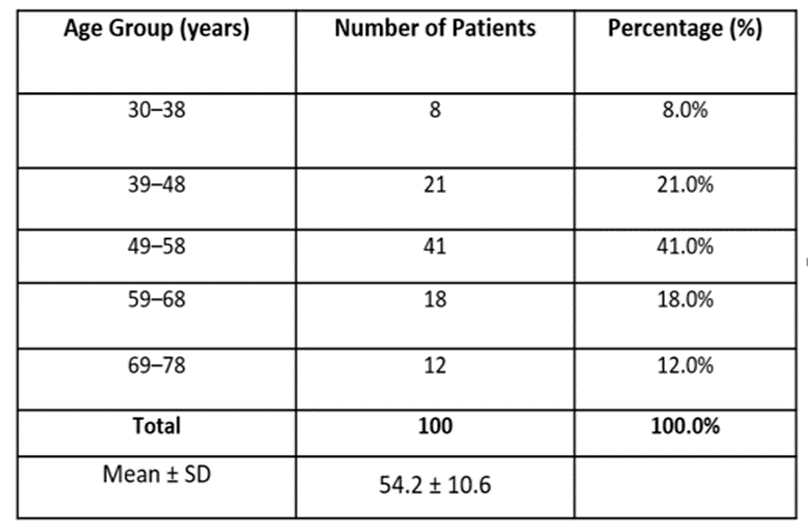
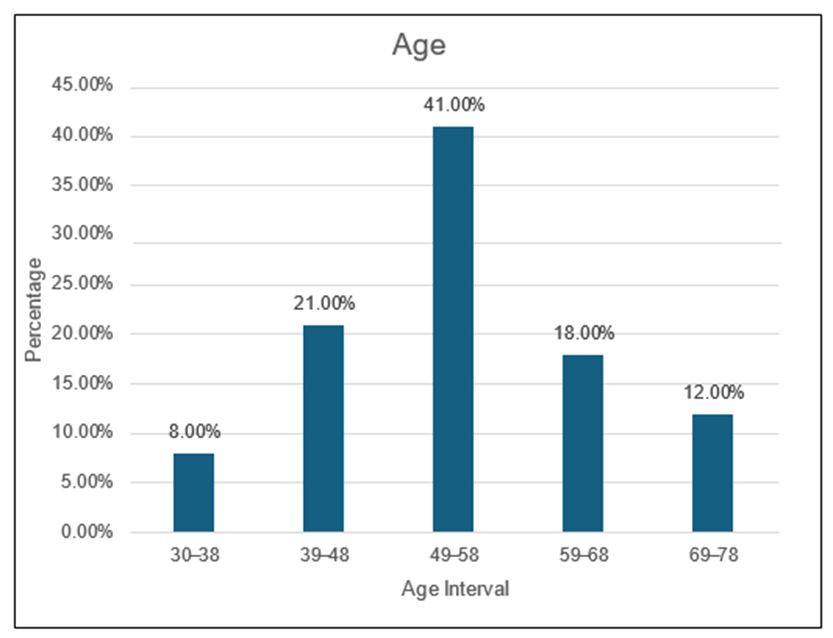
Table 2. Sex Distribution of the Study Population
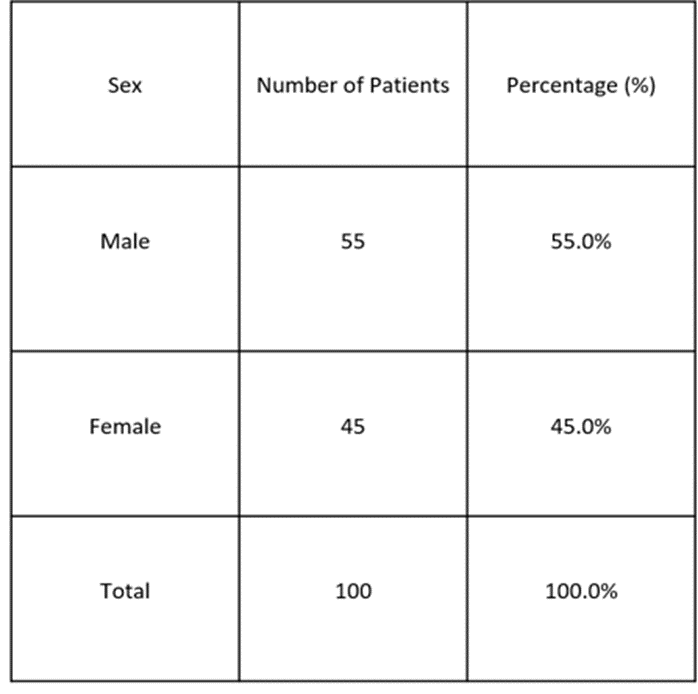
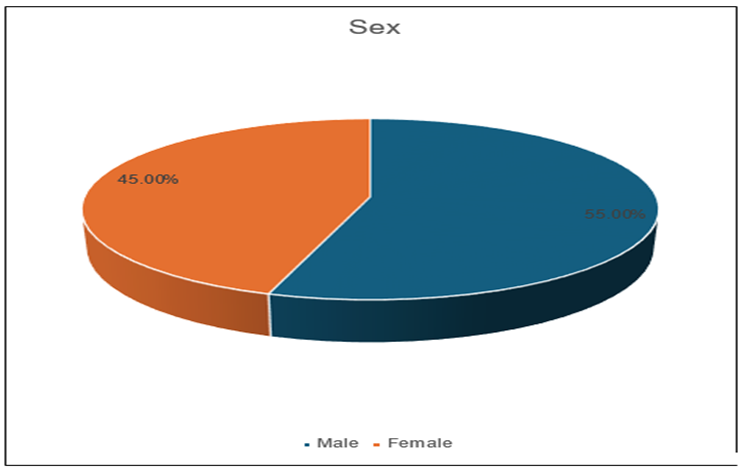
Table 3. Duration of Diabetes in Study Population
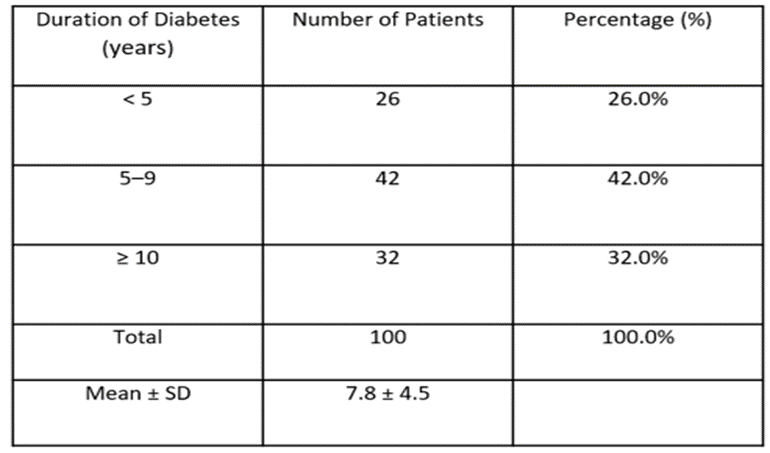
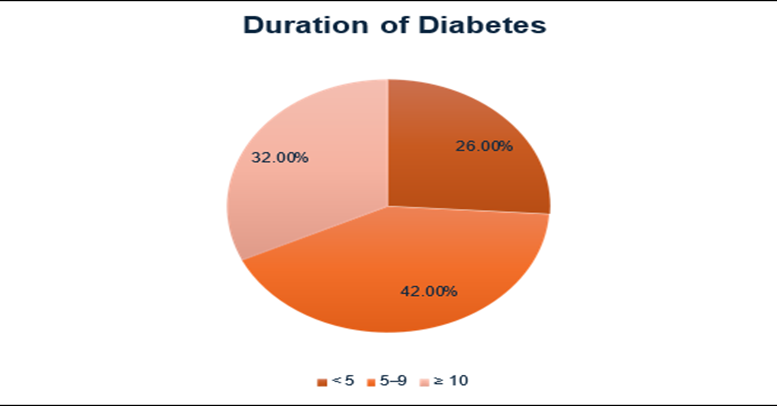
Table 4. HbA1c (%) Distribution in Study Population
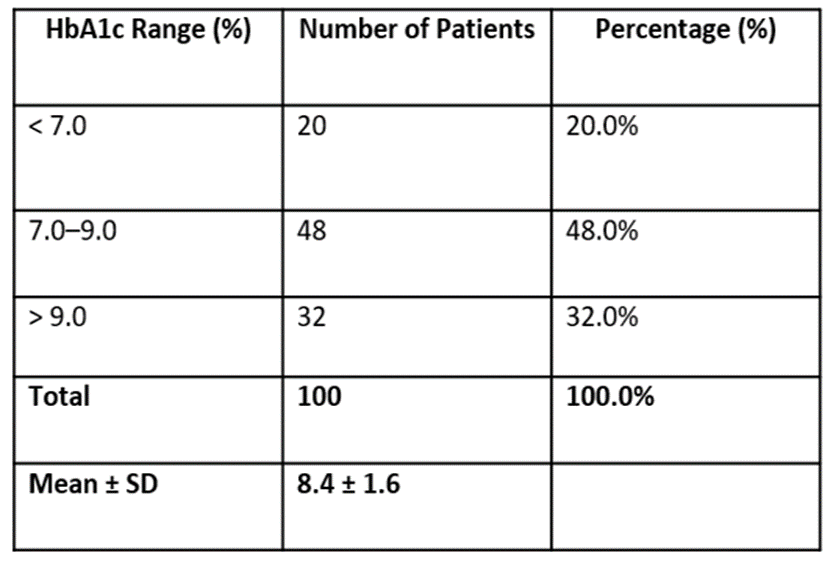
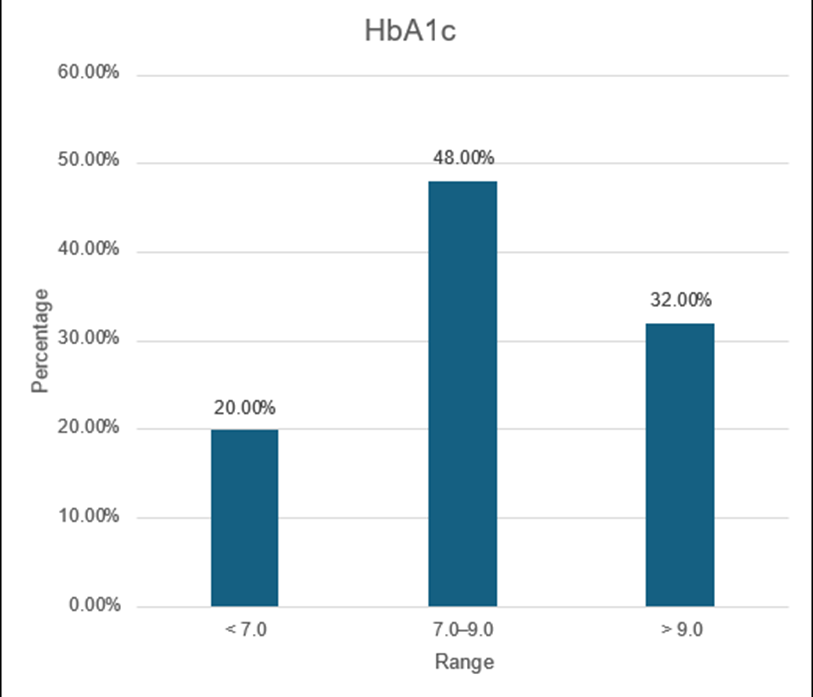
Table 5. Mean Corpuscular Volume (MCV) Distribution
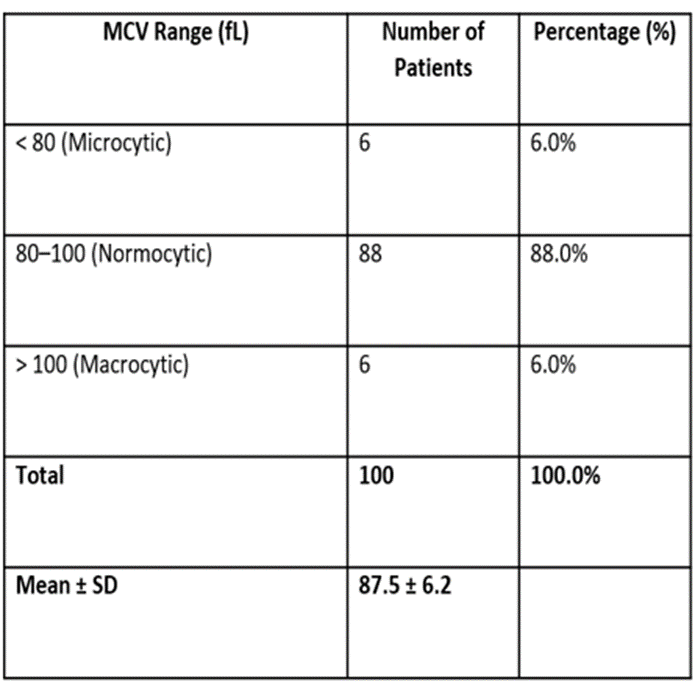
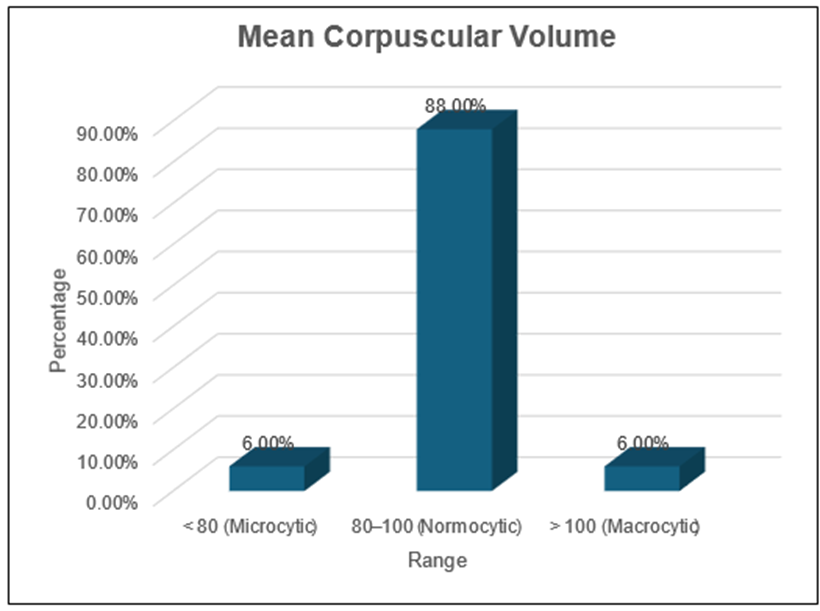
Table 6. Subgroup Analysis Based on HbA1c Levels
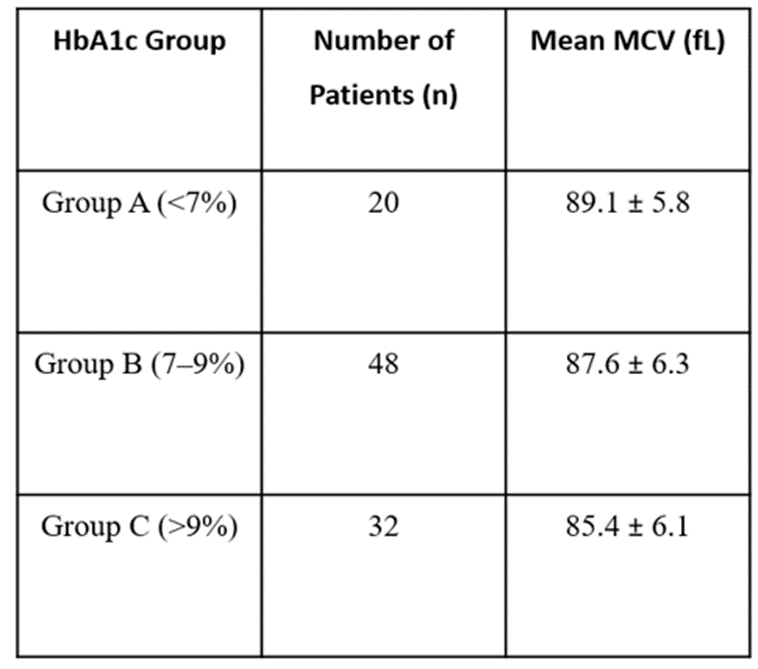
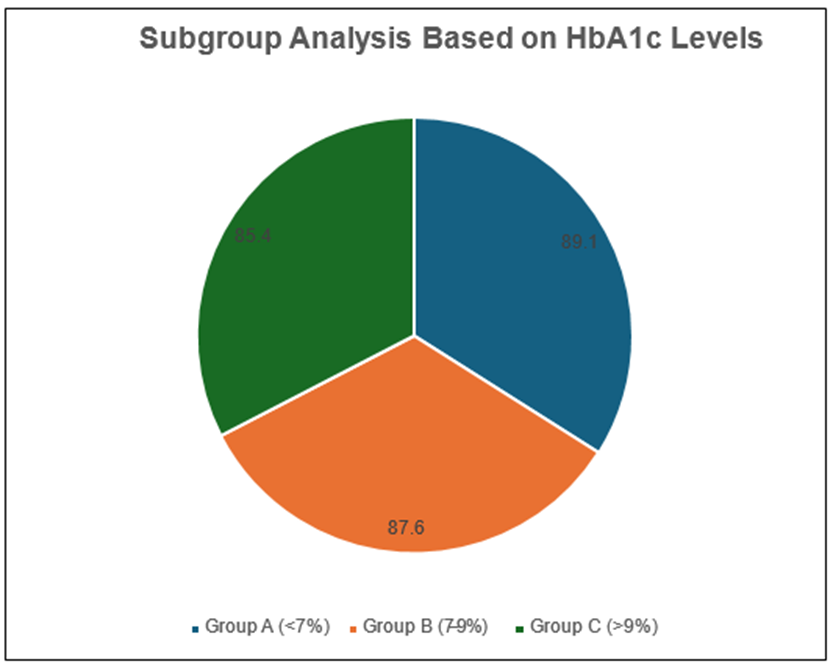
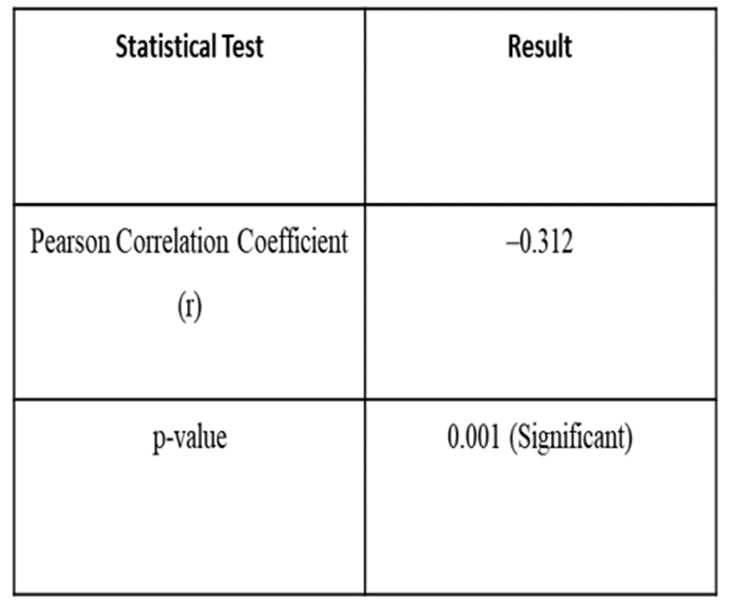
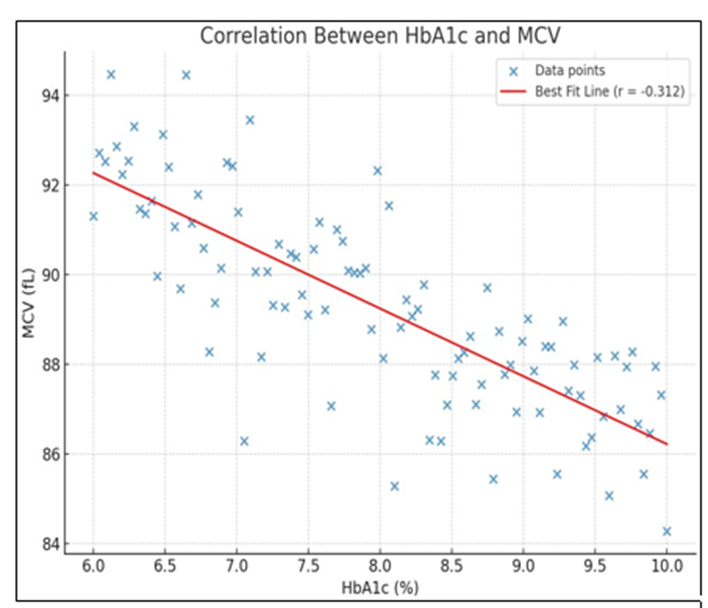
Table 7. Correlation Between HbA1c and MCV
CONCLUSION:
A significant inverse correlation was found between HbA1c and MCV (r = –0.312, p = 0.001), indicating that higher glycemic levels are associated with lower red blood cell size, possibly due to oxidative stress and shortened RBC lifespan.
These findings suggest that MCV, a routinely available hematological parameter, may serve as a supportive marker for glycemic control in type 2 diabetes, though further longitudinal studies are needed to validate this association.
This study suggests true physiological reduction in MCV due to chronic glycemic burden, not just analytical error.
MCV may be a useful adjunct marker of glycemic control, especially in low-resource settings.
Interpretation of MCV should be cautious in cases of severe hyperglycemia to avoid misleading conclusions
LIMITATIONS
The cross-sectional, single-center design limits causal inference and generalizability to broader populations.
The study focused only on HbA1c and MCV, excluding other relevant RBC indices like MCH, MCHC, and RDW.
Potential confounders affecting MCV (e.g., iron, folate, B12 deficiency, liver disease, alcohol use, thyroid disorders) were not controlled for.
Lack of anemia stratification and longitudinal follow-up prevented assessment of how MCV changes with glycemic control over time.
REFERENCES:
1. Alamri BN, Bahabri A, Aldereihim AA, Alabduljabbar M, Alsubaie MM, Alnaqeb D, Almogbel E, Metias NS, Alotaibi OA, Al-Rubeaan K. Hyperglycemia effect on red blood cells indices. Eur Rev Med Pharmacol Sci. 2019 Mar;23(5):2139-2150. doi: 10.26355/eurrev_201903_17259. PMID: 30915759.
2. Arkew M, Asmerom H, Tesfa T, Tsegaye S, Gemechu K, Bete T, Haile K. Red Blood Cell Parameters and Their Correlation with Glycemic Control Among Type 2 Diabetic Adult Patients in Eastern Ethiopia: A Comparative Cross-Sectional Study. Diabetes Metab Syndr Obes. 2022 Nov 9;15:34993507. doi: 10.2147/DMSO.S386093. PMID: 36388065; PMCID: PMC9656327.
3. Bhutto AR, Abbasi A, Abro AH. Correlation of Hemoglobin A1c with Red Cell Width Distribution and Other Parameters of Red Blood Cells in Type II Diabetes Mellitus. Cureus. 2019 Aug 30;11(8):e5533. doi: 10.7759/cureus.5533. PMID: 31687307; PMCID: PMC6819056.
4. Salim Y, Kalanjati VP, Prajitno J, Melbiarta RR. Hemoglobin A1c (HbA1c) is strongly correlated with mean corpuscular volume among type 2 diabetes mellitus (T2DM) patients admitted in a tertiary hospital in East Java, Indonesia. Folia Medica Indones. 2022 Mar;58(1):46. doi:10.20473/fmi.v58i1.32628.
5. Renuka P, Bag S, Vinodhini VM. Hemorheological indices and glycated hemoglobin in type 2 diabetes mellitus. Biomed Pharmacol J. 2022;15(2):653–8. doi:10.13005/bpj/2066.