Study Of Bisap (Bedside Index For Severity In Acute Pancreatitis) Score As A Predictor For Prognosis And Clinical Outcome In Acute Pancreatitis.
- Prasun Mitra , Senior resident, M.S (General Surgery), Department of general surgery, COM & JNM Hospital, Kalyani, Nadia, 741235
- Rasbihari Hembram , Associate professor, M.S (General Surgery), Department of general surgery, COM&JNM Hospital, Kalyani, Nadia, 741235
- Bidyut Kumar Biswas , Assistant Professor, M.S (General Surgery), Department of general surgery, COM&JNM Hospital, Kalyani, Nadia, 741235.
Article Information:
Abstract:
Introduction: Acute pancreatitis is one of the most common gastrointestinal emergencies, with a clinical spectrum ranging from mild self-limiting disease to severe acute pancreatitis associated with organ failure, local complications, prolonged hospitalization, and increased mortality. Early identification of patients at risk of severe disease is crucial for appropriate management and improved outcomes. The Bedside Index for Severity in Acute Pancreatitis (BISAP) score is a simple and reliable scoring system that can be calculated within the first 24 hours of admission and has been proposed as an effective predictor of disease severity and prognosis. Aims: To evaluate the effectiveness of the BISAP score as a predictor of prognosis and clinical outcomes in patients with acute pancreatitis and to determine its association with severity, complications, length of hospital stay, need for intensive care, and mortality. Materials and methods: This was a prospective observational study conducted over a period of one year in the male and female surgical wards of the Department of General Surgery, College of Medicine and JNM Hospital, Kalyani, Nadia. The study included all patients admitted to the general surgery ward with signs and symptoms suggestive of acute pancreatitis during the study period. A total of 30 patients were enrolled as the sample size for analysis. Results: Out of the total 30 patients, mortality was observed in 3 patients (10.0%), while 27 patients (90.0%) survived. Among the deceased patients, all 3 (100.0%) were male, whereas no female mortality was observed (0.0%). In the survival group, 24 patients (88.9%) were male and 3 patients (11.1%) were female.However, the association between sex and mortality was not statistically significant (p = 0.5428). Conclusion: The BISAP score is a simple, cost-effective, and easily applicable bedside tool for early risk stratification in acute pancreatitis. It may serve as a valuable predictor of prognosis and clinical outcomes, facilitating timely intervention and optimal resource utilization.
Keywords:
Article :
INTRODUCTION:
Acute pancreatitis (AP) is an acute inflammatory disorder of the pancreas characterized by a wide spectrum of clinical manifestations, ranging from mild, self-limiting inflammation to severe disease associated with multi-organ failure and death. It is one of the most common gastrointestinal causes of hospital admission worldwide and imposes a significant burden on healthcare systems due to prolonged hospitalization, intensive care requirements, and substantial morbidity and mortality. The incidence of acute pancreatitis has been increasing globally over the past few decades, largely due to changing lifestyle patterns, increasing alcohol consumption, obesity, and gallstone disease. Despite advances in diagnostic and therapeutic modalities, acute pancreatitis continues to be associated with significant complications and unpredictable clinical outcomes, making early risk assessment an essential component of patient management.[1]
The most common etiological factors responsible for acute pancreatitis are gallstone disease and alcohol abuse, accounting for nearly 70–80% of cases worldwide. Other causes include hypertriglyceridemia, post-endoscopic retrograde cholangiopancreatography (ERCP), drug-induced pancreatitis, infections, trauma, autoimmune disorders, and idiopathic conditions. The disease process is initiated by premature activation of pancreatic enzymes within the pancreatic acinar cells, leading to autodigestion of pancreatic tissue, inflammatory mediator release, and systemic inflammatory response syndrome (SIRS). In severe cases, this inflammatory cascade may result in pancreatic necrosis, persistent organ failure, sepsis, and death.[2]
The clinical course of acute pancreatitis is highly variable. Approximately 80% of patients develop mild acute pancreatitis and recover with supportive treatment, while the remaining 20% progress to moderately severe or severe disease. Severe acute pancreatitis is characterized by persistent organ failure lasting more than 48 hours and is associated with mortality rates ranging from 15% to 30%. Therefore, the ability to predict disease severity at an early stage is critical for determining the level of monitoring, guiding therapeutic interventions, and improving patient outcomes.[3]
Several scoring systems have been developed over the years to assess the severity and prognosis of acute pancreatitis. Traditional scoring systems such as the Ranson criteria, Acute Physiology and Chronic Health Evaluation II (APACHE II), Glasgow-Imrie score, and Computed Tomography Severity Index (CTSI) have demonstrated utility in predicting severe disease. However, these systems have limitations, including complexity, requirement for multiple laboratory parameters, delayed assessment, and dependence on advanced imaging techniques. Consequently, there has been a continuous search for a simpler, accurate, and readily available prognostic tool that can be applied early during hospitalization.[4]
The Bedside Index for Severity in Acute Pancreatitis (BISAP) score was developed by Wu and colleagues in 2008 as a simple clinical scoring system designed to identify patients at increased risk of mortality and severe disease. The BISAP score consists of five variables assessed within the first 24 hours of hospital admission: blood urea nitrogen (BUN) level greater than 25 mg/dL, impaired mental status, presence of systemic inflammatory response syndrome (SIRS), age greater than 60 years, and presence of pleural effusion. Each parameter is assigned one point, resulting in a total score ranging from 0 to 5. Higher BISAP scores have been shown to correlate with increased risk of organ failure, pancreatic necrosis, prolonged hospitalization, and mortality.[5]
One of the major advantages of the BISAP score is its simplicity and ease of application in routine clinical practice. Unlike APACHE II, which requires numerous physiological variables and complex calculations, BISAP can be rapidly calculated using clinical and laboratory information readily available during initial patient evaluation. This enables clinicians to identify high-risk patients early in the disease course and initiate appropriate interventions such as intensive monitoring, aggressive fluid resuscitation, and timely referral to specialized centers when necessary.[6]
Several studies conducted across different populations have validated the effectiveness of BISAP as a prognostic indicator in acute pancreatitis. Research has demonstrated that a BISAP score of three or more is strongly associated with severe acute pancreatitis, development of organ failure, pancreatic necrosis, and increased mortality. Furthermore, comparative analyses have shown that BISAP performs similarly to more complex scoring systems while maintaining greater practicality and convenience in emergency and critical care settings.[7,8]
The revised Atlanta Classification of 2012 further emphasized the importance of early severity assessment by categorizing acute pancreatitis into mild, moderately severe, and severe forms based on the presence of local complications and organ failure. In this context, BISAP has emerged as a valuable bedside tool for stratifying patients according to risk and predicting clinical outcomes. Early recognition of patients likely to develop severe disease can facilitate appropriate resource allocation and reduce adverse outcomes.[9]
Given the increasing incidence of acute pancreatitis and the need for reliable early prognostic indicators, evaluating the utility of the BISAP score in predicting clinical outcomes remains highly relevant. The present study aims to assess the role of BISAP score as a predictor of prognosis and clinical outcomes in patients with acute pancreatitis, including disease severity, development of complications, length of hospital stay, intensive care unit admission, and mortality. Such evaluation may help establish BISAP as an effective, simple, and practical tool for routine clinical use in the management of acute pancreatitis.[10]
Prospectively evaluate the ability of BISAP score to predict the outcome in our peripheral medical college. Identification of patients at risk for severe disease early in the course of acute pancreatitis.
MATERIALS AND METHODS:
Study design: Prospective study
Study type: observational study
Study area: Male and female ward of general surgery of college of medicine and jnm hospital, Kalyani, Nadia.
Study duration: one year
Study population: All the patients admitted at General surgery ward with the signs of symptoms suggesting acute pancreatitis
Sample size: 30 patients
Study variables:
• Association of Age Group, Age, Blood Urea Nitrogen and BISAP Score with Death
• Association of Sex with Death
• Association of Clinical Variables with Death
• Association of BISAP Score with Death
• Association of ICU Admission with Death
Inclusion criteria: Patients diagnosed with acute pancreatitis Admitted in the general surgery ward Of comjnmh and willing to participate In The study After informed consent From the patient /family Will be included in the study
Exclusion criteria: Patients having history of chronic pancreatitis, And acute on chronic pancreatitis Will be excluded from the study
Statistical Analysis:
For statistical analysis data were entered into a Microsoft excel spreadsheet and then analyzed by SPSS (version 27.0; SPSS Inc., Chicago, IL, USA) and GraphPad Prism version 5. Data had been summarized as mean and standard deviation for numerical variables and count and percentages for categorical variables. Two-sample t-tests for a difference in mean involved independent samples or unpaired samples. Paired t-tests were a form of blocking and had greater power than unpaired tests. A chi-squared test (χ2 test) was any statistical hypothesis test wherein the sampling distribution of the test statistic is a chi-squared distribution when the null hypothesis is true. Without other qualification, 'chi-squared test' often is used as short for Pearson's chi-squared test. Unpaired proportions were compared by Chi-square test or Fischer’s exact test, as appropriate.
Explicit expressions that can be used to carry out various t-tests are given below. In each case, the formula for a test statistic that either exactly follows or closely approximates a t-distribution under the null hypothesis is given. Also, the appropriate degrees of freedom are given in each case. Each of these statistics can be used to carry out either a one-tailed test or a two-tailed test.
Once a t value is determined, a p-value can be found using a table of values from Student's t-distribution .If the calculated p-value is below the threshold chosen for statistical significance (usually the 0.10, the 0.05, or 0.01 level), then the null hypothesis is rejected in favour of the alternative hypothesis.
P-value ≤ 0.05 was considered for statistically significant.
RESULTS:
Table 1: Association of Age Group, Age, Blood Urea Nitrogen and BISAP Score with Death
|
Variable |
Death (Yes) n=3 |
Death (No) n=27 |
Total (n=30) |
p-value |
|
Age Group |
0.3892
|
|||
|
≤20 years |
0 (0.0%) |
3 (11.1%) |
3 (10.0%) |
|
|
21–30 years |
1 (33.3%) |
13 (48.1%) |
14 (46.7%) |
|
|
31–40 years |
0 (0.0%) |
5 (18.5%) |
5 (16.7%) |
|
|
>40 years |
2 (66.7%) |
6 (22.2%) |
8 (26.7%) |
|
|
Age (years), Mean ± SD |
45.67 ± 20.50 |
33.15 ± 12.16 |
— |
0.123 |
|
Blood Urea Nitrogen, Mean ± SD |
28.00 ± 2.00 |
17.70 ± 6.57 |
— |
0.0127 |
|
BISAP Score, Mean ± SD |
4.00 ± 1.00 |
0.30 ± 0.67 |
— |
<0.0001 |
Table 2: Association of Sex with Death
|
Sex |
Death (Yes) n=3 |
Death (No) n=27 |
Total (n=30) |
P value |
|
Female |
0 (0.0%) |
3 (11.1%) |
3 (10.0%) |
0.5428 |
|
Male |
3 (100.0%) |
24 (88.9%) |
27 (90.0%) |
|
|
Total |
3 (10.0%) |
27 (90.0%) |
30 (100.0%) |
Table 3: Association of Clinical Variables with Death
|
Variable |
Category |
Death (Yes) n=3 |
Death (No) n=27 |
Total (n=30) |
P value |
|
Impaired Mental Status
|
Absent |
0 (0.0%) |
27 (100.0%) |
27 (90.0%) |
<0.0001 |
|
Present |
3 (100.0%) |
0 (0.0%) |
3 (10.0%) |
||
|
Total |
3 (10.0%) |
27 (90.0%) |
30 (100.0%) |
||
|
SIRS
|
Absent |
1 (33.3%) |
24 (88.9%) |
25 (83.3%) |
0.0143 |
|
Present |
2 (66.7%) |
3 (11.1%) |
5 (16.7%) |
||
|
Total |
3 (10.0%) |
27 (90.0%) |
30 (100.0%) |
||
|
Pleural Effusion
|
Absent |
0 (0.0%) |
24 (88.9%) |
24 (80.0%) |
0.0002 |
|
Present |
3 (100.0%) |
3 (11.1%) |
6 (20.0%) |
||
|
Total |
3 (10.0%) |
27 (90.0%) |
30 (100.0%) |
Table 4: Association of BISAP Score with Death
|
BISAP Score |
Death (Yes) n=3 |
Death (No) n=27 |
Total (n=30) |
P value |
|
0 |
0 (0.0%) |
22 (81.5%) |
22 (73.3%) |
<0.0001 |
|
1 |
0 (0.0%) |
2 (7.4%) |
2 (6.7%) |
|
|
2 |
0 (0.0%) |
3 (11.1%) |
3 (10.0%) |
|
|
3 |
1 (33.3%) |
0 (0.0%) |
1 (3.3%) |
|
|
4 |
1 (33.3%) |
0 (0.0%) |
1 (3.3%) |
|
|
5 |
1 (33.3%) |
0 (0.0%) |
1 (3.3%) |
|
|
Total |
3 (10.0%) |
27 (90.0%) |
30 (100.0%) |
Table 5: Association of ICU Admission with Death
|
ICU Admission |
Death (Yes) n=3 |
Death (No) n=27 |
Total (n=30) |
P value |
|
No |
0 (0.0%) |
27 (100.0%) |
27 (90.0%) |
p<0.0001 |
|
Yes |
3 (100.0%) |
0 (0.0%) |
3 (10.0%) |
|
|
Total |
3 (10.0%) |
27 (90.0%) |
30 (100.0%) |
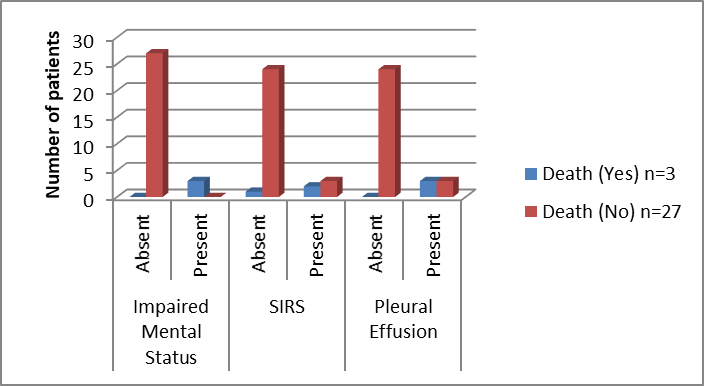
Figure 1: Association of Clinical Variables with Death
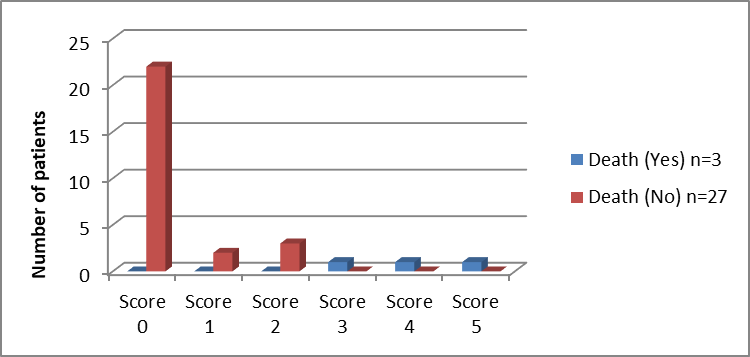
Figure 2: Association of BISAP Score with Death
Out of the total 30 patients, mortality was observed in 3 patients (10.0%), while 27 patients (90.0%) survived.Age-wise distribution showed that among the deceased patients, 2 (66.7%) were above 40 years, and 1 (33.3%) belonged to the 21–30 years age group, while no deaths were observed in ≤20 years and 31–40 years groups. The association between age group and mortality was not statistically significant (p = 0.3892).The mean age of patients who died was 45.67 ± 20.50 years, compared to 33.15 ± 12.16 years among survivors; however, this difference was not statistically significant (p = 0.123).Biochemical parameter analysis showed that the mean Blood Urea Nitrogen (BUN) level was significantly higher in the death group (28.00 ± 2.00 mg/dL) compared to survivors (17.70 ± 6.57 mg/dL), and this association was statistically significant (p = 0.0127).Similarly, disease severity measured by BISAP score was markedly higher among patients who died (4.00 ± 1.00) compared to survivors (0.30 ± 0.67), showing a highly significant association with mortality (p < 0.0001).
Out of the total 30 patients, mortality was observed in 3 patients (10.0%), while 27 patients (90.0%) survived. Among the deceased patients, all 3 (100.0%) were male, whereas no female mortality was observed (0.0%). In the survival group, 24 patients (88.9%) were male and 3 patients (11.1%) were female.However, the association between sex and mortality was not statistically significant (p = 0.5428).
Out of the total 30 patients, mortality was observed in 3 patients (10.0%), while 27 patients (90.0%) survived.In relation to impaired mental status, all patients with mortality had present impaired mental status (3/3, 100.0%), whereas none of the survivors had impaired mental status. This association was found to be highly statistically significant (p < 0.0001).For SIRS, among the deceased patients, 2 (66.7%) had SIRS present and 1 (33.3%) had SIRS absent, whereas in the survival group, 3 (11.1%) had SIRS present and 24 (88.9%) had SIRS absent. This association was statistically significant (p = 0.0143).Regarding pleural effusion, all deceased patients had pleural effusion present (3/3, 100.0%), while only 3 (11.1%) survivors had pleural effusion and 24 (88.9%) were without it. This association was also statistically significant (p = 0.0002).
Out of the total 30 patients, mortality was observed in 3 patients (10.0%), while 27 patients (90.0%) survived.Regarding BISAP score distribution, all patients who died had higher BISAP scores: 1 patient (33.3%) had score 3, 1 patient (33.3%) had score 4, and 1 patient (33.3%) had score 5, whereas no deaths were observed in BISAP score 0, 1, or 2 groups. In contrast, among survivors, the majority had lower BISAP scores: 22 patients (81.5%) had score 0, 2 (7.4%) had score 1, and 3 (11.1%) had score 2.A statistically significant association was observed between BISAP score and mortality (p < 0.0001).
Out of the total 30 patients, mortality was observed in 3 patients (10.0%), while 27 patients (90.0%) survived. All patients who died were admitted to ICU (3/3, 100.0%), whereas none of the survivors required ICU admission (0/27, 0.0%). In contrast, all patients who did not require ICU admission survived (27/27, 100.0%).A highly statistically significant association was observed between ICU admission and mortality (p < 0.0001).
DISCUSSION:
In the present study, a total of 30 patients were included, among whom 3 patients (10.0%) died and 27 patients (90.0%) survived. Similar mortality patterns in acute pancreatitis have been reported in previous studies. Leppäniemi A et al.[11] described that acute pancreatitis has a variable clinical course, with mortality ranging from 5–15% depending on severity and development of organ failure .
Age-wise analysis showed no statistically significant association with mortality (p = 0.3892). Although deceased patients were older (45.67 ± 20.50 years vs 33.15 ± 12.16 years), this difference was not significant (p = 0.123). Similarly, Schepers NJ et al.[12] found that increasing age is associated with worse outcomes in acute pancreatitis, but age alone is not an independent predictor of mortality unless associated with organ failure .
Biochemical assessment showed significantly higher Blood Urea Nitrogen (BUN) levels in non-survivors (28.00 ± 2.00 mg/dL vs 17.70 ± 6.57 mg/dL, p = 0.0127). Dai M et al. [13].reported that elevated serum urea nitrogen is an early and strong predictor of mortality in acute pancreatitis and reflects early hypovolemia and disease severity
Disease severity measured by BISAP score was significantly higher among non-survivors (4.00 ± 1.00 vs 0.30 ± 0.67, p < 0.0001). All deaths occurred in BISAP score ≥3 groups, while no mortality was observed in lower score groups. Hagjer S et al. [14]. validated BISAP as a simple and reliable scoring system for early prediction of mortality in acute pancreatitis
Sex distribution showed all deaths occurred in males, but this association was not statistically significant (p = 0.5428). Akca S et al.[15] also reported that gender does not independently influence mortality in acute pancreatitis outcomes .
Clinical severity indicators such as impaired mental status, SIRS, and pleural effusion showed highly significant associations with mortality (p < 0.0001, p = 0.0143, and p = 0.0002 respectively). Landahl P et al. [16] emphasized that systemic inflammatory response and organ dysfunction are key determinants of severity and mortality in acute pancreatitis.
ICU admission was strongly associated with mortality (p < 0.0001), indicating severe disease requiring intensive care support. Similar observations were reported by Shafiq F et al.[17], where ICU admission correlated strongly with severe acute pancreatitis and adverse outcomes.
CONCLUSION:
Acute pancreatitis shows a wide spectrum of clinical severity ranging from mild disease to severe forms associated with systemic complications and mortality. The present study demonstrates that mortality is closely linked with markers of disease severity rather than demographic factors.Clinical severity indicators such as impaired mental status, systemic inflammatory response, pleural effusion, higher BISAP score, and requirement of ICU admission showed a strong and consistent association with poor outcomes. Among these, BISAP score emerged as a particularly reliable predictor of severity and mortality. Biochemical derangements, especially elevated blood urea nitrogen levels, were also significantly associated with adverse outcomes, reflecting the importance of early metabolic and hemodynamic changes in disease progression.In contrast, age and sex did not show a statistically significant association with mortality, suggesting that demographic variables alone are not sufficient predictors of outcome in acute pancreatitis.Overall, the study highlights that early identification of high-risk patients using clinical, biochemical, and scoring systems is crucial for timely intervention and improved prognosis.
REFERENCES:
1. Banks PA. Practice guidelines in acute pancreatitis. American Journal of Gastroenterology (Springer Nature). 1997 Mar 1;92(3)..
2. Yadav D, Lowenfels AB. The epidemiology of pancreatitis and pancreatic cancer. Gastroenterology. 2013 May 1;144(6):1252-61.
3. Banks PA, Bollen TL, Dervenis C, Kinns H. Classification of acute pancreatitis-2012: revision of the Atlanta classification and definitions by international concensus. Annals of Clinical Biochemistry. 2013 Mar;50(2):182-.
4. Larvin M, Mcmahon M. APACHE-II score for assessment and monitoring of acute pancreatitis. The Lancet. 1989 Jul 22;334(8656):201-5.
5. Wu BU, Johannes RS, Sun X, Tabak Y, Conwell DL, Banks PA. The early prediction of mortality in acute pancreatitis: a large population-based study. Gut. 2008 Dec 1;57(12):1698-703.
6. Papachristou GI, Muddana V, Yadav D, O'connell M, Sanders MK, Slivka A, Whitcomb DC. Comparison of BISAP, Ranson's, APACHE-II, and CTSI scores in predicting organ failure, complications, and mortality in acute pancreatitis. Official journal of the American College of Gastroenterology| ACG. 2010 Feb 1;105(2):435-41.
7. Singh VK, Wu BU, Bollen TL, Repas K, Maurer R, Johannes RS, Mortele KJ, Conwell DL, Banks PA. A prospective evaluation of the bedside index for severity in acute pancreatitis score in assessing mortality and intermediate markers of severity in acute pancreatitis. Official journal of the American College of Gastroenterology| ACG. 2009 Apr 1;104(4):966-71.
8. Gao W, Yang HX, Ma CE. The value of BISAP score for predicting mortality and severity in acute pancreatitis: a systematic review and meta-analysis. PloS one. 2015 Jun 19;10(6):e0130412.
9. Tenner S, Baillie J, DeWitt J, Vege SS. American College of Gastroenterology guideline: management of acute pancreatitis. Official journal of the American College of Gastroenterology| ACG. 2013 Sep 1;108(9):1400-15.
10. Vege SS, Gardner TB, Chari ST, Munukuti P, Pearson RK, Clain JE, Petersen BT, Baron TH, Farnell MB, Sarr MG. Low mortality and high morbidity in severe acute pancreatitis without organ failure: a case for revising the Atlanta classification to include “moderately severe acute pancreatitis”. Official journal of the American College of Gastroenterology| ACG. 2009 Mar 1;104(3):710-5.
11. Leppäniemi A, Tolonen M, Tarasconi A, Segovia-Lohse H, Gamberini E, Kirkpatrick AW, Ball CG, Parry N, Sartelli M, Wolbrink D, Van Goor H. 2019 WSES guidelines for the management of severe acute pancreatitis. World journal of emergency surgery. 2019 Dec;14(1):27.
12. Schepers NJ, Bakker OJ, Besselink MG, Ahmed Ali U, Bollen TL, Gooszen HG, van Santvoort HC, Bruno MJ. Impact of characteristics of organ failure and infected necrosis on mortality in necrotising pancreatitis. Gut. 2019 Jun;68(6):1044-51.
13. Dai M, Fan Y, Pan P, Tan Y. Blood urea nitrogen as a prognostic marker in severe acute pancreatitis. Disease markers. 2022;2022(1):7785497.
14. Hagjer S, Kumar N. Evaluation of the BISAP scoring system in prognostication of acute pancreatitis–A prospective observational study. International Journal of Surgery. 2018 Jun 1;54:76-81.
15. Akca S, Ocal S, Koc SG, Kaya R, Buldukoglu OC, Koker G, Atar GE, Harmandar FA, Cekin AH. Epidemiology of acute pancreatitis: the influence of age and gender in a regional population. BMC gastroenterology. 2025 Aug 30;25(1):627.
16. Landahl P, Ansari D, Andersson R. Severe acute pancreatitis: gut barrier failure, systemic inflammatory response, acute lung injury, and the role of the mesenteric lymph. Surgical infections. 2015 Dec 1;16(6):651-6.
17. Shafiq F, Khan MF, Asghar MA, Shamim F, Sohaib M. Outcome of patients with acute pancreatitis requiring intensive care admission: a retrospective study from a tertiary care center of Pakistan. Pakistan journal of medical sciences. 2018 Sep;34(5):1082.