A STUDY OF SERUM MAGNESIUM LEVELS IN TYPE 2 DIABETES MELLITUS AND ITS ASSOCIATION WITH MACROVASCULAR COMPLICATIONS OF TYPE 2 DIABETES MELLITUS.
- Saritha B , Senior Resident, Department of General Medicine, East Point College of Medical Sciences and Research Centre, Bangalore.
- Ashokavardhana S , Senior Resident, Department of General Medicine, Mysore Medical College and Research Institute, Mysore.
- Ravichethan Kumar A N , Professor, Department of General Medicine, Mysore Medical College and Research Institute, Mysore.
Article Information:
Abstract:
Background: Type 2 diabetes mellitus (T2DM) is a chronic metabolic disorder associated with substantial vascular morbidity. Magnesium plays an important role in glucose metabolism, insulin action, vascular function, and cardiovascular homeostasis. Alterations in serum magnesium levels have been implicated in diabetic complications, including macrovascular disease. Aims and Objectives: To measure serum magnesium levels in patients with T2DM and diabetic complications and to evaluate the association between T2DM, serum magnesium levels, and macrovascular complications. Materials and Methods: This cross-sectional observational study included 107 patients with T2DM attending the Department of Medicine at K.R. Hospital, MMCRI, Mysore, from October 2022 to September 2023. Serum magnesium was estimated using the Xylidyl blue colorimetric method. Patients were evaluated for macrovascular complications, including cerebrovascular accident (CVA), ischemic heart disease (IHD), and peripheral vascular disease (PVD), using appropriate clinical and investigative methods. Results: The mean age of participants was 65.14 ± 8.61 years, and 55.1% were males. The mean duration of diabetes was 8.69 ± 3.60 years, while mean HbA1c was 7.93 ± 0.959%. The mean serum magnesium level was 2.149 ± 0.378 mg/dL; 77.6% had normal magnesium levels, 10.3% had hypomagnesemia, and 12.1% had hypermagnesemia. CVA, IHD, and PVD were present in 60.7%, 47.7%, and 15.0% of patients, respectively. No statistically significant association was observed between serum magnesium categories and CVA (p=0.236), IHD (p=0.092), or PVD (p=0.718). Conclusion: Most patients with T2DM had normal serum magnesium levels, although abnormalities were observed in a proportion of subjects. Serum magnesium categories showed no statistically significant association with CVA, IHD, or PVD in the present study. Comprehensive assessment of metabolic and vascular risk factors remains important in patients with T2DM.
Keywords:
Article :
Introduction:
Type 2 diabetes mellitus (T2DM) is a chronic metabolic disorder characterized by persistent hyperglycemia resulting from insulin resistance, impaired insulin secretion, or a combination of both. It represents the predominant form of diabetes mellitus and constitutes a major public health challenge worldwide (1). The increasing prevalence of T2DM is closely associated with population ageing, urbanization, sedentary lifestyle, unhealthy dietary patterns, and obesity. The clinical significance of T2DM extends beyond disturbances in glucose metabolism, as prolonged hyperglycemia is associated with progressive vascular damage and the development of multiple complications that contribute substantially to morbidity, mortality, and healthcare burden (2).
Chronic complications of T2DM are broadly categorized into microvascular and macrovascular complications. Microvascular complications predominantly include diabetic retinopathy, nephropathy, and neuropathy, whereas macrovascular complications include coronary artery disease, cerebrovascular disease, and peripheral arterial disease. Macrovascular disease is particularly important because cardiovascular and cerebrovascular events are major causes of adverse outcomes among individuals with diabetes (3). Several conventional risk factors, including hypertension, dyslipidemia, obesity, smoking, poor glycemic control, and increasing duration of diabetes, contribute to the development and progression of these complications. Increasing attention has also been directed towards metabolic and micronutrient abnormalities that may influence vascular risk in T2DM (4).
Magnesium is an essential intracellular cation involved in numerous physiological and biochemical processes. It acts as a cofactor in several enzymatic reactions and has important roles in glucose metabolism, insulin secretion, insulin receptor activity, cellular glucose utilization, vascular tone, and maintenance of normal cardiovascular function (5). Alterations in magnesium homeostasis may therefore have important implications for patients with diabetes. Hypomagnesemia has been reported frequently in individuals with T2DM and may occur due to inadequate dietary intake, gastrointestinal losses, altered insulin-mediated magnesium transport, and increased urinary magnesium loss secondary to hyperglycemia and osmotic diuresis (6).
The relationship between magnesium deficiency and T2DM may be bidirectional. Hyperglycemia may promote urinary magnesium loss and reduce serum magnesium concentrations, while magnesium deficiency may adversely affect insulin signaling and glucose utilization, thereby contributing to insulin resistance and impaired glycemic control (7). Furthermore, low magnesium levels have been associated with endothelial dysfunction, oxidative stress, inflammation, altered vascular reactivity, dyslipidemia, and increased platelet activity. These mechanisms provide a possible biological link between hypomagnesemia and the development or progression of macrovascular complications in patients with T2DM (8).
Despite the potential role of magnesium in glucose homeostasis and vascular health, the clinical relationship between serum magnesium levels and macrovascular complications of T2DM remains an area requiring further evaluation. Assessment of serum magnesium is relatively simple and may provide additional information regarding the metabolic status of patients with diabetes (9,10). Identifying an association between reduced serum magnesium levels and macrovascular complications could also support greater attention to magnesium status during comprehensive evaluation of patients with T2DM (11).
Therefore, the present study was undertaken to measure serum magnesium levels in patients with Type 2 diabetes mellitus and diabetic complications and to evaluate the association between Type 2 diabetes mellitus and serum magnesium levels, with particular emphasis on macrovascular complications.
AIMS AND OBJECTIVES
· To measure the serum magnesium levels of patients with Type 2 Diabetes Mellitus and Diabetic complications.
· To determine the association between serum magnesium levels and macrovascular complications in patients with Type 2 Diabetes Mellitus.
Materials and Methods:
This hospital-based cross-sectional observational study was conducted among patients attending the outpatient department and those admitted under the Department of Medicine at K.R. Hospital, Mysore Medical College and Research Institute (MMCRI), Mysore, over a period of one year from October 2022 to September 2023. A total of 107 patients with Type 2 diabetes mellitus aged above 18 years were included using simple random sampling. Patients with macrovascular complications of T2DM were also included. Patients with Type 1 diabetes mellitus, gestational diabetes, chronic alcoholism, pregnancy, lactation, chronic renal failure, patients on dialysis, sepsis, critical illness, and those receiving drugs known to alter serum magnesium levels were excluded. Institutional Ethics Committee approval was obtained before commencement of the study, and written informed consent was obtained from all participants.
Relevant demographic and clinical history were recorded, followed by a detailed clinical examination using a pretested proforma. Routine laboratory investigations were performed. Diabetes mellitus was assessed using blood glucose estimation by the enzymatic method. Where indicated, an oral glucose tolerance test was performed after a 10–14-hour overnight fast using 75 g of oral glucose, with fasting and 2-hour blood glucose measurements. Serum magnesium levels were estimated using the Xylidyl blue colorimetric method. A serum magnesium concentration of 1.8–2.6 mg/dL was considered normal, while a value below 1.8 mg/dL was classified as hypomagnesemia.
All participants were evaluated for macrovascular complications of Type 2 diabetes mellitus using relevant clinical assessment and investigations. These included fasting lipid profile, blood pressure monitoring, electrocardiography, Doppler ultrasonography of the limbs, and non-contrast computed tomography of the brain when clinically indicated. Cardiovascular manifestations, including angina, myocardial infarction, and cardiac rhythm abnormalities, were assessed as applicable. Data were analyzed using appropriate descriptive and inferential statistical methods. Continuous variables were expressed as mean ± standard deviation, while categorical variables were presented as frequencies and percentages. The Chi-square test was used to assess the association between categorical variables. A p-value <0.05 was considered statistically significant.
Results:
Table 1. Demographic and Clinical Characteristics of Patients with Type 2 Diabetes Mellitus
|
Parameter |
Result |
|
Total subjects |
107 |
|
Age (years), Mean ± SD |
65.14 ± 8.61 |
|
Minimum age (years) |
40.0 |
|
Maximum age (years) |
82.0 |
|
Duration of diabetes (years), Mean ± SD |
8.69 ± 3.60 |
|
Minimum duration (years) |
2.0 |
|
Maximum duration (years) |
20.0 |
|
HbA1c (%), Mean ± SD |
7.930 ± 0.959 |
|
FBS (mg/dL), Mean ± SD |
194.15 ± 46.01 |
|
PPBS (mg/dL), Mean ± SD |
243.87 ± 53.12 |
In the present study, a total of 107 subjects were included. The mean age of the study subjects was 65.14 ± 8.61 years, with a minimum age of 40.0 years and a maximum age of 82.0 years. The mean duration of diabetes was 8.69 ± 3.60 years, ranging from a minimum of 2.0 years to a maximum of 20.0 years. The mean HbA1c level was 7.930 ± 0.959%. The mean fasting blood sugar (FBS) level was 194.15 ± 46.01 mg/dL, while the mean postprandial blood sugar (PPBS) level was 243.87 ± 53.12 mg/dL.
Table 2. Distribution of Patients with Type 2 Diabetes Mellitus According to Age and Gender
|
Characteristic |
n |
% |
|
Age group |
||
|
40–50 years |
11 |
10.3 |
|
51–60 years |
19 |
17.8 |
|
61–70 years |
57 |
53.3 |
|
>70 years |
20 |
18.7 |
|
Gender |
||
|
Female |
48 |
44.9 |
|
Male |
59 |
55.1 |
|
Total subjects |
107 |
100.0 |
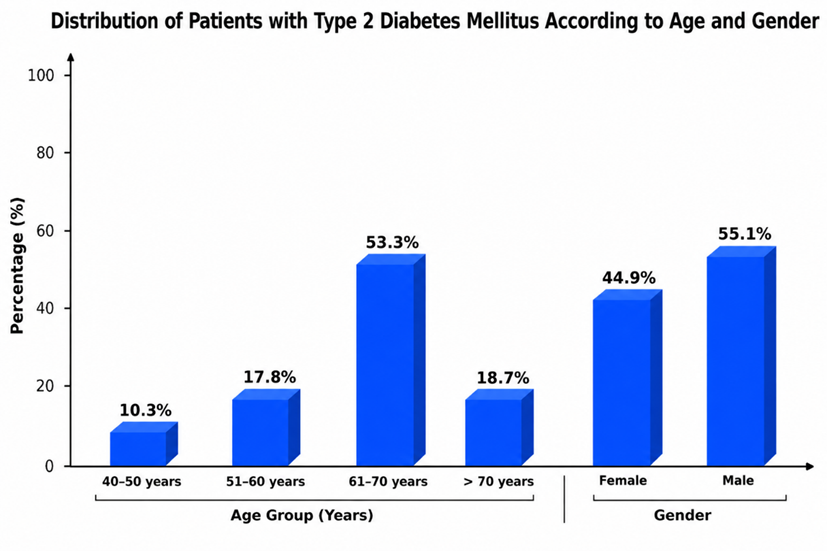
Graph 1. Distribution of Patients with Type 2 Diabetes Mellitus According to Age and Gender
In the present study, among the total 107 subjects, 11 (10.3%) were aged 40–50 years, 19 (17.8%) were aged 51–60 years, 57 (53.3%) were aged 61–70 years, and 20 (18.7%) were aged >70 years. Regarding gender distribution, 48 (44.9%) subjects were female and 59 (55.1%) were male. The total study population comprised 107 (100.0%) subjects.
Table 3. Serum Magnesium Levels Among Patients with Type 2 Diabetes Mellitus
|
Parameter |
N |
Minimum |
Maximum |
Mean |
SD |
|
Serum magnesium (mg/dL) |
107 |
1.37 |
3.27 |
2.149 |
0.378 |
In the present study, serum magnesium levels were assessed in 107 subjects. The mean serum magnesium level was 2.149 ± 0.378 mg/dL, with a minimum serum magnesium level of 1.37 mg/dL and a maximum serum magnesium level of 3.27 mg/dL.
Table 4. Distribution of Patients with Type 2 Diabetes Mellitus According to Serum Magnesium Status
|
Serum magnesium status |
n |
% |
|
Hypermagnesemia |
13 |
12.1 |
|
Hypomagnesemia |
11 |
10.3 |
|
Normal |
83 |
77.6 |
|
Total |
107 |
100.0 |
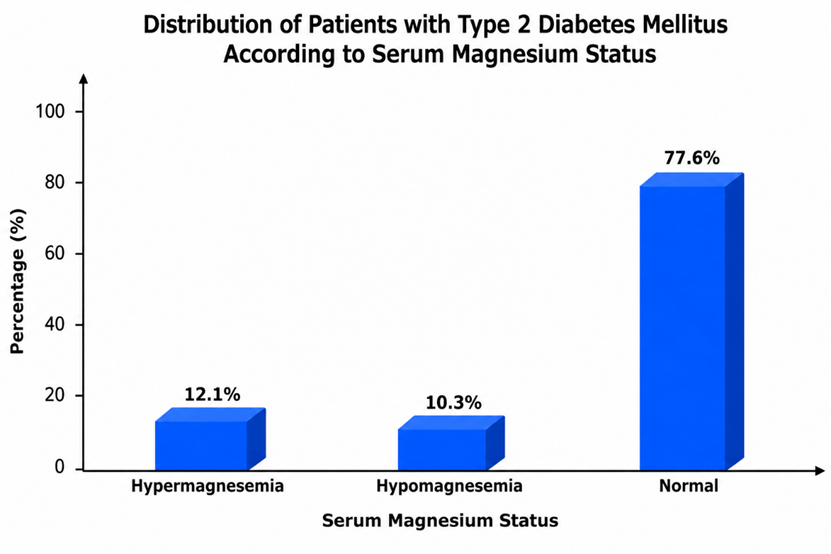
Graph 2. Distribution of Patients with Type 2 Diabetes Mellitus According to Serum Magnesium Status
In the present study, among the total 107 subjects, 13 (12.1%) had hypermagnesemia, 11 (10.3%) had hypomagnesemia, and 83 (77.6%) had normal serum magnesium levels. Overall, the study included 107 (100.0%) subjects.
Table 5. Distribution of Macrovascular Complications Among Patients with Type 2 Diabetes Mellitus
|
Macrovascular complication |
Present, n (%) |
Absent, n (%) |
|
CVA |
65 (60.7%) |
42 (39.3%) |
|
IHD |
51 (47.7%) |
56 (52.3%) |
|
PVD |
16 (15.0%) |
91 (85.0%) |
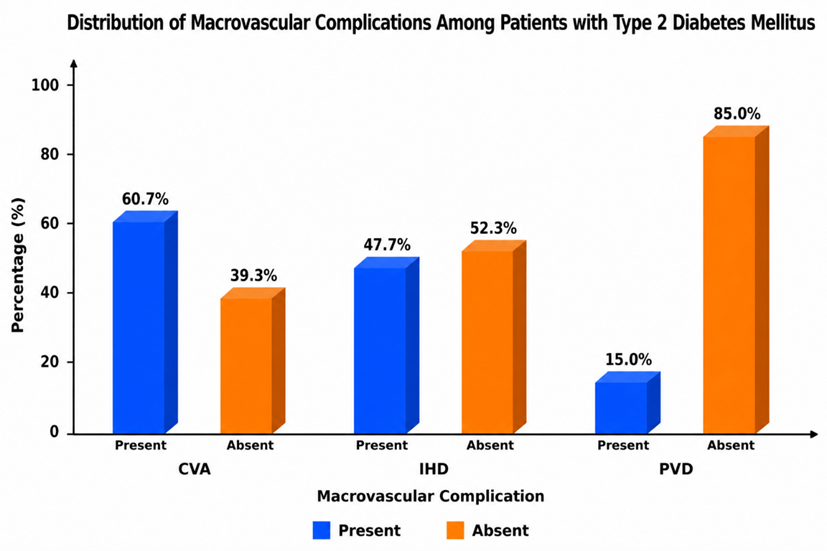
Graph 3. Distribution of Macrovascular Complications Among Patients with Type 2 Diabetes Mellitus
In the present study, cerebrovascular accident (CVA) was present in 65 (60.7%) subjects and absent in 42 (39.3%) subjects. Ischemic heart disease (IHD) was present in 51 (47.7%) subjects and absent in 56 (52.3%) subjects. Peripheral vascular disease (PVD) was present in 16 (15.0%) subjects and absent in 91 (85.0%) subjects.
Table 6. Association Between Cerebrovascular Accident (CVA) and Serum Magnesium Status in Patients with Type 2 Diabetes Mellitus
|
CVA |
Hypomagnesemia, n (%) |
Normal, n (%) |
Hypermagnesemia, n (%) |
Total, n (%) |
|
No |
6 (54.5%) |
29 (34.9%) |
7 (53.8%) |
42 (39.3%) |
|
Yes |
5 (45.5%) |
54 (65.1%) |
6 (46.2%) |
65 (60.7%) |
|
Total |
11 (100.0%) |
83 (100.0%) |
13 (100.0%) |
107 (100.0%) |
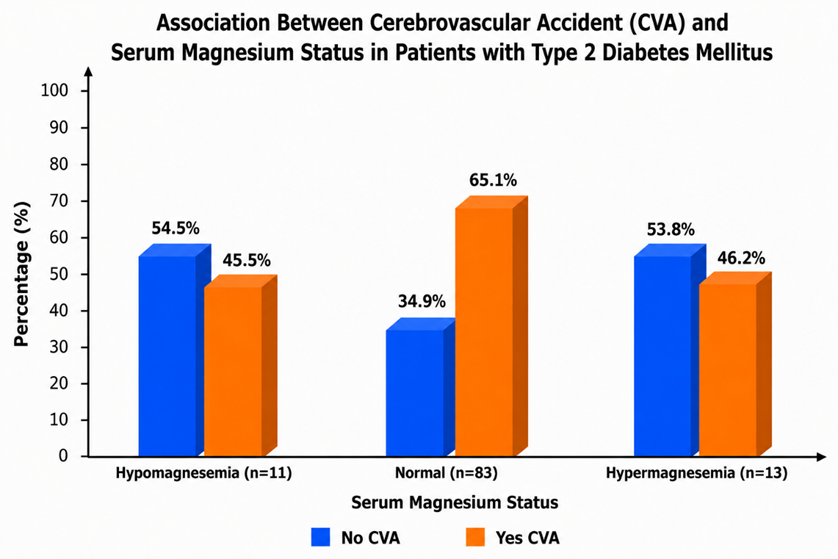
Graph 4. Association Between Cerebrovascular Accident (CVA) and Serum Magnesium Status in Patients with Type 2 Diabetes Mellitus
In the present study, among 11 subjects with hypomagnesemia, CVA was absent in 6 (54.5%) and present in 5 (45.5%) subjects. Among 83 subjects with normal serum magnesium levels, CVA was absent in 29 (34.9%) and present in 54 (65.1%) subjects. Among 13 subjects with hypermagnesemia, CVA was absent in 7 (53.8%) and present in 6 (46.2%) subjects. Overall, among 107 subjects, CVA was absent in 42 (39.3%) and present in 65 (60.7%) subjects.
Table 7. Association Between Ischemic Heart Disease (IHD) and Serum Magnesium Status in Patients with Type 2 Diabetes Mellitus
|
IHD |
Hypomagnesemia, n (%) |
Normal, n (%) |
Hypermagnesemia, n (%) |
Total, n (%) |
|
No |
5 (38.5%) |
48 (57.8%) |
3 (27.3%) |
56 (52.3%) |
|
Yes |
8 (61.5%) |
35 (42.2%) |
8 (72.7%) |
51 (47.7%) |
|
Total |
13 (100.0%) |
83 (100.0%) |
11 (100.0%) |
107 (100.0%) |
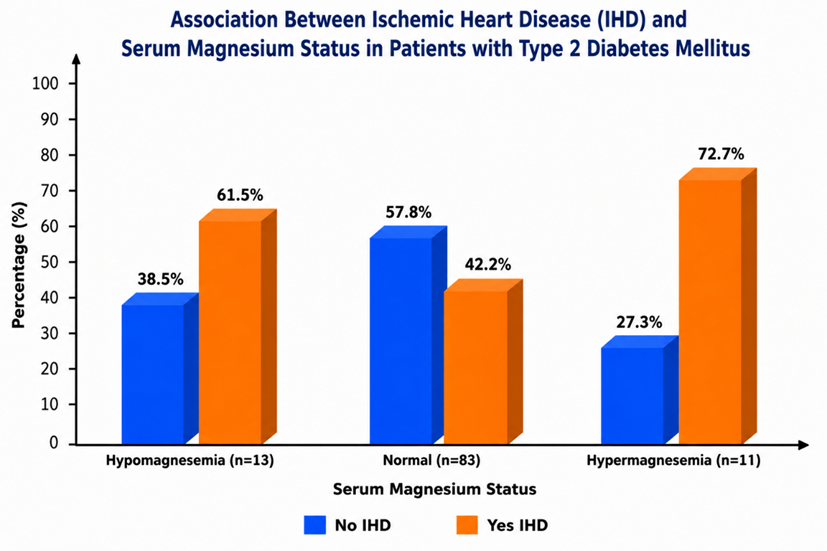
Graph 5. Association Between Ischemic Heart Disease (IHD) and Serum Magnesium Status in Patients with Type 2 Diabetes Mellitus
In the present study, among 13 subjects with hypomagnesemia, IHD was absent in 5 (38.5%) subjects and present in 8 (61.5%) subjects. Among 83 subjects with normal serum magnesium levels, IHD was absent in 48 (57.8%) subjects and present in 35 (42.2%) subjects. Among 11 subjects with hypermagnesemia, IHD was absent in 3 (27.3%) subjects and present in 8 (72.7%) subjects. Overall, among 107 subjects, IHD was absent in 56 (52.3%) subjects and present in 51 (47.7%) subjects.
Table 8. Association Between Peripheral Vascular Disease (PVD) and Serum Magnesium Status in Patients with Type 2 Diabetes Mellitus
|
PVD |
Hypomagnesemia, n (%) |
Normal, n (%) |
Hypermagnesemia, n (%) |
Total, n (%) |
|
No |
12 (92.3%) |
70 (84.3%) |
9 (81.8%) |
91 (85.0%) |
|
Yes |
1 (7.7%) |
13 (15.7%) |
2 (18.2%) |
16 (15.0%) |
|
Total |
13 (100.0%) |
83 (100.0%) |
11 (100.0%) |
107 (100.0%) |
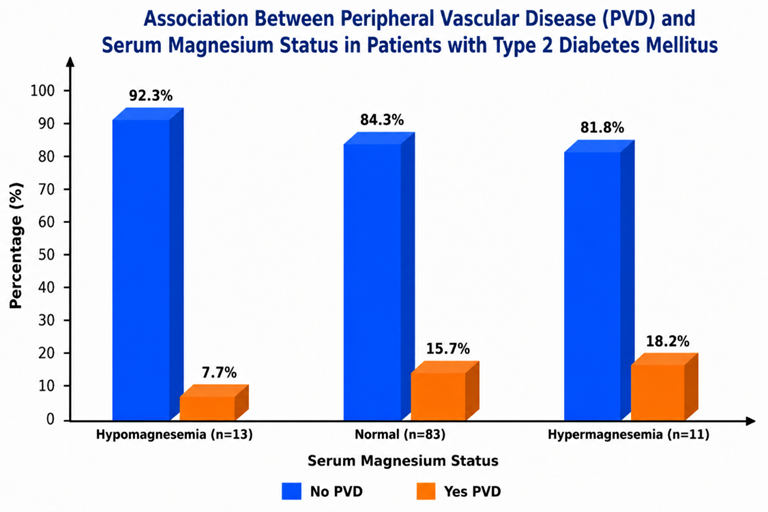
Graph 6. Association Between Peripheral Vascular Disease (PVD) and Serum Magnesium Status in Patients with Type 2 Diabetes Mellitus
In the present study, among 13 subjects with hypomagnesemia, PVD was absent in 12 (92.3%) subjects and present in 1 (7.7%) subject. Among 83 subjects with normal serum magnesium levels, PVD was absent in 70 (84.3%) subjects and present in 13 (15.7%) subjects. Among 11 subjects with hypermagnesemia, PVD was absent in 9 (81.8%) subjects and present in 2 (18.2%) subjects. Overall, among 107 subjects, PVD was absent in 91 (85.0%) subjects and present in 16 (15.0%) subjects.
Discussion:
The present study evaluated serum magnesium levels and their association with macrovascular complications among 107 patients with Type 2 diabetes mellitus (T2DM). The mean age of the study population was 65.14 ± 8.61 years, with males accounting for 55.1% and females for 44.9%. The mean duration of diabetes was 8.69 ± 3.60 years, while the mean HbA1c was 7.93 ± 0.959%. These findings reflect a predominantly older diabetic population with established disease. Goyal et al. (2023) described T2DM as a chronic metabolic disorder characterized by insulin resistance and progressive impairment of insulin secretion (1). Similarly, Ruze et al. (2023) highlighted the complex metabolic mechanisms underlying T2DM and emphasized the contribution of obesity and insulin resistance to disease progression (2).
In the present study, the mean serum magnesium level was 2.149 ± 0.378 mg/dL, ranging from 1.37 to 3.27 mg/dL. Most patients (77.6%) had normal serum magnesium levels, whereas 10.3% had hypomagnesemia and 12.1% had hypermagnesemia. Magnesium is an essential electrolyte involved in numerous enzymatic and metabolic processes. Jahnen-Dechent and Ketteler (2012) described its important physiological role in cellular metabolism and electrolyte homeostasis (5). Barbagallo and Dominguez (2015) reported a close relationship between magnesium status and T2DM, particularly through its involvement in insulin action, glucose metabolism, and insulin sensitivity (7). Oost et al. (2022) further emphasized that hypomagnesemia is frequently encountered in T2DM and may contribute to increased cardiovascular risk (6).
Macrovascular complications constituted an important component of the present study. CVA was observed in 60.7% of subjects, IHD in 47.7%, and PVD in 15.0%. Chawla et al. (2016) discussed the substantial burden of both microvascular and macrovascular complications in diabetes and the interconnected mechanisms responsible for vascular injury (3). Lou et al. (2024) also demonstrated the importance of associated cardiovascular risk factors, particularly dyslipidemia and hypertension, in patients with T2DM. In the present study, hypertension was present in 45.8% of subjects (4).
No statistically significant association was observed between serum magnesium category and CVA (χ² = 2.88, p = 0.236). Similarly, the association between serum magnesium and IHD did not reach statistical significance (χ² = 4.77, p = 0.092). The association between serum magnesium and PVD was also statistically non-significant (χ² = 0.66, p = 0.718). Thus, within the present study population, serum magnesium categories were not significantly associated with the individual macrovascular complications evaluated.
Previous studies nevertheless support a potential relationship between magnesium abnormalities and diabetic complications. Zhang et al. (2018) investigated the association between serum magnesium and common complications of diabetes mellitus, while Kumar et al. (2019) reported an association of serum magnesium with T2DM and diabetic retinopathy (9,11). Oost et al. (2022) reviewed the relationship between hypomagnesemia and cardiovascular risk in T2DM, highlighting possible mechanisms linking magnesium deficiency with cardiovascular disease (6). More recently, Wu et al. (2025) discussed the broader metabolic and cardiovascular implications of hypomagnesemia, including its associations with blood pressure regulation and metabolic syndrome (8). Jat et al. (2025) also evaluated serum magnesium levels in relation to complications of T2DM (10).
Thus, although the present study demonstrated abnormalities in serum magnesium levels among a proportion of patients with T2DM, statistically significant associations with CVA, IHD, and PVD were not observed. The findings nevertheless reinforce the relevance of evaluating magnesium status alongside conventional metabolic and cardiovascular parameters in patients with T2DM.
Conclusion:
The present study evaluated serum magnesium levels and their association with macrovascular complications among 107 patients with Type 2 diabetes mellitus. The mean serum magnesium level was 2.149 ± 0.378 mg/dL, with 77.6% of patients having normal magnesium levels, 10.3% having hypomagnesemia, and 12.1% having hypermagnesemia. Among the macrovascular complications evaluated, cerebrovascular accident was observed in 60.7% of patients, ischemic heart disease in 47.7%, and peripheral vascular disease in 15.0%. No statistically significant association was observed between serum magnesium categories and cerebrovascular accident (p=0.236), ischemic heart disease (p=0.092), or peripheral vascular disease (p=0.718). Thus, although alterations in serum magnesium levels were observed in a proportion of patients with Type 2 diabetes mellitus, they were not significantly associated with the macrovascular complications assessed in this study. These findings highlight the importance of comprehensive metabolic and vascular assessment in patients with Type 2 diabetes mellitus.
BIBLIOGRAPHY:
1. Goyal R, Singhal M, Jialal I. Type 2 diabetes. In: StatPearls. Treasure Island (FL): StatPearls Publishing; 2023.
2. Ruze R, Liu T, Zou X, Song J, Chen Y, Xu R, et al. Obesity and type 2 diabetes mellitus: connections in epidemiology, pathogenesis, and treatments. Front Endocrinol (Lausanne). 2023;14:1161521.
3. Chawla A, Chawla R, Jaggi S. Microvasular and macrovascular complications in diabetes mellitus: distinct or continuum? Indian J Endocrinol Metab. 2016;20(4):546-51.
4. Lou H, Jiang Y, Xu C, Dong ZM, Liu D, Qiao C, et al. Effects of a combination of dyslipidemia and hypertension on the glycemic control of patients with type 2 diabetes mellitus: a cross-sectional study. SAGE Open Med. 2024;12:20503121241265064.
5. Jahnen-Dechent W, Ketteler M. Magnesium basics. Clin Kidney J. 2012;5(Suppl 1):i3-14.
6. Oost LJ, Tack CJ, de Baaij JHF. Hypomagnesemia and cardiovascular risk in type 2 diabetes. Endocr Rev. 2023;44(3):357-78.
7. Barbagallo M, Dominguez LJ. Magnesium and type 2 diabetes. World J Diabetes. 2015;6(10):1152-7.
8. Wu W, Gong M, Liu P, Yu H, Gao X, Zhao X. Hypomagnesemia: exploring its multifaceted health impacts and associations with blood pressure regulation and metabolic syndrome. Diabetol Metab Syndr. 2025;17(1):217.
9. Kumar P, Bhargava S, Agarwal PK, Garg A, Khosla A. Association of serum magnesium with type 2 diabetes mellitus and diabetic retinopathy. J Family Med Prim Care. 2019;8(5):1671-7.
10. Jat DVK, Arif DM, Toshan DN. Role of serum magnesium levels in predicting complications in type 2 diabetes mellitus: a prospective study. Eur J Cardiovasc Med. 2025;16:24-9.
11. Zhang Y, Li Q, Xin Y, Lv W, Ge C. Association between serum magnesium and common complications of diabetes mellitus. Technol Health Care. 2018;26(S1):379-87.