Association of Smartphone Use and Neck Pain (Text Neck Syndrome) Among Nursing Students: A Cross-Sectional Study at a Nursing College in Mandya.
- Shamanth K. S. , Assistant Professor, Department of Orthopaedics, Mandya Institute of Medical Sciences (MIMS), Mandya, Karnataka, India.
- Mohith Rajeek K. , Assistant Professor, Department of Orthopaedics, Mandya Institute of Medical Sciences (MIMS), Mandya, Karnataka, India.
- Kumar Satyam , Post Graduate, Department of Orthopaedics, Mandya Institute of Medical Sciences (MIMS), Mandya, Karnataka, India.
- Mahendra Kumar K. L. , Associate Professor, Department of Orthopaedics, Mandya Institute of Medical Sciences (MIMS), Mandya, Karnataka, India.
- Manjappa C. N. , Professor, Department of Orthopaedics, Mandya Institute of Medical Sciences (MIMS), Mandya, Karnataka, India.
Article Information:
Abstract:
Introduction: Neck pain is among the most prevalent musculoskeletal disorders worldwide, and prolonged forward head posture during smartphone use is a recognised modifiable risk factor. Nursing students, who combine heavy academic device use with the physical demands of clinical training, represent a compounded high-risk group, yet no study has characterised smartphone-related neck pain among nursing students at Mandya Institute of Medical Sciences (MIMS), Mandya. Methods: This cross-sectional study was conducted among BSc Nursing students at MIMS College of Nursing, Mandya. Regular smartphone users (≥3 hours/day) aged 18 years or above were enrolled using a self-administered structured questionnaire comprising socio-demographic data, a researcher-designed 14-item Smartphone Usage Risk Score (SURS, /35), the Numeric Rating Scale (NRS-11) for pain severity, and the Neck Disability Index (NDI, /50). After excluding blank submissions, one non-participant investigator test entry, and participants below 18 years of age, recruitment continued until the pre-specified target of 148 was reached. Data were analysed using descriptive statistics, the chi-square test, Pearson/Spearman correlation, and multivariable linear regression, with p<0.05 considered significant. Results: Neck or shoulder pain during smartphone use was reported by 40.8% (60/147) of participants. The mean SURS score was 13.60 ± 4.20/35 (Moderate-risk category in 74.3%). Mean NRS-11 pain score was 1.53 ± 2.00/10, and mean NDI score was 9.10 ± 6.45/50 (mild disability band). Daily smartphone use of ≥4 hours was significantly associated with pain (54.0% vs 31.0% for <4 hours; χ²=6.97, p=0.008). SURS correlated strongly with NRS-11 (r=0.650, p<0.001) and moderately with NDI (r=0.359, p<0.001). On multivariable regression, SURS remained the sole independent predictor of both pain severity (β=0.306, p<0.001; R²=0.445) and disability (β=0.584, p<0.001; R²=0.142); age, sex and year of study were not significant. Conclusion: Two in five adult nursing students at this Mandya nursing college experience smartphone-associated neck or shoulder pain, a figure closely mirroring national estimates for health-profession students. Cumulative ergonomic risk (SURS), rather than demographic factors, was the dominant driver of both pain severity and disability, supporting targeted ergonomic and behavioural interventions — particularly around prolonged (≥4-hour) daily use — over generic demographic-based risk stratification.
Keywords:
Article :
INTRODUCTION:
Neck pain is one of the most prevalent musculoskeletal disorders worldwide, with a global age-standardised prevalence of approximately 27 per 1000 population, and it ranks among the leading causes of years lived with disability. [1] Among the many modifiable risk factors that have been described, prolonged forward head posture — a characteristic and largely unavoidable position during smartphone use — has emerged as a particularly important and increasingly common contributor to cervical musculoskeletal strain. [1] Biomechanical studies have shown that as the head tilts forward to view a handheld screen, the effective load borne by the cervical spine rises sharply, so that even a relatively brief episode of smartphone use can translate into a substantial and repetitive mechanical burden on the neck and shoulder girdle. [6]
Health science and nursing students are a population of particular concern in this regard. Indian studies report that nursing and health science students spend an average of 3 to 6 hours a day on smartphones, predominantly for academic purposes such as accessing e-books, journal articles, and online lecture material, placing them at elevated and largely occupational risk of cervical strain from a very early stage of their professional training. [2] Evidence from Karnataka is especially relevant to the present study: a cross-sectional investigation among university students in Bangalore demonstrated a statistically significant positive correlation between smartphone addiction and neck disability (r = 0.682, p<0.01). [3] More proximately, a 2025 study from Kasturba Medical College, Mangalore, found that 41.9% of health profession students — including nursing students — reported neck pain associated with smartphone use, providing the most geographically and demographically relevant prevalence estimate available for this population. [4]
Nursing students occupy a compounded position of risk: in addition to prolonged academic device use, they are exposed to the physical demands of clinical postings — extended standing, patient transfers, and repetitive bending and lifting — such that neck pain acquired from smartphone use may be superimposed on, and potentially aggravated by, the physical strain of ward-based training. [5] Neck pain in this group therefore carries implications not only for individual wellbeing but also for clinical performance, concentration during patient care, and academic outcomes. Despite a growing body of Karnataka-specific evidence linking smartphone use to neck disability, [3,4] no study to date has specifically characterised the proportion of smartphone-associated neck pain, or its associated usage patterns and risk factors, among students of healthcare professions.
The present cross-sectional study was therefore designed to describe the proportion of neck pain among regular smartphone-using nursing students at MIMS College of Nursing, Mandya, and to characterise smartphone usage patterns — daily duration, hand dominance and hand use, posture, and purpose of use — and their association with neck pain severity and disability. It was anticipated that the findings would identify modifiable, institution-specific targets for ergonomic counselling and preventive health programming among nursing students.
MATERIALS AND METHODS:
Study design and setting
This was a descriptive, analytical cross-sectional study conducted over one month among students enrolled in the BSc Nursing programme at MIMS College of Nursing, Mandya Institute of Medical Sciences (MIMS), Mandya, Karnataka.
Sample size
The sample size was calculated for estimation of a proportion using n = Z²(1-α/2) × p × q / d², with p = 42% (prevalence of neck pain among health profession students reported by Shyam Krishnan K et al., 2025), [4] q = 58, and d = 8.4 (20% relative precision of p) at 95% confidence. This yielded a base requirement of n = 133, which, after adding 10% for anticipated non-response, gave a target sample size of n = 148.
Sampling method and participants
Students were approached during free periods or study breaks and, after written informed consent, completed a self-administered structured questionnaire circulated as a web-based form. Inclusion criteria were: enrolment in the BSc Nursing programme at MIMS College of Nursing; age 18 years or above; regular smartphone use, defined a priori as a minimum of 3 hours per day; and willingness to give informed consent. Students with a prior history of neck, shoulder, or upper-limb surgery, a diagnosed cervical spine disorder (e.g., cervical spondylosis, disc prolapse, rheumatoid arthritis), acute cervical or upper-limb trauma at the time of the study, smartphone use of less than 3 hours per day, or age under 18 years were excluded.
A total of 165 form submissions were received. Six entries with no recorded name or responses were excluded as blank submissions, and one entry, identified by a mobile number matching that of an investigator, represented a test submission rather than a genuine student response and was likewise excluded. A further five entries were from students below 18 years of age and were excluded per the inclusion criteria. Recruitment continued, in chronological order of submission, until the pre-specified target sample size of 148 eligible participants was reached. Because BSc Nursing is taught in relatively small batches, several participants shared an identical first name; such entries were retained as distinct participants, distinguished by their individual roll number and phone contact, since shared names between different students are an expected feature of a single-institution cohort and do not by themselves indicate a duplicate response. The recruitment approach — a self-administered web form circulated to eligible students rather than an investigator-executed stratified draw — is best regarded as a form of convenience/consecutive sampling within the eligible population rather than a strict implementation of stratified random sampling; this deviation from the originally planned sampling method is discussed further under Limitations.
Study instrument
The questionnaire comprised three components, consistent with the approved study protocol. First, socio-demographic data (age band, sex, year of BSc Nursing, hand dominance). Second, a researcher-designed 14-item Smartphone Usage Risk Score (SURS): seven items on usage habits (Section A, scored 0–20) — daily use duration, study-related use duration, texting frequency, typing hand, posture, single-/both-hand holding, and prior neck/shoulder pain — and seven items on neck-pain symptomatology (Section B, scored 0–15) covering presence and site of pain during use, duration and timing of episodes, purpose of use, analgesic use, and adaptive positional behaviour; the two sections sum to a total SURS score out of 35, categorised as Low (0–8), Moderate (9–17), High (18–26), or Very High (27–35) risk. Third, neck pain was assessed using the 11-point Numeric Rating Scale (NRS-11; 0 = no pain, 10 = worst pain imaginable, categorised as Mild 1–3, Moderate 4–6, Severe 7–10) and the 10-item Neck Disability Index (NDI, each item scored 0–5, total /50, categorised as No Disability 0–4, Mild 5–14, Moderate 15–24, Severe 25–34, or Complete ≥35). Where a participant marked an NDI item as not applicable (chiefly Section 8, Driving), the total was pro-rated across the items actually answered, in keeping with standard NDI scoring practice; totals were computed only for participants who answered at least 8 of the 10 NDI items.
Data analysis
Data were entered in Microsoft Excel and analysed in Python (SciPy, statsmodels) using an analytic approach equivalent to that pre-specified for SPSS in the study protocol. Descriptive statistics (frequencies and percentages for categorical variables; mean ± SD for continuous/ordinal scores) were computed for all variables. The chi-square test was used to assess association between usage-pattern variables (daily use duration, hand used to hold the device, posture, study-related use duration, sex, year of study) and the presence of neck/shoulder pain during smartphone use. Pearson and Spearman correlation coefficients were used to quantify the relationship between SURS and NRS-11/NDI scores. Multivariable linear regression, with SURS score, age band (coded as an ordinal midpoint), sex, and year of study as covariates, was used to identify independent predictors of NRS-11 and NDI scores. A p-value <0.05 was considered statistically significant. Denominators vary slightly across items owing to item-level non-response and are stated with each result.
RESULTS:
Of 165 questionnaire submissions received, six blank entries, one investigator test entry, and five entries from participants below 18 years of age were excluded. Recruitment continued in chronological order of submission until the pre-specified target of 148 eligible nursing students was reached. Denominators for individual items range from 121 to 147 owing to item-level non-response, and are stated with each result.
Socio-demographic profile
Of 147 participants with recorded demographic data, all were aged 18 years or above by design: 114 (77.6%) were aged 18–20 years and 33 (22.4%) were aged 21–23 years. Female students predominated (128, 87.1%) over male students (19, 12.9%), consistent with the sex distribution typical of nursing programmes. First-year students comprised 95 (64.6%) of respondents and third-year students 52 (35.4%). Right-hand dominance was reported by 144 (98.0%) and left-hand dominance by 3 (2.0%). These characteristics are summarised in Table 1.
Table 1: Socio-demographic Profile of Study Participants (n = 147; all participants 18 years or above by design)
|
Variable |
Category |
n |
% |
|
Age band |
18–20 yrs |
114 |
77.6% |
|
|
21–23 yrs |
33 |
22.4% |
|
Sex |
Female |
128 |
87.1% |
|
|
Male |
19 |
12.9% |
|
Year of BSc Nursing |
1st Year |
95 |
64.6% |
|
|
3rd Year |
52 |
35.4% |
|
Hand dominance |
Right |
144 |
98.0% |
|
|
Left |
3 |
2.0% |
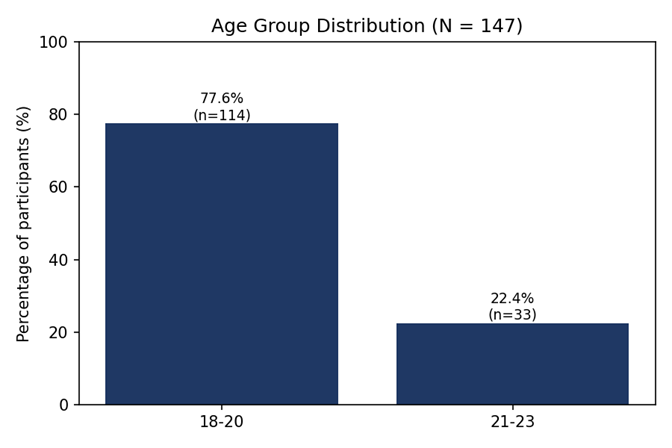
Figure 1: Age band distribution of study participants
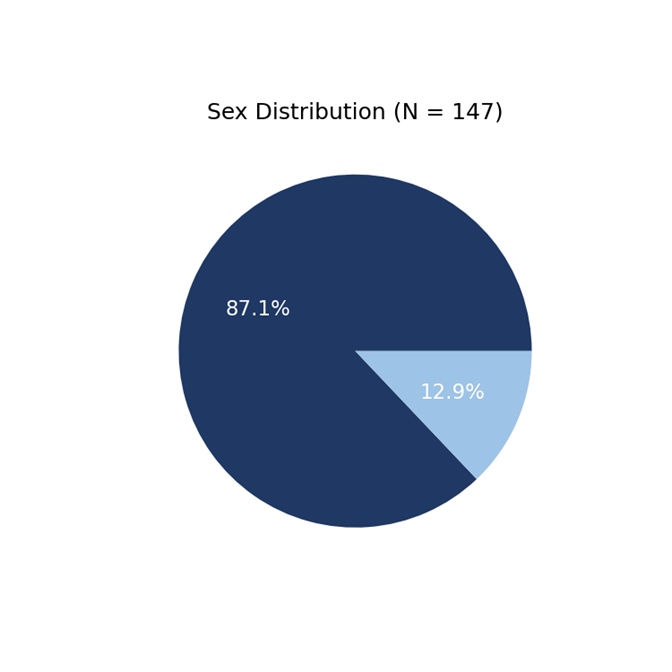
Figure 2: Sex distribution of study participants
Smartphone usage patterns
Regarding average daily smartphone use (n = 147): 72 (49.0%) reported 2–3 hours, 49 (33.3%) reported 4–5 hours, 12 (8.2%) reported under 2 hours, 10 (6.8%) reported 6–7 hours, and 4 (2.7%) reported 8 or more hours; overall, 63 participants (42.9%) used their smartphone for 4 or more hours daily. Time spent specifically on study-related device use (n = 146) was 1–2 hours for 80 (54.8%), 0–1 hour for 37 (25.3%), 3–4 hours for 27 (18.5%), and 5–6 hours for 2 (1.4%). Both hands were used for typing by 116 (78.9%) and the right hand alone by 30 (20.4%); the device was held with both hands by 97 (66.0%) and with a single hand by 50 (34.0%). The most frequent posture during use was sitting (86, 58.5%), followed by supine/lying down (56, 38.1%) and standing/walking (5, 3.4%). Use was predominantly mixed (studying and social) in purpose (140, 95.2%). A prior history of neck or shoulder pain, independent of smartphone use, was reported by 38 (25.9%) of 147 respondents.
Neck/shoulder pain during smartphone use
Neck or shoulder pain during smartphone use was reported by 60 of 147 participants (40.8%) — closely mirroring the 42% prevalence estimate from health profession students nationally that was used for this study's sample size calculation. [4] Among the wider subset of respondents who additionally provided item-level pain-characteristic detail (n = 121–125, reflecting some inconsistency in conditional response to these follow-up items and treated here as a data-completeness limitation — see Discussion), the neck alone was the most frequently affected site (64/122, 52.5%), followed by the shoulder alone (36/122, 29.5%) and both sites together (22/122, 18.0%). Episodes most commonly lasted under 1 hour (108/125, 86.4%), and pain was most often worst in the evening or at night (95/121, 78.5%). Only 10 of 141 respondents (7.1%) used analgesic medication for symptom relief, while 94 of 137 (68.6%) reported adopting an adaptive change in position to relieve discomfort.
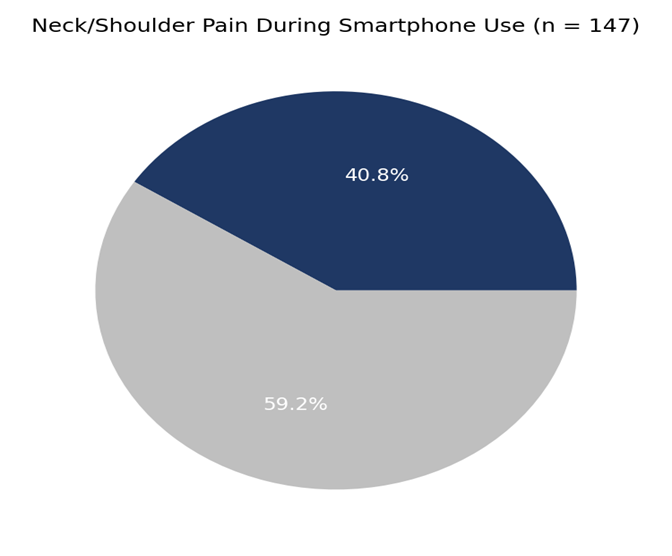
Figure 3: Proportion reporting neck/shoulder pain during smartphone use
Smartphone Usage Risk Score (SURS)
Among 136 participants with a fully computable SURS score, the mean total score was 13.60 ± 4.20 out of 35 (38.9%), ranging from 4 to 26. Most participants fell in the Moderate-risk band (101, 74.3%), with 21 (15.4%) in the High-risk band and 14 (10.3%) in the Low-risk band; no participant scored in the Very-High-risk band. The usage-habits sub-score (Section A) averaged 6.49 ± 2.78 out of 20 (32.4%), and the symptom sub-score (Section B) averaged 7.08 ± 2.20 out of 15 (47.2%), indicating that, on average, participants carried a proportionately greater symptomatic burden than behavioural risk-factor burden. These findings are summarised in Table 2 and Figure 4.
Table 2: Smartphone Usage Risk Score (SURS) Summary
|
Parameter |
Value |
|
Section A – Usage habits (/20), n = 147 |
6.49 ± 2.78 (32.4%) |
|
Section B – Neck pain symptoms (/15), n = 147 |
7.08 ± 2.20 (47.2%) |
|
Total SURS score (/35), n = 136 |
13.60 ± 4.20 (38.9%) |
|
Low risk (0–8) |
14 (10.3%) |
|
Moderate risk (9–17) |
101 (74.3%) |
|
High risk (18–26) |
21 (15.4%) |
|
Very high risk (27–35) |
0 (0.0%) |
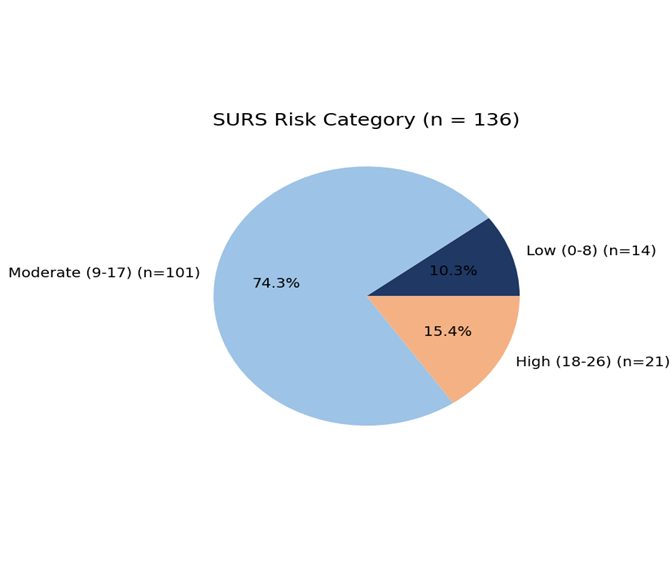
Figure 4: SURS risk category distribution
Pain severity (NRS-11) and disability (NDI)
Among 146 participants with a recorded NRS-11 score, the mean pain score was 1.53 ± 2.00 out of 10; 70 (47.9%) reported no pain, 53 (36.3%) mild pain, 19 (13.0%) moderate pain, and 4 (2.7%) severe pain (Figure 5). Among 144 participants with a computable NDI score, the mean was 9.10 ± 6.45 out of 50 (18.2%), corresponding on average to the mild-disability band; 37 (25.7%) had no measurable disability, 77 (53.5%) mild disability, 27 (18.8%) moderate disability, and 3 (2.1%) severe disability, with no participant in the complete-disability band (Figure 6, Table 3).
Table 3: NRS-11 Pain Severity and Neck Disability Index (NDI) Summary
|
Score |
n |
Mean ± SD |
Category (n, %) |
|
NRS-11 (/10) |
146 |
1.53 ± 2.00 |
No pain 70 (47.9%); Mild 53 (36.3%); Moderate 19 (13.0%); Severe 4 (2.7%) |
|
NDI (/50) |
144 |
9.10 ± 6.45 |
None 37 (25.7%); Mild 77 (53.5%); Moderate 27 (18.8%); Severe 3 (2.1%); Complete 0 (0.0%) |
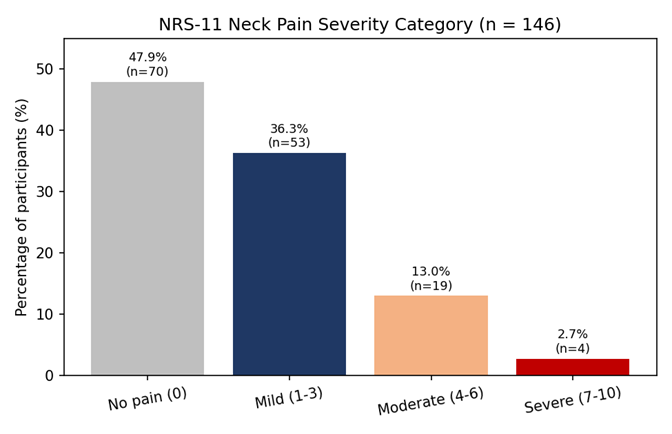
Figure 5: NRS-11 pain severity category distribution
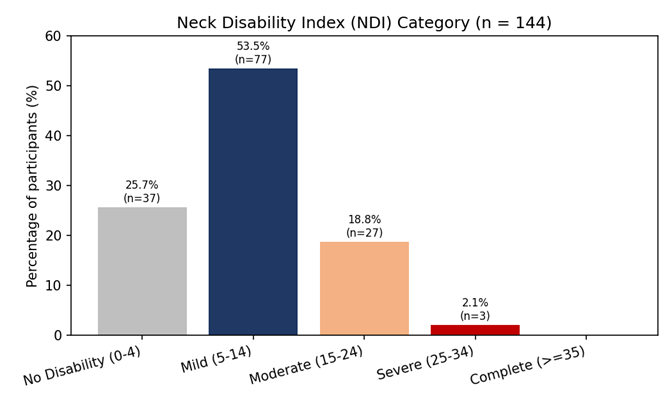
Figure 6: Neck Disability Index (NDI) category distribution
Association between usage patterns and neck/shoulder pain
On chi-square testing (Table 4), daily smartphone use duration was significantly associated with pain during use (χ² = 10.64, df = 4, p = 0.031); when collapsed into <4 hours versus ≥4 hours per day, pain was reported by 31.0% (26/84) of lower-use participants versus 54.0% (34/63) of higher-use participants (χ² = 6.97, df = 1, p = 0.008). Hand used to hold the device showed a non-significant trend in the same counter-intuitive direction seen in other studies of this size: pain was numerically less common among single-hand users (15/50, 30.0%) than among both-hand users (45/97, 46.4%), but this difference did not reach statistical significance (χ² = 3.02, df = 1, p = 0.082) and is discussed further below. Posture (sitting/standing/supine), study-related use duration, sex, and year of study showed no statistically significant association with pain (all p>0.05).
Table 4: Association Between Usage/Demographic Variables and Neck/Shoulder Pain During Smartphone Use (Q8)
|
Variable |
n |
χ² |
df |
p-value |
|
Daily use duration (5 categories) |
147 |
10.64 |
4 |
0.031 |
|
Daily use duration (<4h vs ≥4h) |
147 |
6.97 |
1 |
0.008 |
|
Hand used to hold device |
147 |
3.02 |
1 |
0.082 |
|
Posture during use |
147 |
1.54 |
2 |
0.463 |
|
Study-related use duration |
146 |
2.11 |
3 |
0.550 |
|
Year of study |
147 |
0.91 |
1 |
0.339 |
|
Sex |
147 |
0.14 |
1 |
0.709 |
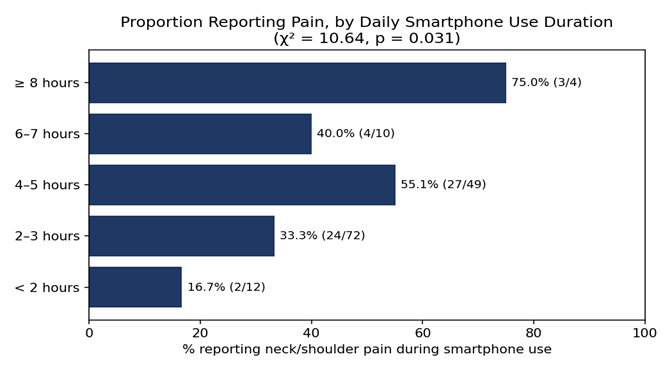
Figure 7: Proportion reporting pain by daily smartphone use duration
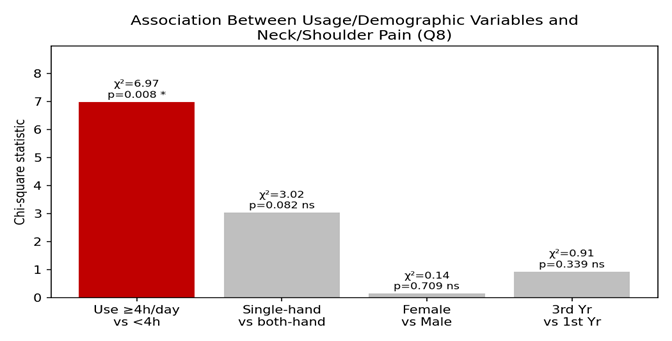
Figure 8: Chi-square association summary for key usage and demographic variables
Correlation between SURS and pain outcomes
The total SURS score correlated strongly and significantly with NRS-11 pain score (Pearson r = 0.650, Spearman ρ = 0.575; both p<0.001; n = 136), and moderately with NDI disability score (Pearson r = 0.359, Spearman ρ = 0.385; both p<0.001; n = 134). The usage-habits sub-score (Section A) alone correlated moderately-to-strongly with NRS-11 (r = 0.560, p<0.001), and the symptom sub-score (Section B) correlated moderately with NDI (r = 0.370, p<0.001), indicating that higher cumulative behavioural and symptomatic risk was consistently associated with both greater pain severity and greater functional disability (Figure 9).
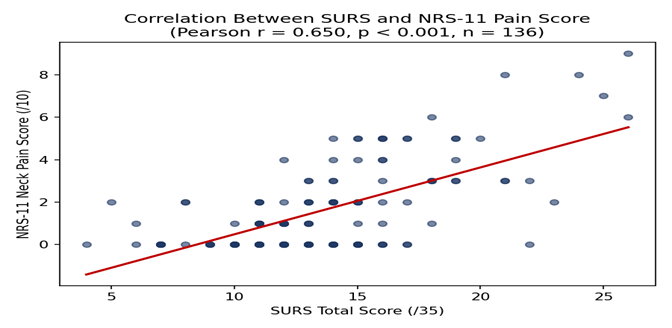
Figure 9: Correlation between SURS total score and NRS-11 pain score
Independent predictors of pain severity and disability
On multivariable linear regression with SURS score, age band, sex, and year of study as covariates, SURS score was the sole independent predictor of NRS-11 pain severity (β = 0.306, p<0.001), with the overall model explaining 44.5% of the variance in pain score (R² = 0.445, adjusted R² = 0.428, n = 136); age (p = 0.438), sex (p = 0.730), and year of study (p = 0.367) were not independently significant. Similarly, for NDI disability score, SURS score was the only significant independent predictor (β = 0.584, p<0.001), though the model explained a smaller proportion of variance (R² = 0.142, adjusted R² = 0.115, n = 134); age, sex, and year of study were again non-significant (Table 5).
Table 5: Multivariable Linear Regression for NRS-11 and NDI Scores
|
Outcome |
Predictor |
β (unstandardised) |
p-value |
Model R² (adj.) |
|
NRS-11 (n=136) |
SURS score |
0.306 |
<0.001 |
0.445 (0.428) |
|
|
Age band |
0.121 |
0.438 |
|
|
|
Sex (male) |
-0.144 |
0.730 |
|
|
|
Year (3rd vs 1st) |
0.360 |
0.367 |
|
|
NDI (n=134) |
SURS score |
0.584 |
<0.001 |
0.142 (0.115) |
|
|
Age band |
0.278 |
0.655 |
|
|
|
Sex (male) |
-2.082 |
0.212 |
|
|
|
Year (3rd vs 1st) |
-1.204 |
0.452 |
|
DISCUSSION:
This cross-sectional study aimed to describe the proportion of neck or shoulder pain associated with smartphone use, and to characterise its associated usage patterns and predictors, among 148 adult nursing students at MIMS College of Nursing, Mandya. The observed point prevalence of pain during smartphone use — 40.8% — sits remarkably close to the 42% prevalence among health profession students reported by Shyam Krishnan K et al. (2025) at Kasturba Medical College, Mangalore, [4] the very figure used to calculate this study's sample size. This close correspondence across two distinct nursing/health-profession student populations in South India lends external support to the estimate and suggests that smartphone-associated neck pain affects a broadly consistent two-in-five proportion of health science students in this region, rather than being an artefact of a single institution's sampling.
The mean SURS score of 13.60 ± 4.20 placed the typical participant in the Moderate-risk band, with the symptom sub-score (Section B, 47.2%) proportionately higher than the usage-habits sub-score (Section A, 32.4%). This pattern — students reporting comparatively more symptoms than high-risk behaviours — is consistent with the possibility that even moderate, sub-4-hour daily smartphone exposure is sufficient to provoke cervical symptoms in a substantial minority of young, otherwise musculoskeletally healthy students, echoing the dose-related but non-linear relationship described by Kim HJ and Kim JS in Korean university students. [8]
Daily use duration showed the clearest and most consistent association with pain in this study: participants using their smartphone for 4 or more hours a day were significantly more likely to report pain than those using it for less (54.0% vs 31.0%, p = 0.008), and this pattern held across the fuller 5-category duration variable (p = 0.031). This finding is well aligned with previous work: Walankar PP et al. (2021), in a comparable Indian university population, similarly identified use exceeding 4 hours per day as one of the strongest independent risk factors for smartphone-related musculoskeletal pain, [2] and the broader literature consistently implicates cumulative screen time as a key modifiable determinant of neck symptoms. [1,8,10]
SURS correlated strongly with NRS-11 pain severity (r = 0.650) and moderately with NDI-measured disability (r = 0.359), and on multivariable regression SURS score remained the only significant independent predictor of both outcomes, with age, sex, and year of study contributing no additional explanatory value. This suggests that cumulative ergonomic and behavioural risk, as captured by a composite usage-and-symptom score, is a more useful marker of an individual student's pain burden than any single demographic characteristic — a finding with direct implications for screening: a short instrument such as SURS, rather than broad demographic risk stratification, may be a more efficient way to identify students who would benefit from targeted ergonomic counselling.
One trend ran contrary to expectation, though it did not reach statistical significance in this sample. Single-handed device holding was numerically associated with less, not more, reported pain (30.0% vs 46.4% for both-hand holding; χ² = 3.02, p = 0.082), whereas foundational biomechanical work by Gustafsson EJ et al. in Sweden demonstrated that single-handed smartphone use produces significantly higher cervical and upper-limb muscle loading than two-handed use, [6] and most subsequent clinical literature has treated single-hand, thumb-typing postures as the higher-risk pattern. [7,9] Several explanations are possible for this direction, even though it fell short of significance here. First, both-hand users in this sample (97/147, 66.0%) considerably outnumbered single-hand users (50/147, 34.0%), and if both-hand use is disproportionately associated with longer or more sustained sessions (e.g., typing lecture notes or reading for extended periods) rather than brief single-hand checks, exposure duration rather than hand configuration may be a partial confound. Second, a cross-sectional, single time-point design cannot establish whether students who already experience pain have adaptively shifted toward two-handed holding to reduce strain, reversing the presumed direction of causality. Third, with only 50 single-hand users, this subgroup comparison was likely underpowered, and the finding should be treated as hypothesis-generating rather than confirmatory; a larger sample would be needed to determine whether this trend reflects a real, if modest, effect or chance variation.
Beyond the design's inherent inability to establish causality, several data-completeness and methodological issues should be acknowledged. The SURS instrument used here was researcher-designed for this study and has face validity by construction but has not undergone formal psychometric validation (e.g., Cronbach's alpha for internal consistency, or test–retest reliability), so its scores should be interpreted as an internally consistent ranking tool for this study rather than as an externally validated clinical instrument. Age was captured only in bands rather than as exact years, precluding a more granular age-based analysis. Item-level pain-characteristic responses (site, duration, and timing of pain) were available for 121–125 of 147 respondents, a somewhat larger subset than the 60 who endorsed current pain on the screening item (Q8); this discrepancy most likely reflects the absence of strict conditional (skip) logic in the web-based form, such that some students without current pain may still have completed downstream items (for example, describing a past or intermittent episode), and these item-level results should therefore be interpreted as characterising pain experience in a broader sense rather than strictly among current pain-endorsers. Because BSc Nursing is taught in relatively small class batches, several participants shared an identical first name; these were retained as distinct individuals on the basis of their separate roll numbers and phone contacts. Recruitment via a self-administered web form, closed once the pre-specified target of 148 eligible (18 years or above) participants was reached, is best regarded as convenience/consecutive sampling among eligible, digitally engaged students rather than the stratified random sampling originally planned; students who were harder to reach, less digitally engaged, or absent during data collection may be under-represented. Finally, single-institution recruitment limits generalisability to nursing students at other colleges or in other regions, and the marked female predominance (87.1%) of the sample, while typical of nursing programmes, limits the precision of the male-specific estimates.
These findings carry practical implications for MIMS College of Nursing. Given that two in five students already experience smartphone-associated neck or shoulder pain, and that daily use of 4 or more hours is the clearest modifiable correlate identified, institution-level ergonomic education — covering safe viewing height, scheduled screen breaks, and posture correction during both academic and clinical-training device use — could plausibly be targeted first at students exceeding this 4-hour threshold. Given the strong correlation between SURS and pain/disability, a brief screening tool of this kind could also be incorporated into student health check-ups to flag those who would benefit most from early counselling, rather than attempting to counsel the entire student body uniformly.
CONCLUSION:
Among 148 adult nursing students at MIMS College of Nursing, Mandya, 40.8% reported neck or shoulder pain associated with smartphone use — closely consistent with national estimates for health profession students. Mean cumulative ergonomic risk (SURS) fell in the moderate-risk band, and mean pain severity and disability scores corresponded to mild levels on average, though a clinically relevant minority reported moderate-to-severe pain and disability. Daily smartphone use of 4 or more hours was the clearest usage-pattern correlate of pain, and SURS score — rather than age, sex, or year of study — was the sole independent predictor of both pain severity and functional disability on multivariable analysis. These findings support the development of institution-specific ergonomic education for nursing students, prioritising those with prolonged (≥4-hour) daily smartphone use, and suggest that a brief composite risk score may be a more efficient screening approach than demographic profiling alone. Given the cross-sectional design and the unvalidated study instrument, these findings should be confirmed in a larger, psychometrically validated, and ideally longitudinal study before firm causal or preventive conclusions are drawn
REFERENCES:
1. Kazeminasab S, Nejadghaderi SA, Amiri P, Pourfathi H, Araj-Khodaei M, Sullman M, et al. Neck pain: Global epidemiology, trends and risk factors. BMC Musculoskelet Disord. 2022;23(1):26. Available from: https://doi.org/10.1186/s12891-021-04957-4
2. Walankar PP, Khatri M, Govekar A, Dhanwada A. Musculoskeletal pain and risk factors associated with smartphone use in university students. Indian J Occup Environ Med. 2021;25(4):220-4. Available from: https://doi.org/10.4103/ijoem.ijoem_351_20
3. Suresh A, Sudhan SG, Mohan P, Alagappan TR. Impact of smartphone addiction on neck pain and disability in university students. J Clin Diagn Res. 2021;15(6):YC01-YC03. Available from: https://doi.org/10.7860/JCDR/2021/48938.14954
4. Shyam Krishnan K, Deka K, Nayak MM, Sai Lakshmi Pranathi TNV, Shetty U. Prevalence of smartphone behavioral addiction and musculoskeletal pain among health professions students. Discov Soc Sci Health. 2025. Available from: https://doi.org/10.1007/s44155-025-00352-9
5. Behera P, Majumdar A, Revadi G, Santoshi JA, Nagar V, Mishra N. Neck pain among undergraduate medical students at a premier institute of central India: A cross-sectional study of prevalence and associated factors. J Fam Med Prim Care. 2020;9(7):3574-81. Available from: https://doi.org/10.4103/jfmpc.jfmpc_230_20
6. Gustafsson EJ, Johnson PW, Hagberg M. Thumb postures and physical loads during mobile phone use - A comparison of young adults with and without musculoskeletal symptoms. J Electromyogr Kinesiol. 2010;20(1):127-35. Available from: https://doi.org/10.1016/j.jelekin.2008.11.010
7. Berolo S, Wells RP, Amick BC 3rd. Musculoskeletal symptoms among mobile hand-held device users and their relationship to device use: A preliminary study in a Canadian university population. Appl Ergon. 2011;42(2):371-8. Available from: https://doi.org/10.1016/j.apergo.2010.08.010
8. Kim HJ, Kim JS. The relationship between smartphone use and subjective musculoskeletal symptoms and university students. J Phys Ther Sci. 2015;27:575-9. Available from: https://doi.org/10.1589/jpts.27.575
9. Shah PP, Sheth MS. Correlation of smartphone use addiction with text neck syndrome and SMS thumb in physiotherapy students. Int J Community Med Public Health. 2018;5(6):2512-6. Available from: https://doi.org/10.18203/2394-6040.ijcmph20182278
10. Namwongsa S, Puntumetakul R, Neubert MS, Boucaut R. Factors associated with neck disorders among university student smartphone users. Work. 2018;61(3):367-78. Available from: https://doi.org/10.3233/WOR-182819
11. Chan LYW, Wu A, Wang MH, Cheung K, Samartzis D. The prevalence of neck pain and associated risk factors among undergraduate students: A large-scale cross-sectional study. Int J Ind Ergon. 2020;76:102933. Available from: https://doi.org/10.1016/j.ergon.2020.102933
12. Zirek E, Mustafaoglu R, Yasaci Z, Griffiths MD. A systematic review of musculoskeletal disorders related to mobile phone usage. Musculoskelet Sci Pract. 2020;49:102196. Available from: https://doi.org/10.1016/j.msksp.2020.102196
13. Maayah MF, Nawasreh ZH, Gaowgzeh RAM, Neamatallah Z, Alfawaz SS, Alabasi UM. Neck pain associated with smartphone usage among university students. PLoS ONE. 2023;18(6):e0285451. Available from: https://doi.org/10.1371/journal.pone.0285451.