Microbial Profile of Respiratory Pathogens in Adult Patients with Acute Respiratory Tract Infections Using the BioFireFilmArray Respiratory Panel: A Cross-Sectional Observational Study from a Tertiary Care Center in North India.
- Hardika khandelwal , Junior Resident SMS Medical College Jaipur.
- Renuka Gocher , Junior Resident SMS Medical College Jaipur.
- Pragyan Priyadarsini , Junior Resident SMS Medical College Jaipur.
- Bharti Malhotra , Senior professor SMS Medical College Jaipur.
Article Information:
Abstract:
Background: Globally, acute respiratory tract infections (ARTIs) continue to be a major source of morbidity and mortality. For prompt diagnosis, suitable antibiotic treatment, and efficient infection management, respiratory pathogens must be quickly identified. Multiple viral and bacterial infections can be simultaneously detected from a single respiratory specimen using the BioFireFilmArray Respiratory Panel (RP) 2.1, enabling thorough etiological identification. Methods: From October 2024 to March 2025, 290 adult patients who presented with acute respiratory tract infections at Sawai Man Singh Medical College and affiliated hospitals in Jaipur participated in a hospital-based cross-sectional observational study. The BioFireFilmArray Respiratory Panel 2.1 was used to collect and analyze nasopharyngeal and throat swab specimens. SPSS version 23.0 was used to analyze clinical, microbiological, and demographic data. The Chi-square test was used to evaluate correlations between pathogen distribution and clinical or demographic characteristics; p<0.05 was deemed statistically significant. Results: Males made up 64.83% of the 290 enrolled patients, while those over 50 made up 65.17% of the study group. 240 patients had at least one respiratory pathogen found by the BioFireFilmArray Respiratory Panel 2.1, resulting in an overall positive rate of 82.76%. The most common pathogen was human rhinovirus/enterovirus (43.10%), which was followed by influenza A (13.82%), influenza B (5.17%), respiratory syncytial virus (4.13%), seasonal coronaviruses (3.44%), SARS-CoV-2 (3.44%), and parainfluenza viruses (3.44%). Ten triple infections and ninety dual infections were among the 100 (34.48%) patients with multiple respiratory pathogens. The distribution of respiratory pathogens was significantly correlated with age (χ²=63.69, p=0.001) and gender (χ²=19.74, p=0.049), but not with the clinical disease category (χ²=22.87, p=0.409). Conclusion: Adults with acute respiratory tract infections showed a high diagnosis yield for respiratory pathogens using the BioFireFilmArray Respiratory Panel 2.1. The most common pathogen was human rhinovirus/enterovirus, and co-infections were often seen. Rapid multiplex molecular diagnostics can increase infection control procedures, encourage antibiotic stewardship, improve pathogen identification, and improve regional respiratory pathogen surveillance.
Keywords:
Article :
INTRODUCTION:
Acute respiratory tract infections (ARTIs) continue to be a major global cause of morbidity and mortality, contributing significantly to hospital admissions, outpatient visits, and healthcare costs. Lower respiratory tract infections are still one of the world's top causes of death, especially for immunocompromised patients, elderly persons, and those with chronic comorbidities.¹,² Respiratory infections are particularly common in low- and middle-income nations, where improper antibiotic usage and delayed diagnosis lead to poor clinical outcomes and the development of antimicrobial resistance (AMR).³
Numerous viral and bacterial pathogens, such as influenza viruses, human rhinovirus/enterovirus, respiratory syncytial virus (RSV), adenovirus, parainfluenza viruses, human metapneumovirus, seasonal coronaviruses, Mycoplasma pneumoniae, Chlamydia pneumoniae, and Bordetella pertussis, can cause respiratory tract infections. These pathogens frequently cause similar clinical manifestations, such as fever, cough, sore throat, nasal congestion, dyspnea, and malaise. Consequently, empirical antimicrobial therapy is typically given before test confirmation, resulting in unnecessary antibiotic exposure, increased healthcare expenses, longer hospitalization, and rapid development of antimicrobial resistance.⁵
When it comes to diagnosing respiratory infections, traditional laboratory techniques including microbial culture, antigen detection, and serological assays have a number of drawbacks. Long-term incubation is necessary for culture-based approaches, which may show decreased sensitivity, especially when fastidious organisms are involved or after previous antibiotic exposure. While serological assays are less useful during the acute phase of illness, antigen detection techniques yield quick answers but typically have lesser sensitivity. The use of molecular diagnostic methods that can concurrently identify several respiratory infections with high sensitivity and specificity has increased as a result of these flaws.6.
By making it possible to quickly identify several bacterial and viral pathogens from a single respiratory material, multiplex polymerase chain reaction (PCR)-based syndromic diagnostic panels have revolutionized the laboratory diagnosis of respiratory tract illnesses. Among these, the BioFireFilmArray Respiratory Panel (RP) 2.1 is a fully automated multiplex PCR platform that combines detection, amplification, reverse transcription, nucleic acid extraction, and result interpretation into a closed system. With a turnaround time of about 45 minutes, the assay concurrently detects several respiratory viruses and atypical bacterial infections, including SARS-CoV-2, enabling timely clinical decision-making and suitable infection control strategies.⁷
When compared to traditional microbiological techniques, multiplex molecular diagnostics greatly enhances pathogen identification, as several studies have shown. Early targeted therapy initiation, fewer needless antibiotic prescriptions, better antimicrobial stewardship, better patient isolation procedures, and shorter hospital stays have all been linked to rapid identification of respiratory infections.Ò⁻¹¹ Additionally, multiplex tests make it easier to identify mixed infections, which are becoming more common in adults and may have an impact on the severity, prognosis, and treatment approaches of a disease.¹².
Rapid molecular diagnostics are crucial for distinguishing SARS-CoV-2 infection from other bacterial and viral respiratory diseases, as the COVID-19 pandemic has further demonstrated. Comprehensive multiplex testing has grown in importance for clinical care, epidemiological surveillance, and infection control due to the co-circulation of several respiratory pathogens during the pandemic. René Monitoring seasonal trends, identifying outbreaks, and supporting evidence-based public health initiatives all depend on the accurate identification of circulating respiratory infections.13
The microbiological epidemiology of respiratory pathogens among adult patients in India is still poorly understood, despite the established diagnostic value of multiplex respiratory panels. There is a dearth of comprehensive data characterizing the distribution of respiratory infections in adults utilizing multiplex molecular diagnostics; the majority of research that are currently available have concentrated on juvenile populations, intensive care settings, or individual respiratory viruses. The requirement for locally produced epidemiological data to support clinical decision-making and antimicrobial stewardship programs is further highlighted by regional differences in pathogen incidence, seasonal distribution, demographic traits, and co-infection patterns.¹⁴
Identification of the predominant respiratory pathogens within a certain geographical region is vital for optimizing diagnostic algorithms, guiding empirical treatment, strengthening antimicrobial stewardship programs, and improving infection control methods. Moreover, understanding the local microbial profile aids to enhanced surveillance of emerging respiratory diseases and better preparedness for future epidemics.¹⁵
Therefore, the present cross-sectional observational study was undertaken to determine the microbial profile of respiratory pathogens among adult patients presenting with acute respiratory tract infections at a tertiary care hospital in Jaipur, Rajasthan, using the BioFireFilmArray Respiratory Panel 2.1. The study also aimed to evaluate the distribution of respiratory pathogens according to demographic characteristics and clinical presentation, thereby generating region-specific epidemiological data that may support evidence-based diagnosis, appropriate antimicrobial use, and improved management of respiratory tract infections.
MATERIALS AND METHODS:
Study Design and Setting
In the Department of Microbiology and Immunology at Sawai Man Singh (SMS) Medical College and its affiliated tertiary care facilities in Jaipur, Rajasthan, India, a cross-sectional observational study was carried out. The Advanced Diagnostic Research Laboratory (ADRL) processed respiratory specimens. The study covered several respiratory virus seasons over a six-month period, from October 2024 to March 2025.
Study Population
Adult patients who visited the emergency room, outpatient clinics, or hospital during the study period and had a clinically suspected acute respiratory tract infection (ARTI) were assessed for eligibility. After receiving written informed consent, patients who met the predetermined inclusion and exclusion criteria were included.
Sample Size
Based on a 95% confidence level, an absolute precision of 5%, and an estimated prevalence of 24.1% for multiple pathogen identification using the BioFireFilmArray Respiratory Panel 2.1, the sample size was determined using the single population proportion formula. 280 was the minimum sample size that was determined. The study included 290 participants in total to account for potential exclusions and incomplete data.
Eligibility Criteria
Inclusion Criteria
• Adults aged 18 years or older.
• Patients presenting with symptoms suggestive of acute respiratory tract infection, including fever, cough, dyspnea, sore throat, or chest discomfort.
• Individuals who provided written informed consent for study participation.
Exclusion Criteria
• Receipt of systemic antibiotic therapy within the preceding two weeks.
• Presence of known immunosuppressive disorders.
• Recent hospitalization for respiratory illness.
• Refusal or withdrawal of informed consent
Specimen Collection
Using normal aseptic procedures, skilled medical professionals collected nasopharyngeal and/or throat swab specimens, which were then promptly placed in viral transport medium. A systematic case record form was used to document patient demographic and clinical data, such as age, sex, presenting symptoms, and clinical diagnosis. Samples were processed in accordance with the manufacturer's instructions after being delivered to the Advanced Diagnostic Research Laboratory under a controlled cold chain (2–8°C).
Molecular Detection of Respiratory Pathogens
The BioFireFilmArray Respiratory Panel 2.1 (BioFire Diagnostics, Salt Lake City, UT, USA), a fully automated multiplex nested polymerase chain reaction (PCR) platform intended for the simultaneous qualitative detection of several respiratory viral and bacterial pathogens from a single specimen, was used to analyze respiratory specimens. With an approximate 45-minute turnaround time, the assay combines nucleic acid extraction, reverse transcription, multiplex PCR amplification, and automated result interpretation within a closed system.
Among the many respiratory pathogens are adenovirus, seasonal coronaviruses (229E, HKU1, NL63, and OC43), human metapneumovirus, human rhinovirus/enterovirus, influenza A (including H1, H1-2009, and H3 subtypes), influenza B, parainfluenza viruses (types 1–4), respiratory syncytial virus, Bordetella pertussis, Chlamydia pneumoniae, and Mycoplasma pneumonia.
Data Collection
A standardized data collection form was used to prospectively record demographic information, clinical presentation, laboratory results, and molecular diagnostic outcomes. Standard case criteria for acute respiratory infection (ARI), influenza-like illness (ILI), and severe acute respiratory infection (SARI) were used to classify respiratory illnesses.
Outcome Measures
The primary outcome was the distribution of respiratory pathogens detected by the BioFireFilmArray Respiratory Panel 2.1 among adult patients with acute respiratory tract infections.
Secondary outcomes included:
• Overall pathogen detection rate.
• Distribution of viral and bacterial pathogens.
• Frequency of single and multiple pathogen infections.
• Association of pathogen distribution with age, sex, and clinical presentation.
Statistical Analysis
IBM SPSS Statistics (Version 23.0) was used to evaluate the data once it was entered into Microsoft Excel. While categorical data were reported as frequencies and percentages, continuous variables were summarized as mean ± standard deviation (SD) or median with interquartile range (IQR), as applicable. The Chi-square test or, when applicable, Fisher's exact test were used to assess associations between categorical variables. Statistical significance was defined as a two-sided p-value of less than 0.05.
Ethical Considerations
The study was undertaken after obtaining consent from the Institutional Ethics Committee of Sawai Man Singh Medical College, Jaipur. Prior to participation, each study subject provided written informed consent. All study procedures were carried out in compliance with the ethical guidelines of the Declaration of Helsinki, and participant information confidentiality was upheld throughout.
RESULTS:
Table1. Demographic Characteristics of the Study Population
|
Age group (years) |
n |
Percentage (%) |
|
18–30 |
40 |
13.79 |
|
31–40 |
32 |
11.03 |
|
41–50 |
29 |
10.00 |
|
>50 |
189 |
65.17 |
|
Total |
290 |
100.0 |
The study included 290 adult patients with acute respiratory tract infections. Individuals aged >50 years constituted the largest proportion of the study population (65.17%, n=189), followed by those aged 18–30 years (13.79%, n=40), 31–40 years (11.03%, n=32), and 41–50 years (10.00%, n=29). These findings indicate that respiratory infections were predominantly observed among older adults in the present cohort.
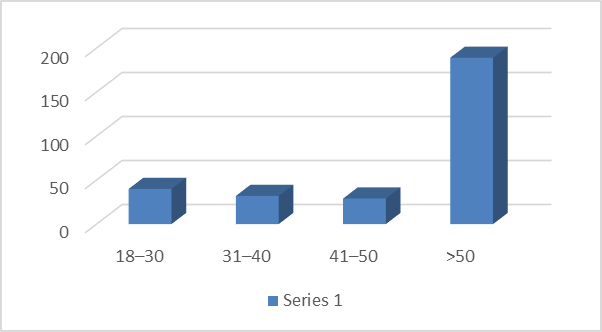
Figure 1: Bar chart showing age-group distribution
Table 2. Gender Distribution of the Study Participants
|
Gender |
n |
Percentage (%) |
|
Male |
188 |
64.83 |
|
Female |
102 |
35.17 |
|
Total |
290 |
100.0 |
Among the 290 enrolled participants, males accounted for 64.83% (n=188), whereas females constituted 35.17% (n=102), demonstrating a clear male predominance among adult patients presenting with acute respiratory tract infections.
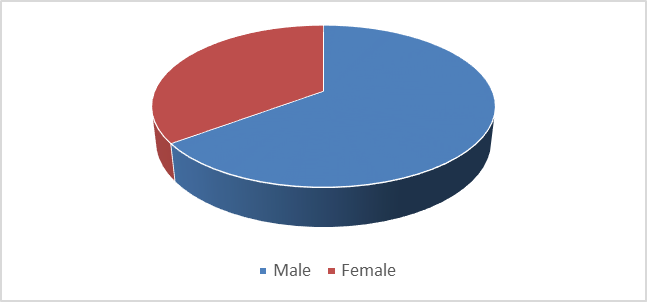
Figure 2. Gender distribution of the study population.
Table 3. Clinical Presentation of Respiratory Symptoms
|
Symptom |
n |
Percentage (%) |
|
Fever with cough |
152 |
52.41 |
|
Breathlessness |
138 |
47.24 |
|
Sore throat |
136 |
46.90 |
|
Rhinorrhea |
65 |
22.41 |
|
Cough without fever |
55 |
18.96 |
|
Vomiting |
6 |
2.07 |
|
Pain abdomen |
6 |
2.07 |
|
Diarrhea |
5 |
1.72 |
Fever associated with cough was the most frequently reported symptom (52.41%), followed by breathlessness (47.24%) and sore throat (46.90%). Rhinorrhea was present in 22.41% of participants, whereas gastrointestinal manifestations such as vomiting, abdominal pain, and diarrhea were uncommon, occurring in less than 3% of cases.
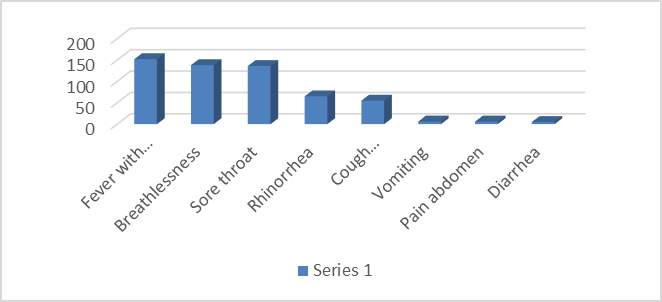
Figure 3. Frequency of presenting clinical symptoms among patients with acute respiratory tract infections
Table 4. Type of Respiratory Specimen Collected
|
Specimen |
n |
Percentage (%) |
|
Nasopharyngeal swab |
287 |
98.97 |
|
Throat swab |
3 |
1.03 |
|
Total |
290 |
100.0 |
Nasopharyngeal swabs were obtained from 287 patients (98.97%), while throat swabs were collected from only three patients (1.03%). Thus, nasopharyngeal swabbing was the principal specimen used for respiratory pathogen detection in this study.
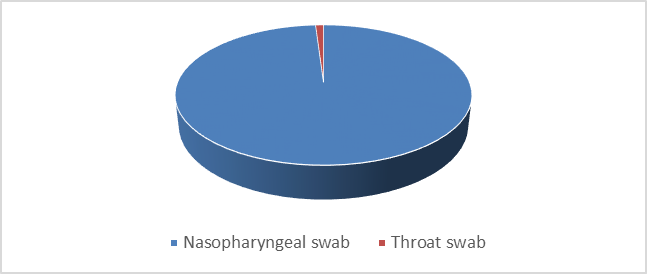
Figure 4. Distribution of respiratory specimens collected for BioFire FilmArray RP2.1 testing.
Table 5. Distribution of Patients According to Disease Severity
|
Clinical category |
Male |
Female |
Total n (%) |
|
SARI |
75 |
25 |
100 (34.48) |
|
ILI |
34 |
18 |
52 (17.93) |
|
ARI |
79 |
59 |
138 (47.59) |
|
Total |
188 |
102 |
290 (100.0) |
Based on clinical classification, 138 patients (47.59%) were categorized as acute respiratory infection (ARI), 100 (34.48%) as severe acute respiratory infection (SARI), and 52 (17.93%) as influenza-like illness (ILI). Males predominated across all clinical categories, particularly among SARI cases, where 75 of the 100 patients were male. These findings suggest that nearly one-third of the study population presented with severe respiratory disease requiring hospitalization.
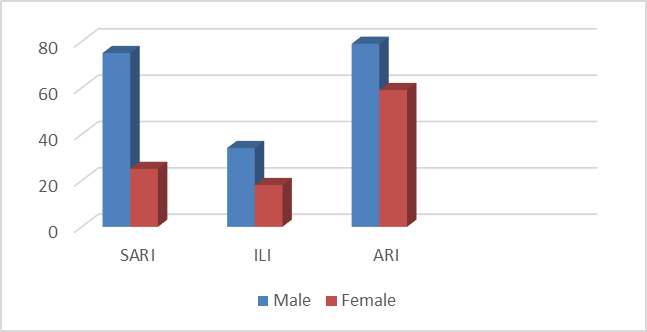
Figure 5. Distribution of patients according to clinical disease category (ARI, ILI, and SARI)
Table 6. Overall Detection of Respiratory Pathogens by BioFireFilmArray RP2.1
|
Pathogen |
Frequency |
Percentage (%) |
|
Human Rhinovirus/Enterovirus |
125 |
43.10 |
|
Influenza A |
40 |
13.82 |
|
Influenza B |
15 |
5.17 |
|
Respiratory Syncytial Virus |
12 |
4.13 |
|
Coronavirus |
10 |
3.44 |
|
SARS-CoV-2 |
10 |
3.44 |
|
Parainfluenza viruses |
10 |
3.44 |
|
Mycoplasma pneumoniae |
6 |
2.10 |
|
Adenovirus |
5 |
1.72 |
|
Human Metapneumovirus |
5 |
1.72 |
|
Bordetella pertussis |
1 |
0.34 |
|
Bordetellaparapertussis |
1 |
0.34 |
|
Chlamydia pneumoniae |
0 |
0.00 |
|
Total detected pathogens |
240 |
82.76 |
The BioFireFilmArray RP2.1 detected respiratory pathogens in 240 of the 290 study participants, yielding an overall positivity rate of 82.76%. Human Rhinovirus/Enterovirus was the predominant pathogen (43.10%), followed by Influenza A (13.82%) and Influenza B (5.17%). Seasonal coronaviruses, SARS-CoV-2, respiratory syncytial virus, and parainfluenza viruses were detected less frequently, while atypical bacterial pathogens accounted for a small proportion of cases. No cases of Chlamydia pneumoniae were identified. The distribution of respiratory pathogens differed significantly from a uniform distribution (χ²=944.48, p<0.0001).
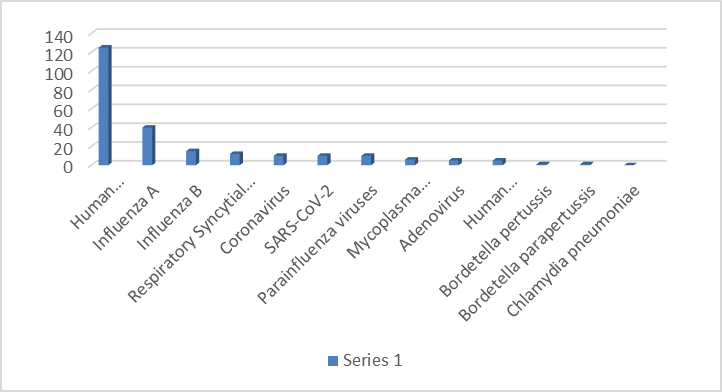
Figure 6. Overall distribution of respiratory pathogens detected by the BioFireFilmArray Respiratory Panel 2.1.
Table 7. Age-wise Distribution of Respiratory Pathogens
|
Pathogen |
<30 yrs (n=40) |
31–40 yrs (n=32) |
41–50 yrs (n=29) |
>50 yrs (n=189) |
Total n (%) |
|
Adenovirus |
1 (3.12) |
1 (3.12) |
0 |
3 (1.58) |
5 (1.72) |
|
Bordetella pertussis |
0 |
0 |
0 |
1 (0.52) |
1 (0.34) |
|
Bordetellaparapertussis |
0 |
0 |
0 |
1 (0.52) |
1 (0.34) |
|
Chlamydia pneumoniae |
0 |
0 |
0 |
0 |
0 (0.00) |
|
Coronavirus |
1 (2.50) |
1 (3.12) |
3 (10.34) |
5 (2.64) |
10 (3.44) |
|
Human metapneumovirus |
1 (2.50) |
1 (3.12) |
1 (3.44) |
2 (1.05) |
5 (1.72) |
|
Human Rhinovirus/Enterovirus |
20 (50.00) |
6 (18.75) |
5 (17.24) |
94 (49.73) |
125 (43.10) |
|
Influenza A |
5 (12.50) |
10 (31.25) |
5 (17.24) |
20 (10.58) |
40 (13.79) |
|
Influenza B |
2 (5.00) |
3 (9.37) |
0 |
10 (5.29) |
15 (5.17) |
|
Mycoplasma pneumoniae |
1 (2.50) |
1 (3.12) |
1 (3.44) |
3 (1.58) |
6 (2.07) |
|
Parainfluenza virus |
1 (2.50) |
1 (3.12) |
3 (10.34) |
5 (2.64) |
10 (3.44) |
|
Respiratory syncytial virus |
0 |
3 (9.40) |
2 (6.89) |
7 (3.70) |
12 (4.14) |
|
SARS-CoV-2 |
0 |
4 (12.50) |
3 (10.34) |
3 (1.58) |
10 (3.44) |
Footnote: Values are presented as n (%). Percentages within age-group columns are calculated using the total number of patients in each age group. The overall association between age group and respiratory pathogen distribution was statistically significant (χ² = 63.69, p = 0.001)
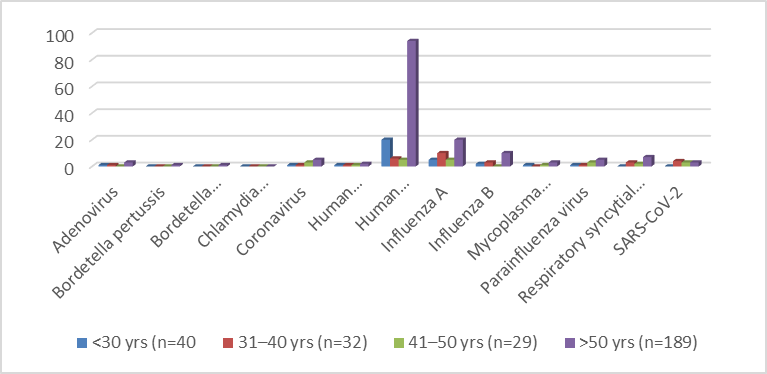
Figure 7. Age-wise distribution of respiratory pathogens detected by the BioFireFilmArray Respiratory Panel 2.1
Table 8. Gender-wise Distribution of Respiratory Pathogens
|
Pathogen |
Female (n=102) |
Male (n=188) |
|
Adenovirus |
4 (3.92) |
1 (0.53) |
|
Bordetella pertussis |
0 |
1 (0.53) |
|
Bordetellaparapertussis |
0 |
1 (0.53) |
|
Chlamydia pneumoniae |
0 |
0 |
|
Coronavirus |
4 (3.92) |
6 (3.20) |
|
Human metapneumovirus |
2 (1.96) |
3 (1.59) |
|
Human Rhinovirus/Enterovirus |
30 (29.40) |
95 (50.53) |
|
Influenza A |
20 (19.60) |
20 (10.63) |
|
Influenza B |
5 (4.94) |
10 (5.31) |
|
Mycoplasma pneumoniae |
2 (1.96) |
4 (2.12) |
|
Parainfluenza virus |
2 (1.96) |
8 (4.25) |
|
Respiratory syncytial virus |
6 (5.88) |
6 (3.20) |
|
SARS-CoV-2 |
5 (4.94) |
5 (2.70) |
Chi-square = 19.74; p = 0.049
Human Rhinovirus/Enterovirus was the most frequently detected pathogen in both sexes but occurred more commonly in males (50.5%) than females (29.4%). Influenza A and adenovirus were relatively more frequent among females, whereas Bordetella pertussis and Bordetellaparapertussis were detected only in males. The remaining respiratory pathogens demonstrated a relatively similar distribution between the sexes. Overall, gender was significantly associated with pathogen distribution (χ² = 19.74, p = 0.049).
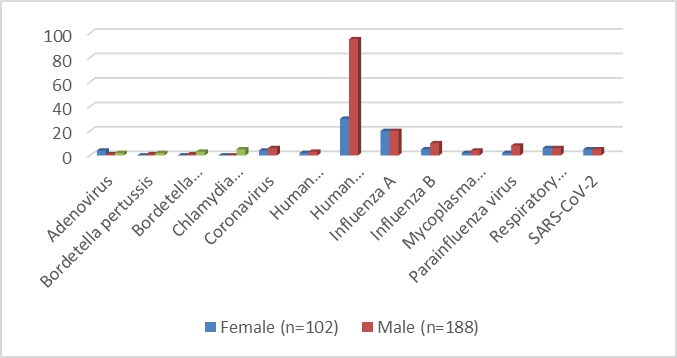
Figure 8. Gender-wise distribution of respiratory pathogens among the study participants.
Table 9. Distribution of Respiratory Pathogens According to Disease Severity
|
Pathogen |
ILI (n=52) |
SARI (n=100) |
ARI (n=138) |
|
Coronavirus |
3 (5.76) |
6 (6.00) |
1 (0.72) |
|
Human metapneumovirus |
2 (3.84) |
2 (2.00) |
1 (0.72) |
|
Human Rhinovirus/Enterovirus |
15 (28.84) |
41 (41.00) |
69 (50.00) |
|
Influenza A |
10 (19.23) |
10 (10.00) |
20 (14.49) |
|
Influenza B |
1 (1.92) |
6 (6.00) |
9 (6.52) |
|
Mycoplasma pneumoniae |
2 (3.84) |
2 (2.00) |
2 (1.44) |
|
Parainfluenza virus |
6 (11.53) |
1 (1.00) |
3 (2.17) |
|
Respiratory syncytial virus |
1 (1.92) |
5 (5.00) |
6 (4.39) |
|
SARS-CoV-2 |
2 (3.89) |
4 (5.00) |
4 (2.89) |
Chi-square = 22.87; p = 0.409
Human Rhinovirus/Enterovirus remained the predominant pathogen across all clinical categories, accounting for 28.8% of ILI, 41.0% of SARI, and 50.0% of ARI cases. Coronavirus infections were observed more frequently in ILI and SARI than ARI, while influenza viruses and respiratory syncytial virus were distributed across all three clinical groups. Although certain pathogens appeared more common in specific clinical syndromes, no statistically significant association was observed between pathogen type and disease severity (χ² = 22.87, p = 0.409).
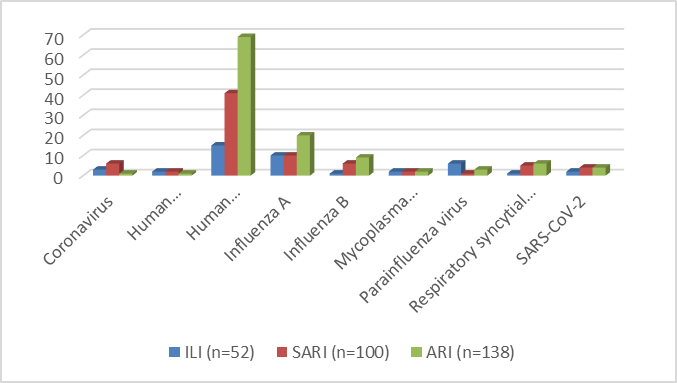
Figure 9. Distribution of respiratory pathogens according to clinical disease category (ARI, ILI, and SARI).
Table 10. Distribution of Respiratory Symptoms According to Disease Severity
|
Symptom |
χ² |
p value |
|
Fever with cough |
290.00 |
<0.00001 |
|
Cough without fever |
16.08 |
0.00001 |
|
Breathlessness |
85.82 |
0.00001 |
|
Sore throat |
18.08 |
0.0001 |
|
Rhinorrhea |
38.62 |
<0.00001 |
|
Diarrhea |
1.12 |
0.571 |
|
Vomiting |
0.02 |
0.992 |
|
Pain abdomen |
2.75 |
0.253 |
Fever with cough was present in all patients with ILI and SARI, whereas cough without fever was observed only in ARI cases. Breathlessness and sore throat showed significant variation across disease severity categories. Rhinorrhea was significantly more frequent among ARI patients than those with ILI or SARI. In contrast, gastrointestinal symptoms, including diarrhea, vomiting, and abdominal pain, were uncommon and showed no significant association with disease severity.
Table 11. Pattern of Single and Multiple Respiratory Pathogen Infections
|
Infection pattern |
Number of patients |
Percentage (%) |
|
Single pathogen infection |
140 |
48.28 |
|
Dual pathogen infection |
90 |
31.03 |
|
Triple pathogen infection |
10 |
3.45 |
|
No pathogen detected |
50 |
17.24 |
|
Total |
290 |
100.0 |
The BioFireFilmArray RP2.1 detected at least one respiratory pathogen in 240 of the 290 enrolled patients, corresponding to an overall positivity rate of 82.76%. Single-pathogen infections were identified in 140 (48.28%) patients, while multiple pathogens were detected in 100 (34.48%) patients, comprising 90 (31.03%) dual infections and 10 (3.45%) triple infections. Respiratory pathogens were not detected in 50 (17.24%) patients. These findings demonstrate that mixed respiratory infections were relatively common in the study population and emphasize the value of multiplex molecular diagnostics for identifying co-existing pathogens.
Table 12. Summary of Statistical Analysis
|
Variable |
Statistical Test |
χ² |
p value |
Interpretation |
|
Age group vs pathogen distribution |
Chi-square |
63.69 |
0.001 |
Significant |
|
Gender vs pathogen distribution |
Chi-square |
19.74 |
0.049 |
Significant |
|
Disease category (ILI/SARI/ARI) vs pathogen distribution |
Chi-square |
22.87 |
0.409 |
Not significant |
|
Co-infection distribution |
Chi-square |
18.37 |
0.366 |
Not significant |
|
Overall pathogen distribution |
Chi-square |
944.48 |
<0.0001 |
Highly significant |
Age and sex showed statistically significant associations with respiratory pathogen distribution. In contrast, no significant association was observed between pathogen distribution and clinical disease category or co-infection status. The overall frequency distribution of respiratory pathogens differed significantly, with Human Rhinovirus/Enterovirus being the predominant organism detected throughout the study period.
Overall Results Summary
The study included 290 adult patients with acute respiratory tract infections that were clinically suspected. Most participants were older than 50 years (65.17%), and males formed 64.83% of the study population. Fever with cough, dyspnea, and sore throat were the most often reported presenting symptoms. Nearly all patients (98.97%) had nasopharyngeal swabs taken, indicating that they were suitable for multiplex molecular testing.
The BioFireFilmArray Respiratory Panel 2.1 demonstrated a high diagnostic yield with an overall pathogen detection rate of 82.76%. Human Rhinovirus/Enterovirus (43.10%) was the major pathogen, followed by Influenza A (13.82%), Influenza B (5.17%), Respiratory Syncytial Virus (4.13%), and SARS-CoV-2 (3.44%). Atypical bacterial infections were discovered occasionally, but Chlamydia pneumoniae was not detected in any patient.
Age (χ² = 63.69, p = 0.001) and gender (χ² = 19.74, p = 0.049) also showed significant variations in the distribution of pathogens. Nevertheless, there was no significant difference in the distribution of pathogens across the clinical categories of acute respiratory infection (ARI), severe acute respiratory infection (SARI), and influenza-like illness (ILI) (p = 0.409).
With multiple or triple pathogen infections present in 34.48% of patients, mixed respiratory infections were prevalent. These results demonstrate how multiplex molecular diagnostics can identify co-infections that conventional diagnostic techniques could miss.
All things considered, the study shows that the BioFireFilmArray RP2.1 is a quick and efficient diagnostic tool for locating respiratory pathogens in adults suffering from acute respiratory tract infections. The predominance of viral pathogens, particularly Human Rhinovirus/Enterovirus, and the substantial frequency of co-infections underscore the importance of multiplex molecular testing for accurate diagnosis, antimicrobial stewardship, infection prevention, and respiratory pathogen surveillance.
DISCUSSION:
Using the BioFireFilmArray Respiratory Panel 2.1, this cross-sectional study conducted in a hospital assessed the microbial profile of respiratory pathogens in adult patients with acute respiratory tract infections. The assay's high pathogen detection rate (82.76%) revealed the diagnostic value of multiplex molecular testing for the quick identification of respiratory pathogens in persons with respiratory illnesses. The results support the use of syndromic molecular diagnostics in ordinary clinical practice by highlighting the preponderance of viral pathogens and the frequent occurrence of co-infections.16
Males and older individuals (over 50) made up the majority of the study population. Similar demographic patterns have been documented in earlier research, wherein male sex and advanced age were linked to a higher likelihood of respiratory illnesses necessitating hospital assessment. Age-related immunological failure, a greater frequency of chronic comorbidities, and decreased mucociliary clearance all make older people more vulnerable to respiratory infections.17
The most common pathogen found was human rhinovirus/enterovirus (43.10%), which was followed by influenza A and influenza B. Rhinoviruses are increasingly recognized as key causes of respiratory disease in adults and are usually discovered by multiplex molecular assays because of their great analytical sensitivity. Comparable findings have been reported in various worldwide investigations in which rhinovirus/enterovirus represented the primary viral pathogen found in hospitalized people with acute respiratory tract infections. The comparatively high frequency found in the present study may possibly reflect the sustained circulation of rhinoviruses over the study period and their propensity to infect individuals across all age groups.18
The second most often found pathogen was influenza A. Influenza viruses continue to be a significant cause of seasonal respiratory illness and are linked to significant morbidity, especially in older patients and those with underlying medical disorders. Rapid multiplex PCR's ability to identify influenza viruses enables early antiviral medication, the implementation of infection control strategies, and the elimination of needless antibacterial treatment.19
Although they were found at lower frequency, human metapneumovirus, seasonal coronaviruses, parainfluenza viruses, adenovirus, SARS-CoV-2, and respiratory syncytial virus all contributed significantly to respiratory illnesses. The advantage of multiplex molecular platforms over traditional diagnostic techniques, which frequently assess only one or two pathogens at a time, is demonstrated by the simultaneous detection of various infections. Improving patient isolation, cutting down on unnecessary antibiotic use, and bolstering antimicrobial stewardship initiatives all depend on the quick detection of viral etiologies.20
The high frequency of co-infections—roughly one-third of patients showed dual or triple pathogen detection—was one of the study's noteworthy findings. Human Rhinovirus/Enterovirus was the pathogen most frequently involved in mixed infections. Similar observations have been reported in previous studies, suggesting that multiplex PCR assays reveal co-infections more frequently than conventional laboratory methods. Co-infections may increase the severity of the disease in certain patient populations and should be further investigated, even though the clinical significance of multiple pathogen detection is still unclear.21
Statistical analysis indicated a significant correlation between respiratory pathogen distribution and both age and gender, however no significant association was identified between pathogen distribution and clinical illness type (ILI, SARI, and ARI). These results suggest that pathogen prevalence may be influenced by demographic factors, and that the significant overlap in symptoms among respiratory infections makes clinical presentation alone inadequate for identifying the underlying etiological agent. Consequently, laboratory confirmation remains essential for accurate diagnosis and appropriate clinical management.22
The utilization of the BioFireFilmArray Respiratory Panel 2.1, a quick multiplex molecular platform that can quickly identify a wide variety of respiratory pathogens from a single test, is the study's main strength. Additionally, the work offers important epidemiological information about the spread of respiratory pathogens among adult patients at a North Indian tertiary care hospital, where there is still a dearth of published genetic surveillance data.23
It is important to recognize some restrictions, though. The study's six-month duration at a single tertiary care facility may have limited the findings' applicability to different seasons and geographical areas. Long-term patient follow-up, antibiotic use, and clinical results were not assessed. Furthermore, the molecular assay detects pathogen nucleic acids but does not distinguish between asymptomatic colonization, extended viral shedding, or active infection. To better understand the epidemiology and clinical importance of respiratory infections identified by multiplex molecular assays, future multicenter studies with bigger populations, longer surveillance periods, and association with clinical outcomes are needed.24
Overall, the data suggest that the BioFireFilmArray Respiratory Panel 2.1 is a successful diagnostic tool for the quick detection of respiratory pathogens in people with acute respiratory tract infections. The prevalence of co-infections and the predominance of viral pathogens, especially Human Rhinovirus/Enterovirus, underscore the significance of multiplex molecular diagnostics in strengthening infection control procedures, supporting antimicrobial stewardship, improving respiratory pathogen surveillance, and improving patient management.25
Strengths and Limitations
Strengths
This study is one of the few from North India that uses the BioFireFilmArray Respiratory Panel 2.1 to assess the microbial profile of respiratory pathogens in adults. A significant diagnostic yield was achieved by quickly and simultaneously detecting a wide range of viral and atypical bacterial infections from a single respiratory material using a fully automated multiplex PCR technique. Additionally, the study offers useful regional epidemiological data on co-infection patterns and the distribution of respiratory pathogens, which may help doctors choose the best diagnostic approaches, enhance antimicrobial stewardship, and bolster respiratory pathogen surveillance.
Limitations
There are a number of restrictions on the study. First, the study was carried out at a single tertiary care facility, which would restrict the findings' applicability to different healthcare environments and geographical areas. Second, seasonal fluctuations in respiratory pathogen circulation might not be fully captured by the six-month study period. Third, clinical outcomes were not assessed, including length of hospital stay, intensive care unit admission, mortality, and treatment response. Fourth, since the BioFireFilmArray Respiratory Panel identifies pathogen nucleic acids rather than living organisms, testing for antibiotic susceptibility was outside the purview of this investigation. Lastly, laboratory results should always be evaluated in conjunction with the patient's clinical presentation because positive molecular data may indicate active infection, extended nucleic acid shedding, or asymptomatic carriage.
CONCLUSION:
With an overall positivity percentage of 82.76%, the BioFireFilmArray Respiratory Panel 2.1 showed a high diagnostic yield for the identification of respiratory pathogens in people with acute respiratory tract infections. The most common pathogen was human rhinovirus/enterovirus, which was followed by influenza A and influenza B. About one-third of patients had co-infections. The distribution of respiratory pathogens was shown to be highly correlated with age and sex, but not with the clinical illness category. These results emphasize the need of multiplex molecular diagnostics for quick pathogen identification and show that viral etiologies predominate in adult respiratory infections. Syndromic molecular testing may help with prompt diagnosis, enhance antimicrobial stewardship, maximize infection prevention strategies, and bolster regional respiratory pathogen surveillance. To better understand seasonal patterns, clinical consequences, and the epidemiology of respiratory infections in the Indian population, more multicenter studies with bigger sample numbers and longer surveillance are necessary.
REFERENCES:
1. Jain S, Self WH, Wunderink RG, Fakhran S, Balk R, Bramley AM, et al. Community-acquired pneumonia requiring hospitalization among U.S. adults. N Engl J Med. 2015;373(5):415-427.
2. Mahony JB. Detection of respiratory viruses by molecular methods. ClinMicrobiol Rev. 2008;21(4):716-747.
3. Locher K, Roscoe D, Jassem A, Wong T, Hoang LMN, Charles M, et al. FilmArray respiratory panel assay: an effective method for detecting viral and atypical bacterial pathogens in bronchoscopy specimens. DiagnMicrobiol Infect Dis. 2019;95(4):114880.
4. Gadsby NJ, Russell CD, McHugh MP, Mark H, Conway Morris A, Laurenson IF, et al. Comprehensive molecular testing for respiratory pathogens in community-acquired pneumonia. Clin Infect Dis. 2016;62(7):817-823.
5. Mahdi NA, Al-Dahhan RA, Alwan MJ. Evaluation of the BioFireFilmArray Pneumonia Panel Plus for detection of viral, bacterial pathogens and antimicrobial resistance genes in lower respiratory tract specimens. Iraqi J Med Sci. 2024;22(1):43-51.
6. Mishra M, Shendre P, Gade N, Shete V, Nag S, Dutta SMV. Impact of BioFireFilmArray multiplex PCR in the detection of microbial agents causing severe acute respiratory infection in the COVID-19 era: a cross-sectional study from a tertiary care hospital in Central India. J ClinDiagn Res. 2024;18(1):DC06-DC12.
7. Falsey AR, Branche AR, Croft DP, Formica MA, Peasley MR, Walsh EE. Real-life assessment of BioFireFilmArray Pneumonia Panel in adults hospitalized with respiratory illness. J Infect Dis. 2024;229(1):214-222.
8. Van Der Westhuyzen M, Samodien N, Brink AJ, Moodley C. Utility of the BioFireFilmArray Pneumonia Panel Plus assay for syndromic testing of lower respiratory tract infections in a low- and middle-income setting. JAC Antimicrob Resist. 2023;5(1):dlac139.
9. Duman N, Sarınoğlu R, Guncu M, Kuzan B, Aslan B, Çimşit N, et al. Evaluation of BioFireFilmArray panel for respiratory pathogens: a demographic and clinical analysis in Istanbul, Turkey. Infectio. 2023.
10. Cassidy H, Van Genne M, Lizarazo-Forero E, Niesters H, Gard L. Evaluation of the QIAstat-Dx RP2.0 and the BioFireFilmArray RP2.1 for the rapid detection of respiratory pathogens including SARS-CoV-2. Front Microbiol. 2022;13.
11. Falsey AR, Formica MA, Hennessey PA, et al. BioFireFilmArray Pneumonia Panel results compared to standard microbiologic testing and clinical adjudication in adults hospitalized with respiratory illness. Open Forum Infect Dis. 2022;9(5):ofac159.
12. Manatrey-Lancaster JJ, Bushman AM, Caligiuri ME, Rosa R. Impact of BioFireFilmArray respiratory panel results on antibiotic days of therapy in different clinical settings. Antimicrob Steward HealthcEpidemiol. 2021;1(1):e4.
13. Lade H, Kim J, Chung Y, Han M, Mo E, Kim J. Comparative evaluation of Allplex Respiratory Panels 1, 2, 3, and BioFireFilmArray Respiratory Panel for the detection of respiratory infections. Diagnostics (Basel). 2021;12.
14. Jun-Ping F, Meng X, Jing-Lan W, Yu C, Dong Z, Peng X, et al. Value of BioFireFilmArray Pneumonia Panel in evaluating secondary infection in critically ill patients with coronavirus disease 2019. Front Cell Infect Microbiol. 2021;12.
15. Webber DM, Wallace MA, Burnham CAD, Anderson NW. Evaluation of the BioFireFilmArray Pneumonia Panel for detection of viral and bacterial pathogens in lower respiratory tract specimens in a tertiary care academic medical center. J ClinMicrobiol. 2020;58(7):e00343-20.
16. Edin A, Eilers H, Allard A. Evaluation of the BioFireFilmArray Pneumonia Panel Plus for lower respiratory tract infections. Infect Dis (Lond). 2020;52(7):479-488.
17. Lee SH, Ruan SY, Pan SC, Lee TF, Chien JY, Hsueh PR. Performance of a multiplex PCR pneumonia panel for identification of respiratory pathogens and resistance determinants in adult intensive care patients. J MicrobiolImmunol Infect. 2019;52(6):920-928.
18. McVinney LJ, Maples HD. Evaluation of the use and impact of the BioFireFilmArray respiratory panel on diagnosis and treatment of pediatric respiratory infections: a quality improvement project. J PediatrPharmacolTher. 2021;26(2):155-162.
19. Wong T, Stefanović A, Locher K, Bryce E, Grant J, Connolly E, et al. BioFireFilmArray decreases infection control isolation times by four days in ICU, bone marrow transplant and respiratory wards. Open Forum Infect Dis. 2017;4(Suppl 1).
20. Babady NE. The FilmArray respiratory panel: an automated, broadly multiplexed molecular test for the rapid and accurate detection of respiratory pathogens. Expert Rev MolDiagn. 2013;13(8):779-788.
21. Morales-Jadán D, Muslin C, Viteri-Dávila C, Coronel B, Castro-Rodríguez B, Vallejo-Janeta AP, et al. Coinfection of SARS-CoV-2 with other respiratory pathogens in outpatients from Ecuador. Front Public Health.2023;11:1264632.
22. Chiu YT, Tien N, Lin HC, Wei HM, Lai HC, Chen JA, et al. Detection of respiratory pathogens by application of multiplex PCR panel during the early period of the COVID-19 pandemic in a tertiary hospital in Central Taiwan. J MicrobiolImmunol Infect. 2022;55(6):1144-1150.
23. Tai CC, Tsai CH, Huang YH, Lee CL, Chen HP, Chan YJ. Detection of respiratory viruses in adults with respiratory tract infection using a multiplex PCR assay at a tertiary center. J MicrobiolImmunol Infect. 2021;54(5):858-864.
24. Kim JY, Yang KS, Chung Y, Lee KB, Suh JW, Kim SB, et al. Epidemiologic characteristics and clinical significance of respiratory viral infections among adult patients admitted to the intensive care unit. Front Med (Lausanne).2022;9:829624.
25. Upadhyay P, Surur F, Singh V. Performance assessment of a multiplex real-time PCR assay for detection of viruses causing respiratory tract infections. Diagnostics (Basel). 2024;14(21):2350.