Comparison of Laryngaeal mask airway and endotracheal tube with respect to hemodynamic response during airway management.
- Sujeet , Anasthesia Specialist , Gulbarga Institute of Medical Sciences , Kalaburagi.
- Pratibha , Assistant Professor, adgir Institute of Medical Sciences , Yadgir.
- Supriya Salonke , Senior Resident , Relief Prathima Institute of Medical Sciences.
Article Information:
Abstract:
Background: Airway instrumentation during general anaesthesia can produce significant sympathetic stimulation, resulting in transient tachycardia and hypertension. Endotracheal intubation generally causes a more pronounced cardiovascular response because it involves direct laryngoscopy and tracheal stimulation, whereas insertion of a laryngeal mask airway (LMA) is less invasive. This study compared the haemodynamic responses associated with LMA insertion and endotracheal tube (ETT) placement. Methods: Patients were allocated equally into an LMA group (n = 80) and an ETT group (n = 80). Heart rate, systolic blood pressure, diastolic blood pressure, and mean arterial pressure were recorded at baseline, before airway placement, immediately after placement, and at 1, 3, 5, and 10 minutes thereafter. Airway placement time, first-attempt success, oxygen saturation, and airway-related adverse events were also assessed. Results: Baseline demographic and haemodynamic characteristics were comparable between the two groups. The ETT group demonstrated significantly greater increases in heart rate and arterial pressure immediately after airway placement and during the early post-intubation period. At 1 minute, mean heart rate was 99.4 ± 10.8 beats/min in the ETT group versus 86.2 ± 9.4 beats/min in the LMA group (P< 0.001). Systolic blood pressure was 152.1 ± 14.8 versus 132.5 ± 12.7 mmHg, while mean arterial pressure was 115.5 ± 11.1 versus 100.2 ± 9.7 mmHg, respectively (P< 0.001). Conclusion: Laryngeal mask airway insertion produced a significantly attenuated haemodynamic response compared with endotracheal intubation. LMA also provided faster airway placement and lower postoperative airway morbidity.
Keywords:
Article :
INTRODUCTION:
Airway management is a fundamental component of general anaesthesia and is essential for maintaining adequate oxygenation, ventilation, and protection of the airway throughout the perioperative period. Endotracheal intubation has traditionally been regarded as a reliable method of securing the airway because it provides effective ventilation and a high degree of protection against pulmonary aspiration. However, direct laryngoscopy and passage of an endotracheal tube (ETT) through the larynx and trachea are potent mechanical stimuli that can produce marked cardiovascular responses. These responses typically include transient increases in heart rate, systolic blood pressure, diastolic blood pressure, and mean arterial pressure, primarily as a consequence of sympathetic nervous system activation [1].
The haemodynamic response associated with laryngoscopy and endotracheal intubation has been recognized for several decades. Forbes and Dally demonstrated a substantial rise in arterial pressure immediately following laryngoscopy and tracheal intubation, establishing the clinical importance of the pressor response associated with airway instrumentation [1]. Although these cardiovascular changes are usually transient and well tolerated by healthy individuals, they may be clinically significant in patients with limited cardiovascular reserve. Excessive hypertension and tachycardia can increase myocardial oxygen consumption and may potentially contribute to myocardial ischaemia, arrhythmias, or other cardiovascular complications in susceptible individuals [2]. Consequently, minimizing the haemodynamic stress associated with airway manipulation remains an important objective during induction of general anaesthesia.
The laryngeal mask airway (LMA) was introduced as a supraglottic airway device that provides a functional connection between the respiratory tract and the anaesthesia breathing system without requiring passage of a tube through the vocal cords. Because its insertion generally does not require direct laryngoscopy or tracheal instrumentation, the LMA is expected to cause less stimulation of the laryngeal and tracheal structures than conventional endotracheal intubation. Nevertheless, insertion of an LMA itself is not completely free of cardiovascular effects. Hickey et al. demonstrated that LMA insertion may be accompanied by temporary increases in arterial pressure and heart rate, although these changes tend to be short-lived [3].
One of the potential advantages of the LMA is therefore its ability to provide adequate airway control while producing a comparatively attenuated sympathetic and haemodynamic response. Braude et al. compared the pressor response associated with LMA insertion with that produced by laryngoscopy and tracheal intubation and reported a similar pattern but a less pronounced response following LMA insertion [4]. This finding suggested that avoiding direct laryngoscopy and tracheal stimulation may provide haemodynamic advantages, particularly in patients in whom sudden increases in blood pressure or heart rate are undesirable.
Subsequent investigations have further examined these differences. Wood and Forrest compared the haemodynamic effects of LMA insertion with those associated with laryngoscopy and tracheal intubation and demonstrated that airway instrumentation influences the magnitude of cardiovascular responses during induction [5]. Similarly, Akbar et al., using direct assessment of sympathetic and haemodynamic responses, showed important differences in neurocirculatory activation between endotracheal intubation and LMA placement [6]. These observations support the physiological concept that the degree and anatomical location of airway stimulation influence the magnitude of sympathetic activation.
In addition to haemodynamic considerations, selection between an LMA and ETT depends on the surgical procedure, patient characteristics, aspiration risk, ventilation requirements, duration of surgery, positioning, and anticipated airway difficulty. Endotracheal intubation remains essential when definitive airway protection or specific ventilatory conditions are required. In appropriately selected patients, however, an LMA may provide effective ventilation with less invasive airway manipulation. Comparative studies of positive-pressure ventilation have reported an attenuated haemodynamic response during LMA insertion compared with endotracheal tube placement, together with differences in airway-related complications during recovery [7].
More recent clinical evidence continues to evaluate whether these physiological advantages translate into improved perioperative outcomes. In a randomized clinical trial, Zaman et al. compared LMA and ETT during general anaesthesia and demonstrated that both devices could provide effective airway management in appropriately selected surgical patients, while highlighting differences in haemodynamic and airway-related outcomes [8]. Similarly, Kang and Park evaluated LMA and ETT during laparoscopic cholecystectomy and emphasized the potential role of supraglottic airway management in reducing airway-related stress and postoperative discomfort [9]. These findings indicate that airway-device selection should consider not only adequacy of ventilation but also the physiological consequences associated with insertion and removal.
Despite extensive use of both airway devices, the magnitude of haemodynamic response may vary according to anaesthetic technique, depth of anaesthesia, airway device, insertion characteristics, duration of airway manipulation, patient characteristics, and the timing of haemodynamic measurements. Direct comparison under standardized anaesthetic conditions is therefore important to clarify whether LMA insertion provides clinically meaningful haemodynamic stability compared with conventional endotracheal intubation. Evaluation of heart rate, systolic blood pressure, diastolic blood pressure, and mean arterial pressure before and at defined intervals following airway placement can provide an objective assessment of the cardiovascular stress associated with each technique.
Therefore, the present study is designed to compare the laryngeal mask airway and endotracheal tube with respect to haemodynamic responses during airway management under general anaesthesia. The primary focus is to evaluate and compare changes in heart rate and arterial blood pressure associated with insertion of the two airway devices. Understanding these differences may assist anaesthesiologists in selecting an airway technique that provides effective ventilation while minimizing undesirable cardiovascular stimulation, particularly in patients in whom haemodynamic stability is an important perioperative consideration.
MATERIALS AND METHODS:
Study Design and Setting
This prospective, randomized, comparative clinical study was conducted in the Department of Anaesthesiology at GIMS Kalaburagi after approval from the Institutional Ethics Committee. The study was conducted over a period of Period 2022-2024 in accordance with the principles of the Declaration of Helsinki and Good Clinical Practice guidelines. Written informed consent was obtained from all participants before enrolment.
Study Population and Sample Size
A total of 160 adult patients scheduled to undergo elective surgical procedures under general anaesthesia were enrolled. Participants were randomly allocated into two equal groups of 80 patients each:
Group LMA: Airway management using a laryngeal mask airway.
Group ETT: Airway management using direct laryngoscopy and endotracheal intubation.
The sample size was considered adequate to detect a clinically meaningful difference in haemodynamic variables between the two airway-management techniques while allowing for appropriate statistical comparison.
Inclusion Criteria
Patients aged 18-60 years, belonging to the American Society of Anesthesiologists physical status ASA I or II, undergoing elective surgery under general anaesthesia, with an anticipated duration of surgery of approximately 30-120 minutes and a clinically normal airway assessment were considered eligible.
Exclusion Criteria
Patients were excluded if they had anticipated or known difficult airway, history of difficult intubation, mouth opening less than 3 cm, restricted cervical spine movement, increased risk of aspiration, gastro-oesophageal reflux disease, hiatus hernia, pregnancy, obesity with body mass index ≥35 kg/m², significant cardiovascular disease, uncontrolled hypertension, clinically significant arrhythmia, severe respiratory disease, intracranial pathology in which haemodynamic fluctuations were considered undesirable, or refusal to participate.
Patients requiring more than two attempts at airway-device placement or requiring a change from the initially allocated airway technique were also excluded from the final comparative haemodynamic analysis.
Randomization and Allocation
Patients were randomly assigned in a 1:1 ratio to either the LMA or ETT group using a computer-generated random allocation sequence. Allocation was concealed using sequentially numbered, opaque, sealed envelopes opened immediately before induction of anaesthesia.
Because of the nature of the intervention, the anaesthesiologist performing airway placement could not be blinded. However, haemodynamic data were recorded according to predefined time points using standardized monitoring to minimize observer-related variation.
Preanaesthetic Assessment
All participants underwent detailed preanaesthetic evaluation one day before surgery. Demographic characteristics including age, sex, weight, height, body mass index, ASA physical status and relevant medical history were documented.
Airway assessment included Mallampati classification, mouth opening, thyromental distance, neck movement and dentition. Routine laboratory investigations were performed according to institutional protocol and the nature of the planned surgical procedure.
Patients were instructed to maintain fasting for at least 6 hours for solid food and 2 hours for clear fluids, in accordance with standard preoperative fasting recommendations.
Anaesthetic Technique
On arrival in the operating room, standard monitoring was established, including continuous electrocardiography, non-invasive blood pressure monitoring, peripheral oxygen saturation and capnography after airway placement.
Baseline heart rate, systolic blood pressure, diastolic blood pressure, mean arterial pressure and oxygen saturation were recorded before induction.
An intravenous line was secured and appropriate intravenous crystalloid was started. All patients were preoxygenated with 100% oxygen for 3 minutes.
General anaesthesia was induced using a standardized intravenous induction technique. Patients received an intravenous opioid, followed by propofol2-2.5 mg/kg titrated to loss of verbal response. Neuromuscular blockade was achieved using an appropriate non-depolarizing muscle relaxant according to institutional practice.
To reduce variability in haemodynamic response, airway manipulation was performed only after ensuring an adequate depth of anaesthesia and satisfactory muscle relaxation.
Airway Management in Group LMA
In patients allocated to the LMA group, an appropriately sized laryngeal mask airway was selected according to the manufacturer's weight-based recommendations.
The LMA was inserted using the standard technique after adequate jaw relaxation. The cuff was inflated with the minimum volume of air required to obtain an effective airway seal.
Correct positioning was confirmed by bilateral chest expansion, auscultation of bilateral breath sounds, absence of significant audible leak, adequate tidal volume delivery and the presence of a continuous square-wave capnographic trace.
The number of insertion attempts and total time required for successful placement were recorded.
Airway Management in Group ETT
In the ETT group, direct laryngoscopy was performed using an appropriately sized Macintosh laryngoscope blade. A cuffed endotracheal tube of suitable internal diameter was inserted through the vocal cords under direct vision.
The cuff was inflated to obtain an adequate airway seal. Correct placement was confirmed by bilateral chest expansion, bilateral equal air entry on auscultation and continuous capnography.
The duration of laryngoscopy and intubation, Cormack-Lehane grade where applicable and number of attempts required for successful intubation were documented.
Maintenance of Anaesthesia
Following successful airway placement, anaesthesia was maintained using an inhalational anaesthetic agent in a mixture of oxygen and air, along with intermittent or continuous administration of muscle relaxant when required.
Ventilation was controlled to maintain an end-tidal carbon dioxide concentration of approximately 35-45 mmHg. Fresh gas flow, inspired oxygen concentration, anaesthetic depth and ventilatory parameters were maintained as consistently as possible between the two study groups.
Any episode of intraoperative hypotension, hypertension, bradycardia, tachycardia, hypoxaemia or other clinically significant adverse event was recorded and managed according to standard institutional practice.
Haemodynamic Measurements
The primary haemodynamic variables assessed were:
• Heart rate
• Systolic blood pressure
• Diastolic blood pressure
• Mean arterial pressure
Measurements were recorded at predefined time points:
T0: Baseline, before induction of anaesthesia
T1: Immediately before airway-device insertion
T2: Immediately after successful LMA insertion or endotracheal intubation
T3: 1 minute after airway placement
T4: 3 minutes after airway placement
T5: 5 minutes after airway placement
T6: 10 minutes after airway placement
Peripheral oxygen saturation was recorded concurrently.
The percentage change from baseline in heart rate and arterial blood pressure was also calculated to assess the magnitude of the haemodynamic response.
Airway-Related Parameters
In addition to haemodynamic variables, the following parameters were evaluated:
• Time required for successful airway placement
• Number of insertion or intubation attempts
• First-attempt success rate
• Oxygen saturation during airway manipulation
• Requirement for airway repositioning
• Air leak or inadequate ventilation
• Laryngospasm
• Bronchospasm
• Blood staining of the airway device
• Postoperative sore throat
• Cough
• Hoarseness
• Dysphagia
Airway-placement time was defined as the interval from introduction of the airway device into the patient's mouth until confirmation of effective ventilation by capnography.
Emergence and Removal of Airway Device
At the end of surgery, administration of the anaesthetic agent was discontinued and residual neuromuscular blockade was reversed using appropriate reversal agents according to neuromuscular monitoring and institutional protocol.
In the ETT group, tracheal extubation was performed after adequate recovery of spontaneous ventilation, consciousness and protective airway reflexes.
In the LMA group, the device was removed when the patient demonstrated adequate spontaneous ventilation and an appropriate level of consciousness according to standard practice.
Any coughing, bucking, breath-holding, laryngospasm, desaturation or other adverse airway response during emergence was documented.
Outcome Measures
The primary outcome was the difference between the LMA and ETT groups in haemodynamic response to airway placement, assessed using changes in heart rate, systolic blood pressure, diastolic blood pressure and mean arterial pressure from baseline.
The secondary outcomes included airway-placement time, number of attempts, first-attempt success rate, oxygen saturation, airway complications and postoperative airway-related morbidity.
Data Collection
All demographic, clinical, anaesthetic and haemodynamic data were entered into a predefined case-record form. Data were checked for completeness before statistical analysis.
To minimize measurement bias, the same protocol and monitoring equipment were used for all participants whenever feasible.
Statistical Analysis
Data were entered into Microsoft Excel and analysed using an appropriate statistical software package such as IBM SPSS Statistics, version 26.0
Continuous variables were assessed for normality using the Shapiro-Wilk test and visual inspection of distribution plots. Normally distributed continuous variables were expressed as mean ± standard deviation, whereas non-normally distributed variables were presented as median with interquartile range. Categorical variables were expressed as frequency and percentage.
RESULTS:
A total of 160 patients undergoing elective surgical procedures under general anaesthesia were included in the final analysis. Patients were equally allocated to the laryngeal mask airway group (Group LMA, n = 80) and the endotracheal tube group (Group ETT, n = 80). All included patients completed the study protocol and were available for analysis.
The two groups were comparable with respect to demographic characteristics, body mass index, ASA physical status, and baseline haemodynamic parameters. Following airway placement, patients in the ETT group demonstrated a significantly greater increase in heart rate and arterial blood pressure than patients managed with the LMA. The maximum haemodynamic response was observed immediately and at 1 minute after airway placement, with progressive return toward baseline values by 5–10 minutes.
Table 1. Baseline demographic and clinical characteristics of the study groups
|
Variable |
Group LMA (n = 80) |
Group ETT (n = 80) |
P value |
|
Age, years |
38.6 ± 11.2 |
39.4 ± 10.8 |
0.647 |
|
Weight, kg |
66.8 ± 9.7 |
67.5 ± 10.1 |
0.656 |
|
Height, cm |
164.9 ± 7.8 |
165.4 ± 8.1 |
0.691 |
|
BMI, kg/m² |
24.5 ± 2.8 |
24.7 ± 2.9 |
0.658 |
|
Male, n (%) |
41 (51.3) |
43 (53.8) |
0.752 |
|
Female, n (%) |
39 (48.8) |
37 (46.3) |
|
|
ASA I, n (%) |
51 (63.8) |
49 (61.3) |
0.744 |
|
ASA II, n (%) |
29 (36.3) |
31 (38.8) |
|
|
Duration of surgery, min |
72.8 ± 19.6 |
74.1 ± 20.3 |
0.681 |
Values are presented as mean ± standard deviation or number (percentage).
BMI, body mass index; ASA, American Society of Anesthesiologists.
There were no statistically significant differences between the groups regarding age, sex distribution, body weight, BMI, ASA physical status, or duration of surgery (all P> 0.05), indicating adequate baseline comparability.
Table 2. Comparison of heart rate between the LMA and ETT groups at different time points
|
Time point |
Group LMA, beats/min |
Group ETT, beats/min |
P value |
|
T0: Baseline |
78.3 ± 8.6 |
79.1 ± 8.8 |
0.561 |
|
T1: Before airway placement |
75.6 ± 8.2 |
76.1 ± 8.5 |
0.705 |
|
T2: Immediately after placement |
84.7 ± 9.1 |
96.8 ± 10.6 |
<0.001 |
|
T3: 1 min |
86.2 ± 9.4 |
99.4 ± 10.8 |
<0.001 |
|
T4: 3 min |
82.5 ± 8.8 |
91.1 ± 9.7 |
<0.001 |
|
T5: 5 min |
79.9 ± 8.5 |
84.3 ± 9.1 |
0.002 |
|
T6: 10 min |
78.4 ± 8.2 |
79.6 ± 8.6 |
0.369 |
There was no significant difference in baseline heart rate between the groups. Immediately after airway placement and at 1 minute, heart rate increased in both groups; however, the increase was substantially greater in the ETT group. At 1 minute, mean heart rate was 99.4 ± 10.8 beats/min in the ETT group compared with 86.2 ± 9.4 beats/min in the LMA group (P< 0.001). Heart rate progressively returned toward baseline thereafter.
Repeated-measures analysis demonstrated a significant group × time interaction (P< 0.001), indicating different temporal haemodynamic responses between the two airway devices.
Table 3. Comparison of systolic blood pressure between the LMA and ETT groups
|
Time point |
Group LMA, mmHg |
Group ETT, mmHg |
P value |
|
T0: Baseline |
124.6 ± 11.3 |
125.1 ± 11.7 |
0.784 |
|
T1: Before airway placement |
116.7 ± 10.8 |
117.2 ± 11.1 |
0.773 |
|
T2: Immediately after placement |
130.8 ± 12.4 |
148.6 ± 14.3 |
<0.001 |
|
T3: 1 min |
132.5 ± 12.7 |
152.1 ± 14.8 |
<0.001 |
|
T4: 3 min |
127.9 ± 11.8 |
141.4 ± 13.6 |
<0.001 |
|
T5: 5 min |
124.8 ± 11.2 |
132.6 ± 12.4 |
<0.001 |
|
T6: 10 min |
123.6 ± 10.9 |
125.4 ± 11.6 |
0.313 |
Systolic blood pressure decreased following induction in both groups. Airway placement resulted in a subsequent increase, which was markedly greater after endotracheal intubation. At 1 minute, systolic blood pressure increased to 152.1 ± 14.8 mmHg in the ETT group, compared with 132.5 ± 12.7 mmHg in the LMA group (P< 0.001). The differences remained statistically significant until 5 minutes after airway placement.
Table 4. Comparison of diastolic and mean arterial pressure between the study groups
|
Time point |
DBP LMA (mmHg) |
DBP ETT (mmHg) |
P value |
MAP LMA (mmHg) |
MAP ETT (mmHg) |
P value |
|
T0 |
78.4 ± 8.1 |
79.0 ± 8.4 |
0.646 |
93.8 ± 8.7 |
94.4 ± 8.9 |
0.666 |
|
T1 |
72.9 ± 7.7 |
73.5 ± 7.9 |
0.627 |
87.5 ± 8.2 |
88.1 ± 8.4 |
0.648 |
|
T2 |
82.6 ± 8.9 |
94.8 ± 10.2 |
<0.001 |
98.7 ± 9.5 |
112.7 ± 10.8 |
<0.001 |
|
T3 |
84.1 ± 9.1 |
97.2 ± 10.5 |
<0.001 |
100.2 ± 9.7 |
115.5 ± 11.1 |
<0.001 |
|
T4 |
80.8 ± 8.5 |
89.7 ± 9.6 |
<0.001 |
96.5 ± 9.0 |
106.9 ± 10.1 |
<0.001 |
|
T5 |
78.9 ± 8.2 |
84.1 ± 8.8 |
<0.001 |
94.2 ± 8.7 |
100.3 ± 9.3 |
<0.001 |
|
T6 |
78.1 ± 7.9 |
79.5 ± 8.2 |
0.273 |
93.3 ± 8.4 |
94.8 ± 8.7 |
0.268 |
Both diastolic and mean arterial pressure showed a significantly greater rise following endotracheal intubation. Peak mean arterial pressure was recorded at 1 minute and was 115.5 ± 11.1 mmHg in the ETT group compared with 100.2 ± 9.7 mmHg in the LMA group (P< 0.001). By 10 minutes, the difference between groups was no longer statistically significant.
Table 5. Maximum percentage change in haemodynamic variables from baseline following airway placement
|
Variable |
Group LMA |
Group ETT |
Mean difference |
P value |
|
Maximum increase in HR, % |
10.4 ± 6.7 |
26.2 ± 8.9 |
−15.8 |
<0.001 |
|
Maximum increase in SBP, % |
7.2 ± 5.4 |
21.9 ± 7.8 |
−14.7 |
<0.001 |
|
Maximum increase in DBP, % |
8.0 ± 5.8 |
23.6 ± 8.1 |
−15.6 |
<0.001 |
|
Maximum increase in MAP, % |
7.6 ± 5.5 |
22.5 ± 7.5 |
−14.9 |
<0.001 |
The magnitude of haemodynamic response was significantly lower with LMA insertion. The ETT group demonstrated approximately 2–3 times greater proportional increases in heart rate and blood pressure parameters compared with the LMA group.
Table 6. Airway placement characteristics and airway-related adverse events
|
Parameter |
Group LMA (n = 80) |
Group ETT (n = 80) |
P value |
|
Airway placement time, s |
21.8 ± 5.6 |
31.4 ± 7.2 |
<0.001 |
|
Successful first attempt, n (%) |
75 (93.8) |
70 (87.5) |
0.176 |
|
Second attempt required, n (%) |
5 (6.3) |
10 (12.5) |
0.176 |
|
SpO₂ <94% during placement, n (%) |
1 (1.3) |
3 (3.8) |
0.620 |
|
Coughing during emergence, n (%) |
6 (7.5) |
21 (26.3) |
0.001 |
|
Sore throat, n (%) |
7 (8.8) |
19 (23.8) |
0.010 |
|
Hoarseness, n (%) |
2 (2.5) |
11 (13.8) |
0.010 |
|
Blood staining of device, n (%) |
3 (3.8) |
8 (10.0) |
0.119 |
|
Laryngospasm, n (%) |
1 (1.3) |
2 (2.5) |
>0.999 |
|
Bronchospasm, n (%) |
0 |
1 (1.3) |
>0.999 |
Airway placement was significantly faster in the LMA group (21.8 ± 5.6 seconds) than in the ETT group (31.4 ± 7.2 seconds; P< 0.001). First-attempt success was numerically higher with the LMA, although the difference did not reach statistical significance.
Postoperative coughing, sore throat, and hoarseness were significantly more frequent in the ETT group. Serious airway complications were uncommon in both groups.
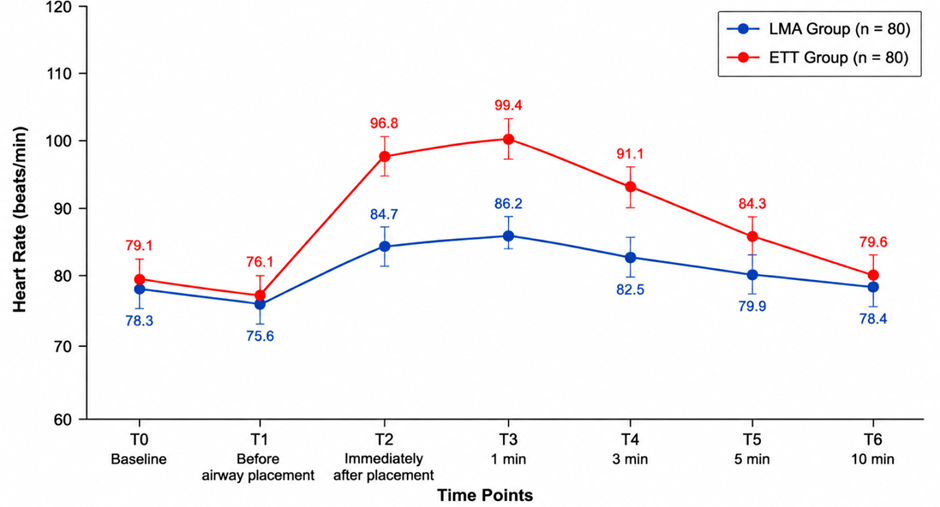
Figure 1. Serial changes in heart rate following laryngeal mask airway insertion and endotracheal intubation
Figure 1 demonstrates comparable baseline heart rates between the LMA and ETT groups. Following airway placement, heart rate increased in both groups, but the increase was markedly greater in the ETT group. The peak response occurred at 1 minute, reaching 99.4 beats/min in the ETT group compared with 86.2 beats/min in the LMA group. Thereafter, heart rate gradually declined in both groups and approached baseline values by 10 minutes. The findings demonstrate a significantly attenuated haemodynamic response with LMA insertion compared with endotracheal intubation, particularly during the first 5 minutes after airway placement.
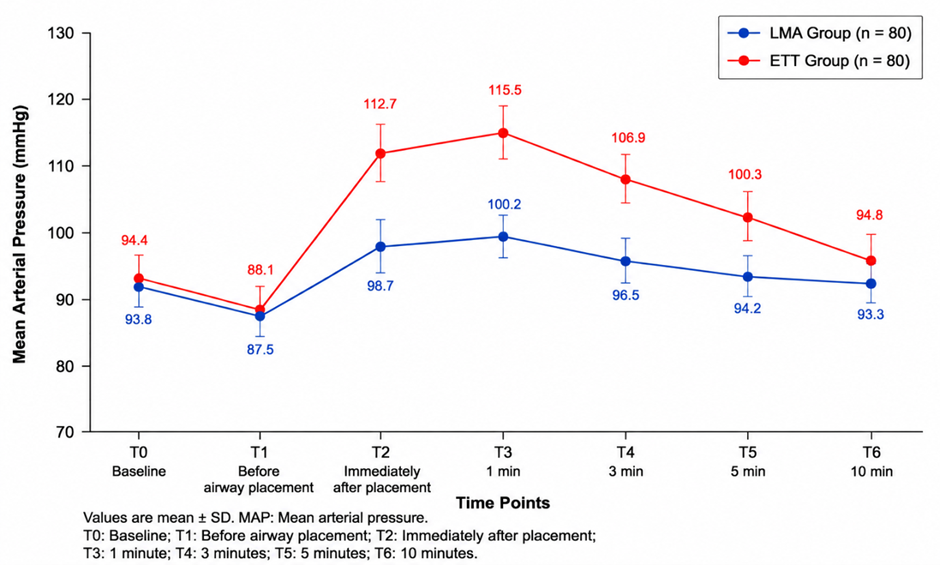
Figure 2. Changes in mean arterial pressure following laryngeal mask airway insertion and endotracheal intubation
Figure 2 shows comparable baseline mean arterial pressure (MAP) between the LMA and ETT groups. After airway placement, MAP increased in both groups; however, the rise was substantially greater following endotracheal intubation. The maximum response occurred at 1 minute, when MAP reached115.5 mmHg in the ETT group compared with 100.2 mmHg in the LMA group. Thereafter, MAP progressively decreased in both groups and approached baseline values by 10 minutes. Overall, the pattern demonstrates amarkedly attenuated pressor response with LMA insertion compared with endotracheal intubation, particularly during the first 5 minutes following airway placement.
DISCUSSION:
The present study compared the haemodynamic response associated with laryngeal mask airway insertion and conventional laryngoscopy followed by endotracheal intubation in 160 patients undergoing elective surgery under general anaesthesia. The principal finding was that both airway techniques produced transient alterations in cardiovascular parameters; however, the magnitude of these changes was significantly greater following endotracheal intubation. Heart rate, systolic blood pressure, diastolic blood pressure, and mean arterial pressure increased more prominently in the ETT group immediately after airway placement and during the first few minutes thereafter. These findings suggest that the laryngeal mask airway provides greater haemodynamic stability during airway establishment in appropriately selected patients.
In the present study, the two groups were comparable with respect to age, sex distribution, body mass index, ASA physical status, duration of surgery, and baseline haemodynamic variables. Therefore, the observed differences following airway placement are unlikely to be explained by major baseline imbalance between the groups. The comparable pre-induction characteristics also strengthen the interpretation that the method of airway instrumentation was an important determinant of the cardiovascular response.
The haemodynamic response to airway manipulation is primarily related to stimulation of the supraglottic, laryngeal, and tracheal structures. Direct laryngoscopy stretches the tissues of the oropharynx and epiglottis, while passage of an endotracheal tube additionally stimulates the larynx and trachea. This afferent stimulation activates sympathetic pathways and may result in catecholamine release, tachycardia, and elevation of arterial pressure. Oczenski et al. demonstrated that different airway devices produce distinct haemodynamic and catecholamine stress responses, confirming that the degree of airway stimulation influences the physiological stress response [10].
Our findings demonstrated that heart rate increased from a baseline value of 79.1 ± 8.8 beats/min to a peak of 99.4 ± 10.8 beats/min at 1 minute after intubation in the ETT group. In comparison, the LMA group showed a relatively modest increase from 78.3 ± 8.6 to 86.2 ± 9.4 beats/min. The between-group difference was highly significant during the early post-placement period. This attenuated response with LMA can be attributed to avoidance of direct laryngoscopy and the absence of an endotracheal tube passing through the vocal cords and remaining in contact with the tracheal mucosa.
A similar pattern was evident for arterial pressure. At 1 minute after airway placement, systolic blood pressure reached 152.1 ± 14.8 mmHg in the ETT group compared with 132.5 ± 12.7 mmHg in the LMA group. Diastolic blood pressure and mean arterial pressure showed corresponding increases, with peak MAP values of 115.5 ± 11.1 and 100.2 ± 9.7 mmHg in the ETT and LMA groups, respectively. Song et al. similarly reported greater fluctuations in HR, SBP, DBP, and MAP following endotracheal intubation than with LMA placement. Their randomized study demonstrated that LMA use was associated with relatively stable haemodynamics, particularly at the time of airway insertion and removal [11].
The temporal pattern observed in our study is also clinically important. The largest haemodynamic differences between the groups occurred immediately after airway placement and at 1 minute, followed by gradual attenuation at 3 and 5 minutes. At 10 minutes, HR and blood pressure had largely returned toward baseline and no statistically significant difference persisted between the groups. This pattern is consistent with the transient nature of the sympathetic response to airway instrumentation. The initial stimulus associated with laryngoscopy and tracheal passage produces acute cardiovascular excitation, which diminishes as the mechanical stimulus decreases and anaesthesia is maintained.
The maximum percentage change from baseline further illustrates the difference between the two airway techniques. The ETT group showed maximum increases of 26.2% in heart rate, 21.9% in systolic blood pressure, 23.6% in diastolic blood pressure, and 22.5% in mean arterial pressure. In contrast, corresponding increases in the LMA group were only 10.4%, 7.2%, 8.0%, and 7.6%, respectively. These findings indicate that LMA insertion results in a substantially lower cardiovascular stress response than endotracheal intubation.
Barreira et al. conducted a prospective randomized trial evaluating the LMA Supreme in patients undergoing general anaesthesia and reported that the device was safe and effective, with advantages that included a smaller haemodynamic response during airway management and a lower incidence of early postoperative pharyngolaryngeal symptoms compared with tracheal intubation [12]. These findings are consistent with the current results and support the use of a supraglottic airway when clinically appropriate.
The clinical relevance of attenuating the pressor response is particularly important in patients in whom sudden increases in heart rate or arterial pressure may be undesirable. Although the present study primarily included ASA I and II patients and serious haemodynamic complications were not observed, abrupt tachycardia and hypertension may be less well tolerated in patients with coronary artery disease, systemic hypertension, cerebrovascular disease, aneurysmal disease, or other conditions in which increased myocardial oxygen demand or arterial pressure could have adverse consequences. Thus, the smaller haemodynamic response associated with the LMA may offer a clinically meaningful advantage in selected populations, although airway protection and surgical requirements must always remain central to device selection.
The present study additionally demonstrated a significantly shorter airway placement time with LMA. Mean placement time was 21.8 ± 5.6 seconds compared with 31.4 ± 7.2 seconds for endotracheal intubation. The difference is physiologically plausible because conventional tracheal intubation requires laryngoscopy, visualization of the glottis, passage of the tube through the vocal cords, cuff inflation, and confirmation of correct placement. LMA insertion generally avoids direct visualization of the vocal cords and can therefore be accomplished with fewer procedural steps.
First-attempt success was also numerically higher in the LMA group, although the difference did not reach statistical significance. Successful first-attempt placement occurred in 93.8% of patients receiving LMA compared with 87.5% undergoing endotracheal intubation. These findings indicate that both techniques provided reliable airway establishment in appropriately selected patients. Consequently, the haemodynamic benefit observed with LMA in the present study was not achieved at the expense of clinically important difficulty in airway placement.
An additional finding was the lower occurrence of postoperative airway-related morbidity in patients managed with LMA. Coughing during emergence occurred in 7.5% of the LMA group compared with 26.3% of the ETT group. Postoperative sore throat was reported in 8.8% and 23.8%, respectively, while hoarseness occurred in 2.5% of LMA patients compared with 13.8% of ETT patients. A systematic review by van Esch et al. comparing LMA with tracheal intubation reported differences in several airway complications and supported the potential of LMA to reduce selected postoperative airway symptoms [13].
The higher frequency of coughing following endotracheal intubation may be related to irritation of the laryngeal and tracheal mucosa by the endotracheal tube and cuff. In contrast, the LMA rests above the glottis and avoids direct tracheal instrumentation. Similarly, postoperative sore throat and hoarseness may arise from mucosal trauma, pressure exerted by the endotracheal tube cuff, or irritation of the vocal cord structures during intubation and extubation.
Jaensson et al. prospectively compared pharyngolaryngeal symptoms following endotracheal tube and LMA use and found postoperative sore throat and hoarseness to be more frequent after endotracheal intubation. Their reported incidence of postoperative sore throat was 32% after ETT compared with 19% after LMA, while hoarseness occurred in 57% and 33%, respectively [14]. Although the absolute rates differ from those of the present study, probably because of differences in patient characteristics, airway devices, cuff management, surgical procedures, and timing of postoperative assessment, the direction of the effect is consistent.
Gong et al., in a randomized controlled trial involving thyroid surgery, also demonstrated a significantly lower incidence and severity of postoperative sore throat and hoarseness with a flexible reinforced LMA than with an endotracheal tube. Importantly, they additionally observed less fluctuation in heart rate and blood pressure after airway placement with LMA [15]. These findings support both major observations of the current study: attenuated haemodynamic response and reduced postoperative airway morbidity.
Song et al. likewise demonstrated that LMA use during general anaesthesia resulted in less marked haemodynamic disturbance and fewer anaesthetic complications than endotracheal intubation [11]. Their study showed that HR, SBP, DBP, and MAP remained relatively more stable with LMA, particularly during airway insertion and emergence. Taken together, these results suggest that the physiological advantages of avoiding tracheal instrumentation may extend across both the induction and recovery phases of anaesthesia.
Despite these advantages, LMA cannot be regarded as a universal replacement for endotracheal intubation. Endotracheal tubes remain preferable or necessary in situations requiring definitive airway protection, particularly in patients at increased risk of aspiration, patients undergoing procedures associated with significant airway contamination, or circumstances in which high airway pressures or specific ventilatory strategies are anticipated. Therefore, the results of the present study should be interpreted as supporting LMA in appropriately selected elective surgical patients rather than suggesting its indiscriminate use.
Another important aspect of the present findings is that oxygenation was satisfactory with both devices. Episodes of SpO₂ below 94% during airway placement were uncommon and did not differ significantly between groups. Likewise, serious respiratory events such as laryngospasm and bronchospasm were rare. Thus, within the selected ASA I–II population, both techniques provided clinically acceptable airway control, while the LMA offered the additional benefits of a smaller pressor response and lower incidence of selected pharyngolaryngeal adverse effects.
The current findings are strengthened by the relatively large sample of 160 patients, equal allocation between groups, standardized anaesthetic technique, and serial measurement of haemodynamic parameters from baseline through 10 minutes after airway placement. Assessment at multiple predefined time points allowed characterization not only of the magnitude but also of the duration of the haemodynamic response. Evaluation of airway placement characteristics and postoperative complications provided additional information beyond the primary haemodynamic outcome.
Nevertheless, certain limitations should be acknowledged. First, the study included predominantly low-risk ASA I and II adults undergoing elective procedures; therefore, the findings cannot automatically be generalized to patients with severe cardiovascular disease, morbid obesity, anticipated difficult airway, emergency surgery, or a high risk of aspiration. Second, blinding of the anaesthesiologist performing airway insertion was not feasible because of the obvious differences between the two techniques. Third, haemodynamic response may be influenced by several factors, including anaesthetic depth, opioid dose, duration of laryngoscopy, operator experience, airway-device size, cuff pressure, and individual autonomic response. Although the anaesthetic protocol was standardized, complete elimination of these influences is difficult.
Furthermore, the present study assessed routine haemodynamic variables rather than biochemical markers of sympathetic activation. Measurement of plasma catecholamine concentrations or other stress biomarkers could provide more direct evidence of the neuroendocrine response to airway manipulation. Future studies could therefore integrate haemodynamic measurements with biochemical markers and include high-risk cardiovascular populations to determine whether the attenuated pressor response associated with LMA translates into measurable clinical benefit.
In summary, the present study demonstrates that laryngeal mask airway insertion causes a substantially smaller haemodynamic response than direct laryngoscopy and endotracheal intubation. The differences were most evident immediately after airway placement and at 1–3 minutes, during which heart rate, systolic blood pressure, diastolic blood pressure, and mean arterial pressure were significantly higher in patients undergoing endotracheal intubation. LMA placement was also faster and was associated with less coughing, postoperative sore throat, and hoarseness. These findings support the use of the laryngeal mask airway as an effective alternative to endotracheal intubation in appropriately selected patients when minimization of airway-induced cardiovascular stimulation is desirable.
CONCLUSION:
Laryngeal mask airway insertion was associated with a significantly lower haemodynamic response compared with conventional laryngoscopy and endotracheal intubation in patients undergoing elective surgery under general anaesthesia. The increases in heart rate, systolic blood pressure, diastolic blood pressure, and mean arterial pressure were markedly greater in the ETT group, particularly during the first 1–5 minutes after airway placement. In addition, LMA placement required less time and was associated with a lower incidence of coughing, postoperative sore throat, and hoarseness. Both airway techniques provided effective airway management with a low incidence of serious complications. Therefore, in appropriately selected patients, the laryngeal mask airway may be a preferable alternative when minimizing airway-related cardiovascular stimulation and improving haemodynamic stability are important clinical considerations.
REFERENCES:
1. Forbes AM, Dally FG. Acute hypertension during induction of anaesthesia and endotracheal intubation in normotensive man. Br J Anaesth. 1970;42(7):618-624. doi:10.1093/bja/42.7.618.
2. Fox EJ, Sklar GS, Hill CH, Villanueva R, King BD. Complications related to the pressor response to endotracheal intubation. Anesthesiology. 1977;47(6):524-525. doi:10.1097/00000542-197712000-00013.
3. Hickey S, Cameron AE, Asbury AJ. Cardiovascular response to insertion of Brain's laryngeal mask. Anaesthesia. 1990;45(8):629-633. doi:10.1111/j.1365-2044.1990.tb14384.x.
4. Braude N, Clements EAF, Hodges UM, Andrews BP. The pressor response and laryngeal mask insertion: a comparison with tracheal intubation. Anaesthesia. 1989;44(7):551-554. doi:10.1111/j.1365-2044.1989.tb11439.x.
5. Wood MLB, Forrest ETS. The haemodynamic response to the insertion of the laryngeal mask airway: a comparison with laryngoscopy and tracheal intubation. ActaAnaesthesiol Scand. 1994;38(5):510-513. doi:10.1111/j.1399-6576.1994.tb03938.x.
6. Akbar AN, Muzi M, Lopatka CW, Ebert TJ. Neurocirculatory responses to intubation with either an endotracheal tube or laryngeal mask airway in humans. J ClinAnesth. 1996;8(3):194-197. doi:10.1016/0952-8180(95)00228-6.
7. Bhatt SB, Kendall AP, Lin ES, Oh TE. Resistance and additional inspiratory work imposed by the laryngeal mask airway: a comparison with tracheal tubes. Anaesthesia. 1992;47(4):343-347.
8. Zaman B, Noorizad S, Safari S, JavadiLarijani SMH, SeyedSiamdoust SA. Efficacy of laryngeal mask airway compared to endotracheal tube: a randomized clinical trial. Anesth Pain Med. 2022;12(1). doi:10.5812/aapm.120478.
9. Kang SH, Park M. Comparison of early postoperative recovery between laryngeal mask airway and endotracheal tube in laparoscopic cholecystectomy: a randomized trial. Medicine (Baltimore). 2019;98(25). doi:10.1097/MD.0000000000016022.
10. Oczenski W, Krenn H, Dahaba AA, Binder M, El-Schahawi-Kienzl I, Jellinek H, et al. Hemodynamic and catecholamine stress responses to insertion of the Combitube, laryngeal mask airway or tracheal intubation. AnesthAnalg. 1999;88(6):1389-1394. doi:10.1097/00000539-199906000-00035.
11. Song Z, Tan J, Fang J, Bian Q, Gu L. Comparison of laryngeal mask airway and endotracheal intubation in gynecological cancer operation. OncolLett. 2019;17(2):2344-2350. doi:10.3892/ol.2018.9813.
12. Barreira SR, Souza CM, Fabrizia F, Azevedo AB, Lelis TG, Lutke C. Prospective, randomized clinical trial of laryngeal mask airway Supreme used in patients undergoing general anesthesia. Rev Bras Anestesiol. 2013;63(6):456-460.
13. vanEsch BF, Stegeman I, Smit AL. Comparison of laryngeal mask airway vs tracheal intubation: a systematic review on airway complications. J ClinAnesth. 2017;36:142-150. doi:10.1016/j.jclinane.2016.10.004.
14. Jaensson M, Gupta A, Nilsson U. Gender differences in sore throat and hoarseness following endotracheal tube or laryngeal mask airway: a prospective study. BMC Anesthesiol. 2014;14:56.
15. Gong Y, Xu X, Wang J, Che L, Wang W, Yi J. Laryngeal mask airway reduces incidence of post-operative sore throat after thyroid surgery compared with endotracheal tube: a single-blinded randomized controlled trial. BMC Anesthesiol. 2020;20:16. doi:10.1186/s12871-020-0932-2.