Serum C-Reactive Protein Level as a Prognostic Marker for Treatment Duration in Patients With Acute Cholecystitis Managed Conservatively.
- Harshita Gupta , MBBS, MS General Surgery Resident, Sri Aurobindo Institute of Medical Sciences Indore MP.
- Arpita Chouhan , MBBS, MS General Surgery Resident ,Sri Aurobindo Institute of Medical Sciences Indore MP.
- Manoj Kela , MS, Professor, HOD and Head of Unit, Department of General Surgery, Sri Aurobindo Institute of Medical Sciences Indore.
Article Information:
Abstract:
Background: Acute cholecystitis is a common inflammatory condition with variable response to conservative treatment. Serum C-reactive protein (CRP) reflects the degree of systemic inflammation and disease severity. Higher CRP levels may be associated with prolonged treatment and hospitalization. This study evaluated the prognostic value of serum CRP in predicting treatment duration in conservatively managed acute cholecystitis. Methods: This single-centre, hospital-based observational study included 60 adults with acute cholecystitis treated conservatively in the Department of General Surgery, Sri Aurobindo Medical College and Postgraduate Institute, Indore, from June 2023 to November 2024. Demographic, clinical, laboratory and imaging data were recorded. Admission CRP levels were compared across treatment-duration categories of <5 days, 5–10 days and >10 days. One-way analysis of variance was applied, with p<0.05 considered statistically significant. Results: Of 60 patients, 42 (70.0%) were female and 26 (43.3%) were aged 41–60 years. Acute calculouscholecystitis was present in 35 patients (58.3%). Elevated CRP (≥1 mg/dL) was observed in 35 patients (58.3%), while leukocytosis was present in 22 (36.7%). Raised SGOT, SGPT and alkaline phosphatase occurred in 40.0%, 28.3% and 26.7% of patients, respectively, at admission. Conservative treatment lasted <5 days in 22 patients (36.7%), 5–10 days in 36 (60.0%) and >10 days in 2 (3.3%). Mean admission CRP increased from 0.68±0.48 mg/dL to 8.06±10.09 mg/dL and 183.00±56.57 mg/dL across these groups, respectively (F=260.396; p=0.001). Conclusion: Higher admission CRP was significantly associated with longer conservative-treatment duration and may serve as a simple prognostic marker for early risk stratification. Larger prospective studies are required to validate clinically useful thresholds.
Keywords:
Article :
INTRODUCTION:
Acute cholecystitis is an acute inflammatory disorder of the gallbladder and one of the most frequent complications of gallstone disease. In most patients, the condition develops following persistent obstruction of the cystic duct by a gallstone, resulting in gallbladder distension, mucosal injury, local inflammation and, in some cases, secondary bacterial infection. Patients commonly present with right upper-quadrant abdominal pain, fever, nausea, vomiting and a positive Murphy’s sign. According to the Tokyo Guidelines 2018, the diagnosis is established through a combination of local signs of inflammation, systemic inflammatory findings and characteristic imaging abnormalities. These guidelines classify acute cholecystitis as Grade I, Grade II or Grade III according to the extent of local inflammation, duration of symptoms, white blood cell count and presence of organ dysfunction [1]. This severity classification has demonstrated associations with mortality, hospital length of stay, conversion to open surgery and healthcare costs.
Early laparoscopic cholecystectomy is currently considered the preferred definitive treatment for most surgically fit patients with acute calculouscholecystitis. The Tokyo Guidelines and World Society of Emergency Surgery guidelines recommend early surgery when appropriate expertise and clinical resources are available [2,3]. Nevertheless, immediate surgery may not be feasible in patients with substantial comorbidities, advanced age, poor physiological reserve, delayed presentation or limited access to emergency surgical services. In such circumstances, conservative management may be selected as an initial or bridging treatment. This approach usually includes bowel rest, intravenous fluids, analgesia, antiemetic therapy, antibiotics when infection is suspected and close clinical observation. Gallbladder drainage or emergency surgery may subsequently be required when symptoms fail to resolve or the patient’s condition deteriorates [2-4].
Although conservative treatment can achieve initial clinical resolution in a substantial proportion of selected patients, the response is variable. Some patients improve rapidly and can be discharged after a short period of treatment, whereas others require prolonged intravenous therapy, extended hospitalization, percutaneous cholecystostomy or unplanned surgery. Older age, diabetes mellitus, tachycardia, fever, marked leukocytosis, gallbladder distension and increased gallbladder-wall thickness have been reported as predictors of conservative-treatment failure [5]. A recent systematic review similarly identified clinical, biochemical and imaging factors associated with persistent or recurrent symptoms after non-operative management [6]. However, these factors do not always provide a simple quantitative estimate of the expected duration of treatment at the time of admission.
C-reactive protein is an acute-phase protein synthesized predominantly by hepatocytes in response to inflammatory cytokines, particularly interleukin-6. Its circulating concentration increases rapidly following tissue injury, inflammation or infection, while its relatively constant plasma half-life means that the serum level is principally determined by the rate of synthesis and intensity of the underlying inflammatory stimulus [7]. CRP is inexpensive, widely available and routinely measured in emergency and surgical practice. Unlike a single leukocyte count, which may be influenced by medication, bone-marrow function and physiological stress, CRP can provide an objective representation of the cumulative systemic inflammatory response, although it remains nonspecific and must be interpreted alongside the clinical and imaging findings.
Several studies have investigated CRP as a diagnostic and prognostic marker in acute cholecystitis. Beliaev et al. reported that CRP had better discriminatory performance than white blood cell count for identifying several histopathological forms of acute cholecystitis [8]. Gurbulak et al. demonstrated that increasing CRP concentrations were associated with greater disease severity and proposed CRP as a potentially useful adjunct to the Tokyo severity-grading system [9].
Higher CRP values have also been associated with gangrenous cholecystitis, advanced local inflammation, difficult laparoscopic dissection and conversion from laparoscopic to open surgery [10,11]. In a prospective cohort of 556 patients, Bouassida et al. found that CRP performed better than white blood cell count and the neutrophil-to-lymphocyte ratio in predicting advanced acute cholecystitis and was independently associated with conversion to open surgery [11]. Inflammation-based measures incorporating CRP and serum albumin have also shown complementary value in predicting disease severity [12].
Despite this evidence, most previous research has focused on diagnosing severe inflammation, predicting gangrene or anticipating operative difficulty. Comparatively less attention has been given to whether the CRP concentration measured at admission can estimate the time required for clinical recovery among patients receiving conservative management. Vural et al. reported an association between serum CRP level, treatment duration and hospital stay in conservatively treated patients with acute cholecystitis [13]. However, the available evidence remains limited, and the relationship requires further evaluation because treatment duration may also be affected by age, comorbidities, disease grade, antibiotic practices, imaging findings and institutional discharge policies.
Identification of a readily available admission biomarker capable of predicting treatment duration could improve early risk stratification, counselling of patients and relatives, allocation of hospital beds and decisions regarding escalation to drainage or surgical intervention. Therefore, evaluating the prognostic value of admission serum CRP in conservatively managed acute cholecystitis is clinically relevant. The present study aims to determine whether the serum CRP level recorded at hospital admission is associated with the duration of conservative treatment and length of hospitalization and whether it can serve as a practical early predictor of prolonged treatment requirements.
MATERIALS AND METHODS:
Study design and setting
This was a single-centre, hospital-based observational cross-sectional study conducted in the Department of General Surgery, Sri Aurobindo Medical College and Postgraduate Institute, Indore, Madhya Pradesh, India. The study was undertaken from June 2023 to November 2024. It evaluated the association between serum C-reactive protein (CRP) measured at hospital admission and the duration of treatment among adult patients with acute cholecystitis managed conservatively. The study protocol, eligibility criteria and data-collection procedures were defined before patient enrolment.
Study population
Patients aged more than 18 years who were diagnosed with acute cholecystitis and selected for conservative management during the study period were screened for inclusion. Patients of either sex were eligible. Participants were enrolled only after the study had been explained in a language they understood and written informed consent had been obtained from the patient or a legally acceptable representative.
The inclusion criteria were:
1. Age greater than 18 years.
2. Clinical and radiological diagnosis of acute cholecystitis.
3. Selection for conservative management by the treating surgical team.
4. Provision of written informed consent by the patient or legally acceptable representative.
Patients were excluded when they were younger than 18 years; had chronic cholecystitis, an established or suspected gallbladder mass, gallbladder malignancy, or cholelithiasis without evidence of acute cholecystitis; required operative intervention during the index presentation; or declined participation. The analysis was therefore restricted to patients in whom the acute episode was managed without immediate surgical intervention.
Sample size and recruitment
A pragmatic sample size of 60 participants was planned. According to the thesis protocol, this number was based on the expected recruitment of approximately three eligible patients per month during the designated study period. All 60 enrolled patients were included in the final analysis. No additional costs were imposed on patients for study participation; routine treatment, hospitalization and medication expenses were borne according to the prevailing institutional arrangements, while research-related data collection and analysis costs were covered by the investigator.
Diagnosis and clinical assessment
The diagnosis of acute cholecystitis was established using a combination of local clinical findings, evidence of systemic inflammation and compatible radiological findings, in accordance with the Tokyo Guidelines 2018. Local findings included right upper-quadrant abdominal pain, right upper-quadrant tenderness and a positive Murphy’s sign. Systemic inflammatory findings included fever, chills, leukocytosis and elevated inflammatory markers. Imaging evidence supporting the diagnosis included gallbladder abnormalities consistent with acute inflammation and identification of an underlying biliary cause when present.
Abdominal ultrasonography findings were recorded for the study participants. Magnetic resonance cholangiopancreatography findings were also documented when the investigation had been clinically indicated and performed. Acute cholecystitis was categorized as calculous or acalculous on the basis of the clinical and imaging assessment. Disease severity was classified according to the Tokyo Guidelines 2018 severity-grading criteria.
Data collection
Study information was recorded prospectively in a structured, investigator-designed case-report proforma. The proforma included the inpatient identification number, age, sex, clinical features, final diagnosis, serum CRP concentration, white blood cell count, liver-function test results, abdominal ultrasonography findings, magnetic resonance cholangiopancreatography findings when available, and duration of conservative treatment.
Baseline demographic and clinical variables included age, sex, body mass index and relevant comorbidities. Comorbid conditions documented in the thesis included diabetes mellitus, hypertension, thyroid disorders and rheumatological illnesses. Presenting complaints and the findings of the initial physical examination were recorded at admission.
Venous blood samples were obtained as part of the routine admission assessment. Recorded laboratory parameters included haemoglobin, total white blood cell count, serum CRP, aspartate aminotransferase, alanine aminotransferase and alkaline phosphatase. The CRP concentration obtained at admission was treated as the principal prognostic variable for the reported association analysis.
Conservative management and clinical monitoring
Eligible patients received conservative treatment according to the routine clinical practice of the Department of General Surgery. Patients were monitored during hospitalization for improvement or deterioration in their clinical condition. Treatment response was evaluated using the evolution of abdominal symptoms, physical findings, systemic inflammatory manifestations and laboratory parameters. Complications were defined as adverse clinical events arising during conservative management that required additional medical intervention.
Patients who required surgical intervention for the management of the acute episode did not meet the eligibility criteria for the conservatively treated study cohort. Treatment was continued until satisfactory clinical improvement was achieved, as determined by the treating surgical unit.
Exposure and outcome measures
The primary exposure variable was serum CRP concentration measured at hospital admission and expressed in mg/dL. The principal outcome was the duration of conservative treatment, recorded in days. For analysis, treatment duration was categorized into three clinically defined groups:
• Less than 5 days
• 5–10 days
• More than 10 days
These categories were used to compare admission CRP concentrations between patients with relatively short, intermediate and prolonged treatment requirements. The thesis reported that 22 patients received treatment for less than 5 days, 36 for 5–10 days and two for more than 10 days.
Secondary descriptive variables included age distribution, sex, clinical presentation, type of acute cholecystitis, white blood cell count, liver-enzyme concentrations and length of hospital stay. Complications occurring during conservative management were also recorded.
Statistical analysis
Data were checked, coded and entered into Microsoft Excel 2016. Statistical analysis was performed using IBM SPSS Statistics, version 22.0. Categorical variables were summarized as frequencies and percentages. Continuous variables were summarized using the mean and standard deviation.
The principal analysis compared the mean admission CRP concentration across the three treatment-duration categories. One-way analysis of variance was used to test whether the mean CRP level differed significantly among patients treated for less than 5 days, 5–10 days and more than 10 days. The resulting F statistic and corresponding p-value were reported. A two-sided p-value of less than 0.05 was considered statistically significant. Results were presented using tables and appropriate graphical displays. The thesis reported the association using the complete dataset of 60 participants.
Ethical considerations
The study protocol was reviewed and approved by the Institutional Ethics Committee of Sri Aurobindo Medical College and Postgraduate Institute before commencement of participant enrolment. The ethics approval document was dated 10 July 2023. Written informed consent was obtained from every participant or legally acceptable representative before inclusion. Participation was voluntary, and patients retained the right to withdraw without affecting their ongoing medical care or legal rights. Patient identities and clinical information were kept confidential, and study data were used only for scientific purposes. The study was conducted in accordance with applicable institutional ethical requirements and the principles governing research involving human participants.
RESULTS:
A total of 60 adult patients with acute cholecystitis who underwent conservative management were included in the analysis. The results are presented according to demographic characteristics, clinical diagnosis, admission laboratory profile, treatment duration and the relationship between admission serum C-reactive protein and duration of conservative therapy. All numerical findings were derived from the submitted thesis.
Most patients were middle-aged. The largest age group was 41–60 years, comprising 26 patients (43.3%), followed by 21–40 years with 20 patients (33.3%). Eleven patients (18.3%) were aged 61–80 years, whereas only three patients were at the extremes of age. A marked female predominance was observed, with 42 women (70.0%) and 18 men (30.0%).
Abdominal pain was documented in all 60 patients. Acute calculouscholecystitis was diagnosed in 35 patients (58.3%), while 25 patients (41.7%) had acute acalculouscholecystitis.
Table 1. Baseline demographic and clinical characteristics of the study population
|
Characteristic |
Category |
Number (n=60) |
Percentage |
|
Age group |
18–20 years |
1 |
1.7 |
|
21–40 years |
20 |
33.3 |
|
|
41–60 years |
26 |
43.3 |
|
|
61–80 years |
11 |
18.3 |
|
|
>80 years |
2 |
3.3 |
|
|
Sex |
Female |
42 |
70.0 |
|
Male |
18 |
30.0 |
|
|
Presenting complaint |
Abdominal pain |
60 |
100.0 |
|
Diagnosis |
Acute calculouscholecystitis |
35 |
58.3 |
|
Acute acalculouscholecystitis |
25 |
41.7 |
Serum CRP was elevated to ≥1 mg/dL in 35 patients (58.3%), whereas 25 patients (41.7%) had CRP concentrations below 1 mg/dL. The mean admission CRP concentration was 10.91 ± 34.15 mg/dL, with a wide range from 0.50 to 223.00 mg/dL, demonstrating substantial variability in the magnitude of systemic inflammation.
The total white blood cell count was within the reference range in 35 patients (58.3%). Leukocytosis exceeding 11,000 cells/µL was present in 22 patients (36.7%), while three patients (5.0%) had a count below 4,500 cells/µL.
Table 2. Distribution of admission inflammatory markers
|
Laboratory parameter |
Category |
Number |
Percentage |
|
Serum CRP |
Normal, <1 mg/dL |
25 |
41.7 |
|
Raised, ≥1 mg/dL |
35 |
58.3 |
|
|
White blood cell count |
Low, <4,500 cells/µL |
3 |
5.0 |
|
Normal, 4,500–11,000 cells/µL |
35 |
58.3 |
|
|
High, >11,000 cells/µL |
22 |
36.7 |
Serum glutamic-oxaloacetic transaminase was elevated above 45 U/L in 24 patients (40.0%), while 36 patients (60.0%) had values within the reference range. Serum glutamic-pyruvic transaminase was elevated above 56 U/L in 17 patients (28.3%). Elevated alkaline phosphatase was found in 16 patients (26.7%), while one patient (1.7%) had a value below the reference range. These findings showed that abnormal hepatic or biliary biochemical parameters were present in a clinically relevant subgroup of patients.
Table 3. Distribution of hepatobiliary biochemical parameters
|
Parameter |
Category |
Number |
Percentage |
|
SGOT |
Low, <8 U/L |
0 |
0.0 |
|
Normal, 8–45 U/L |
36 |
60.0 |
|
|
High, >45 U/L |
24 |
40.0 |
|
|
SGPT |
Low, <7 U/L |
0 |
0.0 |
|
Normal, 7–56 U/L |
43 |
71.7 |
|
|
High, >56 U/L |
17 |
28.3 |
|
|
Alkaline phosphatase |
Low, <44 U/L |
1 |
1.7 |
|
Normal, 44–147 U/L |
43 |
71.7 |
|
|
High, >147 U/L |
16 |
26.7 |
The mean total white blood cell count was 10,386.50 ± 4,930.93 cells/µL, ranging from 3,200 to 27,760 cells/µL. The mean serum total bilirubin concentration was 1.72 ± 2.11 mg/dL, with a maximum value of 11.46 mg/dL. Mean SGPT and alkaline phosphatase concentrations were 69.30 ± 90.76 U/L and 128.78 ± 74.42 U/L, respectively.
Table 4. Admission laboratory parameters in the study population
|
Parameter |
Number |
Mean ± SD |
Range |
|
CRP, mg/dL |
60 |
10.91 ± 34.15 |
0.50–223.00 |
|
White blood cell count, cells/µL |
60 |
10,386.50 ± 4,930.93 |
3,200–27,760 |
|
Total bilirubin, mg/dL |
60 |
1.72 ± 2.11 |
0.21–11.46 |
|
Direct bilirubin, mg/dL |
60 |
0.37 ± 1.06 |
0.00–6.80 |
|
Indirect bilirubin, mg/dL |
60 |
0.78 ± 1.09 |
0.01–7.86 |
|
SGPT, U/L |
60 |
69.30 ± 90.76 |
9.00–470.00 |
|
Alkaline phosphatase, U/L |
60 |
128.78 ± 74.42 |
31.00–447.00 |
Most patients required between 5 and 10 days of conservative treatment. This category included 36 patients (60.0%). Twenty-two patients (36.7%) improved within fewer than five days, while only two patients (3.3%) required treatment for longer than 10 days. Therefore, 58 of the 60 patients (96.7%) completed conservative treatment within 10 days.
Table 5. Duration of conservative treatment
|
Treatment duration |
Number |
Percentage |
|
<5 days |
22 |
36.7 |
|
5–10 days |
36 |
60.0 |
|
>10 days |
2 |
3.3 |
|
Total |
60 |
100.0 |
Admission serum CRP increased progressively across the three treatment-duration categories. Patients treated for fewer than five days had a mean CRP concentration of 0.68 ± 0.48 mg/dL. The corresponding concentration was 8.06 ± 10.09 mg/dL among patients who required 5–10 days of treatment. Patients requiring more than 10 days of treatment had a markedly higher mean admission CRP concentration of 183.00 ± 56.57 mg/dL.
One-way analysis of variance demonstrated a statistically significant difference in mean admission CRP concentrations among the treatment-duration categories, with an F value of 260.396 and a reported p value of 0.001. Thus, higher admission CRP concentrations were associated with longer conservative-treatment duration.
Table 6. Association between admission serum CRP and duration of conservative treatment
|
Treatment duration |
Number |
Admission CRP, mean ± SD, mg/dL |
F value |
p value |
|
<5 days |
22 |
0.68 ± 0.48 |
||
|
5–10 days |
36 |
8.06 ± 10.09 |
260.396 |
0.001 |
|
>10 days |
2 |
183.00 ± 56.57 |
One-way analysis of variance was applied. A two-sided p value <0.05 was considered statistically significant. CRP, C-reactive protein; SD, standard deviation.
The principal finding was the stepwise increase in admission CRP with increasing treatment duration. However, the group treated for more than 10 days contained only two patients. The thesis did not report post-hoc pairwise comparisons, confidence intervals, effect sizes, receiver-operating-characteristic analysis or multivariable adjustment; therefore, these statistics have not been added.
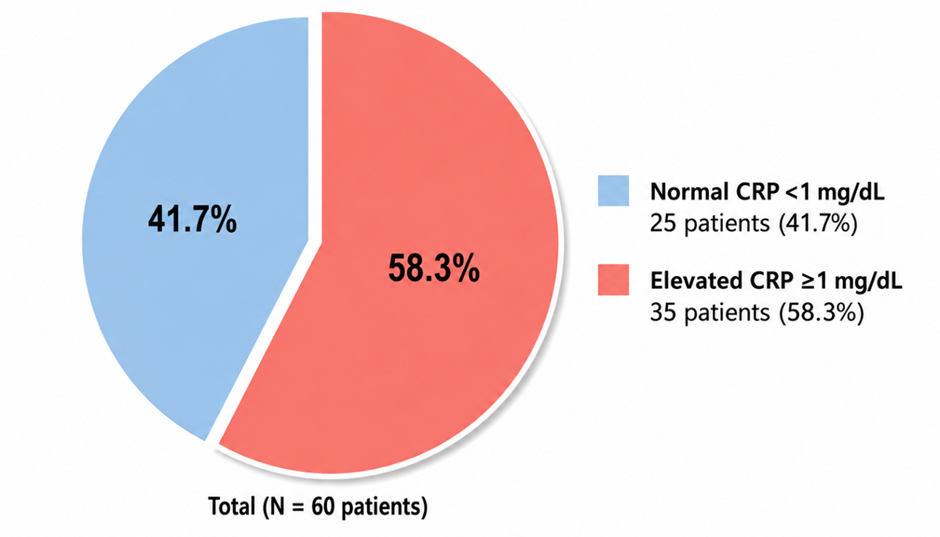
Figure 1. Distribution of normal and elevated admission serum C-reactive protein levels among conservatively managed patients with acute cholecystitis.
Figure 1 illustrates the distribution of admission serum C-reactive protein levels among 60 patients with acute cholecystitis who were managed conservatively.Elevated CRP concentrations of ≥1 mg/dL were observed in 35 patients (58.3%), whereas 25 patients (41.7%) had normal CRP concentrations of <1 mg/dL. Thus, more than half of the study population demonstrated an elevated systemic inflammatory response at the time of admission. This finding indicates that raised admission CRP was common among conservatively managed patients and supports its assessment as a potential marker of inflammatory burden and subsequent treatment requirements.
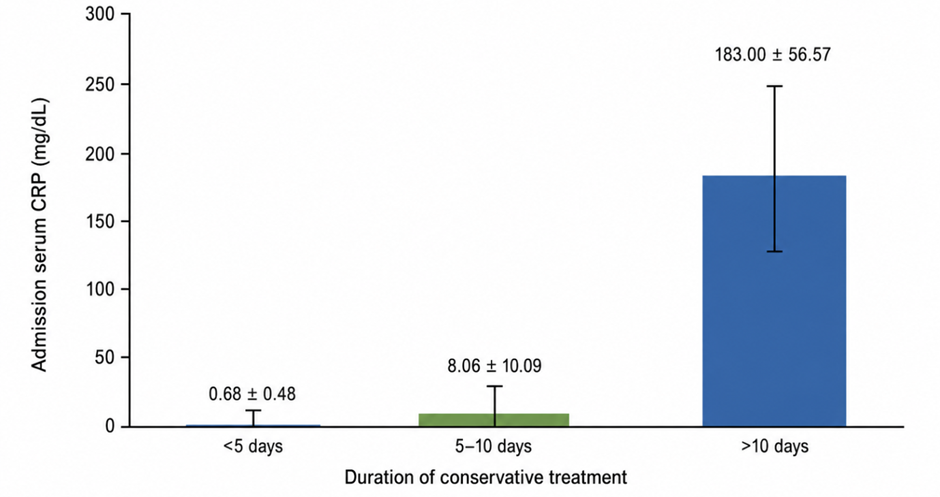
Figure 2. Mean admission serum C-reactive protein concentration according to the duration of conservative treatment. Error bars represent standard deviations
Figure 2 depicts the mean admission serum C-reactive protein (CRP) concentration in relation to the duration of conservative treatment among patients with acute cholecystitis. The figure shows a clear stepwise rise in CRP levels with increasing treatment duration. Patients treated for fewer than 5 dayshad the lowest mean admission CRP (0.68 ± 0.48 mg/dL), whereas those treated for 5–10 days had a higher mean CRP (8.06 ± 10.09 mg/dL). The highest CRP concentration was observed in patients requiring more than 10 days of treatment (183.00 ± 56.57 mg/dL). The error bars represent standard deviations and indicate variability within each treatment-duration group. Overall, the figure demonstrates that higher admission CRP levels were associated with a longer duration of conservative treatment, supporting the role of CRP as a useful indicator of inflammatory severity and a potential prognostic marker in conservatively managed acute cholecystitis.
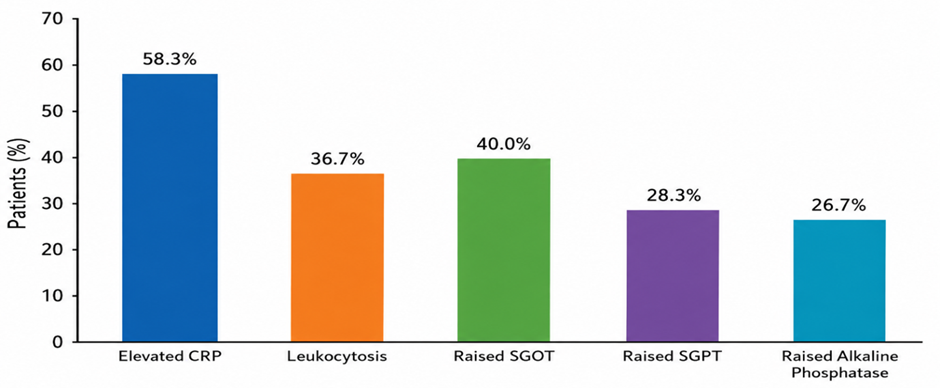
Figure 3. Comparison of admission inflammatory and hepatobiliary abnormalities in the study cohort
Figure 3 compares the frequencies of key admission inflammatory and hepatobiliary abnormalities among the 60 patients included in the study cohort.Elevated C-reactive protein was the most common abnormality, present in 58.3% of patients. This was followed by raised SGOT in 40.0%, leukocytosis in 36.7%, raised SGPT in 28.3%,andraised alkaline phosphatase in 26.7% of patients. The figure demonstrates that inflammatory abnormalities, particularly elevated CRP, were more frequent than hepatobiliary enzyme derangements at admission. Overall, these findings suggest that systemic inflammation was a prominent feature in conservatively managed acute cholecystitis, while liver enzyme abnormalities were present in a smaller but clinically relevant proportion of patients.
DISCUSSION:
The present study evaluated the relationship between admission serum C-reactive protein (CRP) and the duration of conservative treatment in 60 adults with acute cholecystitis. The principal finding was a marked, statistically significant increase in admission CRP across progressively longer treatment-duration categories. Mean CRP was 0.68 ± 0.48 mg/dL in patients treated for fewer than five days, 8.06 ± 10.09 mg/dL in those treated for 5–10 days and 183.00 ± 56.57 mg/dL in patients requiring more than 10 days of treatment. The difference between the groups was statistically significant (F=260.396; p=0.001). These findings suggest that the inflammatory burden at admission is closely associated with the subsequent duration of conservative therapy. However, because the analysis was unadjusted and only two patients belonged to the group treated for more than 10 days, CRP should be interpreted as a potential prognostic marker rather than an independently established predictor.
Most patients were middle-aged, with 43.3% belonging to the 41–60-year age group and a further 33.3% aged 21–40 years. This distribution is consistent with the progressive accumulation of gallstone-related and metabolic risk factors during adulthood. A recent systematic review and meta-analysis involving more than 32 million individuals reported that gallstone prevalence increased with advancing age and was higher among women than men [14]. Therefore, the predominance of middle-aged adults in the present cohort is epidemiologically plausible. Nevertheless, the current study included only patients selected for conservative treatment and should not be interpreted as representing the age distribution of all patients with acute cholecystitis.
A substantial female predominance was observed, with women accounting for 70.0% of the cohort. Female sex is an established risk factor for gallstone disease, partly because oestrogen increases biliary cholesterol secretion, while progesterone may reduce gallbladder motility. The global meta-analysis by Wang et al. reported a higher pooled prevalence of gallstones in women than in men [14]. The sex distribution in the present study therefore supports the known epidemiological pattern of gallstone-related disease. However, sex-specific differences in CRP concentration, disease severity or treatment duration were not assessed. Future studies should determine whether the prognostic relationship between CRP and treatment duration remains consistent in both sexes.
All patients presented with abdominal pain, reinforcing its central role in the clinical presentation of acute cholecystitis. Right upper-quadrant pain and tenderness are important local inflammatory features, but they are not sufficiently specific to establish the diagnosis in isolation. Current clinical evidence supports combining symptoms and physical findings with systemic inflammatory markers and imaging abnormalities [15]. The universal occurrence of abdominal pain in the present cohort may also reflect the eligibility process, through which symptomatic patients admitted under the surgical service were selected. Consequently, the study cannot determine the diagnostic sensitivity of abdominal pain because patients without this symptom were not represented.
Acute calculouscholecystitis accounted for 58.3% of cases, while 41.7% were classified as acute acalculouscholecystitis. The proportion of acalculous disease was considerably higher than that generally described in unselected populations, where it usually represents approximately 5–10% of acute cholecystitis and is particularly associated with critical illness [15]. This discrepancy may reflect the characteristics of the conservatively managed cohort, local referral patterns or the way the diagnostic categories were recorded in the thesis. It may also indicate that the category described as “acute acalculouscholecystitis” included patients in whom stones were not visualised on initial imaging. Confirmation through detailed ultrasonographic, computed-tomographic or histopathological information would be necessary before drawing firm conclusions regarding the unexpectedly high proportion of acalculous cases.
Admission CRP was elevated to at least 1 mg/dL in 58.3% of patients, and the overall mean was 10.91 ± 34.15 mg/dL. The very large standard deviation and range of 0.50–223.00 mg/dL demonstrate marked heterogeneity in inflammatory activity. This variation is biologically relevant because acute cholecystitis ranges from uncomplicated gallbladder inflammation to transmural necrosis, gangrene, abscess formation and systemic infection. Previous studies have consistently shown that increasing CRP is associated with more advanced inflammation and greater procedural difficulty. In a prospective Indian study, admission CRP above 3.6 mg/dL was a strong predictor of conversion or failure of early laparoscopic cholecystectomy, while CRP, leukocyte count and alkaline phosphatase were associated with histopathological severity [16].
Menéndez-Sánchez et al. similarly reported that the combination of elevated CRP, leukocytosis and gallbladder-wall thickening was associated with unfavourable clinical and histological findings and a greater requirement for urgent surgery [17]. Mahmood et al. found that CRP predicted complicated acute cholecystitis with an area under the receiver-operating-characteristic curve of 0.773; a threshold of 55 mg/L provided 73.9% sensitivity and 73.1% specificity [18]. These studies investigated disease severity and operative outcomes rather than the duration of conservative treatment, but they provide a plausible explanation for the present results. A high admission CRP may indicate greater tissue injury, more extensive gallbladder-wall inflammation or complications that require a longer period of antibiotics, analgesia, intravenous fluids and clinical observation.
The observed increase in CRP across treatment-duration groups also agrees with the study by Vural et al., previously cited as reference [13]. They found that patients who failed to improve within three days had higher CRP concentrations than patients with an early response and reported a positive relationship between CRP and hospital stay. The current study extends this observation by demonstrating a stepwise increase in CRP across three treatment-duration categories. Nevertheless, the extreme mean CRP in the group treated for more than 10 days was based on only two observations and could have disproportionately influenced the ANOVA statistic. The absence of post-hoc comparisons also means that the study does not establish which individual treatment groups differed significantly from one another.
Most participants responded within 10 days: 36.7% required fewer than five days and 60.0% required 5–10 days, while only 3.3% remained under treatment for more than 10 days. This generally favourable response supports the feasibility of conservative management in appropriately selected patients. However, treatment duration should not be equated with treatment success because the thesis did not provide information on recurrent biliary events, readmission, interval cholecystectomy or long-term symptom control. Conservative management may resolve the acute inflammatory episode without removing the underlying gallbladder pathology, particularly in calculous disease.
Recent multicentre evidence also demonstrates that treatment failure is influenced by several factors rather than a single inflammatory marker. In a cohort of 508 conservatively treated patients, Yodying et al. reported failure in 21.1%. A high neutrophil percentage-to-albumin ratio, fever and leukocytosis were independent predictors, and most failures occurred within the first 48 hours [19]. These findings indicate that CRP should ideally be interpreted together with clinical observations, comorbidity burden, leukocyte indices, serum albumin and imaging features. A combined prognostic model may provide better discrimination than CRP alone.
Leukocytosis was present in 36.7% of patients, while the mean white blood cell count was 10,386.50 ± 4,930.93 cells/µL. The lower frequency of leukocytosis than elevated CRP may reflect differences in the kinetics of these inflammatory markers. It may also suggest that CRP captures a broader or more sustained inflammatory response than a single leukocyte measurement. The association of leukocytosis with histopathological severity, urgent intervention and conservative-treatment failure reported in previous studies supports its continued use alongside CRP [16,17,19]. Nevertheless, the present study did not directly compare the prognostic performance of CRP and white blood cell count.
Abnormal hepatobiliary biochemical findings were also observed. SGOT was elevated in 40.0% of patients, SGPT in 28.3% and alkaline phosphatase in 26.7%. Such abnormalities may occur because of inflammatory extension, transient biliary obstruction, passage of a stone or associated common bile duct pathology. The finding that most patients had normal SGPT and alkaline phosphatase suggests that substantial ductal obstruction was not universal. At the same time, elevated alkaline phosphatase and CRP have previously been associated with more severe operative and histological findings [16]. Liver-function abnormalities should therefore prompt careful assessment for choledocholithiasis or cholangitis rather than being attributed automatically to uncomplicated gallbladder inflammation.
From a clinical perspective, admission CRP may assist with early counselling, bed planning and the intensity of observation. Patients with low CRP and otherwise favourable clinical and imaging findings may be more likely to improve within a short period. Conversely, a markedly raised CRP should prompt reassessment for severe local inflammation, gangrene, abscess, biliary obstruction or evolving systemic infection. It should not, however, be used as the sole basis for continuing conservative treatment or delaying necessary drainage or surgery. Decisions should remain guided by the complete clinical picture and serial response to therapy.
The study has several limitations. It was a single-centre study with a small sample of 60 participants, limiting external validity. The design was described as cross-sectional, although treatment duration was measured after admission; a prospective cohort design would have been more appropriate for prognostic evaluation. Only two patients required more than 10 days of treatment, resulting in a highly imbalanced outcome distribution. The analysis was limited to one-way ANOVA and did not adjust for age, sex, comorbidities, disease grade, leukocyte count, liver-function abnormalities, imaging findings, antibiotic regimen or complications. Moreover, the thesis did not report receiver-operating-characteristic analysis, an optimal CRP threshold, confidence intervals, post-hoc comparisons or external validation. The reported CRP units and extreme values should also be verified against the laboratory records because CRP is frequently reported in mg/L rather than mg/dL.
Despite these limitations, the study addresses a clinically relevant and insufficiently investigated question. The strong graded association between admission CRP and treatment duration supports further evaluation of CRP as an accessible prognostic biomarker in conservatively managed acute cholecystitis. Larger prospective multicentre studies should use standardised treatment and discharge criteria, verify assay units, evaluate CRP serially and apply multivariable and receiver-operating-characteristic analyses. Such studies could determine whether CRP independently predicts prolonged treatment and identify a clinically useful threshold for early escalation of care.
CONCLUSION:
Admission serum C-reactive protein was significantly associated with the duration of conservative treatment among patients with acute cholecystitis. Elevated CRP levels of ≥1 mg/dL were observed in 58.3% of the study population. Most patients responded satisfactorily to conservative management, with 96.7% completing treatment within 10 days. However, admission CRP increased markedly across the treatment-duration groups, from 0.68 ± 0.48 mg/dL in patients treated for fewer than five days to 8.06 ± 10.09 mg/dL in those treated for 5–10 days and 183.00 ± 56.57 mg/dL in patients requiring treatment for more than 10 days. This association was statistically significant (p=0.001).
REFERENCES:
1. Yokoe M, Hata J, Takada T, Strasberg SM, Asbun HJ, Wakabayashi G, et al. Tokyo Guidelines 2018: diagnostic criteria and severity grading of acute cholecystitis with videos. J HepatobiliaryPancreat Sci. 2018;25(1):41-54. doi:10.1002/jhbp.515.
2. Okamoto K, Suzuki K, Takada T, Strasberg SM, Asbun HJ, Endo I, et al. Tokyo Guidelines 2018: flowchart for the management of acute cholecystitis. J HepatobiliaryPancreat Sci. 2018;25(1):55-72. doi:10.1002/jhbp.516.
3. Pisano M, Allievi N, Gurusamy K, Borzellino G, Cimbanassi S, Boerna D, et al. 2020 World Society of Emergency Surgery updated guidelines for the diagnosis and treatment of acute calculus cholecystitis. World J Emerg Surg. 2020;15:61. doi:10.1186/s13017-020-00336-x.
4. Loozen CS, Oor JE, van Ramshorst B, van Santvoort HC, Boerma D. Conservative treatment of acute cholecystitis: a systematic review and pooled analysis. SurgEndosc. 2017;31(2):504-515. doi:10.1007/s00464-016-5011-x.
5. Barak O, Elazary R, Appelbaum L, Rivkind A, Almogy G. Conservative treatment for acute cholecystitis: clinical and radiographic predictors of failure. Isr Med Assoc J. 2009;11(12):739-743.
6. Hui YJ, Chen AZL, Pham H, Richardson A, Hollands M, Johnston E, et al. Predictors of failure of conservative management of cholecystitis: a systematic review of the literature. ANZ J Surg. 2025;95(3):304-312. doi:10.1111/ans.19368.
7. Pepys MB, Hirschfield GM. C-reactive protein: a critical update. J Clin Invest. 2003;111(12):1805-1812. doi:10.1172/JCI18921.
8. Beliaev AM, Marshall RJ, Booth M. C-reactive protein has a better discriminative power than white cell count in the diagnosis of acute cholecystitis. J Surg Res. 2015;198(1):66-72. doi:10.1016/j.jss.2015.05.005.
9. Gurbulak EK, Gurbulak B, Akgun IE, Duzkoylu Y, Battal M, Celayir MF, et al. Prediction of the grade of acute cholecystitis by plasma level of C-reactive protein. Iran Red Crescent Med J. 2015;17(4):e28091. doi:10.5812/ircmj.17(4)2015.28091.
10. Mok KWJ, Reddy R, Wood F, Turner P, Ward JB, Pursnani KG, et al. Is C-reactive protein a useful adjunct in selecting patients for emergency cholecystectomy by predicting severe or gangrenous cholecystitis? Int J Surg. 2014;12(7):649-653. doi:10.1016/j.ijsu.2014.05.040.
11. Bouassida M, Zribi S, Krimi B, Laamiri G, Mroua B, Slama H, et al. C-reactive protein is the best biomarker to predict advanced acute cholecystitis and conversion to open surgery: a prospective cohort study of 556 cases. J Gastrointest Surg. 2020;24(12):2766-2772. doi:10.1007/s11605-019-04459-8.
12. Sato N, Kinoshita A, Imai N, Akasu T, Yokota T, Iwaku A, et al. Inflammation-based prognostic scores predict disease severity in patients with acute cholecystitis. Eur J GastroenterolHepatol. 2018;30(4):484-489. doi:10.1097/MEG.0000000000001063.
13. Vural S, Aydin I, Kesicioglu T. Association of serum C-reactive protein level and treatment duration in acute cholecystitis patients treated conservatively. Cureus. 2022;14(2):e22146. doi:10.7759/cureus.22146.
14. Wang X, Yu W, Jiang G, Li H, Li S, Xie L, et al. Global epidemiology of gallstones in the 21st century: a systematic review and meta-analysis. ClinGastroenterolHepatol. 2024;22(8):1586-1595. doi:10.1016/j.cgh.2024.01.051.
15. Gallaher JR, Charles A. Acute cholecystitis: a review. JAMA. 2022;327(10):965-975. doi:10.1001/jama.2022.2350.
16. Teckchandani N, Garg PK, Hadke NS, Jain SK, Kant R, Mandal AK, et al. Predictive factors for successful early laparoscopic cholecystectomy in acute cholecystitis: a prospective study. Int J Surg. 2010;8(8):623-627. doi:10.1016/j.ijsu.2010.05.014.
17. Menéndez-Sánchez P, León-Salinas C, Amo-Salas M, Méndez-Cea B, García-Carranza A. Association of laboratory and radiologic parameters in the diagnosis of acute cholecystitis. Rev GastroenterolMex (Engl Ed). 2019;84(4):449-454. doi:10.1016/j.rgmx.2018.09.001.
18. Mahmood F, Akingboye A, Malam Y, Thakkar M, Jambulingam P. Complicated acute cholecystitis: the role of C-reactive protein and neutrophil-lymphocyte ratio as predictive markers of severity. Cureus. 2021;13(2):e13592. doi:10.7759/cureus.13592.
19. Yodying H, Somtasana K, Toemakharathaworn K. Neutrophil percentage-to-albumin ratio as a predictor of conservative treatment failure in acute cholecystitis: a retrospective cohort study. BMC Surg. 2025;25(1):85. doi:10.1186/s12893-025-02822-y.