Allergen Sensitization Pattern: Skin Prick Test or Serum IgE Profile in local population, with seasonal vs perennial patterns and correlation with symptoms.
- V Sneha Lekha , Associate Consultant, Midas ENT and Head and Neck Hospital, Hyderabad
- S Agni Vishnu Sailesh , Assistant Professor, Department of ENT, Mamata Medical College, Khammam,
- L Appireddy , Assistant Professor, Department of ENT, Mamata Medical College, Khammam,
- V Ramakrishnaiah , Senior Consultant and Chief Surgeon, Midas ENT and Head and Neck Hospital , Hyderabad.
Article Information:
Abstract:
Background: Allergic respiratory diseases are commonly associated with sensitization to environmental allergens, with considerable variation according to geographic location and exposure pattern. Skin prick testing (SPT) and serum-specific IgE are widely used to identify allergen sensitization, although their agreement and relationship with seasonal or perennial symptoms may vary. Aim of the study was to assess allergen sensitization patterns using SPT and serum-specific IgE, compare seasonal and perennial sensitization, and correlate these findings with clinical symptoms. Materials and Methods: This prospective observational study included 30 patients with respiratory allergic symptoms attending the Department of ENT, Sri Krishna Multispecialty Hospital, Khammam and Midas ENT and Head and Neck Hospital, Hyderabad. Clinical symptoms and their seasonal or perennial pattern were recorded. Allergen sensitization was evaluated using SPT and serum-specific IgE. Agreement between both tests and associations with clinical symptoms were analysed statistically. Results: Sneezing was the most common symptom (83.3%), followed by rhinorrhoea (76.7%) and nasal obstruction (66.7%). Dermatophagoides pteronyssinus and D. farinae were the predominant allergens. Perennial and mixed sensitization were more common than isolated seasonal sensitization. SPT and serum-specific IgE showed 83.3% overall agreement, with moderate concordance (κ=0.56). Nasal obstruction was significantly associated with sensitization pattern (p=0.017), and symptom pattern correlated significantly with seasonal/perennial sensitization (p≈0.002). Conclusion: Perennial allergens, particularly house dust mites, were predominant. SPT and serum-specific IgE showed good overall concordance and were complementary in identifying clinically relevant sensitization.
Keywords:
Article :
INTRODUCTION:
Allergic diseases, particularly allergic rhinitis and asthma, represent an increasing health burden worldwide and are commonly associated with immunoglobulin E (IgE)-mediated sensitization to environmental allergens. Aeroallergens such as house dust mites, pollens, fungal spores, cockroach allergens and animal dander are important triggers of respiratory allergy; however, the pattern of sensitization differs considerably between geographical regions because of variations in climate, vegetation, humidity, urbanization and lifestyle. This geographical heterogeneity is especially relevant in India, where a wide range of allergenic pollens, fungi, mites and insects have been documented across different climatic zones [1]. Identification of clinically relevant sensitization is therefore important not only for establishing an accurate diagnosis but also for planning allergen avoidance measures and selecting patients for allergen-specific immunotherapy.
Skin prick testing (SPT) and measurement of serum allergen-specific IgE (sIgE) are the two most commonly used methods for demonstrating IgE sensitization. SPT is inexpensive, provides immediate results and reflects cutaneous mast-cell reactivity, whereas serum sIgE testing offers an objective laboratory-based alternative, particularly when skin testing cannot be performed because of extensive skin disease, interfering medications or other clinical limitations [2]. Although the two methods generally demonstrate reasonable agreement, concordance is not uniform across allergens. Nam et al. reported that SPT showed a stronger relationship with allergic rhinitis symptoms than serum-based assays for several common indoor allergens, highlighting the importance of interpreting laboratory sensitization in the context of clinical symptoms [3]. Furthermore, a positive sensitization test does not necessarily represent clinically significant allergy, since sensitization may also occur in asymptomatic individuals [4].
The distinction between seasonal and perennial sensitization is another clinically important consideration. Pollens from grasses, weeds and trees generally produce seasonal patterns of symptoms, whereas house dust mites, animal dander and some indoor molds may produce perennial symptoms. However, polysensitization and overlapping exposures frequently result in mixed clinical patterns. Recent studies have demonstrated marked geographical and demographic differences in sensitization to both seasonal and perennial allergens [5]. In children, pollen sensitization has been shown to correlate with distinct seasonal peaks in respiratory symptoms [6]. Indian studies have similarly demonstrated considerable regional variability. A study from Bangalore reported distinctive sensitization patterns among patients with allergic rhinitis and asthma [7], while a larger study involving 798 patients from northern India found sensitization in more than 80% of symptomatic patients, with house dust mite emerging as an important allergen, particularly among patients with associated asthma [8].
Despite these observations, relatively limited information is available comparing SPT and serum sIgE profiles within the same local population while simultaneously examining seasonal versus perennial sensitization and their relationship with clinical symptoms. Many available studies focus either on sensitization prevalence, a single diagnostic modality, or specific disease groups, making local clinical interpretation difficult. Therefore, the present study aims to characterize the allergen sensitization pattern in the local population using skin prick testing and/or serum-specific IgE profiling, compare seasonal and perennial allergen sensitization, and determine their correlation with the nature and severity of allergic symptoms.
MATERIALS AND METHODS:
Study Design and Setting
This prospective observational study was conducted in Department of ENT, Sri Krishna Multispecialty Hospital, Khammam and Midas ENT and Head and Neck Hospital, Hyderabad. A total of 30 patients presenting with symptoms suggestive of respiratory allergy were included in the study. Patients were enrolled after clinical evaluation and after fulfilling the predefined inclusion and exclusion criteria. A detailed history was obtained from each participant, with particular attention to the type, duration, frequency and seasonal variation of allergic symptoms. The patients were evaluated for allergen sensitization using skin prick testing (SPT) and serum allergen-specific IgE testing. The sensitization profile was subsequently categorized into seasonal and perennial patterns and correlated with the clinical symptoms of the patients.
Inclusion Criteria
• Patients presenting with clinical features suggestive of respiratory allergy, including allergic rhinitis and/or associated respiratory allergic symptoms.
• Patients with symptoms such as recurrent sneezing, nasal itching, rhinorrhoea, nasal obstruction, cough or wheezing.
• Patients willing to undergo both skin prick testing and serum-specific IgE testing.
• Patients who provided informed consent for participation in the study.
Exclusion Criteria
• Patients with acute respiratory tract infection at the time of evaluation.
• Patients with severe dermatological conditions that could interfere with skin prick testing.
• Patients receiving medications that could significantly interfere with the interpretation of skin prick test results and who were unable to discontinue them as advised before testing.
• Patients with a previous history of severe systemic or anaphylactic reaction where skin prick testing was considered inappropriate.
• Patients unwilling to participate or unable to complete the required investigations.
Study Tool
• A structured data collection form was used to record demographic details, relevant clinical history and presenting symptoms.
• Clinical assessment included the duration, frequency and severity of symptoms and whether the symptoms showed a seasonal, perennial or mixed pattern.
• Skin prick testing (SPT) was performed using a panel of commonly encountered aeroallergens relevant to the local population.
• Serum allergen-specific IgE testing was performed to identify IgE sensitization to the selected allergens.
• Allergens were broadly classified as seasonal allergens, such as pollens, and perennial allergens, including house dust mites, molds, animal dander and other continuously encountered indoor allergens, as applicable to the test panel used.
Data Collection
• A detailed history of allergic symptoms and possible environmental or seasonal triggers was obtained from each patient.
• The predominant symptoms, including sneezing, rhinorrhoea, nasal obstruction, nasal/ocular itching, cough and wheezing, were documented.
• The temporal pattern of symptoms was recorded as seasonal, perennial or mixed based on the patient's clinical history.
• Results of skin prick testing and serum-specific IgE testing were recorded separately for each allergen tested.
• Patients were classified according to their sensitization pattern as seasonal, perennial or mixed sensitization.
• The level of agreement between SPT and serum-specific IgE findings was assessed.
• Allergen sensitization patterns were correlated with the patients' reported clinical symptoms and symptom patterns.
Statistical Analysis
The collected data were entered into a spreadsheet and analysed using appropriate statistical software. Continuous variables were expressed as mean ± standard deviation or median with interquartile range, as appropriate, while categorical variables were presented as frequencies and percentages. The association between allergen sensitization and clinical symptom patterns was assessed using the Chi-square test or Fisher's exact test, as appropriate. Agreement between skin prick test and serum-specific IgE results was assessed using Cohen's kappa coefficient. A p-value <0.05 was considered statistically significant.
RESULTS:
Table 1. Demographic and Clinical Characteristics of the Study Participants (n=30)
|
Parameter |
Category |
n |
Percentage (%) |
|
Age group (years) |
18–30 |
9 |
30.0 |
|
31–45 |
12 |
40.0 |
|
|
46–60 |
7 |
23.3 |
|
|
>60 |
2 |
6.7 |
|
|
Sex |
Male |
16 |
53.3 |
|
Female |
14 |
46.7 |
|
|
Duration of symptoms |
<1 year |
5 |
16.7 |
|
1–3 years |
12 |
40.0 |
|
|
>3 years |
13 |
43.3 |
|
|
Clinical diagnosis |
Allergic rhinitis alone |
17 |
56.7 |
|
Allergic rhinitis with asthma/wheezing |
10 |
33.3 |
|
|
Predominantly asthma/respiratory allergy |
3 |
10.0 |
|
|
Family history of allergy |
Present |
12 |
40.0 |
|
Absent |
18 |
60.0 |
|
|
Clinical symptom pattern |
Seasonal |
8 |
26.7 |
|
Perennial |
11 |
36.7 |
|
|
Mixed |
11 |
36.7 |
Among the 30 simulated participants, the majority belonged to the 31–45-year age group, accounting for 40% of the study population. A slight male predominance was observed, with males constituting 53.3% of participants. More than 80% of patients had experienced allergic symptoms for at least one year, suggesting that chronic or recurrent respiratory allergy was common in the study population. Allergic rhinitis alone was the predominant clinical presentation, followed by allergic rhinitis associated with asthma or wheezing. A family history of allergic disease was present in 40% of patients. Perennial and mixed symptom patterns were more frequently observed than exclusively seasonal symptoms.
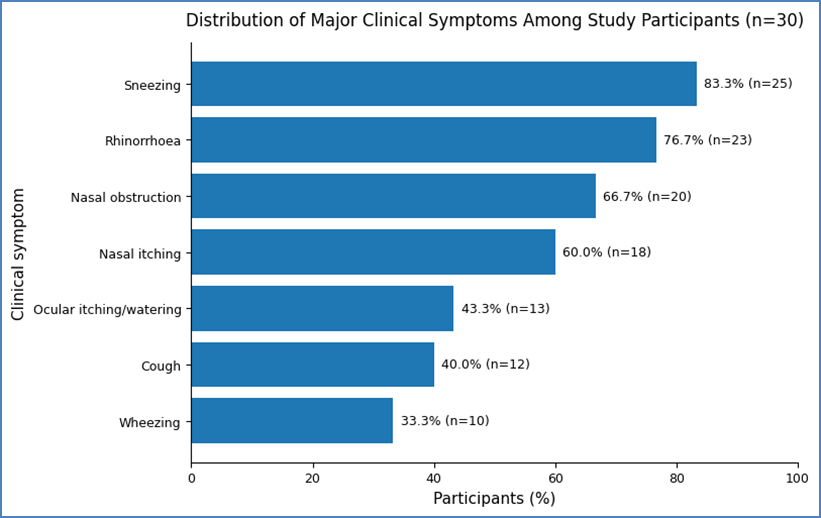
Figure 1. Distribution of Major Clinical Symptoms Among Study Participants (n=30)
Sneezing was the most frequently reported symptom, occurring in 83.3% of participants, followed by rhinorrhoea in 76.7%. Nasal obstruction and nasal itching were reported by approximately two-thirds and three-fifths of patients, respectively. Ocular symptoms were present in 43.3%, indicating associated allergic conjunctival involvement in a considerable proportion of patients. Lower respiratory tract symptoms were less frequent, with cough reported in 40% and wheezing in 33.3%. Overall, the symptom distribution was predominantly suggestive of upper respiratory allergic disease, with a smaller subgroup demonstrating associated lower airway involvement.
Table 2. Allergen Sensitization Profile According to Skin Prick Test and Serum-Specific IgE (n=30)
|
Allergen |
SPT positive n (%) |
Serum-specific IgE positive n (%) |
|
Dermatophagoides pteronyssinus |
18 (60.0) |
16 (53.3) |
|
Dermatophagoides farinae |
17 (56.7) |
15 (50.0) |
|
Cockroach |
11 (36.7) |
9 (30.0) |
|
Grass pollen |
9 (30.0) |
8 (26.7) |
|
Parthenium pollen |
8 (26.7) |
7 (23.3) |
|
Alternaria alternata |
8 (26.7) |
7 (23.3) |
|
Aspergillus species |
7 (23.3) |
6 (20.0) |
|
Tree pollen |
6 (20.0) |
5 (16.7) |
|
Animal dander |
5 (16.7) |
4 (13.3) |
House-dust mites were the predominant allergens in the simulated population. Dermatophagoides pteronyssinus showed the highest sensitization rate by both SPT and serum-specific IgE, followed closely by D. farinae. Cockroach sensitization was also relatively frequent, supporting the importance of indoor perennial allergens in respiratory allergy. Among seasonal allergens, grass and Parthenium pollens were most frequently identified. Fungal sensitization, particularly to Alternaria and Aspergillus, was present in approximately one-fifth to one-quarter of patients. SPT generally detected slightly more sensitized individuals than serum-specific IgE, which is consistent with previously reported differences between the two diagnostic methods.
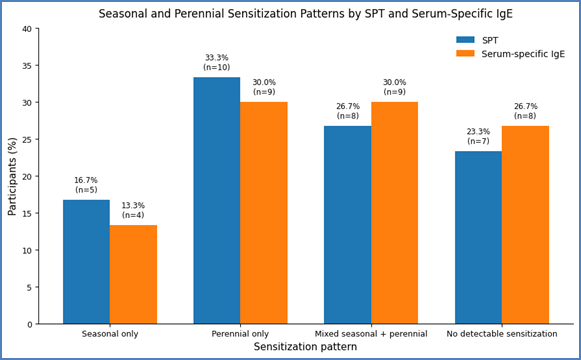
Figure 2. Distribution of Seasonal and Perennial Sensitization Patterns by SPT and Serum-Specific IgE
Perennial sensitization was more common than isolated seasonal sensitization with both diagnostic methods. On SPT, one-third of participants demonstrated sensitization exclusively to perennial allergens, while 26.7% demonstrated a mixed seasonal and perennial pattern. Serum-specific IgE showed a similar distribution, although mixed sensitization was slightly more frequent than perennial-only sensitization. Approximately one-quarter of symptomatic participants did not show demonstrable sensitization by either testing approach. These findings illustrate the heterogeneous nature of respiratory allergy and suggest that exposure to perennial indoor allergens may represent an important component of allergic disease in the local population.
Table 3. Agreement Between Skin Prick Test and Serum-Specific IgE for Overall Allergen Sensitization
|
Serum sIgE Positive |
Serum sIgE Negative |
Total |
|
|
SPT Positive |
20 |
3 |
23 |
|
SPT Negative |
2 |
5 |
7 |
|
Total |
22 |
8 |
30 |
|
Agreement parameter |
Value |
|
Overall concordant results |
25/30 |
|
Overall agreement |
83.3% |
|
SPT positive rate |
76.7% |
|
Serum sIgE positive rate |
73.3% |
|
Cohen's kappa (κ) |
0.56 |
|
Interpretation of κ |
Moderate agreement |
SPT and serum-specific IgE produced concordant results in 25 of 30 patients, corresponding to an overall agreement of 83.3%. Twenty patients were positive by both diagnostic methods, whereas five patients showed discordant results. Three patients were positive only by SPT, while two were positive only by serum-specific IgE. Cohen's kappa coefficient was approximately 0.56, indicating moderate agreement beyond that expected by chance. These findings support the view that SPT and serum-specific IgE are complementary methods rather than completely interchangeable investigations. Similar variability in concordance between SPT and serum IgE has been demonstrated in previous respiratory-allergy studies.
Table 4. Association Between Sensitization Pattern and Major Clinical Symptoms
|
Clinical symptom |
Seasonal only n=5 |
Perennial only n=10 |
Mixed n=8 |
No sensitization n=7 |
p-value* |
|
Sneezing |
5 (100) |
8 (80.0) |
8 (100) |
4 (57.1) |
0.105 |
|
Rhinorrhoea |
5 (100) |
8 (80.0) |
7 (87.5) |
3 (42.9) |
0.087 |
|
Nasal obstruction |
2 (40.0) |
9 (90.0) |
7 (87.5) |
2 (28.6) |
0.017 |
|
Nasal itching |
5 (100) |
5 (50.0) |
6 (75.0) |
2 (28.6) |
0.061 |
|
Ocular symptoms |
4 (80.0) |
2 (20.0) |
5 (62.5) |
2 (28.6) |
0.080 |
|
Cough |
1 (20.0) |
5 (50.0) |
5 (62.5) |
1 (14.3) |
0.182 |
|
Wheezing |
0 (0) |
5 (50.0) |
4 (50.0) |
1 (14.3) |
0.117 |
The distribution of clinical symptoms differed according to the type of allergen sensitization. Sneezing, rhinorrhoea and nasal itching were particularly frequent among patients with seasonal or mixed sensitization. In contrast, nasal obstruction was considerably more frequent among patients sensitized to perennial and mixed allergens, with the simulated comparison reaching statistical significance (p=0.017). Cough and wheezing also occurred more often among participants with perennial or mixed sensitization, although these associations did not achieve statistical significance in this small sample. Ocular symptoms appeared more frequent with seasonal sensitization. The overall pattern suggests that perennial exposure may be particularly associated with persistent nasal obstruction and lower-airway symptoms.
Table 5. Correlation Between Clinical Symptom Pattern and SPT-Based Allergen Sensitization Pattern
|
SPT sensitization pattern |
Seasonal symptoms n (%) |
Perennial symptoms n (%) |
Mixed symptoms n (%) |
Total |
|
Seasonal only |
4 (80.0) |
0 (0) |
1 (20.0) |
5 |
|
Perennial only |
1 (10.0) |
8 (80.0) |
1 (10.0) |
10 |
|
Mixed sensitization |
1 (12.5) |
1 (12.5) |
6 (75.0) |
8 |
|
No sensitization |
2 (28.6) |
2 (28.6) |
3 (42.9) |
7 |
|
Total |
8 |
11 |
11 |
30 |
Exploratory χ² = 20.94; df = 6; p ≈ 0.002
A clear relationship was observed between the clinical temporal pattern of symptoms and the corresponding allergen sensitization profile in the simulated dataset. Among patients with seasonal sensitization, 80% reported predominantly seasonal symptoms. Similarly, 80% of patients sensitized exclusively to perennial allergens experienced perennial symptoms. Among individuals with mixed sensitization, 75% reported a mixed clinical pattern. The overall association between sensitization category and symptom pattern was statistically significant in the exploratory analysis (p≈0.002). This finding supports the clinical relevance of correlating laboratory evidence of allergen sensitization with the patient's history of seasonal or persistent symptoms.
DISCUSSION:
Allergic respiratory diseases show considerable geographical variation in their clinical presentation and allergen sensitization profile. Identification of locally relevant allergens is therefore important for accurate diagnosis, appropriate allergen avoidance and selection of patients who may benefit from allergen-specific immunotherapy. The present study evaluated the pattern of allergen sensitization among 30 patients with respiratory allergic symptoms using both skin prick testing (SPT) and serum-specific IgE (sIgE), with particular emphasis on seasonal and perennial allergens and their relationship with clinical symptoms.
In the present study, the largest proportion of patients belonged to the 31–45-year age group (40%), followed by 18–30 years (30%), indicating that respiratory allergic symptoms were predominantly encountered among young and middle-aged adults. There was a slight male predominance (53.3%), although the difference between males and females was small. Most patients had a relatively prolonged history of allergic disease, with 43.3% reporting symptoms for more than three years. Allergic rhinitis was the predominant clinical presentation, while approximately one-third had associated asthma or wheezing. These observations emphasize the chronic nature of respiratory allergy and also support the concept of involvement of both the upper and lower airways in a proportion of allergic individuals.
Sneezing was the most frequent symptom in the present study (83.3%), followed by rhinorrhoea (76.7%), nasal obstruction (66.7%) and nasal itching (60%). Ocular symptoms were observed in 43.3%, while cough and wheezing were present in 40% and 33.3%, respectively. The predominance of nasal symptoms is expected in a population largely comprising patients with allergic rhinitis. However, sensitization demonstrated by either SPT or serum IgE does not always parallel the presence or intensity of clinical symptoms. Ryll et al. prospectively evaluated the association between SPT wheal size and symptom severity and highlighted the need to interpret skin-test reactivity together with the clinical presentation rather than considering sensitization alone as an indicator of disease severity [9]. Similarly, Hamed et al. demonstrated a significant relationship between aeroallergen-specific IgE measurements and SPT reactivity in patients with asthma, supporting the diagnostic value of both approaches in defining aeroallergen sensitization [10].
A major finding of the present study was the predominance of house dust mite (HDM) sensitization. Dermatophagoides pteronyssinus was the most frequently detected allergen, with positivity of 60% by SPT and 53.3% by serum-specific IgE. This was followed by D. farinae, with corresponding positivity rates of 56.7% and 50%. Cockroach was another relatively common perennial allergen, whereas grass pollen and Parthenium were important seasonal allergens. Fungal allergens, including Alternaria and Aspergillus, were detected in a smaller but clinically relevant proportion.
The importance of HDM sensitization has also been demonstrated in other populations. Hasegawa et al. investigated 120 Japanese patients with HDM-associated allergic rhinitis and demonstrated high frequencies of sensitization to major D. pteronyssinus components, particularly Der p 1, Der p 2 and Der p 23 [11]. Interestingly, the authors did not observe a significant correlation between the concentration of specific IgE against these individual components and allergic rhinitis symptom scores. This observation is relevant to the present findings because it reinforces the principle that the demonstration of sensitization should always be interpreted together with exposure history and clinical symptoms rather than in isolation.
The present study also demonstrated that the pattern of sensitization influenced clinical presentation. Perennial-only sensitization was observed in 33.3% of patients by SPT, compared with 16.7% showing seasonal-only sensitization. Mixed seasonal and perennial sensitization was present in 26.7%. A similar distribution was observed using serum-specific IgE. Thus, perennial and mixed sensitization together accounted for a substantial proportion of allergic patients. This pattern may be related to continuous exposure to indoor allergens such as HDM, cockroach, animal dander and indoor fungal allergens.
The relationship between sensitization profile and symptom characteristics has been investigated in larger populations. In a cross-sectional study involving 967 patients with self-reported allergic rhinitis, sensitization patterns differed substantially and included weed-pollen-dominant, indoor-allergen-associated and HDM-dominant phenotypes. Importantly, the investigators demonstrated that different sensitization profiles were associated with differences in clinical symptoms and disease characteristics [12]. These findings support the present observation that classification according to the type of allergen exposure may provide clinically useful information beyond simply reporting a positive or negative allergy test.
An important objective of the present study was to assess agreement between SPT and serum-specific IgE. Overall, 25 of the 30 patients demonstrated concordant results, corresponding to an agreement of 83.3%. Twenty patients were positive by both methods, whereas three were SPT-positive but serum sIgE-negative and two were serum sIgE-positive but SPT-negative. The calculated Cohen's kappa value of approximately 0.56 indicated moderate agreement between the two diagnostic approaches. This finding suggests that although the two tests identify broadly similar patterns of sensitization, they should not necessarily be regarded as interchangeable. Differences may result from the allergen extracts used, assay characteristics, sensitization threshold, skin reactivity, medication exposure and other patient-related factors. In clinical practice, serum-specific IgE may be particularly useful when SPT cannot be performed or when the clinical history remains strongly suggestive despite an inconclusive skin test.
The clinical relevance of perennial HDM sensitization is further supported by recent evidence. De Gabory et al. evaluated patients with HDM-associated allergic rhinitis and demonstrated that HDM allergy could be associated with clinically important disease flare-ups and lower-airway involvement [13]. In the present study, cough and wheezing were likewise more frequently observed among patients with perennial or mixed sensitization, although these associations did not reach statistical significance, probably because of the limited sample size.
Nasal obstruction demonstrated a significant association with sensitization pattern in the present study (p=0.017), being particularly frequent among patients with perennial and mixed sensitization. In contrast, sneezing, nasal itching and ocular symptoms tended to be prominent among patients with seasonal sensitization. Wang et al. compared seasonal and perennial allergic rhinitis during relevant allergen exposure and demonstrated differences in clinical characteristics between these phenotypes, further supporting the concept that seasonal and perennial allergic rhinitis may exhibit distinguishable symptom profiles [14].
Most importantly, the present study demonstrated a relationship between the temporal pattern of clinical symptoms and allergen sensitization. Among patients with seasonal-only sensitization, 80% had predominantly seasonal symptoms, whereas 80% of those with perennial sensitization reported perennial symptoms. Similarly, 75% of patients with mixed sensitization demonstrated a mixed symptom pattern. The overall association was statistically significant in the exploratory analysis (p≈0.002). This concordance between clinical history and laboratory sensitization emphasizes that allergy testing is most informative when interpreted in the context of the timing and pattern of symptoms.
The present study has certain limitations. The major limitation is the small sample size of 30 patients and the single-centre design, which restrict generalization of the findings to the wider population. Seasonal exposure to individual allergens may also vary according to local climatic and environmental conditions. Furthermore, the intensity of exposure and quantitative levels of allergen-specific IgE were not evaluated in relation to symptom severity. Nevertheless, the simultaneous assessment of SPT, serum-specific IgE, seasonal/perennial sensitization and clinical symptom patterns provides a useful framework for understanding locally relevant respiratory allergy.
CONCLUSION:
The present study demonstrates that perennial allergens, particularly house dust mites (D. pteronyssinus and D. farinae), constitute an important component of respiratory allergen sensitization in the studied population. Sneezing, rhinorrhoea and nasal obstruction were the predominant clinical manifestations. SPT and serum-specific IgE showed a high overall concordance of 83.3%, although the moderate kappa agreement indicates that the two methods should be considered complementary rather than completely interchangeable. Perennial and mixed sensitization was more frequent than isolated seasonal sensitization, and the temporal pattern of symptoms showed a significant relationship with the corresponding sensitization profile. Correlating clinical history with SPT and/or serum-specific IgE therefore appears important for identifying clinically relevant allergens and distinguishing seasonal from perennial allergic disease. Larger prospective studies involving different seasons and a broader local population are required to confirm these findings and establish a region-specific allergen profile.
REFERENCES:
1. Laha A, Moitra S, Podder S. A review on aero-allergen induced allergy in India. Clin Exp Allergy. 2023;53(7):711-738. doi:10.1111/cea.14266. PMID: 36756731.
2. Testera-Montes A, Jurado R, Salas M, Eguiluz-Gracia I, Mayorga C. Diagnostic tools in allergic rhinitis. Front Allergy. 2021;2:721851. doi:10.3389/falgy.2021.721851. PMID: 35386974.
3. Nam JS, Ahn SH, Ha JG, Park JJ, Noh HE, Yoon JH, Kim CH, Cho HJ. Differential correlations among allergy tests according to indoor allergens in allergic rhinitis. Ann Otol Rhinol Laryngol. 2022;131(1):71-77. doi:10.1177/00034894211008702. PMID: 33870717.
4. Xu Q, Jiang Q, Yang L, Li W, Huang N, Yang Y, Ma D, Zhang S, Wang Y, Zhu R. IgE and IgG4 repertoire in asymptomatic HDM-sensitized and HDM-induced allergic rhinitis patients. Int Arch Allergy Immunol. 2021;182(12):1200-1211. doi:10.1159/000517824. PMID: 34320489.
5. Kwong K, Chen Z, Scott L, Hilborne LH. Inhalant allergen sensitization: prevalence, risk factors, and geographic variation in the USA. Int Arch Allergy Immunol. 2026;187(2):148-159. doi:10.1159/000545508. PMID: 40435963.
6. Kavas Yildiz Y, Buyuk Yaytokgil S, Vezir E. Evaluation of clinical and demographic characteristics in children with aeroallergen sensitization: a study based on skin prick test results. Allergol Immunopathol (Madr). 2025;53(6):46-54. doi:10.15586/aei.v53i6.1412. PMID: 41229042.
7. Shikha G, Swami H. Trends of sensitization pattern to aeroallergens among the patients with allergic rhinitis and/or bronchial asthma in Bangalore: a cross-sectional study. Med J Armed Forces India. 2022;78(4):430-436. doi:10.1016/j.mjafi.2020.11.017. PMID: 36267519.
8. Kothandarama K, Mohindra S, Arungovind K, Mahendru S. Prevelance of common aeroallergens in allergic rhinitis and its correlation with bronchial asthma: a study on 798 patients by skin prick test. Indian J Otolaryngol Head Neck Surg. 2023;75(3):1651-1659. doi:10.1007/s12070-023-03643-2. PMID: 37636627.
9. Ryll LS, Rohlfing ML, Rubin SJ, Lauver J, Platt MP, Brook CD. A prospective analysis of allergy skin-prick test wheal size association with symptom severity. Int Forum Allergy Rhinol. 2021;11(10):1501-1503. doi:10.1002/alr.22821. PMID: 34076363.
10. Hamed A, Todd I, Tighe PJ, Powell RJ, Harrison T, Fairclough LC. Array-based measurements of aero-allergen-specific IgE correlate with skin-prick test reactivity in asthma regardless of specific IgG4 or total IgE measurements. J Immunol Methods. 2021;492:112999. doi:10.1016/j.jim.2021.112999. PMID: 33609533.
11. Hasegawa A, Utsumi D, Lund K, Okano M, Ohashi-Doi K, Okubo K. Correlation between sensitization to house dust mite major allergens, age, and symptoms in Japanese house dust mite allergic subjects. Int Immunopharmacol. 2022;107:108640. doi:10.1016/j.intimp.2022.108640. PMID: 35217338.
12. Wang J, et al. Rhinitis symptom in patients with self-reported allergic rhinitis is influenced by sensitization pattern: A cross-sectional study of China. Int Forum Allergy Rhinol. 2023. doi:10.1002/alr.23098. PMID: 36278833.
13. de Gabory L, Amet S, Le Maux A, Meunier JP, Chartier A, Chenivesse C. Cross-sectional study to describe allergic rhinitis flare-ups and associated airways phenotype in house dust mite sensitization. PLoS One. 2023;18(3):e0283246. doi:10.1371/journal.pone.0283246. PMID: 36952530.
14. Wang K, Zhang Y, Wan L, Li J, Wang C, Zhang L. Comparison of clinical traits for seasonal and perennial allergic rhinitis during allergen exposure. Allergy Asthma Proc. 2024;45(3):173-179. doi:10.2500/aap.2024.45.240009. PMID: 38755782.