Comparative Evaluation of Oral Melatonin versus Oral Pregabalin as Premedication for the Prevention of Post-Spinal Shivering and Quality of Recovery in Patients undergoing Infraumbilical Surgery and Orthopedic Lower Limb Surgery.
- Shreya Kirti , Junior Resident (3rd Year PG Student), Department of Anaesthesiology and Critical Care, Narayan Medical College and Hospital, Sasaram, Bihar.
- Akancha Pandey , Junior Resident (3rd Year PG Student), Department of Anaesthesiology and Critical Care, Narayan Medical College and Hospital, Sasaram, Bihar.
- Deeksha Sharma , Junior Resident (3rd Year PG Student), Department of Anaesthesiology and Critical Care, Narayan Medical College and Hospital, Sasaram, Bihar.
- Hirday Kumar , Professor and Head, Department of Anaesthesiology and Critical Care, Narayan Medical College and Hospital, Sasaram, Bihar.
Article Information:
Abstract:
Background: Post-spinal shivering is a common complication following spinal anaesthesia that increases patient discomfort, oxygen consumption, and perioperative morbidity. Melatonin and pregabalin have demonstrated anxiolytic, analgesic, and thermoregulatory properties, but direct comparisons of their efficacy in preventing post-spinal shivering remain limited. This study compared oral melatonin and oral pregabalin as premedicants for the prevention of post-spinal shivering and improvement of postoperative recovery. Materials and Methods: This prospective, randomized, parallel-group comparative study included 120 adult patients (ASA I–II) undergoing elective infraumbilical or lower limb orthopaedic surgeries under spinal anaesthesia. Patients were randomly allocated to receive oral melatonin 6 mg (n=60) or oral pregabalin 75 mg (n=60) two hours before surgery. The primary outcome was the incidence and severity of post-spinal shivering. Secondary outcomes included time to first rescue analgesic, Quality of Recovery-15 (QoR-15) score at 24 hours, postoperative pain, sedation, perioperative hemodynamic parameters, body temperature, and adverse effects. Results: Baseline demographic and clinical characteristics were comparable between the groups. Pregabalin significantly reduced the incidence and severity of post-spinal shivering compared with melatonin. It also prolonged the time to first rescue analgesic request, improved QoR-15 scores, reduced postoperative pain intensity, and better preserved perioperative body temperature. Although sedation scores were slightly higher with pregabalin, the level of sedation remained clinically acceptable. Hemodynamic parameters and the incidence of adverse events were comparable. Conclusion: Oral pregabalin was more effective than oral melatonin in preventing post-spinal shivering and enhancing postoperative recovery following spinal anaesthesia. It provided superior analgesia and recovery quality while maintaining acceptable safety and hemodynamic stability, making it a valuable premedication option for infraumbilical and lower limb orthopaedic surgeries.
Keywords:
Article :
INTRODUCTION:
Postoperative shivering is a frequent and distressing complication following spinal anaesthesia, particularly in patients undergoing infraumbilical and lower limb orthopaedic procedures. Its incidence ranges from approximately 8% to 65% across various studies, with many reporting figures around 30-60% in the absence of prophylactic measures [1, 2]. Shivering not only causes patient discomfort and anxiety but also increases oxygen consumption, carbon dioxide production, and metabolic demand, potentially leading to adverse cardiovascular and respiratory effects. It arises primarily from impaired thermoregulation due to sympathetic blockade, vasodilation, and redistribution of body heat following neuraxial anaesthesia [1-3]. Effective prevention of post-spinal shivering is crucial for improving patient comfort, hemodynamic stability, and overall perioperative outcomes. Traditional pharmacological agents such as pethidine, clonidine, dexmedetomidine, and ketamine have demonstrated efficacy but are often associated with side effects including sedation, hypotension, bradycardia, or respiratory depression [3].
This has prompted exploration of alternative premedicants with favorable safety profiles, such as melatonin and pregabalin, which offer multimodal benefits including anxiolysis, analgesia, and potential anti-shivering effects. Melatonin, a pineal gland hormone primarily regulating circadian rhythms, exhibits sedative, anxiolytic, and analgesic properties through GABAergic and opioid receptor modulation [4]. Preoperative administration of oral or sublingual melatonin has been shown to reduce perioperative anxiety, postoperative pain, and analgesic requirements in various surgical settings, including those under spinal anesthesia. Its antioxidant and thermoregulatory effects may also contribute to mitigating shivering by influencing central thermoregulatory centers and reducing oxidative stress. Studies have reported that melatonin premedication (typically 3-10 mg) is safe, with minimal impact on hemodynamics, making it an attractive option for day-care or ambulatory procedures [5, 6].
Pregabalin, a gabapentinoid that binds to the α2-δ subunit of voltage-gated calcium channels, inhibits excitatory neurotransmitter release and is widely used for neuropathic pain and perioperative analgesia. As a premedicant (commonly 75-150 mg orally), it provides significant anxiolytic and analgesic effects, prolongs sensory and motor blockade after spinal anaesthesia, and reduces postoperative pain scores and rescue analgesic needs [4]. Comparative trials in patients undergoing lower limb surgeries under spinal anaesthesia, such as total hip arthroplasty, have demonstrated that pregabalin often outperforms or complements melatonin in reducing anxiety and pain, while potentially extending the duration of spinal block [4, 5]. Both agents have been evaluated individually or in comparison for perioperative outcomes like anxiety and pain, but direct head-to-head assessments specifically targeting post-spinal shivering prevention remain limited [6]. Existing evidence suggests potential benefits: pregabalin's calcium channel modulation may stabilize neuronal excitability involved in shivering responses, while melatonin's central effects could provide complementary thermoregulatory advantages [7]. Beyond shivering control, quality of recovery (QoR) is a key patient-centered outcome. Tools like the QoR-15 questionnaire assess multiple domains including pain, physical comfort, emotional state, and functional recovery [8]. Premedication strategies that minimize shivering, pain, and anxiety are expected to enhance overall QoR scores in patients undergoing infra-umbilical (e.g., hernia repair, gynaecological) and orthopaedic lower limb surgeries, which share common challenges of neuraxial anaesthesia and variable post-operative mobility demands.
The present study aims to determine whether oral melatonin is comparable to or superior to oral pregabalin as premedication for preventing post-spinal shivering and improving the quality of postoperative recovery in adult patients undergoing infraumbilical or orthopaedic lower limb surgery under spinal anaesthesia. It is hypothesized that pregabalin will be more effective in reducing the incidence and severity of post-spinal shivering because of its greater neuromodulatory effects, whereas melatonin may offer similar benefits in anxiolysis and thermoregulatory stability with fewer adverse effects; the null hypothesis assumes no significant difference between the two interventions in shivering prevention or quality of recovery. Accordingly, the study aims to compare the efficacy and safety of oral melatonin and oral pregabalin, with the primary objective of evaluating the incidence and severity of post-spinal shivering and secondary objectives of assessing the time to first rescue analgesic request, postoperative quality of recovery using the QoR-15 score, hemodynamic stability (heart rate and mean arterial pressure), core body temperature, and the incidence of adverse effects such as sedation, dizziness, and nausea/vomiting.
MATERIALS AND METHODS:
The present study was conducted as a prospective, randomized, parallel-group, comparative interventional study. The study was carried out over a period of 18 months in the Department of Anaesthesiology, in a tertiary care hospital in eastern India.
Study Population
The study population consisted of adult patients of either sex, aged between 18 and 60 years, who were scheduled to undergo elective infraumbilical surgical procedures or lower limb orthopaedic surgeries under spinal anaesthesia. Only patients belonging to the American Society of Anaesthesiologists (ASA) physical status I or II were considered eligible for inclusion. Patients who declined participation, had known hypersensitivity to melatonin, pregabalin, or any study medication, had a pre-existing fever with body temperature greater than 37.5°C, body mass index exceeding 35 kg/m², chronic pain syndromes, history of substance abuse, current use of gabapentinoids, melatonin, sedatives, or antidepressants, severe hepatic, renal, neurological, or psychiatric disorders, pregnancy, lactation, or contraindications to spinal anesthesia such as coagulopathy, local infection at the puncture site, or severe spinal deformity were excluded from the study.
Sample Size
Previous evidence reported by Gaballah et al. (2020) demonstrated an incidence of approximately 20% among patients receiving oral pregabalin before spinal anaesthesia [7]. Assuming that the incidence of post-spinal shivering in the melatonin group would be approximately 45%, representing a clinically meaningful absolute difference of 25%, the sample size was estimated using the formula for comparison of two independent proportions with a two-sided confidence level of 95% (Zα = 1.96) and statistical power of 80% (Zβ = 0.84). The calculation yielded a minimum sample size of 54 participants in each group. To compensate for possible dropouts, 60 patients were included in each treatment group, resulting in a total study population of 120 participants.
Outcome Parameters
The primary outcome parameter was the incidence and severity of post-spinal shivering during the intraoperative period and the early postoperative period. Shivering severity was assessed using a validated clinical shivering grading scale at predetermined intervals. Secondary outcome measures included the time to first rescue analgesic requirement, postoperative quality of recovery assessed using the validated Quality of Recovery-15 (QoR-15) questionnaire at 24 hours after surgery, perioperative heart rate, mean arterial pressure, peripheral oxygen saturation, axillary body temperature, and Ramsay Sedation Score. The occurrence of adverse events including hypotension, bradycardia, nausea, vomiting, dizziness, excessive sedation, and any other drug-related complications was also documented.
Methodology
All participants underwent a detailed pre-anaesthetic evaluation one day prior to surgery, with documentation of demographic data (age, sex, weight, height, BMI, ASA status), medical and medication history, systemic examination findings, and baseline physiological parameters including heart rate, blood pressure, mean arterial pressure, oxygen saturation, axillary temperature, and Ramsay Sedation Score.
Standard fasting guidelines were followed, and after eligibility confirmation and informed consent, patients were randomized into two groups: the Melatonin Group (oral melatonin 6 mg) and the Pregabalin Group (oral pregabalin 75 mg), administered two hours before spinal anaesthesia.
Eligible participants were randomly allocated into one of two treatment groups using a computer-generated randomization sequence, and allocation concealment was ensured through sequentially numbered opaque sealed envelopes (SNOSE). Uniform perioperative care was maintained for all participants to minimize bias and confounding variables.
In the operating theatre, ASA standard monitoring was instituted, intravenous access secured, and crystalloid infusion initiated, with operating room temperature maintained at 22–24°C and fluids at room temperature. Spinal anaesthesia was performed under aseptic precautions using a midline lumbar approach with intrathecal hyperbaric bupivacaine, and adequate block was confirmed before surgery.
Hemodynamic parameters and axillary temperature were recorded before anaesthesia, every five minutes intraoperatively, and every fifteen minutes for two postoperative hours. Shivering was assessed using a standardized grading scale by a blinded investigator, with rescue therapy provided as per protocol. Postoperative pain was evaluated using the Visual Analogue Scale, with rescue analgesia administered at VAS ≥4 and time to first request documented. Recovery quality was assessed at 24 hours using the QoR-15 questionnaire, and sedation was monitored with the Ramsay Sedation Score at predefined intervals. Adverse effects including hypotension, bradycardia, nausea, vomiting, dizziness, excessive sedation, allergic reactions, or other complications were closely observed and managed appropriately.
Statistical Analysis
All collected data were entered into Microsoft Excel and subsequently analyzed using Statistical Package for the Social Sciences (SPSS) version 26.0 (IBM Corp., Armonk, NY, USA). Continuous variables were initially tested for normality using the Shapiro-Wilk test. Variables demonstrating normal distribution were expressed as mean ± standard deviation and compared between the two study groups using the independent Student's t-test. Categorical variables were expressed as frequencies and percentages and were compared using the Chi-square test or Fisher's exact test. Statistical significance was determined using a two-tailed P value of less than 0.05.
Ethical Consideration
Prior to commencement of the study, approval was obtained from the Institutional Ethics Committee. The study was conducted in accordance with the ethical principles outlined in the Declaration of Helsinki and the Indian Council of Medical Research (ICMR) National Ethical Guidelines for Biomedical and Health Research involving Human Participants. Written informed consent was obtained from every participant after explaining the objectives, methodology, anticipated benefits, potential risks, and voluntary nature of participation in a language they could understand.
RESULTS:
Table 1 demonstrates that the two study groups were comparable with respect to baseline demographic and clinical characteristics. There were no statistically significant differences between the melatonin and pregabalin groups regarding age (41.9 ± 10.6 vs. 42.8 ± 11.1 years; p=0.6505), sex distribution (p=0.708), body mass index (24.8 ± 3.2 vs. 25.1 ± 3.4 kg/m²; p=0.6196), ASA physical status (p=0.709), duration of surgery (86.7 ± 18.4 vs. 89.3 ± 17.8 minutes; p=0.4330), baseline mean arterial pressure (p=0.6008), or baseline heart rate (p=0.6829).
Table 1. Baseline Demographic and Clinical Characteristics
|
Variable |
Melatonin (n=60) |
Pregabalin (n=60) |
P value |
|
Age (years) |
41.9 ± 10.6 |
42.8 ± 11.1 |
0.6505* |
|
Male |
36 (60.0) |
38 (63.3) |
0.708 |
|
Female |
24 (40.0) |
22 (36.7) |
|
|
BMI (kg/m²) |
24.8 ± 3.2 |
25.1 ± 3.4 |
0.6196* |
|
ASA I |
38 (63.3) |
36 (60.0) |
0.709 |
|
ASA II |
22 (36.7) |
24 (40.0) |
|
|
Duration of surgery (min) |
86.7 ± 18.4 |
89.3 ± 17.8 |
0.4330* |
|
Baseline MAP (mmHg) |
91.8 ± 8.5 |
92.6 ± 8.2 |
0.6008* |
|
Baseline Heart Rate (beats/min) |
80.6 ± 9.8 |
79.9 ± 8.9 |
0.6829* |
Values in Mean ± SD or n (%); *Unpaired t test; **Fisher’s exact test
Table 2 shows that oral pregabalin was significantly more effective than oral melatonin in preventing post-spinal shivering. The incidence of shivering was significantly lower in the pregabalin group compared with the melatonin group (13.3% vs. 30.0%; p=0.0448). Furthermore, a greater proportion of patients receiving pregabalin remained free from shivering (Grade 0: 86.7% vs. 70.0%), while higher grades of shivering (Grades 2–4) were observed more frequently in the melatonin group. Although fewer patients in the pregabalin group required rescue anti-shivering medication (5.0% vs. 16.7%), this difference did not reach statistical significance (p=0.0748).
Table 2. Comparison of Incidence and Severity of Post-Spinal Shivering
|
Variable |
Melatonin (n=60) |
Pregabalin (n=60) |
P value (Fisher’s exact test) |
|
Patients with shivering |
18 (30.0) |
8 (13.3) |
0.0448 (With vs Without) |
|
Grade 0 |
42 (70.0) |
52 (86.7) |
|
|
Grade 1 |
8 (13.3) |
4 (6.7) |
|
|
Grade 2 |
6 (10.0) |
3 (5.0) |
|
|
Grade 3 |
3 (5.0) |
1 (1.7) |
|
|
Grade 4 |
1 (1.7) |
0 |
|
|
Rescue anti-shivering medication required |
10 (16.7) |
3 (5.0) |
0.0748 |
Values in n (%)
Table 3 demonstrates that patients receiving pregabalin experienced significantly better postoperative recovery than those receiving melatonin. The mean time to first rescue analgesic was significantly longer in the pregabalin group (346.9 ± 70.5 vs. 281.5 ± 62.8 minutes; p<0.0001), indicating prolonged postoperative analgesia. Quality of recovery at 24 hours, assessed using the QoR-15 score, was also significantly higher in the pregabalin group (130.8 ± 7.6 vs. 126.4 ± 8.9; p=0.0043). Additionally, patients receiving pregabalin reported lower pain scores at 6 hours postoperatively (VAS: 3.5 ± 0.9 vs. 4.3 ± 1.1; p<0.0001). Although the pregabalin group exhibited slightly higher Ramsay Sedation Scores (2.4 ± 0.5 vs. 2.1 ± 0.4; p=0.0004), sedation remained within clinically acceptable limits. Moreover, pregabalin maintained a significantly higher lowest axillary temperature during the perioperative period (36.1 ± 0.3°C vs. 35.9 ± 0.4°C; p=0.0024), suggesting better preservation of body temperature.
Table 3. Comparison of Postoperative Recovery Parameters
|
Variable |
Melatonin (n=60) |
Pregabalin (n=60) |
P value (Unpaired t-test) |
|
Time to first rescue analgesic (minutes) |
281.5 ± 62.8 |
346.9 ± 70.5 |
<0.0001 |
|
QoR-15 score (24 h) |
126.4 ± 8.9 |
130.8 ± 7.6 |
0.0043 |
|
VAS score at 6 h |
4.3 ± 1.1 |
3.5 ± 0.9 |
<0.0001 |
|
Ramsay Sedation Score (1 h) |
2.1 ± 0.4 |
2.4 ± 0.5 |
0.0004 |
|
Lowest Axillary Temperature (°C) |
35.9 ± 0.4 |
36.1 ± 0.3 |
0.0024 |
Values are mean ± SD
Figure 1 illustrates the perioperative changes in mean arterial pressure (MAP) in both study groups. Following spinal anaesthesia, MAP declined progressively in both groups, reaching its lowest values approximately 90–120 minutes after block administration, followed by gradual recovery toward baseline levels.
Figure 2 demonstrates the changes in heart rate during the perioperative period in both treatment groups. Heart rate showed a gradual decline following spinal anaesthesia in both groups, with a similar temporal pattern throughout surgery and recovery.
Figure 1: Comparison of Mean Arterial Pressure
Table 1 demonstrates that the two study groups were comparable with respect to baseline demographic and clinical characteristics. There were no statistically significant differences between the melatonin and pregabalin groups regarding age (41.9 ± 10.6 vs. 42.8 ± 11.1 years; p=0.6505), sex distribution (p=0.708), body mass index (24.8 ± 3.2 vs. 25.1 ± 3.4 kg/m²; p=0.6196), ASA physical status (p=0.709), duration of surgery (86.7 ± 18.4 vs. 89.3 ± 17.8 minutes; p=0.4330), baseline mean arterial pressure (p=0.6008), or baseline heart rate (p=0.6829).
Table 1. Baseline Demographic and Clinical Characteristics
|
Variable |
Melatonin (n=60) |
Pregabalin (n=60) |
P value |
|
Age (years) |
41.9 ± 10.6 |
42.8 ± 11.1 |
0.6505* |
|
Male |
36 (60.0) |
38 (63.3) |
0.708 |
|
Female |
24 (40.0) |
22 (36.7) |
|
|
BMI (kg/m²) |
24.8 ± 3.2 |
25.1 ± 3.4 |
0.6196* |
|
ASA I |
38 (63.3) |
36 (60.0) |
0.709 |
|
ASA II |
22 (36.7) |
24 (40.0) |
|
|
Duration of surgery (min) |
86.7 ± 18.4 |
89.3 ± 17.8 |
0.4330* |
|
Baseline MAP (mmHg) |
91.8 ± 8.5 |
92.6 ± 8.2 |
0.6008* |
|
Baseline Heart Rate (beats/min) |
80.6 ± 9.8 |
79.9 ± 8.9 |
0.6829* |
Values in Mean ± SD or n (%); *Unpaired t test; **Fisher’s exact test
Table 2 shows that oral pregabalin was significantly more effective than oral melatonin in preventing post-spinal shivering. The incidence of shivering was significantly lower in the pregabalin group compared with the melatonin group (13.3% vs. 30.0%; p=0.0448). Furthermore, a greater proportion of patients receiving pregabalin remained free from shivering (Grade 0: 86.7% vs. 70.0%), while higher grades of shivering (Grades 2–4) were observed more frequently in the melatonin group. Although fewer patients in the pregabalin group required rescue anti-shivering medication (5.0% vs. 16.7%), this difference did not reach statistical significance (p=0.0748).
Table 2. Comparison of Incidence and Severity of Post-Spinal Shivering
|
Variable |
Melatonin (n=60) |
Pregabalin (n=60) |
P value (Fisher’s exact test) |
|
Patients with shivering |
18 (30.0) |
8 (13.3) |
0.0448 (With vs Without) |
|
Grade 0 |
42 (70.0) |
52 (86.7) |
|
|
Grade 1 |
8 (13.3) |
4 (6.7) |
|
|
Grade 2 |
6 (10.0) |
3 (5.0) |
|
|
Grade 3 |
3 (5.0) |
1 (1.7) |
|
|
Grade 4 |
1 (1.7) |
0 |
|
|
Rescue anti-shivering medication required |
10 (16.7) |
3 (5.0) |
0.0748 |
Values in n (%)
Table 3 demonstrates that patients receiving pregabalin experienced significantly better postoperative recovery than those receiving melatonin. The mean time to first rescue analgesic was significantly longer in the pregabalin group (346.9 ± 70.5 vs. 281.5 ± 62.8 minutes; p<0.0001), indicating prolonged postoperative analgesia. Quality of recovery at 24 hours, assessed using the QoR-15 score, was also significantly higher in the pregabalin group (130.8 ± 7.6 vs. 126.4 ± 8.9; p=0.0043). Additionally, patients receiving pregabalin reported lower pain scores at 6 hours postoperatively (VAS: 3.5 ± 0.9 vs. 4.3 ± 1.1; p<0.0001). Although the pregabalin group exhibited slightly higher Ramsay Sedation Scores (2.4 ± 0.5 vs. 2.1 ± 0.4; p=0.0004), sedation remained within clinically acceptable limits. Moreover, pregabalin maintained a significantly higher lowest axillary temperature during the perioperative period (36.1 ± 0.3°C vs. 35.9 ± 0.4°C; p=0.0024), suggesting better preservation of body temperature.
Table 3. Comparison of Postoperative Recovery Parameters
|
Variable |
Melatonin (n=60) |
Pregabalin (n=60) |
P value (Unpaired t-test) |
|
Time to first rescue analgesic (minutes) |
281.5 ± 62.8 |
346.9 ± 70.5 |
<0.0001 |
|
QoR-15 score (24 h) |
126.4 ± 8.9 |
130.8 ± 7.6 |
0.0043 |
|
VAS score at 6 h |
4.3 ± 1.1 |
3.5 ± 0.9 |
<0.0001 |
|
Ramsay Sedation Score (1 h) |
2.1 ± 0.4 |
2.4 ± 0.5 |
0.0004 |
|
Lowest Axillary Temperature (°C) |
35.9 ± 0.4 |
36.1 ± 0.3 |
0.0024 |
Values are mean ± SD
Figure 1 illustrates the perioperative changes in mean arterial pressure (MAP) in both study groups. Following spinal anaesthesia, MAP declined progressively in both groups, reaching its lowest values approximately 90–120 minutes after block administration, followed by gradual recovery toward baseline levels.
Figure 2 demonstrates the changes in heart rate during the perioperative period in both treatment groups. Heart rate showed a gradual decline following spinal anaesthesia in both groups, with a similar temporal pattern throughout surgery and recovery.
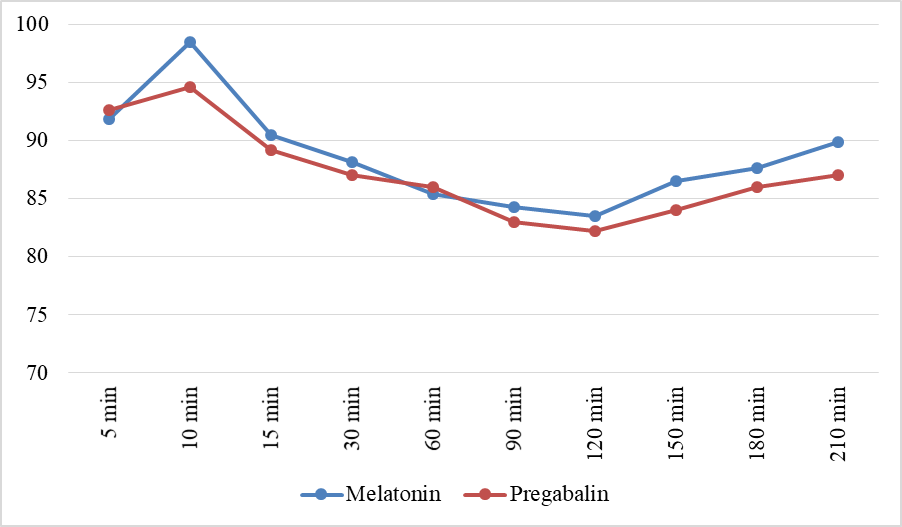
Figure 1: Comparison of Mean Arterial Pressure
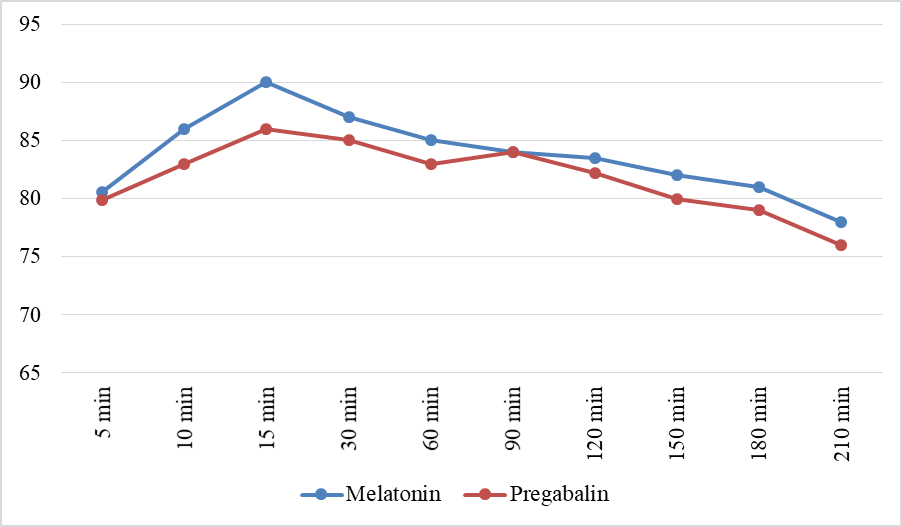
Figure 2: Comparison of Heart Rate
Table 4 shows that both oral melatonin and oral pregabalin were generally well tolerated, with no statistically significant differences in the incidence of adverse events between the two groups. The frequencies of hypotension (10.0% vs. 13.3%; p=0.7772), bradycardia (5.0% vs. 8.3%; p=0.7170), nausea/vomiting (8.3% vs. 6.7%; p>0.9999), dizziness (5.0% vs. 15.0%; p=0.1254), and excessive sedation (3.3% vs. 13.3%; p=0.0946) were comparable between the melatonin and pregabalin groups.
Table 4. Comparison of Adverse Effects
|
Adverse Event |
Melatonin (n=60) |
Pregabalin (n=60) |
P value (Fisher’s exact test) |
|
Hypotension |
6 (10.0) |
8 (13.3) |
0.7772 |
|
Bradycardia |
3 (5.0) |
5 (8.3) |
0.7170 |
|
Nausea/Vomiting |
5 (8.3) |
4 (6.7) |
>0.9999 |
|
Dizziness |
3 (5.0) |
9 (15.0) |
0.1254 |
|
Excessive Sedation |
2 (3.3) |
8 (13.3) |
0.0946 |
|
Allergic Reaction |
0 |
0 |
— |
Values in n (%)
Figure 2: Comparison of Heart Rate
Table 4 shows that both oral melatonin and oral pregabalin were generally well tolerated, with no statistically significant differences in the incidence of adverse events between the two groups. The frequencies of hypotension (10.0% vs. 13.3%; p=0.7772), bradycardia (5.0% vs. 8.3%; p=0.7170), nausea/vomiting (8.3% vs. 6.7%; p>0.9999), dizziness (5.0% vs. 15.0%; p=0.1254), and excessive sedation (3.3% vs. 13.3%; p=0.0946) were comparable between the melatonin and pregabalin groups.
Table 4. Comparison of Adverse Effects
|
Adverse Event |
Melatonin (n=60) |
Pregabalin (n=60) |
P value (Fisher’s exact test) |
|
Hypotension |
6 (10.0) |
8 (13.3) |
0.7772 |
|
Bradycardia |
3 (5.0) |
5 (8.3) |
0.7170 |
|
Nausea/Vomiting |
5 (8.3) |
4 (6.7) |
>0.9999 |
|
Dizziness |
3 (5.0) |
9 (15.0) |
0.1254 |
|
Excessive Sedation |
2 (3.3) |
8 (13.3) |
0.0946 |
|
Allergic Reaction |
0 |
0 |
— |
Values in n (%)
DISCUSSION:
The present study compared the efficacy and safety of oral melatonin (6 mg) and oral pregabalin (75 mg) administered as premedication for the prevention of post-spinal shivering and improvement of postoperative recovery in patients undergoing infraumbilical and lower limb orthopedic surgeries under spinal anesthesia. The findings demonstrated that pregabalin was significantly more effective than melatonin in reducing the incidence and severity of post-spinal shivering. Pregabalin significantly prolonged the time to first rescue analgesic, improved the quality of postoperative recovery, reduced postoperative pain scores, maintained better perioperative body temperature, and produced slightly higher but clinically acceptable sedation. Both drugs maintained satisfactory hemodynamic stability and exhibited comparable safety profiles without significant differences in adverse events.
The principal finding of the present study was the significantly lower incidence and severity of post-spinal shivering with pregabalin compared with melatonin. This observation is consistent with the growing evidence supporting the anti-shivering properties of gabapentinoids. Liang et al. (2025), in a systematic review and meta-analysis of six randomized controlled trials, demonstrated that prophylactic gabapentin significantly reduced postoperative shivering compared with placebo across different surgical procedures, including orthopaedic surgeries [9]. Although their analysis evaluated gabapentin rather than pregabalin, both drugs belong to the gabapentinoid class and share a common mechanism of action through modulation of the α2-δ subunit of voltage-gated calcium channels. Therefore, the superior anti-shivering efficacy observed with pregabalin in the present study supports the conclusions of Liang et al. that gabapentinoids effectively suppress postoperative shivering.
Our findings are also in close agreement with those reported by Nain et al. (2021), who compared oral gabapentin with tramadol for the prevention of post-spinal shivering during orthopaedic surgery [6]. They observed that gabapentin markedly reduced both the incidence and severity of shivering compared with placebo, with substantially fewer patients experiencing severe (Grade III and IV) shivering. Similarly, in the present study, the pregabalin group demonstrated fewer patients with moderate-to-severe shivering and a greater proportion of patients completely free from shivering than the melatonin group. These comparable findings further strengthen the evidence supporting the beneficial role of gabapentinoids in perioperative thermoregulation.
The present findings are further supported by the randomized trial conducted by Gaballah et al. (2020), who evaluated clonidine, tramadol, pregabalin, and placebo for prevention of post-spinal shivering [7]. Although clonidine demonstrated the greatest efficacy, pregabalin significantly reduced shivering compared with placebo. The incidence of shivering reported in their pregabalin group was remarkably similar to that observed in the present study despite differences in surgical population and pregabalin dosage. This consistency suggests that pregabalin remains an effective prophylactic option for post-spinal shivering even at relatively lower doses while maintaining an acceptable safety profile [10].
Postoperative analgesia was another important secondary outcome of the present study. Patients receiving pregabalin experienced a significantly prolonged time before requiring rescue analgesia compared with those receiving melatonin. This finding closely corresponds with the study by Mishra et al. (2023), who reported that pregabalin produced the longest duration of spinal anaesthesia and significantly delayed the first postoperative analgesic requirement compared with melatonin and placebo in patients undergoing total hip arthroplasty under spinal anaesthesia [4]. Both studies consistently demonstrate the superior analgesic efficacy of pregabalin as a premedicant, likely attributable to its ability to reduce central sensitisation and inhibit excitatory neurotransmitter release.
The prolonged analgesic effect observed in the present study also agrees with the findings of Gaballah et al. (2020), who reported that patients receiving pregabalin had the longest interval before requesting postoperative analgesia among all treatment groups [7]. Likewise, Arora et al. (2020) observed that preoperative analgesic agents significantly prolonged postoperative analgesia and reduced analgesic consumption after knee arthroscopic surgery, although tapentadol produced the greatest benefit [11]. Although the pharmacological agents differed between studies, these observations collectively emphasize the value of effective premedication in improving postoperative pain control and reducing analgesic requirements.
In addition to prolonged analgesia, the present study demonstrated significantly lower postoperative pain scores in patients receiving pregabalin. Similar observations were reported by Mishra et al. (2023), who found superior postoperative analgesia with pregabalin compared with melatonin [4]. Although Kiabi et al. (2021) evaluated only melatonin in cesarean section patients, they demonstrated that higher-dose melatonin significantly reduced postoperative pain intensity and opioid consumption compared with placebo [10]. The comparatively better analgesia observed with pregabalin in the present study does not diminish the analgesic potential of melatonin but rather suggests that pregabalin may provide greater postoperative pain relief at the doses evaluated.
Quality of postoperative recovery represents an increasingly important patient-centered outcome. In the present study, pregabalin significantly improved the QoR-15 score compared with melatonin, indicating better overall recovery encompassing physical comfort, emotional well-being, pain control, and functional recovery. Although none of the reviewed studies directly assessed QoR-15, the superior analgesia, reduced shivering, and improved perioperative comfort reported by Mishra et al. (2023) [4] and Gaballah et al. (2020) [7] indirectly support our findings. Improved pain control and reduced perioperative discomfort are well-recognized contributors to enhanced quality of recovery, making our findings biologically plausible and clinically relevant.
An interesting observation in the present study was the significantly better preservation of perioperative body temperature among patients receiving pregabalin. Although body temperature was not the primary outcome in the reviewed studies, this finding provides a physiological explanation for the reduced incidence of shivering observed with pregabalin. Better thermoregulatory stability likely minimizes the threshold for triggering postoperative shivering. This observation complements the anti-shivering benefits reported in previous studies involving pregabalin and other gabapentinoids [6,7,9].
Regarding sedation, the present study found slightly higher Ramsay Sedation Scores in the pregabalin group, although sedation remained within acceptable clinical limits. This finding partially agrees with Nain et al. (2021), who reported increased sedation with gabapentin compared with tramadol [6]. Mild sedation is expected because gabapentinoids exert central nervous system depressant effects. However, our results differ from those reported by Nasr et al. (2013), who observed significantly greater sedation following melatonin than pregabalin [5]. Similarly, Gaballah et al. (2020) found acceptable sedation with pregabalin without excessive clinical concern [7]. These discrepancies may be explained by differences in drug dosage, patient population, surgical procedures, anesthesia technique, and timing of sedation assessment. Importantly, the level of sedation observed in the present study was not associated with clinically significant respiratory or cardiovascular compromise.
Hemodynamic stability remained satisfactory in both groups throughout the perioperative period. Mean arterial pressure and heart rate followed similar trends without clinically meaningful differences between the interventions. These findings are consistent with previous studies demonstrating minimal hemodynamic disturbance with both melatonin and pregabalin when used as oral premedicants [4,5]. The preservation of cardiovascular stability further supports the safety of both agents in patients undergoing spinal anaesthesia.
The incidence of adverse events was low and comparable between the two study groups. Although dizziness and excessive sedation occurred more frequently with pregabalin, the differences were not statistically significant. Similarly, the incidences of hypotension, bradycardia, nausea, and vomiting remained comparable between groups. These findings agree with those of Liang et al. (2025), who demonstrated reduced postoperative vomiting with gabapentin compared with placebo [9], and with Gaballah et al. (2020), who reported an acceptable safety profile for pregabalin [7]. The absence of serious adverse reactions in the present study indicates that both melatonin and pregabalin are generally safe premedication options when administered in appropriate doses.
The present study has certain limitations. It was conducted at a single tertiary care center with a relatively modest sample size, which may limit the generalizability of the findings. The study evaluated only one dose each of oral melatonin (6 mg) and pregabalin (75 mg), and therefore dose-response relationships could not be assessed. Additionally, postoperative outcomes were evaluated only up to 24 hours, precluding assessment of long-term recovery and delayed adverse effects. Multicenter studies with larger sample sizes, different dosage regimens, and longer follow-up are warranted to validate these findings.
CONCLUSION:
Overall, the findings of the present study strongly support the use of oral pregabalin as a superior premedicant compared with oral melatonin for patients undergoing infraumbilical and lower limb orthopaedic surgeries under spinal anaesthesia. Pregabalin provided better prevention of post-spinal shivering, prolonged postoperative analgesia, lower pain scores, improved quality of recovery, and better thermoregulatory stability while maintaining acceptable sedation, stable hemodynamics, and a favorable safety profile. These results are largely consistent with previous randomized controlled trials and systematic reviews, thereby adding further evidence in favour of pregabalin as an effective multimodal premedicant in contemporary anaesthetic practice.
REFERENCES:
1. Kibret S, Fenta E, Hinie M, Teshome D. Shivering after spinal anaesthesia and associated factors in mothers undergoing cesarean delivery at a referral hospital in northcentral Ethiopia: In resource-limited settings. Perioper Care Oper Room Manag. 2025 June;39:100491. doi: 10.1016/j.pcorm.2025.100491
2. Shrivastava M, Borkar K, Bhalerao J, Ugile AB. A study of prevention of post-anaesthesia shivering (PAS) in patients undergoing LSCS under spinal anaesthesia in a tertiary hospital in India. Eur J Cardiovasc Med. 2025 May;15(5):131-134. doi: 10.5083/ejcm/25-05-25
3. Amsalu H, Zemedkun A, Regasa T, Adamu Y. Evidence-Based Guideline on Prevention and Management of Shivering After Spinal Anaesthesia in Resource-Limited Settings: Review Article. Int J Gen Med. 2022;15:6985-6998. doi:10.2147/IJGM.S370439
4. Mishra A, Srivastava VK, Prakash R, Mishra NK, Agarwal J, Kabi S. Perioperative Anxiolysis and Analgesic Effect after Premedication with Melatonin and Pregabalin in Total Hip Arthroplasty under Spinal Anaesthesia: A Prospective Comparative Trial. Adv Biomed Res. 2023 Jul 20;12:185. doi: 10.4103/abr.abr_323_22.
5. Nasr DA, Abdellatif AA. Efficacy of preoperative melatonin versus pregabalin on perioperative anxiety and postoperative pain in gynecological surgeries. Egyptian Journal of Anaesthesia. 2014 Jan;30(1):89-93. doi: 10.1016/j.egja.2013.10.001
6. Kiabi FH, Emadi SA, Jamkhaneh AE, Aezzi G, Ahmadi NS. Effects of preoperative melatonin on postoperative pain following cesarean section: A randomized clinical trial. Ann Med Surg (Lond). 2021 May 12;66:102345. doi:10.1016/j.amsu.2021.102345
7. Gaballah KM, Abdallah SI. Effects of oral premedication with tramadol, pregabalin or clonidine on shivering after spinal anaesthesia in patients undergoing hysteroscopic procedures. Anestezjologia Intensywna Terapia. 2020;52(3):189–198. doi:10.5114/ait.2020.97504
8. ResRef. Quality of Recovery-15 (QoR-15): A Full Guide for Researchers and Clinicians [Internet]. ResRef; 2025 May 13 [cited 2026 Jul 13]. Available from: https://resref.com/quality-of-recovery-15-qor-15-a-full-guide-for-researchers-and-clinicians/
9. Liang X, Chen M, Hong A, Gu Z, Jiang J, Chen Y, et al. Prophylactic efficacy of oral gabapentin on postoperative shivering: A meta-analysis of randomized controlled trials. Medicine. 2025;104(10):e41421. doi:10.1097/MD.0000000000041421.
10. Nain P, Kundra S, Singh T, Singh MR, Kapoor R, Singh A. Comparative evaluation of oral tramadol and gabapentin for prophylaxis of post-spinal shivering. Indian J Anaesth. 2021;65(1):5-11. doi:10.4103/ija.IJA_979_20.
11. Arora A, Asthana V, Arora P, Agrawal A. The Effect of Preoperative Oral Melatonin, Duloxetine or Tapentadol on Post Spinal Analgesia and Sedation in Knee Arthroscopic Surgeries: A Comparative Hospital Based Study. EAS J Anesthesiol Crit Care. 2020;2(1):3-9. doi:10.36349/easjacc.2020.v02i01.002.