Clinical profile and outcome of adult patients with hospital acquired AKI: A prospective observational study.
- Khwaja Saifullah Zafar , Professor and Chairman MD, Medicine Department of Medicine Jawaharlal Nehru Medical College & Hospital, AMU, Aligarh.
- Akram Shah , Jr3 MD Medicine JNMCH AMU Aligarh.
- Saif Quaiser , Assistant Professor DNB (Medicine), DM (Nephrology), MNAMS Department of Medicine J.N Medical College & Hospital AMU, Aligarh.
Article Information:
Abstract:
Background: Hospital-acquired acute kidney injury (HA-AKI) is a common and serious complication among hospitalized adults, associated with increased morbidity, mortality, and risk of persistent renal dysfunction. Early identification of etiological factors and predictors of poor outcomes is essential for improving clinical management. Methods: This prospective observational study was conducted over a period of 2 years among adult inpatients who developed AKI after 48 hours of hospitalization. Patients fulfilling KDIGO 2012 criteria were evaluated for demographic characteristics, clinical profile, etiological factors, biochemical parameters, management strategies, renal recovery, and mortality outcomes. Patients were followed during hospitalization and at 1, 2, and 3 months after discharge. Results: Among 145 patients analyzed, Stage 1 AKI was most frequent (40.69%), followed by Stage 2 (34.48%) and Stage 3 (24.83%). Intrinsic renal causes predominated (64.3%), with sepsis-associated AKI being the leading etiology (49.7%). Overall, 108 patients (74.48%) survived and 31 (21.38%) died. Hyponatremia was significantly associated with increased mortality (p=0.03). ROC analysis showed BUN (AUC 0.69) and sodium (AUC 0.68) as useful predictors of mortality. Higher KDIGO stage was associated with reduced survival (log-rank p=0.03). Conclusion: HA-AKI is predominantly driven by sepsis and intrinsic renal injury. Early recognition, KDIGO-based risk stratification, prevention of nephrotoxic exposure, and structured follow-up are crucial for improving survival and renal recovery.
Keywords:
Article :
INTRODUCTION:
Acute kidney injury (AKI) is an important clinical syndrome among hospitalized adults and is characterized by a sudden decline in renal function occurring over hours to days. It results in impaired excretion of nitrogenous waste products, disturbances in fluid and electrolyte homeostasis, acid–base imbalance, altered pharmacokinetics of medications, and increased risk of systemic complications (1). The Kidney Disease Improving Global Outcomes (KDIGO) criteria define AKI as an increase in serum creatinine by ≥0.3 mg/dL within 48 hours, an increase in serum creatinine to ≥1.5 times the baseline value within seven days, or urine output <0.5 mL/kg/hour for six hours (2). This standardized definition has enabled early recognition of renal dysfunction, classification of disease severity, and uniform evaluation of prognosis and treatment outcomes across clinical settings (3).
Hospital-acquired acute kidney injury (HA-AKI) refers to renal dysfunction that develops after hospital admission in patients who did not have evidence of AKI at the time of hospitalization, commonly occurring after 48 hours of inpatient stay (4). Unlike community-acquired AKI, HA-AKI develops in the context of hospital-related factors, including severe underlying illness, surgical interventions, infections, hemodynamic instability, exposure to nephrotoxic medications, and diagnostic procedures. Since it occurs within a monitored healthcare environment, HA-AKI provides an opportunity for early identification of risk factors, preventive interventions, timely management, and assessment of clinical outcomes (5).
The burden of HA-AKI remains considerable among adult hospitalized patients, affecting individuals admitted to medical wards, surgical units, emergency departments, and intensive care units (6). Recent observational studies have demonstrated that HA-AKI contributes significantly to morbidity, prolonged hospitalization, increased healthcare utilization, and mortality, particularly among critically ill patients (7). A 2024 longitudinal observational study evaluating HA-AKI among adult ICU patients defined AKI according to KDIGO criteria and highlighted its association with multiple risk factors and adverse outcomes, emphasizing that AKI should be considered not merely a biochemical abnormality but an important clinical event influencing the overall disease trajectory (7).
The clinical presentation of HA-AKI is highly variable, ranging from an isolated rise in serum creatinine to severe manifestations such as oliguria, fluid overload, peripheral edema, pulmonary congestion, uremic symptoms, altered mental status, metabolic acidosis, and life-threatening hyperkalemia (8). The severity and presentation depend on the underlying cause, duration of injury, rate of progression, and baseline renal reserve. Elderly individuals and patients with comorbid conditions such as diabetes mellitus, hypertension, chronic kidney disease, cardiovascular disease, liver disease, malignancy, sepsis, trauma, and those exposed to nephrotoxic agents are particularly susceptible to developing HA-AKI, often due to multiple interacting risk factors (9).
Among hospitalized adults, sepsis remains one of the most important causes of AKI. Sepsis-associated AKI occurs through complex mechanisms involving renal hypoperfusion, systemic inflammatory activation, endothelial dysfunction, altered renal microcirculation, oxidative stress, mitochondrial injury, and tubular epithelial damage (10). In critically ill patients, sepsis-related AKI is frequently associated with multiorgan dysfunction, requirement for vasopressor support, mechanical ventilation, prolonged intensive care stay, and increased mortality (11). An Indian ICU-based study reported sepsis as the leading cause of AKI and demonstrated particularly high mortality among patients with sepsis-associated AKI, highlighting the importance of evaluating infectious causes, hemodynamic parameters, inflammatory status, and organ support requirements in patients with HA-AKI (12).
Drug-induced renal injury represents another major and potentially preventable contributor to HA-AKI (13). Hospitalized patients are commonly exposed to multiple medications, including aminoglycosides, vancomycin, amphotericin B, non-steroidal anti-inflammatory drugs, angiotensin-converting enzyme inhibitors, angiotensin receptor blockers, diuretics, chemotherapeutic agents, and iodinated contrast media, all of which may contribute to renal injury in susceptible individuals (14). The risk of medication-associated AKI is further increased by dehydration, sepsis, hypotension, advanced age, and pre-existing renal impairment. Recent studies evaluating AKI risk factors have identified prior exposure to nephrotoxic medications among both community-acquired and hospital-acquired AKI groups, emphasizing the continued clinical relevance of drug-related renal injury (15). Strategies such as rational prescribing, renal dose adjustment, avoidance of unnecessary nephrotoxic agents, and regular monitoring of renal function are essential preventive measures.
The severity of HA-AKI is closely associated with clinical outcomes. While mild increases in serum creatinine may be reversible with early recognition and appropriate management, progression to higher KDIGO stages significantly increases the risk of complications, including persistent renal dysfunction, hyperkalemia, metabolic acidosis, pulmonary edema, uremic complications, requirement for renal replacement therapy, and mortality (16). Studies among hospitalized adults have consistently demonstrated that AKI is an independent predictor of poor short-term outcomes. Abebe et al. reported that AKI among adult medical ward patients was associated with increased mortality and adverse clinical outcomes, reinforcing its role as a marker of disease severity and overall prognosis (17).
Despite its clinical importance, HA-AKI remains frequently under-recognized in hospitalized patients. Early renal impairment may be asymptomatic, urine output monitoring may be inconsistent, and serum creatinine elevation may occur late or be influenced by factors such as age, muscle mass, hydration status, and baseline renal function (18). A prospective observational approach allows systematic evaluation of demographic characteristics, comorbid conditions, precipitating factors, drug exposures, KDIGO staging, management strategies, and clinical outcomes. Such evaluation can provide valuable local evidence for identifying high-risk patients and improving prevention and management strategies.
Therefore, the present study aims to evaluate the clinical spectrum of hospital-associated acute kidney injury among adult inpatients diagnosed according to KDIGO 2012 criteria.
MATERIALS AND METHODS:
A hospital-based, open-label, prospective observational study was conducted in the Department of Medicine/Nephrology at a tertiary care teaching hospital. The study was carried out over a period of 2 years. The study aimed to evaluate the clinical profile, etiological factors, severity, renal recovery pattern, and outcomes of patients developing hospital-acquired acute kidney injury (HAAKI).
Study Population and Sample Selection
The study population consisted of adult patients admitted to various medical wards and intensive care units who subsequently developed acute kidney injury after 48 hours of hospitalization. All consecutive eligible patients fulfilling the predefined inclusion criteria were screened and enrolled.
A systematic sample selection approach was followed to ensure adequate representation of patients with HAAKI while minimizing selection bias. Patients who developed AKI during hospitalization were identified through daily review of clinical records and laboratory investigations, and diagnosis was confirmed according to the Kidney Disease Improving Global Outcomes (KDIGO) 2012 criteria.
Inclusion Criteria
Patients fulfilling the following criteria were included in the study:
1. Age >18 years.
2. Patients who provided written informed consent.
3. Patients who developed acute kidney injury after 48 hours of hospital admission according to KDIGO 2012 criteria.
Exclusion Criteria
Patients were excluded if they had:
1. Refusal to provide informed consent.
2. Pre-existing chronic kidney disease.
3. AKI present at the time of hospital admission.
4. Previous history of renal transplantation.
5. Solitary functioning kidney.
6. History of hemodialysis within the preceding one month.
Study Definitions and Diagnostic Criteria
Hospital-acquired acute kidney injury was defined according to the KDIGO 2012 clinical practice guidelines, based on any of the following criteria:
• Increase in serum creatinine by ≥0.3 mg/dL within 48 hours, or
• Increase in serum creatinine to ≥1.5 times baseline occurring within 7 days, or
• Urine output <0.5 mL/kg/hour for 6 hours.
Patients were further classified into AKI stages (Stage 1, Stage 2, and Stage 3) according to KDIGO staging criteria.
Study Procedure and Data Collection
After obtaining informed consent, enrolled patients were evaluated using a structured case record form. Baseline demographic characteristics, clinical history, comorbid conditions, presenting complaints, and relevant clinical parameters were recorded.
Baseline investigations including complete blood count, blood urea nitrogen (BUN), serum creatinine, serum electrolytes (sodium and potassium), and other relevant biochemical parameters were documented. Patients were evaluated for possible etiological factors contributing to AKI, including sepsis, hypovolemia, nephrotoxic drug exposure, cardiovascular causes, infections, and obstructive causes.
Patients were monitored daily during hospitalization for:
• Serum creatinine trends.
• Urine output monitoring.
• KDIGO AKI stage progression.
• Need for intensive care support.
• Vasopressor requirement.
• Mechanical ventilation.
• Renal replacement therapy.
• Clinical outcome.
The peak serum creatinine value during hospitalization was recorded, and the final AKI stage and probable etiology were documented.
Follow-up and Assessment of Renal Recovery
Patients were followed after discharge in the outpatient department at 1 month, 2 months, and 3 months. Renal function assessment was performed using serum creatinine, blood urea nitrogen, and other relevant investigations.
Renal recovery was categorized based on improvement in renal function and return toward baseline creatinine values. Patients were assessed for complete recovery, partial recovery, persistent renal dysfunction, or progression to chronic kidney disease.
Statistical Analysis
Data analysis was performed using IBM Statistical Package for Social Sciences (SPSS) version 29.0. Continuous variables were expressed as mean ± standard deviation or median with interquartile range depending on data distribution. Normality of continuous variables was assessed using the Shapiro–Wilk test.Categorical variables were presented as frequencies and percentages. Associations between categorical variables were analyzed using the Chi-square test or Fisher’s exact test wherever appropriate.Continuous variables were compared using appropriate parametric or non-parametric tests. Correlation analysis was performed using Pearson’s correlation coefficient where applicable. Trends in renal function parameters during follow-up were assessed using repeated measures analysis.Predictors of mortality and renal recovery were evaluated using multivariable logistic regression analysis. Receiver operating characteristic (ROC) curve analysis was performed to determine predictive cut-off values using Youden’s index. Survival analysis was performed using Kaplan–Meier curves and log-rank testing, with Cox proportional hazards regression used for time-to-event analysis.A p-value <0.05 was considered statistically significant. Missing outcome data were handled using complete-case analysis, and no data imputation was performed.
RESULTS:
Among the 171 patients diagnosed with hospital-acquired acute kidney injury, intrinsic renal causes were the most common etiological category, accounting for 110 cases (64.3%). Within intrinsic AKI, sepsis-associated AKI was the predominant cause, observed in 85 patients (49.7%), followed by drug-induced AKI (31 patients, 18.1%), cardio-renal syndrome (25 patients, 14.6%), tropical infections (22 patients, 12.9%), pancreatitis (8 patients, 4.7%), and other causes (9 patients, 5.3%).Pre-renal causes contributed to 42 cases (24.6%), all attributed to hypovolemia or shock. Post-renal causes were identified in 19 patients (11.1%), primarily due to obstructive uropathy. The overall etiological distribution of hospital-acquired AKI is presented in Table 1.
The final outcome was available for 145 patients. Among these, 108 patients (74.48%) survived, whereas 31 patients (21.38%) died during the study period. Outcome data were missing for 6 patients (4.14%), who were excluded from outcome-based analysis. The distribution of final outcomes among study participants is summarized in Table 2 and Figure 1.
The relationship between serum sodium abnormalities and mortality was evaluated among the study participants. Hyponatremia was observed in 21 patients (14.5%), among whom mortality occurred in 9 patients (42.9%), compared with 28 deaths (22.8%) among patients with normal sodium levels.A statistically significant association was observed between serum sodium status and mortality (χ² = 7.24, p = 0.03). Patients with hyponatremia demonstrated a higher proportion of mortality compared with those with normal sodium levels. The association between serum sodium categories and mortality is presented in Table 3 and Figure 2.
Receiver operating characteristic (ROC) curve analysis was performed to evaluate the predictive ability of biochemical parameters for mortality among patients with hospital-acquired AKI (Table 4).Among the evaluated parameters, blood urea nitrogen (BUN) demonstrated the highest predictive performance with an AUC of 0.69 at a cut-off value of 38 mg/dL, with a sensitivity of 70.97% and specificity of 63.89% (p = 0.01).Serum sodium also showed significant predictive ability (AUC = 0.68, p = 0.02) with a cut-off value of 134.5 mmol/L, sensitivity of 58.06%, and specificity of 72.22%.
Total leukocyte count demonstrated an AUC of 0.66 (p = 0.02), while serum creatinine showed an AUC of 0.63 (p = 0.03). Hemoglobin had modest predictive ability (AUC = 0.62, p = 0.04). Potassium did not demonstrate statistically significant mortality prediction (AUC = 0.55, p = 0.21).
The ROC performance characteristics of biochemical parameters for mortality prediction are detailed in Table 4.Survival analysis demonstrated a significant difference in survival probability according to KDIGO stage among patients with hospital-acquired AKI (log-rank p = 0.03).
Patients with KDIGO Stage 1 AKI had the highest estimated survival probability at day 20 (0.85), whereas patients with Stage 3 AKI showed the lowest survival probability (0.55) and a median survival duration of 20 days. Patients with Stage 2 AKI had an intermediate survival probability (0.72), with median survival not reached during the observation period.
The Kaplan–Meier survival curve demonstrated progressive reduction in survival with increasing AKI severity, indicating that higher KDIGO stages were associated with poorer survival outcomes (Table 5 and Figure 3).
Table 1. Etiological Distribution of Hospital-Acquired AKI
|
Broad Category |
Sub-classification |
Number (n) |
Percentage (%) |
|
Pre-renal |
Hypovolemia / Shock |
42 |
24.6 |
|
Total (Pre-renal) |
42 |
24.6 |
|
|
Intrinsic |
Sepsis-associated AKI |
85 |
49.7 |
|
Drug-induced AKI |
31 |
18.1 |
|
|
Cardio-renal Syndrome |
25 |
14.6 |
|
|
Tropical Infections |
22 |
12.9 |
|
|
Pancreatitis |
8 |
4.7 |
|
|
Others |
9 |
5.3 |
|
|
Total (Intrinsic) |
110 |
64.3 |
|
|
Post-renal |
Obstructive Uropathy |
19 |
11.1 |
|
Total (Post-renal) |
19 |
11.1 |
|
|
Total |
171 |
100.0 |
Table 2. Final Outcome of Study Participants
|
Outcome |
Number |
Percentage (%) |
|
Survived |
108 |
74.48 |
|
Death |
31 |
21.38 |
|
Missing |
6 |
4.14 |
|
Total |
145 |
100 |
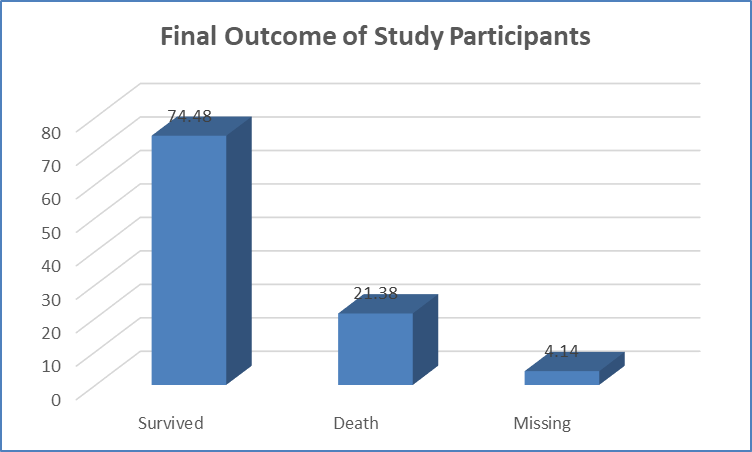
Figure 1 Final Outcome of Study Participants
Table 3. Association Between Serum Sodium and Mortality
|
Sodium Status |
Survived n (%) |
Death n (%) |
Total n (%) |
χ² |
p-value |
|
Hyponatremia |
12 (57.1) |
9 (42.9) |
21 (14.5) |
7.24 |
0.03 |
|
Normal sodium |
95 (77.2) |
28 (22.8) |
123 (84.8) |
||
|
Hypernatremia |
1 (100.0) |
0 (0.0) |
1 (0.7) |
||
|
Total |
108 (74.5) |
37 (25.5) |
145 (100.0) |
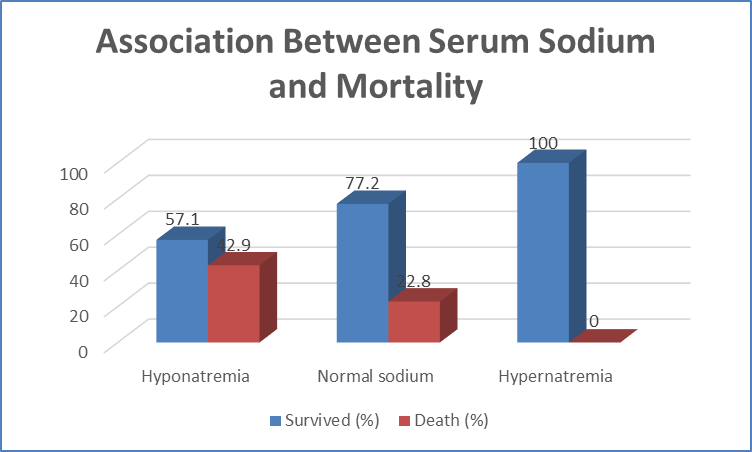
Figure 2 Association Between Serum Sodium and Mortality
Table 4. ROC Analysis of Biochemical Parameters for Predicting Mortality
|
Parameter |
Cut-off |
Sensitivity (%) |
Specificity (%) |
AUC |
p-value |
|
Hemoglobin |
10.5 |
61.29 |
58.33 |
0.62 |
0.04 |
|
TLC |
13.5 |
67.74 |
60.19 |
0.66 |
0.02 |
|
BUN |
38 |
70.97 |
63.89 |
0.69 |
0.01 |
|
Creatinine |
1.1 |
64.52 |
59.26 |
0.63 |
0.03 |
|
Sodium |
134.5 |
58.06 |
72.22 |
0.68 |
0.02 |
|
Potassium |
4.8 |
41.94 |
70.37 |
0.55 |
0.21 |
Table 5. Kaplan–Meier Survival Analysis According to KDIGO Stage
|
KDIGO Stage |
Estimated Survival at Day 20 |
Median Survival (Days) |
Log-rank p-value |
|
Stage 1 |
0.85 |
Not Reached |
0.03 |
|
Stage 2 |
0.72 |
Not Reached |
|
|
Stage 3 |
0.55 |
20 |
|
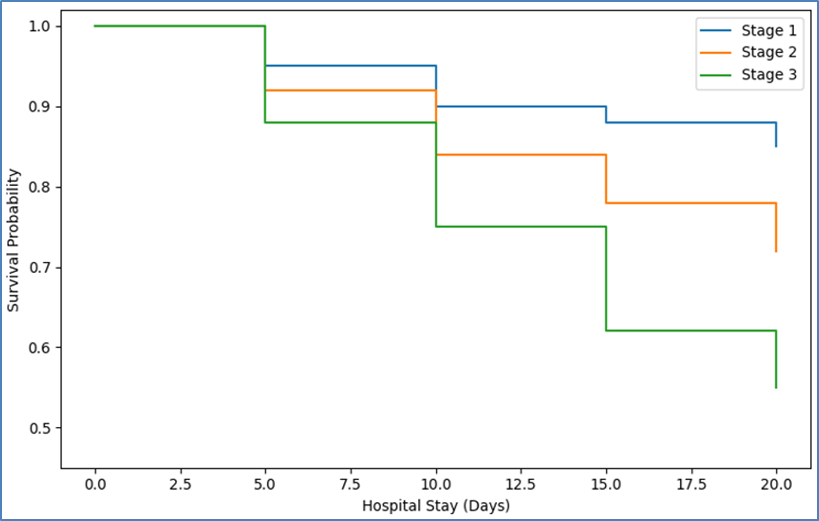
Figure 3 Kaplan–Meier Survival Analysis According to KDIGO Stage
DISCUSSION:
In the present study, hospital-acquired acute kidney injury (HA-AKI) demonstrated a wide clinical spectrum with respect to severity, etiology, renal recovery pattern, and mortality risk among adult inpatients. According to the KDIGO classification, Stage 1 AKI was the most frequent category, observed in 59 patients (40.69%), followed by Stage 2 in 50 patients (34.48%) and Stage 3 in 36 patients (24.83%). Although a substantial proportion of patients were identified at an early stage, nearly one-fourth had severe AKI, highlighting the significant clinical burden of advanced renal injury. The prognostic importance of KDIGO staging has been well established, with progressive stages reflecting increasing severity of renal dysfunction and higher risk of adverse outcomes (3). Similar findings were reported by Havaldar et al. (2024), who demonstrated that ICU patients developing HA-AKI had greater disease severity and poorer survival outcomes, emphasizing the importance of early recognition and staging of AKI (7).
The etiological profile in the present study showed a predominance of intrinsic renal causes, accounting for 110 patients (64.3%), with sepsis-associated AKI being the leading cause (85 patients, 49.7%), followed by drug-induced AKI, cardio-renal syndrome, tropical infections, and pancreatitis. This distribution reflects the multifactorial nature of HA-AKI, where systemic inflammation, hemodynamic disturbances, critical illness, and nephrotoxic exposures frequently coexist. Sepsis contributes to renal injury through multiple mechanisms, including renal hypoperfusion, inflammatory cytokine activation, endothelial dysfunction, microcirculatory impairment, oxidative stress, and tubular injury (10). Similar observations were reported by Goswami et al. (2018), who identified sepsis as the predominant cause of HA-AKI in a tertiary-care Indian hospital setting, followed by hypoperfusion-related injury and nephrotoxic medications (19). Singh et al. (2013) also reported that sepsis was a major contributor to AKI among surgical and ICU patients, whereas drug-induced AKI was more frequently observed among medical ward patients, supporting the importance of risk-based surveillance and preventive strategies in different hospital settings (20).
In the present study, the overall clinical outcome demonstrated that 108 patients (74.48%) survived, whereas 31 patients (21.38%) died. Among survivors, complete renal recovery was achieved in 52 patients (35.86%), while 48 patients (33.10%) showed partial recovery. However, 18 patients (12.41%) had no recovery and 21 patients (14.48%) demonstrated no improvement, indicating that despite favorable survival in most patients, persistent renal dysfunction remained an important concern. Recovery patterns after HA-AKI vary considerably depending on baseline renal reserve, severity of AKI, underlying etiology, and presence of systemic complications. Similar findings were reported by Alkhunaizi and Al Shammary (2020), who observed limited complete recovery among hospitalized AKI patients and emphasized the long-term renal consequences of AKI episodes (21). Tso et al. (2022) also reported that a substantial proportion of non-critically ill patients with HA-AKI achieved complete or partial renal recovery, although incomplete recovery remained common (22).
Electrolyte abnormalities, particularly hyponatremia, demonstrated a significant association with mortality in the present study. Patients with hyponatremia had a higher mortality proportion, with 9 deaths among 21 patients (42.9%), compared with 28 deaths among 123 patients (22.8%) with normal sodium levels (p = 0.03). This finding suggests that sodium imbalance may serve as a marker of systemic illness severity, impaired renal regulatory function, and reduced physiological reserve. Although renal recovery showed a progressive decline with increasing KDIGO stage, the association did not reach statistical significance (p = 0.08); however, the observed trend indicates that higher AKI severity may have important clinical implications.
Assessment of biochemical predictors demonstrated that routine laboratory parameters provided useful prognostic information. Blood urea nitrogen (BUN) showed the highest predictive ability for mortality with an AUC of 0.69, followed by serum sodium (AUC 0.68), total leukocyte count (AUC 0.66), serum creatinine (AUC 0.63), and hemoglobin (AUC 0.62). These findings suggest that markers reflecting azotemia, inflammation, electrolyte disturbance, and systemic illness may assist in early risk stratification among patients with HA-AKI. Multivariable analysis identified age as an independent predictor of mortality (AOR 1.03, p = 0.03), while baseline creatinine was also significantly associated with mortality (AOR 0.02, p = 0.04). Time-dependent analysis using Cox regression further supported the importance of age and baseline renal function in determining survival outcomes. Previous studies by Jurawan et al. (2017) and Hsu et al. (2016) similarly demonstrated that HA-AKI is associated with increased mortality, particularly among elderly patients and those with significant comorbidities or impaired baseline renal function (23,24).
Survival analysis using Kaplan–Meier methodology demonstrated a significant difference in survival according to KDIGO stage. Estimated survival at day 20 declined progressively from 85% in Stage 1 AKI to 72% in Stage 2 AKI and 55% in Stage 3 AKI, with a statistically significant difference (log-rank p = 0.03). Additionally, patients requiring dialysis had poorer outcomes, with day-20 survival of 58% compared with 84% among non-dialysis patients (p = 0.02). These findings reinforce the relationship between AKI severity, requirement for renal replacement therapy, and adverse clinical outcomes.
CONCLUSION:
Hospital-acquired acute kidney injury remains a significant clinical problem among hospitalized adults, with sepsis being the predominant etiological factor followed by drug-induced and other intrinsic renal causes. Higher KDIGO stages, dialysis requirement, hyponatremia, advanced age, and impaired renal function were associated with poorer outcomes and increased mortality risk. Early identification of high-risk patients, timely management of precipitating factors, and prevention of nephrotoxic exposure are essential to improve outcomes. Regular post-discharge monitoring is important, as a considerable proportion of patients may have incomplete renal recovery.
REFERENCES:
1. Kellum JA, Romagnani P, Ashuntantang G, Ronco C, Zarbock A, Anders HJ, et al. Acute kidney injury. Nat Rev Dis Primers. 2021;7(1):52.
2. Machado MN, Nakazone MA, Maia LN. Acute kidney injury based on KDIGO (Kidney Disease Improving Global Outcomes) criteria in patients with elevated baseline serum creatinine undergoing cardiac surgery. Braz J Cardiovasc Surg. 2014;29:299-307.
3. Kidney Disease Improving Global Outcomes (KDIGO) Acute Kidney Injury Work Group. KDIGO clinical practice guideline for acute kidney injury. Kidney Int Suppl. 2012;2:1-138.
4. Koulouridis I, Price LL, Madias NE, Jaber BL. Hospital-acquired acute kidney injury and hospital readmission: a cohort study. Am J Kidney Dis. 2015;65(2):275-282.
5. Chronopoulos A, Cruz DN, Ronco C. Hospital-acquired acute kidney injury in the elderly. Nat Rev Nephrol. 2010;6(3):141-149.
6. Fenna K, Erasmus RT, Zemlin AE. Hospital-acquired acute kidney injury prevalence in adults at a South African tertiary hospital. Afr Health Sci. 2019;19(2):2189-2197.
7. Havaldar AA, Sushmitha EC, Shrouf SB, HS M, N M, Selvam S, et al. Epidemiological study of hospital acquired acute kidney injury in critically ill and its effect on survival. Sci Rep. 2024;14(1):28129.
8. Kumar T, Bhalla A, Puri RD, Tiwari V. Abstract no. 3: To study the pattern of use and tolerability to use of ACE inhibitors and ARBs in CKD patients with proteinuric illness and/or cardiac failure. Indian J Nephrol. 2023;33:1.
9. Yokota LG, Sampaio BM, Rocha EP, Balbi AL, Sousa Prado IR, Ponce D, et al. Acute kidney injury in elderly patients: narrative review on incidence, risk factors, and mortality. Int J Nephrol Renovasc Dis. 2018:217-224.
10. Pais T, Jorge S, Lopes JA. Acute kidney injury in sepsis. Int J Mol Sci. 2024;25(11):5924.
11. Wang D, Sun T, Liu Z. Sepsis-associated acute kidney injury. Intensive Care Res. 2023;3(4):251-258.
12. Saxena A, Meshram SV. Predictors of mortality in acute kidney injury patients admitted to medicine intensive care unit in a rural tertiary care hospital. Indian J Crit Care Med. 2018;22(4):231-236.
13. Garcia G, Pacchini VR, Zamoner W, Balbi AL, Ponce D. Drug-induced acute kidney injury: a cohort study on incidence, identification of pathophysiological mechanisms, and prognostic factors. Front Med. 2024;11:1459170.
14. Perazella MA, Rosner MH. Drug-induced acute kidney injury. Clin J Am Soc Nephrol. 2022;17(8):1220-1233.
15. Damin Abukhalil A, Alyazouri H, Alsheikh R, Kahla H, Mousa M, Ladadweh H, et al. Characteristics, risk factors, and outcomes in acute kidney injury patients: a retrospective cross-sectional study, Palestine. Sci World J. 2024;2024:8897932.
16. Hoste EA, Kellum JA, Selby NM, Zarbock A, Palevsky PM, Bagshaw SM, et al. Global epidemiology and outcomes of acute kidney injury. Nat Rev Nephrol. 2018;14(10):607-625.
17. Abebe A, Kebede B, Wobie Y. Clinical profile and short-term outcomes of acute kidney injury in patients admitted to a teaching hospital in Ethiopia: a prospective study. Int J Nephrol Renovasc Dis. 2021:201-209.
18. Paiva AAM, Magro MCdS, Magro PPM, Duarte TTdP. Impact of renal recovery on in-hospital and post-discharge mortality. Rev Esc Enferm USP. 2023;57:e20230144.
19. Goswami S, Pahwa N, Vohra R, Raju BM. Clinical spectrum of hospital acquired acute kidney injury: a prospective study from Central India. Saudi J Kidney Dis Transpl. 2018;29(4):946-955.
20. Singh T, Rathore S, Choudhury T, Shukla V, Singh D, Prakash J, et al. Hospital-acquired acute kidney injury in medical, surgical, and intensive care unit: a comparative study. Indian J Nephrol. 2013;23(1):24-29.
21. Alkhunaizi AM, Al Shammary M. In-hospital acute kidney injury. East Mediterr Health J. 2020;28(8):967-970.
22. Tso M, Sud K, Van C, Patekar A, Tesfaye W, Castelino RL, et al. Hospital-acquired acute kidney injury in noncritical care setting: clinical characteristics and outcomes. Int J Clin Pract. 2022;2022:7077587.
23. Jurawan N, Pankhurst T, Ferro C, Nightingale P, Coleman J, Rosser D, et al. Hospital acquired acute kidney injury is associated with increased mortality but not increased readmission rates in a UK acute hospital. BMC Nephrol. 2017;18(1):317.
24. Hsu CN, Lee CT, Su CH, Wang YCL, Chen HL, Chuang JH, et al. Incidence, outcomes, and risk factors of community-acquired and hospital-acquired acute kidney injury: a retrospective cohort study. Medicine (Baltimore). 2016;95(19):e3674.