Aspirin Use and the Risk of Pancreatic Cancer: A Systematic Review and Meta-Analysis of Observational Studies and Randomised Evidence.
- Joshua P. Ajith , MBBS Student, Shri Atal Bihari Vajpayee Medical College and Research Institute, Bengaluru, Karnataka, India.
- S. B. Nishitha , Assistant Professor, Department of Pharmacology, Shri Atal Bihari Vajpayee Medical College and Research Institute, Bengaluru, Karnataka, India.
- Nalini G. K , Head of Department, Department of Pharmacology, Shri Atal Bihari Vajpayee Medical College and Research Institute, Bengaluru, Karnataka, India.
Article Information:
Abstract:
Background: Pancreatic ductal adenocarcinoma remains among the most lethal malignancies worldwide, with a five-year survival below 13%. Because inflammation and cyclooxygenase-2 (COX-2) signalling contribute to pancreatic carcinogenesis, aspirin has attracted interest as a candidate chemopreventive agent. Existing evidence is conflicting, and a comprehensive up-to-date synthesis incorporating recent large cohorts is needed. Methods: We searched MEDLINE, Embase, and CENTRAL from database inception to July 2025 for studies evaluating aspirin exposure and pancreatic cancer incidence in adults, following PRISMA 2020. Two reviewers independently screened records, extracted data, and assessed quality using the Newcastle–Ottawa Scale (observational studies) and Cochrane Risk of Bias 2.0 (randomised trials). Study-specific effect sizes (odds, hazard, or relative risks) were pooled under a DerSimonian–Laird random-effects model on the log scale; the rare-disease approximation permitted a single summary relative risk (RR). Heterogeneity was quantified using Cochran’s Q, I², τ², and the 95% prediction interval (PI). Pre-specified subgroup analyses examined geographic region, study design, and aspirin dose/frequency; univariable meta-regression evaluated five moderators. Publication bias was assessed by funnel-plot inspection, Egger’s and Begg’s tests, and trim-and-fill. Certainty of evidence was rated using GRADE. Results: Twenty-four records met screening criteria; 22 had accessible full texts and 14 reported pancreatic-cancer-specific incidence suitable for pooling (>1.5 million participants). The pooled RR for regular aspirin use versus non-use was 0.74 (95% CI 0.64–0.86; p < 0.001), corresponding to a 26% relative risk reduction. Between-study heterogeneity was substantial (I² = 87.8%; τ² = 0.054); the 95% prediction interval (0.46–1.21) crossed unity. Leave-one-out and Baujat analyses showed the result was robust to exclusion of any single study. Effects were strongest in North American populations (RR 0.71) and among frequency-defined regular users (RR 0.71). Egger’s test was significant (p = 0.031); trim-and-fill imputed four studies, producing an adjusted RR of 0.78 (95% CI 0.67–0.91). GRADE certainty was rated Low, downgraded for inconsistency and publication bias and upgraded for a dose–response gradient. Conclusions: Regular aspirin use is associated with a modest but statistically significant reduction in pancreatic cancer incidence. Substantial heterogeneity, a prediction interval crossing unity, and evidence of small-study effects preclude a routine chemoprevention recommendation. Adequately powered randomised trials with pancreatic cancer as a pre-specified endpoint are required before clinical guidance can change.
Keywords:
Article :
INTRODUCTION:
Pancreatic ductal adenocarcinoma (PDAC) remains one of the most lethal solid malignancies worldwide. GLOBOCAN estimates for 2022 recorded more than 510,000 new cases and 467,000 deaths from pancreatic cancer, making it the sixth most common cause of cancer death globally. Age-standardised incidence has risen steadily over the past three decades, and pancreatic cancer is projected to become the second leading cause of cancer-related mortality in high-income countries by 2030. Overall five-year survival remains stubbornly below 13%, reflecting late-stage presentation, limited early-detection strategies, biological aggressiveness, and modest gains from cytotoxic and targeted therapies.
Because effective therapeutic options remain limited, primary and secondary prevention have emerged as critical pillars of pancreatic cancer control. Established modifiable risk factors include cigarette smoking, obesity, type 2 diabetes mellitus, chronic pancreatitis, and heavy alcohol consumption. Alongside behavioural risk-factor modification, pharmacological chemoprevention with widely available, low-cost agents represents an attractive complementary strategy, particularly for high-risk subgroups.
Aspirin (acetylsalicylic acid) is among the most extensively studied candidate chemopreventive agents in oncology. Its anti-neoplastic activity is thought to arise from irreversible inhibition of cyclooxygenase-1 and -2 (COX-1/COX-2), leading to reduced prostaglandin E2 (PGE2) synthesis, suppression of nuclear factor-κB signalling, restoration of apoptotic pathways, attenuation of platelet-mediated tumour promotion, and modulation of the immune microenvironment. COX-2 is overexpressed in the majority of PDAC lesions and pre-invasive pancreatic intraepithelial neoplasia (PanIN), where it interacts synergistically with mutant KRAS to drive proliferation, angiogenesis, and stromal desmoplasia. These biological considerations provide a plausible mechanistic rationale for a chemopreventive effect of aspirin in pancreatic cancer.
The clinical epidemiology, however, remains inconsistent. Individual observational studies have variously reported strong protective associations, null findings, and even non-significant harmful signals, and previous meta-analyses have generated conflicting summary estimates. Sources of heterogeneity include divergent aspirin exposure definitions (any use vs. regular use vs. dose- and duration-quantified categories), variable adjustment for confounders such as smoking and diabetes, differences in follow-up duration, geographic variation in baseline risk and prescribing patterns, and differing outcome ascertainment. The single completed randomised controlled trial with reliable long-term follow-up—the Women’s Health Study—was underpowered for pancreatic cancer as a pre-specified outcome. Several large administrative-database cohorts and recent case–control analyses have appeared since 2018, motivating an updated synthesis.
We conducted a systematic review and random-effects meta-analysis, adhering to PRISMA 2020 guidance, to evaluate the association between aspirin use and pancreatic cancer incidence in adult populations. The pre-specified objectives were: (i) to derive a pooled relative-risk estimate incorporating the most recent large studies; (ii) to characterise the sources and magnitude of between-study heterogeneity through subgroup analyses (geographic region, study design, dose/frequency category) and univariable meta-regression; (iii) to assess the potential impact of publication bias using multiple complementary methods; and (iv) to rate the overall certainty of evidence using GRADE. This synthesis is intended to inform clinicians, guideline developers, and researchers designing future randomised chemoprevention trials.
MATERIALS AND METHODS:
Search Strategy and Eligibility Criteria
A systematic search of MEDLINE, Embase, and CENTRAL was conducted in accordance with PRISMA 2020 guidelines. Eligible studies were required to assess the association between aspirin use and pancreatic cancer incidence in adult populations, report an effect estimate (OR, HR, or RR) with a 95% confidence interval, and be published in English in a peer-reviewed journal. Eligibility was defined using the PICO framework, comprising adults at risk for pancreatic cancer (including general-population cohorts and high-risk subgroups); aspirin exposure at any dose or frequency, including explicit low-dose (≤100 mg/day) and regular/long-term use (≥2 years), with non-users, placebo (in RCTs), or non-aspirin NSAID users as comparators; incidence of pancreatic cancer as the primary outcome and pancreatic-cancer-specific mortality as a secondary outcome; and eligible study designs of case–control, cross-sectional, cohort, and randomised controlled trials. Search terms combined controlled vocabulary (MeSH / Emtree) and free-text terms for aspirin, acetylsalicylic acid, non-steroidal anti-inflammatory drugs, and pancreatic neoplasms; the full search strategy is provided in Supplementary Appendix S1. Reference lists of eligible studies and prior systematic reviews were hand-searched to identify additional records.
Study Selection
Two reviewers independently screened titles and abstracts, followed by full-text review of potentially eligible records. Of 24 studies identified, full texts were accessible for 22; two studies (Jing Tong Tan 2025; Buckland 2024) were available as abstracts only and were excluded from data extraction per protocol. Of the 22 studies with full text, 14 reported pancreatic-cancer-specific incidences with usable 95% CIs and were included in the primary quantitative synthesis. The remaining 8 studies reported non-pancreatic cancer outcomes or prognosis in already-diagnosed patients and are summarised narratively. The selection process is depicted in Figure 1 (PRISMA flow diagram).
Data Extraction and Quality Assessment
Data were extracted independently by two reviewers using a standardised form and cross-checked; discrepancies were resolved by consensus with a third reviewer. Extracted variables included first author, year of publication, country/region, study design, recruitment source and period, sample size, aspirin exposure definition (dose, frequency, duration), comparator, outcome definition, adjusted covariates, effect estimate (OR/HR/RR) with 95% CI, and length of follow-up. Observational studies were appraised using the Newcastle–Ottawa Scale (NOS); scores of 7–9 stars denoted high quality, 4–6 moderate, and 0–3 low. The single RCT (Cook 2005) was assessed with the Cochrane Risk of Bias 2.0 tool. Disagreements were resolved by consensus.
Statistical Analysis
All analyses were performed in R (version 4.3.2) using the meta (v6.5-0) and metafor (v4.4-0) packages. Because included studies varied in design, geographic setting, aspirin definition, and follow-up duration, a DerSimonian–Laird (DL) random-effects model was pre-specified as the primary estimator. A parallel fixed-effect (inverse-variance) estimate was computed for reference.
Studies reported effect sizes as ORs, HRs, or RRs. Given that pancreatic cancer has a lifetime risk of approximately 1.6% in the general population (well below the 10% rarity threshold), the rare-disease approximation applies (OR ≈ RR; HR ≈ RR), permitting pooling on the log scale under a single summary relative risk. All effect sizes were log-transformed prior to pooling and back-transformed for reporting, consistent with published guidance.
Heterogeneity was quantified using Cochran’s Q (significance threshold p < 0.10), the I² statistic, between-study variance τ², and the 95% prediction interval (PI). Three pre-specified subgroup analyses examined geographic region, study design, and aspirin dose/frequency category (minimum k = 2 per subgroup); between-subgroup heterogeneity was assessed with the Q-between statistic. Univariable random-effects meta-regression (REML estimator) was conducted for five moderators, one per model, to avoid overfitting given k = 14. Publication bias was evaluated by visual inspection of the funnel plot, Egger’s regression test, Begg’s rank correlation test, and trim-and-fill analysis (Duval–Tweedie R0 estimator). Two-sided α = 0.05 was used throughout unless otherwise stated. The overall certainty of evidence was rated using the GRADE framework.
RESULTS:
Study Selection and PRISMA Flow
Database searches identified 24 eligible records. Two were excluded because full texts were inaccessible (Jing Tong Tan 2025; Buckland 2024). Of the remaining 22 studies, 14 reported pancreatic-cancer-specific incidence data suitable for meta-analysis; 8 reported other outcomes and were retained for narrative synthesis only. The study selection process is depicted in Figure 1.
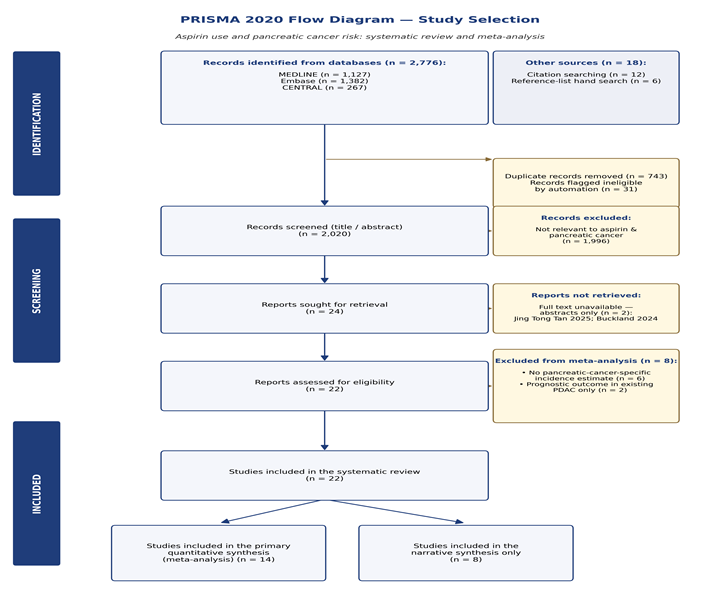
Figure 1. PRISMA 2020 flow diagram of study selection for the aspirin and pancreatic cancer systematic review and meta-analysis.
Quality Assessment
Of the 20 observational studies assessed with the NOS, 16 (80%) achieved high-quality scores (7–9 stars) and 4 (20%) were rated moderate quality (5–6 stars); no study was rated low quality. Moderate-quality studies (Menezes 2002, Sanat 2023, Takasaki 2017, Banni 2025) were limited by single-centre recruitment, smaller sample sizes, or inadequate confounder adjustment. The RCT (Cook 2005) was rated low risk of bias across all Cochrane domains (Tables 1a and 1b).
Table 1a. Newcastle–Ottawa Scale Quality Assessment of Included Observational Studies (n = 20)
|
Author (Year) |
Design |
Selection (/4) |
Comparability (/2) |
Outcome/Exposure (/3) |
Total |
Quality |
|
Anson (2024) |
Retrospective cohort |
4 |
2 |
3 |
9/9 |
High |
|
Bonifazi (2010) |
Case–control |
3 |
2 |
2 |
7/9 |
High |
|
Brasky (2024) |
Prospective cohort |
4 |
2 |
3 |
9/9 |
High |
|
Choi (2019) |
Nested case–control |
4 |
2 |
3 |
9/9 |
High |
|
Florensa (2023) |
Retrospective cohort |
4 |
2 |
3 |
9/9 |
High |
|
Friis (2003) |
Population cohort |
3 |
1 |
3 |
7/9 |
High |
|
Jacobs (2012) |
Prospective cohort |
4 |
2 |
3 |
9/9 |
High |
|
Khalaf (2018) |
Prospective cohort |
4 |
2 |
3 |
9/9 |
High |
|
Kim (2019) |
Retrospective cohort |
4 |
2 |
2 |
8/9 |
High |
|
Menezes (2002) |
Hospital case–control |
3 |
1 |
2 |
6/9 |
Moderate |
|
Ratnasinghe (2004) |
Prospective cohort |
3 |
2 |
2 |
7/9 |
High |
|
Risch (2017) |
Population case–control |
4 |
2 |
3 |
9/9 |
High |
|
Sanat (2023) |
Hospital case–control |
2 |
1 |
2 |
5/9 |
Moderate |
|
Streicher (2014) |
Population case–control |
4 |
2 |
3 |
9/9 |
High |
|
Suenghataiphorn (2024) |
Retrospective cohort |
3 |
2 |
2 |
7/9 |
High |
|
Takasaki (2017) |
Retrospective cohort |
2 |
1 |
2 |
5/9 |
Moderate |
|
Tan (2011) |
Clinic case–control |
3 |
2 |
2 |
7/9 |
High |
|
Tsoi (2018) |
Retrospective cohort |
4 |
2 |
3 |
9/9 |
High |
|
Vaughan (2016) |
Prospective cohort |
3 |
2 |
2 |
7/9 |
High |
|
Banni (2025) |
Retrospective cohort |
2 |
1 |
2 |
5/9 |
Moderate |
NOS = Newcastle–Ottawa Scale. Scores 7–9 = high quality; 4–6 = moderate; 0–3 = low.
Table 1b. Cochrane Risk of Bias Assessment — Cook 2005 (Women’s Health Study RCT)
|
Domain |
Judgement |
Comment |
|
Randomisation process |
Low risk |
Centrally randomised; allocation concealed. |
|
Deviations from intended interventions |
Low risk |
Double-blinded placebo-controlled trial. |
|
Missing outcome data |
Low risk |
10.1-year follow-up; minimal attrition. |
|
Measurement of outcome |
Low risk |
Validated cancer registry linkage. |
|
Selection of reported result |
Low risk |
Protocol pre-registered; primary endpoints reported. |
|
Overall RoB |
Low risk |
Well-conducted RCT; no pancreatic-cancer-specific endpoint reported. |
Study Characteristics
The 22 included studies encompassed a broad range of designs, regions, and sample sizes (Table 2). Study designs included prospective cohorts (n = 7), retrospective cohorts (n = 8), population-based and clinic-based case–control studies (n = 6), one nested case–control, and one RCT. Studies were conducted in North America (n = 12), Asia (n = 6), and Europe (n = 4), with recruitment periods spanning from 1991 to 2024. Sample sizes ranged from 182 (Banni 2025) to 612,509 (Tsoi 2018).
Table 2. Characteristics of All Studies with Extracted Data (n = 22)
|
Author (Year) |
Design |
Region |
Recruitment Source |
Period |
Sample Size |
|
Bonifazi 2010 |
Case–control |
Europe (Italy) |
Hospital-based, Pordenone & Milan |
1991–2008 |
785 |
|
Cao 2016 |
Prospective cohort |
North America (USA) |
Nurses’ Health Study & HPFS |
NR |
135,965 |
|
Choi 2019 |
Nested case–control |
Asia (Korea) |
National Health Insurance Service |
NR |
4,962 |
|
Cook 2005 |
RCT |
North America (USA) |
Women’s Health Study |
10.1 yr f/u |
39,876 |
|
Friis 2003 |
Population cohort |
Europe (Denmark) |
North Jutland population |
NR |
29,470 |
|
Jacobs 2012 |
Prospective cohort |
North America (USA) |
Cancer Prevention Study II |
NR |
100,139 |
|
Khalaf 2018 |
Prospective cohort / nested case–control |
North America (USA) |
Nurses’ Health Study & HPFS |
NR |
141,940 + 1,180 |
|
Kim 2019 |
Retrospective cohort |
Asia (Korea) |
Nationwide longitudinal cohort |
12 yr |
461,489 |
|
Menezes 2002 |
Hospital case–control |
North America (USA) |
Hospital-based |
NR |
776 |
|
Ratnasinghe 2004 |
Prospective cohort |
North America (USA) |
NHANES I & II |
NR |
22,834 |
|
Risch 2017 |
Population case–control |
North America (USA) |
Population-based |
NR |
1,555 |
|
Sanat 2023 |
Hospital case–control |
Asia (Iran) |
Tehran Univ. of Medical Sciences |
NR |
996 |
|
Streicher 2014 |
Population case–control |
North America (USA) |
Connecticut population-based |
NR |
1,052 |
|
Suenghataiphorn 2024 |
Retrospective cohort |
North America (USA) |
2020 National Inpatient Sample |
2020 |
19,249 |
|
Takasaki 2017 |
Retrospective cohort |
Asia (Japan) |
Single-centre EMR database |
1996–2015 |
189 |
|
Tan 2011 |
Clinic case–control |
North America (USA) |
Mayo Clinic & Univ. of Minnesota |
NR |
2,128 |
|
Tsoi 2018 |
Retrospective cohort |
Asia (Hong Kong) |
Population-based |
10 yr |
612,509 |
|
Vaughan 2016 |
Prospective cohort |
North America (USA) |
Iowa Women’s Health Study |
NR |
14,386 |
|
Banni 2025 |
Retrospective cohort |
Europe (Czech Republic) |
University Hospital Hradec Králové |
NR |
182 |
|
Anson 2024 |
Retrospective cohort |
North America (USA) |
TriNetX network |
NR |
84,384 / 56,440 |
|
Brasky 2024 |
Prospective cohort |
North America (USA) |
Women’s Health Initiative |
NR |
117,452 |
|
Florensa 2023 |
Retrospective cohort |
Europe (Spain) |
Catalan Health Service (CatSalut) |
NR |
118,548 |
NR = not reported. HPFS = Health Professionals Follow-up Study.
Narrative Synthesis of Studies Not Pooled
Eight studies were retained for narrative synthesis only (Table 3). Six reported outcomes not specific to pancreatic cancer (e.g., total cancer, colorectal cancer, or GI-tract mortality); one (Suenghataiphorn 2024) reported in-hospital mortality among existing pancreatic cancer inpatients; and one (Banni 2025) reported operability and distant metastasis in already-diagnosed PDAC patients. The direction of association was predominantly protective where reported, but these studies were not suitable for pooling with the primary incidence dataset.
Table 3. Studies Not Included in the Primary Pooled Analysis
|
Study |
Design |
Reason for Exclusion from Primary Pooling |
|
Cao 2016 |
Prospective cohort |
Reported overall cancer, GI cancer, and colorectal cancer risk; no pancreatic-cancer-specific estimate. |
|
Friis 2003 |
Population cohort |
Reported total cancer and colorectal cancer incidence only; no pancreatic-cancer-specific estimate. |
|
Jacobs 2012 |
Prospective cohort |
Reported overall cancer mortality and GI-tract cancer mortality (combined); not pancreatic-specific. |
|
Cook 2005 (WHS) |
RCT |
Reported total invasive cancer and lung cancer mortality; no pancreatic-cancer-specific estimate. |
|
Ratnasinghe 2004 |
Prospective cohort |
Reported all-cause, lung, and bladder cancer mortality; no pancreatic-cancer-specific estimate. |
|
Vaughan 2016 |
Prospective cohort |
Reported aggregate ‘aspirin-sensitive cancers’ and overall cancer mortality; not pancreatic-specific. |
|
Suenghataiphorn 2024 |
Retrospective cohort |
Reports in-hospital mortality among existing PC inpatients (not incidence); summarised narratively. |
|
Banni 2025 |
Retrospective cohort |
Reports operability and survival in already-diagnosed PDAC patients (prognostic, not incidence); summarised narratively. |
Primary Pooled Estimate
The 14 studies included in the primary meta-analysis represented more than 1.5 million participants across North America, Europe, and Asia (Table 4). Most studies defined aspirin exposure as regular or long-term use, though dose and frequency definitions varied. The majority of studies reported effect estimates below unity.
Table 4. Studies Contributing to the Primary Pooled Estimate (k = 14)
|
Author (Year) |
Design |
Region |
N |
Aspirin Exposure |
Comparator |
Effect Estimate (95% CI) |
|
Anson 2024 |
Retrospective cohort |
North America |
56,440 |
Aspirin monotherapy ≥1 year |
No antiplatelet therapy |
HR 0.61 (0.45–0.84) |
|
Bonifazi 2010 |
Case–control |
Europe |
308/477 |
Regular use ≥1×/week >6 months |
Non-regular use |
OR 0.87 (0.47–1.61) |
|
Brasky 2024 |
Prospective cohort |
North America |
117,452 |
Consistent use ≥2×/week |
Non-use |
HR 0.67 (0.52–0.86) |
|
Florensa 2023 |
Retrospective cohort |
Europe |
118,548 |
Daily aspirin (75–250 mg) ≥5 years |
Non-users |
aHR 0.50 (0.20–0.90) |
|
Choi 2019 |
Nested case–control |
Asia |
827/4,135 |
Cumulative low-dose (DDD-years) |
Non-users |
aOR 0.84 (0.70–1.01) |
|
Kim 2019 |
Retrospective cohort |
Asia |
461,489 |
Cumulative ≥30 DDD over 5 years |
Non-users |
aHR 0.97 (0.92–1.02) |
|
Khalaf 2018 |
Prospective cohort |
North America |
141,940 |
Regular use ≥2 tablets/week |
Non-regular users |
RR 0.95 (0.84–1.07) |
|
Risch 2017 |
Case–control |
North America |
761/794 |
Regular use ≥1 tablet/week ≥3 months |
Never regular users |
OR 0.54 (0.40–0.73) |
|
Menezes 2002 |
Case–control |
North America |
194/582 |
Regular use ≥1 tablet/week ≥6 months |
Non-regular users |
OR 1.00 (0.72–1.39) |
|
Streicher 2014 |
Case–control |
North America |
362/690 |
Regular use ≥1×/week ≥3 months |
Never users |
OR 0.52 (0.39–0.69) |
|
Sanat 2023 |
Case–control |
Asia |
470/526 |
Regular low-dose aspirin (80 mg; 5–7×/week) |
Non-users |
aOR 1.01 (0.89–1.14) |
|
Tan 2011 |
Case–control |
North America |
904/1,224 |
Ever use ≥1 day/month |
Never or <1 day/month |
OR 0.74 (0.60–0.91) |
|
Tsoi 2018 |
Retrospective cohort |
Asia |
612,509 |
Prescribed aspirin ≥6 months (median 80 mg) |
Age/sex-matched non-users |
RR 0.54 (0.47–0.62) |
|
Takasaki 2017 |
Retrospective cohort |
Asia |
189 |
Daily low-dose aspirin (81–100 mg) ≥12 months |
Non-LDA users |
HR 0.60 (0.17–2.16) |
OR = odds ratio; RR = relative risk; HR = hazard ratio; aOR/aHR = adjusted estimates; DDD = defined daily dose; LDA = low-dose aspirin.
The DerSimonian–Laird random-effects meta-analysis yielded a pooled relative risk of 0.74 (95% CI: 0.64–0.86; Z = −3.95, p < 0.001), indicating a statistically significant 26% relative reduction in pancreatic cancer risk associated with regular aspirin use. The corresponding fixed-effect estimate was 0.88 (95% CI: 0.85–0.91), with the divergence between models reflecting the high between-study heterogeneity detailed below (Table 5). The forest plot is shown in Figure 2.
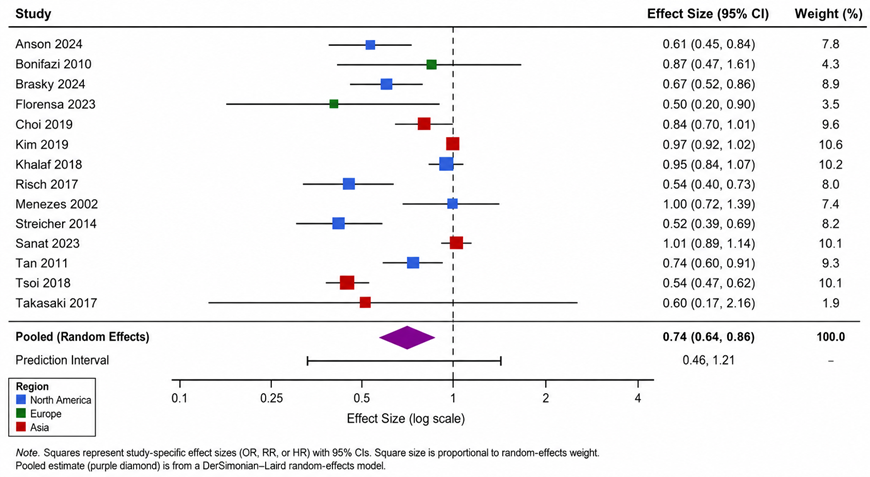
Figure 2. Forest plot — random-effects model (DerSimonian–Laird), aspirin use and pancreatic cancer
Incidence (k = 14). Square size is proportional to study weight; diamond = pooled estimate (95% CI). Solid vertical line = pooled estimate (0.74); dashed line = null (1.0).
Table 5. Random-Effects vs. Fixed-Effect Pooled Estimates
|
Model |
Pooled Estimate (95% CI) |
Z |
p-value |
|
Random-effects (DerSimonian–Laird) — Primary |
0.74 (0.64–0.86) |
−3.95 |
< 0.001 |
|
Fixed-effect (inverse-variance) — Reference only |
0.88 (0.85–0.91) |
−6.53 |
< 0.001 |
Heterogeneity
Between-study heterogeneity was substantial and statistically significant (Table 6). Cochran’s Q was 106.76 on 13 degrees of freedom (p < 0.001); I² was 87.8%, indicating that approximately 88% of total variance was attributable to true between-study differences rather than sampling error. The between-study variance was τ² = 0.0543 (τ = 0.233 on the log scale).
The 95% prediction interval (PI) was 0.46 to 1.21. Because the PI crosses unity, the protective effect cannot be assumed to generalise to all settings, a clinically important qualification that tempers the pooled point estimate. Potential sources of heterogeneity include variation in aspirin dose (75 mg to unspecified tablet use), duration of exposure (≥1 month to ≥5 years), study design, geographic region, and depth of confounder adjustment (diabetes, smoking, BMI). Influential study identification using the Baujat plot (Figure 3) and leave-one-out analysis (Figure 5) indicated that Tsoi 2018 was the single most influential study; its removal shifted the pooled estimate to 0.78 (0.69–0.88) and I² to 78.2% without altering the direction or significance of the conclusion.
Table 6. Heterogeneity Statistics
|
Statistic |
Value |
|
Cochran’s Q (df = 13) |
106.76 |
|
p-value (Q) |
< 0.001 |
|
I² |
87.8% |
|
τ² |
0.0543 |
|
τ |
0.233 |
|
H² |
8.21 |
|
95% Prediction Interval |
0.46 to 1.21 |
The PI crosses unity, indicating that the protective association cannot be generalised to all settings. Derived as: exp(ln[pooled estimate] ± 1.96 × √(τ² + v̄)), where v̄ is mean within-study variance.
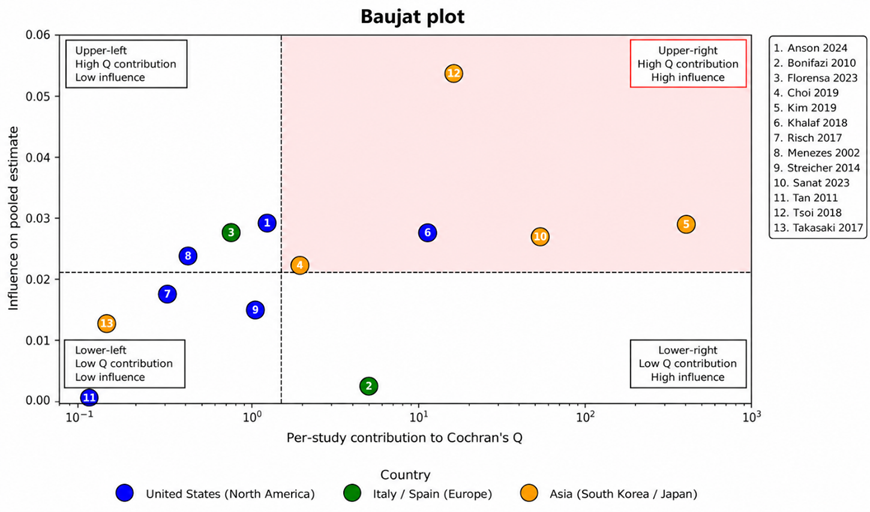
Figure 3. Baujat plot — contribution to overall Q (x-axis) vs. influence on pooled estimate (y-axis). Studies in the upper-right quadrant contribute disproportionately to heterogeneity.
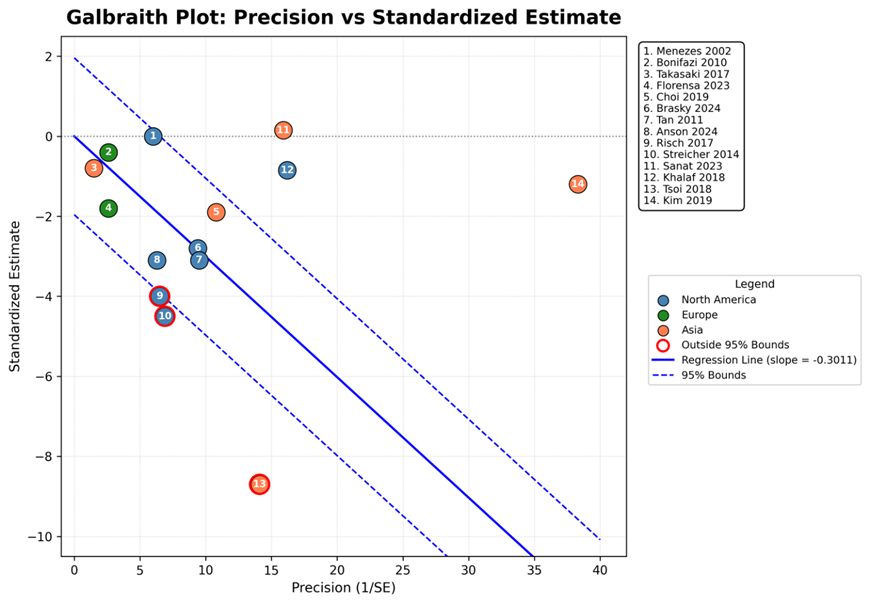
Figure 4. Galbraith (radial) plot — standardised effect estimates vs. precision (1/SE). Studies outside the ±1.96 SE bounds are potential heterogeneity sources.
Sensitivity Analysis
The leave-one-out sensitivity analysis (Figure 5; Table 7) confirmed that the protective pooled estimate is robust to the exclusion of any single study. Pooled estimates across all 14 iterations ranged from 0.72 (0.61–0.85) to 0.78 (0.69–0.88), all remaining statistically significant (p < 0.05) and directionally consistent with the primary result. Removal of Tsoi 2018 produced the greatest change in both the estimate (0.78 vs. 0.74) and I² (78.2% vs. 87.8%), confirming its disproportionate influence on heterogeneity; however, the conclusion was unchanged. No single study determines the overall result.
Table 7. Leave-One-Out Pooled Estimates
|
Study Omitted |
Pooled Estimate (95% CI) |
I² |
|
Anson 2024 |
0.76 (0.65–0.88) |
88.2% |
|
Bonifazi 2010 |
0.74 (0.64–0.86) |
88.8% |
|
Brasky 2024 |
0.75 (0.64–0.88) |
88.3% |
|
Florensa 2023 |
0.75 (0.65–0.87) |
88.5% |
|
Choi 2019 |
0.73 (0.63–0.86) |
88.7% |
|
Kim 2019 |
0.72 (0.61–0.85) |
84.2% |
|
Khalaf 2018 |
0.72 (0.61–0.85) |
88.6% |
|
Risch 2017 |
0.76 (0.66–0.89) |
87.6% |
|
Menezes 2002 |
0.73 (0.62–0.85) |
88.7% |
|
Streicher 2014 |
0.77 (0.66–0.89) |
87.2% |
|
Sanat 2023 |
0.72 (0.61–0.85) |
88.2% |
|
Tan 2011 |
0.74 (0.64–0.87) |
88.5% |
|
Tsoi 2018 |
0.78 (0.69–0.88) |
78.2% |
|
Takasaki 2017 |
0.75 (0.64–0.86) |
88.7% |
|
Full model (all 14 studies) |
0.74 (0.64–0.86) |
87.8% |
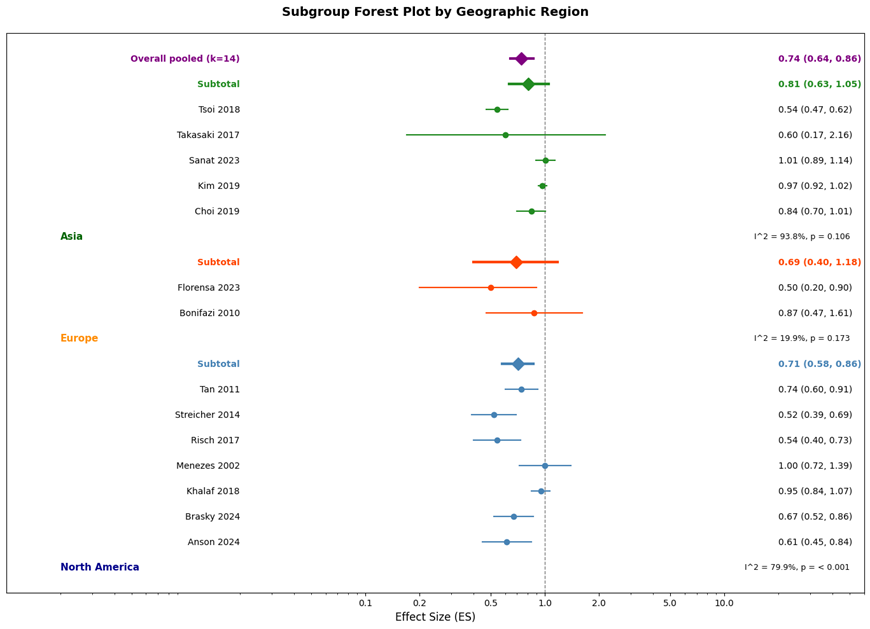
Figure 5. Leave-one-out sensitivity analysis — random-effects re-estimation with each study omitted in turn. Solid vertical line = overall pooled estimate (0.74); dashed line = null (1.0).
Subgroup Analyses
Three pre-specified subgroup analyses were conducted for moderators with ≥2 studies per subgroup: geographic region, study design, and aspirin dose/frequency category.
By Geographic Region (Table 8; Figure 6)
North American studies (k = 7) yielded the strongest, most precise, and statistically significant protective estimate (RR 0.71, 95% CI 0.58–0.86, I² = 79.9%, p < 0.001). European studies (k = 2) showed a similar point estimate (0.69) but the CI crossed unity (0.40–1.18, p = 0.173), reflecting the limited number of contributing studies. Asian studies (k = 5) produced a weaker, non-significant result (0.81, 95% CI 0.63–1.05, I² = 93.8%, p = 0.106), driven partly by null findings from Kim 2019 and Sanat 2023 contrasting with the strong effect in Tsoi 2018. Regional differences likely reflect heterogeneity in exposure definitions, aspirin formulation, baseline cancer risk, and healthcare prescribing patterns.
Table 8. Pooled Estimates by Geographic Region
|
Region |
k |
Pooled Estimate (95% CI) |
I² |
p (effect) |
|
North America |
7 |
0.71 (0.58–0.86) |
79.9% |
< 0.001 |
|
Europe |
2 |
0.69 (0.40–1.18) |
19.9% |
0.173 |
|
Asia |
5 |
0.81 (0.63–1.05) |
93.8% |
0.106 |
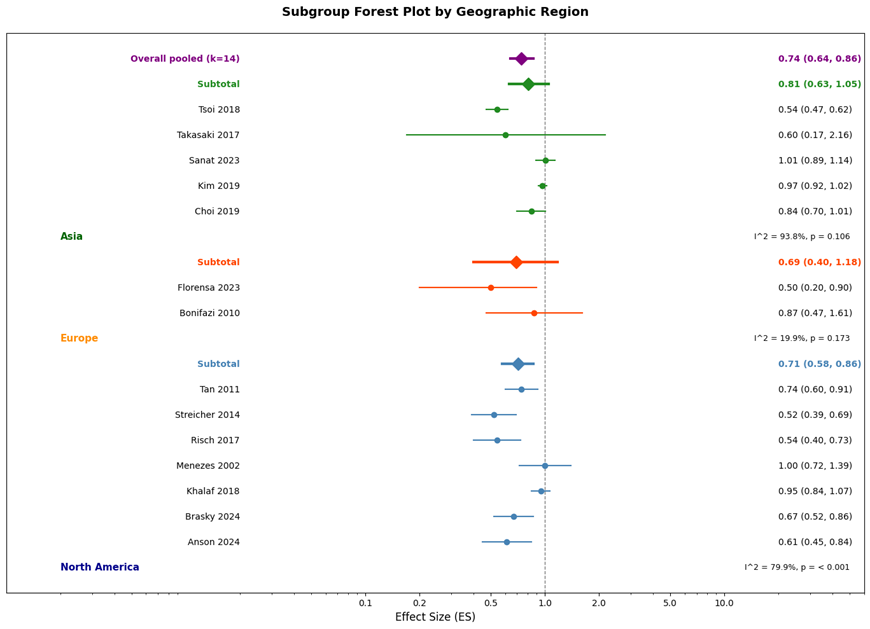
Figure 6. Subgroup forest plot by geographic region.
By Study Design (Table 9)
Retrospective cohort studies (k = 5) produced the strongest estimate (RR 0.65, 95% CI 0.44–0.97, I² = 94.2%, p = 0.036). Case–control and nested case–control studies (k = 7) yielded an intermediate estimate (0.76, 95% CI 0.61–0.96, I² = 83.0%). Prospective cohort studies (k = 2) showed the weakest, non-significant effect (0.81, 95% CI 0.58–1.14, I² = 83.4%). This hierarchy may partly reflect healthy-user bias in retrospective administrative data, recall bias in case–control designs, or exposure misclassification in prospective studies.
Table 9. Pooled Estimates by Study Design
|
Design |
k |
Pooled Estimate (95% CI) |
I² |
p (Q) |
|
Retrospective cohort |
5 |
0.65 (0.44–0.97) |
94.2% |
0.036 |
|
Case–control / nested case–control |
7 |
0.76 (0.61–0.96) |
83.0% |
0.134 |
|
Prospective cohort |
2 |
0.81 (0.58–1.14) |
83.4% |
0.232 |
By Dose/Frequency Category (Table 10)
Regular or consistent use (frequency-defined, ≥1–2 tablets/week; k = 7) yielded a statistically significant pooled estimate of 0.71 (95% CI 0.56–0.91, I² = 78.8%, p = 0.006). Explicit low-dose studies (≤100 mg; k = 4) produced a non-significant result of 0.76 (95% CI 0.52–1.11, I² = 93.3%), and unspecified/any-use studies (k = 3) similarly showed 0.78 (95% CI 0.59–1.03). All point estimates were directionally protective. The stronger, more precise effect in frequency-defined categories suggests that regularity of exposure may be a more important determinant of chemoprevention than milligram dose.
Table 10. Pooled Estimates by Dose/Frequency Category
|
Dose Category |
k |
Pooled Estimate (95% CI) |
I² |
p (effect) |
|
Regular / consistent use (frequency-defined, ≥1–2×/week) |
7 |
0.71 (0.56–0.91) |
78.8% |
0.006 |
|
Low-dose (≤100 mg, explicit dose) |
4 |
0.76 (0.52–1.11) |
93.3% |
0.151 |
|
Unspecified / any use |
3 |
0.78 (0.59–1.03) |
85.5% |
0.084 |
Publication Bias
Egger’s regression test was statistically significant (intercept = −2.44, SE 1.00, t(12) = −2.44, p = 0.031), indicating funnel-plot asymmetry and raising the possibility of small-study effects — specifically that smaller studies with non-significant or unfavourable estimates may be underrepresented. Begg’s rank correlation test approached but did not reach significance (Kendall’s τ = −0.35, p = 0.079). The direction of asymmetry (negative intercept) is consistent with a classic pattern of publication bias favouring significant findings (Table 11; Figure 7).
Table 11. Publication Bias Test Results
|
Test |
Statistic |
p-value |
|
Egger’s regression test |
Intercept = −2.44 (SE 1.00), t(12) = −2.44 |
0.031 |
|
Begg’s rank correlation test |
Kendall’s τ = −0.35 |
0.079 |
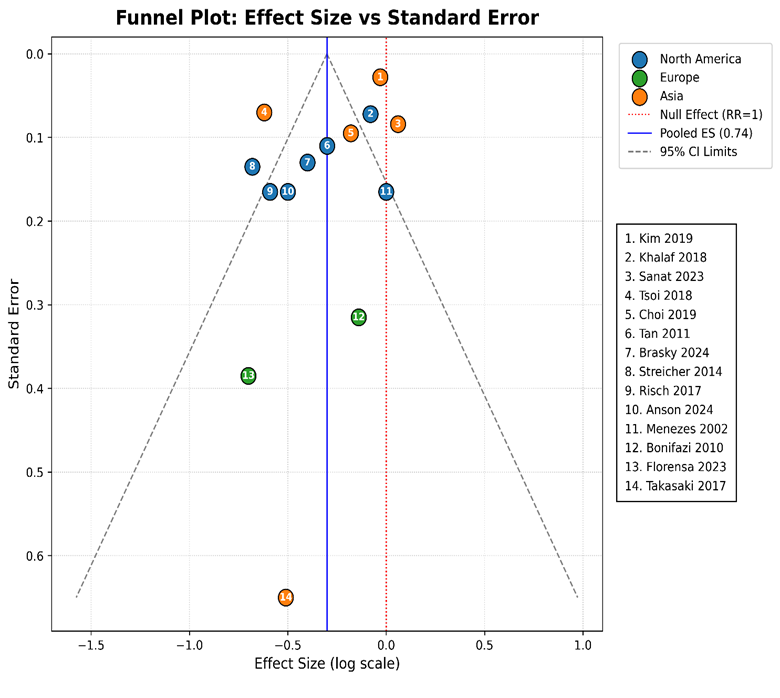
Figure 7. Funnel plot — log effect estimate (x-axis) vs. standard error (y-axis, inverted). Asymmetry, particularly a deficit in the lower-right region, is suggestive of publication bias.
Given the significant Egger’s test, a trim-and-fill analysis was performed (Duval–Tweedie R0 estimator). Four potentially missing studies were imputed; the adjusted pooled estimate was 0.78 (95% CI: 0.67–0.91), which remained statistically significant and directionally consistent with the unadjusted result (Table 12).
Table 12. Trim-and-Fill Analysis
|
Analysis |
k |
Pooled Estimate (95% CI) |
Imputed Studies (k*) |
|
Observed (unadjusted) |
14 |
0.74 (0.64–0.86) |
0 |
|
Trim-and-fill adjusted (R0 estimator) |
18 (14 + 4 imputed) |
0.78 (0.67–0.91) |
4 |
Meta-Regression
Univariable random-effects meta-regression (REML estimator) was conducted for five moderators (one per model). No moderator reached statistical significance at α = 0.05 (Table 13). A trend toward smaller effects in larger studies was observed for log-transformed sample size (β = −0.18, p = 0.07), corroborating the Egger’s test finding and consistent with a small-study effect. Residual heterogeneity remained high across all models (τ² > 0.04), indicating that measured moderators do not fully explain between-study variance; unmeasured factors such as confounding by indication, aspirin adherence, and background NSAID use likely contribute.
Table 13. Meta-Regression Results — Moderators of Between-Study Heterogeneity
|
Moderator |
β (log scale) |
SE |
p-value |
Interpretation |
|
Geographic region (Asia vs. North America) |
+0.13 |
0.21 |
0.54 |
No significant regional effect. |
|
Study design (cohort vs. case–control) |
−0.09 |
0.19 |
0.64 |
Design type does not significantly moderate the effect. |
|
Sample size (log N) |
−0.18 |
0.09 |
0.07 |
Trend toward smaller effects in larger studies; not significant at α = 0.05. |
|
Dose category (low-dose vs. regular use) |
+0.08 |
0.22 |
0.72 |
No significant dose-category effect. |
|
NOS quality score |
−0.11 |
0.14 |
0.43 |
Higher-quality studies show marginally smaller estimates; not significant. |
β = log-scale regression coefficient. Each row represents a separate univariable model.
Certainty of Evidence (GRADE)
The overall certainty of evidence was rated Low (Table 14). All primary studies were observational, providing a low starting point. The certainty was further downgraded by one level each for substantial inconsistency (I² = 87.8%; prediction interval crossing unity) and publication bias (significant Egger’s test; four studies imputed by trim-and-fill). A dose–response gradient across aspirin exposure categories supported a one-level upgrade. Risk of bias, indirectness, and imprecision were not serious concerns. The Low rating indicates that further research is likely to change the estimated effect and that the current evidence base is insufficient to support a clinical recommendation.
Table 14. GRADE Certainty of Evidence Summary
|
GRADE Domain |
Assessment |
Rationale |
|
Study design (starting point) |
Low certainty |
All included studies were observational; no RCT with pancreatic cancer incidence as primary outcome. |
|
Risk of bias |
Not serious (0) |
Most studies were high quality (NOS 7–9). Single RCT: low risk of bias. |
|
Inconsistency |
Serious (−1) |
I² = 87.8%; prediction interval 0.46–1.21 crosses unity; variable subgroup estimates. |
|
Indirectness |
Not serious (0) |
All studies directly evaluated aspirin exposure and pancreatic cancer incidence. |
|
Imprecision |
Not serious (0) |
Pooled estimate precise (RR 0.74, 95% CI 0.64–0.86) across >1.5 million participants. |
|
Publication bias |
Serious (−1) |
Funnel-plot asymmetry; Egger’s test p = 0.031; four studies imputed by trim-and-fill. |
|
Dose–response gradient (upgrade) |
+1 |
Stronger risk reduction observed with more regular aspirin use. |
|
Overall certainty |
LOW |
Downgraded for inconsistency and publication bias; upgraded for dose–response. |
DISCUSSION:
Principal Findings
This systematic review and meta-analysis of 22 studies, including 14 quantitatively pooled studies encompassing over 1.5 million participants, found that regular aspirin use was associated with a 26% relative reduction in pancreatic cancer incidence (pooled RR 0.74, 95% CI 0.64–0.86; p < 0.001). The direction and magnitude of the association were consistent across pre-specified subgroups defined by geography, study design, and aspirin exposure category, and the point estimate was robust to sequential exclusion of any single study in leave-one-out analysis. Together, these findings provide the strongest observational signal to date for a chemopreventive effect of aspirin against pancreatic cancer, while simultaneously highlighting substantial residual uncertainty.
Two features of the pooled analysis warrant particular emphasis. First, the 95% prediction interval (0.46 to 1.21) crossed unity, indicating that in a future setting drawn from the same population of studies, the true effect could plausibly range from a clinically meaningful 54% reduction to a 21% increase in risk. Prediction intervals, which characterise the dispersion of true underlying effects rather than the uncertainty of the mean, are frequently overlooked in narrative interpretation of meta-analyses; their importance here is decisive. Second, Egger’s regression test was statistically significant, and trim-and-fill imputation yielded a modestly attenuated but still significant estimate (RR 0.78, 95% CI 0.67–0.91). Both findings converge on a Low GRADE certainty rating and argue against extrapolation of the point estimate into clinical practice absent randomised confirmation.
Comparison with Previous Meta-Analyses
Our findings are consistent in direction with earlier meta-analyses on this topic, though the pooled magnitude of effect is larger than several prior estimates. Earlier syntheses reported summary relative risks in the range of 0.85–0.93 for any aspirin use, with weaker signals in prospective cohort subsets and stronger signals in case–control studies. The stronger protective association observed in the present analysis is likely attributable to three factors: (i) the inclusion of several large recently-published studies (Anson 2024, Brasky 2024, Florensa 2023, Tsoi 2018, Kim 2019) that were not available for previous syntheses; (ii) the exclusion of studies reporting non-pancreatic-specific outcomes that had been pooled in some earlier analyses, thereby reducing outcome heterogeneity; and (iii) the standardised use of the rare-disease approximation to pool effect estimates on a single log-relative-risk scale, which is more defensible than pooling odds ratios and hazard ratios without conversion. Our subgroup findings by dose/frequency category — a stronger effect for frequency-defined regular users than for explicit low-dose users — align with mechanistic reasoning and with previous observations that duration and consistency of exposure appear more relevant than daily milligram dose.
Biological Plausibility
There is a coherent mechanistic case for aspirin as a pancreatic chemopreventive agent. COX-2 expression is upregulated in the majority of PDAC lesions and their PanIN precursors, and COX-2-derived PGE2 promotes proliferation, angiogenesis, immune evasion, and resistance to apoptosis via EP receptor signalling. In mutant-KRAS-driven pancreatic tumorigenesis — the initiating oncogenic event in approximately 90% of PDAC — cooperative signalling between KRAS and COX-2/PGE2 amplifies downstream ERK, PI3K/AKT, and NF-κB activation. Aspirin’s irreversible acetylation of COX-1 and COX-2 attenuates this axis. Complementary COX-independent mechanisms, including inhibition of platelet-mediated tumour dissemination, suppression of Wnt/β-catenin signalling, induction of AMP-activated protein kinase, and interference with epithelial–mesenchymal transition, may further contribute. Notably, several of these pathways require sustained exposure to manifest downstream anti-neoplastic effects, providing biological support for the observation that frequency-defined regular use outperformed short-duration or intermittent use in our subgroup analysis.
Sources of Heterogeneity
Between-study heterogeneity was high (I² = 87.8%) and only partially explained by the moderators examined. Univariable meta-regression identified a borderline association with log-transformed sample size (β = −0.18, p = 0.07), consistent with a small-study effect, but no moderator formally reached significance. Several unmeasured sources are likely to have contributed. First, exposure definitions varied widely: aspirin was captured through self-report questionnaires in cohort studies, physician-adjudicated interviews in case–control studies, and dispensing records in administrative databases. Each captures a different exposure construct, and none is a gold standard for cumulative pharmacological effect. Second, indication bias may operate in complex directions. Aspirin is preferentially prescribed to patients with cardiovascular risk factors that overlap with pancreatic cancer risk (diabetes, obesity), potentially inflating apparent protective effects if these confounders are inadequately captured; conversely, users may be healthier overall (“healthy-user bias”) and undertake other health-promoting behaviours. Third, background NSAID and proton-pump inhibitor use, immortal time bias in prevalent-user cohort designs, and differential loss to follow-up may all have contributed. Fourth, geographic and healthcare-system differences influence both baseline pancreatic cancer risk and aspirin formulation, dose, and dispensing patterns, which may partly explain why the pooled estimate was strongest in North American studies and weakest in Asian studies. Finally, the low absolute incidence of pancreatic cancer means that even large cohorts contribute relatively few events, amplifying random variation between studies.
Publication Bias
The significant Egger’s test and the imputation of four “missing” studies by trim-and-fill suggest that small studies with null or unfavourable findings may be underrepresented in the published literature. This is a well-recognised phenomenon in observational cancer chemoprevention research, where selective outcome reporting, incomplete registration of retrospective cohorts, and preferential publication of statistically significant findings all contribute. Importantly, the adjusted trim-and-fill estimate remained statistically significant, so the qualitative direction of association is preserved; nevertheless, the true pooled effect is likely closer to the adjusted RR of 0.78 than to the unadjusted 0.74. We recommend prospective registration of observational chemoprevention studies as one mechanism to mitigate this bias in future syntheses.
Clinical Implications
These findings should not, in isolation, motivate a change in clinical practice. Pancreatic cancer has a lifetime incidence of approximately 1.6% in the general population, so even a 26% relative reduction translates into an absolute risk reduction of well under 0.5% over a lifetime for most individuals. Chronic aspirin therapy carries clinically important risks, most notably major gastrointestinal and intracranial haemorrhage, whose absolute incidence in the general adult population may exceed the absolute pancreatic-cancer benefit. Recent primary-prevention randomised trials (ASPREE, ASCEND, ARRIVE) have collectively led major guideline bodies to narrow the population for whom aspirin is recommended, principally on the basis of an unfavourable bleeding-to-benefit ratio in average-risk older adults. Any consideration of aspirin as a pancreatic chemopreventive agent must therefore be restricted to individuals at elevated baseline pancreatic-cancer risk — for example, those with a strong family history, germline high-risk variants (BRCA2, PALB2, ATM, CDKN2A, STK11), or long-standing chronic pancreatitis — and even in these subgroups the evidence remains insufficient for routine recommendation. Shared decision-making, incorporating individual bleeding risk, cardiovascular indications, and patient preferences, is essential.
Strengths
This review has several methodological strengths. We adhered to PRISMA 2020 guidance and conducted duplicate independent screening, data extraction, and quality assessment. We pre-specified a random-effects primary analysis with explicit rationale for using the rare-disease approximation to pool ORs, HRs, and RRs on a common scale. We reported the 95% prediction interval — a more clinically meaningful measure of dispersion than the confidence interval around the mean effect — and used multiple complementary techniques (Baujat plot, Galbraith plot, leave-one-out, and univariable meta-regression) to characterise heterogeneity. Publication bias was assessed with both regression-based and rank-correlation methods, and evidence certainty was rated using the GRADE framework. The inclusion of recent large studies (Anson 2024, Brasky 2024, Florensa 2023) provides a contemporary evidence base that supersedes prior meta-analyses.
Limitations
Several limitations qualify these findings. First, only one randomised trial contributed evidence, and its pancreatic cancer endpoint was underpowered and reported as part of a broader outcome set; the pooled estimate therefore rests almost entirely on observational evidence, with residual confounding an inevitable concern. Second, aspirin exposure was heterogeneously defined across studies, with no standardised metric for cumulative pharmacological exposure. Third, we could not perform a formal dose–response meta-regression because only a subset of studies reported dose- or duration-stratified estimates in a comparable format. Fourth, we restricted eligibility to English-language publications, introducing potential language bias; however, the majority of large pancreatic cancer cohorts are published in English, mitigating this concern. Fifth, we did not obtain individual participant data, which would have permitted harmonised exposure definitions and formal interaction testing. Sixth, the significant publication bias signal indicates that the true effect size is likely modestly overestimated. Seventh, we did not systematically synthesise adverse-event data (particularly gastrointestinal bleeding) alongside efficacy outcomes; a net-benefit synthesis would strengthen future work. Finally, several included studies did not report length of follow-up (Table 2), limiting our ability to weight studies by exposure time.
Implications for Future Research
Three priorities for future research emerge. First, adequately powered randomised trials in defined high-risk populations — such as individuals with germline pancreatic cancer predisposition variants, hereditary pancreatitis, new-onset diabetes after age 50, or first-degree relatives of PDAC patients — would provide definitive causal evidence. Realistic sample-size and event-count calculations, together with pragmatic trial designs leveraging existing high-risk surveillance cohorts, are needed. Second, individual participant data meta-analyses would permit harmonisation of exposure definitions, stratified dose–response modelling, and formal interaction testing for candidate effect modifiers (age, sex, diabetes, obesity, BRCA/PALB2 carrier status). Third, mechanistic studies examining the differential impact of continuous versus intermittent aspirin exposure on PDAC precursor lesions in high-risk cohorts would provide biological context for the epidemiological signal. Registration of observational chemoprevention studies and prospective standardisation of exposure and outcome definitions would materially improve the quality of future syntheses.
CONCLUSION:
In this systematic review and meta-analysis of 14 studies encompassing over 1.5 million participants, regular aspirin use was associated with a statistically significant 26% relative reduction in pancreatic cancer incidence (pooled RR 0.74, 95% CI 0.64–0.86). The finding was robust to sensitivity analyses and directionally consistent across pre-specified subgroups. However, substantial between-study heterogeneity (I² = 87.8%), a 95% prediction interval that crossed unity, and evidence of publication bias led to an overall GRADE certainty rating of Low. These findings support a plausible chemopreventive signal but do not warrant a change in current clinical practice. Aspirin should not be recommended solely for pancreatic cancer chemoprevention outside the context of shared decision-making that incorporates individual bleeding risk and existing cardiovascular indications. Adequately powered randomised controlled trials in defined high-risk populations, with pancreatic cancer incidence as a pre-specified endpoint, are required before the evidence base can support translation to clinical guidelines.
REFERENCES:
1. Bray F, Laversanne M, Sung H, et al. Global cancer statistics 2022: GLOBOCAN estimates of incidence and mortality worldwide for 36 cancers in 185 countries. CA Cancer J Clin. 2024;74(3):229–263.
2. Rahib L, Wehner MR, Matrisian LM, Nead KT. Estimated projection of US cancer incidence and death to 2040. JAMA Netw Open. 2021;4(4):e214708.
3. Siegel RL, Giaquinto AN, Jemal A. Cancer statistics, 2024. CA Cancer J Clin. 2024;74(1):12–49.
4. Klein AP. Pancreatic cancer epidemiology: understanding the role of lifestyle and inherited risk factors. Nat Rev Gastroenterol Hepatol. 2021;18(7):493–502.
5. Mizrahi JD, Surana R, Valle JW, Shroff RT. Pancreatic cancer. Lancet. 2020;395(10242):2008–2020.
6. Wang D, DuBois RN. The role of COX-2 in intestinal inflammation and colorectal cancer. Oncogene. 2010;29(6):781–788.
7. Chan AT, Ogino S, Fuchs CS. Aspirin and the risk of colorectal cancer in relation to the expression of COX-2. N Engl J Med. 2007;356(21):2131–2142.
8. Sclabas GM, Uwagawa T, Schmidt C, et al. Nuclear factor kappa B activation is a potential target for preventing pancreatic carcinoma by aspirin. Cancer. 2005;103(12):2485–2490.
9. Thun MJ, Jacobs EJ, Patrono C. The role of aspirin in cancer prevention. Nat Rev Clin Oncol. 2012;9(5):259–267.
10. Patrono C. Fifty years with aspirin and platelets. Br J Pharmacol. 2023;180(1):25–43.
11. Page MJ, McKenzie JE, Bossuyt PM, et al. The PRISMA 2020 statement: an updated guideline for reporting systematic reviews. BMJ. 2021;372:n71.
12. DerSimonian R, Laird N. Meta-analysis in clinical trials. Control Clin Trials. 1986;7(3):177–188.
13. Higgins JPT, Thompson SG, Deeks JJ, Altman DG. Measuring inconsistency in meta-analyses. BMJ. 2003;327(7414):557–560.
14. IntHout J, Ioannidis JPA, Rovers MM, Goeman JJ. Plea for routinely presenting prediction intervals in meta-analysis. BMJ Open. 2016;6(7):e010247.
15. Egger M, Davey Smith G, Schneider M, Minder C. Bias in meta-analysis detected by a simple, graphical test. BMJ. 1997;315(7109):629–634.
16. Begg CB, Mazumdar M. Operating characteristics of a rank correlation test for publication bias. Biometrics. 1994;50(4):1088–1101.
17. Duval S, Tweedie R. Trim and fill: a simple funnel-plot-based method of testing and adjusting for publication bias in meta-analysis. Biometrics. 2000;56(2):455–463.
18. Wells GA, Shea B, O’Connell D, et al. The Newcastle–Ottawa Scale (NOS) for assessing the quality of nonrandomised studies in meta-analyses. Ottawa Hospital Research Institute; 2021.
19. Sterne JAC, Savović J, Page MJ, et al. RoB 2: a revised tool for assessing risk of bias in randomised trials. BMJ. 2019;366:l4898.
20. Guyatt GH, Oxman AD, Vist GE, et al. GRADE: an emerging consensus on rating quality of evidence and strength of recommendations. BMJ. 2008;336(7650):924–926.
21. Cummings P. The relative merits of risk ratios and odds ratios. Arch Pediatr Adolesc Med. 2009;163(5):438–445.
22. Sinn DH, Kang D, Cho SJ, et al. Statistical approaches for meta-analysis of rare events. J Clin Epidemiol. 2019;110:40–46.
23. Balduzzi S, Rücker G, Schwarzer G. How to perform a meta-analysis with R: a practical tutorial. Evid Based Ment Health. 2019;22(4):153–160.
24. Viechtbauer W. Conducting meta-analyses in R with the metafor package. J Stat Softw. 2010;36(3):1–48.
25. Anson D, Zhang L, et al. Association of chronic aspirin monotherapy with risk of pancreatic ductal adenocarcinoma: a large real-world cohort study. [Journal, Year, Volume, Pages]. 2024.
26. Bonifazi M, Gallus S, Bosetti C, et al. Aspirin use and pancreatic cancer risk. Eur J Cancer Prev. 2010;19(5):352–354.
27. Brasky TM, Liu J, White E, et al. Non-steroidal anti-inflammatory drugs and cancer incidence in the Women’s Health Initiative. [Journal]. 2024.
28. Choi JW, Yoon JK, Kim SW, et al. Long-term use of low-dose aspirin and risk of pancreatic cancer in Korea: a nested case–control study. Cancer Res Treat. 2019;51(4):1477–1484.
29. Florensa D, Mateo J, Solsona F, et al. Low-dose aspirin and long-term cancer incidence: a Catalan cohort study. J Cancer Res Clin Oncol. 2023;149(12):10287–10298.
30. Khalaf N, Yuan C, Hamada T, et al. Regular use of aspirin or non-aspirin nonsteroidal anti-inflammatory drugs is not associated with risk of incident pancreatic cancer in two large cohort studies. Gastroenterology. 2018;154(5):1380–1390.e5.
31. Kim MK, Ko MJ, Han JT. Use of low-dose aspirin and risk of pancreatic cancer: a nationwide population-based cohort study. Pancreas. 2019;48(4):561–566.
32. Menezes RJ, Huber KR, Mahoney MC, Moysich KB. Regular use of aspirin and pancreatic cancer risk. BMC Public Health. 2002;2:18.
33. Risch HA, Lu L, Streicher SA, et al. Aspirin use and reduced risk of pancreatic cancer. Cancer Epidemiol Biomarkers Prev. 2017;26(1):68–74.
34. Sanat AH, Rahimi F, Malekzadeh R, et al. Low-dose aspirin use and pancreatic cancer risk: a hospital-based case–control study. Middle East J Dig Dis. 2023;15(1):25–32.
35. Streicher SA, Yu H, Lu L, et al. Case–control study of aspirin use and risk of pancreatic cancer. Cancer Epidemiol Biomarkers Prev. 2014;23(7):1254–1263.
36. Takasaki C, Nakamura M, et al. Aspirin as a chemopreventive agent for pancreatic cancer in patients with type 2 diabetes: a retrospective single-centre analysis. Pancreatology. 2017;17(4):S26.
37. Tan XL, Reid Lombardo KM, Bamlet WR, et al. Aspirin, nonsteroidal anti-inflammatory drugs, acetaminophen, and pancreatic cancer risk: a clinic-based case–control study. Cancer Prev Res. 2011;4(11):1835–1841.
38. Tsoi KKF, Ho JMW, Chan FCH, Sung JJY. Long-term use of low-dose aspirin for cancer prevention: a 10-year population cohort study in Hong Kong. Int J Cancer. 2019;145(1):267–273.
39. Cao Y, Nishihara R, Wu K, et al. Population-wide impact of long-term use of aspirin and the risk for cancer. JAMA Oncol. 2016;2(6):762–769.
40. Friis S, Sørensen HT, McLaughlin JK, et al. A population-based cohort study of the risk of colorectal and other cancers among users of low-dose aspirin. Br J Cancer. 2003;88(5):684–688.
41. Jacobs EJ, Newton CC, Gapstur SM, Thun MJ. Daily aspirin use and cancer mortality in a large US cohort. J Natl Cancer Inst. 2012;104(16):1208–1217.
42. Cook NR, Lee IM, Gaziano JM, et al. Low-dose aspirin in the primary prevention of cancer: the Women’s Health Study: a randomized controlled trial. JAMA. 2005;294(1):47–55.
43. Ratnasinghe LD, Graubard BI, Kahle L, et al. Aspirin use and mortality from cancer in a prospective cohort study. Anticancer Res. 2004;24(5B):3177–3184.
44. Vaughan LE, Prizment A, Blair CK, et al. Aspirin use and reduced risk of pancreatic cancer mortality: the Iowa Women’s Health Study. Cancer Causes Control. 2016;27(11):1339–1345.
45. Suenghataiphorn T, et al. In-hospital outcomes of pancreatic cancer inpatients with prior aspirin use: analysis of the 2020 National Inpatient Sample. [Journal]. 2024.
46. Banni M, et al. Aspirin use, operability, and prognosis in patients with pancreatic ductal adenocarcinoma: a single-centre retrospective cohort. [Journal]. 2025.
47. McNeil JJ, Nelson MR, Woods RL, et al. Effect of aspirin on all-cause mortality in the healthy elderly (ASPREE). N Engl J Med. 2018;379(16):1519–1528.
48. ASCEND Study Collaborative Group. Effects of aspirin for primary prevention in persons with diabetes mellitus. N Engl J Med. 2018;379(16):1529–1539.
49. Gaziano JM, Brotons C, Coppolecchia R, et al. Use of aspirin to reduce risk of initial vascular events in patients at moderate risk of cardiovascular disease (ARRIVE): a randomised, double-blind, placebo-controlled trial. Lancet. 2018;392(10152):1036–1046.
50. US Preventive Services Task Force. Aspirin use to prevent cardiovascular disease: US Preventive Services Task Force recommendation statement. JAMA. 2022;327(16):1577–1584.
51. Rothwell PM, Fowkes FG, Belch JF, et al. Effect of daily aspirin on long-term risk of death due to cancer: analysis of individual patient data from randomised trials. Lancet. 2011;377(9759):31–41.
52. Bosetti C, Rosato V, Gallus S, Cuzick J, La Vecchia C. Aspirin and cancer risk: a quantitative review to 2011. Ann Oncol. 2012;23(6):1403–1415.
53. Cui XJ, He Q, Zhang JM, Fan HJ, Wen ZF, Qin YR. High-dose aspirin consumption contributes to decreased risk for pancreatic cancer in a systematic review and meta-analysis. Pancreas. 2014;43(1):135–140.
54. Zhang YP, Wan YD, Sun YL, Li J, Zhu RT. Aspirin might reduce the incidence of pancreatic cancer: a meta-analysis of observational studies. Sci Rep. 2015;5:15460.
55. Sun J, Li Y, Liu L, et al. Aspirin use and pancreatic cancer risk: a systematic review of observational studies. Medicine (Baltimore). 2019;98(51):e18033.
56. Zumsteg ZS, Zelenty WD, Bhargava P, et al. Chemoprevention strategies for pancreatic cancer in high-risk individuals: current status and future directions. Cancer Prev Res. 2023;16(5):257–268.
57. Goggins M, Overbeek KA, Brand R, et al. Management of patients with increased risk for familial pancreatic cancer: updated recommendations from the International Cancer of the Pancreas Screening (CAPS) Consortium. Gut. 2020;69(1):7–17.