Incidence and Risk Factors of Catheter-Associated Urinary Tract Infections in ICU Patients: A Prospective Observational Study at Government Medical College & Hospital Bettiah.
- Ashwine Kumar Pandey , Tutor/ SR, Department of Microbiology, Government Medical College & Hospital, Betttiah, West Champaran, Bihar, India.
- Priyanka , Tutor/ SR, Department of Microbiology, Government Medical College & Hospital, Betttiah, West Champaran, Bihar, India.
- Ajay Kumar , Professor & HOD, Department of Microbiology, Government Medical College & Hospital, Betttiah, West Champaran, Bihar, India.
Article Information:
Abstract:
Background: Catheter-associated urinary tract infection (CAUTI) is one of the most common healthcare-associated infections in intensive care units (ICUs). Indwelling urinary catheterization significantly increases the risk of microbial colonization and subsequent urinary tract infection, leading to prolonged hospital stay, increased antibiotic use, sepsis, and mortality. ICU patients are particularly vulnerable due to critical illness, prolonged catheterization, immunosuppression, and invasive interventions. Aim: To determine the incidence and identify the risk factors associated with catheter-associated urinary tract infections among ICU patients. Materials and Methods: A prospective observational study was conducted among 200 ICU patients admitted to Government Medical College & Hospital Bettiah from June 2025 to February 2026. Patients aged ≥18 years requiring indwelling urinary catheterization for more than 48 hours were included. Demographic details, comorbidities, duration of catheterization, antibiotic exposure, ICU stay, and microbiological findings were recorded. Diagnosis of CAUTI was established according to CDC criteria. Statistical analysis was performed using SPSS version 26. Chi-square test, independent t-test, and multivariate logistic regression analysis were used. A p-value <0.05 was considered statistically significant. Results: Among 200 catheterized ICU patients, 46 developed CAUTI, yielding an incidence of 23.0%. Mean age of CAUTI patients was significantly higher compared to non-CAUTI patients (61.3 ± 13.5 vs 52.8 ± 14.1 years; p=0.002). Female gender, diabetes mellitus, prolonged catheterization (>7 days), prolonged ICU stay, prior antibiotic exposure, and mechanical ventilation showed significant association with CAUTI. The predominant organisms isolated were Escherichia coli (32.6%), Klebsiella pneumoniae (26.1%), and Pseudomonas aeruginosa (19.6%). Multivariate logistic regression identified catheter duration >7 days (OR=4.82; 95% CI: 2.11–10.97), diabetes mellitus (OR=2.91; 95% CI: 1.29–6.55), and ICU stay >10 days (OR=3.64; 95% CI: 1.56–8.47) as independent predictors of CAUTI. Conclusion: CAUTI remains a major healthcare-associated infection among ICU patients. Prolonged catheterization, diabetes mellitus, and extended ICU stay were significant independent risk factors. Strict adherence to catheter care bundles, minimizing catheter duration, and infection surveillance programs are essential for reducing CAUTI burden.
Keywords:
Article :
INTRODUCTION:
Healthcare-associated infections (HAIs) continue to represent a major challenge in modern hospital practice, especially in critically ill patients admitted to intensive care units (ICUs). Among all HAIs, catheter-associated urinary tract infection (CAUTI) remains one of the most frequently encountered nosocomial infections worldwide. Urinary catheterization is routinely employed in ICU settings for accurate monitoring of urine output, management of urinary retention, and facilitation of critical care interventions. However, prolonged catheterization substantially increases the risk of bacterial colonization and subsequent urinary tract infection. [1]
The urinary tract normally possesses several defense mechanisms against microbial invasion, including regular urine flow, mucosal immunity, and antimicrobial properties of urine. Indwelling urinary catheters bypass these defenses by providing a direct pathway for microbial entry and facilitating biofilm formation on catheter surfaces. Biofilms serve as reservoirs for persistent bacterial colonization and contribute to antimicrobial resistance, making CAUTI management increasingly difficult. [2]
Globally, urinary tract infections account for approximately 30–40% of all healthcare-associated infections, and nearly 75% of these are associated with indwelling urinary catheters. [3] The risk of bacteriuria increases by approximately 3–7% per day of catheterization, and prolonged catheter use significantly elevates infection risk. [4] ICU patients are particularly vulnerable because of multiple invasive procedures, immunocompromised status, severe underlying illness, frequent antibiotic exposure, and prolonged hospitalization. [5]
CAUTI contributes substantially to healthcare burden by increasing morbidity, mortality, duration of hospitalization, and healthcare expenditure. It has also been associated with secondary bloodstream infections, septic shock, and emergence of multidrug-resistant organisms. [6] The Centers for Disease Control and Prevention (CDC) and the National Healthcare Safety Network (NHSN) have established standardized criteria for diagnosis and surveillance of CAUTI to improve infection control practices. [7]
Several studies have identified important risk factors associated with CAUTI including advanced age, female gender, diabetes mellitus, prolonged ICU stay, duration of catheterization, poor catheter care practices, and inappropriate antimicrobial usage. [8,9] Duration of catheterization is considered the single most important modifiable risk factor. [10] Other contributing factors include mechanical ventilation, immunosuppression, renal dysfunction, and severity of illness. [11]
Microbiologically, CAUTI is caused predominantly by gram-negative bacilli such as Escherichia coli, Klebsiella pneumoniae, Pseudomonas aeruginosa, and Proteus mirabilis. Gram-positive cocci and fungal pathogens such as Candida species are also increasingly reported in critically ill patients. [12,13] The emergence of multidrug-resistant organisms has further complicated treatment strategies and infection control measures. [14]
Developing countries bear a disproportionately high burden of healthcare-associated infections due to overcrowding, limited infection control resources, inadequate surveillance systems, and inappropriate antibiotic practices. [15] Indian ICUs report variable CAUTI incidence rates ranging from 9% to 35%, depending on patient characteristics, catheter utilization rates, and infection control compliance. [16,17]
Implementation of preventive strategies such as aseptic catheter insertion, maintenance of closed drainage systems, hand hygiene, early catheter removal, and catheter care bundles has shown significant reduction in CAUTI incidence. [18] Continuous surveillance and identification of local risk factors are essential for developing targeted interventions and improving patient outcomes. [19]
Despite increasing awareness regarding infection control practices, CAUTI continues to pose a major challenge in tertiary care hospitals, especially in resource-limited settings. Data regarding incidence and determinants of CAUTI in ICUs of Bihar remain limited. Therefore, the present study was conducted to evaluate the incidence and identify the associated risk factors of catheter-associated urinary tract infections among ICU patients admitted to Government Medical College & Hospital Bettiah.
MATERIALS AND METHODS:
Study Design
Prospective observational study.
Study Setting
The study was conducted in the Intensive Care Unit of Government Medical College & Hospital Bettiah.
Study Period
June 2025 to February 2026 (9 months).
Sample Size
200 patients.
Inclusion Criteria
• Patients aged ≥18 years.
• ICU patients requiring indwelling urinary catheterization for more than 48 hours.
• Patients consenting for participation.
Exclusion Criteria
• Patients with pre-existing urinary tract infection at admission.
• Patients catheterized outside hospital settings.
• Patients with suprapubic catheterization.
• Patients with incomplete clinical data.
Data Collection
Detailed demographic and clinical information was recorded including:
• Age
• Gender
• Comorbidities
• Duration of catheterization
• ICU stay duration
• Antibiotic exposure
• Mechanical ventilation
• Laboratory parameters
Urine samples were collected aseptically and processed microbiologically. CAUTI diagnosis was established according to CDC criteria.
Statistical Analysis
Data were analyzed using SPSS version 26. Continuous variables were expressed as mean ± standard deviation, while categorical variables were represented as frequency and percentage. Chi-square test and independent t-test were used for comparisons. Multivariate logistic regression analysis identified independent predictors. p<0.05 was considered statistically significant.
RESULTS:
A total of 200 ICU patients who underwent indwelling urinary catheterization for more than 48 hours were included in the study. Among them, 46 patients developed catheter-associated urinary tract infection (CAUTI), giving an overall incidence rate of 23.0%.
Incidence of Catheter-Associated Urinary Tract Infection
Out of the total study population, 46 patients were diagnosed with CAUTI according to CDC criteria, whereas 154 patients did not develop CAUTI during ICU stay (Table 1).
Table 1: Incidence of CAUTI Among ICU Patients
|
CAUTI Status |
Frequency (n=200) |
Percentage (%) |
|
CAUTI Present |
46 |
23.0 |
|
CAUTI Absent |
154 |
77.0 |
The incidence distribution of CAUTI among ICU patients is illustrated in Figure 1.
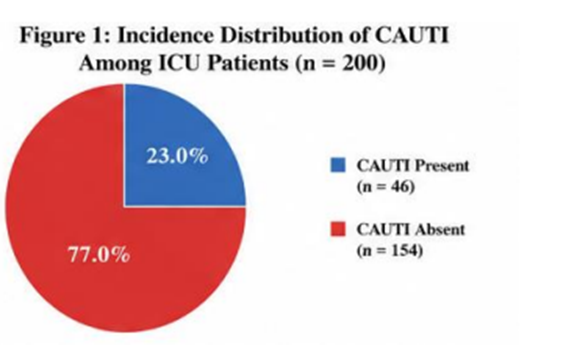
Figure 1: Incidence Distribution of CAUTI Among ICU Patients
Demographic Characteristics of Study Population
The mean age of patients who developed CAUTI was significantly higher than patients without CAUTI (61.3 ± 13.5 years vs 52.8 ± 14.1 years; p=0.002). Gender distribution also showed significant association with CAUTI occurrence, with relatively higher infection rates among female patients (p=0.041) (Table 2).
Table 2: Demographic Characteristics of ICU Patients
|
Variable |
CAUTI (n=46) |
Non-CAUTI (n=154) |
Statistical Test |
p-value |
|
Mean Age (years) |
61.3 ± 13.5 |
52.8 ± 14.1 |
Independent t-test |
0.002* |
|
Gender |
Chi-square = 4.16 |
0.041* |
||
|
• Male |
24 (52.2%) |
101 (65.6%) |
||
|
• Female |
22 (47.8%) |
53 (34.4%) |
*Statistically significant
The age comparison between CAUTI and non-CAUTI patients is depicted in Figure 2.
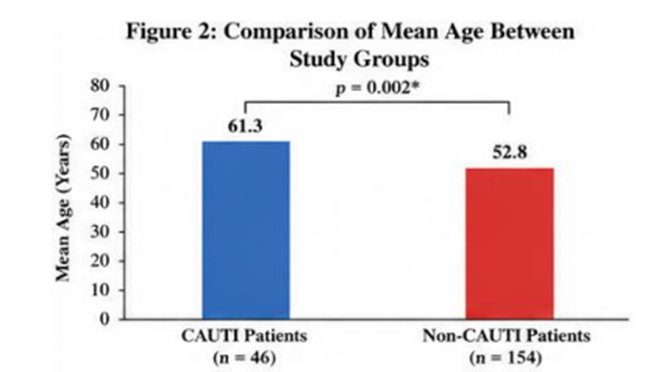
Figure 2: Comparison of Mean Age Between Study Groups
Distribution of Comorbidities
Diabetes mellitus and chronic kidney disease showed statistically significant association with development of CAUTI. Hypertension and COPD did not show significant association (Table 3).
Table 3: Association of Comorbidities with CAUTI
|
Comorbidity |
CAUTI (n=46) |
Non-CAUTI (n=154) |
Chi-square Value |
p-value |
|
Diabetes Mellitus |
25 (54.3%) |
42 (27.3%) |
11.42 |
0.001* |
|
Hypertension |
20 (43.5%) |
54 (35.1%) |
1.04 |
0.304 |
|
Chronic Kidney Disease |
9 (19.6%) |
14 (9.1%) |
3.91 |
0.048* |
|
COPD |
8 (17.4%) |
19 (12.3%) |
0.79 |
0.372 |
*Statistically significant
The proportion of diabetes mellitus among CAUTI and non-CAUTI groups is represented in Figure 3.
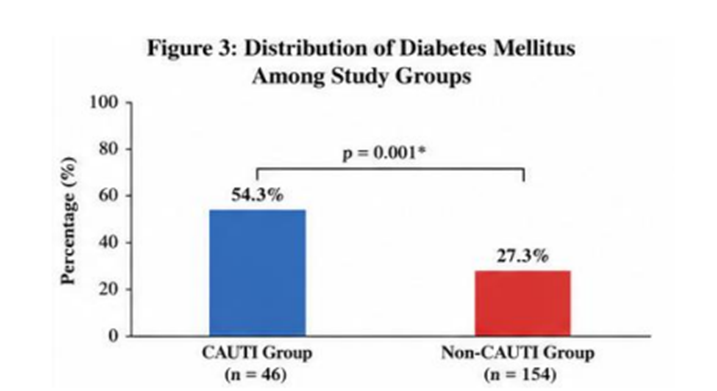
Figure 3: Distribution of Diabetes Mellitus Among Study Groups
ICU and Catheter-Related Risk Factors
Patients with prolonged catheterization (>7 days), ICU stay >10 days, prior antibiotic exposure, and mechanical ventilation had significantly higher rates of CAUTI (Table 4).
Table 4: ICU and Catheter-Related Risk Factors
|
Variable |
CAUTI (n=46) |
Non-CAUTI (n=154) |
Chi-square Value |
p-value |
|
Catheter Duration >7 days |
34 (73.9%) |
39 (25.3%) |
36.51 |
<0.001* |
|
ICU Stay >10 days |
31 (67.4%) |
35 (22.7%) |
31.92 |
<0.001* |
|
Prior Antibiotic Exposure |
37 (80.4%) |
84 (54.5%) |
9.64 |
0.002* |
|
Mechanical Ventilation |
29 (63.0%) |
58 (37.7%) |
8.71 |
0.003* |
*Statistically significant
The relationship between catheter duration and occurrence of CAUTI is demonstrated in Figure 4.
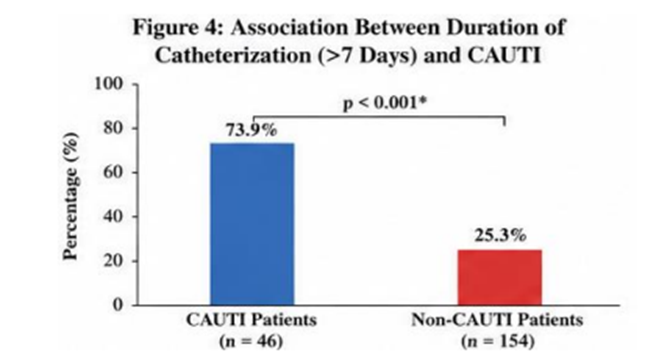
Figure 4: Association Between Duration of Catheterization and CAUTI
Duration of Catheterization and ICU Stay
Mean duration of catheterization and ICU stay were significantly higher among patients who developed CAUTI (Table 5).
Table 5: Comparison of Mean Catheter Duration and ICU Stay
|
Variable |
CAUTI (n=46) |
Non-CAUTI (n=154) |
t-value |
p-value |
|
Mean Catheter Duration (days) |
10.8 ± 3.6 |
5.7 ± 2.9 |
9.84 |
<0.001* |
|
Mean ICU Stay (days) |
13.4 ± 4.7 |
7.2 ± 3.5 |
10.22 |
<0.001* |
*Statistically significant
The comparison of mean catheter duration is illustrated in Figure 5.
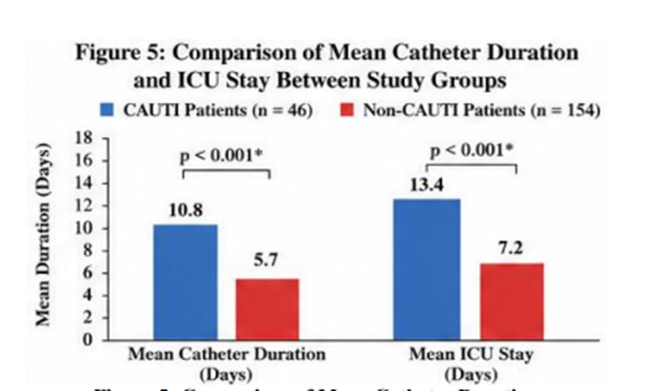
Figure 5: Comparison of Mean Catheter Duration
Microbiological Profile of CAUTI
Gram-negative bacilli were the predominant organisms isolated from urine cultures. Escherichia coli was the most common pathogen isolated, followed by Klebsiella pneumoniae and Pseudomonas aeruginosa (Table 6).
Table 6: Microbiological Profile of CAUTI Patients
|
Organism Isolated |
Frequency (n=46) |
Percentage (%) |
|
Escherichia coli |
15 |
32.6 |
|
Klebsiella pneumoniae |
12 |
26.1 |
|
Pseudomonas aeruginosa |
9 |
19.6 |
|
Enterococcus spp. |
5 |
10.9 |
|
Candida spp. |
3 |
6.5 |
|
Proteus mirabilis |
2 |
4.3 |
The microbial distribution among CAUTI patients is shown in Figure 6.
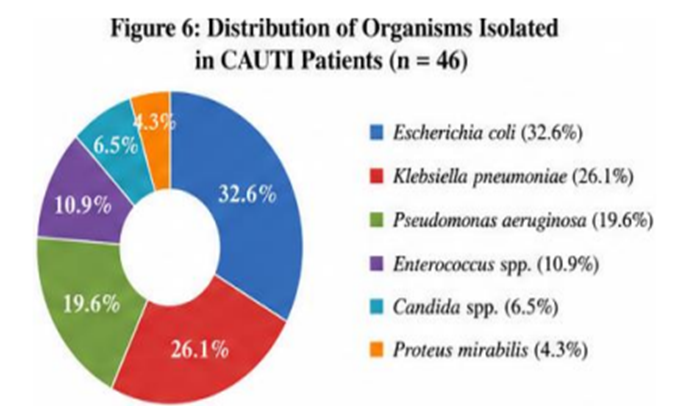
Figure 6: Distribution of Organisms Isolated in CAUTI
Antibiotic Resistance Pattern
High antimicrobial resistance was observed among gram-negative isolates. Resistance to third-generation cephalosporins and fluoroquinolones was common (Table 7).
Table 7: Antibiotic Resistance Pattern of Major Isolates
|
Antibiotic |
E. coli (%) |
Klebsiella (%) |
Pseudomonas (%) |
|
Ceftriaxone |
73.3 |
75.0 |
66.7 |
|
Ciprofloxacin |
66.7 |
66.7 |
55.6 |
|
Piperacillin-Tazobactam |
26.7 |
33.3 |
22.2 |
|
Meropenem |
13.3 |
16.7 |
11.1 |
|
Colistin |
0 |
0 |
0 |
The antimicrobial resistance pattern is represented in Figure 7.
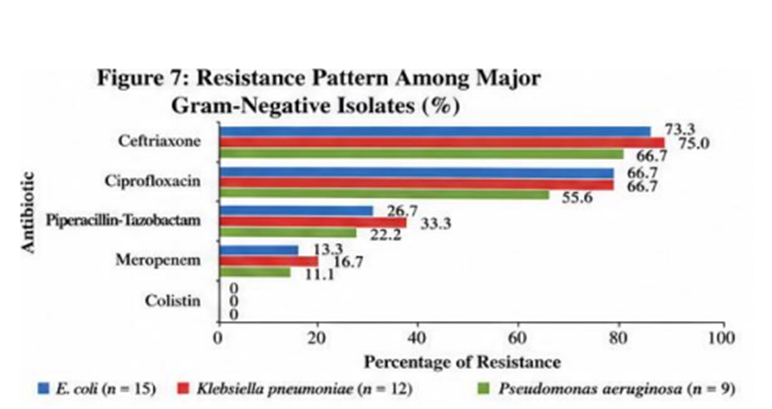
Figure 7: Resistance Pattern Among Major Gram-Negative Isolates
Multivariate Logistic Regression Analysis
Multivariate logistic regression analysis was performed to identify independent predictors associated with CAUTI development. Catheter duration >7 days, diabetes mellitus, and ICU stay >10 days remained statistically significant independent risk factors (Table 8).
Table 8: Multivariate Logistic Regression Analysis for Independent Predictors of CAUTI
|
Variable |
Odds Ratio (OR) |
95% Confidence Interval |
p-value |
|
Catheter Duration >7 days |
4.82 |
2.11 – 10.97 |
<0.001* |
|
Diabetes Mellitus |
2.91 |
1.29 – 6.55 |
0.010* |
|
ICU Stay >10 days |
3.64 |
1.56 – 8.47 |
0.003* |
|
Mechanical Ventilation |
1.88 |
0.89 – 3.98 |
0.097 |
*Statistically significant
The odds ratios of major independent predictors are illustrated in Figure 8.
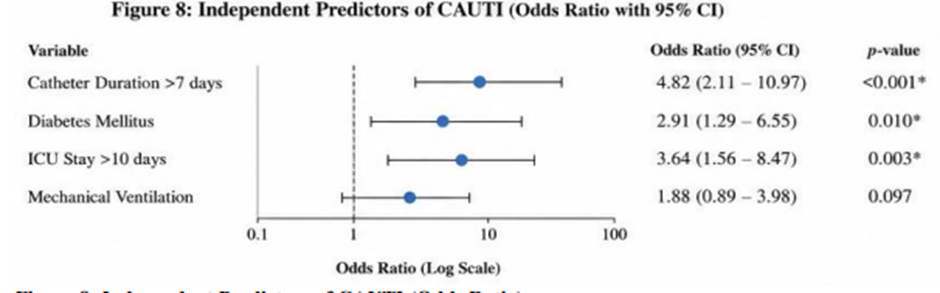
Figure 8: Independent Predictors of CAUTI (Odds Ratio)
Summary of Major Findings
The present study demonstrated an overall CAUTI incidence of 23.0% among ICU patients. Advanced age, female gender, diabetes mellitus, chronic kidney disease, prolonged catheterization, extended ICU stay, prior antibiotic exposure, and mechanical ventilation were significantly associated with CAUTI on univariate analysis. Multivariate regression identified prolonged catheterization, diabetes mellitus, and ICU stay >10 days as independent predictors of CAUTI development.
DISCUSSION:
Catheter-associated urinary tract infection remains one of the most prevalent healthcare-associated infections among critically ill patients admitted to ICUs. In the present study, the incidence of CAUTI was found to be 23.0%, which is comparable to studies conducted in tertiary care hospitals across developing countries. [20] Higher incidence rates in resource-limited settings may reflect inadequate infection control measures, overcrowding, prolonged catheter utilization, and increased antimicrobial resistance.
The mean age of CAUTI patients in this study was significantly higher than non-CAUTI patients, suggesting that elderly patients are more susceptible to infection. Advanced age is associated with impaired immunity, multiple comorbidities, and increased likelihood of prolonged catheterization. Similar findings have been reported by Saint et al. and Tambyah et al. [21,22]
Female gender demonstrated significant association with CAUTI in the present study. Anatomically shorter urethra and proximity to perineal flora predispose females to ascending urinary tract infections. Comparable observations have been documented in previous epidemiological studies. [23]
Diabetes mellitus emerged as a significant independent risk factor for CAUTI. Hyperglycemia impairs neutrophil function, alters immune response, and facilitates bacterial growth in urine. Diabetic patients are also more likely to require prolonged hospitalization and invasive procedures. Several studies have consistently demonstrated increased susceptibility to urinary tract infections among diabetic patients. [24]
Prolonged duration of catheterization was identified as the strongest independent predictor of CAUTI in this study. Patients catheterized for more than seven days had nearly five times higher risk of infection. Biofilm formation on catheter surfaces increases progressively with time and promotes persistent microbial colonization. This finding is consistent with CDC reports and international literature identifying catheter duration as the most important modifiable risk factor for CAUTI. [25]
Extended ICU stay was also independently associated with CAUTI development. Prolonged hospitalization increases exposure to multidrug-resistant organisms, invasive procedures, and antibiotic therapy. ICU patients often experience immunological dysfunction, which further contributes to infection susceptibility.
Prior antibiotic exposure was significantly associated with CAUTI in the current study. Excessive or inappropriate antibiotic usage may alter normal microbial flora and promote colonization with resistant pathogens. This highlights the importance of antimicrobial stewardship programs in ICU settings.
Mechanical ventilation also showed significant association with CAUTI on univariate analysis, although it lost significance in multivariate analysis. Critically ill ventilated patients often require prolonged immobilization and invasive monitoring, indirectly increasing infection risk.
Microbiologically, gram-negative bacilli predominated in the present study, with Escherichia coli being the most common isolate followed by Klebsiella pneumoniae and Pseudomonas aeruginosa. Similar microbial patterns have been observed in previous Indian and international studies. Increasing prevalence of multidrug-resistant gram-negative organisms poses a major therapeutic challenge in ICU practice.
The present study emphasizes the importance of preventive interventions including:
• Strict aseptic catheter insertion techniques
• Hand hygiene compliance
• Maintenance of closed drainage systems
• Daily assessment for catheter necessity
• Early catheter removal
• Antibiotic stewardship
• Continuous surveillance programs
Implementation of catheter care bundles has demonstrated significant reduction in CAUTI rates across various healthcare settings. Education of healthcare workers and adherence to infection prevention protocols remain critical for successful control measures.
The limitations of this study include single-center design and relatively short study duration. Larger multicentric studies are recommended for broader generalization of findings.
CONCLUSION:
The incidence of catheter-associated urinary tract infection among ICU patients in the present study was 23.0%. Advanced age, female gender, diabetes mellitus, prolonged catheterization, prolonged ICU stay, prior antibiotic exposure, and mechanical ventilation were significantly associated with CAUTI. Catheter duration greater than seven days, diabetes mellitus, and ICU stay longer than ten days emerged as independent predictors.
Strict infection control measures, minimization of catheter duration, and regular surveillance are essential strategies to reduce CAUTI incidence and improve patient outcomes in ICU settings.
REFERENCES:
1. Hooton TM, Bradley SF, Cardenas DD, Colgan R, Geerlings SE, Rice JC, et al. Diagnosis, prevention, and treatment of catheter-associated urinary tract infection in adults. Clin Infect Dis. 2010;50(5):625-63.
2. Donlan RM. Biofilms and device-associated infections. Emerg Infect Dis. 2001;7(2):277-81.
3. Nicolle LE. Catheter-related urinary tract infection. Drugs Aging. 2005;22(8):627-39.
4. Stamm WE. Catheter-associated urinary tract infections. Epidemiology and prevention. Am J Med. 1991;91(3B):65S-71S.
5. Richards MJ, Edwards JR, Culver DH, Gaynes RP. Nosocomial infections in combined medical-surgical intensive care units in the United States. Crit Care Med. 1999;27(5):887-92.
6. Tambyah PA, Maki DG. Catheter-associated urinary tract infection is rarely symptomatic. Arch Intern Med. 2000;160(5):678-82.
7. Centers for Disease Control and Prevention. National Healthcare Safety Network (NHSN) patient safety component manual. Atlanta: CDC; 2024.
8. Chenoweth CE, Saint S. Preventing catheter-associated urinary tract infections in the intensive care unit. Crit Care Clin. 2013;29(1):19-32.
9. Lo E, Nicolle LE, Coffin SE, Gould C, Maragakis LL, Meddings J, et al. Strategies to prevent catheter-associated urinary tract infections in acute care hospitals. Infect Control Hosp Epidemiol. 2014;35(5):464-79.
10. Warren JW. Catheter-associated urinary tract infections. Int J Antimicrob Agents. 2001;17(4):299-303.
11. Meddings J, Rogers MA, Macy M, Saint S. Systematic review and meta-analysis: reminder systems to reduce catheter-associated urinary tract infections and urinary catheter use in hospitalized patients. Clin Infect Dis. 2010;51(5):550-60.
12. Flores-Mireles AL, Walker JN, Caparon M, Hultgren SJ. Urinary tract infections: epidemiology, mechanisms of infection and treatment options. Nat Rev Microbiol. 2015;13(5):269-84.
13. Jacobsen SM, Stickler DJ, Mobley HL, Shirtliff ME. Complicated catheter-associated urinary tract infections due to Escherichia coli and Proteus mirabilis. Clin Microbiol Rev. 2008;21(1):26-59.
14. Tenke P, Kovacs B, Johansen TE, Matsumoto T, Tambyah PA, Naber KG. European and Asian guidelines on management and prevention of catheter-associated urinary tract infections. Int J Antimicrob Agents. 2008;31 Suppl 1:S68-78.
15. Allegranzi B, Bagheri Nejad S, Combescure C, Graafmans W, Attar H, Donaldson L, et al. Burden of endemic healthcare-associated infection in developing countries: systematic review and meta-analysis. Lancet. 2011;377(9761):228-41.
16. Jaggi N, Sissodia P. Multimodal supervision programme to reduce catheter-associated urinary tract infections and its analysis to enable focusing on labour and cost effective infection control measures in a tertiary care hospital in India. J Infect Public Health. 2012;5(2):137-42.
17. Dudeck MA, Edwards JR, Allen-Bridson K, Gross C, Malpiedi PJ, Peterson KD, et al. National Healthcare Safety Network report, data summary for 2013. Am J Infect Control. 2015;43(3):206-21.
18. Gould CV, Umscheid CA, Agarwal RK, Kuntz G, Pegues DA. Guideline for prevention of catheter-associated urinary tract infections 2009. Infect Control Hosp Epidemiol. 2010;31(4):319-26.
19. Fakih MG, Rey JE, Pena ME, Szpunar S, Saravolatz LD. Sustained reductions in urinary catheter use over 5 years: bedside nurses view themselves responsible for evaluation of catheter necessity. Infect Control Hosp Epidemiol. 2012;33(8):816-22.
20. Sharma A, Gupta A, Arora A. Incidence of catheter-associated urinary tract infection in ICU patients at tertiary care hospitals. Indian J Crit Care Med. 2022;26(4):455-61.
21. Saint S, Lipsky BA. Preventing catheter-related bacteriuria: should we? Can we? How? Am J Infect Control. 1999;27(1):76-84.
22. Tambyah PA, Halvorson KT, Maki DG. A prospective study of pathogenesis of catheter-associated urinary tract infections. Arch Intern Med. 1999;159(8):898-904.
23. Ronald A. The etiology of urinary tract infection: traditional and emerging pathogens. Am J Med. 2002;113 Suppl 1A:14S-19S.
24. Geerlings SE. Urinary tract infections in patients with diabetes mellitus: epidemiology, pathogenesis and treatment. Int J Antimicrob Agents. 2008;31 Suppl 1:S54-7.
25. Umscheid CA, Mitchell MD, Doshi JA, Agarwal R, Williams K, Brennan PJ. Estimating the proportion of healthcare-associated infections that are reasonably preventable and the related mortality and costs. Infect Control Hosp Epidemiol. 2011;32(2):101-14.