Analysis Of Presentation, Pattern And Outcome In Chest Trauma: A Prospective Observational Study.
- Sagar Panbude , Resident JR-3, MBBS, MS (Resident), Department of Surgery, Mahatma Gandhi Institute of Medical Sciences, Sevagram, Wardha, Maharashtra
- Rameshkumar Pandey , Professor, MS Surgery, Department of Surgery, Mahatma Gandhi Institute of Medical Sciences, Sevagram, Wardha, Maharashtra.
- Dilip Gupta , Dir. Professor and Head, MS Surgery, Department of Surgery, Mahatma Gandhi Institute of Medical Sciences, Sevagram, Wardha, Maharashtra.
- Rejum Ronya , Professor, MS Surgery, MCH Paediatric Surgery, Department of Surgery, Institute of TRIHMS, Naharlagun, Govt. of Arunachal Pradesh.
Article Information:
Abstract:
Introduction: Thoracic trauma is a major cause of morbidity and mortality due to injury to vital chest structures. Blunt trauma, especially from road traffic accidents and falls, is most common. Rib fractures, pneumothorax, haemothorax, and lung contusions are frequent injuries. Early diagnosis, timely management, and structured trauma care improve outcomes and reduce mortality. Aims: To determine the prevalence, clinical patterns, types of chest injuries, associated morbidity and mortality, and evaluate diagnostic and management approaches among patients with chest trauma presenting to the hospital. Materials and methods: The present study was a prospective observational study. This Study was conducted from May 2024 to October 2025. Department of Surgery of a Rural Tertiary Care Teaching Hospital In Central India. Study population 328. Result: The study included 328 patients with chest trauma, where blunt trauma was predominant (316 patients, 96.3%) and road traffic accidents were the commonest mechanism (120 patients, 36.6%). Rib fracture (193 patients, 58.8%) and haemothorax (156 patients, 47.6%) were the most frequent injuries. Most patients were managed conservatively (242 patients, 73.8%), while tube thoracostomy was performed in 86 patients (26.2%). Chest X-ray was the commonest investigation (252 patients, 76.8%). Overall, 309 patients (94.2%) were discharged and 19 patients (5.8%) died. ICU admission was associated with higher mortality. Conclusion: We concluded that Blunt chest trauma commonly affects males due to accidents and falls. Early diagnosis, timely treatment, and ICU care improve outcomes.
Keywords:
Article :
INTRODUCTION:
Trauma is a major global health problem and contributes significantly to morbidity, disability, and mortality worldwide. Among various traumatic injuries, thoracic trauma is of particular importance due to the presence of vital structures within the chest cavity, including the lungs, heart, great vessels, and mediastinal organs. Injury to these structures can rapidly impair ventilation and circulation, leading to life-threatening physiological disturbances requiring immediate diagnosis and intervention. Therefore, chest trauma remains a major determinant of outcome among injured patients and continues to pose a challenge for trauma surgeons, emergency physicians, and critical care teams [1,2].
Thoracic injuries account for approximately 10–15% of all traumatic injuries and contribute substantially to trauma-related deaths. In patients with polytrauma, chest injury is among the leading causes of mortality, mainly because damage to intrathoracic organs can result in rapid respiratory compromise, hemorrhage, or cardiovascular collapse. Reported mortality rates vary widely between studies, ranging from 6.6% to 60%, depending on injury severity, mechanism, associated injuries, healthcare resources, and availability of trauma care facilities.
Apart from acute mortality, thoracic trauma is also associated with long-term complications such as chronic pain, impaired respiratory function, chest wall deformity, and reduced quality of life [3,4]. Epidemiological studies indicate that thoracic involvement is common among trauma patients, especially those with multiple injuries.
In low- and middle-income countries, including India, chest trauma remains a significant but relatively underreported health burden. Delayed hospital presentation, inadequate prehospital care, and limited access to advanced trauma services often influence outcomes.
Indian studies have shown that isolated thoracic trauma contributes to a considerable proportion of trauma admissions, with blunt injuries forming the majority and road traffic accidents being the most common cause [5,6]. Thoracic trauma is broadly classified into blunt and penetrating injuries. Blunt trauma is more prevalent worldwide and commonly results from road traffic accidents, falls, and assaults, whereas penetrating injuries are usually caused by stab wounds, firearm injuries, or occupational accidents [1,7].
Blunt chest trauma may produce a wide spectrum of injuries ranging from simple rib fractures to severe conditions such as pulmonary contusion, cardiac injury, and traumatic vascular disruption. Rib fractures are among the most frequently observed injuries, followed by pneumothorax, hemothorax, and lung contusion. Pulmonary contusion, especially in severe trauma, is associated with increased morbidity and mortality due to impaired gas exchange and respiratory failure [8].
The pathophysiology of thoracic trauma involves complex interactions between mechanical injury, respiratory compromise, and circulatory disturbance. Blunt force trauma can cause rapid deceleration and compression injuries, resulting in alveolar damage, pulmonary hemorrhage, ventilation-perfusion mismatch, and hypoxia.
Rib fractures may worsen respiratory function by causing pain-related restriction of chest expansion and ineffective ventilation. Penetrating injuries may directly damage intrathoracic organs, producing complications such as hemothorax, pneumothorax, cardiac tamponade, or major vessel injury. Without early recognition and appropriate management, these changes may progress to respiratory failure, shock, and multi-organ dysfunction [2].
Several factors influence outcomes following chest trauma, including age, injury mechanism, number of rib fractures, associated injuries, physiological status at admission, and time to definitive treatment. Thoracic injury has been identified as an independent predictor of mortality, with advanced age, poor neurological status, severe injury scores, and associated medical conditions contributing to worse outcomes.
The need for mechanical ventilation, delayed admission, and multiple rib fractures are consistently associated with increased mortality risk [5,9]. Despite the potentially severe consequences, most thoracic trauma cases can be effectively managed with early diagnosis and appropriate supportive treatment. More than 80% of patients can be treated conservatively with measures such as analgesia, oxygen supplementation, and tube thoracostomy, while only a minority require surgical intervention.
Rapid assessment, structured trauma protocols, and timely resuscitation remain essential for improving survival outcomes [1,10]. In addition to immediate survival, long-term consequences of thoracic trauma are increasingly recognized. Survivors may experience persistent respiratory impairment, chronic pain, physical disability, and reduced functional capacity.
Epidemiological patterns show a higher prevalence among males and middle-aged adults, likely due to greater exposure to occupational hazards, road traffic risks, and high-risk activities. Understanding the clinical profile and outcome predictors of thoracic trauma is therefore essential for improving trauma care strategies and reducing preventable morbidity and mortality.
MATERIALS AND METHODS:
Study design: Prospective observational study
Place of study: Department of Surgery of a Rural Tertiary Care Teaching Hospital In Central India.
Period of study: The study was conducted over a period of 18 months from May 2024 to October 2025.
Sample size: 328 patients.
Inclusion Criteria:
• All patients with chest injury aged more than 12 years who required hospital admission.
• Patients who provided informed consent for participation.
Exclusion criteria:
• Patients not requiring admission.
• Severely injured patients who died before complete chest trauma assessment could be performed.
• Patients who did not provide consent for participation.
Study Variable:
1. Type and mechanism of injury, including blunt/penetrating trauma and causative factors.
2. Chest injury characteristics, including rib fracture, pneumothorax, haemothorax, lung contusion, and other associated injuries.
3. Treatment and management variables, including conservative/operative management, investigations, and ICU admission.
4. Clinical outcome variables, including discharge status and mortality.
5. Associated factors, including comorbidities and complications.
Statistical Analysis: For statistical analysis, data were initially entered into a Microsoft Excel spreadsheet and then analyzed using SPSS (version 27.0; SPSS Inc., Chicago, IL, USA) and GraphPad Prism (version 5). Numerical variables were summarized using means and standard deviations, while Data were entered into Excel and analyzed using SPSS and GraphPad Prism.
Numerical variables were summarized using means and standard deviations, while categorical variables were described with counts and percentages. Two-sample t-tests were used to compare independent groups, while paired t-tests accounted for correlations in paired data.
Chi-square tests (including Fisher’s exact test for small sample sizes) were used for categorical data comparisons. P-values ≤ 0.05 were considered statistically significant.
RESULTS:
The distribution of patients according to the type of chest trauma showed that the majority of patients sustained blunt trauma, accounting for 316 patients (96.3%), while penetrating trauma was observed in 2 patients (0.6%). Unspecified injuries were noted in 10 patients (3.0%).
Regarding the mechanism of injury, the most common cause was road traffic accidents (RTA), seen in 120 patients (36.6%), followed by fall from height/fall in 109 patients (33.2%). Bull injury accounted for 45 patients (13.7%), while assault-related injuries were present in 31 patients (9.5%). Fall of object on chest was observed in 28 patients (8.5%), and stab injuries were reported in 2 patients (0.6%). No cases of gunshot injury were recorded (Table 1).
Table 1: Distribution of Patients According to Type and Mechanism of Injury (n=328)
|
Variable |
Category |
Number of Patients (%) |
|
Type of Injury |
Blunt Trauma |
316 (96.3%) |
|
Penetrating Trauma |
2 (0.6%) |
|
|
Unspecified |
10 (3.0%) |
|
|
Total |
328 (100%) |
|
|
Mechanism of Injury |
Road Traffic Accident |
120 (36.6%) |
|
Fall from Height/Fall |
109 (33.2%) |
|
|
Bull Injury |
45 (13.7%) |
|
|
Assault |
31 (9.5%) |
|
|
Fall of Object on Chest |
28 (8.5%) |
|
|
Stab Injury |
2 (0.6%) |
|
|
Gunshot Injury |
0 (0.0%) |
|
|
Total |
328 (100%) |
The distribution of patients according to the type of chest injury showed that rib fracture was the most common injury, observed in 193 patients (58.8%), followed by haemothorax in 156 patients (47.6%). Lung contusion was present in 88 patients (26.8%), while pneumothorax was noted in 82 patients (25.0%). Hemopneumothorax occurred in 74 patients (22.6%), and subcutaneous emphysema was reported in 63 patients (19.2%). Less common injuries included flail chest in 19 patients (5.8%) and sternum fracture in 11 patients (3.4%). Regarding associated injuries, extremity injury was the most frequent associated injury, present in 141 patients (43.0%), followed by head injury in 114 patients (34.8%). Abdominal injury was observed in 52 patients (15.9%), while spine injury was reported in 23 patients (7.0%) (Table 2).
Table 2: Distribution of Patients According to Type of Chest Injury and Associated Injuries (n=328)
|
Variable |
Category |
Number of Patients (%) |
|
Type of Chest Injury |
Rib Fracture |
193 (58.8%) |
|
Pneumothorax |
82 (25.0%) |
|
|
Haemothorax |
156 (47.6%) |
|
|
Hemopneumothorax |
74 (22.6%) |
|
|
Lung Contusion |
88 (26.8%) |
|
|
Subcutaneous Emphysema |
63 (19.2%) |
|
|
Flail Chest |
19 (5.8%) |
|
|
Sternum Fracture |
11 (3.4%) |
|
|
Associated Injury |
Head Injury |
114 (34.8%) |
|
Abdominal Injury |
52 (15.9%) |
|
|
Spine Injury |
23 (7.0%) |
|
|
Extremity Injury |
141 (43.0%) |
|
|
Total |
328 (100%) |
Regarding the treatment modalities, the majority of patients were managed conservatively, accounting for 242 patients (73.8%), whereas operative management was required in 86 patients (26.2%). Among the operative procedures, tube thoracostomy (ICD) was performed in 86 patients (26.2%). For investigations, chest X-ray was the most commonly performed diagnostic modality in 252 patients (76.8%), followed by USG thorax in 239 patients (72.9%) and CT thorax in 135 patients (41.2%). Regarding outcomes, 309 patients (94.2%) were discharged, while 19 patients (5.8%) expired. Among associated clinical factors, diabetes mellitus was present in 28 patients (8.5%), hypertension in 26 patients (7.9%), and 41 patients (12.5%) required ICU admission (Table 3).
Table 3: Distribution of Patients According to Treatment Modality, Investigations, Outcome and Comorbidities (n=328)
|
Variable |
Category |
Number of Patients (%) |
|
Treatment Modality |
Conservative Management |
242 (73.8%) |
|
Operative Management |
86 (26.2%) |
|
|
Total |
328 (100%) |
|
|
Operative Procedure |
Tube Thoracostomy (ICD) |
86 (26.2%) |
|
Investigation |
Chest X-ray |
252 (76.8%) |
|
USG Thorax |
239 (72.9%) |
|
|
CT Thorax |
135 (41.2%) |
|
|
Outcome |
Discharged |
309 (94.2%) |
|
Death |
19 (5.8%) |
|
|
Total |
328 (100%) |
|
|
Comorbidity |
Hypertension |
26 (7.9%) |
|
Diabetes Mellitus |
28 (8.5%) |
|
|
ICU Admission |
41 (12.5%) |
The association between haemothorax and treatment modality showed that among patients with haemothorax, 83 patients (53.2%) were managed conservatively and 73 patients (46.8%) required operative management. Among patients without haemothorax, 159 patients (92.4%) were treated conservatively, while only 13 patients (7.6%) underwent operative management. This indicates that the presence of haemothorax was associated with a higher requirement for operative intervention (Table 4).
Table 4: Association between Haemothorax and Treatment Modality Among Study Patients (n=328)
|
Haemothorax |
Conservative |
Operative |
Total |
|
Present |
83 |
73 |
156 |
|
Absent |
159 |
13 |
172 |
|
Total |
242 |
86 |
328 |
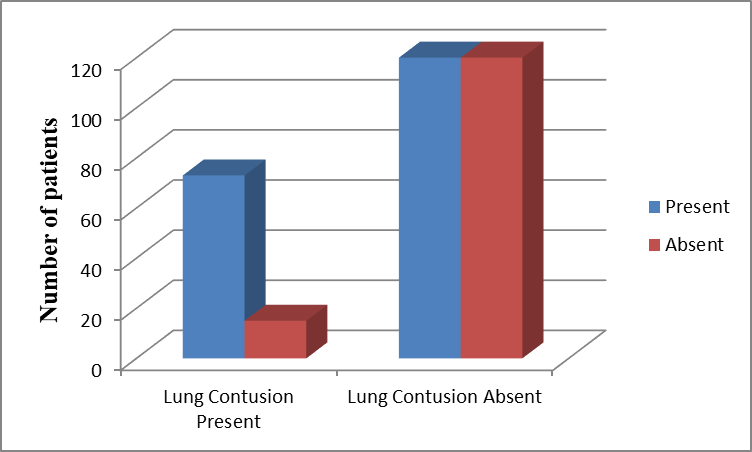
Figure 1: Association between Rib Fracture and Lung Contusion Among Study Patients (n=328)
The association between rib fracture and lung contusion showed that among patients with rib fractures, 73 patients (37.8%) had associated lung contusion, while 120 patients (62.2%) did not have lung contusion. Among patients without rib fractures, 15 patients (11.1%) had lung contusion and 120 patients (88.9%) had no lung contusion. This indicates that lung contusion was more frequently observed among patients with rib fractures (Figure 1).
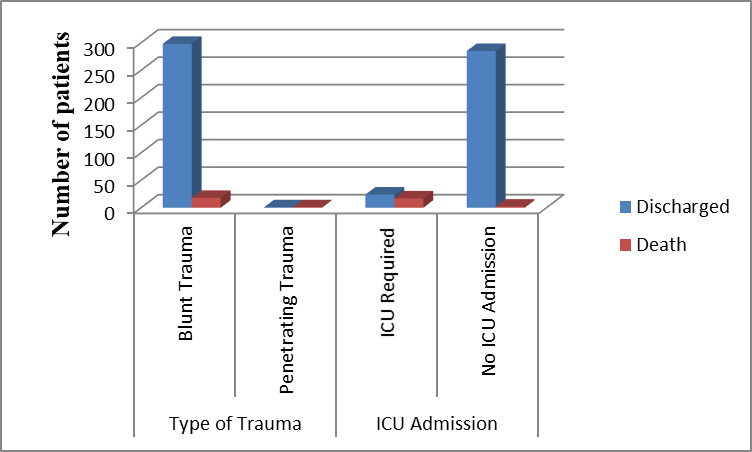
Figure 2: Association between Type of Trauma, ICU Admission and Outcome Among Study Patients (n=328)
The association between type of trauma and outcome showed that among patients with blunt trauma, 298 patients (94.3%) were discharged and 18 patients (5.7%) died. Among patients with penetrating trauma, 1 patient (50.0%) was discharged and 1 patient (50.0%) expired. Regarding ICU admission and outcome, among patients who required ICU care, 24 patients (58.5%) were discharged and 17 patients (41.5%) died. Among patients who did not require ICU admission, 285 patients (99.3%) were discharged and 2 patients (0.7%) died. This indicates that ICU requirement was associated with a higher risk of mortality (Figure 2).
DISCUSSION:
The present study included 328 patients with chest trauma and evaluated the pattern of injury, mechanisms, associated injuries, treatment modalities, and outcomes. The majority of patients sustained blunt chest trauma (316 patients, 96.3%), while penetrating trauma was observed in 2 patients (0.6%) and unspecified injuries in 10 patients (3.0%). The predominance of blunt trauma in the present study is comparable with previous studies. Subcommittee AT and International ATLS Working Group reported that blunt trauma constitutes the majority of thoracic injuries and requires rapid assessment and structured management [11]. Narayanan et al. also observed a high proportion of blunt chest trauma in their analysis of chest trauma patients at a tertiary trauma centre [12]. Regarding the mechanism of injury, road traffic accidents were the most common cause (120 patients, 36.6%), followed by fall from height/fall (109 patients, 33.2%). Other causes included bull injury (45 patients, 13.7%), assault (31 patients, 9.5%), fall of object on chest (28 patients, 8.5%), and stab injury (2 patients, 0.6%), while no gunshot injuries were recorded. Similar findings were reported by Beshay et al., who identified road traffic accidents and falls as major contributors to thoracic trauma [13].
The pattern of chest injuries revealed that rib fracture was the most common injury (193 patients, 58.8%), followed by haemothorax (156 patients, 47.6%). Other observed injuries included lung contusion (88 patients, 26.8%), pneumothorax (82 patients, 25.0%), hemopneumothorax (74 patients, 22.6%), subcutaneous emphysema (63 patients, 19.2%), flail chest (19 patients, 5.8%), and sternum fracture (11 patients, 3.4%). Seok et al. reported that rib fractures are among the most common findings after blunt chest trauma and are associated with pulmonary complications [14]. Associated injuries were commonly observed, with extremity injury being the most frequent (141 patients, 43.0%), followed by head injury (114 patients, 34.8%), abdominal injury (52 patients, 15.9%), and spine injury (23 patients, 7.0%). Chrysou et al. emphasized that blunt chest trauma frequently occurs as a component of polytrauma and associated injuries influence morbidity and outcomes [15].
In terms of management, 242 patients (73.8%) were treated conservatively, whereas 86 patients (26.2%) required operative management. Among operative procedures, tube thoracostomy (ICD) was performed in 86 patients (26.2%). Griffard and Kodadek reported that most blunt chest trauma cases can be effectively managed conservatively, while invasive procedures are required for complications such as pneumothorax and haemothorax [16]. Diagnostic evaluation showed that chest X-ray was performed in 252 patients (76.8%), followed by USG thorax in 239 patients (72.9%) and CT thorax in 135 patients (41.2%). Beyer et al. highlighted the importance of imaging modalities in identifying thoracic injuries and guiding management decisions [17]. The outcome analysis showed that 309 patients (94.2%) were discharged, while 19 patients (5.8%) died. Associated clinical conditions included diabetes mellitus in 28 patients (8.5%), hypertension in 26 patients (7.9%), and ICU admission was required in 41 patients (12.5%). Nachira et al. reported that mortality following chest trauma is influenced by injury severity, haemothorax, associated injuries, and ICU requirement [18].
The association between haemothorax and treatment modality demonstrated that among patients with haemothorax, 83 patients (53.2%) received conservative treatment and 73 patients (46.8%) required operative management. In comparison, among patients without haemothorax, 159 patients (92.4%) were treated conservatively and 13 patients (7.6%) underwent operative intervention.
The association between rib fracture and lung contusion showed that among patients with rib fractures, 73 patients (37.8%) had associated lung contusion, whereas 120 patients (62.2%) did not. Among patients without rib fractures, 15 patients (11.1%) had lung contusion and 120 patients (88.9%) had no lung contusion. Muchnok et al. highlighted the importance of associated pulmonary injuries in thoracic trauma patients and their effect on outcomes [19].
Outcome analysis according to trauma type showed that among patients with blunt trauma, 298 patients (94.3%) were discharged and 18 patients (5.7%) died. Among penetrating trauma cases, 1 patient (50.0%) was discharged and 1 patient (50.0%) died. ICU requirement was strongly associated with poor outcomes; among ICU-admitted patients, 24 patients (58.5%) were discharged and 17 patients (41.5%) died, whereas among non-ICU patients, 285 patients (99.3%) were discharged and 2 patients (0.7%) died. Dehghan et al. reported that severe chest injuries requiring intensive care are important predictors of mortality [20].
CONCLUSION:
We concluded that blunt chest trauma is the predominant form of thoracic injury, affecting mainly middle-aged and older males. Road traffic accidents and falls were identified as the major causes, with rib fractures and haemothorax being the most common injuries. Many patients also had associated injuries, particularly extremity and head injuries. Most chest trauma patients were managed conservatively, while tube thoracostomy was the main operative intervention when required. Chest X-ray and ultrasound were commonly used diagnostic tools, whereas CT thorax provided detailed evaluation in selected cases. Significant associations were observed between haemothorax and surgical intervention, rib fracture and lung contusion, and ICU admission with mortality. Most patients recovered and were discharged successfully, while deaths were mainly related to severe injuries and critical illness. Early diagnosis, timely intervention, and standardized trauma protocols improve survival and quality of life in chest trauma patients.
REFERENCES:
1. Ludwig C, Koryllos A. Management of chest trauma. Journal of thoracic disease. 2017 Apr;9(Suppl 3):S172.
2. Jain A, Waseem M. Chest trauma. InStatPearls [Internet] 2025 Feb 27. StatPearls Publishing.
3. Karajizadeh M, Yadollahi M, Yousefi MR, Bordbar N. Mortality risk factors in chest trauma patients in a level one trauma center in southern Iran. Sci Rep. 2025 Sep 2;15(1):32310.
4. Karmy-Jones R, Namias N, Coimbra R, Moore EE, Schreiber M, McIntyre Jr R, Croce M, Livingston DH, Sperry JL, Malhotra AK, Biffl WL. Western Trauma Association critical decisions in trauma: penetrating chest trauma. Journal of Trauma and Acute Care Surgery. 2014 Dec 1;77(6):994-1002.
5. Singh AK, Prasad G, Mishra P. The Impact of Thoracic Trauma on Morbidity and Outcomes: A Six-Year Experience From a Tertiary Care Level 1 Center. Cureus. 2024 Nov;16(11):e73580.
6. Iyer S, Singh M, Jathen V. Study of epidemiology and outcome of chest trauma at an apex tertiary care trauma centre. International Surgery Journal [Internet]. 2018 Oct 26 [cited 2026 Feb 16];5(11):3621–6.
7. Bansod AN, Wankhede AM, Jadhav VK, Kothari KM, Umalkar R. A Descriptive Study of Patients with Blunt Trauma Chest, Its Management and Outcome. Journal of Advances in Medicine and Medical Research. 2023 Jul 31;35(19):188-97.
8. Feden JP. Chest Trauma. InSports-related Fractures, Dislocations and Trauma: Advanced On-and Off-field Management 2020 Apr 16 (pp. 705-713). Cham: Springer International Publishing.
9. Zhang S, Xiao X, Wang J, Hu C, Du Q, Fu Z, Cai W, Zhang Z, Chen H. Epidemiological and clinical characteristics of road traffic crashes related thoracic traumas: analysis of 5095 hospitalized chest injury patients. Journal of cardiothoracic surgery. 2021 Aug 4;16(1):220.
10. Choudhary S, Pasrija D, Mendez MD. Pulmonary contusion. InStatPearls [Internet] 2024 Jan 30. StatPearls Publishing.
11. Subcommittee AT, International ATLS Working Group. Advanced trauma life support (ATLS®): the ninth edition. The journal of trauma and acute care surgery. 2013 May;74(5):1363-6.
12. Narayanan R, Kumar S, Gupta A, Bansal VK, Sagar S, Singhal M, Mishra B, Bhoi S, Gupta B, Gamangatti S, Kumar A. An analysis of presentation, pattern and outcome of chest trauma patients at an urban level 1 trauma center. Indian Journal of Surgery. 2018 Feb;80(1):36-41.
13. Beshay M, Mertzlufft F, Kottkamp HW, Reymond M, Schmid RA, Branscheid D, Vordemvenne T. Analysis of risk factors in thoracic trauma patients with a comparison of a modern trauma centre: a mono-centre study. World journal of emergency surgery. 2020 Jul 31;15(1):45.
14. Seok J, Yoon SY, Lee JY, Kim S, Cho H, Kang WS. Novel nomogram for predicting pulmonary complications in patients with blunt chest trauma with rib fractures: a retrospective cohort study. Scientific Reports. 2023 Jun 9;13(1):9448.
15. Chrysou K, Halat G, Hoksch B, Schmid RA, Kocher GJ. Lessons from a large trauma center: impact of blunt chest trauma in polytrauma patients—still a relevant problem?. Scandinavian journal of trauma, resuscitation and emergency medicine. 2017 Apr 20;25(1):42.
16. Griffard J, Kodadek LM. Management of blunt chest trauma. Surgical Clinics. 2024 Apr 1;104(2):343-54.
17. Beyer CA, Ruf AC, Alshawi AB, Cannon JW. Management of traumatic pneumothorax and hemothorax. Current problems in surgery. 2025 Feb 1;63:101707.
18. Nachira D, Napolitano AG, Nocera A, Congedo MT, Covino M, Bellettati C, Leoni C, Scognamiglio C, Punzo G, Pennisi MA, Bonadia N. Management of Hemothorax After Blunt Chest Trauma: Results from a Level II Emergency Department. Journal of Clinical Medicine. 2026 Apr 8;15(8):2814.
19. Muchnok D, Vargo A, Deeb AP, Guyette FX, Brown JB. Association of prehospital needle decompression with mortality among injured patients requiring emergency chest decompression. JAMA surgery. 2022 Oct;157(10):934-40.
20. Dehghan N, De Mestral C, McKee MD, Schemitsch EH, Nathens A. Flail chest injuries: a review of outcomes and treatment practices from the National Trauma Data Bank. Journal of Trauma and Acute Care Surgery. 2014 Feb 1;76(2):462-8.