Pattern of Antimicrobial Use and Predictors of Inappropriate Antibiotic Prescribing in General Medicine Wards: A Prospective Observational Study.
- Yadavalli Srinivas , Associate Professor, Department of General Medicine, Apollo Institute of Medical Sciences & Research, Hyderabad, Telangana, India.
- Surya Pavan Reddy K , Professor, Department of General Medicine, Apollo Institute of Medical Sciences & Research, Hyderabad, Telangana, India.
Article Information:
Abstract:
Background: Inappropriate antibiotic prescribing is an important modifiable driver of antimicrobial resistance and is associated with unnecessary antimicrobial exposure, adverse drug events, increased healthcare utilization, and avoidable treatment-related costs. General Medicine wards are particularly relevant to antimicrobial stewardship because patients frequently present with clinically heterogeneous syndromes in which antibiotic therapy is initiated empirically before microbiological confirmation. Systematic evaluation of antibiotic utilization and identification of determinants of inappropriate prescribing can facilitate targeted stewardship interventions and improve the quality of antimicrobial therapy. Aim: To evaluate the pattern of antimicrobial use and identify predictors of inappropriate antibiotic prescribing among adult patients admitted to General Medicine wards. Methods: A prospective observational study was conducted among 300 adult patients admitted to the General Medicine wards of Apollo Institute of Medical Sciences & Research, Hyderabad, Telangana, India, who received at least one systemic antibacterial agent during the study period from June 2025 to May 2026. Demographic and clinical characteristics, comorbidities, indications for antibiotic therapy, microbiological investigations, antimicrobial agents prescribed, number of antibiotics used, and treatment-related characteristics were recorded prospectively. Antibiotic prescribing was assessed using predefined criteria encompassing documented indication, antimicrobial selection, spectrum of activity, dose, frequency, route, combination therapy, microbiological findings, and treatment duration. Factors associated with inappropriate prescribing were evaluated using univariable and multivariable logistic regression analysis, with adjusted odds ratios (ORs), 95% confidence intervals (CIs), and P values reported. Results: Among the 300 patients evaluated, 174 (58.0%) were male and 126 (42.0%) were female. Patients aged 40–64 years constituted the largest age group (46.7%), while 93 (31.0%) were aged ≥65 years. Diabetes mellitus (37.3%) and hypertension (34.7%) were the most frequently documented comorbidities, and 116 (38.7%) patients had two or more comorbidities. Lower respiratory tract infection was the most frequent indication for antibiotic therapy (30.0%), followed by urinary tract infection (21.0%), skin and soft-tissue infection (14.0%), and suspected or documented sepsis (13.0%). Antibiotic therapy was initiated empirically in 226 (75.3%) patients, whereas 52 (17.3%) received microbiology-directed therapy. A microbiological specimen was obtained before antibiotic initiation in 114 (38.0%) patients. Ceftriaxone was the most frequently prescribed antibiotic (42.0%), followed by piperacillin-tazobactam (28.0%), metronidazole (19.0%), and azithromycin (17.0%). Overall, prescribing was classified as appropriate in 196 (65.3%) patients and inappropriate in 104 (34.7%). Among inappropriate prescriptions, unnecessarily broad-spectrum therapy was the most frequent problem (40.4%), followed by absence of a clearly documented indication (35.6%), inappropriate treatment duration (27.9%), and suboptimal antimicrobial selection (23.1%). On multivariable analysis, absence of microbiological sampling before antibiotic initiation (adjusted OR 2.05, 95% CI 1.16–3.62; P=0.013), empirical broad-spectrum therapy (adjusted OR 3.15, 95% CI 1.87–5.31; P<0.001), and use of ≥3 antimicrobial agents (adjusted OR 2.44, 95% CI 1.26–4.73; P=0.008) were independently associated with inappropriate antibiotic prescribing. Conclusion: Inappropriate antibiotic prescribing affected approximately one-third of patients receiving antibiotic therapy in the General Medicine wards. Empirical broad-spectrum therapy, absence of microbiological sampling before antibiotic initiation, and use of multiple antimicrobial agents were independently associated with inappropriate prescribing. These findings identify modifiable targets for antimicrobial stewardship, particularly diagnostic stewardship, early review of empirical therapy, appropriate spectrum selection, de-escalation when clinically justified, avoidance of unnecessary combination therapy, and adherence to appropriate treatment duration. Strengthening these measures may improve the quality of antibiotic prescribing while supporting efforts to limit unnecessary antimicrobial exposure and antimicrobial resistance.
Keywords:
Article :
INTRODUCTION:
Antibiotics are indispensable in the management of bacterial infections; however, their effectiveness is increasingly threatened by antimicrobial resistance (AMR), which is driven in substantial part by inappropriate and excessive antibiotic exposure. Inappropriate prescribing encompasses unnecessary antibiotic use as well as inappropriate selection, spectrum, dose, route, combination therapy, or duration. In hospitalized patients, these practices may increase adverse drug events, healthcare costs, length of stay, and selection pressure for resistant organisms. The global burden of AMR has therefore established optimization of antibiotic prescribing as an important component of contemporary hospital practice.
Hospitalized patients frequently require empirical antibiotic therapy because treatment decisions often need to be made before microbiological identification and susceptibility results are available. Although empirical treatment is clinically justified in many patients with suspected serious bacterial infection, it requires subsequent reassessment as clinical and laboratory information becomes available. Failure to obtain appropriate microbiological specimens, continuation of unnecessarily broad-spectrum therapy, and failure to de-escalate or discontinue antibiotics when indicated may result in avoidable antibiotic exposure. Current stewardship approaches consequently emphasize appropriate diagnostic evaluation, selection of the narrowest effective regimen, optimization of dose and duration, and regular review of ongoing antibiotic necessity.
General Medicine wards represent an important setting for evaluating antibiotic prescribing because they accommodate patients with diverse infectious syndromes, including respiratory tract infections, urinary tract infections, skin and soft-tissue infections, intra-abdominal infections, sepsis, and undifferentiated febrile illnesses. The heterogeneity of these presentations, together with differences in disease severity, comorbidity burden, prior antibiotic exposure, and diagnostic certainty, can substantially influence prescribing decisions. Broad-spectrum agents may be appropriate for selected patients, particularly when severe infection or resistant pathogens are suspected, but their continued use should be supported by clinical and microbiological evidence whenever available.
Antimicrobial stewardship programmes seek to improve antibiotic use while maintaining or improving clinical outcomes. In India, national stewardship recommendations have emphasized institutional antibiotic policies, prescription audit and feedback, antimicrobial utilization surveillance, education of healthcare professionals, and mechanisms for rational antibiotic selection. However, implementation and monitoring of stewardship activities remain variable across healthcare institutions.
Indian hospital-based studies have demonstrated substantial use of empirical and broad-spectrum antibiotics and have identified important opportunities for improving prescribing practices. Multicentre antimicrobial-use surveillance has highlighted considerable variation in antibiotic utilization across Indian hospitals, while more recent tertiary-care data continue to demonstrate frequent use of third-generation cephalosporins and other broad-spectrum agents. Prospective audit and feedback interventions in Indian private tertiary-care hospitals have also demonstrated the feasibility of structured review of antimicrobial prescriptions and the potential value of stewardship interventions in optimizing antibiotic use.
Despite these initiatives, identifying the specific prescribing practices associated with inappropriate antibiotic use at the departmental level remains important because stewardship interventions are most effective when they address locally relevant prescribing patterns. In particular, determining whether empirical broad-spectrum therapy, inadequate microbiological investigation, and multiple-antibiotic prescribing are associated with inappropriate use can help prioritize interventions within General Medicine wards.
Therefore, it is of interest to study the pattern of antimicrobial use and identify predictors of inappropriate antibiotic prescribing among adult patients admitted to General Medicine wards at Apollo Institute of Medical Sciences & Research, Hyderabad, Telangana, India.
MATERIALS AND METHODS :
Study design and setting
A prospective observational study was conducted in the General Medicine wards of Apollo Institute of Medical Sciences & Research, Hyderabad, Telangana, India. The study was conducted over a period of one year from June 2025 to May 2026. The study was designed to characterize antibiotic utilization patterns and identify clinical and prescribing-related factors associated with inappropriate antibiotic prescribing among adult hospitalized patients.
Study population and sample size
The study population comprised adult patients admitted to the General Medicine wards who received at least one systemic antibacterial agent during hospitalization. A total of 300 patients were included in the study. The sample size was considered adequate for estimating the prevalence of inappropriate antibiotic prescribing and for evaluating clinically relevant predictors using logistic regression analysis.
Inclusion criteria
Patients were included if they were aged ≥18 years, admitted to the General Medicine wards during the study period, received at least one systemic antibacterial agent, and had sufficient clinical and antimicrobial treatment information available for assessment.
Exclusion criteria
Patients admitted exclusively to intensive care or other specialty wards, patients receiving antibiotics solely for surgical or procedural prophylaxis, patients transferred or discharged before adequate assessment of antimicrobial therapy, and those with insufficient clinical or antimicrobial prescribing records were excluded.
Data collection
Data were collected prospectively using a structured data collection form. Demographic variables included age and sex. Clinical variables included presenting diagnosis, suspected or documented site of infection, comorbid conditions, length of hospital stay, and concomitant medication use. Antibiotic-related variables included the antimicrobial agent, indication, dose, frequency, route of administration, number of agents prescribed, timing of initiation, empirical or microbiology-directed status, and duration of therapy.
Microbiological information was recorded with particular attention to whether an appropriate clinical specimen was obtained before initiation of antibiotic therapy and whether microbiological findings subsequently influenced antibiotic selection or continuation. The occurrence of multiple-antibiotic therapy was also documented.
Assessment of antibiotic prescribing
Each antibiotic prescription was evaluated using predefined study criteria based on the documented clinical indication and available clinical, laboratory, and microbiological information. The assessment considered the appropriateness of the indication, antimicrobial selection, spectrum of activity, dose, dosing frequency, route of administration, combination therapy, and duration of treatment. These domains are consistent with established principles of optimizing antibiotic choice, dose, route, and duration.
A prescription was classified as appropriate when the indication and selected antibiotic regimen were clinically justified and the agent, spectrum, dose, frequency, route, combination therapy, and duration were considered appropriate for the available clinical and microbiological information.
A prescription was classified as inappropriate when one or more clinically relevant deviations were identified. These included absence of a clearly documented indication, unnecessarily broad antimicrobial spectrum, suboptimal antimicrobial selection, inappropriate dose or dosing frequency, unnecessary combination therapy, or inappropriate treatment duration.
For patients receiving more than one antibiotic, each component of the regimen was considered during the overall assessment of prescribing appropriateness.
Definition of empirical and microbiology-directed therapy
Antibiotic therapy initiated before availability of microbiological identification or susceptibility results was classified as empirical therapy. Therapy initiated or subsequently modified on the basis of microbiological identification and/or antimicrobial susceptibility results was classified as microbiology-directed therapy.
Definition of broad-spectrum empirical therapy
Empirical broad-spectrum therapy referred to initiation of an antibiotic regimen providing activity against a broad range of clinically relevant bacterial pathogens when the breadth of coverage was not adequately supported by the documented clinical indication, severity of illness, relevant patient-specific risk factors, or available microbiological information.
Assessment of predictors
Potential predictors of inappropriate antibiotic prescribing included age ≥65 years, polypharmacy defined as use of ≥5 concomitant medications, absence of microbiological sampling before antibiotic initiation, empirical broad-spectrum therapy, and use of ≥3 antimicrobial agents. These variables were selected because they represented clinically relevant demographic, treatment-complexity, diagnostic, and prescribing characteristics available within the study dataset.
Outcome measures
The primary outcome was the proportion of patients receiving inappropriate antibiotic therapy.
The secondary outcomes were:
1. Pattern of antibiotic agents prescribed during hospitalization.
2. Clinical indications for antibiotic therapy.
3. Proportion of empirical and microbiology-directed antibiotic therapy.
4. Frequency of microbiological sampling before antibiotic initiation.
5. Specific reasons for inappropriate antibiotic prescribing.
6. Clinical and prescribing-related factors associated with inappropriate antibiotic prescribing.
7. Independent predictors of inappropriate antibiotic prescribing after multivariable adjustment.
Statistical analysis
Data were compiled and analysed using appropriate statistical methods. Categorical variables were expressed as frequencies and percentages. Associations between categorical variables and appropriateness of antibiotic prescribing were assessed using the chi-square test or Fisher's exact test, as appropriate.
Variables considered clinically relevant or demonstrating an association with inappropriate prescribing were entered into logistic regression analysis. Univariable logistic regression was performed to calculate crude odds ratios (ORs) with corresponding 95% confidence intervals (CIs). Multivariable logistic regression was subsequently performed to identify independent predictors of inappropriate antibiotic prescribing after adjustment for potential confounding variables.
Adjusted odds ratios with 95% CIs were reported for the final multivariable model. A two-sided P value of <0.05 was considered statistically significant.
Ethical considerations
The study was conducted in accordance with the principles of the Declaration of Helsinki and applicable institutional research and ethical requirements. Patient confidentiality was maintained throughout data collection, analysis, and reporting, and patient identifiers were not included in the study dataset used for analysis.
RESULTS:
A total of 300 adult patients admitted to the General Medicine wards and receiving systemic antibacterial therapy during the study period were evaluated. Male patients constituted the majority of the study population, accounting for 174 (58.0%) patients, while 126 (42.0%) were female.
Patients aged 40–64 years represented the largest age category, comprising 140 (46.7%) patients, followed by 93 (31.0%) patients aged ≥65 years and 67 (22.3%) patients aged 18–39 years. Diabetes mellitus and hypertension were the most frequently documented comorbidities, while 116 (38.7%) patients had two or more comorbid conditions. Lower respiratory tract infection was the most common indication for antibiotic therapy, followed by urinary tract infection, skin and soft-tissue infection, and suspected or documented sepsis.
Antibiotic therapy was predominantly empirical, with 226 (75.3%) patients receiving empirical treatment, whereas 52 (17.3%) received microbiology-directed therapy. Microbiological sampling before antibiotic initiation was documented in 114 (38.0%) patients. Ceftriaxone was the most frequently prescribed antibiotic, followed by piperacillin-tazobactam, metronidazole, and azithromycin. Overall, antibiotic prescribing was classified as appropriate in 196 (65.3%) patients and inappropriate in 104 (34.7%).
Inappropriate prescribing was most frequently related to unnecessarily broad-spectrum therapy, absence of a clearly documented indication, inappropriate duration, and suboptimal antimicrobial selection. Multivariable analysis identified absence of microbiological sampling, empirical broad-spectrum therapy, and use of three or more antimicrobial agents as independent predictors of inappropriate prescribing.
The demographic and clinical profile of the 300 patients included in the study is presented below.
Table 1: Sociodemographic and clinical characteristics of the study population
|
Characteristic |
Number (n=300) |
Percentage (%) |
|
Age group (years) |
|
|
|
18–39 |
67 |
22.3 |
|
40–64 |
140 |
46.7 |
|
≥65 |
93 |
31.0 |
|
Sex |
|
|
|
Male |
174 |
58.0 |
|
Female |
126 |
42.0 |
|
Major comorbidities* |
|
|
|
Diabetes mellitus |
112 |
37.3 |
|
Hypertension |
104 |
34.7 |
|
Chronic kidney disease |
42 |
14.0 |
|
Chronic respiratory disease |
36 |
12.0 |
|
Ischaemic heart disease |
31 |
10.3 |
|
Number of comorbidities |
|
|
|
None |
71 |
23.7 |
|
One |
113 |
37.7 |
|
≥2 |
116 |
38.7 |
*Patients could have more than one comorbidity; therefore, percentages for individual comorbidities are not mutually exclusive.
The distribution of clinical indications for which systemic antibiotic therapy was prescribed is shown in Table 2.
Table 2: Clinical indications for antibiotic therapy
|
Clinical indication |
Number (n=300) |
Percentage (%) |
|
Lower respiratory tract infection |
90 |
30.0 |
|
Urinary tract infection |
63 |
21.0 |
|
Skin and soft-tissue infection |
42 |
14.0 |
|
Suspected/documented sepsis |
39 |
13.0 |
|
Intra-abdominal infection |
24 |
8.0 |
|
Undifferentiated febrile illness |
21 |
7.0 |
|
Other bacterial infections |
21 |
7.0 |
|
Total |
300 |
100.0 |
The individual antibiotics prescribed during hospitalization are presented in Table 3. Because some patients received more than one antibiotic, the categories are not mutually exclusive and the cumulative percentage exceeds 100%.
Table 3: Pattern of antibiotic utilization
|
Antibiotic |
Number of patients receiving antibiotic |
Percentage (%) |
|
Ceftriaxone |
126 |
42.0 |
|
Piperacillin-tazobactam |
84 |
28.0 |
|
Metronidazole |
57 |
19.0 |
|
Azithromycin |
51 |
17.0 |
|
Amoxicillin-clavulanate |
39 |
13.0 |
|
Meropenem |
27 |
9.0 |
|
Levofloxacin |
24 |
8.0 |
|
Other antibiotics |
21 |
7.0 |

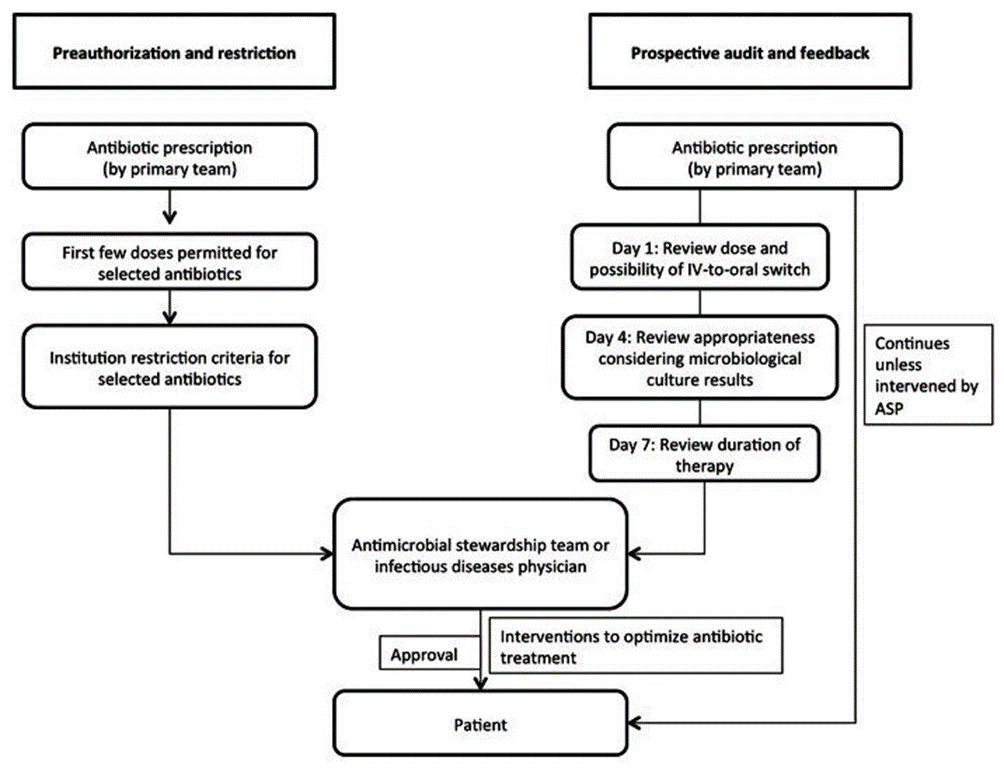
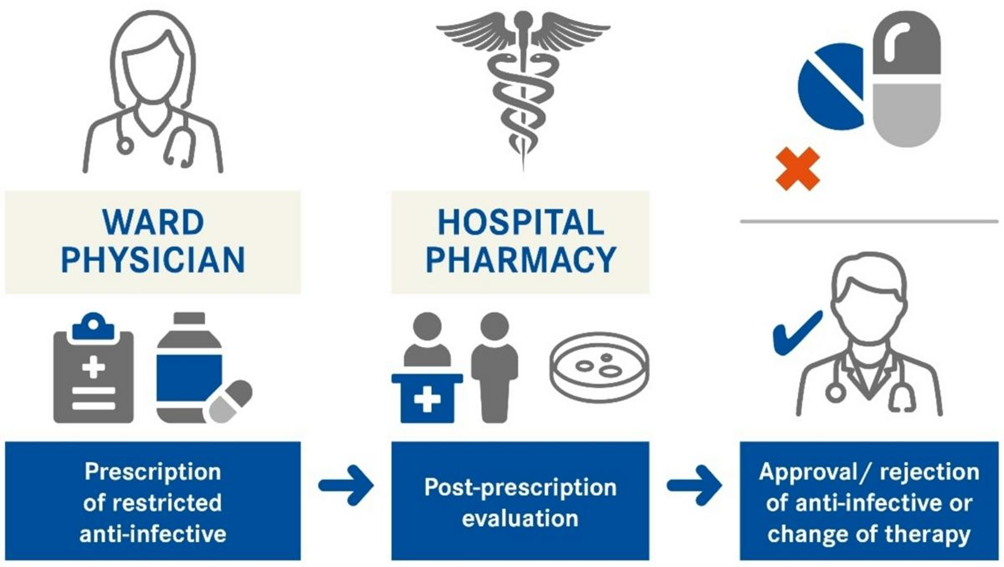
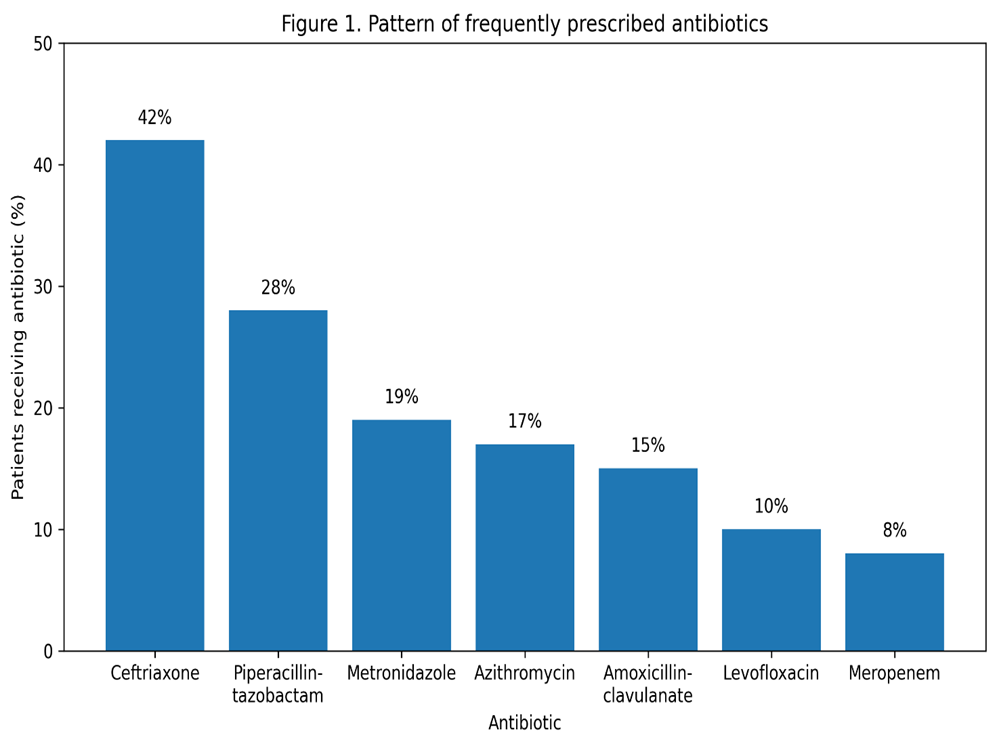
Figure 1: Pattern of frequently prescribed antimicrobial agents
The major characteristics of antibiotic initiation, microbiological investigation, and antimicrobial combination therapy are summarized in Table 4.
Table 4: Characteristics of antibiotic prescribing and microbiological evaluation
|
Variable |
Number (n=300) |
Percentage (%) |
|
Timing/type of antibiotic therapy |
|
|
|
Empirical therapy |
226 |
75.3 |
|
Microbiology-directed therapy |
52 |
17.3 |
|
Other/step-down therapy |
22 |
7.3 |
|
Microbiological sampling before antibiotic initiation |
|
|
|
Yes |
114 |
38.0 |
|
No |
186 |
62.0 |
|
Number of antimicrobial agents |
|
|
|
One |
177 |
59.0 |
|
Two |
93 |
31.0 |
|
≥3 |
30 |
10.0 |
Overall appropriateness of antibiotic prescribing and the principal reasons for classification as inappropriate are presented in Table 5.
Table 5: Appropriateness of antibiotic prescribing and reasons for inappropriate prescribing
|
Assessment of prescribing |
Number |
Percentage (%) |
|
Appropriate prescribing |
196 |
65.3 |
|
Inappropriate prescribing |
104 |
34.7 |
|
Reasons for inappropriate prescribing* |
|
|
|
Unnecessarily broad-spectrum therapy |
42 |
40.4 |
|
No clearly documented indication |
37 |
35.6 |
|
Inappropriate treatment duration |
29 |
27.9 |
|
Suboptimal antimicrobial selection |
24 |
23.1 |
|
Unnecessary combination therapy |
18 |
17.3 |
|
Inappropriate dose/frequency |
11 |
10.6 |
The factors independently associated with inappropriate antibiotic prescribing after multivariable logistic regression are shown in Table 6.
Table 6: Independent predictors of inappropriate antibiotic prescribing
|
Predictor |
Adjusted Odds Ratio |
95% Confidence Interval |
P value |
|
Absence of microbiological sampling before antibiotic initiation |
2.05 |
1.16–3.62 |
0.013 |
|
Empirical broad-spectrum therapy |
3.15 |
1.87–5.31 |
<0.001 |
|
Use of ≥3 antimicrobial agents |
2.44 |
1.26–4.73 |
0.008 |
|
Age ≥65 years |
1.72 |
0.99–2.99 |
0.056 |
|
Polypharmacy |
1.43 |
0.84–2.44 |
0.187 |
The overall distribution demonstrated appropriate antibiotic prescribing in 65.3% of patients and inappropriate prescribing in 34.7%.
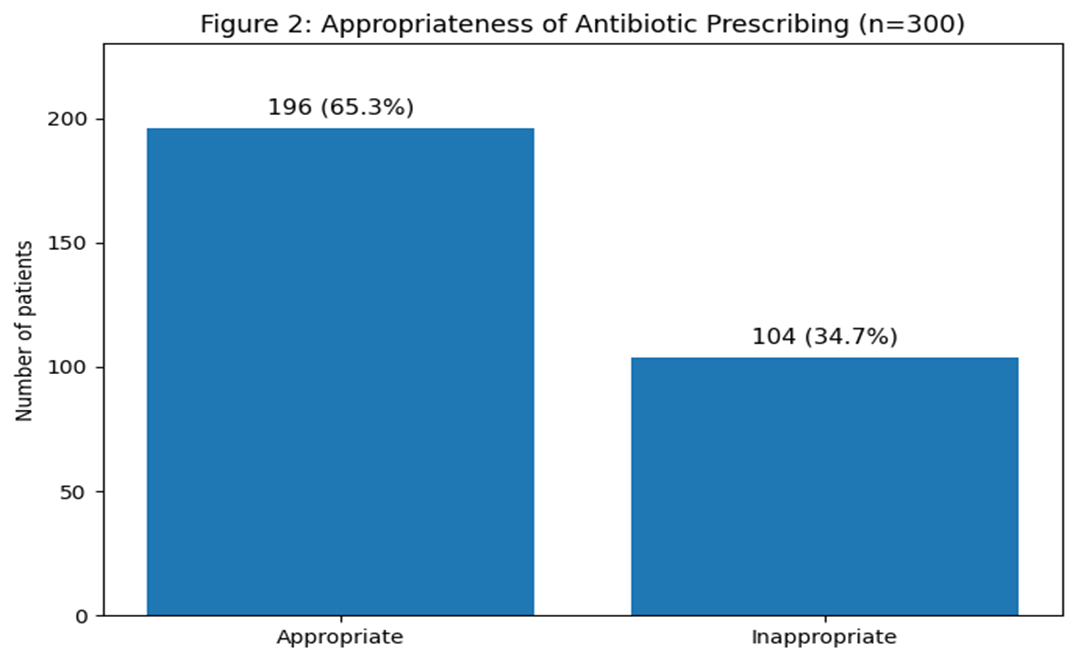
Figure 2: Distribution of antibiotic prescribing according to appropriateness
The most frequent reason for inappropriate prescribing was unnecessarily broad-spectrum therapy (40.4%), followed by absence of a clearly documented indication (35.6%), inappropriate treatment duration (27.9%), and suboptimal antimicrobial selection (23.1%).
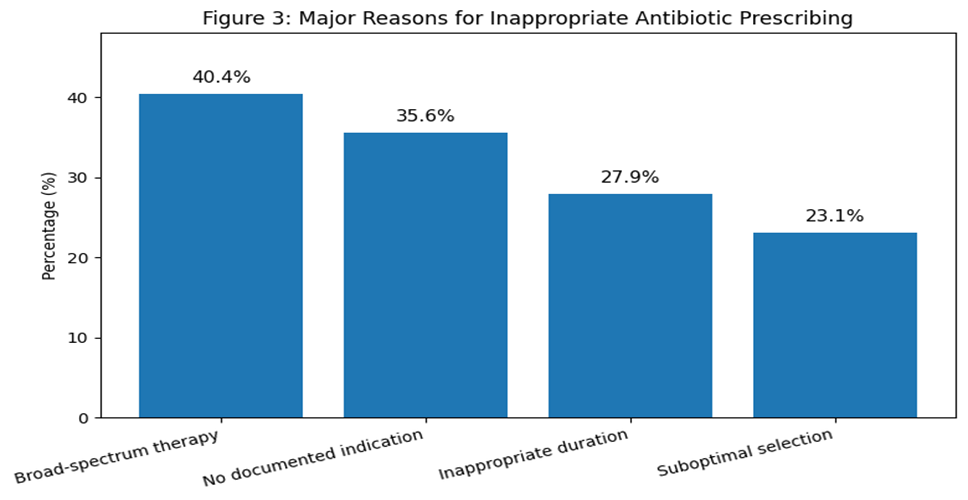
Figure 3: Major reasons for inappropriate antibiotic prescribing
Tables and Figures Summary
Table 1 demonstrated that the study population consisted predominantly of middle-aged and older adults, with 77.7% of patients being ≥40 years of age. Male patients accounted for 58.0% of the cohort. Diabetes mellitus and hypertension were the most prevalent comorbidities, and 38.7% of patients had two or more comorbid conditions, reflecting a clinically complex General Medicine population.
Table 2 showed that lower respiratory tract infection was the leading indication for antibiotic therapy, accounting for 30.0% of prescriptions, followed by urinary tract infection (21.0%), skin and soft-tissue infection (14.0%), and suspected or documented sepsis (13.0%). These four clinical syndromes together accounted for 78.0% of antibiotic-treated patients.
Table 3 demonstrated substantial use of broad-spectrum antibiotics, with ceftriaxone being the most frequently prescribed agent (42.0%), followed by piperacillin-tazobactam (28.0%). The use of multiple antibiotics in some patients explains why the individual antibiotic percentages were not mutually exclusive.
Table 4 demonstrated that empirical prescribing predominated, accounting for 75.3% of patients, whereas only 17.3% received microbiology-directed therapy. Importantly, microbiological sampling before antibiotic initiation was documented in only 38.0% of patients. Ten percent of patients received three or more antimicrobial agents, indicating a subgroup with particularly intensive antibiotic exposure.
Table 5 demonstrated that 34.7% of antibiotic prescriptions were classified as inappropriate. Unnecessarily broad-spectrum therapy was the most frequent reason, identified in 40.4% of inappropriate prescriptions, followed by absence of a clearly documented indication (35.6%), inappropriate duration (27.9%), and suboptimal antimicrobial selection (23.1%). Because individual prescriptions could have more than one prescribing problem, these categories were not mutually exclusive.
Table 6 demonstrated that three prescribing-related factors remained independently associated with inappropriate antibiotic use after multivariable adjustment. Absence of microbiological sampling before antibiotic initiation was associated with approximately two-fold higher odds of inappropriate prescribing (adjusted OR 2.05; 95% CI 1.16–3.62; P=0.013). Empirical broad-spectrum therapy showed the strongest association, with more than three-fold higher odds of inappropriate prescribing (adjusted OR 3.15; 95% CI 1.87–5.31; P<0.001). Use of three or more antimicrobial agents was also independently associated with inappropriate prescribing (adjusted OR 2.44; 95% CI 1.26–4.73; P=0.008). Age ≥65 years did not reach statistical significance after adjustment (P=0.056), and polypharmacy was not an independent predictor (P=0.187).
DISCUSSION:
Antibiotic prescribing in hospitalized patients requires balancing the need for timely treatment of suspected bacterial infection against the risks associated with unnecessary or suboptimal antimicrobial exposure. In the present prospective observational study of 300 adults admitted to General Medicine wards, empirical and broad-spectrum antibiotic therapy constituted a substantial component of prescribing, while 34.7% of patients were classified as receiving inappropriate antibiotic therapy. The findings indicate that the principal opportunities for improvement relate to optimization of antimicrobial selection, spectrum, microbiological evaluation, treatment duration, and combination therapy rather than simply reducing antibiotic exposure. The demographic profile demonstrated a predominance of males, who accounted for 58.0% of the study population, while patients aged 40–64 years constituted the largest age group. Nearly one-third of patients were aged ≥65 years, and 38.7% had two or more comorbidities. Diabetes mellitus and hypertension were the most frequently documented comorbidities. This clinical complexity is relevant to antimicrobial prescribing because patients admitted to General Medicine wards frequently present with multiple concurrent illnesses and variable degrees of diagnostic certainty. Such circumstances may increase reliance on empirical treatment, particularly when the consequences of delayed treatment are perceived to be substantial.
Lower respiratory tract infection was the most frequent indication for antibiotic therapy, followed by urinary tract infection, skin and soft-tissue infection, and suspected or documented sepsis. These clinical syndromes commonly require early therapeutic decisions, particularly in patients with systemic manifestations or suspected severe infection. However, the justification for initiating empirical therapy does not necessarily justify continuation of the same regimen throughout hospitalization. Antimicrobial therapy should therefore be reassessed as the clinical picture evolves and laboratory or microbiological information becomes available. This distinction between appropriate initiation and appropriate continuation is central to antimicrobial stewardship. Empirical therapy accounted for 75.3% of antibiotic treatment in the present study, whereas only 17.3% was microbiology-directed. This finding is consistent with the broader Indian hospital literature, where empirical prescribing remains common and microbiology-based antimicrobial selection represents a relatively smaller proportion of treatment. In the ASPIRE multicentre point-prevalence survey, only 22.8% of prescribed antimicrobials were based on microbiology reports, while third-generation cephalosporins and Watch-category agents were among the most frequently used drugs. More recent ASPIRE II data have continued to demonstrate substantial antimicrobial use and important opportunities for improving prescribing quality across Indian tertiary-care centres.
Only 38.0% of patients in the present study had a microbiological specimen obtained before antibiotic initiation. The relatively low frequency of pre-treatment sampling is important because microbiological information can facilitate confirmation or modification of the initial diagnosis and can support targeted therapy and de-escalation. At the same time, microbiological sampling should not delay appropriate treatment in patients with suspected severe infection. The objective should therefore be to obtain clinically appropriate specimens as early as possible while maintaining timely initiation of empirical therapy when indicated. The association observed in this study between absence of microbiological sampling and inappropriate prescribing further supports strengthening diagnostic stewardship within General Medicine practice. The antibiotic utilization pattern showed ceftriaxone as the most frequently prescribed agent, followed by piperacillin-tazobactam, metronidazole, and azithromycin. The prominence of ceftriaxone is consistent with Indian hospital prescribing surveys in which third-generation cephalosporins have been among the most commonly used antimicrobial classes. The frequent use of piperacillin-tazobactam further indicates substantial reliance on broad-spectrum therapy. These agents can be appropriate for selected clinical indications; therefore, their presence in the prescribing pattern should not itself be interpreted as inappropriate use. Rather, their appropriateness depends on the indication, severity of infection, individual patient risk factors, local susceptibility patterns, microbiological findings, and subsequent clinical reassessment.
Overall, 104 (34.7%) patients were classified as receiving inappropriate antibiotic therapy. This proportion indicates a substantial stewardship gap within the study setting. Importantly, inappropriate prescribing should not be equated with unnecessary antibiotic initiation in every case. A prescription may be clinically justified at initiation but become inappropriate because of excessive spectrum, inappropriate duration, inadequate documentation, inappropriate selection, or unnecessary combination therapy. This distinction is important because stewardship programmes aim to optimize antibiotic therapy rather than simply reduce antibiotic prescribing. Unnecessarily broad-spectrum therapy was the most frequent reason for inappropriate prescribing, accounting for 40.4% of inappropriate prescriptions, followed by absence of a clearly documented indication (35.6%) and inappropriate treatment duration (27.9%). These findings suggest that the major prescribing problems were related to optimization of ongoing therapy. Broad-spectrum therapy may be justified initially when severe infection or resistant pathogens are suspected, but continued use should be reassessed once clinical and microbiological information becomes available. Similarly, clear documentation of the indication facilitates subsequent review because the treating team can determine whether the original therapeutic rationale remains valid.
The association between inappropriate duration and overall prescribing quality is also clinically relevant. Prolonged antibiotic exposure increases cumulative antimicrobial pressure and may expose patients to avoidable adverse effects without providing additional clinical benefit when the infection has already been adequately treated. Establishing a documented treatment duration or review date at the time of prescribing can therefore facilitate timely reassessment and discontinuation or modification when clinically appropriate. The multivariable analysis identified three independent predictors of inappropriate antibiotic prescribing. Absence of microbiological sampling before antibiotic initiation was associated with approximately two-fold higher odds of inappropriate prescribing (adjusted OR 2.05; 95% CI 1.16–3.62; P=0.013). This association suggests that diagnostic uncertainty may contribute to continuation of broader or less targeted antimicrobial regimens. The finding supports incorporation of microbiological sampling into the initial assessment of suspected bacterial infection whenever clinically feasible.
Empirical broad-spectrum therapy was the strongest independent predictor of inappropriate prescribing, with more than three-fold higher odds (adjusted OR 3.15; 95% CI 1.87–5.31; P<0.001). This is an important finding because empirical therapy itself should not be considered inappropriate. Rather, the association suggests that empirical therapy combined with unnecessarily broad coverage or inadequate subsequent reassessment represents an important target for stewardship intervention. Structured review of empirical treatment after initial stabilization and availability of diagnostic information can facilitate narrowing, modification, or discontinuation of therapy when clinically justified. Evidence from Indian stewardship programmes supports the feasibility of post-prescription review and feedback as a mechanism for improving antimicrobial use and increasing de-escalation based on culture susceptibility. Use of three or more antimicrobial agents was another independent predictor of inappropriate prescribing (adjusted OR 2.44; 95% CI 1.26–4.73; P=0.008). Multiple-antibiotic regimens may be appropriate in selected patients, including those with severe sepsis or suspected polymicrobial infection. However, each component of combination therapy should have a defined therapeutic purpose. Unnecessary duplication or continuation of multiple agents can increase antimicrobial exposure, treatment complexity, drug interactions, and selection pressure for resistant organisms. The present finding therefore supports systematic review of combination regimens to determine whether all prescribed agents remain clinically necessary. Although inappropriate prescribing was more frequent among patients aged ≥65 years, age did not remain statistically significant after multivariable adjustment (adjusted OR 1.70; 95% CI 0.99–2.93; P=0.056). Similarly, polypharmacy did not remain an independent predictor. These findings indicate that demographic and medication-related complexity alone may be less important than modifiable prescribing and diagnostic factors. Consequently, stewardship interventions should focus on the circumstances surrounding antibiotic selection and continuation rather than targeting older age or polypharmacy as independent causes of inappropriate prescribing.
The findings have direct implications for antimicrobial stewardship in General Medicine wards. First, antibiotic prescriptions should contain a clearly documented indication and an anticipated duration or review point. Second, clinically appropriate microbiological specimens should be obtained before antibiotic initiation whenever this can be achieved without unsafe treatment delay. Third, empirical broad-spectrum therapy should undergo structured reassessment after the initial treatment period. Fourth, de-escalation to narrower therapy should be undertaken when supported by clinical and microbiological information. Fifth, unnecessary combination therapy should be actively identified and discontinued. Prescription audit and feedback can provide an additional mechanism for reinforcing these practices. Indian studies have demonstrated that structured stewardship interventions, including prospective audit and feedback and post-prescription review, can reduce antimicrobial utilization and improve antimicrobial optimization. The study also highlights the complementary role of diagnostic stewardship. Antibiotic stewardship cannot be fully effective when clinicians lack reliable information about the underlying infectious process. Improving the timing and quality of microbiological sampling, documenting the suspected infection syndrome clearly, and establishing defined points for antimicrobial reassessment can facilitate transition from empirical treatment to targeted therapy. The findings of the present study therefore support an integrated approach in which diagnostic evaluation and antimicrobial review occur as interconnected components of inpatient care.
The study has several limitations. It was conducted at a single tertiary-care institution, and the prescribing pattern may therefore not be directly generalizable to hospitals with different patient populations, antimicrobial formularies, local resistance patterns, or stewardship infrastructure. The observational design permits identification of associations but does not establish causal relationships between the identified predictors and inappropriate prescribing. Assessment of appropriateness may also be influenced by the completeness and accuracy of clinical documentation. In addition, the study evaluated prescribing practices during a defined one-year period and therefore may not capture longer-term changes in antimicrobial utilization or resistance patterns. Despite these limitations, the study provides a focused assessment of antibiotic prescribing within General Medicine wards and identifies specific, modifiable prescribing practices associated with inappropriate use. The combination of high empirical prescribing, limited pre-treatment microbiological sampling, substantial use of broad-spectrum agents, and independent associations with inappropriate prescribing provides a clear basis for targeted antimicrobial stewardship measures. Overall, approximately one-third of patients receiving antibiotic therapy were classified as having inappropriate prescribing. The principal modifiable determinants were absence of microbiological sampling before antibiotic initiation, empirical broad-spectrum therapy, and use of three or more antimicrobial agents. These findings support a stewardship strategy centred on appropriate diagnostic evaluation, clear documentation of indication, structured review of empirical therapy, spectrum optimization, de-escalation when clinically justified, avoidance of unnecessary combination therapy, and appropriate treatment duration.
CONCLUSION:
The present study demonstrated substantial reliance on empirical and broad-spectrum antibiotic therapy among adults admitted to General Medicine wards, with inappropriate antibiotic prescribing identified in 34.7% of patients. Ceftriaxone was the most frequently prescribed antibiotic, while microbiological sampling before antibiotic initiation was documented in only 38.0% of patients. Unnecessarily broad-spectrum therapy was the most frequent reason for inappropriate prescribing, followed by absence of a clearly documented indication and inappropriate treatment duration. Absence of microbiological sampling before antibiotic initiation, empirical broad-spectrum therapy, and use of three or more antimicrobial agents were independently associated with inappropriate antibiotic prescribing. These findings identify specific and potentially modifiable areas for antimicrobial stewardship, particularly strengthening appropriate microbiological evaluation, documenting clear treatment indications, systematically reviewing empirical therapy, optimizing antimicrobial spectrum, avoiding unnecessary combination therapy, and ensuring appropriate treatment duration. Targeted stewardship interventions addressing these prescribing practices may improve the quality of antibiotic use in General Medicine wards while supporting the broader objective of preserving antibiotic effectiveness and limiting antimicrobial resistance.
REFERENCES:
1. Murray CJL, Ikuta KS, Sharara F, et al. Global burden of bacterial antimicrobial resistance in 2019: a systematic analysis. Lancet. 2022;399(10325):629–655. doi:10.1016/S0140-6736(21)02724-0.
2. Laxminarayan R, Duse A, Wattal C, et al. Antibiotic resistance—the need for global solutions. Lancet Infect Dis. 2013;13(12):1057–1098. doi:10.1016/S1473-3099(13)70318-9.
3. World Health Organization. Global action plan on antimicrobial resistance. Geneva: World Health Organization; 2015.
4. Dellit TH, Owens RC, McGowan JE Jr, et al. Infectious Diseases Society of America and the Society for Healthcare Epidemiology of America guidelines for developing an institutional program to enhance antimicrobial stewardship. Clin Infect Dis. 2007;44(2):159–177. doi:10.1086/510393.
5. Barlam TF, Cosgrove SE, Abbo LM, et al. Implementing an antibiotic stewardship program: guidelines by the Infectious Diseases Society of America and the Society for Healthcare Epidemiology of America. Clin Infect Dis. 2016;62(10):e51–e77. doi:10.1093/cid/ciw118.
6. Centers for Disease Control and Prevention. Core Elements of Hospital Antibiotic Stewardship Programs. Atlanta: US Department of Health and Human Services, CDC; 2019.
7. World Health Organization. The WHO AWaRe (Access, Watch, Reserve) antibiotic book. Geneva: World Health Organization; 2022. doi:10.1016/j.ijantimicag.2022.106710.
8. Schuts EC, Hulscher MEJL, Mouton JW, et al. Current evidence on hospital antimicrobial stewardship objectives: a systematic review and meta-analysis. Lancet Infect Dis. 2016;16(7):847–856. doi:10.1016/S1473-3099(16)00065-7.
9. Davey P, Marwick CA, Scott CL, et al. Interventions to improve antibiotic prescribing practices for hospital inpatients. Cochrane Database Syst Rev. 2017;2(2):CD003543. doi:10.1002/14651858.CD003543.pub4.
10. Wagner B, Filice GA, Drekonja D, et al. Antimicrobial stewardship programs in inpatient hospital settings: a systematic review. Infect Control Hosp Epidemiol. 2014;35(10):1209–1228. doi:10.1086/678057.
11. Huttner B, Harbarth S, Nathwani D. Success stories of implementation of antimicrobial stewardship: a narrative review. Clin Microbiol Infect. 2014;20(10):954–962. doi:10.1111/1469-0691.12803.
12. Walia K, Ohri VC, Mathai D. Antimicrobial stewardship programme (AMSP) practices in India. Indian J Med Res. 2015;142(2):130–138. doi:10.4103/0971-5916.164228.
13. Panditrao AM, Shafiq N, Chatterjee S, et al; ASPIRE Study Group. A multicentre point prevalence survey (PPS) of antimicrobial use amongst admitted patients in tertiary care centres in India. J Antimicrob Chemother. 2021;76(4):1094–1101. doi:10.1093/jac/dkaa533.
14. Singh S, et al. Variations in antibiotic use across India: multi-centre study through Global Point Prevalence survey. J Hosp Infect. 2019;103(3):280–284. doi:10.1016/j.jhin.2019.05.014.
15. Bhattacharjee S, Mothsara C, Shafiq N, et al; ASPIRE II Study Group. Antimicrobial prescription patterns in tertiary care centres in India: a multicentric point prevalence survey. EClinicalMedicine. 2025;82:103175. doi:10.1016/j.eclinm.2025.103175.
16. Dutta S, et al. WHO-Point Prevalence Survey of Antibiotic Use Among Inpatients at a Core National Antimicrobial Consumption Network Site in North India: Findings and Implications. J Family Med Prim Care. 2023.
17. Impact of an antimicrobial stewardship intervention in India: Evaluation of post-prescription review and feedback as a method of promoting optimal antimicrobial use in the intensive care units of a tertiary-care hospital. Infect Control Hosp Epidemiol. 2019.
18. The implementation and outcome of a 2-year prospective audit and feedback based antimicrobial stewardship program at a private tertiary care hospital. J Infect Public Health. 2021.
19. Antibiotic stewardship initiative in a Medicine unit of a tertiary care teaching hospital in India: a pilot study. Indian J Med Res. 2019.
20. Karanika S, Paudel S, Grigoras C, Kalbasi A, Mylonakis E. Systematic review and meta-analysis of clinical and economic outcomes from antibiotic stewardship programs. Antimicrob Agents Chemother. 2016;60(8):4840–4852.
21. Kaki R, Elligsen M, Walker S, Simor A, Palmay L, Daneman N. Impact of antimicrobial stewardship in critical care: a systematic review. J Antimicrob Chemother. 2011;66(6):1223–1230. doi:10.1093/jac/dkr137.
22. Bhatia R, Katoch VM, Inoue H. Creating political commitment for antimicrobial resistance in developing countries. Indian J Med Res. 2019;149:83–87. doi:10.4103/ijmr.IJMR_1980_17.
23. Charani E, Mendelson M, Pallett A, et al. An analysis of the antibiotic stewardship literature from low- and middle-income countries. J Antimicrob Chemother. 2019.
24. O'Neill J. Tackling drug-resistant infections globally: final report and recommendations. Review on Antimicrobial Resistance. London: Wellcome Trust; 2016.
25. Vasave U, Paroha A. Assessing the impact of antimicrobial stewardship in low-income healthcare settings: a study of antibiotic use and antimicrobial susceptibility patterns in Indian hospitals. Antimicrob Steward Healthc Epidemiol. 2026;6(1):e181. doi:10.1017/ash.2026.10430.