Antibiotics Resistance Trends Of Uropathogens In Community Acquired Urinary Tract Infections In Children.
- Neha Baid , Associate Professor Department of Microbiology Raipur institute of medical sciences Raipur (CG).
- Zeba Najeeb , Assistant professor Department of Microbiology Raipur institute of medical sciences Raipur (CG).
- Vivek Kumar , Associate Professor Department of Microbiology Raipur institute of medical sciences Raipur (CG).
- Manish Yadav , PG 3rd year Department of Microbiology Raipur institute of medical sciences Raipur (CG).
Article Information:
Abstract:
Background: Urinary tract infection (UTI) is one of the most common bacterial infections in children and is associated with significant morbidity if not diagnosed and treated promptly. Increasing antimicrobial resistance among community-acquired uropathogens has made empirical antibiotic selection increasingly challenging, necessitating periodic surveillance of local resistance patterns. Aim: To evaluate the antibiotic resistance trends of uropathogens causing community-acquired urinary tract infections in children Materials and Methods: A hospital-based prospective observational study was conducted in the Department of Microbiology, Raipur Institute of Medical Science, Raipur, Chhattisgarh, over a period of 1.5 years. A total of 100 children aged 0–18 years with culture-confirmed community-acquired UTI were included. Urine samples were processed using standard microbiological methods, and bacterial isolates were identified. Antibiotic susceptibility testing was performed according to standard guidelines to determine antimicrobial resistance patterns. Results: Among the 100 pediatric patients, the highest proportion belonged to the 1–5 years age group (42.0%). Escherichia coli was the most common uropathogen (68.0%), followed by Klebsiella pneumoniae (15.0%) and Proteus mirabilis (7.0%). High resistance was observed to ampicillin (82.0%), cotrimoxazole (70.0%), and cefixime (58.0%). Amikacin (90.0%), nitrofurantoin (86.0%), and fosfomycin (84.0%) showed the highest sensitivity. Multidrug-resistant isolates accounted for 38.0%, while 32.2% of Gram-negative isolates were ESBL producers. Conclusion: Escherichia coli remains the predominant cause of community-acquired pediatric UTI. The increasing prevalence of multidrug-resistant and ESBL-producing organisms emphasizes the need for routine urine culture, antimicrobial susceptibility testing, continuous surveillance of local resistance trends, and implementation of antimicrobial stewardship programs to ensure effective empirical therapy and improve clinical outcomes.
Keywords:
Article :
INTRODUCTION:
Urinary tract infection (UTI) is one of the most common bacterial infections encountered in children and represents a significant cause of morbidity worldwide. It affects infants, young children, and adolescents, with varying clinical manifestations ranging from nonspecific fever in neonates to dysuria, frequency, and abdominal pain in older children. If left untreated or inadequately managed, UTIs may lead to serious complications such as renal scarring, hypertension, proteinuria, and chronic kidney disease. Early diagnosis and prompt initiation of appropriate antimicrobial therapy are therefore essential to prevent long-term renal damage and improve clinical outcomes [1]. Community-acquired UTIs account for the majority of pediatric urinary infections and are commonly caused by enteric Gram-negative bacteria, particularly Escherichia coli, followed by Klebsiella pneumoniae, Proteus mirabilis, Enterococcus species, and other uropathogens [2].
The selection of empirical antibiotic therapy for pediatric UTIs has traditionally been based on the expected spectrum of pathogens and their local antimicrobial susceptibility patterns. However, the increasing prevalence of antimicrobial resistance among community-acquired uropathogens has become a major public health concern. Widespread and often inappropriate use of antibiotics, self-medication, incomplete treatment courses, and indiscriminate prescription practices have accelerated the emergence of multidrug-resistant organisms. Consequently, antibiotics that were once highly effective, including ampicillin, cotrimoxazole, and several cephalosporins, are now associated with declining susceptibility rates in many regions [3,4]. This trend has complicated the management of childhood UTIs and has increased the likelihood of treatment failure, prolonged illness, repeated hospital visits, and higher healthcare costs.
Escherichia coli remains the predominant causative organism in community-acquired pediatric UTIs, but resistance patterns differ considerably across geographical locations and healthcare settings. Increasing resistance to fluoroquinolones, third-generation cephalosporins, and β-lactam antibiotics, together with the emergence of extended-spectrum β-lactamase (ESBL)-producing strains, has significantly narrowed therapeutic options [5,6]. Although nitrofurantoin and fosfomycin continue to demonstrate good activity against many urinary isolates, their effectiveness may vary depending on regional epidemiological trends. Continuous surveillance of antimicrobial susceptibility is therefore essential to guide empirical treatment and support antimicrobial stewardship programs [7].
Children constitute a particularly vulnerable population because delayed or ineffective treatment of UTIs may adversely affect renal growth and function. Moreover, clinical symptoms in younger children are often nonspecific, making microbiological confirmation and appropriate antibiotic selection even more important. Periodic evaluation of local bacterial profiles and resistance trends enables clinicians to choose the most effective empirical therapy while minimizing unnecessary exposure to broad-spectrum antibiotics [8]. Such evidence also contributes to the formulation of institutional antibiotic policies and national treatment guidelines.
Despite growing awareness of antimicrobial resistance, data regarding community-acquired pediatric UTIs remain limited in many developing countries. Variations in bacterial spectrum, prescribing practices, socioeconomic conditions, and antibiotic availability necessitate region-specific studies to generate reliable evidence. Understanding the changing resistance patterns of common uropathogens is crucial for optimizing empirical antibiotic therapy, reducing the burden of resistant infections, and improving patient outcomes. Therefore, the present study was undertaken to evaluate the bacterial profile and antibiotic resistance trends of uropathogens isolated from children with community-acquired urinary tract infections, thereby providing valuable information for evidence-based clinical decision-making and antimicrobial stewardship initiatives [9,10].
The aim of this study was to evaluate the antibiotic resistance trends of uropathogens causing community-acquired urinary tract infections in children. The objectives were to identify the common bacterial pathogens responsible for these infections, determine their antimicrobial susceptibility and resistance patterns, assess the prevalence of multidrug-resistant isolates, and generate evidence to support appropriate empirical antibiotic therapy and antimicrobial stewardship in pediatric clinical practice.
MATERIALS AND METHODS:
Study Design: Hospital-based prospective observational study.
Study Population: Children aged 0–18 years presenting with symptoms suggestive of community-acquired urinary tract infection (UTI) attending the Outpatient Department (OPD), Emergency Department, or admitted to the Pediatric wards of Raipur Institute of Medical Science, Raipur, Chhattisgarh.
Urine samples showing significant bacteriuria on culture were included for microbiological analysis and antibiotic susceptibility testing.
Sample Size: 100 pediatric patients with culture-confirmed community-acquired urinary tract infection.
Study Duration: 1 year.
Study Place: Department of Microbiology, in collaboration with the Department of Pediatrics, Raipur Institute of Medical Science, Raipur, Chhattisgarh
Inclusion Criteria:
• Children aged 0–18 years.
• Clinically suspected cases of community-acquired urinary tract infection.
• Positive urine culture showing significant bacterial growth.
• Patients whose parents/guardians provided written informed consent.
Exclusion Criteria:
• Hospital-acquired urinary tract infections (infection developing ≥48 hours after hospital admission).
• Children who had received antibiotics within the preceding 48–72 hours before urine sample collection.
• Patients with contaminated urine samples or insignificant bacteriuria.
• Children with incomplete clinical or laboratory records.
• Parents/guardians unwilling to provide informed consent.using the SF-36 questionnaire. Patients were followed up at 12 months post-discharge using postal questionnaires and telephonic communication for non-responders.
Statistical Analysis: The collected data were entered into Microsoft Excel and analyzed using Statistical Package for the Social Sciences (SPSS) software version 27.0 (IBM Corp., Armonk, NY, USA). Categorical variables were expressed as frequency and percentage, while continuous variables, wherever applicable, were presented as mean ± standard deviation (SD). The association between categorical variables was assessed using the Chi-square test or Fisher's exact test, as appropriate. Odds ratios (ORs) with 95% confidence intervals (CIs) were calculated wherever applicable. A two-tailed p-value of <0.05 was considered statistically significant. The results were presented using appropriate tables and charts to facilitate interpretation of the distribution of uropathogens, antibiotic susceptibility patterns, multidrug resistance, and ESBL production among community-acquired urinary tract infections in children.
RESULTS:
Table 1. Age-wise Distribution of Study Participants (N = 100)
|
Age Group (Years) |
Number of Patients |
Percentage (%) |
P-value |
|
<1 |
18 |
18 |
0.021 |
|
1–5 |
42 |
42 |
|
|
6–10 |
24 |
24 |
|
|
11–15 |
10 |
10 |
|
|
16–18 |
6 |
6 |
|
|
Total |
100 |
100 |
Table 2. Distribution According to Isolated Uropathogens (N = 100)
|
Uropathogen |
Number of Isolates |
Percentage (%) |
P-value |
|
Escherichia coli |
68 |
68 |
<0.001 |
|
Klebsiella pneumoniae |
15 |
15 |
|
|
Proteus mirabilis |
7 |
7 |
|
|
Enterococcus spp. |
6 |
6 |
|
|
Pseudomonas aeruginosa |
4 |
4 |
|
|
Total |
100 |
100 |
Table 3. Antibiotic Resistance Pattern Among Uropathogens (N = 100)
|
Antibiotic |
Resistant (n) |
Resistance (%) |
P-value |
|
Ampicillin |
82 |
82 |
<0.001 |
|
Cotrimoxazole |
70 |
70 |
|
|
Cefixime |
58 |
58 |
|
|
Ceftriaxone |
49 |
49 |
|
|
Ciprofloxacin |
41 |
41 |
|
|
Nitrofurantoin |
14 |
14 |
|
|
Amikacin |
10 |
10 |
Table 4. Antibiotic Susceptibility Pattern of Uropathogens (N = 100)
|
Antibiotic |
Sensitive (n) |
Sensitivity (%) |
P-value |
|
Amikacin |
90 |
90 |
<0.001 |
|
Nitrofurantoin |
86 |
86 |
|
|
Fosfomycin |
84 |
84 |
|
|
Gentamicin |
79 |
79 |
|
|
Piperacillin-Tazobactam |
76 |
76 |
|
|
Ceftriaxone |
51 |
51 |
|
|
Ampicillin |
18 |
18 |
Table 5. Multidrug Resistance (MDR) Among Uropathogens (N = 100)
|
Resistance Pattern |
Number of Isolates |
Percentage (%) |
P-value |
|
MDR Positive |
38 |
38 |
0.014 |
|
MDR Negative |
62 |
62 |
|
|
Total |
100 |
100 |
Table 6. ESBL Production Among Gram-Negative Isolates (N = 90)
|
ESBL Status |
Number of Isolates |
Percentage (%) |
P-value |
|
ESBL Positive |
29 |
32.2 |
0.008 |
|
ESBL Negative |
61 |
67.8 |
|
|
Total |
90 |
100 |
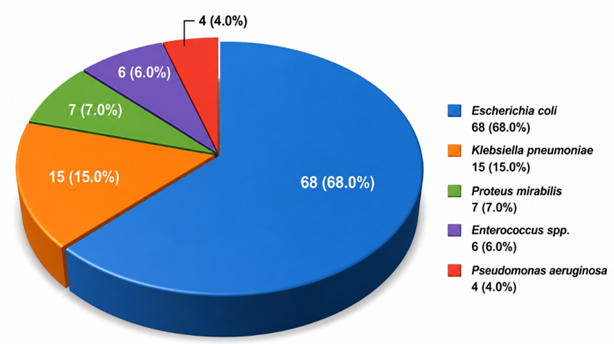
Figure: 1. Distribution According to Isolated Uropathogens
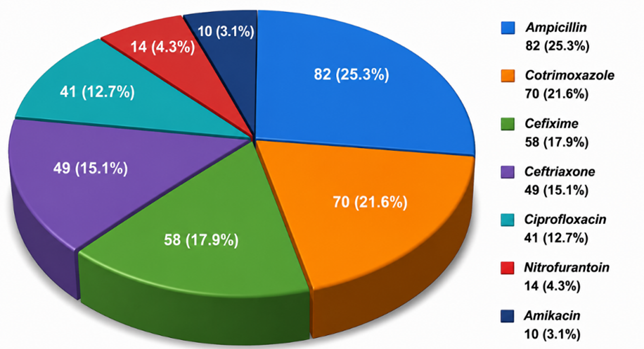
Figure: 2. Antibiotic Resistance Pattern Among Uropathogens
A total of 100 children with culture-confirmed community-acquired urinary tract infection (UTI) were included in the study. The majority of patients belonged to the 1–5 years age group, accounting for 42 (42.0%) cases, followed by 6–10 years with 24 (24.0%) cases. Infants aged <1 year constituted 18 (18.0%) of the study population. Children aged 11–15 years and 16–18 years represented 10 (10.0%) and 6 (6.0%) cases, respectively. The age-wise distribution showed a statistically significant difference (p = 0.021), indicating that community-acquired UTI was significantly more common among children aged 1–5 years than in other age groups.
Among the 100 bacterial isolates, Escherichia coli was the predominant uropathogen, isolated from 68 (68.0%) patients. The second most common organism was Klebsiella pneumoniae, accounting for 15 (15.0%) isolates, followed by Proteus mirabilis in 7 (7.0%), Enterococcus species in 6 (6.0%), and Pseudomonas aeruginosa in 4 (4.0%) patients. The predominance of E. coli over other bacterial isolates was highly statistically significant (p < 0.001), confirming its role as the principal causative organism of community-acquired pediatric UTIs.
Analysis of antimicrobial resistance demonstrated that Ampicillin exhibited the highest resistance rate, with 82 (82.0%) isolates being resistant. High resistance was also observed for Cotrimoxazole (70.0%) and Cefixime (58.0%). Resistance to Ceftriaxone was identified in 49 (49.0%) isolates, while Ciprofloxacin resistance was noted in 41 (41.0%) cases. In contrast, comparatively lower resistance was observed for Nitrofurantoin (14.0%) and Amikacin (10.0%). Overall differences in resistance among the tested antibiotics were highly statistically significant (p < 0.001), indicating considerable variation in antimicrobial efficacy against community-acquired uropathogens.
The antimicrobial susceptibility analysis revealed that Amikacin was the most effective antibiotic, with 90 (90.0%) isolates showing sensitivity. High susceptibility was also observed for Nitrofurantoin (86.0%) and Fosfomycin (84.0%). Gentamicin demonstrated sensitivity in 79 (79.0%) isolates, while Piperacillin-Tazobactam showed effectiveness against 76 (76.0%) isolates. Sensitivity to Ceftriaxone was moderate at 51 (51.0%), whereas Ampicillin showed the lowest susceptibility, with only 18 (18.0%) isolates remaining sensitive. The observed differences in susceptibility among antibiotics were highly statistically significant (p < 0.001), suggesting that Amikacin and Nitrofurantoin remain reliable empirical treatment options for pediatric community-acquired UTIs.
Out of the 100 bacterial isolates, 38 (38.0%) were identified as multidrug-resistant (MDR), whereas 62 (62.0%) isolates were non-MDR. The prevalence of MDR isolates was statistically significant (p = 0.014), highlighting the growing burden of antimicrobial resistance among community-acquired pediatric uropathogens. This finding emphasizes the need for routine culture and antibiotic susceptibility testing before initiating definitive antimicrobial therapy whenever feasible.
Among the 90 Gram-negative bacterial isolates, 29 (32.2%) were found to be extended-spectrum β-lactamase (ESBL)-producing organisms, while 61 (67.8%) isolates were non-ESBL producers. The difference in ESBL production was statistically significant (p = 0.008). The presence of ESBL-producing uropathogens indicates increasing resistance to commonly prescribed β-lactam antibiotics and underscores the importance of continuous surveillance and judicious antibiotic use to limit the spread of resistant organisms in the pediatric population.
DISCUSSION:
In the present study, the highest proportion of community-acquired urinary tract infections (UTIs) was observed among children aged 1–5 years (42.0%), followed by the 6–10 years (24.0%) age group. This finding suggests that preschool-aged children are particularly susceptible to UTIs because of immature immunity, toilet-training practices, and anatomical predisposition. Similar observations were reported by Wathore and Wade [11], who found the highest incidence of pediatric UTIs in younger children, particularly those below five years of age. Likewise, Zloczower et al. [12] demonstrated that community-acquired UTIs occur predominantly in early childhood, emphasizing the importance of prompt diagnosis and treatment in this age group. The present study identified Escherichia coli as the predominant uropathogen, accounting for 68.0% of isolates, followed by Klebsiella pneumoniae (15.0%) and Proteus mirabilis (7.0%). These findings are consistent with those of Wathore and Wade [11], who reported E. coli as the causative organism in approximately 86.7% of pediatric community-acquired UTIs. Similarly, Pierantoni et al. [13] and Zloczower et al. [12] confirmed that E. coli remains the principal pathogen responsible for childhood UTIs across different geographical regions, although the prevalence of non-E. coli organisms has gradually increased over recent years.
The present study demonstrated very high resistance to Ampicillin (82.0%) and Cotrimoxazole (70.0%), whereas resistance to Nitrofurantoin and Amikacin remained comparatively low. These findings are in agreement with Oli et al. [14], who also reported poor susceptibility of pediatric E. coli isolates to ampicillin and several commonly prescribed oral antibiotics. Likewise, Alavudeen et al. [15] observed increasing resistance to β-lactam antibiotics and cotrimoxazole among pediatric urinary isolates, emphasizing that empirical antibiotic selection should be guided by updated local antibiograms rather than historical prescribing practices. The susceptibility profile in the present study showed that Amikacin (90.0%), Nitrofurantoin (86.0%), and Fosfomycin (84.0%) retained excellent activity against the isolated uropathogens. Comparable findings were reported by Wathore and Wade [11], who demonstrated high sensitivity of urinary isolates to Nitrofurantoin and aminoglycosides. Similarly, Pierantoni et al. [13] found that Nitrofurantoin maintained consistently high effectiveness against pediatric E. coli isolates despite increasing resistance to cephalosporins and fluoroquinolones. These observations support the continued use of Nitrofurantoin as an appropriate first-line oral agent for uncomplicated pediatric community-acquired UTIs whenever clinically indicated.
Multidrug-resistant (MDR) organisms were detected in 38.0% of isolates in the present study, indicating a substantial burden of antimicrobial resistance among community-acquired pediatric UTIs. Similar concerns were highlighted by Ali et al. [16], who documented extensive multidrug resistance among Escherichia coli and Klebsiella pneumoniae isolated from pediatric urinary infections. Likewise, Zloczower et al. [12] reported a progressive increase in resistance to multiple commonly prescribed antibiotics over time, underscoring the necessity for antimicrobial stewardship and routine culture-based therapy. The present study found that 32.2% of Gram-negative isolates were ESBL producers, reflecting the growing emergence of resistant pathogens in community-acquired pediatric UTIs. Comparable findings were reported by Zloczower et al. [12], who observed a significant increase in ESBL-producing E. coli during long-term surveillance. Similar observations were also made by Ali et al. [16], who demonstrated a considerable prevalence of ESBL-producing E. coli and Klebsiella pneumoniae among pediatric urinary isolates. The increasing frequency of ESBL-producing organisms highlights the importance of routine susceptibility testing, continuous surveillance, and judicious antibiotic use to preserve the effectiveness of available antimicrobial agents.
CONCLUSION:
The present study demonstrated that Escherichia coli was the predominant uropathogen causing community-acquired urinary tract infections (UTIs) in children, followed by Klebsiella pneumoniae and Proteus mirabilis. A high level of resistance was observed against commonly used antibiotics such as ampicillin, cotrimoxazole, and cefixime, indicating the declining effectiveness of these agents for empirical therapy. In contrast, amikacin, nitrofurantoin, and fosfomycin showed excellent antimicrobial activity and remained the most effective treatment options against the isolated uropathogens. The study also revealed a considerable prevalence of multidrug-resistant (MDR) and extended-spectrum β-lactamase (ESBL)-producing isolates, highlighting the growing challenge of antimicrobial resistance in pediatric UTIs. Routine urine culture with antibiotic susceptibility testing should be encouraged to ensure appropriate antimicrobial selection. Continuous surveillance of local resistance patterns and strict implementation of antimicrobial stewardship programs are essential to optimize treatment outcomes, prevent complications, and reduce the emergence and spread of resistant uropathogens in children.
REFERENCES:
1. National Institute for Health and Care Excellence (NICE). Urinary tract infection in under 16s: diagnosis and management. NICE Guideline NG224. London: NICE; 2022.
2. European Association of Urology. EAU Guidelines on Paediatric Urology. Arnhem, The Netherlands: European Association of Urology; 2025.
3. World Health Organization. Global Antimicrobial Resistance and Use Surveillance System (GLASS): Manual for antimicrobial resistance surveillance in common bacteria causing human infection. Geneva: World Health Organization; 2023.
4. World Health Organization. WHO AWaRe (Access, Watch, Reserve) Antibiotic Book. Geneva: World Health Organization; 2022.
5. Bryce A, Hay AD, Lane IF, Thornton HV, Wootton M, Costelloe C. Global prevalence of antimicrobial resistance in pediatric urinary tract infections caused by Escherichia coli and association with routine use of antibiotics in primary care: systematic review and meta-analysis. BMJ. 2016;352.
6. Shaikh N, Hoberman A, Keren R. Emerging antimicrobial resistance among pediatric urinary tract pathogens: implications for empirical therapy. Pediatr Nephrol. 2022;37(11):2709-2718.
7. World Health Organization. The selection and use of essential medicines: WHO AWaRe classification of antibiotics for evaluation and monitoring of use. Geneva: World Health Organization; 2025.
8. Mattoo TK, Chesney RW. Urinary tract infection in children: current concepts in diagnosis and antimicrobial management. Pediatr Clin North Am. 2021;68(5):1017-1032.
9. European Centre for Disease Prevention and Control. Antimicrobial resistance surveillance in Europe 2024. Stockholm: ECDC; 2025.
10. American Academy of Pediatrics. Urinary tract infections in infants and children: diagnosis, management, and antimicrobial stewardship. Pediatrics. 2024.
11. Wathore SN, Wade P. Etiology and antimicrobial susceptibility pattern in children with community-acquired urinary tract infection. Int J Contemp Pediatr. 2021;8(6):993-997.
12. Zloczower VS, Averbuch D, Livni G, et al. Pathogens causing pediatric community-acquired urinary tract infections and their increasing antimicrobial resistance: a nationwide study. Pathogens. 2024;13(3):201.
13. Pierantoni L, Andreozzi L, Ambretti S, et al. Three-year trend in Escherichia coli antimicrobial resistance among children's urine cultures in an Italian metropolitan area. Children (Basel). 2021;8(7):597.
14. Oli Y, Bhandari G, Shrestha S, et al. Antibiotic susceptibility pattern of Escherichia coli isolated from children with urinary tract infection. Asian J Pharm Clin Res. 2021;14(2):152-157.
15. Alavudeen SS, Asiri AA, Fageeh SA, et al. Evaluation of antibiotic prescribing practices and antimicrobial sensitivity patterns in urinary tract-related infectious diseases in pediatric patients. Front Pediatr. 2021;9:740106.
16. Ali I, Rafaque Z, Ahmed S, et al. Extensive drug resistance in strains of Escherichia coli and Klebsiella pneumoniae isolated from paediatric urinary tract infections. J Taibah Univ Med Sci. 2021;16(4):565-574.
17. Ganesh R, Shrestha D, Bhattachan B, Rai G. Epidemiology of urinary tract infection and antimicrobial resistance in a pediatric hospital. BMC Infect Dis. 2019;19:420.
18. Shaikh N, Hoberman A, Keren R. Emerging antimicrobial resistance among pediatric urinary tract pathogens: implications for empirical therapy. Pediatr Nephrol. 2022;37(11):2709-2718.
19. Bryce A, Hay AD, Lane IF, Thornton HV, Wootton M, Costelloe C. Global prevalence of antimicrobial resistance in pediatric urinary tract infections: systematic review and meta-analysis. J Infect. 2021;82(4).
20. Mohammed A, Abdinia B. Etiology and antimicrobial susceptibility pattern of pathogenic bacteria isolated from children with urinary tract infection. Medicine (Baltimore). 2015;94(39).