Evaluation of Serum Vitamin D Levels and Their Association with Hypertension: A Clinical Study.
- Ajay Kumar Gupta , Associate Professor, Department of Medicine Ajay Sangaal Institute Of Medical Sciences & Research And Ayushmaan Hospital, Shamli (U.P) 247773
- Hari Om Singh , Associate Professor, Department of Medicine Ajay Sangaal Institute Of Medical Sciences & Research And Ayushmaan Hospital, Shamli (U.P) 247773
- Devadatta Vijay Desai , Associate Professor, Department of Medicine Ajay Sangaal Institute Of Medical Sciences & Research And Ayushmaan Hospital, Shamli (U.P) 247773
- Mansi Bansal , Associate Professor, Department of Medicine Ajay Sangaal Institute Of Medical Sciences & Research And Ayushmaan Hospital, Shamli (U.P) 247773
- Bharat Varshney , Associate Professor, Department of Medicine Ajay Sangaal Institute Of Medical Sciences & Research And Ayushmaan Hospital, Shamli (U.P) 247773
- Jasbir Singh Mann , Professor, Department of Medicine Ajay Sangaal Institute Of Medical Sciences & Research And Ayushmaan Hospital, Shamli (U.P) 247773.
Article Information:
Abstract:
Introduction: Vitamin D has been implicated in cardiovascular regulation through its effects on the renin–angiotensin system, endothelial function, and vascular health. This study aimed to evaluate serum vitamin D levels and their association with systemic hypertension. Materials and Methods: A hospital-based case-control study was conducted at the tertiary care centre.A total of 120 participants were included, comprising 60 newly diagnosed hypertensive patients (cases) and 60 normotensive controls. Serum 25-hydroxyvitamin D levels, demographic characteristics, and blood pressure parameters were assessed and compared between groups. Results: Hypertensive patients had significantly higher systolic blood pressure (155.2 ± 12.4 vs 121.8 ± 9.6 mmHg) and diastolic blood pressure (95.6 ± 8.2 vs 78.4 ± 7.4 mmHg) compared with controls (p<0.001). Mean serum vitamin D levels were significantly lower among cases (20.6 ± 6.7 ng/mL) compared with controls (39.8 ± 14.9 ng/mL) (p<0.001). Vitamin D deficiency was present in 56.7% of hypertensive patients compared with 18.3% of controls and was significantly associated with hypertension (OR 5.89; 95% CI 2.45–14.15; p<0.001). Serum vitamin D levels showed significant negative correlations with systolic blood pressure (r=-0.43), diastolic blood pressure (r=-0.37), and mean arterial pressure (r=-0.41) (p<0.05). Conclusion: Lower serum vitamin D levels were significantly associated with systemic hypertension. Assessment of vitamin D status may provide additional information for cardiovascular risk evaluation among hypertensive patients.
Keywords:
Article :
INTRODUCTION:
Hypertension is one of the most prevalent non-communicable diseases worldwide and represents a major contributor to cardiovascular morbidity and mortality. Sustained elevation of blood pressure increases the risk of coronary artery disease, stroke, heart failure, chronic kidney disease, and other vascular complications. Despite availability of effective antihypertensive therapies, achieving adequate blood pressure control remains challenging, highlighting the need to identify additional biological factors contributing to hypertension development and progression [1].Vitamin D, traditionally recognized for its role in calcium and bone metabolism, has gained increasing attention because of its potential effects on cardiovascular health. The active form of vitamin D acts through vitamin D receptors (VDRs), which are present in vascular smooth muscle cells, endothelial cells, cardiomyocytes, and other tissues involved in cardiovascular regulation. Vitamin D may influence blood pressure through modulation of the renin–angiotensin–aldosterone system (RAAS), reduction of inflammatory activity, improvement of endothelial function, and regulation of vascular smooth muscle proliferation [2,3].
Vitamin D deficiency is highly prevalent worldwide and has been associated with an increased risk of hypertension. Serum 25-hydroxyvitamin D [25(OH)D] is considered the most reliable indicator of vitamin D status, and several epidemiological studies have demonstrated an inverse relationship between serum vitamin D concentrations and blood pressure levels. Lower vitamin D levels have been associated with increased incidence of hypertension and adverse cardiovascular outcomes [4].The association between vitamin D status and hypertension may be explained by several physiological mechanisms. Vitamin D suppresses renin gene expression and inhibits excessive activation of the RAAS, a key pathway responsible for vasoconstriction, sodium retention, and increased blood pressure. Vitamin D deficiency may therefore promote increased renin activity, endothelial dysfunction, vascular inflammation, and arterial stiffness, contributing to the development of hypertension [2,5].
Forman et al. demonstrated that lower plasma 25(OH)D concentrations were associated with an increased risk of developing hypertension, suggesting that vitamin D deficiency may represent a potential modifiable risk factor for blood pressure elevation [6]. Similarly, Mendelian randomization studies have explored the causal relationship between genetically determined vitamin D status and hypertension risk, providing further evidence regarding the possible role of vitamin D in blood pressure regulation [7].Meta-analyses of observational studies have reported an inverse association between serum vitamin D levels and hypertension risk. Mokhtari et al. demonstrated that higher circulating vitamin D concentrations were associated with a reduced risk of hypertension in adults, supporting the potential cardiovascular protective role of adequate vitamin D status [8].
However, the relationship remains complex, as randomized controlled trials evaluating vitamin D supplementation have shown inconsistent results.Witham et al. reported that vitamin D supplementation may produce a small reduction in blood pressure among hypertensive individuals; however, evidence remained limited due to heterogeneity among studies [9]. Conversely, larger meta-analyses, including the study by Beveridge et al., found no significant reduction in systolic or diastolic blood pressure with vitamin D supplementation, suggesting that vitamin D may act more as a cardiovascular risk marker rather than a direct antihypertensive therapy [10].Given the high prevalence of both hypertension and vitamin D deficiency, evaluation of serum vitamin D levels among hypertensive patients may provide important insights into their clinical relationship. Understanding the association between vitamin D status and blood pressure parameters may help in cardiovascular risk assessment and development of individualized preventive strategies.Therefore, the present study was undertaken to evaluate serum vitamin D levels among patients with hypertension and assess their association with blood pressure parameters and clinical characteristics.
MATERIALS AND METHODS:
Study Design and Study Setting
The present study was conducted as a hospital-based case-control study at tertiary care centre in department of medicine with the objective of evaluating serum vitamin D levels and assessing their association with systemic hypertension by comparing vitamin D status between hypertensive patients and normotensive individuals.
Study Population
A total of 120 participants were enrolled in the study. The study population was divided into two groups:
• Hypertensive group (Cases): 60 newly diagnosed patients with systemic hypertension.
• Normotensive group (Controls): 60 age- and sex-matched normotensive individuals.
The participants were recruited from the Hypertension Outpatient Department and Medical Wards of SIMS & RC, Bengaluru. All eligible participants were included after obtaining written informed consent.
Definition of Systemic Hypertension
Systemic hypertension was defined according to the Joint National Committee (JNC) 8 guidelines. Participants were classified as hypertensive if they had:
• Systolic blood pressure (SBP) ≥140 mmHg and/or
• Diastolic blood pressure (DBP) ≥90 mmHg
Newly diagnosed patients fulfilling the above criteria were included as cases.
Inclusion Criteria
Participants fulfilling the following criteria were included:
1. Newly diagnosed cases of systemic hypertension.
2. Patients attending the hypertension outpatient department or admitted to the medical wards of SIMS & RC, Bengaluru.
3. Individuals willing to participate in the study and providing written informed consent.
Exclusion Criteria
Participants with the following conditions were excluded:
1. Secondary hypertension.
2. Patients receiving vitamin D supplementation.
3. Patients receiving calcium supplementation.
4. Chronic kidney disease.
5. Chronic liver disease.
6. Individuals unwilling to participate in the study.
Data Collection Method
Data were collected using a pre-designed structured proforma after obtaining informed consent from all participants. Detailed demographic and clinical information, including age, sex, medical history, and relevant clinical parameters, was recorded.
Blood pressure measurements were obtained using standardized techniques, and participants were categorized into hypertensive and normotensive groups based on the predefined criteria. Serum vitamin D levels were measured in all participants to assess vitamin D status and compare the levels between cases and controls.
Laboratory Assessment
Venous blood samples were collected from all enrolled participants under aseptic precautions. Serum vitamin D levels were assessed by measuring serum 25-hydroxyvitamin D [25(OH)D] concentration, which is considered the standard marker for evaluation of vitamin D status.
The vitamin D levels were compared between hypertensive patients and normotensive controls to determine the association between vitamin D deficiency and systemic hypertension.
Statistical Analysis
The collected data were entered into a database and analyzed using SPSS.21statistical methods. Continuous variables were expressed as mean ± standard deviation (SD) or median with interquartile range (IQR), depending on the distribution of data. Categorical variables were expressed as frequency and percentage.
Comparison of continuous variables between the two groups was performed using the independent t-test or Mann–Whitney U test as appropriate. Categorical variables were analyzed using the Chi-square test or Fisher’s exact test. The association between serum vitamin D levels and hypertension was assessed using appropriate statistical tests. A p-value <0.05 was considered statistically significant.
RESULTS:
A total of 120 participants were enrolled in the study, including 60 hypertensive patients (cases) and 60 normotensive individuals (controls). The demographic characteristics of the study population are presented in Table 1. The mean age of cases and controls was comparable (49.6 ± 10.2 years vs 48.3 ± 9.6 years; p=0.52). The distribution of age groups was similar between both groups, with no statistically significant difference observed (p=0.71). Gender distribution was also comparable, with males comprising 60.0% of cases and 56.7% of controls (p=0.72). However, the mean BMI was significantly higher among cases compared with controls (26.4 ± 3.5 kg/m² vs 24.9 ± 3.2 kg/m²; p=0.04) (Table 1).
Comparison of clinical parameters revealed significantly higher blood pressure measurements among hypertensive patients (Table 2).
Cases had significantly higher mean systolic blood pressure (155.2 ± 12.4 mmHg vs 121.8 ± 9.6 mmHg; p<0.001), diastolic blood pressure (95.6 ± 8.2 mmHg vs 78.4 ± 7.4 mmHg; p<0.001), pulse pressure (59.8 ± 11.5 mmHg vs 43.4 ± 8.7 mmHg; p<0.001), and mean arterial pressure (115.5 ± 8.9 mmHg vs 92.9 ± 7.1 mmHg; p<0.001) compared with controls. The graphical comparison of clinical characteristics between cases and controls is shown in Figure 1.
Serum vitamin D levels demonstrated a significant difference between the two groups (Table 3). Hypertensive patients had significantly lower mean serum vitamin D levels compared with controls (20.6 ± 6.7 ng/mL vs 39.8 ± 14.9 ng/mL; p<0.001) (Table 3).
The distribution of vitamin D status among cases and controls is presented in Table 4 and Figure 2. Vitamin D deficiency (<20 ng/mL) was observed in 34 (56.7%) cases compared with 11 (18.3%) controls. Vitamin D insufficiency (20–29 ng/mL) was present in 20 (33.3%) cases and 17 (28.3%) controls, while vitamin D sufficiency (≥30 ng/mL) was observed in only 6 (10.0%) cases compared with 32 (53.4%) controls. The difference in vitamin D status distribution between the groups was statistically significant (p<0.001) (Table 4; Figure 2).
Correlation analysis among hypertensive patients demonstrated a significant inverse association between serum vitamin D levels and blood pressure parameters (Table 5; Figure 3). Serum vitamin D levels showed a negative correlation with systolic blood pressure (r=−0.43; p=0.001), diastolic blood pressure (r=−0.37; p=0.006), and mean arterial pressure (r=−0.41; p=0.002), indicating that lower vitamin D concentrations were associated with higher blood pressure values (Table 5; Figure 3).
The association between vitamin D deficiency and hypertension status is presented in Table 6. Vitamin D deficiency was significantly more prevalent among hypertensive patients compared with controls (56.7% vs 18.3%; p<0.001). Participants with vitamin D deficiency had significantly higher odds of hypertension compared with non-deficient individuals (OR 5.89; 95% CI: 2.45–14.15; p<0.001) (Table 6). This finding suggests a significant association between vitamin D deficiency and increased risk of hypertension.
Table 1. Demographic Characteristics of Study Participants (N=120)
|
Parameter |
Cases (n=60) |
Controls (n=60) |
p-value |
|
Age (years), Mean ± SD |
49.6 ± 10.2 |
48.3 ± 9.6 |
0.52 |
|
Age group (years) |
|||
|
<40 |
12 (20.0%) |
14 (23.3%) |
|
|
40–59 |
34 (56.7%) |
32 (53.3%) |
0.71 |
|
≥60 |
14 (23.3%) |
14 (23.3%) |
|
|
Male, n (%) |
36 (60.0%) |
34 (56.7%) |
0.72 |
|
Female, n (%) |
24 (40.0%) |
26 (43.3%) |
|
|
BMI (kg/m²), Mean ± SD |
26.4 ± 3.5 |
24.9 ± 3.2 |
0.04 |
Statistical test: Independent sample t-test and Chi-square test
Table 2. Clinical Characteristics of Cases and Controls
|
Clinical Parameter |
Cases (n=60) |
Controls (n=60) |
p-value |
|
Systolic BP (mmHg), Mean ± SD |
155.2 ± 12.4 |
121.8 ± 9.6 |
<0.001 |
|
Diastolic BP (mmHg), Mean ± SD |
95.6 ± 8.2 |
78.4 ± 7.4 |
<0.001 |
|
Pulse Pressure (mmHg), Mean ± SD |
59.8 ± 11.5 |
43.4 ± 8.7 |
<0.001 |
|
Mean Arterial Pressure (mmHg), Mean ± SD |
115.5 ± 8.9 |
92.9 ± 7.1 |
<0.001 |
Statistical test: Independent sample t-test
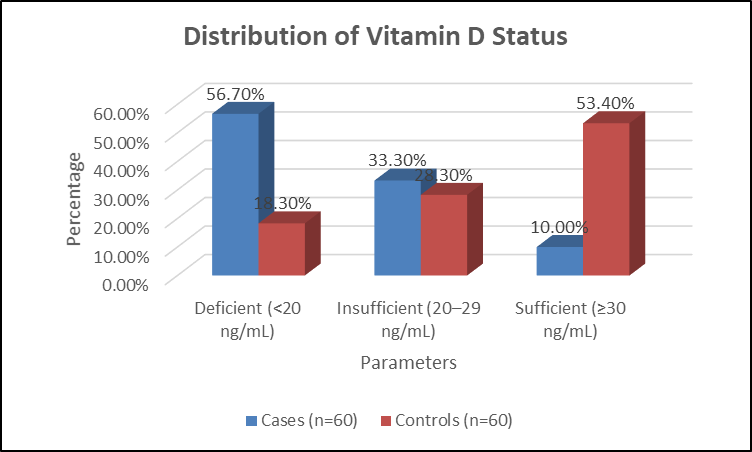
Figure 1. Clinical Characteristics of Cases and Controls
Table 3. Comparison of Mean Serum Vitamin D Levels Between Cases and Controls
|
Group |
Number (n) |
Mean Vitamin D Level (ng/mL) ± SD |
p-value |
|
Cases |
60 |
20.6 ± 6.7 |
|
|
Controls |
60 |
39.8 ± 14.9 |
<0.001 |
Statistical test: Unpaired (independent) t-test
Table 4. Distribution of Vitamin D Status Among Cases and Controls
|
Vitamin D Status |
Cases (n=60) |
Controls (n=60) |
p-value |
|
Deficient (<20 ng/mL) |
34 (56.7%) |
11 (18.3%) |
|
|
Insufficient (20–29 ng/mL) |
20 (33.3%) |
17 (28.3%) |
<0.001 |
|
Sufficient (≥30 ng/mL) |
6 (10.0%) |
32 (53.4%) |
Statistical test: Chi-square test
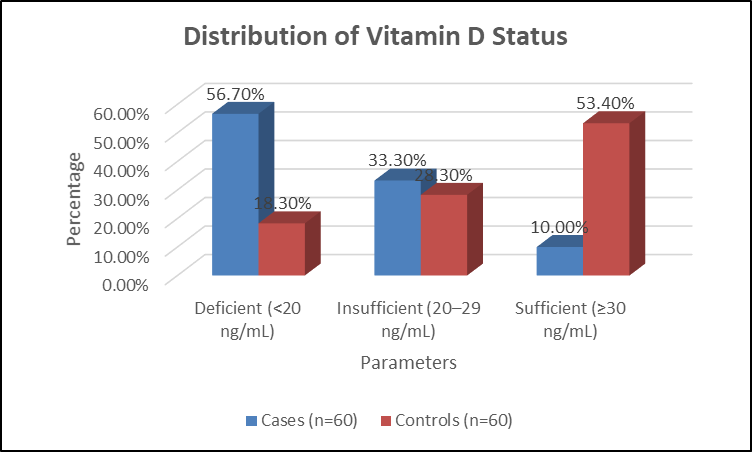
Figure 2. Distribution of Vitamin D Status Among Cases and Controls
Table 5. Correlation Between Serum Vitamin D Levels and Blood Pressure Parameters Among Hypertensive Patients (n=60)
|
Parameter |
Correlation coefficient (r) |
p-value |
|
Vitamin D vs Systolic BP |
−0.43 |
0.001 |
|
Vitamin D vs Diastolic BP |
−0.37 |
0.006 |
|
Vitamin D vs Mean Arterial Pressure |
−0.41 |
0.002 |
Statistical test: Pearson correlation test
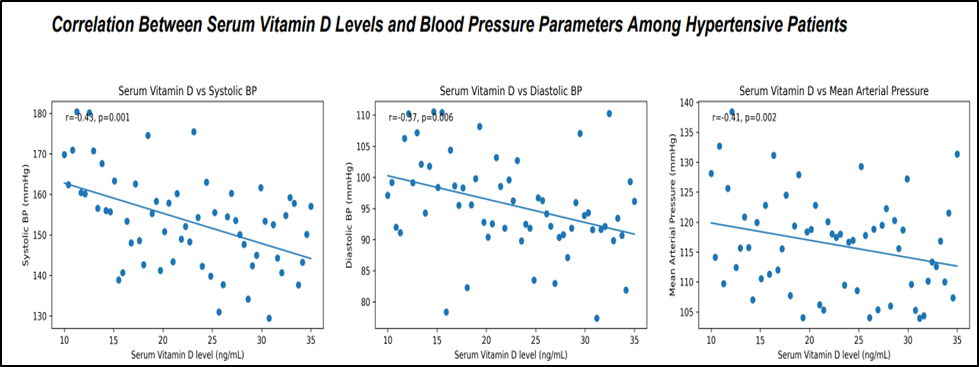
Figure 3. Correlation Between Serum Vitamin D Levels and Blood Pressure Parameters Among Hypertensive Patients (n=60)
Table 6. Association Between Vitamin D Deficiency and Hypertension Status
|
Vitamin D Status |
Cases (n=60) |
Controls (n=60) |
Odds Ratio (95% CI) |
p-value |
|
Deficient |
34 (56.7%) |
11 (18.3%) |
5.89 (2.45–14.15) |
<0.001 |
|
Non-deficient |
26 (43.3%) |
49 (81.7%) |
- |
Statistical test: Chi-square test / Odds ratio analysis
DISCUSSION:
The present study included 120 participants, comprising 60 hypertensive cases and 60 controls. The demographic characteristics were comparable between groups. The mean age was 49.6 ± 10.2 years in cases and 48.3 ± 9.6 years in controls (p=0.52), with similar age distribution (40–59 years: 56.7% vs 53.3%; p=0.71) and gender distribution (male: 60.0% vs 56.7%; p=0.72). However, BMI was significantly higher among cases (26.4 ± 3.5 kg/m²) compared with controls (24.9 ± 3.2 kg/m²; p=0.04). Higher BMI may contribute to hypertension through inflammation, insulin resistance, endothelial dysfunction, and altered vitamin D metabolism due to sequestration of vitamin D in adipose tissue.
In the present study, hypertensive individuals had significantly higher blood pressure parameters compared with controls. Mean systolic BP was 155.2 ± 12.4 mmHg vs 121.8 ± 9.6 mmHg, diastolic BP was 95.6 ± 8.2 mmHg vs 78.4 ± 7.4 mmHg, pulse pressure was 59.8 ± 11.5 mmHg vs 43.4 ± 8.7 mmHg, and mean arterial pressure was 115.5 ± 8.9 mmHg vs 92.9 ± 7.1 mmHg (all p<0.001). Whelton et al. [11] emphasized the importance of systolic and diastolic BP measurement for hypertension diagnosis and cardiovascular risk assessment, while Unger et al. [12] highlighted hypertension as a multifactorial disorder involving vascular, renal, and neurohormonal mechanisms. The elevated BP values observed in the present study reflect these established hypertensive mechanisms.
The present study demonstrated significantly lower serum vitamin D levels among hypertensive cases compared with controls (20.6 ± 6.7 ng/mL vs 39.8 ± 14.9 ng/mL; p<0.001). Charoenngam et al. [13] described the important nonskeletal functions of vitamin D, including regulation of endothelial function, inflammation, immune response, and cardiovascular physiology. Vitamin D deficiency may contribute to hypertension through increased renin expression, activation of the renin–angiotensin–aldosterone system (RAAS), vascular inflammation, and endothelial dysfunction. Fountain et al. [14] highlighted the central role of RAAS activation in blood pressure regulation, supporting the possible mechanism linking vitamin D deficiency with hypertension.
Vitamin D deficiency was significantly more common among hypertensive individuals in the present study. Deficiency (<20 ng/mL) was observed in 56.7% of cases compared with 18.3% of controls, while vitamin D sufficiency was present in only 10.0% of cases compared with 53.4% of controls (p<0.001).
These findings support previous evidence linking low vitamin D levels with increased cardiovascular risk. Charoenngam et al. [13] reported that vitamin D influences vascular health through anti-inflammatory and endothelial protective effects. However, vitamin D deficiency may also coexist with obesity, reduced physical activity, and metabolic abnormalities, which independently contribute to hypertension.
The present study demonstrated a significant inverse correlation between serum vitamin D levels and blood pressure parameters among hypertensive patients. Vitamin D levels showed negative correlations with systolic BP (r=−0.43, p=0.001), diastolic BP (r=−0.37, p=0.006), and mean arterial pressure (r=−0.41, p=0.002). These findings suggest that lower vitamin D concentrations are associated with higher blood pressure severity. Ravi et al. [14] described RAAS activation as a key pathway in hypertension, and vitamin D deficiency may promote increased renin activity, vasoconstriction, and sodium retention, contributing to elevated BP.
Vitamin D deficiency showed a strong association with hypertension in the present study. Vitamin D-deficient individuals had significantly higher odds of hypertension (OR 5.89, 95% CI: 2.45–14.15; p<0.001). These findings suggest that vitamin D deficiency may act as an important cardiovascular risk marker. Fadilla et al. [15], in their systematic review and meta-analysis, reported that vitamin D supplementation effectively increased serum 25(OH)D levels but showed inconsistent effects on BP reduction, indicating that vitamin D deficiency may contribute to hypertension but may not be an independent therapeutic target.
The present study highlights a significant association between vitamin D deficiency and hypertension, with lower vitamin D levels, higher prevalence of deficiency, and inverse relationships with BP parameters among hypertensive patients. Whelton et al. [11] and Unger et al. [12] emphasized comprehensive hypertension management targeting multiple cardiovascular risk factors. Assessment of vitamin D status may provide additional information regarding cardiovascular risk, although further prospective studies are required to determine the role of supplementation in hypertension prevention and control.
CONCLUSION:
The present study demonstrated a significant association between lower serum vitamin D levels and systemic hypertension, with hypertensive patients showing a higher prevalence of vitamin D deficiency compared with normotensive controls. Serum vitamin D levels showed a significant inverse correlation with systolic blood pressure, diastolic blood pressure, and mean arterial pressure. Assessment of vitamin D status may provide additional information regarding cardiovascular risk evaluation among hypertensive individuals.
LIMITATIONS
The study was conducted at a single center with a relatively limited sample size, which may restrict the generalizability of the findings. As a case-control study, it establishes an association but cannot determine a causal relationship between vitamin D deficiency and hypertension.
REFERENCES:
1. Wang TJ, Pencina MJ, Booth SL, Jacques PF, Ingelsson E, Lanier K, et al. Vitamin D deficiency and risk of cardiovascular disease. Circulation. 2008;117(4):503-511.
2. Li YC. Vitamin D regulation of the renin-angiotensin system. J Cell Biochem. 2003;88(2):327-331.
3. Pilz S, Tomaschitz A, Ritz E, Pieber TR. Vitamin D status and arterial hypertension: a systematic review. Nat Rev Cardiol. 2009;6(10):621-630.
4. Ke L, Mason RS, Kariuki M, Mpofu E, Zhang C, Zhang Z. Vitamin D status and hypertension: a review. Integr Blood Press Control. 2015;8:13-35.
5. Vaidya A, Forman JP. Vitamin D and hypertension: current evidence and future directions. Hypertension. 2010;56(5):774-779.
6. Forman JP, Giovannucci E, Holmes MD, Bischoff-Ferrari HA, Tworoger SS, Willett WC, et al. Plasma 25-hydroxyvitamin D levels and risk of incident hypertension. Hypertension. 2007;49(5):1063-1069.
7. Vimaleswaran KS, Cavadino A, Berry DJ, Jorde R, Dieffenbach AK, Lu C, et al. Association of vitamin D status with arterial blood pressure and hypertension risk: a Mendelian randomisation study. Lancet Diabetes Endocrinol. 2014;2(9):719-729.
8. Mokhtari E, Hajhashemy Z, Saneei P. Serum vitamin D levels in relation to hypertension and pre-hypertension in adults: a systematic review and dose-response meta-analysis of epidemiologic studies. Front Nutr. 2022;9:829307.
9. Witham MD, Nadir MA, Struthers AD. Effect of vitamin D on blood pressure: a systematic review and meta-analysis. J Hypertens. 2009;27(10):1948-1954.
10. Beveridge LA, Struthers AD, Khan F, Jorde R, Scragg R, Macdonald HM, et al. Effect of vitamin D supplementation on blood pressure: a systematic review and meta-analysis incorporating individual patient data. JAMA Intern Med. 2015;175(5):745-754.
11. Whelton PK, Carey RM, Aronow WS, Casey DE, Collins KJ, Himmelfarb CD, et al. 2017 ACC/AHA/AAPA/ABC/ACPM/AGS/APhA/ASH/ASPC/NMA/PCNA guideline for the prevention, detection, evaluation, and management of high blood pressure in adults: executive summary. J Am Coll Cardiol. 2018;71:2199-2269.
12. Unger T, Borghi C, Charchar F, Khan NA, Poulter NR, Prabhakaran D, et al. 2020 International Society of Hypertension global hypertension practice guidelines. Hypertension. 2020;75:1334-1357.
13. Charoenngam N, Shirvani A, Holick MF. Vitamin D for skeletal and nonskeletal health: what we should know. J Clin Orthop Trauma. 2019;10:1082-1093.
14. Rai V, Agrawal DK. Role of Vitamin D in Cardiovascular Diseases. Endocrinol Metab Clin North Am. 2017;46(4):1039-1059.
15. Fadilla C, Yogiswara N, Adriani M. Effects of vitamin D supplementation on 25(OH)D concentrations and blood pressure in the elderly: a systematic review and meta-analysis. F1000Res. 2020;9:633.