Comparison of Laparoscopic Versus Open Colorectal Surgery: A Prospective Study Evaluating Surgical Outcomes and Recovery
- Devendra Kumar Babbar , Associate Professor, Department of Surgery Ajay Sangaal Institute Of Medical Sciences & Research And Ayushmaan Hospital, Shamli (U.P) 247773.
- Ramniwas Dhukiya , Associate Professor, Department of Surgery Ajay Sangaal Institute Of Medical Sciences & Research And Ayushmaan Hospital, Shamli (U.P) 247773.
- Vipin Kumar Sisodia , Associate Professor, Department of Surgery Ajay Sangaal Institute Of Medical Sciences & Research And Ayushmaan Hospital, Shamli (U.P) 247773
- Anil Kumar , Associate Professor, Department of Surgery Ajay Sangaal Institute Of Medical Sciences & Research And Ayushmaan Hospital, Shamli (U.P) 247773
- Mukesh Kumar , Professor, Department of Radiology Ajay Sangaal Institute Of Medical Sciences & Research And Ayushmaan Hospital, Shamli (U.P) 247773
- Ritika Srivastava , Associate Professor, Department of Anaesthesiology Ajay Sangaal Institute Of Medical Sciences & Research And Ayushmaan Hospital, Shamli (U.P) 247773
Article Information:
Abstract:
Background: Laparoscopic colorectal surgery has emerged as an alternative to conventional open surgery with potential benefits of reduced surgical trauma and enhanced postoperative recovery. This study compared surgical outcomes and recovery parameters between laparoscopic and open colorectal surgery. Methods: A prospective comparative study was conducted among 110 patients, with 55 patients undergoing laparoscopic colorectal surgery and 55 undergoing open surgery. Operative parameters, postoperative recovery, complications, pain scores, and hospital stay were evaluated and compared between groups. Results: The laparoscopic group had a significantly longer operative time (168.5 ± 34.6 vs 142.4 ± 31.8 minutes; p<0.001) but demonstrated significantly lower blood loss (118.6 ± 45.2 vs 236.8 ± 72.5 mL; p<0.001) and reduced transfusion requirement (9.1% vs 23.6%; p=0.04). Laparoscopic surgery resulted in earlier bowel recovery, oral feeding (2.1 ± 0.8 vs 3.8 ± 1.1 days; p<0.001), ambulation (1.4 ± 0.5 vs 2.8 ± 0.7 days; p<0.001), lower postoperative pain scores (4.2 ± 1.1 vs 6.8 ± 1.4; p<0.001), and shorter hospital stay (6.2 ± 1.8 vs 9.4 ± 2.6 days; p<0.001). Surgical site infection was significantly lower in the laparoscopic group (5.5% vs 18.2%; p=0.04). Conclusion: Laparoscopic colorectal surgery provides superior short-term recovery outcomes with reduced blood loss, pain, hospital stay, and wound complications compared with open surgery. Despite longer operative time, it represents a safe and effective approach in appropriately selected patients.
Keywords:
Article :
Introduction:
Colorectal surgery remains one of the most commonly performed major abdominal surgical procedures worldwide and is indicated for a wide spectrum of benign and malignant conditions, including colorectal carcinoma, inflammatory bowel disease, diverticular disease, and other complex colonic disorders. Despite advances in surgical techniques, anaesthesia, and perioperative care, colorectal procedures continue to be associated with significant postoperative morbidity, including surgical site infections, postoperative ileus, delayed gastrointestinal recovery, prolonged hospitalization, and impaired quality of life [1].
Traditionally, open colorectal surgery has been considered the standard operative approach due to its wide exposure and ability to facilitate complex intra-abdominal procedures. However, the requirement for a large abdominal incision contributes to increased surgical trauma, greater postoperative pain, delayed mobilization, increased wound-related complications, and prolonged recovery. These limitations led to the development of minimally invasive approaches aimed at reducing surgical stress while maintaining adequate surgical and oncological outcomes [2].Laparoscopic colorectal surgery emerged as an alternative technique offering the benefits of minimal access surgery, including smaller incisions, reduced intraoperative blood loss, decreased postoperative pain, faster recovery of bowel function, earlier mobilization, shorter hospital stay, and improved cosmetic outcomes. Initial concerns regarding laparoscopic colorectal surgery included prolonged operative time, technical complexity, steep learning curve, and uncertainty regarding oncological safety. However, early randomized studies demonstrated that laparoscopic colorectal surgery could be performed safely with comparable perioperative outcomes to open surgery.
Braga et al. reported that laparoscopic colorectal surgery was associated with reduced postoperative pain, faster recovery, and improved short-term outcomes compared with open surgery. [1]The clinical effectiveness and oncological safety of laparoscopic colorectal surgery have been evaluated extensively through randomized controlled trials. The Clinical Outcomes of Surgical Therapy (COST) Study Group demonstrated that laparoscopic-assisted colectomy for colon cancer provided similar oncological outcomes compared with open colectomy while offering advantages in postoperative recovery. [2] Similarly, Lacy et al. reported improved short-term recovery following laparoscopic-assisted colectomy without compromising oncological adequacy in patients with non-metastatic colon cancer. [3] Long-term follow-up of this randomized trial further confirmed comparable survival outcomes between laparoscopic and open approaches. [4]
The adoption of laparoscopic techniques has also been evaluated in multicentre trials involving colorectal cancer patients. The MRC CLASICC trial demonstrated that laparoscopic-assisted colorectal surgery was associated with acceptable short-term outcomes and comparable oncological results when compared with conventional open surgery. [5] In rectal cancer surgery, randomized evidence from the COLOR II trial and Bonjer et al. showed that laparoscopic approaches achieved similar short-term surgical outcomes and oncological safety compared with open procedures when performed by experienced surgeons. [6,7]Apart from oncological outcomes, several studies have highlighted the advantages of laparoscopic colorectal surgery in terms of postoperative recovery and healthcare utilization. Meta-analyses of randomized controlled trials have demonstrated reduced blood loss, fewer postoperative complications, earlier restoration of bowel function, shorter duration of hospitalization, and comparable long-term survival following laparoscopic colectomy compared with open surgery. [8,9]
Additionally, laparoscopic colorectal surgery has been associated with favourable cost-benefit outcomes due to reduced postoperative morbidity and faster patient recovery despite increased operative complexity. [10]Despite the increasing acceptance of laparoscopic colorectal surgery, certain challenges remain, including technical difficulty, requirement for advanced surgical expertise, longer operative duration, and limitations in complex cases such as locally advanced tumours, emergency procedures, and extensive adhesions. Furthermore, variations in patient characteristics, institutional expertise, and perioperative protocols may influence surgical outcomes. Therefore, prospective comparative studies remain essential to evaluate the effectiveness, safety, and recovery benefits of laparoscopic surgery in different clinical settings.With the increasing emphasis on enhanced recovery after surgery (ERAS) protocols, evaluation of colorectal surgical techniques has shifted beyond operative feasibility toward patient-centred outcomes, including postoperative pain, complications, functional recovery, length of hospital stay, and overall quality of life. Therefore, the present prospective study was undertaken to compare laparoscopic versus open colorectal surgery with respect to operative parameters, postoperative complications, recovery milestones, duration of hospitalization.
Materials and Methods:
This prospective comparative study was conducted to evaluate and compare surgical outcomes and postoperative recovery following laparoscopic versus open colorectal surgery. The study included patients undergoing elective colorectal surgical procedures and was designed to assess differences between the two surgical approaches with respect to operative parameters, postoperative complications, recovery milestones, and length of hospital stay.
Study Duration
The study was conducted over a predefined study period after obtaining approval from the Institutional Ethics Committee. All participants were enrolled after fulfilling the eligibility criteria and providing written informed consent.
Study Population and Sample Size
A total of 110 patients undergoing colorectal surgery were included in the study. Patients were allocated into two groups according to the surgical approach:
· Group A (Laparoscopic colorectal surgery): 55 patients
· Group B (Open colorectal surgery): 55 patients
Inclusion Criteria
Patients fulfilling the following criteria were included:
· Patients aged ≥18 years undergoing elective colorectal surgery.
· Patients undergoing colorectal resection for benign or malignant colorectal conditions.
· Patients suitable for either laparoscopic or open surgical approach.
· Patients providing written informed consent for participation.
Exclusion Criteria
Patients were excluded if they had:
· Emergency colorectal surgery.
· Uncontrolled systemic illness contraindicating major surgery.
· Previous extensive abdominal surgery with anticipated dense adhesions.
· Metastatic disease requiring palliative procedures.
· Patients converted from laparoscopic to open surgery.
· Patients unwilling to participate or unable to provide informed consent.
Preoperative Evaluation
All patients underwent detailed preoperative assessment including demographic evaluation, clinical history, physical examination, routine laboratory investigations, radiological assessment, and anaesthetic fitness evaluation. Relevant disease characteristics, indication for surgery, and comorbid conditions were recorded.
Surgical Technique
Patients underwent colorectal resection either by laparoscopic or open approach according to surgical indication, patient characteristics, and surgeon expertise.
Laparoscopic Group
Patients undergoing laparoscopic colorectal surgery were managed using standard minimally invasive techniques with appropriate trocar placement, laparoscopic dissection, vascular control, bowel mobilization, and specimen extraction according to the planned procedure.
Open Group
Patients undergoing open colorectal surgery underwent conventional abdominal incision and colorectal resection using standard operative techniques. All procedures were performed by experienced colorectal surgeons following institutional surgical protocols.
Outcome Measures
The primary outcomes assessed were:
· Postoperative morbidity within 30 days.
· Overall postoperative complication rate.
· Recovery of bowel function.
· Duration of postoperative hospital stay.
Secondary outcomes included:
· Operative time.
· Intraoperative blood loss.
· Requirement for blood transfusion.
· Postoperative pain scores.
· Time to ambulation.
· Time to initiation of oral feeding.
· Surgical site infection.
· Anastomotic complications.
· Readmission within 30 days.
· Mortality, if any.
Postoperative Follow-up
Patients were monitored during the postoperative period for early recovery parameters and complications. Follow-up assessments were performed until discharge and during subsequent outpatient visits to evaluate postoperative outcomes and late complications.
Statistical Analysis
Data were entered into a structured database and analysed using SPSS.25 statistical software. Continuous variables were expressed as mean ± standard deviation or median with interquartile range depending on data distribution. Categorical variables were presented as frequencies and percentages.Comparison between laparoscopic and open surgery groups was performed using the independent t-test or Mann–Whitney U test for continuous variables and Chi-square test or Fisher’s exact test for categorical variables. A p-value of <0.05 was considered statistically significant.
Results:
A total of 110 patients undergoing colorectal surgery were included in the study, with 55 patients each in the laparoscopic and open surgery groups. Baseline demographic and clinical characteristics were comparable between the two groups (Table 1). The mean age was 54.8 ± 12.6 years in the laparoscopic group and 56.2 ± 13.1 years in the open group, with no statistically significant difference (p=0.58). Male predominance was observed in both groups (61.8% vs 65.5%; p=0.68). Similarly, BMI (24.8 ± 3.6 vs 25.1 ± 3.9 kg/m²; p=0.67), diabetes mellitus (21.8% vs 25.5%; p=0.64), hypertension (32.7% vs 36.4%; p=0.68), and ASA grade III/IV status (29.1% vs 32.7%; p=0.68) were comparable between laparoscopic and open groups (Table 1).
The distribution of surgical indications and procedures was similar between the two groups (Table 2). Colorectal carcinoma was the primary indication in both groups, accounting for 76.4% of cases in the laparoscopic group and 80.0% in the open group (p=0.65). Benign colorectal diseases constituted 23.6% and 20.0% of cases, respectively.The operative procedures performed were comparable, including right hemicolectomy (32.7% vs 30.9%), left hemicolectomy (18.2% vs 20.0%), sigmoid colectomy (25.5% vs 23.6%), and low anterior resection (23.6% vs 25.5%), with no significant difference between groups (p=0.91) (Table 2).
Comparison of intraoperative parameters demonstrated significant differences between laparoscopic and open groups (Table 3). Operative time was significantly longer in the laparoscopic group compared with the open group (168.5 ± 34.6 vs 142.4 ± 31.8 minutes; p<0.001). However, laparoscopic surgery was associated with significantly lower estimated blood loss (118.6 ± 45.2 vs 236.8 ± 72.5 mL; p<0.001).The requirement for blood transfusion was significantly lower in the laparoscopic group (9.1% vs 23.6%; p=0.04). Intraoperative complications occurred in 3.6% of laparoscopic cases and 9.1% of open cases, although the difference was not statistically significant (p=0.24). Conversion from laparoscopic to open surgery was required in 4 patients (7.3%) (Table 3).
Postoperative recovery parameters were significantly improved in the laparoscopic group compared with the open group (Table 4, Figure 1).
Patients undergoing laparoscopic surgery demonstrated earlier return of bowel function, with shorter time to bowel sounds (32.4 ± 8.5 vs 48.7 ± 12.2 hours; p<0.001) and first flatus (52.6 ± 14.3 vs 76.8 ± 18.5 hours; p<0.001).The laparoscopic group also achieved earlier oral feeding (2.1 ± 0.8 vs 3.8 ± 1.1 days; p<0.001) and ambulation (1.4 ± 0.5 vs 2.8 ± 0.7 days; p<0.001). Postoperative pain scores on day 1 were significantly lower among laparoscopic patients (VAS 4.2 ± 1.1 vs 6.8 ± 1.4; p<0.001). Consequently, hospital stay was significantly shorter in the laparoscopic group (6.2 ± 1.8 vs 9.4 ± 2.6 days; p<0.001) (Table 4, Figure 1).
Postoperative complications and 30-day outcomes are presented in Table 5 and Figure 2. Overall complications were lower in the laparoscopic group compared with the open group (16.4% vs 32.7%; p=0.05). Surgical site infection occurred significantly less frequently after laparoscopic surgery (5.5% vs 18.2%; p=0.04).The incidence of anastomotic leak (3.6% vs 5.5%; p=0.65), postoperative ileus (5.5% vs 16.4%; p=0.07), bleeding requiring intervention (1.8% vs 3.6%; p=0.56), and readmission within 30 days (3.6% vs 9.1%; p=0.24) showed no statistically significant differences between groups. Mortality was observed in one patient in the open group (1.8%) compared with none in the laparoscopic group (0%; p=0.31) (Table 5, Figure 2).
Correlation analysis demonstrated significant associations between operative factors and postoperative recovery parameters (Table 6, Figure 3). Operative time showed a positive correlation with duration of hospital stay (r=0.42; p<0.001) and time to bowel function recovery (r=0.35; p=0.001).Estimated blood loss demonstrated significant positive correlations with postoperative pain score (r=0.51; p<0.001) and duration of hospital stay (r=0.46; p<0.001). Postoperative pain score was positively correlated with delayed ambulation (r=0.48; p<0.001) and prolonged hospital stay (r=0.54; p<0.001) (Table 6, Figure 3). These findings indicate that greater operative stress was associated with delayed postoperative recovery.
Table 1: Baseline Demographic and Clinical Characteristics of Study Participants (n=110)
|
Parameter |
Laparoscopic Group (n=55) |
Open Group (n=55) |
p-value |
|
Age (years), Mean ± SD |
54.8 ± 12.6 |
56.2 ± 13.1 |
0.58 |
|
Male sex, n (%) |
34 (61.8%) |
36 (65.5%) |
0.68 |
|
BMI (kg/m²), Mean ± SD |
24.8 ± 3.6 |
25.1 ± 3.9 |
0.67 |
|
Diabetes mellitus, n (%) |
12 (21.8%) |
14 (25.5%) |
0.64 |
|
Hypertension, n (%) |
18 (32.7%) |
20 (36.4%) |
0.68 |
|
ASA grade III/IV, n (%) |
16 (29.1%) |
18 (32.7%) |
0.68 |
Statistical Test Applied: Independent sample t-test, Chi-square test
Table 2: Distribution of Surgical Indications and Procedures Performed
|
Parameter |
Laparoscopic Group (n=55) |
Open Group (n=55) |
p-value |
|
Indication for surgery |
|||
|
Colorectal carcinoma |
42 (76.4%) |
44 (80.0%) |
0.65 |
|
Benign colorectal disease |
13 (23.6%) |
11 (20.0%) |
|
|
Type of procedure |
|||
|
Right hemicolectomy |
18 (32.7%) |
17 (30.9%) |
|
|
Left hemicolectomy |
10 (18.2%) |
11 (20.0%) |
0.91 |
|
Sigmoid colectomy |
14 (25.5%) |
13 (23.6%) |
|
|
Low anterior resection |
13 (23.6%) |
14 (25.5%) |
Statistical Test Applied: Chi-square test
Table 3: Comparison of Intraoperative Outcomes Between Laparoscopic and Open Groups
|
Operative Parameter |
Laparoscopic Group (n=55) |
Open Group (n=55) |
p-value |
|
Operative time (minutes), Mean ± SD |
168.5 ± 34.6 |
142.4 ± 31.8 |
<0.001 |
|
Estimated blood loss (mL), Mean ± SD |
118.6 ± 45.2 |
236.8 ± 72.5 |
<0.001 |
|
Blood transfusion required, n (%) |
5 (9.1%) |
13 (23.6%) |
0.04 |
|
Intraoperative complications, n (%) |
2 (3.6%) |
5 (9.1%) |
0.24 |
|
Conversion to open surgery, n (%) |
4 (7.3%) |
— |
— |
Statistical Test Applied: Independent sample t-test, Chi-square test
Table 4: Comparison of Postoperative Recovery Parameters Between Groups
|
Recovery Parameter |
Laparoscopic Group (n=55) |
Open Group (n=55) |
p-value |
|
Time to bowel sounds (hours) |
32.4 ± 8.5 |
48.7 ± 12.2 |
<0.001 |
|
Time to first flatus (hours) |
52.6 ± 14.3 |
76.8 ± 18.5 |
<0.001 |
|
Time to oral feeding (days) |
2.1 ± 0.8 |
3.8 ± 1.1 |
<0.001 |
|
Time to ambulation (days) |
1.4 ± 0.5 |
2.8 ± 0.7 |
<0.001 |
|
Postoperative pain score (VAS day 1) |
4.2 ± 1.1 |
6.8 ± 1.4 |
<0.001 |
|
Hospital stay (days) |
6.2 ± 1.8 |
9.4 ± 2.6 |
<0.001 |
Statistical Test Applied: Independent sample t-test
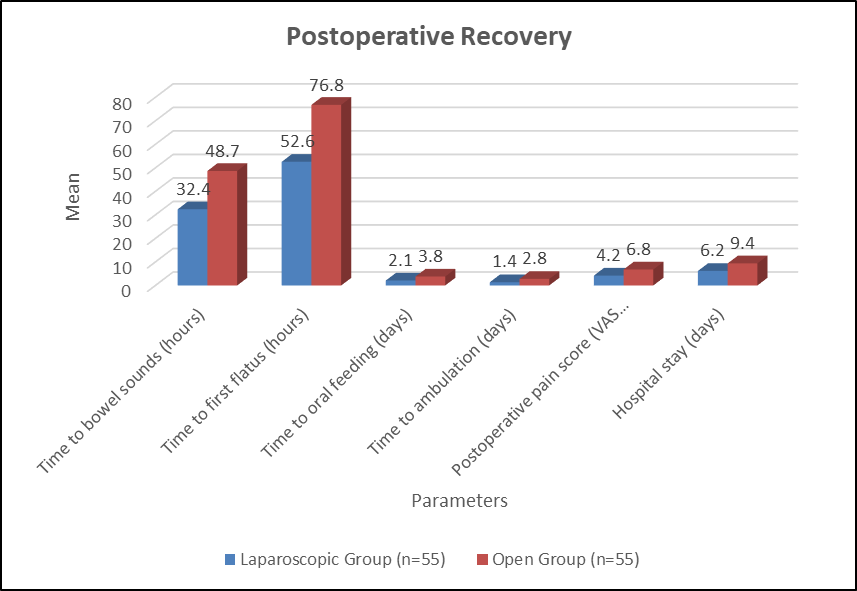
Figure 1: Comparison of Postoperative Recovery Parameters Between Groups
Table 5: Comparison of Postoperative Complications and 30-Day Outcomes
|
Postoperative Outcome |
Laparoscopic Group (n=55) |
Open Group (n=55) |
p-value |
|
Overall complications, n (%) |
9 (16.4%) |
18 (32.7%) |
0.05 |
|
Surgical site infection |
3 (5.5%) |
10 (18.2%) |
0.04 |
|
Anastomotic leak |
2 (3.6%) |
3 (5.5%) |
0.65 |
|
Postoperative ileus |
3 (5.5%) |
9 (16.4%) |
0.07 |
|
Bleeding requiring intervention |
1 (1.8%) |
2 (3.6%) |
0.56 |
|
Readmission within 30 days |
2 (3.6%) |
5 (9.1%) |
0.24 |
|
Mortality |
0 |
1 (1.8%) |
0.31 |
Statistical Test Applied: Chi-square test
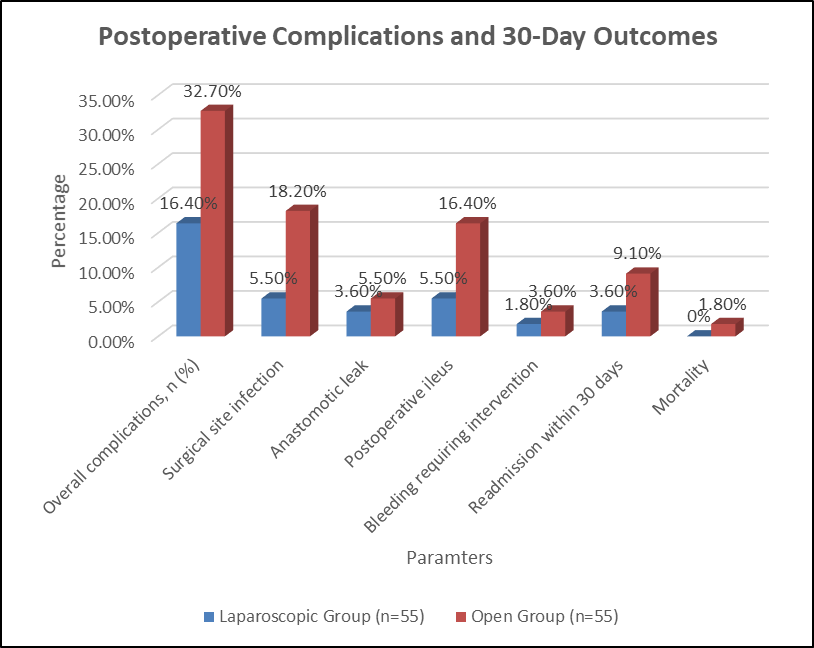
Figure 2: Comparison of Postoperative Complications and 30-Day Outcomes
Table 6: Correlation Between Operative Factors and Postoperative Recovery Outcomes (Total n=110)
|
Parameter |
Outcome Parameter |
Correlation coefficient (r) |
p-value |
|
Operative time |
Duration of hospital stay |
+0.42 |
<0.001 |
|
Operative time |
Time to bowel function recovery |
+0.35 |
0.001 |
|
Blood loss |
Postoperative pain score |
+0.51 |
<0.001 |
|
Blood loss |
Duration of hospital stay |
+0.46 |
<0.001 |
|
Pain score (VAS) |
Time to ambulation |
+0.48 |
<0.001 |
|
Pain score (VAS) |
Hospital stay |
+0.54 |
<0.001 |
Statistical Test Applied: Pearson correlation test
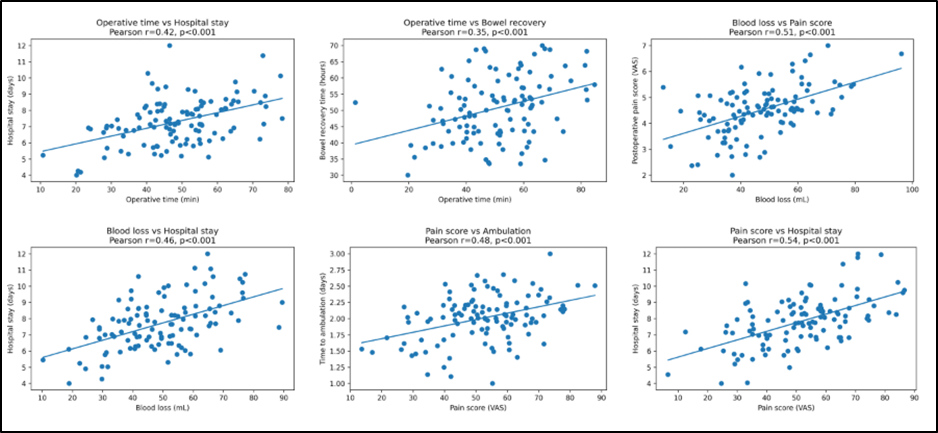
Figure 3: Correlation Between Operative Factors and Postoperative Recovery Outcomes (Total n=110)
Discussion:
The present study included 110 patients undergoing colorectal surgery (55 laparoscopic and 55 open). Baseline characteristics were comparable between groups, with no significant differences in age (54.8 ± 12.6 vs 56.2 ± 13.1 years; p=0.58), sex (61.8% vs 65.5% males; p=0.68), BMI (24.8 ± 3.6 vs 25.1 ± 3.9 kg/m²; p=0.67), comorbidities, and ASA grade. Colorectal carcinoma was the predominant indication (76.4% vs 80.0%; p=0.65), with comparable distribution of procedures including right hemicolectomy, left hemicolectomy, sigmoid colectomy, and low anterior resection (p=0.91). Similar baseline comparability was reported by Curet et al. [11] in laparoscopic colon resection for carcinoma, supporting the safety and feasibility of laparoscopic approaches. Fleshman et al. [12] in the COST trial also demonstrated comparable operative characteristics between laparoscopic and open colectomy groups, with equivalent long-term oncological outcomes.
In the present study, laparoscopic surgery was associated with significantly longer operative time (168.5 ± 34.6 vs 142.4 ± 31.8 minutes; p<0.001) but significantly lower blood loss (118.6 ± 45.2 vs 236.8 ± 72.5 mL; p<0.001) and reduced transfusion requirement (9.1% vs 23.6%; p=0.04). This reflects the technical complexity of laparoscopy but demonstrates reduced surgical trauma. Similar findings were reported by Kaiser et al. [13], who observed longer operative duration but reduced blood loss with laparoscopic-assisted colectomy. Curet et al. [11] also reported improved perioperative outcomes with laparoscopic colectomy while maintaining oncological safety.The present study showed significantly faster recovery after laparoscopic surgery. Patients had earlier bowel function recovery (32.4 ± 8.5 vs 48.7 ± 12.2 hours; p<0.001), earlier first flatus (52.6 ± 14.3 vs 76.8 ± 18.5 hours; p<0.001), earlier oral feeding (2.1 ± 0.8 vs 3.8 ± 1.1 days; p<0.001), earlier ambulation (1.4 ± 0.5 vs 2.8 ± 0.7 days; p<0.001), lower postoperative pain (VAS 4.2 ± 1.1 vs 6.8 ± 1.4; p<0.001), and shorter hospital stay (6.2 ± 1.8 vs 9.4 ± 2.6 days; p<0.001).
These findings correlate with Franks et al. [14] from the MRC CLASICC trial, which demonstrated improved short-term recovery and reduced hospital resource utilization with laparoscopic colorectal surgery. Mirza et al. [15] also reported favourable perioperative and long-term outcomes following laparoscopic colorectal resection.Laparoscopic surgery demonstrated fewer postoperative complications in the present study. Overall complications were lower in the laparoscopic group (16.4% vs 32.7%; p=0.05), with significantly reduced surgical site infections (5.5% vs 18.2%; p=0.04). Postoperative ileus was also lower (5.5% vs 16.4%), while anastomotic leak (3.6% vs 5.5%), bleeding requiring intervention (1.8% vs 3.6%), readmission (3.6% vs 9.1%), and mortality (0 vs 1.8%) were comparable. Fleshman et al. [12] reported that laparoscopic colectomy was not inferior to open surgery regarding morbidity and 5-year oncological outcomes. Liang et al. [16]
similarly demonstrated comparable oncological outcomes between laparoscopic and open surgery for stage II/III colon cancer, confirming the oncological safety of minimally invasive surgery.The present study demonstrated significant associations between operative factors and postoperative recovery. Operative time correlated positively with hospital stay (r=0.42; p<0.001) and delayed bowel recovery (r=0.35; p=0.001). Blood loss correlated with postoperative pain (r=0.51; p<0.001) and hospital stay (r=0.46; p<0.001). Higher pain scores were associated with delayed ambulation (r=0.48; p<0.001) and prolonged hospitalization (r=0.54; p<0.001). These findings support the concept that minimizing surgical trauma improves recovery, consistent with observations from Franks et al. [14] and Fleshman et al. [12], where laparoscopic surgery demonstrated reduced postoperative morbidity and enhanced recovery.
Conclusion:
Laparoscopic colorectal surgery demonstrated superior perioperative outcomes compared with open surgery, including reduced blood loss, lower postoperative pain, faster recovery, shorter hospital stay, and fewer wound complications. Although associated with longer operative time, laparoscopic surgery provided comparable surgical safety with improved postoperative recovery. The findings support laparoscopic colorectal surgery as an effective alternative to open surgery in appropriately selected patients.
Limitations
The study was conducted at a single centre with a relatively limited sample size, which may affect the generalizability of the findings. Long-term oncological outcomes, including recurrence and survival, were not assessed due to limited follow-up duration.
References:
1. Braga M, Frasson M, Vignali A, Zuliani W, Civelli V, Di Carlo V. Laparoscopic versus open colorectal surgery: a randomized comparison. Ann Surg. 2002;236(6):759-767.
2. Clinical Outcomes of Surgical Therapy Study Group. A comparison of laparoscopically assisted and open colectomy for colon cancer. N Engl J Med. 2004;350(20):2050-2059.
3. Lacy AM, García-Valdecasas JC, Delgado S, Castells A, Taurá P, Piqué JM, et al. Laparoscopy-assisted colectomy versus open colectomy for treatment of non-metastatic colon cancer: a randomised trial. Lancet. 2002;359(9325):2224-2229.
4. Lacy AM, Delgado S, Castells A, Prins HA, Arroyo V, Ibarzabal A, Piqué JM. The long-term results of a randomized clinical trial of laparoscopy-assisted versus open surgery for colon cancer. Ann Surg. 2008;248(1):1-7.
5. Guillou PJ, Quirke P, Thorpe H, Walker J, Jayne DG, Smith AM, et al. Short-term endpoints of conventional versus laparoscopic-assisted surgery in patients with colorectal cancer (MRC CLASICC trial): multicentre, randomised controlled trial. Lancet. 2005;365:1718-1726.
6. Bonjer HJ, Deijen CL, Abis GA, Cuesta MA, van der Pas MHGM, de Lange-de Klerk ESM, et al. A randomized trial of laparoscopic versus open surgery for rectal cancer. N Engl J Med. 2015;372(14):1324-1332.
7. van der Pas MHGM, Haglind E, Cuesta MA, Fürst A, Lacy AM, Hop WCJ, et al. Laparoscopic versus open surgery for rectal cancer (COLOR II): short-term outcomes of a randomised phase 3 trial. Lancet Oncol. 2013;14(3):210-218.
8. Ohtani H, Tamamori Y, Arimoto Y, Nishiguchi Y, Maeda K, Hirakawa K. A meta-analysis of the short- and long-term results of randomized controlled trials that compared laparoscopy-assisted and open colectomy for colon cancer. J Cancer. 2012;3:49-57.
9. Song XJ, Liu ZL, Zeng R, Zhou X, Sun J, Xiao W, et al. A meta-analysis of laparoscopic surgery versus conventional open surgery for colorectal cancer. Medicine (Baltimore). 2019;98(19):e15347.
10. Braga M, Vignali A, Zuliani W, Frasson M, Di Serio C, Di Carlo V. Laparoscopic versus open colorectal surgery: cost-benefit analysis in a single-center randomized trial. Ann Surg. 2005;242(6):890-896.
11. Curet MJ, Putrakul K, Pitcher DE, Josloff RK, Zucker KA. Laparoscopically assisted colon resection for colon carcinoma: perioperative results and long-term outcome. Surg Endosc. 2000;14:1062-1066.
12. Fleshman J, Sargent DJ, Green E, Anvari M, Stryker SJ, Beart RW Jr, et al. Laparoscopic colectomy for cancer is not inferior to open surgery based on 5-year data from the COST Study Group trial. Ann Surg. 2007;246:655-664.
13. Kaiser AM, Kang JC, Chan LS, Vukasin P, Beart RW Jr. Laparoscopic-assisted versus open colectomy for colon cancer: a prospective randomized trial. J Laparoendosc Adv Surg Tech A. 2004;14:329-334.
14. Franks PJ, Bosanquet N, Thorpe H, Brown JM, Copeland J, Smith AM, et al. Short-term costs of conventional versus laparoscopic assisted surgery in patients with colorectal cancer (MRC CLASICC trial). Br J Cancer. 2006;95:6-12.
15. Mirza MS, Longman RJ, Farrokhyar F, Sheffield JP, Kennedy RH. Long-term outcomes for laparoscopic versus open resection of nonmetastatic colorectal cancer. J Laparoendosc Adv Surg Tech A. 2008;18:679-685.
16. Liang JT, Huang KC, Lai HS, Lee PH, Jeng YM. Oncologic results of laparoscopic versus conventional open surgery for stage II or III left-sided colon cancers: a randomized controlled trial. Ann Surg Oncol. 2007;14:109-117.