Clinical Profile and Predictors of Functional Outcome in Patients with Schizophrenia: A Prospective Study.
- Brajendra Kumar Singh , Professor, Department of Psychiatry Ajay Sangaal Institute Of Medical Sciences & Research And Ayushmaan Hospital, Shamli (U.P) 247773.
- Hari Om Singh , Associate Professor, Department of Medicine Ajay Sangaal Institute Of Medical Sciences & Research And Ayushmaan Hospital, Shamli (U.P) 247773.
- Devadatta Vijay Desai , Associate Professor, Department of Medicine Ajay Sangaal Institute Of Medical Sciences & Research And Ayushmaan Hospital, Shamli (U.P) 247773.
- Mansi Bansal , Associate Professor, Department of Medicine Ajay Sangaal Institute Of Medical Sciences & Research And Ayushmaan Hospital, Shamli (U.P) 247773.
- Jasbir Singh Mann , Professor, Department of Medicine Ajay Sangaal Institute Of Medical Sciences & Research And Ayushmaan Hospital, Shamli (U.P) 247773.
- Mukesh Kumar , Professor, Department of Radiology Ajay Sangaal Institute Of Medical Sciences & Research And Ayushmaan Hospital, Shamli (U.P) 247773.
Article Information:
Abstract:
Background: Schizophrenia is a chronic and disabling psychiatric disorder associated with significant impairment in social, occupational, and personal functioning. Although advances in treatment have improved symptom control, many patients continue to experience functional disability. Identification of clinical predictors associated with functional outcomes may help in early risk stratification and individualized management. Aim: The present study was conducted to evaluate the clinical profile of patients with schizophrenia and identify demographic and clinical predictors associated with functional outcomes. Materials and Methods: This prospective observational study included 85 patients diagnosed with schizophrenia according to established diagnostic criteria. Detailed demographic and clinical characteristics were recorded, including age at onset, duration of illness, relapse history, medication adherence, symptom profile, insight, and cognitive impairment. Functional outcomes were assessed using a standardized functional assessment tool. Factors associated with poor functional outcomes were analyzed using appropriate statistical methods, and multivariate analysis was performed to identify independent predictors. Results: Among 85 patients, the mean age was 38.6 ± 10.8 years, with male predominance (61.2%). Poor functional outcomes were observed in 47.1% of patients. Negative symptoms (85.0% vs 51.1%; p=0.001), cognitive impairment (75.0% vs 37.8%; p<0.001), poor medication adherence (62.5% vs 31.1%; p=0.004), and impaired insight (67.5% vs 31.1%; p=0.001) were significantly associated with poor functional recovery. Multivariate analysis identified cognitive impairment, negative symptoms, longer duration of illness, and poor adherence as independent predictors of unfavorable functional outcomes. Conclusion: Functional outcomes in schizophrenia are determined by multiple interacting clinical factors. Early identification of negative symptoms, cognitive deficits, and treatment-related factors may facilitate personalized interventions and improve long-term functional recovery.
Keywords:
Article :
Introduction:
Schizophrenia is a chronic, severe, and disabling psychiatric disorder characterized by disturbances in perception, thought processes, emotions, behaviour, and social functioning.[1] It is one of the major contributors to global psychiatric morbidity and disability due to its early age of onset, prolonged course, recurrent episodes, and significant impact on personal, occupational, and interpersonal functioning.[2] The disorder commonly develops during late adolescence or early adulthood, a period associated with important educational, occupational, and social development.[3] Although schizophrenia affects approximately 1% of the global population, its impact extends beyond psychiatric symptoms and includes substantial impairment in functional capacity, independence, and quality of life.[4,5] The clinical presentation of schizophrenia is highly heterogeneous, with considerable variation in symptom patterns, disease progression, treatment response, and long-term outcomes.
The disorder is characterized by positive symptoms such as delusions, hallucinations, and disorganized speech; negative symptoms including social withdrawal, reduced motivation, diminished emotional expression, and anhedonia; and cognitive impairments involving attention, memory, executive functioning, and information processing.[6-8] Additional features such as affective symptoms, anxiety, sleep disturbances, substance use, impaired insight, and poor medication adherence may further influence disease severity and recovery.[9] Despite advances in antipsychotic medications and psychosocial interventions, achieving symptomatic remission does not always result in complete functional recovery. [10,11] Functional outcome has emerged as an important indicator of recovery in schizophrenia and includes the ability to maintain interpersonal relationships, perform occupational activities, live independently, and participate effectively in society.[12]
A significant proportion of patients continue to experience social and occupational disability despite adequate treatment, emphasizing the importance of identifying factors associated with poor functional outcomes.[13] The long-term outcome of schizophrenia is influenced by multiple interacting demographic, clinical, cognitive, and psychosocial factors.[14] Important determinants include age at onset, duration of untreated psychosis, duration of illness, frequency of relapses, hospitalization history, treatment adherence, severity of symptoms, cognitive functioning, level of insight, premorbid adjustment, and social support.[15]Among these factors, persistent negative symptoms and cognitive impairment have consistently been recognized as major contributors to functional disability. While positive symptoms generally show better response to antipsychotic treatment, negative and cognitive symptoms frequently persist and interfere with occupational performance, social relationships, and independent living. [16,17] Functional recovery in schizophrenia is a multidimensional process that extends beyond reduction of psychiatric symptoms. Patients may demonstrate improvement in psychotic symptoms while continuing to experience difficulties in social skills, employment, interpersonal functioning, and daily activities.[18]
Therefore, assessment of functional outcomes requires evaluation of multiple domains, including clinical symptoms, cognition, psychosocial functioning, and environmental factors. Identifying patients at increased risk of poor functional recovery can help clinicians implement early interventions and optimize rehabilitation strategies.[19] In recent years, research has focused on identifying reliable predictors of functional outcomes through longitudinal and prospective studies.[20] Various clinical and psychosocial factors, including symptom severity, negative symptoms, cognitive performance, social support, illness duration, and treatment adherence, have been evaluated as potential determinants of long-term recovery.
Although several predictors have been identified at the population level, their predictive value may vary according to patient characteristics, healthcare settings, and stages of illness.[21] Therefore, prospective evaluation of clinical characteristics and outcome predictors remains essential for improving prognostic assessment in schizophrenia. Early identification of factors associated with poor functional outcomes may assist clinicians in developing individualized treatment plans, selecting appropriate psychosocial interventions, and allocating rehabilitation resources effectively. A comprehensive assessment of clinical profile and functional trajectory may facilitate a shift from symptom-focused management toward recovery-oriented care, with the aim of improving independence and quality of life among patients with schizophrenia.[22] Therefore, the present prospective study was undertaken to evaluate the clinical profile of patients with schizophrenia and identify demographic and clinical predictors associated with functional outcomes.
Materials and Methods:
The present study was conducted as a prospective observational study to evaluate the clinical profile and identify predictors associated with functional outcomes among patients diagnosed with schizophrenia. The study was carried out in the Department of Psychiatry at a tertiary care teaching hospital.
Study Population a
A total of 85 patients diagnosed with schizophrenia according to established diagnostic criteria were enrolled in the study. Patients fulfilling the eligibility criteria were consecutively recruited from the psychiatry outpatient department and inpatient services during the study period. All participants underwent detailed clinical evaluation and were followed prospectively for assessment of functional outcomes.
Study Objectives
The study was conducted with the following objectives:
1. To evaluate the clinical profile of patients with schizophrenia.
2. To assess functional outcomes among patients with schizophrenia.
3. To identify demographic and clinical factors associated with functional outcomes.
4. To determine predictors of poor functional outcome in patients with schizophrenia.
Inclusion Criteria
Patients were included in the study if they fulfilled the following criteria:
· Patients diagnosed with schizophrenia according to DSM-5 diagnostic criteria.
· Age group of 18 years and above.
· Patients of either sex.
· Patients who were willing to participate and provide written informed consent.
· Patients who were available for clinical assessment and follow-up evaluation.
Exclusion Criteria
Patients were excluded if they had:
· Diagnosis of other major psychiatric disorders such as bipolar disorder, schizoaffective disorder, or severe depressive disorder with psychotic features.
· History of neurological disorders, intellectual disability, or significant cognitive impairment due to organic causes.
· Severe medical comorbidities affecting functional assessment.
· Substance dependence requiring active management during the study period.
· Patients unwilling to provide consent or unable to complete assessment procedures.
Clinical Assessment and Data Collection
After obtaining informed consent, detailed demographic and clinical information was collected using a structured proforma. Demographic variables included age, sex, educational status, occupational status, marital status, and socioeconomic background. Clinical variables assessed included age at onset of illness, duration of illness, duration of untreated psychosis, number of previous episodes, history of hospitalization, treatment adherence, family history of psychiatric illness, and presence of comorbid psychiatric symptoms.A detailed psychiatric evaluation was performed to assess the severity and pattern of schizophrenia symptoms. Positive symptoms, negative symptoms, affective symptoms, insight, and cognitive complaints were documented. Treatment details, including type and duration of antipsychotic medication, were also recorded.
Assessment of Symptom Severity
The severity of psychopathology was assessed using a standardized symptom rating scale. The scale evaluated different symptom domains of schizophrenia, including positive symptoms, negative symptoms, and general psychopathology. Higher scores indicated greater symptom severity.
Assessment of Functional Outcome
Functional outcome was assessed using a validated functional assessment scale at baseline and during follow-up. The assessment included domains related to social functioning, occupational performance, interpersonal relationships, independent living skills, and overall adaptive functioning.Patients were categorized into groups based on their functional outcome scores, and factors associated with better or poorer functional outcomes were analyzed.
Follow-up Assessment
All enrolled patients were prospectively followed during the study period. Clinical status, treatment response, adherence to medication, symptom changes, and functional status were reassessed during follow-up visits. Any changes in treatment regimen, relapse episodes, or hospitalization during follow-up were documented.
Statistical Analysis
The collected data were entered into a structured database and analyzed using SPSS. 25 statistical software. Continuous variables were expressed as mean ± standard deviation (SD) or median with interquartile range, while categorical variables were presented as frequency and percentage.The association between categorical variables was assessed using the Chi-square test or Fisher’s exact test. Continuous variables between groups were compared using the independent sample t-test or Mann–Whitney U test depending on data distribution. Correlation analysis was performed to evaluate relationships between clinical variables and functional outcome scores.Variables showing significant association with functional outcomes on univariate analysis were further evaluated using multivariate analysis to identify independent predictors of functional outcome. A p-value <0.05 was considered statistically significant.
Results:
The present prospective observational study included 85 patients diagnosed with schizophrenia who were evaluated for their clinical profile and factors associated with functional outcomes. All enrolled participants underwent detailed demographic, clinical, symptom severity, and functional assessment during the study period. The findings of the study are presented below.The mean age of the study participants was 38.6 ± 10.8 years. The majority of patients belonged to the 31–40 years age group (36.5%), followed by 41–50 years (28.2%). Males constituted the majority of study participants (61.2%), while females accounted for 38.8% of cases.Regarding marital status, 52.9% of patients were unmarried, while 47.1% were married. Nearly half of the patients had secondary-level education (48.2%), followed by higher education (30.6%). Regarding occupational status, 55.3% of patients were unemployed, whereas 44.7% were employed or involved in some form of occupation.The baseline demographic profile of study participants is summarized in Table 1.
Table 1: Baseline Demographic Characteristics of Study Participants (n=85)
|
Parameter |
Number (n) |
Percentage (%) |
|
Age group (years) |
||
|
18–30 |
18 |
21.2 |
|
31–40 |
31 |
36.5 |
|
41–50 |
24 |
28.2 |
|
>50 |
12 |
14.1 |
|
Sex |
||
|
Male |
52 |
61.2 |
|
Female |
33 |
38.8 |
|
Marital status |
||
|
Married |
40 |
47.1 |
|
Unmarried |
45 |
52.9 |
|
Education status |
||
|
Primary education |
18 |
21.2 |
|
Secondary education |
41 |
48.2 |
|
Higher education |
26 |
30.6 |
|
Occupational status |
||
|
Employed |
38 |
44.7 |
|
Unemployed |
47 |
55.3 |
The mean age at onset of schizophrenia was 26.8 ± 7.5 years, with the majority of patients developing symptoms before 30 years of age. The mean duration of illness was 11.4 ± 6.8 years. A history of previous psychiatric hospitalization was present in 58.8% of patients, while 41.2% had no previous hospitalization history.
Relapse episodes were reported in 62.4% of participants. Poor medication adherence was observed in 45.9% of patients. A positive family history of psychiatric illness was present in 24.7% of cases.The distribution of clinical characteristics is shown in Table 2, Figure 1
Table 2: Clinical Characteristics of Study Participants (n=85)
|
Clinical Variable |
Number (n) |
Percentage (%) |
|
Age at onset <30 years |
58 |
68.2 |
|
Duration of illness >10 years |
46 |
54.1 |
|
Previous psychiatric hospitalization |
50 |
58.8 |
|
History of relapse |
53 |
62.4 |
|
Poor medication adherence |
39 |
45.9 |
|
Family history of psychiatric illness |
21 |
24.7 |
|
Comorbid substance use |
18 |
21.2 |
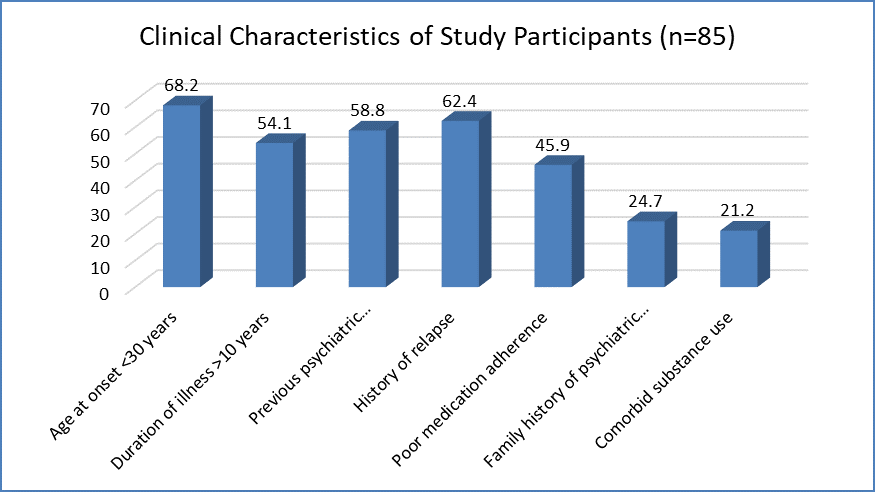
Figure 1 Clinical Characteristics of Study Participants (n=85)
Assessment of symptom domains revealed that positive symptoms were present in 72.9% of patients, negative symptoms in 67.1%, and cognitive impairment in 55.3% of participants. Impaired insight was observed in 48.2% of patients.
Based on overall symptom severity assessment, mild symptom severity was observed in 24.7%, moderate severity in 50.6%, and severe symptoms in 24.7% of patients.The symptom distribution and severity pattern are presented in Table 3, Figre 2
Table 3: Symptom Profile and Severity Distribution Among Study Participants (n=85)
|
Symptom Domain |
Number (n) |
Percentage (%) |
|
Positive symptoms |
62 |
72.9 |
|
Negative symptoms |
57 |
67.1 |
|
Cognitive impairment |
47 |
55.3 |
|
Impaired insight |
41 |
48.2 |
|
Affective symptoms |
28 |
32.9 |
|
Mild symptom severity |
21 |
24.7 |
|
Moderate symptom severity |
43 |
50.6 |
|
Severe symptom severity |
21 |
24.7 |
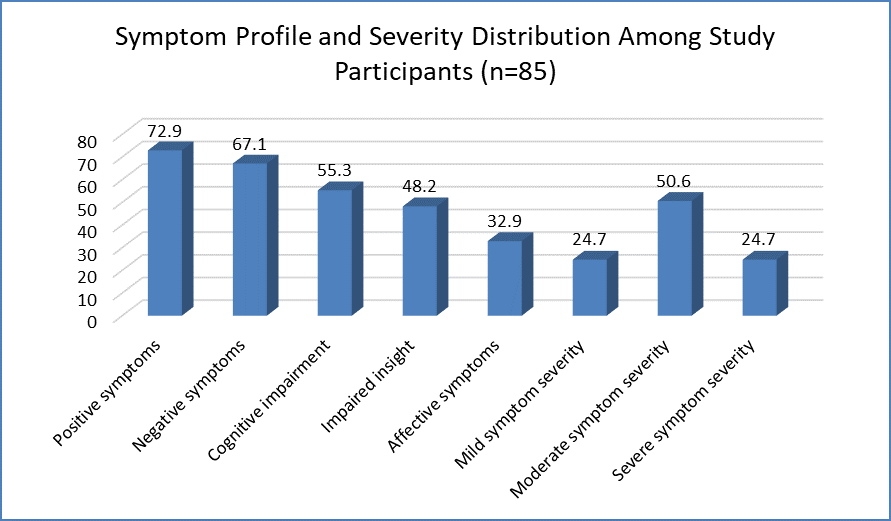
Figure 2 Symptom Profile and Severity Distribution Among Study Participants (n=85)
Functional outcome assessment demonstrated that 47.1% of patients had poor functional outcomes, whereas 52.9% showed satisfactory functional status at follow-up.
Patients with poor functional outcomes had significantly higher symptom severity scores, longer duration of illness, greater frequency of relapse, and higher prevalence of negative symptoms compared with those with better functional outcomes.
The distribution of functional outcomes is summarized in Table 4, Figure 3
Table 4: Functional Outcome Distribution Among Study Participants (n=85)
|
Functional Outcome |
Number (n) |
Percentage (%) |
|
Good functional outcome |
45 |
52.9 |
|
Poor functional outcome |
40 |
47.1 |
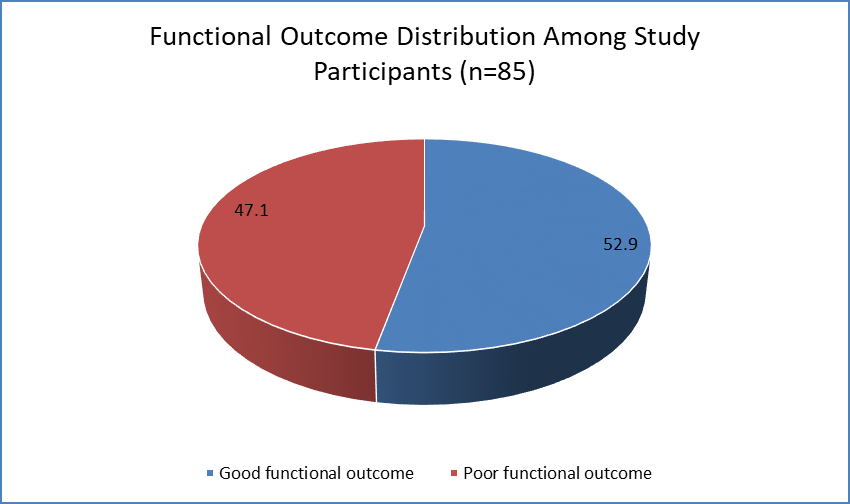
Figure 3 Functional Outcome Distribution Among Study Participants (n=85)
On comparative analysis, patients with poor functional outcomes had significantly longer duration of illness (13.8 ± 6.7 years vs 9.2 ± 5.8 years; p<0.001) and higher relapse frequency compared with patients having good functional outcomes. Negative symptoms and cognitive impairment were significantly more common among patients with poor functional outcomes.
Poor medication adherence and impaired insight were also significantly associated with unfavorable functional outcomes.The association between clinical factors and functional outcome is shown in Table 5.
Table 5: Association Between Clinical Variables and Functional Outcome (n=85)
|
Variable |
Good Outcome (n=45) |
Poor Outcome (n=40) |
p-value |
|
Mean duration of illness (years) |
9.2 ± 5.8 |
13.8 ± 6.7 |
<0.001 |
|
History of relapse (%) |
48.9 |
77.5 |
0.006 |
|
Negative symptoms (%) |
51.1 |
85.0 |
0.001 |
|
Cognitive impairment (%) |
37.8 |
75.0 |
<0.001 |
|
Poor medication adherence (%) |
31.1 |
62.5 |
0.004 |
|
Impaired insight (%) |
31.1 |
67.5 |
0.001 |
Multivariate logistic regression analysis identified negative symptoms, cognitive impairment, longer duration of illness, and poor medication adherence as independent predictors of poor functional outcome. Presence of cognitive impairment showed the strongest association with poor functional outcome.Patients with cognitive impairment had approximately 3.6 times higher odds of poor functional outcome compared with those without cognitive impairment.The independent predictors identified on regression analysis are presented in Table 6.
Table 6: Multivariate Logistic Regression Analysis for Predictors of Poor Functional Outcome
|
Predictor |
Adjusted Odds Ratio (AOR) |
95% CI |
p-value |
|
Duration of illness >10 years |
2.48 |
1.12–5.49 |
0.025 |
|
Negative symptoms |
3.12 |
1.34–7.28 |
0.009 |
|
Cognitive impairment |
3.64 |
1.56–8.48 |
0.003 |
|
Poor medication adherence |
2.71 |
1.18–6.21 |
0.018 |
|
Impaired insight |
2.86 |
1.21–6.76 |
0.016 |
Discussion:
The present prospective observational study evaluated the clinical profile and predictors of functional outcome among 85 patients with schizophrenia. The study demonstrated that 47.1% of patients had poor functional outcomes, indicating substantial impairment despite ongoing treatment. Longer duration of illness, recurrent episodes, negative symptoms, cognitive impairment, poor medication adherence, and impaired insight were significantly associated with unfavorable functional outcomes. Multivariate analysis identified cognitive impairment, negative symptoms, prolonged illness duration, poor adherence, and impaired insight as independent predictors of poor functional recovery. In the present study, the mean age of participants was 38.6 ± 10.8 years, with the majority belonging to the 31–40 years age group (36.5%), and males constituted 61.2% of cases.
This demographic pattern reflects the typical epidemiology of schizophrenia, which commonly affects individuals during late adolescence and early adulthood, resulting in impairment during productive years of life. Similar demographic trends have been reported in previous studies, emphasizing the impact of schizophrenia on occupational, social, and independent functioning. The mean age at onset of illness in the current study was 26.8 ± 7.5 years, with 68.2% of patients developing symptoms before 30 years of age. Early onset schizophrenia is associated with disruption of education, employment, social relationships, and long-term functional recovery. Carrión et al. [23] reported that baseline neurocognitive performance and functional status were important predictors of future social and occupational outcomes, highlighting the importance of early prognostic assessment. More than half of the patients in the present study (54.1%) had illness duration exceeding 10 years, and prolonged illness duration was significantly associated with poor functional outcome (13.8 ± 6.7 years vs 9.2 ± 5.8 years; p<0.001). Chronic illness contributes to functional decline through persistent symptoms, repeated relapses, social withdrawal, and reduced rehabilitation opportunities. Milev et al. [24] demonstrated that negative symptoms and cognitive domains such as memory and attention significantly predicted long-term work and interpersonal outcomes in schizophrenia. The present study observed positive symptoms in 72.9% and negative symptoms in 67.1% of patients.
Negative symptoms were significantly more frequent among patients with poor functional outcomes (85.0% vs 51.1%; p=0.001). Symptoms such as avolition, social withdrawal, reduced motivation, and blunted affect directly interfere with occupational performance and social relationships. Yang et al. [25] reported that negative symptoms independently predicted real-world functioning and employment outcomes among patients with schizophrenia, supporting their role as major determinants of disability. Cognitive impairment was one of the strongest predictors of poor functional recovery in the present study. It was observed in 55.3% of participants and was significantly higher among patients with poor outcomes (75.0% vs 37.8%; p<0.001).
Multivariate analysis showed that cognitive impairment increased the likelihood of poor functional outcome by approximately 3.64 times (AOR 3.64; p=0.003). Cognitive deficits affecting attention, memory, executive function, and problem-solving ability negatively influence daily functioning and vocational performance. Previous studies, including Carrión et al. [23], have demonstrated that neurocognitive impairment is a major determinant of long-term functional outcomes. Poor medication adherence was observed in 45.9% of patients and was significantly associated with poor functional outcomes (62.5% vs 31.1%; p=0.004). Non-adherence contributes to symptom recurrence, relapse, hospitalization, and progressive functional deterioration. Similarly, impaired insight was significantly associated with poor outcomes (67.5% vs 31.1%; p=0.001), as reduced awareness of illness may affect treatment compliance and participation in rehabilitation.
Conclusion:
The present study demonstrated that functional outcomes in patients with schizophrenia were influenced by multiple clinical and demographic factors. Longer duration of illness, negative symptoms, cognitive impairment, poor medication adherence, and impaired insight were significantly associated with poor functional recovery. Cognitive impairment and negative symptoms emerged as important independent predictors of unfavorable functional outcomes. Early identification of these factors and implementation of individualized pharmacological and psychosocial interventions may improve rehabilitation outcomes and overall quality of life in patients with schizophrenia.
Limitations
The study was conducted with a relatively limited sample size of 85 patients from a single centre, which may restrict the generalizability of the findings to broader populations. The follow-up duration was limited, preventing assessment of long-term changes in functional outcomes. Assessment of certain psychosocial and environmental factors that may influence recovery was not extensively explored. Further multicentric studies with larger sample sizes and longer follow-up periods are required to validate these findings.
References:
1. Morgan C, Reininghaus U, Fearon P, Hutchinson G, Morgan K, Dazzan P, et al. Reappraising the long-term course and outcome of psychotic disorders: the AESOP-10 study. Psychol Med. 2014;44:2713-2726.
2. Volavka J, Vevera J. Very long-term outcome of schizophrenia. Int J Clin Pract. 2018;72:e13094.
3. Lally J, Ajnakina O, Di Forti M, Trotta A, Demjaha A, Kolliakou A, et al. Remission and recovery from first-episode psychosis in adults: systematic review and meta-analysis of long-term outcome studies. Br J Psychiatry. 2017;211:350-358.
4. Parnas J. A disappearing heritage: the clinical core of schizophrenia. Schizophr Bull. 2011;37:1121-1130.
5. Lambert M, Karow A, Leucht S, Schimmelmann BG, Naber D. Remission in schizophrenia: validity, frequency, predictors, and patients’ perspective 5 years later. Dialogues Clin Neurosci. 2010;12:393-407.
6. Diaz-Caneja CM, Pina-Camacho L, Rodríguez-Quiroga A, Fraguas D, Parellada M, Arango C, et al. Predictors of outcome in early-onset psychosis: a systematic review. NPJ Schizophr. 2015;1:14005.
7. Millan MJ, Andrieux A, Bartzokis G, Cadenhead K, Dazzan P, Fusar-Poli P, et al. Altering the course of schizophrenia: progress and perspectives. Nat Rev Drug Discov. 2016;15:485-515.
8. Strauss JS, Carpenter WT Jr. The prediction of outcome in schizophrenia: I. Characteristics of outcome. Arch Gen Psychiatry. 1972;27:739-746.
9. Van Eck RM, Burger TJ, Vellinga A, Schirmbeck F, de Haan L. The relationship between clinical and personal recovery in patients with schizophrenia spectrum disorders: a systematic review and meta-analysis. Schizophr Bull. 2018;44:631-642.
10. Leamy M, Bird V, Le Boutillier C, Williams J, Slade M. Conceptual framework for personal recovery in mental health: systematic review and narrative synthesis. Br J Psychiatry. 2011;199:445-452.
11. Wood L, Alsawy S. Recovery in psychosis from a service user perspective: a systematic review and thematic synthesis of current qualitative evidence. Community Ment Health J. 2018;54:793-804.
12. Leucht S, Heres S, Kissling W, Davis JM. The optimization of treatment and management of schizophrenia in Europe (OPTiMiSE) trial: rationale for its methodology and a review of the effectiveness of switching antipsychotics. Schizophr Bull. 2015;41:549-558.
13. Wunderink L, Nieboer RM, Wiersma D, Sytema S, Nienhuis FJ. Recovery in remitted first-episode psychosis at 7 years of follow-up of an early dose reduction/discontinuation or maintenance treatment strategy: long-term follow-up of a 2-year randomized clinical trial. JAMA Psychiatry. 2013;70:913-920.
14. Drake RE, Osher FC, Wallach MA. Housing instability and homelessness among rural schizophrenic patients. Am J Psychiatry. 1991;148:330-336.
15. Killackey E, Allott K, Cotton SM, Jackson HJ, Scutella R, Tseng YP, et al. Individual placement and support for vocational recovery in first-episode psychosis: randomised controlled trial. Br J Psychiatry. 2019;214:76-82.
16. van Os J, Guloksuz S, Vijn TW, Hafkenscheid A, Delespaul P. The evidence-based group-level symptom-reduction model as the organizing principle for mental health care: time for change? World Psychiatry. 2019;18:88-96.
17. Kessler RC, van Loo HM, Wardenaar KJ, Bossarte RM, Brenner LA, Ebert DD, et al. Testing a machine-learning algorithm to predict the persistence and severity of major depressive disorder from baseline self-reports. Mol Psychiatry. 2016;21:1366-1371.
18. Koutsouleris N, Kahn RS, Chekroud AM, Leucht S, Falkai P, Wobrock T, et al. Multisite prediction of 4-week and 52-week treatment outcomes in patients with first-episode psychosis: a machine learning approach. Lancet Psychiatry. 2016;3:935-946.
19. Dwyer DB, Falkai P, Koutsouleris N. Machine learning approaches for clinical psychology and psychiatry. Annu Rev Clin Psychol. 2018;14:91-118.
20. Janssen RJ, Mourao-Miranda J, Schnack HG. Making individual prognoses in psychiatry using neuroimaging and machine learning. Biol Psychiatry Cogn Neurosci Neuroimaging. 2018;3:798-808.
21. Huys QJ, Maia TV, Frank MJ. Computational psychiatry as a bridge from neuroscience to clinical applications. Nat Neurosci. 2016;19:404-413.
22. Korver N, Quee PJ, Boos HB, Simons CJ, de Haan L, GROUP Investigators. Genetic Risk and Outcome of Psychosis (GROUP), a multi-site longitudinal cohort study focused on gene-environment interaction: objectives, sample characteristics, recruitment and assessment methods. Int J Methods Psychiatr Res. 2012;21:205-221.
23. Carrión RE, Goldberg TE, McLaughlin D, Auther AM, Corcoran C, Malhotra AK, et al. Impact of neurocognition and social cognition on functional outcomes in individuals at clinical high risk for psychosis. Schizophr Bull. 2013;39:545-554.
24. Milev P, Ho BC, Arndt S, Andreasen NC. Predictive values of neurocognition and negative symptoms on functional outcome in schizophrenia: a longitudinal first-episode study with 7-year follow-up. Schizophr Res. 2005;79:185-194.
25. Yang Z, Lee SH, Abdul Rashid NA, See YM, Dauwels J, Tan BL, et al. Predicting real-world functioning in schizophrenia: the relative contributions of neurocognition, functional capacity, and negative symptoms. Front Psychiatry. 2021;12:639536.