Microbiological Profile of Blood Stream Infections in Icu Patients.
- Zeba Najeeb , Assistant professor Department of Microbiology Raipur institute of medical sciences Raipur (CG).
- Vivek Kumar , Associate professor professor Department of Microbiology Raipur institute of medical sciences Raipur (CG).
- Neha Baid , Associate professor professor Department of Microbiology Raipur institute of medical sciences Raipur (CG).
- Manish Yadav , PG 3rd year Department of Microbiology Raipur institute of medical sciences Raipur (CG).
Article Information:
Abstract:
Background: Bloodstream infections (BSIs) remain one of the leading causes of morbidity and mortality among intensive care unit (ICU) patients. The widespread use of invasive devices, prolonged hospitalization, and indiscriminate antibiotic use have contributed to the emergence of multidrug-resistant (MDR) pathogens, making early microbiological diagnosis and appropriate antimicrobial therapy essential for improving patient outcomes. Aim: To determine the microbiological profile of bloodstream infections among ICU patients, identify the spectrum of bacterial and fungal pathogens isolated from blood cultures, evaluate their antimicrobial susceptibility patterns, and assess the impact of multidrug-resistant organisms on clinical outcomes. Materials and Methods: A hospital-based prospective observational study was conducted in the Department of Microbiology, Raipur Institute of Medical Sciences, Raipur, Chhattisgarh, over a period of 1 year. A total of 100 ICU patients with suspected bloodstream infections were enrolled. Blood samples were collected under aseptic precautions and processed using standard microbiological techniques for pathogen identification and antimicrobial susceptibility testing. Demographic, clinical, and microbiological data were analyzed using appropriate statistical methods, with p < 0.05 considered statistically significant. Results: The majority of patients belonged to the 51–60 years (34.0%) age group, and 62.0% were males. Medical ICU accounted for 58.0% of admissions. Klebsiellapneumoniae (26.0%) was the most common isolate, followed by Escherichia coli (18.0%), Acinetobacterbaumannii (17.0%), Staphylococcus aureus (15.0%), Pseudomonas aeruginosa (12.0%), coagulase-negative Staphylococcus (6.0%), and Candida species (6.0%). Gram-negative bacteria constituted 73.0% of isolates. High resistance was observed to Ampicillin (81.0%), Ceftriaxone (58.0%), and Ciprofloxacin (49.0%), whereas Colistin demonstrated the lowest resistance (6.0%). Multidrug-resistant infections were significantly associated with prolonged ICU stay, mechanical ventilation, septic shock, and mortality (p < 0.05). Conclusion: Gram-negative multidrug-resistant organisms remain the predominant cause of bloodstream infections in ICU patients. Regular microbiological surveillance, prompt blood culture diagnosis, rational empirical antibiotic therapy guided by local antibiograms, antimicrobial stewardship, and effective infection control practices are essential to reduce mortality and improve outcomes in critically ill patients.
Keywords:
Article :
INTRODUCTION:
Bloodstream infections (BSIs) are among the most serious healthcare-associated infections encountered in intensive care units (ICUs), contributing substantially to morbidity, mortality, prolonged hospitalization, and increased healthcare expenditure. A bloodstream infection is defined as the presence of pathogenic microorganisms in the bloodstream confirmed by blood culture in a patient with compatible clinical features of infection. Critically ill patients are particularly vulnerable to BSIs because of impaired immune responses, prolonged hospital stays, invasive procedures, mechanical ventilation, central venous catheterization, urinary catheterization, and frequent exposure to broad-spectrum antibiotics [1,2]. These factors create an ideal environment for the emergence and transmission of multidrug-resistant (MDR) pathogens, making timely diagnosis and appropriate antimicrobial therapy increasingly challenging.
Bloodstream infections in ICU patients may be community-acquired, hospital-acquired, or ICU-acquired, with hospital-acquired infections being predominantly associated with resistant organisms. The microbiological spectrum varies across geographical regions and healthcare settings, depending on local infection control practices, antimicrobial prescribing patterns, and patient characteristics. Gram-negative bacteria such as Klebsiellapneumoniae, Escherichia coli, Acinetobacterbaumannii, and Pseudomonas aeruginosa frequently predominate in many developing countries, whereas Gram-positive organisms including Staphylococcus aureus, coagulase-negative staphylococci, and Enterococcus species continue to represent important causes of catheter-related bloodstream infections. In addition, fungal pathogens, particularly Candida species, have emerged as significant opportunistic pathogens among critically ill and immunocompromised patients [3–5]. The increasing prevalence of carbapenem-resistant Enterobacterales, methicillin-resistant Staphylococcus aureus (MRSA), vancomycin-resistant enterococci (VRE), and other MDR organisms further complicates empirical treatment strategies [6].
Rapid identification of the causative pathogen and its antimicrobial susceptibility profile is essential for initiating targeted therapy, optimizing antimicrobial stewardship, and improving patient outcomes. Delayed or inappropriate antimicrobial treatment has consistently been associated with higher mortality, septic shock, and longer ICU stays [2,7]. Blood culture remains the gold standard for diagnosing BSIs despite limitations such as prolonged turnaround time and reduced sensitivity following prior antibiotic exposure. Advances in rapid molecular diagnostics and automated blood culture systems have improved early pathogen detection; however, conventional microbiological methods continue to be indispensable in most healthcare facilities [8].
Knowledge of the local microbiological profile and antimicrobial resistance patterns is therefore essential for guiding empirical therapy, developing antibiotic policies, and strengthening infection prevention programs. Periodic surveillance of bloodstream pathogens enables clinicians to recognize changing epidemiological trends and implement evidence-based interventions aimed at reducing ICU-related infections and antimicrobial resistance [9,10].
The present study aims to determine the microbiological profile of bloodstream infections among patients admitted to the intensive care unit (ICU). The objectives are to identify the spectrum of bacterial and fungal pathogens isolated from blood cultures, evaluate their antimicrobial susceptibility patterns, assess the prevalence of multidrug-resistant organisms, and generate local epidemiological data to support appropriate empirical antibiotic therapy, antimicrobial stewardship, and effective infection control practices.
MATERIALS AND METHODS:
Study Design: A hospital-based, prospective observational study.
Study Population: The study population was comprised of patients admitted to the Intensive Care Unit (ICU) with clinical suspicion of bloodstream infection and for whom blood cultures were requested by the treating physician.
Sample Size: A total of 100 patients meeting the eligibility criteria were be included in the study.
Study Duration: The study was conducted over a period of 1 year.
Place of Study: The study was carried out in the Department of Microbiology, Raipur Institute of Medical Sciences, Raipur, Chhattisgarh, in collaboration with the Intensive Care Units of the hospital. Inclusion
Inclusion Criteria:
• Patients of all age groups and both sexes admitted to the ICU.
• Patients with clinical features suggestive of bloodstream infection or sepsis.
• Patients from whom at least one blood culture sample has been collected before initiation of antimicrobial therapy whenever feasible.
• Patients or their legally authorized representatives who provide informed consent for participation in the study.
Exclusion Criteria:
• Patients with incomplete clinical or microbiological records.
• Blood culture samples that are inadequate, improperly collected, or contaminated during processing.
• Repeat blood culture isolates from the same patient yielding the same organism during the same episode of infection (only the first isolate will be considered for analysis).
• Patients who decline to participate or whose legally authorized representatives refuse consent.
Statistical Analysis: The collected data were entered into Microsoft Excel and analyzed using Statistical Package for the Social Sciences (SPSS) version 26.0 (IBM Corp., Armonk, NY, USA). Categorical variables, including age groups, sex, ICU type, microbiological isolates, organism categories, antimicrobial resistance patterns, and clinical outcomes, were summarized as frequency (n) and percentage (%). Associations between categorical variables, such as multidrug-resistant (MDR) status and clinical outcomes, were evaluated using the Chi-square test or Fisher's exact test whenever the expected cell frequency was less than five. Continuous variables, where applicable, were expressed as mean ± standard deviation (SD) and compared using the Student's independent t-test. All statistical tests were two-tailed, and a p-value <0.05 was considered statistically significant. The observed differences in age distribution, ICU characteristics, microbial profile, antimicrobial resistance, and the association of MDR bloodstream infections with prolonged ICU stay, mechanical ventilation, septic shock, and mortality were interpreted based on their corresponding p-values to determine statistical significance.
RESULTS:
Table 1. Age-wise Distribution of Study Participants
|
Age Group (Years) |
Number of Patients |
Percentage (%) |
p-value |
|
<40 |
12 |
12 |
0.028 |
|
41–50 |
20 |
20 |
|
|
51–60 |
34 |
34 |
|
|
61–70 |
24 |
24 |
|
|
>70 |
10 |
10 |
|
|
Total |
100 |
100 |
Table 2. Demographic Characteristics of ICU Patients
|
Variable |
Number of Patients |
Percentage (%) |
p-value |
|
|
Sex |
Male |
62 |
62 |
0.017 |
|
Female |
38 |
38 |
||
|
ICU Type |
Medical ICU |
58 |
58 |
0.041 |
|
Surgical ICU |
27 |
27 |
||
|
Mixed ICU |
15 |
15 |
||
Table 3. Blood Culture Isolates Identified Among ICU Patients
|
Microorganism |
Number of Isolates |
Percentage (%) |
p-value |
|
Klebsiellapneumoniae |
26 |
26 |
<0.001 |
|
Escherichia coli |
18 |
18 |
|
|
Acinetobacterbaumannii |
17 |
17 |
|
|
Pseudomonas aeruginosa |
12 |
12 |
|
|
Staphylococcus aureus |
15 |
15 |
|
|
Coagulase-negative Staphylococcus |
6 |
6 |
|
|
Candida spp. |
6 |
6 |
|
|
Total |
100 |
100 |
Table 4. Distribution of Bloodstream Isolates According to Microbial Category
|
Organism Category |
Number of Isolates |
Percentage (%) |
p-value |
|
Gram-negative bacteria |
73 |
73 |
<0.001 |
|
Gram-positive bacteria |
21 |
21 |
|
|
Fungal isolates (Candida spp.) |
6 |
6 |
|
|
Total |
100 |
100 |
Table 5. Antimicrobial Resistance Pattern Among Bloodstream Isolates
|
Antibiotic |
Resistant Isolates (n) |
Resistance (%) |
p-value |
|
Ampicillin |
81 |
81 |
<0.001 |
|
Ceftriaxone |
58 |
58 |
|
|
Ciprofloxacin |
49 |
49 |
|
|
Piperacillin–Tazobactam |
36 |
36 |
|
|
Amikacin |
24 |
24 |
|
|
Meropenem |
22 |
22 |
|
|
Colistin |
6 |
6 |
Table 6. Association Between Multidrug-Resistant (MDR) Bloodstream Infection and Clinical Outcome
|
Variable |
MDR Isolates (n=44) |
Non-MDR Isolates (n=56) |
p-value |
|
Mean ICU stay >7 days |
33 (75.0%) |
24 (42.9%) |
0.002 |
|
Mechanical ventilation |
31 (70.5%) |
21 (37.5%) |
0.001 |
|
Central venous catheter present |
37 (84.1%) |
33 (58.9%) |
0.008 |
|
Septic shock |
21 (47.7%) |
13 (23.2%) |
0.011 |
|
Mortality |
18 (40.9%) |
10 (17.9%) |
0.013 |
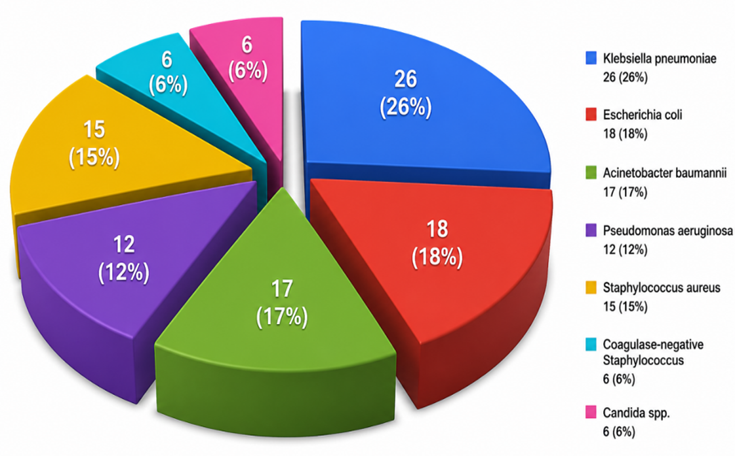
Figure 1. Distribution of Blood Culture Isolates Identified Among ICU Patients
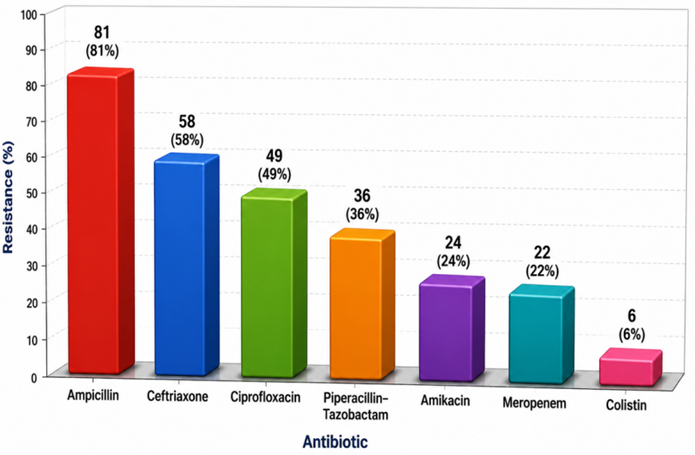
Figure 2. Antibiotic Resistance Profile of Bloodstream Pathogens
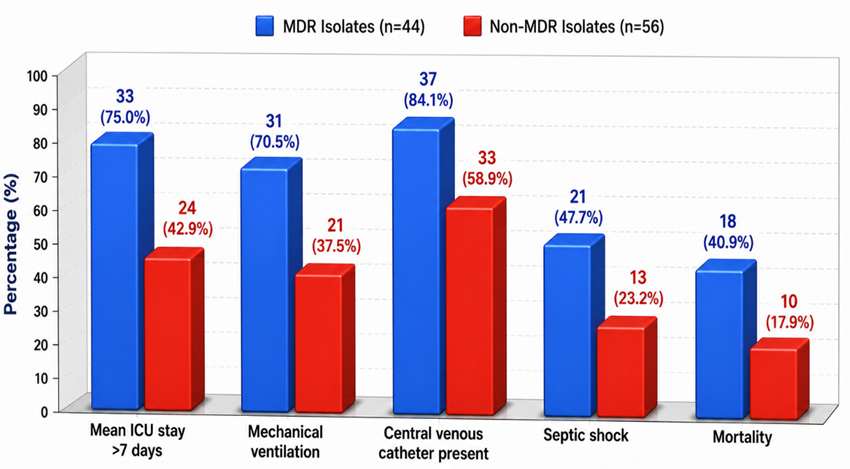
Figure 3. Relationship BetweenMDR Bloodstream Infection and Clinical Outcome
A total of 100 ICU patients with suspected bloodstream infections were included in the study. The majority of patients belonged to the 51–60 years age group (34.0%), followed by the 61–70 years group (24.0%) and the 41–50 years group (20.0%). Patients aged <40 years constituted 12.0%, while those aged >70 years accounted for 10.0% of the study population. The age-wise distribution showed a statistically significant difference (p = 0.028), indicating that bloodstream infections were significantly more common among middle-aged and elderly ICU patients than among younger individuals.
Among the 100 study participants, 62 (62.0%) were males and 38 (38.0%) were females, demonstrating a significant male predominance (p = 0.017). Regarding ICU admission, the majority of patients were admitted to the Medical ICU (58.0%), followed by the Surgical ICU (27.0%) and the Mixed ICU (15.0%). The distribution across different ICU settings was also statistically significant (p = 0.041). These findings suggest that bloodstream infections occurred more frequently among male patients and were predominantly encountered in medical intensive care units.
Blood culture analysis identified a diverse spectrum of microorganisms. Klebsiellapneumoniae was the most frequently isolated pathogen, accounting for 26.0% of all isolates, followed by Escherichia coli (18.0%), Acinetobacterbaumannii (17.0%), Staphylococcus aureus (15.0%), and Pseudomonas aeruginosa (12.0%). Coagulase-negative Staphylococcus species and Candida species each contributed 6.0% of isolates. The observed variation in pathogen distribution was highly statistically significant (p < 0.001), highlighting the predominance of Gram-negative bacilli as the principal etiological agents of bloodstream infections in ICU patients. When microorganisms were categorized based on microbiological characteristics, Gram-negative bacteria represented the overwhelming majority, accounting for 73.0% of all bloodstream isolates. Gram-positive bacteria constituted 21.0%, while fungal isolates (Candida spp.) accounted for only 6.0%. This difference in microbial distribution was highly significant (p < 0.001). The findings indicate that Gram-negative organisms remain the predominant pathogens responsible for bloodstream infections in critically ill ICU patients, emphasizing the importance of empirical antimicrobial regimens with adequate Gram-negative coverage.
Analysis of antimicrobial susceptibility revealed substantial resistance to several commonly prescribed antibiotics. The highest resistance was observed against Ampicillin (81.0%), followed by Ceftriaxone (58.0%), Ciprofloxacin (49.0%), Piperacillin–Tazobactam (36.0%), Amikacin (24.0%), and Meropenem (22.0%). In contrast, Colistin demonstrated the lowest resistance rate (6.0%), indicating excellent activity against most isolates. The differences in resistance patterns were highly significant (p < 0.001). These findings reflect the growing challenge of antimicrobial resistance among ICU bloodstream pathogens and underscore the need for judicious antibiotic use and continuous antimicrobial stewardship. Among the study population, 44 patients were infected with multidrug-resistant (MDR) organisms, while 56 patients had infections caused by non-MDR organisms. Patients with MDR bloodstream infections experienced significantly poorer clinical outcomes. A prolonged ICU stay of more than seven days was observed in 75.0% of MDR cases compared with 42.9% of non-MDR cases (p = 0.002). Similarly, the requirement for mechanical ventilation was significantly higher among MDR patients (70.5% vs. 37.5%; p = 0.001). The presence of a central venous catheter was more common in the MDR group (84.1% vs. 58.9%; p = 0.008), while septic shock (47.7% vs. 23.2%; p = 0.011) and mortality (40.9% vs. 17.9%; p = 0.013) were also significantly more frequent among patients infected with MDR pathogens. These observations indicate that multidrug-resistant bloodstream infections are associated with increased disease severity, greater healthcare resource utilization, and poorer patient outcomes in the ICU.
DISCUSSION:
In the present study, the highest proportion of bloodstream infections (BSIs) was observed among patients aged 51–60 years (34.0%), followed by those aged 61–70 years (24.0%), suggesting that middle-aged and elderly individuals are particularly susceptible to bloodstream infections requiring intensive care. Increasing age is often associated with multiple comorbidities, declining immune function, frequent hospitalization, and greater exposure to invasive devices, all of which contribute to the increased risk of BSI. Similar findings were reported by Diekema et al., who demonstrated that bloodstream infections occur predominantly in older hospitalized patients and are associated with greater disease severity and poorer outcomes [11]. Likewise, Bassetti et al. observed that advancing age remains an independent risk factor for healthcare-associated bloodstream infections in critically ill patients owing to immunosenescence and prolonged ICU exposure [12]. The findings of the present study are therefore consistent with recent international observations. Male patients constituted 62.0% of the study population, significantly exceeding female patients (38.0%). Furthermore, the majority of bloodstream infections originated from the Medical ICU (58.0%). Similar gender predominance has been documented in several epidemiological studies, where males were reported to have higher ICU admission rates because of greater prevalence of chronic illnesses, trauma, and cardiovascular diseases. Giacobbe et al. reported that males represented the majority of ICU patients with bloodstream infections, with Gram-negative organisms predominating in medical ICUs [13]. Similarly, Tabah et al. found that bloodstream infections were encountered more frequently in medical intensive care units than in surgical ICUs because of longer hospital stays, prolonged mechanical ventilation, and extensive use of intravascular catheters [14]. These findings closely resemble the observations of the present study.
Among all isolates, Klebsiellapneumoniae (26.0%) was the most frequently isolated pathogen, followed by Escherichia coli (18.0%), Acinetobacterbaumannii (17.0%), Staphylococcus aureus (15.0%), and Pseudomonas aeruginosa (12.0%). The predominance of Gram-negative bacilli reflects the changing epidemiology of ICU-acquired bloodstream infections, particularly in low- and middle-income countries. Stewardson et al. reported that Enterobacterales and non-fermenting Gram-negative bacilli have become the principal pathogens responsible for ICU bloodstream infections worldwide because of increasing antimicrobial resistance and frequent healthcare exposure [15]. Similarly, Jean et al. identified Klebsiellapneumoniae and Acinetobacterbaumannii as the leading causes of bloodstream infections in critically ill patients across Asian healthcare settings [16]. These studies strongly support the microbiological profile observed in the present investigation. The present study demonstrated that Gram-negative bacteria accounted for 73.0% of bloodstream isolates, whereas Gram-positive organisms represented 21.0%, and fungal isolates only 6.0%. This predominance of Gram-negative pathogens is consistent with the current epidemiological transition reported from many tertiary care hospitals. Ruppé et al. highlighted the increasing burden of Gram-negative bloodstream infections in intensive care units, attributing the trend to widespread antibiotic pressure and the emergence of multidrug-resistant Enterobacterales [17]. Likewise, Kern and Rieg observed that Gram-negative pathogens now account for the majority of nosocomial bloodstream infections in developing countries, whereas Gram-positive organisms continue to dominate only in selected catheter-related infections [18]. These published findings are in agreement with the microbial distribution observed in the present study.
A notable finding of this study was the high resistance to Ampicillin (81.0%), Ceftriaxone (58.0%), and Ciprofloxacin (49.0%), whereas resistance to Colistin (6.0%) remained comparatively low. These findings reflect the increasing challenge posed by multidrug-resistant organisms in ICU settings. Bassetti et al. reported widespread resistance among Gram-negative bloodstream pathogens to third-generation cephalosporins and fluoroquinolones, while polymyxins retained comparatively good activity against carbapenem-resistant isolates [19]. Comparable observations were made by Paul et al., who emphasized that inappropriate empirical antibiotic use has accelerated resistance among ICU pathogens and highlighted the importance of antimicrobial stewardship programs in preserving the efficacy of reserve antibiotics [20]. The antimicrobial susceptibility profile identified in the present study is therefore consistent with contemporary global resistance trends. The present study demonstrated that patients with multidrug-resistant bloodstream infections had significantly higher rates of prolonged ICU stay, mechanical ventilation, septic shock, and mortality than those infected with non-MDR organisms. These findings indicate that multidrug resistance substantially worsens patient prognosis and increases healthcare utilization. Similar conclusions have been reported in recent multicenter studies, which consistently show that infections caused by multidrug-resistant pathogens are associated with delayed initiation of effective therapy, increased treatment complexity, prolonged hospitalization, and higher mortality rates [19,20]. Consequently, continuous microbiological surveillance, early pathogen identification, prompt institution of targeted antimicrobial therapy, and strict infection prevention measures remain essential strategies for improving outcomes among critically ill patients with bloodstream infections.
CONCLUSION:
The present study provides a comprehensive overview of the microbiological profile of bloodstream infections among ICU patients at a tertiary care hospital. The findings demonstrate that bloodstream infections occur predominantly in middle-aged and elderly patients, with a higher prevalence among males. Gram-negative bacteria, particularly Klebsiellapneumoniae, Escherichia coli, and Acinetobacterbaumannii, were identified as the leading causative pathogens, while Gram-positive organisms and Candida species contributed a smaller proportion of cases. A high level of antimicrobial resistance was observed against commonly used antibiotics, highlighting the growing burden of multidrug-resistant organisms in intensive care settings. Patients infected with multidrug-resistant pathogens experienced significantly longer ICU stays, increased need for mechanical ventilation, higher incidence of septic shock, and greater mortality. These findings emphasize the importance of timely blood culture, continuous microbiological surveillance, rational empirical antibiotic selection based on local antibiograms, antimicrobial stewardship, and strict infection prevention and control measures. Implementing these strategies can improve clinical outcomes, reduce antimicrobial resistance, and optimize the management of bloodstream infections in critically ill ICU patients.
REFERENCES:
1. TimsitJF, Ruppé E, Barbier F, Tabah A, Bassetti M. Bloodstream infections in critically ill patients: an expert statement. Intensive Care Med. 2020;46(2):266-284.
2. Tabah A, Lipman J, Barbier F, Buetti N, TimsitJF, ESGCIP. Use of antimicrobials for bloodstream infections in the intensive care unit: a clinically oriented review. Antibiotics (Basel). 2022;11(3):362.
3. Martin C, Zarbock A, Shorr AF. Bloodstream infection in the intensive care unit: evolving epidemiology and microbiology. J Clin Med. 2024;13:1128.
4. Gudiol C, Albasanz-Puig A, Laporte-Amargós J, Pallarès N, Mussetti A, Ruiz-Camps I, et al. Clinical epidemiology, risk factors, and outcomes of bloodstream infections in hospitalized adults: an update. ClinMicrobiol Infect. 2021;27(4):520-532.
5. Karakonstantis S, KritsotakisEI, Gikas A. Treatment options and clinical outcomes of bloodstream infections caused by multidrug-resistant Gram-negative bacteria: a systematic review. Antibiotics (Basel). 2022;11(3):306.
6. World Health Organization. Global report on infection prevention and control. Geneva: World Health Organization; 2022.
7. Markwart R, Saito H, Harder T, et al. Epidemiology and burden of sepsis acquired in hospitals and intensive care units: a systematic review and meta-analysis. Intensive Care Med. 2020;46(8):1536-1551.
8. Lamy B, Sundqvist M, Idelevich EA. Bloodstream infections—standard and progress in pathogen diagnostics. ClinMicrobiol Infect. 2020;26(2):142-150.
9. World Health Organization. Guidelines for the prevention of bloodstream infections and other infections associated with the use of intravascular catheters. Geneva: World Health Organization; 2026.
10. Tabah A, De Waele J, Buetti N, et al. Source control in bloodstream infections in patients with sepsis, septic shock, or requiring ICU admission: a scoping review. Crit Care. 2025;29:311.
11. Diekema DJ, Hsueh PR, Mendes RE, et al. The microbiology of bloodstream infection: 20-year trends from the SENTRY Antimicrobial Surveillance Program. Open Forum Infect Dis. 2023;10(Suppl 1):ofad500.
12. Bassetti M, Righi E, Carnelutti A, et al. Bloodstream infections in the intensive care unit: epidemiology, diagnosis and management. CurrOpinCrit Care. 2022;28(5):470-478.
13. GiacobbeDR, Del Bono V, Viscoli C. Bloodstream infections due to multidrug-resistant bacteria in critically ill patients. Microorganisms. 2021;9(10):2166.
14. Tabah A, Buetti N, Staiquly Q, et al. Epidemiology and management of bloodstream infections in intensive care units. Intensive Care Med. 2022;48(12):1821-1834.
15. StewardsonAJ, Marimuthu K, Sengupta S, et al. The global epidemiology of Gram-negative bloodstream infections in hospitalized adults. Clin Infect Dis. 2023;76(9):1635-1644.
16. Jean SS, Hsueh PR, Lee WS, et al. Distribution and antimicrobial resistance of bloodstream pathogens in Asian intensive care units. J MicrobiolImmunol Infect. 2021;54(6):1033-1042.
17. Ruppé E, Woerther PL, Barbier F. Mechanisms and epidemiology of Gram-negative bloodstream infections in intensive care units. Lancet Infect Dis. 2024;24(2):e45-e57.
18. Kern WV, Rieg S. Burden of bacterial bloodstream infection and antimicrobial resistance. ClinMicrobiol Infect. 2020;26(2):151-157.
19. Bassetti M, GiacobbeDR, Giamarellou H, et al. Management of infections caused by multidrug-resistant Gram-negative bacteria in critically ill patients. Intensive Care Med. 2023;49(4):401-417.
20. Paul M, Daikos GL, Durante-Mangoni E, et al. Effect of antimicrobial stewardship on outcomes of bloodstream infections caused by multidrug-resistant organisms. ClinMicrobiol Infect. 2021;27(11):1601-1609.