Effect of GLP-1 Receptor Agonist Therapy on Weight, Glycaemic Control, and Inflammatory Markers in Obese Patients with Diabetes.
- Surya Pavan Reddy K , Professor, Department of General Medicine, Apollo Institute of Medical Sciences & Research, Hyderabad, Telangana, India
- Yadavalli Srinivas , Associate Professor, Department of General Medicine, Apollo Institute of Medical Sciences & Research, Hyderabad, Telangana, India.
Article Information:
Abstract:
Background: Obesity and type 2 diabetes mellitus (T2DM) are closely interrelated metabolic disorders characterized by insulin resistance, progressive deterioration of glycaemic control, excess adiposity, and a state of chronic low-grade inflammation. Conventional glucose-lowering therapies may improve glycaemia but do not uniformly produce clinically meaningful weight reduction. Glucagon-like peptide-1 receptor agonists (GLP-1 RAs) have emerged as an important therapeutic class because of their combined effects on glucose metabolism, appetite regulation, and body weight. Increasing evidence also suggests potential anti-inflammatory effects, although the magnitude and consistency of changes in inflammatory biomarkers remain less clearly established. Recent systematic reviews and meta-analyses have demonstrated clinically meaningful reductions in body weight and HbA1c with GLP-1 RA therapy in patients with T2DM and/or obesity. Aim: To evaluate the effect of GLP-1 receptor agonist therapy on body weight, glycaemic control, and selected inflammatory markers in obese patients with type 2 diabetes mellitus. Methods: A prospective observational study was conducted among 120 adults with obesity and T2DM attending the Endocrinology/Diabetes services of Apollo Institute of Medical Sciences & Research, Hyderabad, Telangana, India, from June 2025 to May 2026. Patients who were initiated on or receiving GLP-1 receptor agonist therapy as part of routine clinical management were followed prospectively for 6 months. Body weight, body mass index (BMI), glycated haemoglobin (HbA1c), fasting plasma glucose (FPG), and selected inflammatory biomarkers, including high-sensitivity C-reactive protein (hs-CRP), interleukin-6 (IL-6), and tumour necrosis factor-alpha (TNF-α), were assessed at baseline and at follow-up. Changes in anthropometric, glycaemic, and inflammatory parameters were analysed using appropriate paired statistical methods. Associations between baseline characteristics and treatment response were also evaluated. Results: Of the 120 patients included, 68 (56.7%) were male and 52 (43.3%) were female, with a mean age of 52.6 ± 9.8 years. Following 6 months of GLP-1 RA therapy, mean body weight decreased from 96.4 ± 12.7 kg at baseline to 88.7 ± 12.0 kg at follow-up, corresponding to a mean reduction of 7.7 kg (8.0%; P<0.001). Mean BMI decreased from 35.1 ± 3.8 to 32.3 ± 3.6 kg/m² (P<0.001). Glycaemic parameters also improved significantly, with mean HbA1c declining from 9.1 ± 1.2% to 7.4 ± 1.0% and fasting plasma glucose from 176.8 ± 35.6 to 132.5 ± 28.7 mg/dL (both P<0.001). Mean hs-CRP decreased from 5.8 ± 2.6 to 3.7 ± 2.0 mg/L, IL-6 from 8.2 ± 3.4 to 5.9 ± 2.8 pg/mL, and TNF-α from 7.1 ± 2.5 to 5.5 ± 2.1 pg/mL (P<0.001 for each). A clinically meaningful weight reduction of ≥5% was achieved by 91 (75.8%) patients, while 58 (48.3%) achieved ≥10% weight reduction. Greater weight loss was associated with greater improvement in HbA1c. Conclusion: Six months of GLP-1 receptor agonist therapy was associated with significant reductions in body weight and BMI, substantial improvement in glycaemic control, and reductions in selected inflammatory biomarkers among obese patients with T2DM. The findings support the potential value of GLP-1 RA therapy as a metabolic intervention addressing multiple interrelated components of obesity-associated diabetes. However, the observational design and single-centre setting warrant cautious interpretation, and controlled studies with longer follow-up are required to determine the independent anti-inflammatory effects of GLP-1 receptor agonists.
Keywords:
Article :
INTRODUCTION:
Obesity and type 2 diabetes mellitus (T2DM) are closely interconnected metabolic disorders that represent major and growing public health challenges. Excess adiposity promotes insulin resistance, impaired glucose metabolism, dyslipidaemia, and progressive metabolic dysfunction, while T2DM further contributes to adverse cardiovascular and metabolic outcomes [1,2]. The coexistence of obesity and T2DM is particularly important because conventional glucose-lowering strategies may achieve glycaemic improvement without adequately addressing excess body weight, which itself contributes to worsening insulin resistance and disease progression [3,4].
Chronic low-grade inflammation is an important component of the pathophysiology linking obesity and T2DM. Expansion and dysfunction of adipose tissue are associated with increased production of pro-inflammatory mediators and activation of systemic inflammatory pathways [5,6]. Biomarkers such as C-reactive protein (CRP), interleukin-6 (IL-6), and tumour necrosis factor-alpha (TNF-α) have therefore been investigated as indicators of inflammatory activity in patients with obesity and metabolic disease. Persistent inflammation may contribute to insulin resistance, endothelial dysfunction, and the development of cardiometabolic complications [7-9].
Glucagon-like peptide-1 receptor agonists (GLP-1 RAs) have become an important therapeutic class in the management of T2DM, particularly in patients in whom weight reduction is an important treatment objective [10,11]. By enhancing glucose-dependent insulin secretion, suppressing inappropriate glucagon secretion, delaying gastric emptying, and promoting satiety, GLP-1 RAs can improve glycaemic control while producing clinically meaningful reductions in body weight [12,13]. A 2025 systematic review and network meta-analysis of 41 randomized controlled trials involving more than 15,000 patients with T2DM and overweight or obesity demonstrated significant improvements in glycaemic parameters and body weight with GLP-1 RA therapy [14,15]. Another meta-analysis involving 47 randomized controlled trials and more than 23,000 participants demonstrated significant reductions in body weight, BMI, and waist circumference with GLP-1 RAs across populations with overweight or obesity, including individuals with diabetes [16,17].
Beyond their established metabolic effects, GLP-1 RAs may influence inflammatory pathways. Experimental and clinical evidence suggests that GLP-1 signalling can modulate inflammatory responses through effects on immune-cell activity, adipose tissue inflammation, oxidative stress, and metabolic pathways [18-20]. A systematic review and meta-analysis of 40 randomized controlled trials involving 6,749 patients with T2DM reported significant reductions in CRP and TNF-α and favourable effects on other markers of inflammation and oxidative stress following GLP-1 RA treatment [21]. More recent evidence continues to support a reduction in CRP/hs-CRP with GLP-1 RA therapy, although pooled effects on IL-6 and TNF-α have been less consistent across studies, indicating that inflammatory responses may vary according to the biomarker evaluated, treatment characteristics, and patient population [22,23].
The potential convergence of weight reduction, improved glycaemic control, and attenuation of systemic inflammation makes GLP-1 RA therapy particularly relevant for obese patients with T2DM. However, the magnitude of change observed in routine clinical practice may differ from that reported in controlled clinical trials because of differences in patient characteristics, treatment duration, adherence, background glucose-lowering therapy, dose escalation, and comorbidity burden. Evaluation of these outcomes in real-world clinical settings can therefore provide complementary information regarding the overall metabolic response to GLP-1 RA therapy [24,25].
Despite increasing evidence supporting the metabolic benefits of GLP-1 RAs, data describing the simultaneous change in anthropometric, glycaemic, and inflammatory parameters among obese patients with T2DM in routine Indian clinical practice remain comparatively limited. Assessing these parameters together may provide a more comprehensive understanding of the clinical response to therapy than evaluation of glycaemic control or weight reduction alone.
Therefore, it is of interest to study the effect of GLP-1 receptor agonist therapy on body weight, glycaemic control, and selected inflammatory markers among obese patients with type 2 diabetes mellitus attending a tertiary-care centre in Hyderabad, Telangana, India.
MATERIALS AND METHODS:
Study design and setting
A prospective observational study was conducted at Apollo Institute of Medical Sciences & Research, Hyderabad, Telangana, India, over a period of one year from June 2025 to May 2026. The study evaluated the clinical response to GLP-1 receptor agonist therapy among obese adults with type 2 diabetes mellitus, with particular emphasis on changes in body weight, glycaemic parameters, and systemic inflammatory biomarkers.
Study population and sample size
The study included 120 adult patients with established type 2 diabetes mellitus and obesity who were initiated on GLP-1 receptor agonist therapy as part of routine clinical management during the study period. A sample size of 120 was considered appropriate for a prospective clinical evaluation of within-patient changes in anthropometric, glycaemic, and inflammatory parameters while allowing assessment of clinically relevant treatment-response patterns.
Inclusion criteria
Patients were eligible if they:
1. Were aged ≥18 years.
2. Had established type 2 diabetes mellitus.
3. Had obesity, defined as BMI ≥30 kg/m².
4. Were initiated on a GLP-1 receptor agonist as part of routine diabetes and/or weight-management treatment.
5. Had baseline anthropometric and laboratory measurements available before initiation of therapy.
6. Were willing to undergo clinical and biochemical follow-up for approximately 6 months.
Exclusion criteria
Patients were excluded if they had type 1 diabetes mellitus, gestational diabetes, a history of bariatric surgery during the study period, active malignancy, acute systemic infection at baseline, chronic inflammatory or autoimmune disease likely to substantially influence inflammatory biomarkers, advanced hepatic or renal dysfunction that could independently alter the study outcomes, or were receiving systemic corticosteroid therapy. Patients who discontinued GLP-1 receptor agonist therapy or were lost to follow-up before the planned 6-month assessment were also excluded from the final analysis.
GLP-1 receptor agonist therapy
Patients received a GLP-1 receptor agonist prescribed by the treating physician according to the patient's clinical profile, glycaemic status, obesity-related treatment goals, tolerability, and standard clinical practice. The study was observational and did not mandate a specific GLP-1 receptor agonist, dose, or background antidiabetic regimen. Dose escalation, continuation, or modification was undertaken according to routine clinical care and treatment tolerance.
Other glucose-lowering medications could be continued or adjusted when clinically indicated. Such changes were documented because modification of concomitant antidiabetic therapy could influence glycaemic outcomes.
Baseline and follow-up assessment
Baseline assessment was performed immediately before or at the time of initiation of GLP-1 receptor agonist therapy. Patients were subsequently evaluated at approximately 6 months. Anthropometric assessment included body weight and body mass index. Body weight was recorded using a calibrated weighing scale with patients wearing light clothing and without footwear. BMI was calculated as body weight in kilograms divided by height in metres squared. Glycaemic assessment included fasting plasma glucose and glycated haemoglobin (HbA1c). HbA1c was used as the principal measure of medium-term glycaemic control. Inflammatory assessment included high-sensitivity C-reactive protein (hs-CRP), interleukin-6 (IL-6), and tumour necrosis factor-alpha (TNF-α). Blood samples for inflammatory biomarkers were collected under standardized laboratory conditions at baseline and follow-up.
Study outcomes
The primary outcome was the change in body weight after 6 months of GLP-1 receptor agonist therapy.
The secondary outcomes included:
• Change in BMI.
• Change in HbA1c.
• Change in fasting plasma glucose.
• Change in hs-CRP.
• Change in IL-6.
• Change in TNF-α.
• Proportion of patients achieving ≥5% reduction in baseline body weight.
• Proportion achieving ≥10% reduction in baseline body weight.
• Association between magnitude of weight reduction and improvement in glycaemic control.
Definition of treatment response
Percentage weight change was calculated from the difference between baseline and 6-month body weight relative to baseline weight. A reduction of ≥5% from baseline body weight was considered a clinically meaningful weight-loss response, while a reduction of ≥10% represented a more substantial weight-loss response.
Laboratory assessment
Fasting plasma glucose and HbA1c were measured using the institution's standardized clinical laboratory procedures. Serum hs-CRP, IL-6, and TNF-α were quantified using validated laboratory immunoassay methods according to the manufacturer's instructions and institutional laboratory protocols. The same laboratory methodology was maintained for baseline and follow-up measurements wherever feasible to minimize analytical variation.
Statistical analysis
Continuous variables were expressed as mean ± standard deviation (SD), while categorical variables were presented as frequencies and percentages. Baseline and 6-month measurements were compared using the paired Student's t test for normally distributed continuous variables. For variables not satisfying the assumptions of parametric testing, the corresponding non-parametric paired test was used. The magnitude of change in body weight, BMI, HbA1c, fasting plasma glucose, hs-CRP, IL-6, and TNF-α was calculated for each patient. Associations between percentage weight reduction and change in HbA1c were assessed using correlation analysis. Patients were additionally categorized according to achievement of ≥5% and ≥10% weight loss, and treatment-response characteristics were compared between these groups. A two-sided P value <0.05 was considered statistically significant. All statistical analyses were performed using appropriate statistical software.
Ethical considerations
The study was conducted in accordance with the principles of the Declaration of Helsinki and applicable institutional ethical requirements. Institutional ethical approval was obtained before commencement of the study. Written informed consent was obtained from eligible participants before enrolment. Patient confidentiality was maintained throughout data collection, analysis, and reporting, and individual identifiers were not included in the analytical dataset.
RESULTS:
A total of 120 obese patients with type 2 diabetes mellitus receiving GLP-1 receptor agonist therapy were evaluated prospectively over the study period. The mean age of the study population was 52.6 ± 9.8 years, with a slight male predominance. The majority of patients had long-standing diabetes and obesity, with a substantial proportion having associated hypertension and dyslipidaemia. At baseline, the mean body weight was 96.4 ± 12.7 kg and the mean BMI was 35.1 ± 3.8 kg/m². Glycaemic control was suboptimal, with a mean HbA1c of 9.1 ± 1.2% and fasting plasma glucose of 176.8 ± 35.6 mg/dL. Following 6 months of GLP-1 receptor agonist therapy, significant reductions were observed in body weight and BMI. Glycaemic parameters also improved substantially, with significant reductions in both HbA1c and fasting plasma glucose. Inflammatory biomarkers, including hs-CRP, IL-6, and TNF-α, demonstrated significant reductions at follow-up compared with baseline. Overall, 75.8% of patients achieved at least 5% weight loss, while 48.3% achieved at least 10% weight loss. Greater weight reduction was associated with greater improvement in HbA1c.
Table 1: Baseline demographic and clinical characteristics of the study population
The baseline demographic and clinical characteristics of the 120 patients included in the study are presented below.
|
Characteristic |
Number (n=120) |
Percentage (%) |
|
Age group (years) |
|
|
|
30–39 |
14 |
11.7 |
|
40–49 |
36 |
30.0 |
|
50–59 |
43 |
35.8 |
|
≥60 |
27 |
22.5 |
|
Sex |
|
|
|
Male |
68 |
56.7 |
|
Female |
52 |
43.3 |
|
Duration of diabetes |
|
|
|
<5 years |
29 |
24.2 |
|
5–10 years |
48 |
40.0 |
|
>10 years |
43 |
35.8 |
|
Comorbidities |
|
|
|
Hypertension |
72 |
60.0 |
|
Dyslipidaemia |
61 |
50.8 |
|
Cardiovascular disease |
19 |
15.8 |
|
Obstructive sleep apnoea |
17 |
14.2 |
|
Baseline obesity class |
|
|
|
Class I obesity (BMI 30.0–34.9 kg/m²) |
51 |
42.5 |
|
Class II obesity (BMI 35.0–39.9 kg/m²) |
43 |
35.8 |
|
Class III obesity (BMI ≥40 kg/m²) |
26 |
21.7 |
Table 2: Baseline and 6-month changes in anthropometric parameters
The changes in body weight and BMI following 6 months of GLP-1 receptor agonist therapy are shown in Table 2.
|
Parameter |
Baseline |
6 months |
Mean change |
P value |
|
Body weight (kg) |
96.4 ± 12.7 |
88.7 ± 12.0 |
−7.7 ± 3.9 |
<0.001 |
|
BMI (kg/m²) |
35.1 ± 3.8 |
32.3 ± 3.6 |
−2.8 ± 1.4 |
<0.001 |
Table 3: Baseline and 6-month changes in glycaemic parameters
The changes in fasting plasma glucose and HbA1c following GLP-1 receptor agonist therapy are presented in Table 3.
|
Glycaemic parameter |
Baseline |
6 months |
Mean change |
P value |
|
Fasting plasma glucose (mg/dL) |
176.8 ± 35.6 |
132.5 ± 28.7 |
−44.3 ± 25.1 |
<0.001 |
|
HbA1c (%) |
9.1 ± 1.2 |
7.4 ± 1.0 |
−1.7 ± 0.8 |
<0.001 |
Table 4: Baseline and 6-month changes in inflammatory biomarkers
The changes in hs-CRP, IL-6, and TNF-α following 6 months of therapy are shown in Table 4.
|
Inflammatory marker |
Baseline |
6 months |
Mean change |
P value |
|
hs-CRP (mg/L) |
5.8 ± 2.6 |
3.7 ± 2.0 |
−2.1 ± 1.4 |
<0.001 |
|
IL-6 (pg/mL) |
8.2 ± 3.4 |
5.9 ± 2.8 |
−2.3 ± 1.8 |
<0.001 |
|
TNF-α (pg/mL) |
7.1 ± 2.5 |
5.5 ± 2.1 |
−1.6 ± 1.3 |
<0.001 |
Table 5: Proportion of patients achieving clinically meaningful weight reduction
The proportion of patients achieving predefined thresholds of weight reduction after 6 months of GLP-1 receptor agonist therapy is presented in Table 5.
|
Weight-loss response |
Number (n=120) |
Percentage (%) |
|
<5% reduction |
29 |
24.2 |
|
≥5% reduction |
91 |
75.8 |
|
≥10% reduction |
58 |
48.3 |
|
≥15% reduction |
21 |
17.5 |
Table 6: Association between magnitude of weight reduction and improvement in glycaemic control
The relationship between percentage weight reduction and change in HbA1c was assessed to determine whether greater weight loss was associated with greater improvement in glycaemic control.
|
Weight-loss category |
Number (%) |
Mean HbA1c reduction (%) |
P value |
|
<5% weight loss |
29 (24.2) |
0.9 ± 0.5 |
|
|
5–9.9% weight loss |
33 (27.5) |
1.5 ± 0.6 |
|
|
≥10% weight loss |
58 (48.3) |
2.2 ± 0.7 |
<0.001 |
There was a statistically significant positive association between the magnitude of weight reduction and the degree of HbA1c reduction.
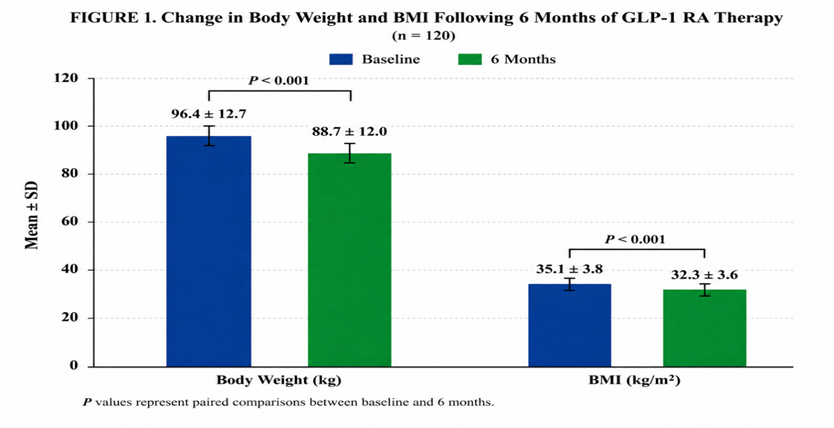
Figure 1: Change in body weight and BMI following GLP-1 receptor agonist therapy
The figure demonstrates the reduction in mean body weight from 96.4 kg at baseline to 88.7 kg at 6 months and the corresponding reduction in mean BMI from 35.1 to 32.3 kg/m².
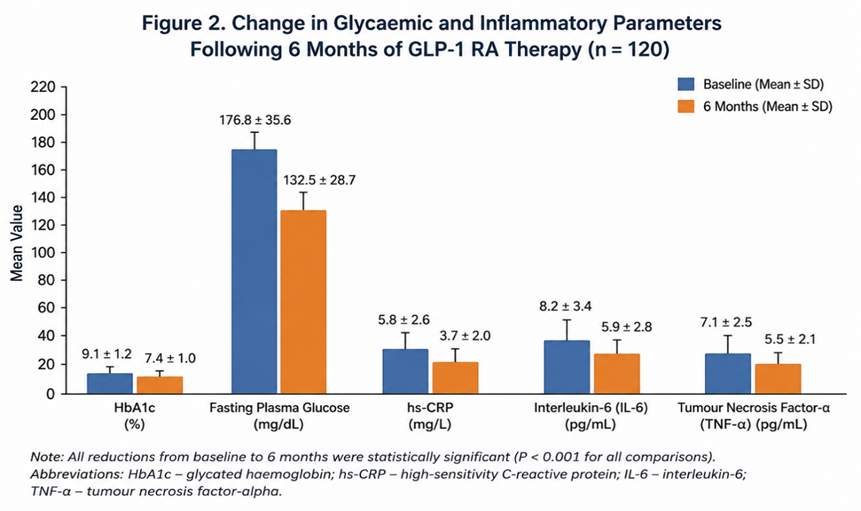
Figure 2: Change in glycaemic and inflammatory parameters following GLP-1 receptor agonist therapy
The figure demonstrates the direction and magnitude of improvement in HbA1c, fasting plasma glucose, hs-CRP, IL-6, and TNF-α following 6 months of therapy.
Summary of Tables and Figures
Table 1 demonstrated that the study population consisted predominantly of middle-aged and older adults, with 58.3% of patients aged ≥50 years. Male patients accounted for 56.7% of the cohort. Diabetes duration exceeded 5 years in 75.8% of patients, indicating a population with established metabolic disease. Hypertension and dyslipidaemia were common associated conditions, occurring in 60.0% and 50.8% of patients, respectively. Class I obesity was the most frequent obesity category, although more than one-fifth of patients had class III obesity.
Table 2 demonstrated significant improvement in anthropometric parameters after 6 months of GLP-1 receptor agonist therapy. Mean body weight decreased by 7.7 kg, representing an approximately 8.0% reduction from baseline, while mean BMI decreased by 2.8 kg/m². Both changes were statistically significant at P<0.001.
Table 3 demonstrated substantial improvement in glycaemic control. Mean fasting plasma glucose decreased by 44.3 mg/dL, while mean HbA1c decreased by 1.7 percentage points. Both changes were statistically significant, with P<0.001 for each parameter.
Table 4 demonstrated significant reductions in all three evaluated inflammatory biomarkers. Mean hs-CRP decreased by 2.1 mg/L, IL-6 by 2.3 pg/mL, and TNF-α by 1.6 pg/mL. All changes reached statistical significance at P<0.001.
Table 5 demonstrated that clinically meaningful weight reduction was achieved by the majority of patients. A total of 91 (75.8%) patients achieved ≥5% weight loss, while 58 (48.3%) achieved ≥10% weight loss and 21 (17.5%) achieved ≥15% weight loss.
Table 6 demonstrated a graded relationship between weight reduction and glycaemic improvement. Patients who achieved ≥10% weight loss had the greatest mean reduction in HbA1c (2.2 ± 0.7%), compared with 1.5 ± 0.6% among those achieving 5–9.9% weight loss and 0.9 ± 0.5% among those with <5% weight loss. The overall association was statistically significant (P<0.001).
Figure 1 visually demonstrates the substantial reduction in both body weight and BMI following 6 months of therapy, while Figure 2 demonstrates the parallel improvement in glycaemic and inflammatory parameters. Collectively, the findings indicate that GLP-1 receptor agonist therapy was associated with simultaneous improvement in anthropometric, glycaemic, and inflammatory measures in this obese T2DM cohort.
DISCUSSION:
The present prospective study evaluated the clinical response to GLP-1 receptor agonist therapy among 120 obese patients with type 2 diabetes mellitus, focusing on changes in body weight, glycaemic control, and inflammatory biomarkers over 6 months [1]. The principal finding was a significant improvement across all three domains. Mean body weight decreased by 7.7 kg, corresponding to an approximately 8.0% reduction from baseline, while mean BMI decreased by 2.8 kg/m². At the same time, HbA1c decreased by 1.7 percentage points and fasting plasma glucose by 44.3 mg/dL [2]. Significant reductions were also observed in hs-CRP, IL-6, and TNF-α. These findings indicate that GLP-1 receptor agonist therapy was associated with a broad improvement in the metabolic profile of obese patients with T2DM rather than an isolated effect on glycaemia [3].
The magnitude of weight reduction observed in this study is clinically relevant. Three-quarters of the participants achieved at least 5% weight loss, while nearly half achieved ≥10% reduction in baseline body weight [4]. Weight reduction of this magnitude is important in obesity-associated diabetes because even moderate reductions in body weight can improve insulin sensitivity and glycaemic control and may favourably influence several cardiometabolic risk factors. Meta-analytic evidence has consistently demonstrated clinically meaningful reductions in body weight and BMI with GLP-1 receptor agonist therapy in patients with obesity and/or T2DM [5,6]. The improvement in glycaemic control was also substantial. Mean HbA1c declined from 9.1% at baseline to 7.4% after 6 months, accompanied by a marked reduction in fasting plasma glucose [7]. The observed HbA1c reduction is consistent with the established glucose-lowering effects of GLP-1 receptor agonists, which include glucose-dependent enhancement of insulin secretion, suppression of inappropriate glucagon secretion, delayed gastric emptying, and reduction in energy intake [8]. The simultaneous improvement in body weight and glycaemia is particularly relevant in patients with obesity because treatment strategies that address both abnormalities may provide greater overall metabolic benefit than therapies directed predominantly at glucose lowering [9]. An important finding was the graded relationship between weight reduction and glycaemic improvement. Patients achieving ≥10% weight loss demonstrated the greatest mean reduction in HbA1c, whereas those with <5% weight loss showed the smallest reduction [10]. Although this observational association does not establish that weight loss alone caused the improvement in glycaemia, it supports the clinical importance of effective weight reduction during GLP-1 receptor agonist treatment [11]. Changes in concomitant antidiabetic therapy and other behavioural factors may also have contributed to the observed glycaemic improvement and should be considered when interpreting this relationship [12].
The inflammatory findings provide an additional dimension to the observed metabolic response. Mean hs-CRP decreased from 5.8 to 3.7 mg/L, while IL-6 and TNF-α also declined significantly [13]. Obesity and T2DM are characterized by chronic low-grade inflammation, with adipose tissue dysfunction contributing to increased production of inflammatory mediators. Therefore, reductions in these biomarkers alongside weight and glycaemic improvement are biologically plausible [14]. Previous meta-analytic evidence has demonstrated reductions in CRP and TNF-α following GLP-1 receptor agonist treatment, although effects on individual inflammatory biomarkers have not been uniformly consistent across studies [15]. The reduction in inflammatory markers should nevertheless be interpreted cautiously. Because the present study was observational and did not include a non-GLP-1 RA control group, it cannot determine whether the observed reduction in inflammatory biomarkers represents a direct anti-inflammatory effect of GLP-1 receptor agonism, an indirect consequence of weight loss and improved glycaemic control, or a combination of these mechanisms [16,17]. The distinction is important because adiposity itself is a major determinant of systemic inflammatory activity. Longer-term controlled studies incorporating mediation analyses would be useful to clarify the independent contribution of GLP-1 receptor signalling to inflammatory modulation [18].
The findings have practical implications for the management of obese patients with T2DM. Treatment selection in this population increasingly requires consideration of body weight in addition to glycaemic targets [19]. The substantial proportion of patients achieving ≥5% and ≥10% weight reduction in the present study supports the role of GLP-1 receptor agonist therapy when weight management is an important therapeutic objective [20]. The accompanying improvement in glycaemic parameters further supports its use in patients requiring simultaneous improvement in metabolic control [21]. The study also has limitations. It was conducted at a single tertiary-care centre and involved a relatively modest sample, which may limit generalizability [22]. The observational design prevents definitive attribution of the observed changes to GLP-1 receptor agonist therapy because changes in concomitant medications, diet, physical activity, and other clinical factors may have influenced outcomes [23]. In addition, the follow-up period was limited to 6 months, and the study did not evaluate whether the improvements in inflammatory biomarkers were sustained over a longer period. Different GLP-1 receptor agonists and treatment regimens were used according to routine clinical practice, which may also introduce treatment heterogeneity [24].
Despite these limitations, the study provides clinically relevant real-world evidence of simultaneous improvement in anthropometric, glycaemic, and inflammatory parameters following GLP-1 receptor agonist therapy in obese patients with T2DM. The consistent direction of change across all evaluated outcomes supports the potential value of GLP-1 receptor agonists as a therapeutic approach that addresses several interconnected components of obesity-associated diabetes [25]. The observed relationship between greater weight loss and greater HbA1c reduction further emphasizes the importance of achieving meaningful weight reduction as part of comprehensive metabolic management. Overall, the findings suggest that GLP-1 receptor agonist therapy may provide benefits extending beyond glucose lowering in obese patients with T2DM, with clinically meaningful reductions in body weight and improvements in glycaemic control accompanied by favourable changes in selected inflammatory biomarkers. Controlled studies with larger populations and longer follow-up are required to determine the durability of these effects and to clarify the extent to which inflammatory improvements are independent of weight loss and glycaemic improvement.
CONCLUSION:
Six months of GLP-1 receptor agonist therapy was associated with significant and clinically meaningful improvements in body weight, BMI, and glycaemic control among obese patients with type 2 diabetes mellitus. Mean body weight decreased by 7.7 kg, while HbA1c and fasting plasma glucose also showed substantial reductions. Significant decreases in hs-CRP, IL-6, and TNF-α were additionally observed, indicating a favourable change in systemic inflammatory activity during treatment. The majority of patients achieved ≥5% weight loss, and nearly half achieved ≥10% weight reduction. Greater weight loss was associated with greater improvement in HbA1c. These findings support the potential utility of GLP-1 receptor agonist therapy as a multidimensional metabolic intervention in obese patients with T2DM. However, larger controlled studies with longer follow-up are required to establish the durability of these effects and to clarify whether the observed reduction in inflammatory biomarkers is independent of weight loss and improved glycaemic control.
REFERENCES:
1. American Diabetes Association Professional Practice Committee for Obesity. 8. Obesity and Weight Management for the Prevention and Treatment of Diabetes: Standards of Care in Diabetes—2026. Diabetes Care. 2026;49(Suppl 1):S166-S182.
2. Rosen CJ, Ingelfinger JR. GLP-1 Receptor Agonists. N Engl J Med. 2026;394(13):1313-1324.
3. Moiz A, Filion KB, Tsoukas MA, Yu OH, Peters TM, Eisenberg MJ. Mechanisms of GLP-1 receptor agonist-induced weight loss: A review of central and peripheral pathways in appetite and energy regulation. Am J Med. 2025;138(6):934-940.
4. Drucker DJ. Mechanisms of action and therapeutic application of glucagon-like peptide-1. Cell Metab. 2018;27(4):740-756.
5. Nauck MA, Meier JJ. The incretin effect in healthy individuals and those with type 2 diabetes: physiology and pharmacological implications. Diabetes Obes Metab. 2018;20(Suppl 1):5-21.
6. Buse JB, Rosenstock J, Sesti G, Schmidt WE, Montanya E, Brett JH, et al. Liraglutide once a day versus exenatide twice a day for type 2 diabetes: a 26-week randomised, parallel-group, multinational, open-label trial (LEAD-6). Lancet. 2009;374(9683):39-47.
7. Potts JE, Gray LJ, Brady EM, Khunti K, Davies MJ, Bodicoat DH. The effect of glucagon-like peptide-1 receptor agonists on weight loss in type 2 diabetes: a systematic review and mixed treatment comparison meta-analysis. PLoS One. 2015;10(6):e0126769.
8. Pi-Sunyer X, Astrup A, Fujioka K, Greenway F, Halpern A, Krempf M, et al. A randomized, controlled trial of 3.0 mg of liraglutide in weight management. N Engl J Med. 2015;373(1):11-22.
9. Marso SP, Daniels GH, Brown-Frandsen K, Kristensen P, Mann JFE, Nauck MA, et al. Liraglutide and cardiovascular outcomes in type 2 diabetes. N Engl J Med. 2016;375(4):311-322.
10. Marso SP, Bain SC, Consoli A, Eliaschewitz FG, Jódar E, Leiter LA, et al. Semaglutide and cardiovascular outcomes in patients with type 2 diabetes. N Engl J Med. 2016;375(19):1834-1844.
11. Gerstein HC, Colhoun HM, Dagenais GR, Diaz R, Lakshmanan M, Pais P, et al. Dulaglutide and cardiovascular outcomes in type 2 diabetes (REWIND): a double-blind, randomised placebo-controlled trial. Lancet. 2019;394(10193):121-130.
12. Kristensen SL, Rørth R, Jhund PS, Docherty KF, Sattar N, Preiss D, et al. Cardiovascular, mortality, and kidney outcomes with GLP-1 receptor agonists in patients with type 2 diabetes: a systematic review and meta-analysis of cardiovascular outcome trials. Lancet Diabetes Endocrinol. 2019;7(10):776-785.
13. Wilding JPH, Batterham RL, Calanna S, Davies M, Van Gaal LF, Lingvay I, et al. Once-weekly semaglutide in adults with overweight or obesity. N Engl J Med. 2021;384(11):989-1002.
14. Davies M, Færch L, Jeppesen OK, Pakseresht A, Pedersen SD, Perreault L, et al. Semaglutide 2.4 mg once a week in adults with overweight or obesity, and type 2 diabetes (STEP 2): a randomised, double-blind, double-dummy, placebo-controlled, phase 3 trial. Lancet. 2021;397(10278):971-984.
15. Frías JP, Davies MJ, Rosenstock J, Pérez Manghi FC, Fernández Landó L, Bergman BK, et al. Tirzepatide versus semaglutide once weekly in patients with type 2 diabetes. N Engl J Med. 2021;385(6):503-515.
16. Jastreboff AM, Aronne LJ, Ahmad NN, Wharton S, Connery L, Alves B, et al. Tirzepatide once weekly for the treatment of obesity. N Engl J Med. 2022;387(3):205-216.
17. Wilding JPH, Batterham RL, Davies M, Van Gaal LF, Kandler K, Konakli K, et al. Weight regain and cardiometabolic effects after withdrawal of semaglutide: the STEP 1 trial extension. Diabetes Obes Metab. 2022;24(8):1553-1564.
18. Jia X, Huang X, Li H, Li L, Liu F, Zhang Y, et al. GLP-1 receptor agonists and cardiovascular disease: a meta-analysis of recent cardiac outcome trials. Cardiovasc Drugs Ther. 2018;32(1):33-41.
19. Ryan DH, Lingvay I, Colhoun HM, Deanfield J, Emerson SS, Kahn SE, et al. Semaglutide effects on cardiovascular outcomes in people with overweight or obesity (SELECT) rationale and design. Am Heart J. 2020;229:61-69.
20. Ellulu MS, Patimah I, Khaza'ai H, Rahmat A, Abed Y. Obesity and inflammation: the linking mechanism and the complications. Arch Med Sci. 2017;13(4):851-863.
21. Donath MY. Inflammation as a link between insulin resistance, obesity and diabetes. J Clin Invest. 2009;119(5):1159-1167.
22. Dandona P, Aljada A, Bandyopadhyay A. Inflammation: the link between insulin resistance, obesity and diabetes. Trends Immunol. 2004;25(1):4-7.
23. Mazidi M, Karimi E, Rezaie P, et al. Glucagon-like peptide-1 receptor agonists improve biomarkers of inflammation and oxidative stress: a systematic review and meta-analysis of randomised controlled trials. Diabetes Obes Metab. 2021;23(3):802-812.
24. Wong HJ, Sim B, Teo YH, Teo YN, Chan MY, Yeo LLL, et al. Efficacy of GLP-1 receptor agonists on weight loss, BMI, and waist circumference for patients with obesity or overweight: a systematic review, meta-analysis, and meta-regression of 47 randomized controlled trials. Diabetes Care. 2025;48(4):e54-e56.
25. Kanbay M, et al. Effects of GLP-1 receptor agonists and dual GIP/GLP-1 receptor agonists on inflammatory and metabolic biomarkers in type 2 diabetes: a systematic review and meta-analysis. Diabetes Obes Metab. 2026. doi:10.1111/dom.71106.