Intravenous Dexmedetomidine versus Dexamethasone as Adjuvants to Ultrasound-Guided Peripheral Nerve Blocks.
- Veereshkumar Gobburkar , Senior Resident Department of Anesthesiology ESIC Medical College, Gulbarga, Karnataka.
- J Vennela , Senior Resident Department of Anesthesiology ESIC Medical College, Gulbarga, Karnataka.
- Syeda Maryam Quadri , Senior Resident Department of Anaesthesiology ESIC Medical College, Kalaburagi, Karnataka.
Article Information:
Abstract:
Background: Peripheral nerve blocks provide effective perioperative analgesia; however, the limited duration of local anaesthetic action often necessitates the use of adjuvants. Dexmedetomidine and dexamethasone have been widely investigated for prolonging block duration and improving postoperative analgesia. This study aimed to compare intravenous dexmedetomidine versus dexamethasone as adjuvants to ultrasound-guided peripheral nerve blocks in patients undergoing upper limb surgeries. Methods: This prospective, randomized, double-blind comparative study included 90 patients undergoing elective upper limb surgeries under ultrasound-guided supraclavicular brachial plexus block. Patients were randomly allocated into two groups of 45 each to receive either intravenous dexmedetomidine (Group DEX) or intravenous dexamethasone (Group DXM) as an adjuvant. Block onset time, duration of sensory and motor blockade, postoperative analgesia duration, rescue analgesic requirement, pain scores, haemodynamic changes, and adverse effects were assessed. Results: Dexmedetomidine significantly reduced sensory block onset time (8.24 ± 1.67 vs 10.02 ± 1.89 min) and motor block onset time (10.36 ± 2.04 vs 12.11 ± 2.23 min) compared with dexamethasone (p<0.001). Sensory and motor block duration were significantly prolonged with dexmedetomidine (758.4 ± 86.4 vs 681.3 ± 79.6 min and 708.5 ± 81.3 vs 637.1 ± 74.8 min, respectively; p<0.001). Dexmedetomidine also increased duration of analgesia and reduced 24-hour rescue analgesic consumption. However, higher incidences of bradycardia and sedation were observed. Conclusion: Intravenous dexmedetomidine provides superior prolongation of peripheral nerve block and postoperative analgesia compared with dexamethasone, although careful monitoring is required due to increased haemodynamic effects.
Keywords:
Article :
INTRODUCTION:
Effective perioperative pain management is a cornerstone of modern anaesthetic practice, as inadequate analgesia can delay recovery, impair mobilization, increase postoperative complications, and reduce patient satisfaction.[1] Although opioids remain an important component of perioperative analgesic protocols, their use is associated with adverse effects such as nausea, vomiting, respiratory depression, pruritus, sedation, and prolonged recovery.[2] Therefore, multimodal analgesic approaches incorporating regional anaesthesia techniques have gained widespread acceptance for providing effective analgesia while minimizing opioid requirements.Peripheral nerve blocks (PNBs) provide targeted analgesia by interrupting nociceptive transmission through selective neural blockade.
They offer several advantages, including superior postoperative pain relief, reduced systemic analgesic consumption, fewer opioid-related adverse effects, and improved functional recovery.[3] The introduction of ultrasound guidance has significantly enhanced the safety and efficacy of peripheral nerve blocks by allowing precise identification of neural structures, accurate needle placement, reduced complications, and improved block success rates.Brachial plexus blockade is an established regional anaesthetic technique for upper limb surgeries, providing reliable surgical anaesthesia and prolonged postoperative analgesia.[4] Among various approaches, ultrasound-guided supraclavicular brachial plexus block provides a dense and predictable block due to the compact arrangement of neural elements at this level, resulting in rapid onset and effective anaesthesia for upper extremity procedures. However, the duration of analgesia provided by local anaesthetic agents alone may be limited and may not adequately cover prolonged postoperative pain.[5]
Hence, various adjuvants have been investigated to enhance block quality and prolong analgesic duration.Several agents, including opioids, clonidine, magnesium sulphate, epinephrine, and corticosteroids, have been studied as additives to local anaesthetics. Among these, dexamethasone and dexmedetomidine have gained significant attention because of their ability to prolong sensory and motor blockade and reduce postoperative analgesic requirements.[6]Dexamethasone is a potent synthetic glucocorticoid with anti-inflammatory and analgesic properties. It prolongs peripheral nerve block duration through inhibition of inflammatory mediator release, modulation of nociceptive pathways, suppression of C-fibre activity, and possible reduction in local anaesthetic absorption.[7]
Intravenous dexamethasone has been increasingly preferred due to its ease of administration and avoidance of concerns associated with perineural steroid injection, while also providing additional antiemetic and anti-inflammatory benefits.[8]Dexmedetomidine, a highly selective α2-adrenergic receptor agonist, has emerged as another promising adjuvant in regional anaesthesia. It enhances analgesia through central and peripheral α2 receptor activation, inhibition of nociceptive transmission, reduction of sympathetic activity, and prolongation of local anaesthetic action.[9,10]
Clinical studies have demonstrated that dexmedetomidine may accelerate block onset, prolong sensory and motor blockade, and decrease postoperative opioid consumption. However, its use may be associated with adverse effects such as bradycardia, hypotension, and excessive sedation.[11]Although both dexmedetomidine and dexamethasone have demonstrated efficacy in prolonging peripheral nerve block analgesia, their comparative effectiveness and safety profile remain variable across different studies.[12] Differences in mechanisms of action, analgesic duration, haemodynamic effects, and adverse event profiles make direct comparison clinically relevant.
Therefore, the present randomized double-blind prospective study was designed to compare intravenous dexmedetomidine versus dexamethasone as adjuvants to ultrasound-guided peripheral nerve blocks in patients undergoing upper limb surgeries.
MATERIALS AND METHODS:
Study Design and Study Setting
The present study was conducted as a prospective, randomized, double-blind comparative clinical study to evaluate and compare the efficacy and safety of intravenous dexmedetomidine versus dexamethasone as adjuvants to ultrasound-guided peripheral nerve blocks in patients undergoing upper limb surgeries.The study was conducted in the Department of Anaesthesiology .The study was carried out over a period of 18 months. Written informed consent was obtained from all participants after explaining the study protocol, procedure, potential benefits, and possible risks.
Study Population
The study included adult patients scheduled for elective upper limb surgical procedures under ultrasound-guided supraclavicular brachial plexus block. A total of 90 patients fulfilling the inclusion criteria were enrolled and randomly allocated into two groups of 45 patients each.
Group DEX (n=45)
Patients received intravenous dexmedetomidine as an adjuvant along with local anaesthetic for ultrasound-guided peripheral nerve block.
Group DXM (n=45)
Patients received intravenous dexamethasone as an adjuvant along with local anaesthetic for ultrasound-guided peripheral nerve block.
Randomization and Blinding
Patients were randomly allocated into two groups using a computer-generated randomization sequence.Allocation concealment was maintained using sequentially numbered sealed opaque envelopes. The study drugs were prepared by an anaesthesiologist who was not involved in patient assessment or outcome evaluation.The patients and the investigator responsible for recording block characteristics and postoperative outcomes were blinded to the group allocation.
Inclusion Criteria
Patients fulfilling the following criteria were included:
• Patients aged between 18–60 years.
• Patients belonging to American Society of Anesthesiologists (ASA) physical status I and II.
• Patients scheduled for elective upper limb surgeries under ultrasound-guided supraclavicular brachial plexus block.
• Patients willing to participate and provide written informed consent.
• Surgery expected to last less than 3 hours.
Exclusion Criteria
Patients were excluded if they had:
• Refusal to participate in the study.
• Known allergy or hypersensitivity to study drugs or local anaesthetics.
• Significant cardiovascular, respiratory, hepatic, or renal disease.
• Coagulopathy or bleeding disorders.
• Pre-existing neurological deficit involving the operative limb.
• Local infection at the block site.
• Pregnancy or lactation.
• Chronic analgesic or opioid use.
• Contraindications to regional anaesthesia.
Preoperative Assessment
All patients underwent detailed preoperative evaluation including history, physical examination, airway assessment, and review of relevant investigations.Baseline parameters including heart rate, blood pressure, respiratory rate, oxygen saturation, and electrocardiogram were recorded.Patients were kept fasting according to standard fasting guidelines. Intravenous access was secured, and standard monitoring including electrocardiography, non-invasive blood pressure monitoring, and pulse oximetry was established before performing the block.
Anaesthetic Technique
After shifting the patient to the operating room, standard monitoring was applied. Baseline heart rate, mean arterial pressure, oxygen saturation, and respiratory rate were recorded.All patients received oxygen supplementation through a face mask. Minimal sedation was administered when required, maintaining patient responsiveness during the block procedure.
Ultrasound-Guided Supraclavicular Brachial Plexus Block Technique
The patient was positioned supine with the head turned away from the side of surgery. Under strict aseptic precautions, a high-frequency linear ultrasound probe was placed in the supraclavicular region to identify the brachial plexus elements lateral and superior to the subclavian artery.A sterile needle was advanced under real-time ultrasound guidance using an in-plane technique. After negative aspiration, the local anaesthetic solution containing the assigned adjuvant was injected incrementally around the brachial plexus sheath.The adequacy of block was assessed clinically by sensory and motor blockade.
Study Drug Administration
Patients were allocated to receive one of the following intravenous adjuvants:
Group DEX (Dexmedetomidine Group)
Patients received intravenous dexmedetomidine as an adjuvant according to the study protocol.
Group DXM (Dexamethasone Group)
Patients received intravenous dexamethasone as an adjuvant according to the study protocol.
Both groups received the same local anaesthetic regimen for ultrasound-guided peripheral nerve block.
Assessment of Block Characteristics
The following parameters were assessed:
Sensory Block Assessment
Sensory blockade was evaluated using response to cold sensation or pinprick testing in the distribution of the brachial plexus nerves.Sensory block onset time was defined as the time interval between completion of local anaesthetic injection and achievement of complete sensory blockade.Duration of sensory block was defined as the time from onset of complete sensory blockade until complete return of sensation.
Motor Block Assessment
Motor blockade was assessed using standard motor function grading.Motor block onset time was defined as the time required to achieve complete motor blockade after injection of local anaesthetic.Duration of motor block was recorded from the onset of complete motor blockade until complete recovery of motor function.
Assessment of Postoperative Analgesia
Postoperative pain was assessed using the Visual Analogue Scale (VAS), where 0 represented no pain and 10 represented worst imaginable pain.
The following parameters were recorded:
• Duration of analgesia.
• Time to first rescue analgesic requirement.
• Total analgesic consumption during the first 24 hours.
• Number of rescue analgesic doses required.
Rescue analgesia was administered when the VAS score exceeded the predefined threshold.
Haemodynamic and Safety Monitoring
Patients were monitored intraoperatively and postoperatively for:
• Heart rate changes.
• Mean arterial pressure variations.
• Oxygen saturation.
• Sedation level.
• Bradycardia.
• Hypotension.
• Nausea and vomiting.
• Other adverse events related to study drugs.
Any adverse effects were recorded and managed according to standard clinical protocols.
Outcome Measures
Primary Outcome
• Comparison of duration of postoperative analgesia between intravenous dexmedetomidine and dexamethasone groups.
Secondary Outcomes
• Sensory block onset time.
• Motor block onset time.
• Duration of sensory blockade.
• Duration of motor blockade.
• Postoperative analgesic requirement.
• Haemodynamic changes.
• Incidence of adverse effects.
Statistical Analysis
Data were collected, entered, and analysed using SPSS.21 statistical software.Continuous variables were expressed as mean ± standard deviation or median (interquartile range) depending on data distribution. Categorical variables were expressed as frequency and percentage.Comparison between two groups was performed using independent sample t-test or Mann–Whitney U test for continuous variables and Chi-square test or Fisher’s exact test for categorical variables.A p-value of <0.05 was considered statistically significant.
RESULTS:
A total of 90 patients undergoing upper limb surgeries under ultrasound-guided supraclavicular brachial plexus block were enrolled in the study and randomly allocated into two groups: Group DEX (intravenous dexmedetomidine, n=45) and Group DXM (intravenous dexamethasone, n=45). All patients completed the study protocol and were included in the final analysis.The demographic and baseline characteristics of both groups were comparable.
The mean age of patients was 39.6 ± 10.4 years in Group DEX and 40.8 ± 11.2 years in Group DXM, with no statistically significant difference between the groups (p=0.608). Similarly, BMI, gender distribution, ASA physical status, duration of surgery, and type of surgical procedures were comparable between both groups (Table 1).
The distribution of orthopaedic and soft tissue procedures was also similar between the two groups, indicating adequate baseline comparability.The characteristics of ultrasound-guided peripheral nerve block showed significant differences between the groups. Patients receiving dexmedetomidine demonstrated significantly faster onset of sensory blockade compared with dexamethasone (8.24 ± 1.67 min vs 10.02 ± 1.89 min; p<0.001). Similarly, motor block onset was significantly earlier in the dexmedetomidine group (10.36 ± 2.04 min vs 12.11 ± 2.23 min; p<0.001). The duration of sensory blockade was significantly prolonged with dexmedetomidine (758.4 ± 86.4 min) compared with dexamethasone (681.3 ± 79.6 min; p<0.001). A similar prolongation was observed in motor block duration (708.5 ± 81.3 min vs 637.1 ± 74.8 min; p<0.001) (Table 2; Figure 1).
Postoperative analgesic outcomes demonstrated superior analgesic efficacy with dexmedetomidine. The duration of analgesia was significantly longer in Group DEX compared with Group DXM (812.4 ± 91.5 min vs 721.6 ± 84.3 min; p<0.001). The time to first rescue analgesic requirement was also significantly delayed in the dexmedetomidine group (826.5 ± 94.4 min vs 738.3 ± 87.6 min; p<0.001). Furthermore, patients receiving dexmedetomidine required significantly lower rescue analgesic consumption during the first 24 hours (76.7 ± 30.5 mg vs 103.3 ± 34.8 mg tramadol equivalent; p<0.001). The requirement of two or more rescue analgesic doses was significantly lower in Group DEX (22.2%) compared with Group DXM (46.7%; p=0.014) (Table 3).
Postoperative pain assessment using the Visual Analogue Scale (VAS) showed comparable pain scores during the initial postoperative period. However, significantly lower VAS scores were observed in the dexmedetomidine group at 6 hours (1.11 ± 0.68 vs 1.49 ± 0.73; p=0.012), 8 hours (1.71 ± 0.79 vs 2.42 ± 0.86; p<0.001), and 12 hours (3.12 ± 0.92 vs 3.84 ± 1.02; p=0.001) after surgery. At 24 hours, the difference between groups was not statistically significant (p=0.164) (Table 4; Figure 2).
Haemodynamic monitoring revealed comparable baseline heart rate and mean arterial pressure values between both groups. However, patients receiving dexmedetomidine showed a greater reduction in intraoperative heart rate and mean arterial pressure. The lowest recorded heart rate was significantly lower in Group DEX compared with Group DXM (62.8 ± 8.4 vs 71.6 ± 9.2 beats/min; p<0.001). Similarly, the lowest intraoperative MAP was significantly lower in the dexmedetomidine group (74.8 ± 7.9 vs 80.2 ± 8.4 mmHg; p=0.003). Bradycardia episodes were more frequent with dexmedetomidine (13.3% vs 2.2%; p=0.049) (Table 5).
Assessment of adverse effects and recovery profile showed that dexmedetomidine was associated with a higher incidence of sedation and haemodynamic effects. Sedation score >3 was observed in 17.8% of patients in Group DEX compared with 4.4% in Group DXM (p=0.041). Bradycardia was also significantly higher in the dexmedetomidine group (13.3% vs 2.2%; p=0.049). The incidence of hypotension, nausea/vomiting, and delayed recovery was comparable between both groups (Table 6; Figure 3).
Table 1: Demographic and Baseline Characteristics of Study Participants
|
Parameter |
Group DEX (n=45) |
Group DXM (n=45) |
p-value |
|
Age (years) (Mean ± SD) |
39.6 ± 10.4 |
40.8 ± 11.2 |
0.608 |
|
BMI (kg/m²) (Mean ± SD) |
24.4 ± 2.8 |
24.7 ± 3.1 |
0.645 |
|
Gender (Male/Female) |
28/17 |
27/18 |
0.820 |
|
ASA Grade I/II |
29/16 |
27/18 |
0.650 |
|
Duration of surgery (min) |
92.5 ± 18.6 |
94.2 ± 19.4 |
0.672 |
|
Type of surgery |
|||
|
Orthopaedic procedures |
32 (71.1%) |
31 (68.9%) |
0.812 |
|
Soft tissue procedures |
13 (28.9%) |
14 (31.1%) |
Values expressed as Mean ± SD or n (%). p <0.05 considered statistically significant.
Table 2: Comparison of Block Characteristics Between Both Groups
|
Block Parameter |
Group DEX (n=45) |
Group DXM (n=45) |
p-value |
|
Sensory block onset time (min) |
8.24 ± 1.67 |
10.02 ± 1.89 |
<0.001* |
|
Motor block onset time (min) |
10.36 ± 2.04 |
12.11 ± 2.23 |
<0.001* |
|
Duration of sensory block (min) |
758.4 ± 86.4 |
681.3 ± 79.6 |
<0.001* |
|
Duration of motor block (min) |
708.5 ± 81.3 |
637.1 ± 74.8 |
<0.001* |
*Statistically significant
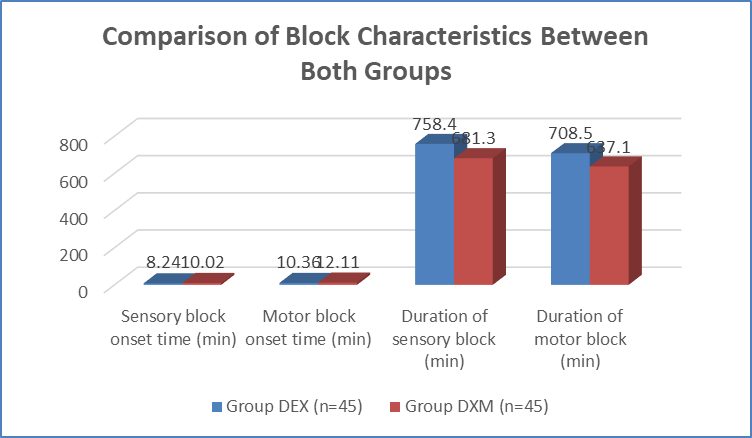
Figure 1 Comparison of Block Characteristics Between Both Groups
Table 3: Comparison of Postoperative Analgesic Outcomes Between Groups
|
Analgesic Parameter |
Group DEX (n=45) |
Group DXM (n=45) |
p-value |
|
Duration of analgesia (min) |
812.4 ± 91.5 |
721.6 ± 84.3 |
<0.001* |
|
Time to first rescue analgesic (min) |
826.5 ± 94.4 |
738.3 ± 87.6 |
<0.001* |
|
24-hour rescue analgesic requirement (mg tramadol equivalent) |
76.7 ± 30.5 |
103.3 ± 34.8 |
<0.001* |
|
Patients requiring ≥2 rescue doses |
10 (22.2%) |
21 (46.7%) |
0.014* |
*Statistically significant
Table 4: Comparison of Postoperative Pain Scores (VAS) at Different Time Intervals
|
Time Interval |
Group DEX (n=45) |
Group DXM (n=45) |
p-value |
|
0 hour |
0 |
0 |
— |
|
2 hours |
0.42 ± 0.50 |
0.51 ± 0.55 |
0.421 |
|
4 hours |
0.71 ± 0.62 |
0.89 ± 0.65 |
0.187 |
|
6 hours |
1.11 ± 0.68 |
1.49 ± 0.73 |
0.012* |
|
8 hours |
1.71 ± 0.79 |
2.42 ± 0.86 |
<0.001* |
|
12 hours |
3.12 ± 0.92 |
3.84 ± 1.02 |
0.001* |
|
24 hours |
4.21 ± 0.88 |
4.48 ± 0.91 |
0.164 |
*Statistically significant
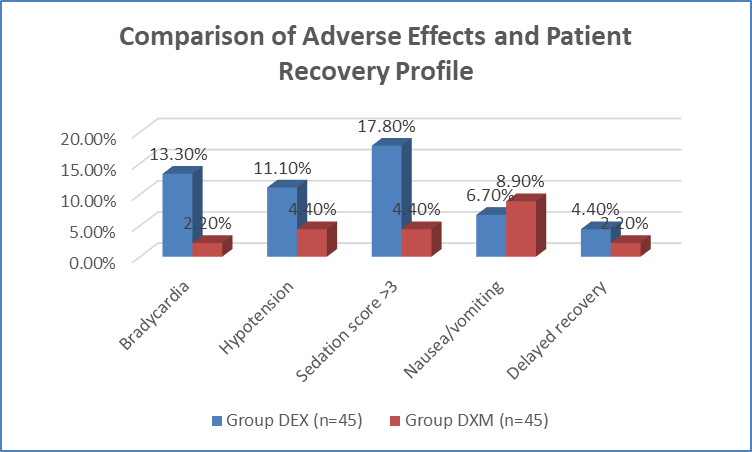
Figure 2 Comparison of Postoperative Pain Scores (VAS) at Different Time Intervals
Table 5: Intraoperative Haemodynamic Changes Between Groups
|
Parameter |
Group DEX (n=45) |
Group DXM (n=45) |
p-value |
|
Baseline Heart Rate (beats/min) |
82.6 ± 9.8 |
81.9 ± 10.1 |
0.742 |
|
Lowest intraoperative HR |
62.8 ± 8.4 |
71.6 ± 9.2 |
<0.001* |
|
Baseline MAP (mmHg) |
92.4 ± 8.6 |
93.1 ± 9.0 |
0.704 |
|
Lowest intraoperative MAP |
74.8 ± 7.9 |
80.2 ± 8.4 |
0.003* |
|
Bradycardia episodes |
6 (13.3%) |
1 (2.2%) |
0.049* |
|
Hypotension episodes |
5 (11.1%) |
2 (4.4%) |
0.238 |
*Statistically significant
Table 6: Comparison of Adverse Effects and Patient Recovery Profile
|
Adverse Effect |
Group DEX (n=45) |
Group DXM (n=45) |
p-value |
|
Bradycardia |
6 (13.3%) |
1 (2.2%) |
0.049* |
|
Hypotension |
5 (11.1%) |
2 (4.4%) |
0.238 |
|
Sedation score >3 |
8 (17.8%) |
2 (4.4%) |
0.041* |
|
Nausea/vomiting |
3 (6.7%) |
4 (8.9%) |
0.694 |
|
Delayed recovery |
2 (4.4%) |
1 (2.2%) |
0.557 |
*Statistically significant
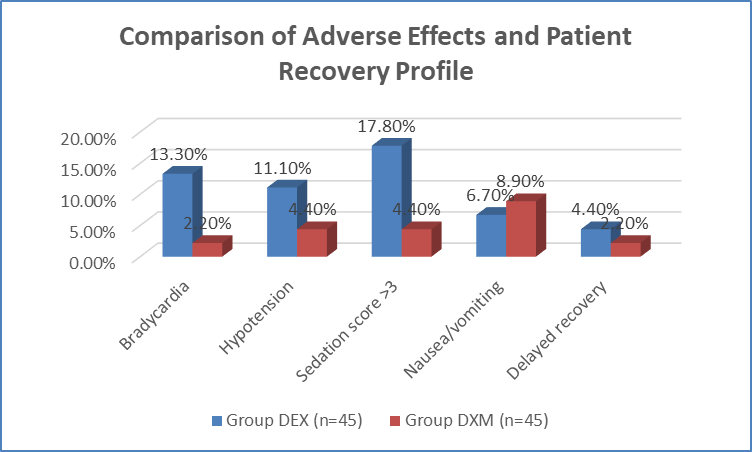
Figure 3 Comparison of Adverse Effects and Patient Recovery Profile
DISCUSSION:
The present prospective randomized double-blind comparative study evaluated the efficacy of intravenous dexmedetomidine versus dexamethasone as adjuvants to ultrasound-guided peripheral nerve blocks in 90 patients undergoing upper limb surgeries. Patients were randomly allocated into two groups of 45 each. The study demonstrated that dexmedetomidine significantly improved block characteristics by reducing sensory and motor block onset time, prolonging block duration, extending postoperative analgesia, and decreasing rescue analgesic requirements compared with dexamethasone. However, dexmedetomidine was associated with increased haemodynamic effects, particularly bradycardia and sedation.Both groups were comparable regarding demographic and baseline characteristics, including age, BMI, gender distribution, ASA grade, duration of surgery, and type of procedures (Table 1), suggesting that differences in outcomes were primarily related to the adjuvant used.
Similar baseline comparability was reported by Nagaraju et al. (2023)[13] in their randomized study comparing dexmedetomidine and dexamethasone during supraclavicular brachial plexus block.Dexmedetomidine produced significantly faster sensory (8.24 ± 1.67 vs 10.02 ± 1.89 min; p<0.001) and motor block onset (10.36 ± 2.04 vs 12.11 ± 2.23 min; p<0.001) compared with dexamethasone. It also prolonged sensory (758.4 ± 86.4 vs 681.3 ± 79.6 min; p<0.001) and motor block duration (708.5 ± 81.3 vs 637.1 ± 74.8 min; p<0.001) (Table 2). These effects may be attributed to α2-adrenergic receptor-mediated hyperpolarization of neuronal membranes, inhibition of nerve conduction, and suppression of nociceptive transmission. Similar findings were reported by Nagaraju et al. (2023)[13] and Mangal et al. (2018)[14], who demonstrated improved block characteristics with dexmedetomidine. However, Venkatraman et al. (2021)[15] observed longer analgesia with dexamethasone, highlighting the influence of drug dose, local anaesthetic, and block technique on outcomes.
Postoperative analgesic efficacy was significantly superior with dexmedetomidine. The duration of analgesia (812.4 ± 91.5 vs 721.6 ± 84.3 min; p<0.001), time to first rescue analgesia (826.5 ± 94.4 vs 738.3 ± 87.6 min; p<0.001), and 24-hour tramadol consumption (76.7 ± 30.5 vs 103.3 ± 34.8 mg; p<0.001) were significantly improved in the dexmedetomidine group. The requirement of ≥2 rescue analgesic doses was also lower with dexmedetomidine (22.2% vs 46.7%; p=0.014) (Table 3). These findings are consistent with Das et al. (2014)[16] and Ping et al. (2017)[17], who reported prolonged analgesia and reduced opioid consumption with dexmedetomidine as a regional anaesthetic adjuvant.Pain scores were comparable during the early postoperative period; however, significantly lower VAS scores were observed with dexmedetomidine at 6, 8, and 12 hours (Table 4). At 24 hours, the difference became insignificant due to regression of block effect and increasing inflammatory pain contribution.Despite superior analgesic efficacy, dexmedetomidine resulted in greater haemodynamic effects. The lowest heart rate and MAP were significantly lower in the dexmedetomidine group (Table 5). Bradycardia (13.3% vs 2.2%; p=0.049) and sedation score >3 (17.8% vs 4.4%; p=0.041) were more frequent with dexmedetomidine (Table 6). These findings correspond with its sympatholytic and sedative properties.
CONCLUSION:
Intravenous dexmedetomidine as an adjuvant to ultrasound-guided peripheral nerve block provided superior block characteristics compared with dexamethasone, with faster onset and prolonged duration of sensory and motor blockade. It significantly extended postoperative analgesia, delayed the requirement of rescue analgesics, and reduced overall analgesic consumption during the first 24 hours. However, dexmedetomidine was associated with a higher incidence of bradycardia, sedation, and haemodynamic variations. Therefore, intravenous dexmedetomidine can be considered an effective adjuvant for enhancing analgesic efficacy, with careful monitoring for cardiovascular adverse effects.
LIMITATIONS
The study was conducted with a relatively small sample size of 90 patients and at a single centre, which may limit the generalizability of the findings. The study evaluated short-term postoperative outcomes; therefore, long-term effects and functional recovery were not assessed. Variation in surgical procedures and individual patient responses may have influenced analgesic outcomes. Larger multicentric studies with longer follow-up are required to validate these findings.
REFERENCES:
1. Bruce BG, Green A, Blaine TA, Wesner LV. Brachial plexus blocks for upper extremity orthopaedic surgery. J Am Acad Orthop Surg. 2012;20(1):38-47.
2. Picard PR, Tramèr MR, McQuay HJ, Moore RA. Analgesic efficacy of peripheral opioids (all except intra-articular): a qualitative systematic review of randomised controlled trials. Pain. 1997;72(3):309-318.
3. Murphy DB, McCartney CJ, Chan VW. Novel analgesic adjuncts for brachial plexus block: a systematic review. Anesth Analg. 2000;90(5):1122-1128.
4. Kohane DS, Lu NT, Cairns BE, Berde CB. Effects of adrenergic agonists and antagonists on tetrodotoxin-induced nerve block. Reg Anesth Pain Med. 2001;26(3):239-245.
5. Swami SS, Keniya VM, Ladi SD, Rao R. Comparison of dexmedetomidine and clonidine (α2 agonist drugs) as an adjuvant to local anaesthesia in supraclavicular brachial plexus block: a randomised double-blind prospective study. Indian J Anaesth. 2012;56(3):243-249.
6. Tabaeizavareh MH, Omranifard M, Moalemi A. The effect of verapamil as an adjuvant agent with local anesthetic on sensory block level, hemodynamic and postoperative pain. Pak J Med Sci. 2012;28(2):259-262.
7. Gunduz A, Bilir A, Gulec S. Magnesium added to prilocaine prolongs the duration of axillary plexus block. Reg Anesth Pain Med. 2006;31(3):233-236.
8. Gandhi R, Shah A, Patel I. Use of dexmedetomidine along with bupivacaine for brachial plexus block. Natl J Med Res. 2012;2(1):67-69.
9. Keniya VM, Ladi S, Naphade R. Dexmedetomidine attenuates sympathoadrenal response to tracheal intubation and reduces perioperative anaesthetic requirement. Indian J Anaesth. 2011;55(4):352-357.
10. Brummett CM, Amodeo FS, Janda AM, Padda AK, Lydic R. Perineural dexmedetomidine provides an increased duration of analgesia to a thermal stimulus when compared with a systemic control in a rat sciatic nerve block. Reg Anesth Pain Med. 2010;35(5):427-431.
11. Brummett CM, Hong EK, Janda AM, Amodeo FS, Lydic R. Perineural dexmedetomidine added to ropivacaine for sciatic nerve block in rats prolongs the duration of analgesia by blocking the hyperpolarization-activated cation current. Anesthesiology. 2011;115(4):836-843.
12. Yadav RK, Sah BP, Kumar P, Singh SN. Effectiveness of addition of neostigmine or dexamethasone to local anaesthetic in providing perioperative analgesia for brachial plexus block: a prospective, randomized, double blinded, controlled study. Kathmandu Univ Med J (KUMJ). 2008;6(3):302-309.
13. Nagaraju A, Sahu L, Das S, Muni M. Comparative evaluation of dexmedetomidine and dexamethasone as adjuvants in supraclavicular brachial plexus block. Cureus. 2023;15(5):e38775.
14. Mangal V, Mistry T, Sharma G, Kazim M, Ahuja N, Kulshrestha A, et al. Effects of dexmedetomidine as an adjuvant to ropivacaine in ultrasound-guided supraclavicular brachial plexus block: a prospective, randomized, double-blind study. J Anaesthesiol Clin Pharmacol. 2018;34(3):357-361.
15. Venkatraman R, Pushparani A, Karthik K, Nandhini P. Comparison of morphine, dexmedetomidine and dexamethasone as an adjuvant to ropivacaine in ultrasound-guided supraclavicular brachial plexus block for postoperative analgesia: a randomized controlled trial. J Anaesthesiol Clin Pharmacol. 2021;37(1):102-107.
16. Das A, Majumdar S, Halder S, Chattopadhyay S, Pal S, Kundu R, et al. Effect of dexmedetomidine as adjuvant in ropivacaine-induced supraclavicular brachial plexus block: a prospective, double-blinded and randomized controlled study. Saudi J Anaesth. 2014;8(Suppl 1):S72-S77. Retracted in: Saudi J Anaesth. 2020;14(3):422.
17. Ping Y, Ye Q, Wang W, Ye P, You Z. Dexmedetomidine as an adjuvant to local anesthetics in brachial plexus blocks: a meta-analysis of randomized controlled trials. Medicine (Baltimore). 2017;96(4):e5846.