Comparison of Pulmonary Function Test Among Hypertensive And Non-Hypertensive Adult.
- Atul Kumar Jha , PG Scholar, Department of Physiology, Shyam Shah Medical College, Rewa, Madhya Pradesh
- Aruna Singh , Professor and Head, Department of Physiology, Shyam Shah Medical College, Rewa, Madhya Pradesh
- Aashutosh Asati , Associate Professor and Head, Department of Pulmonary Medicine, Shyam Shah Medical College, Rewa, Madhya Pradesh
- Mahendra Tilkar , Associate Professor, Department of Medicine, Shyam Shah Medical College, Rewa, Madhya Pradesh
- Amita Singh , Associate Professor, Department of Physiology, Shyam Shah Medical College, Rewa, Madhya Pradesh
- Shailja Tiwari , Associate Professor, Department of Physiology, Shyam Shah Medical College, Rewa, Madhya Pradesh
- Santosh Pathak , Assistant Professor, Department of Physiology, Shyam Shah Medical College, Rewa, Madhya Pradesh.
Article Information:
Abstract:
Background: Hypertension is a major non-communicable disease and an important public health problem associated not only with cardiovascular morbidity but also with pulmonary dysfunction. Altered pulmonary mechanics in hypertensive individuals may lead to early restrictive and obstructive ventilatory abnormalities, which often remain undetected in routine clinical practice. Pulmonary Function Test (PFT) is a simple, non-invasive, and cost-effective method for evaluating respiratory function. The present study was conducted to compare pulmonary function test parameters among hypertensive and non-hypertensive adults and to assess the pattern of pulmonary impairment associated with hypertension. Material and Methods- This comparative case-control study was conducted in the Department of Physiology, Respiratory Medicine, and General Medicine at Sanjay Gandhi Memorial Hospital associated with Shyam Shah Medical College, Rewa (M.P.) from May 2024 to October 2025. A total of 250 participants were included, comprising 125 hypertensive patients and 125 non-hypertensive controls aged 25–60 years. Blood pressure was measured according to JNC-8 guidelines. Pulmonary function tests were performed using computerized spirometry following ATS/ERS recommendations. Parameters assessed included Forced Vital Capacity (FVC), Forced Expiratory Volume in first second (FEV1), FEV1/FVC ratio, and Peak Expiratory Flow Rate (PEFR). Statistical analysis was carried out using SPSS v20, and p-value <0.05 was considered statistically significant. Results- Among the study population, the majority belonged to the 41–50 years age group (33.2%). Males constituted 61.2% of participants. Obesity (BMI ≥25 kg/m²) was observed in 56.0% hypertensive subjects compared to 30.4% non-hypertensives. Smokers were more common among hypertensive participants (30.4%) than controls (17.6%). Spirometric evaluation revealed significantly lower mean FVC, FEV1, and PEFR values among hypertensive adults compared to non-hypertensive controls. The FEV1/FVC ratio was also reduced in hypertensive subjects, indicating early restrictive and obstructive ventilatory changes associated with hypertension. These differences were found to be statistically significant (p<0.05). Conclusion- Hypertension is associated with significant impairment in pulmonary function. Hypertensive adults demonstrated reduced spirometric parameters suggestive of early pulmonary involvement. Routine spirometric screening in hypertensive patients may help in early detection, comprehensive management, and prevention of respiratory complications.
Keywords:
Article :
INTRODUCTION:
Hypertension is one of the leading non-communicable diseases worldwide and represents a major public health burden in India due to its increasing prevalence and associated cardiovascular morbidity and mortality 1-3. Beyond its cardiovascular complications, hypertension has been increasingly associated with impaired pulmonary function resulting from endothelial dysfunction, vascular remodeling, chronic inflammation, and altered cardiopulmonary interactions 4,5. Pulmonary Function Tests (PFTs), particularly spirometry, are widely used to assess ventilatory function through parameters such as Forced Vital Capacity (FVC), Forced Expiratory Volume in the first second (FEV1), FEV1/FVC ratio, and Peak Expiratory Flow Rate (PEFR) 2. These parameters are useful for identifying restrictive and obstructive ventilatory abnormalities even before the appearance of clinical respiratory symptoms.
Several studies have reported significantly reduced FEV1, FVC, and PEFR values among hypertensive individuals when compared with normotensive controls, suggesting subclinical pulmonary impairment associated with systemic hypertension 6,7. Indian studies have further demonstrated that obesity, smoking, duration of hypertension, and antihypertensive medications may contribute to deterioration in pulmonary function among hypertensive patients 8,9. Reduced pulmonary function has also been linked with increased cardiovascular risk, poor exercise tolerance, and reduced quality of life 10,11. However, data from central India regarding pulmonary function abnormalities among hypertensive adults remain limited.
Therefore, the present study was undertaken to compare pulmonary function test parameters among hypertensive and non-hypertensive adults attending a tertiary care hospital in central India.
AIM
To evaluate and compare pulmonary function test parameters between hypertensive and non-hypertensive adults
OBJECTIVES
1. To compare spirometric parameters (FEV1, FVC, FEV1/FVC ratio, and PEFR) between hypertensive and non-hypertensive adults.
2. To assess the prevalence and pattern of pulmonary function abnormalities among hypertensive subjects.
3. To determine the association of pulmonary function parameters with demographic and clinical variables such as age, sex, BMI, smoking status, and duration of hypertension.
MATERIALS AND METHODS:
This hospital-based comparative case-control study was conducted in the Department of Physiology in collaboration with the Departments of General Medicine and Respiratory Medicine at Sanjay Gandhi Memorial Hospital, associated with Shyam Shah Medical College, Rewa, Madhya Pradesh, from May 2024 to October 2025 after obtaining approval from the Institutional Ethics Committee.
A total of 250 participants aged 25–60 years were enrolled in the study and divided into two groups: Group A comprised 125 diagnosed hypertensive patients attending the Medicine Outpatient Department, while Group B included 125 age- and sex-matched non-hypertensive healthy controls selected from patient attendants and hospital staff.
Hypertensive patients were diagnosed according to JNC-8 criteria and were either on antihypertensive treatment or had documented blood pressure ≥140/90 mmHg. Written informed consent was obtained from all participants prior to enrollment.
Participants with known respiratory diseases such as asthma, chronic obstructive pulmonary disease, interstitial lung disease, tuberculosis, significant cardiovascular complications including coronary artery disease and heart failure, pregnant or lactating women, and individuals unable to perform spirometry were excluded from the study.
Demographic and clinical details including age, sex, body mass index (BMI), smoking history, duration of hypertension, and medication history were recorded using a structured proforma.
Blood pressure was measured using a mercury sphygmomanometer with the participant in a sitting position after adequate rest. Three readings were recorded at 5-minute intervals, and the mean of the last two readings was considered for analysis.
Pulmonary function tests were performed using a computerized Medisoft Body Box Plethysmograph according to American Thoracic Society/European Respiratory Society (ATS/ERS) guidelines. Spirometric parameters including FVC, FEV1, FEV1/FVC ratio, and PEFR were measured.
Three acceptable maneuvers were recorded for each subject, and the best value was used for analysis.
Data were analyzed using SPSS version 20. Continuous variables were expressed as mean ± standard deviation, while categorical variables were expressed as percentages.
Independent Student’s t-test and Chi-square test were used for comparison between groups. A p-value of <0.05 was considered statistically significant.
RESULTS:
Table 1: Baseline Demographic and Clinical Characteristics of Study Participants
|
Parameter |
Hypertensive (n=125) |
Non-Hypertensive (n=125) |
p-value |
|
Age (years, Mean ± SD) |
44.26 ± 7.94 |
42.14 ± 8.87 |
0.0476 |
|
Male/Female |
72 / 53 |
81 / 44 |
0.2437 |
|
BMI (kg/m², Mean ± SD) |
24.10 ± 2.12 |
23.88 ± 1.54 |
0.3488 |
|
Smokers, n (%) |
38 (30.4%) |
22 (17.6%) |
0.0187 |
|
Diabetes Mellitus, n (%) |
59 (47.2%) |
14 (11.2%) |
<0.0001 |
|
Dyslipidemia, n (%) |
63 (50.4%) |
20 (16.0%) |
<0.0001 |
The present study demonstrated that hypertensive participants were comparatively older than non-hypertensive controls, with a statistically significant difference in mean age (44.26 ± 7.94 vs 42.14 ± 8.87 years; p=0.0476). Smoking was significantly more prevalent among hypertensive individuals (30.4%) compared to controls (17.6%), indicating smoking as an important associated risk factor for hypertension. Although BMI was slightly higher among hypertensive subjects, the difference was not statistically significant. Furthermore, metabolic comorbidities such as diabetes mellitus and dyslipidemia were significantly more common among hypertensive participants, suggesting a close association between hypertension and cardiometabolic abnormalities. These findings indicate that advancing age, smoking, and metabolic disorders contribute substantially to the burden of hypertension.
Table 2: Comparison of Vital Parameters between Hypertensive and Non-Hypertensive Participants
|
Parameter |
Hypertensive (Mean ± SD) |
Non-Hypertensive (Mean ± SD) |
p-value |
|
SBP (mmHg) |
154.90 ± 9.08 |
121.72 ± 6.01 |
<0.0001 |
|
DBP (mmHg) |
97.13 ± 4.34 |
77.90 ± 4.74 |
<0.0001 |
|
MAP (mmHg) |
112.56 ± 4.48 |
89.92 ± 3.17 |
<0.0001 |
|
Heart Rate (bpm) |
84.10 ± 6.01 |
71.27 ± 4.33 |
<0.0001 |
|
SpO₂ (%) |
96.09 ± 1.37 |
97.42 ± 1.17 |
<0.0001 |
Hypertensive individuals demonstrated significantly elevated systolic, diastolic, and mean arterial pressures along with increased heart rate compared to controls. Oxygen saturation was slightly lower among hypertensive subjects.
Table 3: Comparison of Laboratory Parameters between Study Groups
|
Parameter |
Hypertensive (Mean ± SD) |
Non-Hypertensive (Mean ± SD) |
p-value |
|
Hemoglobin (g/dL) |
11.99 ± 0.57 |
14.00 ± 0.61 |
<0.0001 |
|
FBS (mg/dL) |
135.54 ± 15.60 |
89.17 ± 5.42 |
<0.0001 |
|
Total Cholesterol (mg/dL) |
229.57 ± 18.96 |
170.88 ± 11.72 |
<0.0001 |
|
LDL (mg/dL) |
138.58 ± 12.15 |
99.07 ± 12.02 |
<0.0001 |
|
HDL (mg/dL) |
40.14 ± 3.08 |
53.32 ± 4.73 |
<0.0001 |
|
Triglycerides (mg/dL) |
182.85 ± 19.34 |
118.93 ± 16.20 |
<0.0001 |
Hypertensive participants exhibited significantly higher fasting blood sugar, total cholesterol, LDL, and triglyceride levels, while HDL and hemoglobin levels were significantly lower compared to non-hypertensive individuals.
Table 4: Comparison of Pulmonary Function Test Parameters between Study Groups
|
Parameter |
Hypertensive (Mean ± SD) |
Non-Hypertensive (Mean ± SD) |
p-value |
|
FEV1 (L) |
2.11 ± 0.17 |
3.13 ± 0.18 |
<0.0001 |
|
FVC (L) |
2.86 ± 0.21 |
3.93 ± 0.29 |
<0.0001 |
|
FEV1/FVC (%) |
0.70 ± 0.03 |
0.82 ± 0.02 |
<0.0001 |
|
FEV1 % Predicted |
67.87 ± 4.88 |
92.98 ± 4.61 |
<0.0001 |
|
FVC % Predicted |
71.88 ± 4.49 |
92.05 ± 4.59 |
<0.0001 |
|
PEFR (L/min) |
298.70 ± 27.65 |
472.65 ± 43.55 |
<0.0001 |
|
FEF25–75% (L/s) |
1.60 ± 0.25 |
3.19 ± 0.35 |
<0.0001 |
|
Bronchodilator Response (%) |
2.73 ± 5.16 |
2.05 ± 4.52 |
0.3094 |
Pulmonary function parameters including FEV1, FVC, FEV1/FVC ratio, PEFR, and FEF25–75% were significantly reduced in hypertensive subjects, indicating impaired lung function. Bronchodilator response did not show a statistically significant difference between the groups.
Table 5: Distribution of Pulmonary Function Patterns among Study Participants
|
Pulmonary Pattern |
Hypertensive n (%) |
Non-Hypertensive n (%) |
p-value |
|
Normal |
8 (6.4%) |
98 (78.4%) |
|
|
Obstructive |
45 (36.0%) |
17 (13.6%) |
<0.0001 |
|
Restrictive |
37 (29.6%) |
8 (6.4%) |
|
|
Mixed |
35 (28.0%) |
2 (1.6%) |
The distribution of pulmonary function patterns revealed that abnormal spirometric patterns were significantly more common among hypertensive participants. Only 6.4% of hypertensive individuals demonstrated normal pulmonary function compared to 78.4% of non-hypertensive controls. Obstructive, restrictive, and mixed ventilatory defects were predominantly observed in the hypertensive group, with obstructive pattern being the most common abnormality. Mixed ventilatory defects were also markedly higher among hypertensive subjects, indicating combined airway and parenchymal involvement. These findings strongly suggest that hypertension is associated with substantial pulmonary impairment and may contribute to both restrictive and obstructive respiratory dysfunction.
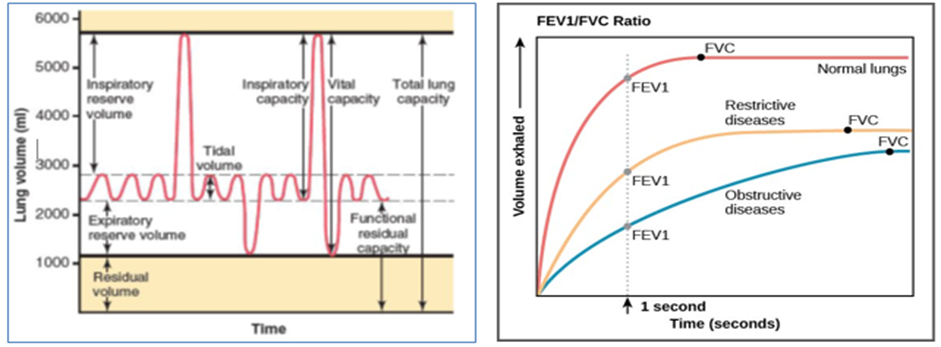
Figure: 1 Spirogram Figure: 2 Assessment of Pulmonary Function
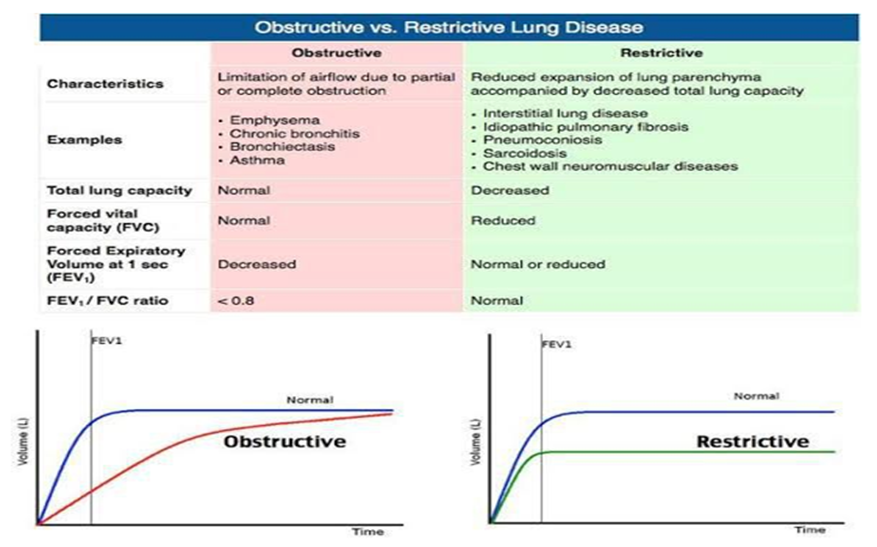
Figure 3: Obstructive Vs Restrictive lung disease
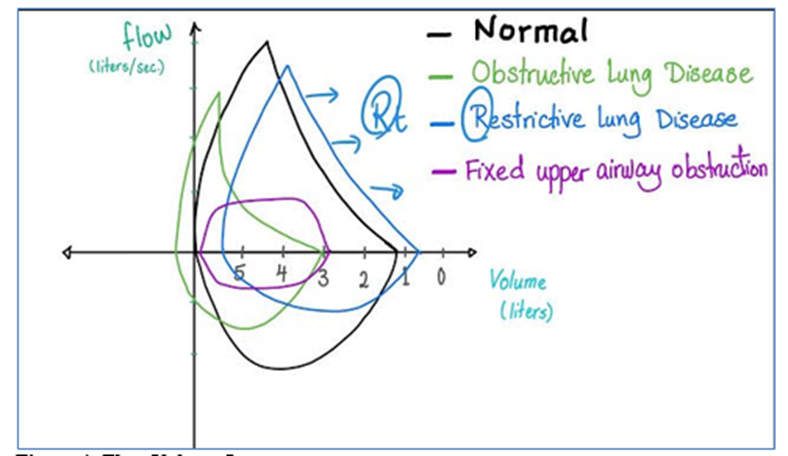
Figure 4: Flow Volume Loops
DISCUSSION:
In the present study, hypertensive participants had a significantly higher mean age (44.26 ± 7.94 years) compared to non-hypertensive controls (42.14 ± 8.87 years) (p=0.0476). Similar findings were reported by Sharma G et al.12, who observed a mean age of 45.3 ± 8.1 years among hypertensive individuals. Likewise, Singh S et al.13 documented a mean age of 43.8 ± 7.6 years in hypertensives, which is comparable to the present findings.
Male predominance was observed in both hypertensive and non-hypertensive groups, although the difference was statistically non-significant (p=0.2437). Comparable observations were made by Goyal P et al.10 and Mohammad R et al.14, who also reported higher male representation without significant gender association.
Smoking prevalence was significantly higher among hypertensive subjects (30.4%) compared to controls (17.6%) (p=0.0187). Similar results were reported by Vaishnav BT et al.9, who observed smoking prevalence of 31.4% among hypertensive individuals.
Furthermore, diabetes mellitus and dyslipidemia were markedly more prevalent among hypertensive subjects (47.2% and 50.4%, respectively) compared to non-hypertensives (11.2% and 16.0%). Similar findings were observed by Bhatia M et al.6 and Park SE et al.11, who reported significantly higher metabolic comorbidities among hypertensive populations.
Thus, Table 1 findings suggest that advancing age, smoking, diabetes, and dyslipidemia are significantly associated with hypertension and contribute to increased cardiometabolic risk.
The present study demonstrated significantly elevated systolic blood pressure, diastolic blood pressure, and mean arterial pressure among hypertensive individuals compared to non-hypertensive controls (p<0.0001). Mean SBP and DBP in hypertensives were 154.90 ± 9.08 mmHg and 97.13 ± 4.34 mmHg, respectively. Similar observations were reported by Goyal P et al.10, who documented mean SBP and DBP values of 152.6 ± 10.2 mmHg and 95.4 ± 5.1 mmHg among hypertensive patients. Likewise, Singh S et al.13 reported comparable elevated blood pressure values in hypertensive subjects.
Heart rate was also significantly higher among hypertensive individuals (84.10 ± 6.01 bpm) than controls (71.27 ± 4.33 bpm). Similar findings were observed by Gangwar V et al.15, who reported increased heart rate among hypertensive subjects due to increased sympathetic activity.
The study also found slightly lower oxygen saturation among hypertensives (96.09 ± 1.37%) compared to non-hypertensives (97.42 ± 1.17%). Comparable observations were made by Tank ND et al.4, who reported marginally reduced SpO₂ levels in hypertensive individuals.
Therefore, Table 2 findings reinforce the hemodynamic and cardiovascular alterations associated with hypertension and highlight the increased physiological stress observed in hypertensive patients.
The present study revealed significant metabolic abnormalities among hypertensive participants. Fasting blood sugar, total cholesterol, LDL cholesterol, and triglyceride levels were significantly higher in hypertensives, whereas HDL and hemoglobin levels were significantly lower (p<0.0001).
Mean fasting blood sugar among hypertensives was 135.54 ± 15.60 mg/dL, comparable to findings by Bhatia M et al.6 and Singh S et al.13, who also reported elevated glucose levels in hypertensive individuals. Similarly, Gupta R et al.16 documented significantly increased cholesterol and LDL levels among hypertensive subjects, closely matching the present findings.
The present study observed reduced HDL levels (40.14 ± 3.08 mg/dL) among hypertensives, which is consistent with observations by Park SE et al.11 and Kulbacka-Ortiz K et al.17, who reported an atherogenic lipid profile in individuals with cardiometabolic disorders.
Additionally, hemoglobin levels were significantly lower among hypertensive subjects (11.99 ± 0.57 g/dL). Similar findings were reported by Enawgaw B et al.18, who observed comparatively lower hemoglobin levels in hypertensive populations.
Overall, Table 3 findings demonstrate that hypertension is strongly associated with dysglycemia, dyslipidemia, and adverse metabolic alterations, thereby increasing cardiovascular risk among hypertensive individuals.
In the present study, pulmonary function parameters including FEV1, FVC, FEV1/FVC ratio, PEFR, and FEF25–75% were significantly reduced among hypertensive individuals compared to non-hypertensive controls (p<0.0001). Mean FEV1 and FVC among hypertensive subjects were 2.11 ± 0.17 L and 2.86 ± 0.21 L respectively, which are comparable to findings reported by Singh S et al.13 and Tank ND et al.4.
The FEV1/FVC ratio was also significantly reduced in hypertensive individuals (0.70 ± 0.03), indicating restrictive and mixed ventilatory abnormalities. Similar findings were documented by Christopher DJ et al.7, who observed reduced spirometric indices among individuals with cardiometabolic risk factors.
Predicted spirometric values were also markedly lower in hypertensives, with FEV1% predicted and FVC% predicted values of 67.87 ± 4.88% and 71.88 ± 4.49%, respectively. Comparable reductions were reported by Leong WY et al.19 among individuals with metabolic disorders.
PEFR and FEF25–75% values were substantially lower in hypertensive subjects, reflecting compromised expiratory airflow and small airway dysfunction. Similar observations were made by Vaishnav BT et al.9 and Rajput S et al.20. However, bronchodilator response did not show significant difference between groups, indicating a predominantly non-reversible ventilatory defect. Comparable findings were reported by Kulbacka-Ortiz K et al.17.
Thus, Table 4 findings strongly suggest that hypertension is associated with significant impairment in pulmonary function, possibly due to endothelial dysfunction, chronic inflammation, vascular remodeling, and cardiometabolic abnormalities.
The present study demonstrated that abnormal pulmonary function patterns were significantly more common among hypertensive individuals compared to non-hypertensive controls (p<0.0001). Only 6.4% of hypertensive participants had normal spirometry compared to 78.4% of controls. Obstructive, restrictive, and mixed ventilatory defects were predominantly observed in hypertensive subjects.
Similar findings were reported by Singh S et al.27, who observed obstructive and restrictive pulmonary patterns in 34.5% and 30.1% of hypertensive individuals, respectively. Likewise, Tank ND et al.4 documented a high prevalence of restrictive and obstructive spirometric abnormalities among hypertensive patients.
The present study observed mixed ventilatory defects in 28.0% of hypertensive participants, comparable to findings by Rajput S et al.20, who reported mixed pulmonary abnormalities among patients with metabolic disorders. In contrast, normal spirometry was predominantly observed among non-hypertensive individuals, similar to findings by Kumar A et al.21.
Therefore, Table 5 findings indicate that hypertension is strongly associated with abnormal pulmonary function patterns, particularly obstructive, restrictive, and mixed ventilatory defects, reflecting substantial respiratory involvement in hypertensive individuals.
CONCLUSION:
The present study demonstrates that hypertension is significantly associated with impaired pulmonary function, adverse metabolic profile, and increased cardiometabolic risk. Hypertensive individuals exhibited significantly reduced spirometric parameters including FEV1, FVC, FEV1/FVC ratio, PEFR, and FEF25–75%, indicating both restrictive and obstructive ventilatory abnormalities. In addition, abnormal pulmonary function patterns such as obstructive, restrictive, and mixed defects were markedly more prevalent among hypertensive subjects.
Hypertensive participants also showed significantly higher prevalence of smoking, diabetes mellitus, dyslipidemia, elevated blood pressure indices, and altered biochemical parameters, suggesting clustering of metabolic risk factors. These findings support the concept that hypertension is not only a cardiovascular disorder but also a multisystem condition with important pulmonary implications.
Therefore, routine pulmonary function assessment should be considered in hypertensive patients for early identification of respiratory impairment and comprehensive disease management. Early lifestyle modification, smoking cessation, and integrated cardiopulmonary care may help prevent progression of pulmonary dysfunction and improve overall patient outcomes.
REFERENCES:
1. Varghese JS, Venkateshmurthy NS, Sudharsanan N, Jeemon P, Patel SA, Thirumurthy H, Roy A, Tandon N, Narayan KV, Prabhakaran D, Ali MK. Hypertension diagnosis, treatment, and control in India. JAMA Network Open. 2023 Oct 2;6(10):e2339098-.
2. Wanger J. Pulmonary Function Testing: A Practical Approach: A Practical Approach. Jones & Bartlett Publishers; 2011 Jun 16.
3. Harikrishnan S, Sanjay G, Ashishkumar M, Menon J, Rajesh GN, Kumar RK, Koshy AG, Attacheril TV, George R, Punnoose E, Ashraf SM. Pulmonary hypertension registry of Kerala, India (PRO-KERALA)—clinical characteristics and practice patterns. International Journal of Cardiology. 2018 Aug 15;265:212-7.
4. Tank ND, Rupani MP, Shah RB, Shah IA, Dhatrak SV. Predictors of pulmonary dysfunction vis-à-vis the hypertension status of mine workers in Gujarat, western India: A cross-sectional study on the need to further investigate the role of anti-hypertensive drugs. Work. 2024 Jun 7;78(2):381-92.
5. Suppini N, Fira-Mladinescu O, Traila D, Motofelea AC, Marc MS, Manolescu D, Vastag E, Maganti RK, Oancea C. Longitudinal analysis of pulmonary function impairment one year post-covid-19: a single-center study. Journal of Personalized Medicine. 2023 Jul 26;13(8):1190.
6. Bhatia M, Kumar M, Dixit P, Dwivedi LK. Missed opportunities for initiation of treatment and control of hypertension among older adults in India. Preventive Medicine Reports. 2022 Dec 1;30:102057.
7. Christopher DJ, Oommen AM, George K, Shankar D, Agrawal A, Thangakunam B. Prevalence of airflow obstruction as measured by spirometry, in rural southern Indian adults. COPD: Journal of Chronic Obstructive Pulmonary Disease. 2020 Mar 3;17(2):128-35.
8. IJ NS, Sangeetha S, Yadukrishnan G, Priya M, Kanakaraju K, Sujitha N, Mano P. A community-based cross-sectional study on respiratory health and spirometry-assessed pulmonary function among textile workers in Tamil Nadu, India. Cureus. 2024 Mar 5;16(3).
9. Vaishnav BT, Gangani SK, Anand S, Pailla R, Mondkar S. Comparative study of spirometry parameters in chronic smokers with and without type 2 diabetes mellitus (T2DM). Journal of Family Medicine and Primary Care. 2024 Aug 1;13(8):2921-6.
10. Goyal P, Goyal GK, Yadav K, Bhatt A, Nassa K, Raushan SK, Aggarwal D, Dagar R. Attributes of hypertension among industrial workers in Northern India-An alarming signal. Journal of Family Medicine and Primary Care. 2024 Jan 1;13(1):330-5.
11. Park SE, So WY, Kang YS, Yang JH. Relationship between perceived stress, obesity, and hypertension in Korean adults and older adults. InHealthcare 2023 Aug 11 (Vol. 11, No. 16, p. 2271). MDPI.
12. Sharma G, Goodwin J. Effect of aging on respiratory system physiology and immunology. Clin Interv Aging. 2006;1(3):253–60.
13. Singh S, Mehra R, Gupta A. Correlation of pulmonary function parameters with duration and severity of hypertension in North Indian adults. Lung India. 2023;40(2):97-103.
14. Mohammad R, Bansod DW. Hypertension in India: a gender-based study of prevalence and associated risk factors. BMC public health. 2024 Oct 1;24(1):2681.
15. Gangwar V, John N, Verma M, John J, Jasrotia RB, Singh A. Evaluation of lung functions, blood pressure, and hearing deterioration in tile setters. Cureus. 2023 Feb 21;15(2).
16. Gupta R, Gaur K, Ahuja S, Anjana RM. Recent studies on hypertension prevalence and control in India 2023. Hypertension Research. 2024 Jun;47(6):1445-56.
17. Kulbacka-Ortiz K, Triest FJ, Franssen FM, Wouters EF, Studnicka M, Vollmer WM, Lamprecht B, Burney PG, Amaral AF, Vanfleteren LE. Restricted spirometry and cardiometabolic comorbidities: results from the international population based BOLD study. Respiratory Research. 2022 Feb 17;23(1):34.
18. Enawgaw B, Adane N, Terefe B, Asrie F, Melku M. A comparative cross-sectional study of some hematological parameters of hypertensive and normotensive individuals at the university of Gondar hospital, Northwest Ethiopia. BMC hematology. 2017 Nov 28;17(1):21.
19. Leong WY, Gupta A, Hasan M, Mahmood S, Siddiqui S, Ahmed S, Goon IY, Loh M, Mina TH, Lam B, Yew YW. Reference equations for evaluation of spirometry function tests in South Asia, and among South Asians living in other countries. European Respiratory Journal. 2022 Dec 1;60(6).
20. Rajput S, Parashar R, Sharma JP, Raghuwanshi P, Pakhare AP, Joshi R, Hulke S. Assessment of pulmonary functions and dysfunctions in type II diabetes mellitus: a comparative cross-sectional study. Cureus. 2023 Feb 16;15(2).
21. Kumar A, Kaur R, Hadda V, Mani K, Nongkynrih B, Gupta SK, Kant S. Spirometry-based prevalence of chronic obstructive pulmonary disease & associated factors among community-dwelling rural elderly. Indian Journal of Medical Research. 2021 Nov 1;154(5):707-15.