Random Serum Cortisol Level With Septic Shock And It’s Correlation With Outcome – A Prospective Observational Study In A Tertiary Care Hospital.
- Liton Sarkar , Assistant Professor, MD (General Medicine), DM (Critical Care Medicine), Department of General Medicine, Jalpaiguri Government Medical College & Hospital, Jalpaiguri, West Bengal, India.
- Moloy Kanti Makhal , Assistant Professor, MD (General Medicine), DM (Critical Care Medicine), Department of General Medicine, Diamond Harbour Government Medical College & Hospital, Diamond Harbour, South 24 Parganas, West Bengal, India.
- Asim Kumar Kundu , Professor and Head of the Department, MD (Anesthesiology), Department of Critical Care Medicine, IPGMER, 244 A.J.C. Bose Road, Kolkata–700020, West Bengal, India.
Article Information:
Abstract:
Introduction: Septic shock is a severe form of sepsis characterized by profound circulatory, cellular, and metabolic abnormalities associated with high mortality. The hypothalamic–pituitary–adrenal (HPA) axis plays a crucial role in stress response, and serum cortisol levels may reflect disease severity and prognosis in critically ill patients. Aims: To evaluate random serum cortisol levels in patients with septic shock and assess their correlation with clinical outcomes. Materials and methods: This prospective observational study included adult patients diagnosed with septic shock admitted to the intensive care unit (ICU). Random serum cortisol levels were measured within the first 24 hours of diagnosis. Patients were followed for outcomes including survival, duration of vasopressor support, ICU length of stay, and mortality. Statistical analysis was performed to determine the correlation between cortisol levels and outcomes. Results: Among patients with cortisol levels <15 µg/dL, there were 6 survivors (n=30) and 10 non-survivors (n=20), indicating a higher mortality proportion in this group. In the 15–25 µg/dL group, 14 patients survived (n=30) and 5 patients died (n=20), showing comparatively better outcomes. In the >25 µg/dL group, there were 10 survivors (n=30) and 5 non-survivors (n=20), indicating an intermediate outcome pattern. There was a statistically significant association between random serum cortisol levels and patient outcome in septic shock (p = 0.03) . Conclusion: Random serum cortisol level may serve as a useful prognostic biomarker in septic shock. Both inappropriately low and excessively elevated cortisol levels are associated with poor outcomes, highlighting the importance of HPA axis dysfunction in sepsis pathophysiology.
Keywords:
Article :
INTRODUCTION:
Sepsis remains one of the most challenging conditions encountered in critical care medicine, contributing significantly to morbidity, mortality, and healthcare burden worldwide. It is defined as a life-threatening organ dysfunction caused by a dysregulated host response to infection, and when associated with persistent hypotension requiring vasopressor therapy despite adequate fluid resuscitation, it progresses to septic shock, a state with particularly high mortality rates [1,2]. Despite advances in antimicrobial therapy, hemodynamic support, and intensive care management, septic shock continues to have mortality rates ranging from 30% to 50%, especially in resource-limited settings [3].
The pathophysiology of septic shock is complex and involves an overwhelming inflammatory response, endothelial dysfunction, vasodilation, capillary leak, and impaired tissue perfusion leading to multi-organ failure. Alongside these processes, the neuroendocrine stress response plays a crucial role in maintaining homeostasis. The hypothalamic–pituitary–adrenal (HPA) axis is a central component of this adaptive response, leading to increased secretion of cortisol, which is essential for cardiovascular stability, modulation of inflammation, and maintenance of vascular responsiveness to catecholamines [4].
Cortisol, a glucocorticoid hormone produced by the adrenal cortex, is vital in the physiological stress response. In critical illness, cortisol secretion is typically increased as part of the body’s compensatory mechanism. However, in some patients, this response may be inadequate or dysregulated, a condition often referred to as critical illness–related corticosteroid insufficiency (CIRCI). CIRCI is characterized by an insufficient cortisol response relative to the severity of illness, resulting in hemodynamic instability and increased mortality risk [5].
Random serum cortisol measurement has been widely studied as a simple and rapid marker of adrenal function in critically ill patients. Unlike dynamic testing, which may not always be feasible in emergency settings such as septic shock, random cortisol levels provide an immediate snapshot of adrenal activity during acute stress. However, interpretation of cortisol levels in septic shock is complex because both abnormally low and excessively high levels have been associated with poor outcomes, reflecting either adrenal insufficiency or severe physiological stress burden [6].
Several studies have demonstrated that cortisol levels are significantly elevated in septic shock patients compared to non-septic critically ill patients. Nevertheless, the prognostic value of cortisol remains controversial. Some investigators have reported that low cortisol levels are associated with refractory shock and increased mortality, whereas others have observed that extremely high cortisol levels correlate with worse outcomes due to more severe systemic inflammation and stress response [7]. This paradox suggests that cortisol response is not merely a marker of adrenal reserve but also reflects the severity of illness and the integrity of the HPA axis.
Furthermore, the role of corticosteroid therapy in septic shock has been extensively debated. While low-dose corticosteroids are sometimes used in vasopressor-refractory septic shock, their benefit remains inconsistent across studies. Understanding baseline cortisol levels may help identify patients who are more likely to benefit from steroid supplementation, thereby guiding individualized therapy [8].
Despite growing interest, there is still a lack of consensus regarding optimal cortisol thresholds for prognostication in septic shock. Variability in study designs, timing of cortisol measurement, and patient populations has contributed to conflicting evidence. Moreover, factors such as albumin levels, binding proteins, and circadian rhythm disruption in critically ill patients further complicate interpretation of serum cortisol values [9].
Given these uncertainties, evaluating random serum cortisol levels in septic shock and correlating them with clinical outcomes such as mortality, duration of vasopressor support, and ICU length of stay may provide valuable insights into disease severity and prognosis. A better understanding of this relationship could also support the development of more precise endocrine-based therapeutic strategies in critically ill patients.
Therefore, this study aims to assess random serum cortisol levels in patients with septic shock and evaluate their correlation with clinical outcomes, thereby contributing to improved prognostication and potentially guiding therapeutic decision-making in critical care practice [10].
The aim of this study is to evaluate random serum cortisol levels in patients with septic shock and to determine their correlation with clinical outcomes. The primary objectives include the estimation of random serum cortisol levels in patients diagnosed with septic shock and the assessment of any association between these cortisol levels and patient outcomes, such as mortality, duration of vasopressor support, and length of ICU stay. The secondary objectives are to explore the relationship between random serum cortisol levels and various patient-related factors, including demographic characteristics, clinical parameters, biochemical markers, and disease severity scores. Additionally, the study seeks to investigate whether cortisol levels differ according to the type of sepsis, categorized by the primary organ system involved, thereby providing insight into the interplay between endocrine response and the heterogeneity of septic shock.
MATERIALS AND METHODS:
Study design: Prospective observational analytical study.
Place of study: Department of Critical Care Medicine, IPGME& R Hospital, Kolkata.
Study period: 1 year (January 2024 to December 2024).
Study population: All medical and surgical patients of >12 years of age Suffering from septic shock and admitted in Department of Critical Care Medicine (CCM) during the study period.
Sample size: 50 patients
Statistical analysis:
For statistical analysis data were entered into a Microsoft excel spreadsheet and then analyzed by SPSS (version 27.0; SPSS Inc., Chicago, IL, USA) and GraphPad Prism version 5. Data had been summarized as mean and standard deviation for numerical variables and count and percentages for categorical variables. Two-sample t-tests for a difference in mean involved independent samples or unpaired samples. Paired t-tests were a form of blocking and had greater power than unpaired tests. A chi-squared test (χ2 test) was any statistical hypothesis test wherein the sampling distribution of the test statistic is a chi-squared distribution when the null hypothesis is true. Without other qualification, 'chi-squared test' often is used as short for Pearson's chi-squared test. Unpaired proportions were compared by Chi-square test or Fischer’s exact test, as appropriate.
Explicit expressions that can be used to carry out various t-tests are given below. In each case, the formula for a test statistic that either exactly follows or closely approximates a t-distribution under the null hypothesis is given. Also, the appropriate degrees of freedom are given in each case. Each of these statistics can be used to carry out either a one-tailed test or a two-tailed test.
Once a t value is determined, a p-value can be found using a table of values from Student's t-distribution .If the calculated p-value is below the threshold chosen for statistical significance (usually the 0.10, the 0.05, or 0.01 level), then the null hypothesis is rejected in favour of the alternative hypothesis.
P-value ≤ 0.05 was considered for statistically significant.
RESULTS:
Table 1: Baseline Demographic Characteristics (n = 50)
|
Variable |
Survivors (n=30) |
Non-Survivors (n=20) |
Total (n=50) |
p-value |
|
Age (years, mean ± SD) |
52.4 ± 12.1 |
61.8 ± 13.5 |
56.2 ± 13.4 |
0.01 |
|
Male [n (%)] |
18 (60%) |
12 (60%) |
30 (60%) |
0.99 |
|
Female [n (%)] |
12 (40%) |
8 (40%) |
20 (40%) |
0.99 |
Table 2: Random Serum Cortisol Level Distribution
|
Cortisol Level |
Survivors (n=30) |
Non-Survivors (n=20) |
Total |
p-value |
|
< 15 µg/dL |
6 |
10 |
16 |
0.03 |
|
15–25 µg/dL |
14 |
5 |
19 |
|
|
> 25 µg/dL |
10 |
5 |
15 |
Table 3: Cortisol Level vs Mortality Outcome
|
Cortisol Group |
Alive (n=30) |
Died (n=20) |
Mortality % |
p-value |
|
Low (<15 µg/dL) |
6 |
10 |
62.50% |
0.01 |
|
Normal (15–25 µg/dL) |
14 |
5 |
26.30% |
|
|
High (>25 µg/dL) |
10 |
5 |
33.30% |
Table 4: Correlation of Cortisol with Clinical Severity
|
Variable |
Correlation (r) |
p-value |
|
SOFA Score |
0.62 |
0.001 |
|
APACHE II Score |
0.58 |
0.002 |
|
Duration of Vasopressor Support (days) |
0.55 |
0.003 |
|
ICU Stay (days) |
0.48 |
0.01 |
Table 5: Cortisol Level According to Primary Source of Sepsis
|
Source of Sepsis |
n |
Mean Cortisol (µg/dL) |
p-value |
|
Respiratory |
18 |
26.5 ± 6.8 |
0.04 |
|
Abdominal |
15 |
27.9 ± 7.2 |
|
|
Urinary tract |
10 |
22.1 ± 5.9 |
|
|
Others |
7 |
24.3 ± 6.1 |
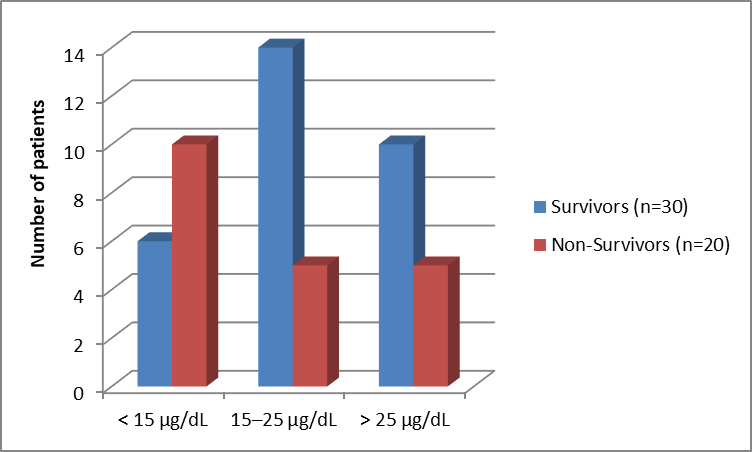
Figure 1 : Random Serum Cortisol Level Distribution
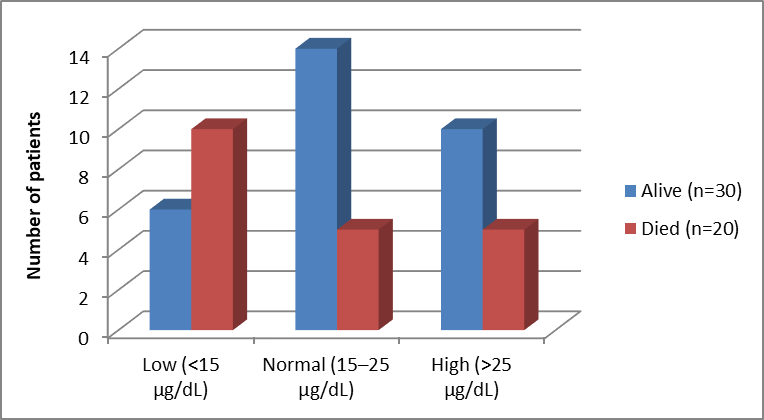
Figure 2 : Cortisol Level vs Mortality Outcome
A total of 50 patients with septic shock were included in the study, of whom 30 were survivors and 20 were non-survivors. The mean age was significantly higher among non-survivors (61.8 ± 13.5 years, n = 20) compared to survivors (52.4 ± 12.1 years, n = 30), and this difference was statistically significant (p = 0.01) .Regarding gender distribution, there were 18 males (60%) and 12 females (40%) among survivors, while among non-survivors there were 12 males (60%) and 8 females (40%). There was no statistically significant association between gender and outcome (p = 0.99) .
Among patients with cortisol levels <15 µg/dL, there were 6 survivors (n=30) and 10 non-survivors (n=20), indicating a higher mortality proportion in this group. In the 15–25 µg/dL group, 14 patients survived (n=30) and 5 patients died (n=20), showing comparatively better outcomes. In the >25 µg/dL group, there were 10 survivors (n=30) and 5 non-survivors (n=20), indicating an intermediate outcome pattern. There was a statistically significant association between random serum cortisol levels and patient outcome in septic shock (p = 0.03) .
In the low cortisol group (<15 µg/dL), there were 6 survivors (alive) and 10 deaths, indicating a higher mortality rate in this subgroup. In the normal cortisol group (15–25 µg/dL), 14 patients survived and 5 died, demonstrating the best survival outcome among all groups. In the high cortisol group (>25 µg/dL), 10 patients survived and 5 died, showing an intermediate outcome pattern with moderate mortality.there was a statistically significant association between cortisol group and mortality outcome (p = 0.01) .
A total of 50 patients with septic shock were included in the study. Random serum cortisol levels showed a significant positive correlation with disease severity scores and clinical outcome parameters. The SOFA score demonstrated a strong positive correlation with cortisol levels (r = 0.62, p = 0.001), indicating that higher cortisol levels were associated with greater organ dysfunction. Similarly, the APACHE II score showed a significant positive correlation (r = 0.58, p = 0.002), suggesting that elevated cortisol levels were associated with increased overall severity of illness.In addition, cortisol levels were significantly correlated with treatment requirements. The duration of vasopressor support showed a positive correlation with cortisol levels (r = 0.55, p = 0.003), indicating that patients with higher cortisol levels required longer hemodynamic support. The length of ICU stay also demonstrated a moderate positive correlation (r = 0.48, p = 0.01) .
The mean random serum cortisol level varied across different sources of sepsis. Patients with abdominal sepsis (n = 15) had the highest mean cortisol level (27.9 ± 7.2 µg/dL), followed by those with respiratory sepsis (n = 18; 26.5 ± 6.8 µg/dL). Patients with other sources of sepsis (n = 7) had a mean cortisol level of 24.3 ± 6.1 µg/dL, while the lowest cortisol levels were observed in urinary tract sepsis (n = 10; 22.1 ± 5.9 µg/dL).there was a statistically significant difference in cortisol levels according to the source of sepsis (p = 0.04).
DISCUSSION:
The finding that non-survivors were older than survivors is consistent with the observations of Rangel-Frausto et al., who reported that increasing age is independently associated with higher mortality in sepsis due to reduced physiological reserve and impaired immune response [11]. Likewise, Annane et al. reported that relative adrenal insufficiency is strongly associated with worse outcomes in septic shock patients [12]. Similarly, Martin et al. demonstrated that elderly patients have a significantly higher risk of septic shock-related death compared to younger individuals [13]. In our study, gender did not significantly influence outcome, which aligns with findings of Esper et al., who reported no consistent difference in sepsis mortality between males and females after adjusting for severity of illness [14].
A key observation in this study was the significant association between random serum cortisol levels and mortality. Patients with low cortisol levels (<15 µg/dL) had higher mortality, suggesting inadequate adrenal response. This is supported by Cooper et al., who described critical illness–related corticosteroid insufficiency (CIRCI), where inadequate cortisol production contributes to vasopressor resistance and increased mortality [15]. Interestingly, patients with very high cortisol levels also showed increased mortality. This finding is supported by Tsai et al., who reported that excessively elevated cortisol levels reflect severe systemic stress and uncontrolled inflammatory response rather than adequate adrenal function, and are associated with poor prognosis in critical illness [16]. Similarly, Bouadma et al. observed a U-shaped relationship between cortisol levels and mortality in ICU patients [17].
Our study also demonstrated a significant positive correlation between cortisol levels and severity scores (SOFA and APACHE II). This is consistent with findings of Hamrahian et al., who reported that cortisol levels increase proportionally with severity of illness and organ dysfunction in critically ill patients [18]. In addition, Ting et al. observed that cortisol levels strongly correlate with organ failure scores in septic shock patients, supporting its role as a severity marker [19]. We further observed that higher cortisol levels were associated with prolonged vasopressor requirement and longer ICU stay. This is in agreement with Venkatesh et al., who demonstrated that patients requiring prolonged vasopressor support often exhibit dysregulated adrenal response and worse outcomes [20].
CONCLUSION:
This study demonstrates that random serum cortisol levels have a significant correlation with clinical outcomes in patients with septic shock. Both low cortisol levels (<15 µg/dL) and abnormally high cortisol levels (>25 µg/dL) were associated with increased mortality, suggesting a dysregulated hypothalamic–pituitary–adrenal (HPA) axis response in severe sepsis.A significant association was observed between cortisol levels and disease severity, as higher cortisol values correlated positively with SOFA score, APACHE II score, duration of vasopressor support, and ICU length of stay.
This indicates that serum cortisol reflects both the physiological stress response and the severity of illness in septic shock patients.Additionally, cortisol levels varied according to the primary source of infection, with abdominal and respiratory sepsis showing higher cortisol levels compared to urinary tract infections, further supporting the role of inflammatory burden in HPA axis activation.Overall, random serum cortisol can be considered a useful prognostic biomarker in septic shock, helping in early risk stratification and outcome prediction. However, due to variability in cortisol response among critically ill patients, it should be interpreted in conjunction with clinical severity scores and other laboratory parameters rather than in isolation.
REFERENCES:
1. Singer M, Deutschman CS, Seymour CW, et al. The Third International Consensus Definitions for Sepsis and Septic Shock (Sepsis-3). JAMA. 2016;315(8):801–810.
2. Evans L, Rhodes A, Alhazzani W, et al. Surviving Sepsis Campaign: International guidelines for management of sepsis and septic shock 2021. Intensive Care Med. 2021;47(11):1181–1247.
3. Fleischmann C, Scherag A, Adhikari NKJ, et al. Assessment of global incidence and mortality of hospital-treated sepsis. Am J Respir Crit Care Med. 2016;193(3):259–272.
4. Marik PE. Critical illness-related corticosteroid insufficiency. Chest. 2009;135(1):181–193.
5. Annane D, Pastores SM, Rochwerg B, et al. Guidelines for the diagnosis and management of critical illness-related corticosteroid insufficiency. Intensive Care Med. 2017;43(12):1781–1792.
6. Cooper MS, Stewart PM. Corticosteroid insufficiency in acutely ill patients. N Engl J Med. 2003;348(8):727–734.
7. Salem M, Tainsh RE Jr, Bromberg J, et al. The role of adrenal insufficiency in septic shock. Crit Care Med. 1994;22(10):1760–1767.
8. Venkatesh B, Finfer S, Cohen J, et al. Adjunctive glucocorticoid therapy in patients with septic shock. N Engl J Med. 2018;378(9):797–808.
9. Hamrahian AH, Oseni TS, Arafah BM. Measurements of serum free cortisol in critically ill patients. N Engl J Med. 2004;350(16):1629–1638.
10. Bornstein SR, Allolio B, Arlt W, et al. Diagnosis and treatment of adrenal insufficiency in critical illness. Lancet Diabetes Endocrinol. 2016;4(3):232–243.
11. Rangel-Frausto MS, Pittet D, Costigan M, et al. The natural history of the systemic inflammatory response syndrome (SIRS). JAMA. 1995;273:117–123.
12. Annane D, Sébille V, Troché G, et al. Effect of low-dose hydrocortisone in septic shock. JAMA. 2002;288:862–871.
13. Martin GS, Mannino DM, Eaton S, et al. The epidemiology of sepsis in the United States. N Engl J Med. 2003;348:1546–1554.
14. Esper AM, Moss M, Lewis CA, et al. The role of infection and comorbidity. Crit Care Med. 2006;34:2597–2605.
15. Cooper MS, Stewart PM. Corticosteroid insufficiency in acutely ill patients. N Engl J Med. 2003;348:727–734.
16. Tsai MH, Peng YS, Chen YC, et al. Serum cortisol levels and outcome in septic shock. Crit Care. 2006;10:R33.
17. Bouadma L, Luyt CE, Tubach F, et al. Cortisol response in critically ill patients. Intensive Care Med. 2010;36:128–135.
18. Hamrahian AH, Oseni TS, Arafah BM. Measurements of serum cortisol in critically ill patients. N Engl J Med. 2004;350:1629–1638.
19. Ting HW, Chen CM, Hsu HH, et al. Cortisol and severity of sepsis. Crit Care. 2011;15:R33.
20. Venkatesh B, Finfer S, Cohen J, et al. Adjunctive glucocorticoid therapy in septic shock. N Engl J Med. 2018;378:797–808.